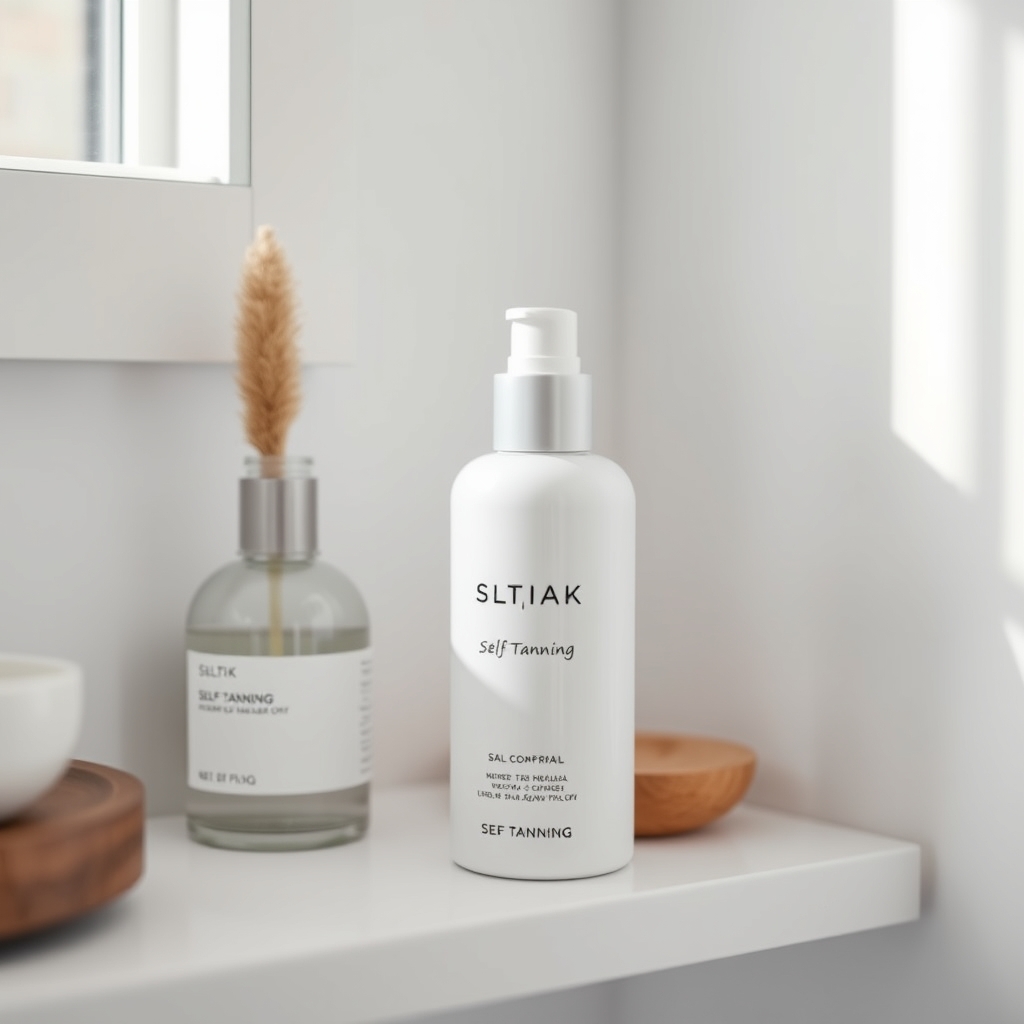
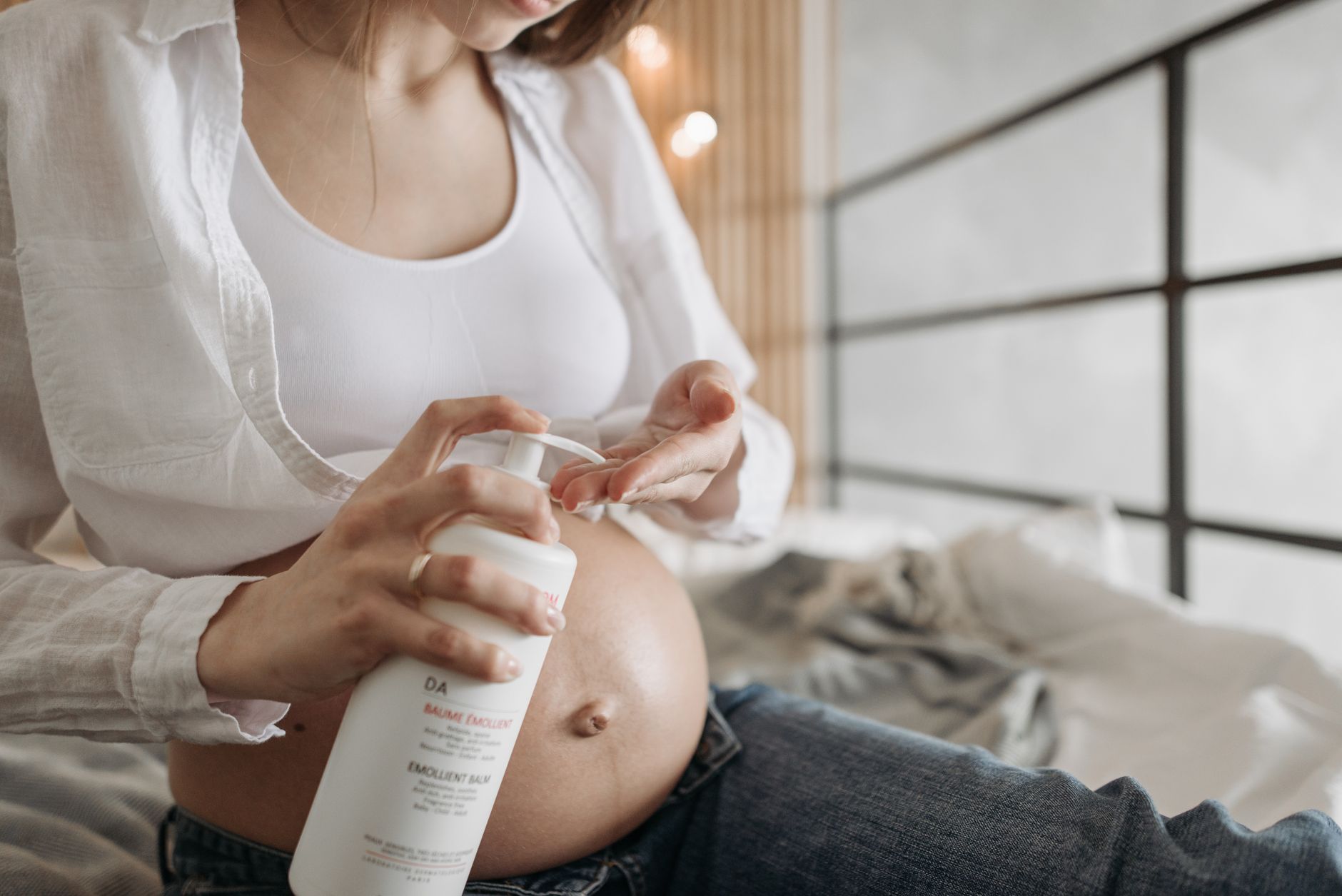
Safe: Self tanning lotion is generally considered safe during pregnancy when used at the recommended amount of 1‑2 sprays per day, especially after the first trimester.
By Shubhra Mishra — a mom of two who turned her own confusion during pregnancy into BumpBites, a global mission to make food choices clear, safe, and stress-free for every expecting mother. 💛
Check whether any food is safe during pregnancy with the BumpBites Food Safety Checker.
Download the Complete Pregnancy Food Guide (10,000 Foods) 📘
Instant PDF download • No spam • Trusted by thousands of moms
💡 Your email is 100% safe — no spam ever.
Quick verdict: ⚠️ Talk to your doctor first. Self‑tanning lotion is generally considered low‑risk, but because the evidence is limited and skin reactions can occur, it’s best to discuss use with your obstetric provider, especially in the first trimester.
It’s 2 a.m., you’re scrolling through product reviews, and a bright bottle of self‑tanning lotion catches your eye. You’ve just discovered you’re pregnant and suddenly wonder if that bronzed glow you’ve been dreaming of might harm your baby. You’re not alone—many expecting parents ask, “Is self tanning lotion safe for pregnancy?” The short answer is that most dermatologists and obstetric societies say the topical DHA in self‑tanners is unlikely to cause fetal issues, but there are nuances you should know.
In this article we’ll break down the overall safety verdict for self‑tanning lotion, explore trimester‑specific guidance, outline how much you can safely apply, and list brands and alternative options that are considered pregnancy‑friendly. We’ll also flag any red‑flag symptoms that warrant a call to your provider, so you can stop worrying and enjoy that sun‑kissed glow with confidence.
Below you’ll find a quick safety snapshot, a clear explanation of what self‑tanning lotion is, evidence‑based answers from ACOG, NHS, and the FDA, and practical tips for choosing the right product or a safer alternative. Let’s dive in.
Choosing a product with pregnancy‑approved ingredients can help you feel confident about your glow.
Stage
Verdict
Notes
First trimester
⚠️ Talk to your doctor
Limited data; avoid if you have a history of skin reactions.
Second trimester
✅ Generally safe
Use products with DHA ≤ 5 % and apply as directed.
Third trimester
✅ Generally safe
Same precautions as second trimester; monitor for irritation.
Breastfeeding
✅ Generally safe
Topical DHA not absorbed into breast milk; keep skin clean.
What is self tanning lotion?
Self‑tanning lotion is a cosmetic product designed to give your skin a brown, “sun‑kissed” appearance without exposure to ultraviolet (UV) radiation. The active ingredient is typically dihydroxyacetone (DHA), a colorless sugar that reacts with the amino acids on the skin’s surface to produce a temporary brown pigment—a process known as the Maillard reaction. Most lotions also contain moisturizers, bronzers, and fragrance to enhance the feeling and look of a natural tan.
Because DHA works only on the outermost layer of skin (the stratum corneum), it does not enter the bloodstream in significant amounts. This limited absorption is why many health agencies consider self‑tanning products to be low‑risk for systemic effects. Expecting mothers often choose self‑tanners over sunbathing or spray tans to avoid UV‑related DNA damage, which can increase skin‑cancer risk. However, the safety of self‑tanning lotion safe for pregnancy still depends on product formulation, frequency of use, and individual skin sensitivity.
Is self tanning lotion safe during pregnancy?
C
urrent guidance from major health authorities suggests that self‑tanning lotion is unlikely to harm a developing fetus when used as directed. The American College of Obstetricians and Gynecologists (ACOG) notes that topical DHA “has not been shown to cross the placenta” and therefore does not pose a teratogenic risk. The U.K.’s National Health Service (NHS) echoes this sentiment, stating that self‑tanners are “generally safe for pregnant women” but advises caution for those with a history of skin allergies.
The U.S. Food and Drug Administration (FDA) classifies DHA‑containing products as cosmetics, not drugs, and requires manufacturers to list DHA concentrations on the label. While the FDA has not set a specific pregnancy limit, it emphasizes that DHA is safe for topical use up to 5 % concentration. The Centers for Disease Control and Prevention (CDC) also highlights that there is no evidence linking topical self‑tanners to adverse pregnancy outcomes.
Most of the concern stems from anecdotal reports of skin irritation, especially in the first trimester when hormonal changes can make the skin more reactive. In practice, obstetric providers often recommend a trial patch on a small area of skin before full‑body application, and they advise pregnant users to avoid inhalation of spray‑type products. Overall, the evidence supports that self‑tanning lotion safe for pregnancy is permissible, but individual circumstances matter.
Is self tanning lotion safe to use in the first trimester of pregnancy?
The first trimester is the period of organogenesis, when the fetus’s major organs are forming. Because this is a high‑risk window, many clinicians advise extra caution with any product that could theoretically be absorbed. Although DHA is not known to cross the placenta, ACOG recommends discussing any new cosmetic or skincare product with your provider during the first 12 weeks, especially if you have a history of eczema or allergic reactions.
If your obstetrician gives the green light, limit use to a single application and choose a lotion with DHA ≤ 5 % and no added fragrances. Apply the product to a small test patch first, wait 24 hours, and observe for any redness, itching, or swelling. If you experience any irritation, discontinue use and seek medical advice.
Can I apply self tanning lotion during the second and third trimesters?
During the second and third trimesters, the risk of teratogenic effects from topical agents is markedly lower. ACOG and NHS both state that self‑tanning lotion can be used safely in these later stages, provided you follow standard application guidelines and avoid excessive layering that could increase skin irritation.
Most pregnant individuals find that their skin becomes less reactive after the first trimester, making self‑tanning lotions easier to tolerate. Nonetheless, keep the application thin, allow the product to dry fully before dressing, and stay hydrated to support skin health. If you notice any new rash or heightened sensitivity, pause use and consult your provider.
How much self tanning lotion can I safely apply while pregnant?
There is no universally prescribed “dose” for self‑tanning lotion, but manufacturers typically recommend applying a thin, even layer to the entire body, which usually amounts to 30–40 ml (about one ounce) per full‑body application. Using more than the recommended amount does not deepen the color any faster; it merely increases the chance of streaks and skin irritation.
For pregnant users, the safest approach is to follow the product’s instructions exactly and limit applications to once every 3–5 days. This frequency allows the skin to shed the top layer of DHA‑colored cells naturally, usually within 5–7 days, reducing cumulative exposure. If you’re using a spray rather than a lotion, keep the nozzle at least 6 inches from the skin to avoid inhalation, and consider applying in a well‑ventilated area.
What are the potential risks of using self tanning lotion during pregnancy?
The primary risks are skin‑related rather than fetal. Common side effects include mild redness, itching, or a temporary rash where the product contacts the skin. In rare cases, individuals may develop a contact allergy to DHA or to added fragrance components. These reactions are usually manageable with topical hydrocortisone or a switch to a fragrance‑free formula.
Because DHA is a sugar that does not penetrate deeply, there is no credible evidence that it harms fetal development. However, if you have a pre‑existing skin condition such as eczema, psoriasis, or a history of allergic contact dermatitis, the risk of an exacerbated flare may be higher. In such cases, discuss alternatives with your obstetrician.
Which self tanning lotion brands are considered safe for pregnant women?
When choosing a brand, look for products that list DHA at 5 % or lower, are fragrance‑free, and have been dermatologist‑tested. Below is a short list of brands that meet these criteria and are commonly recommended by prenatal skincare specialists:
St. Tropez Self Tan Airbrush Spray – 4 % DHA, fragrance‑free, quick‑dry formula.
Loving Tan Deluxe Bronzer – 3.5 % DHA, enriched with aloe for soothing.
Bondi Sands Self Tanning Mousse – 4 % DHA, includes vitamin E.
Vita Liberata Deluxe Body Lotion – 5 % DHA, organic‑derived, hypoallergenic.
L’Oréal Paris Bronze Powder – 4 % DHA, powder form reduces liquid contact.
Nivea Sun Kiss Tinted Moisturizer – 3 % DHA, added SPF 15 for sun protection.
Always read the ingredient list; avoid products that contain parabens, phthalates, or high‑level fragrances, as these additives are best limited during pregnancy.
Are there safer alternatives to self tanning lotion for a tan while pregnant?
If you’d rather skip DHA altogether, there are several pregnancy‑friendly options that give a bronzed look without any chemical tanners:
St. Tropez Self Tan Airbrush Spray – a mist that deposits a light, natural‑looking glow with minimal skin contact.
Loving Tan Deluxe Bronzer – a sheer bronzer that adds color while moisturizing.
Bondi Sands Self Tanning Mousse – airy mousse that builds color gradually, reducing the need for heavy applications.
Vita Liberata Deluxe Body Lotion – a lotion with botanical tints for a subtle sun‑kiss.
Tan‑Luxe The Gradual Tanning Lotion – a slow‑release formula that lets you control depth over several days.
Jergens Natural Glow Daily Moisturizer – everyday moisturizer that gives a faint glow without a strong DHA load.
L’Oréal Paris Bronze Powder – powder that can be brushed on for instant color.
Nivea Sun Kiss Tinted Moisturizer – tinted moisturizer with built‑in SPF for dual protection.
These alternatives often contain lower concentrations of DHA or rely on natural pigments and moisturizers, making them a gentler choice for sensitive pregnant skin.
Can self tanning lotion cause skin irritation or allergic reactions in pregnancy?
Yes, the same mechanisms that cause irritation in non‑pregnant individuals can be amplified during pregnancy due to hormonal changes that affect skin barrier function. Fragrances, preservatives, and even DHA itself can trigger contact dermatitis in a small subset of users. If you notice any redness, itching, or swelling within 24 hours of application, rinse the area with cool water, discontinue use, and apply a soothing moisturizer. If symptoms persist, contact your provider for evaluation.
Does using self tanning lotion affect my baby's development?
Current research does not support a link between topical self‑tanning lotion and adverse fetal outcomes. DHA does not penetrate beyond the outermost skin layer, and studies on pregnant animals have shown no teratogenic effects from topical DHA exposure. Nevertheless, because the scientific literature is limited, many obstetricians advise a cautious approach, especially during the first trimester. Discussing product choice with your provider ensures you stay within a safety margin that aligns with your overall prenatal care plan.
Apply a thin, even layer and wait for the product to dry before dressing to reduce irritation.
Safe dosage / amount / brands
For most self‑tanning lotions, a “dose” translates to the amount of product you apply per full‑body use. Here are the general guidelines:
Recommendation
Details
Amount per application
30–40 ml (≈1 oz) for a full‑body coverage; apply a thin, even layer.
Frequency
Once every 3–5 days; allow the skin to exfoliate the DHA‑colored cells naturally.
Preferred brands
St. Tropez Airbrush Spray, Loving Tan Deluxe Bronzer, Bondi Sands Mousse, Vita Liberata Deluxe Lotion, Tan‑Luxe Gradual Lotion, Jergens Natural Glow, L’Oréal Bronze Powder, Nivea Sun Kiss Tinted Moisturizer.
Brands to avoid
Products with >5 % DHA, added parabens, phthalates, or strong fragrances (e.g., certain “rapid‑tan” sprays).
When using spray‑type products, keep the nozzle at least 6 inches from the skin and work in a well‑ventilated area to minimize inhalation. If you have particularly sensitive skin, opt for fragrance‑free, hypoallergenic formulas and perform a patch test on your inner forearm 24 hours before full application.
Side effects and risks
Most side effects are mild and localized:
Skin irritation: Redness, itching, or a mild rash can occur, especially if the product is applied too thickly.
Allergic reaction: Rarely, DHA or added fragrance can trigger contact dermatitis; symptoms include swelling, blistering, and intense itching.
Uneven color: Streaks or patches may form if the lotion is not blended well.
Inhalation concerns: Spray products can be inhaled; use in a ventilated space and avoid spraying directly on the face.
These reactions are generally not dangerous to the fetus but can cause discomfort for the mother. If you experience any of the following, contact your provider promptly:
Severe swelling or blistering.
Fever, chills, or spreading rash beyond the application site.
Difficulty breathing after using a spray product.
Safer alternatives
If you’d prefer to avoid DHA entirely, consider these pregnancy‑approved options that give a sun‑kissed look without the same risk profile:
St. Tropez Self Tan Airbrush Spray – lightweight mist, low DHA concentration.
Loving Tan Deluxe Bronzer – sheer bronzer with moisturizing agents.
Bondi Sands Self Tanning Mousse – airy mousse that builds color gradually.
Vita Liberata Deluxe Body Lotion – botanical tints and low DHA.
Tan‑Luxe The Gradual Tanning Lotion – controlled build‑up with hyaluronic acid.
L’Oréal Paris Bronze Powder – powder for instant color, no liquid contact.
Nivea Sun Kiss Tinted Moisturizer – tinted moisturizer with SPF 15 for dual protection.
Related items — safety at a glance
Item
Verdict
Note
St. Tropez Self Tan Spray
✅ Generally safe
Low DHA, fragrance‑free; patch test recommended.
Loving Tan Self Tanning Mousse
✅ Generally safe
Contains aloe, gentle on sensitive skin.
Bondi Sands Self Tanning Foam
✅ Generally safe
Vitamin E added for skin comfort.
Vita Liberata Self Tanning Drops
✅ Generally safe
Organic‑derived DHA, low fragrance.
Tan‑Luxe Self Tanning Powder
✅ Generally safe
Powder form reduces liquid exposure.
Jergens Self Tanning Oil
⚠️ Use with caution
Higher DHA concentration; watch for irritation.
L’Oréal Paris Self Tanning Wipes
✅ Generally safe
Convenient wipes, low DHA, fragrance‑free.
Neutrogena Self Tanning Gel
⚠️ Use with caution
Contains fragrance; patch test advised.
Myth vs. fact
Myth: Self‑tanning lotion can cause birth defects because the color‑changing chemical reaches the baby. Fact: DHA works only on the skin’s surface and does not cross the placenta; studies have not shown any teratogenic effect.
Myth: All self‑tanners are the same, so any product will be safe. Fact: Ingredient concentrations, fragrance content, and DHA percentages vary; choosing a low‑DHA, fragrance‑free formula is recommended for pregnancy.
Myth: If a product feels safe on the skin, it’s automatically safe for the baby. Fact: Even topical products can cause systemic reactions in rare cases; always discuss new cosmetics with your obstetric provider.
Key takeaways
Self‑tanning lotion is generally considered low‑risk for fetal health, but discuss use with your provider, especially in the first trimester.
Choose products with DHA ≤ 5 % and no added fragrances; reputable brands include St. Tropez, Loving Tan, and Vita Liberata.
Apply a thin, even layer (30–40 ml for a full body) and limit use to once every 3–5 days.
Perform a patch test to check for skin irritation or allergic reaction before full application.
Safer alternatives such as bronzing lotions, tinted moisturizers, or low‑DHA sprays can give a natural glow without the same risk profile.
Contact your doctor if you experience severe redness, swelling, fever, or breathing difficulties after application.
Frequently asked questions
Can I use self tanning lotion while pregnant?
Yes, most obstetric guidelines say you can use self‑tanning lotion during pregnancy, but it’s best to choose a low‑DHA, fragrance‑free product and discuss it with your provider, especially in the first trimester.
Is self tanning spray safe during pregnancy?
Self‑tanning spray is generally safe when used in a well‑ventilated area and applied from a distance to avoid inhalation; opt for formulas with DHA ≤ 5 % and no added fragrance.
What are the side effects of self tanning products for pregnant women?
Common side effects include mild skin irritation, redness, or a temporary rash; rare allergic reactions can cause swelling or blistering and should be evaluated by a healthcare professional.
How many times can I apply self tan during pregnancy?
Most experts recommend applying no more than once every 3–5 days, allowing the skin to naturally exfoliate the DHA‑colored cells before the next application.
Do self tanning lotions contain harmful chemicals for babies?
Self‑tanning lotions primarily contain DHA, a sugar that reacts only on the skin’s surface and does not enter the bloodstream; they do not contain chemicals known to harm fetal development.
Are there natural tanning alternatives for pregnant women?
Yes, options like bronzing moisturizers, tinted lotions with built‑in SPF, and low‑DHA spray mists provide a sun‑kissed look without the same chemical exposure.
Will self tanning affect my baby's skin?
Current evidence shows that topical DHA does not affect a baby’s skin development because it does not cross the placenta or enter breast milk in significant amounts.
Can self tanning cause allergic reactions in pregnancy?
While rare, allergic reactions to DHA or added fragrance can occur; a patch test and careful monitoring of skin response are recommended to minimize risk.
When to call your doctor
If you notice any of the following after using self‑tanning lotion, contact your obstetric provider promptly:
Severe or spreading rash, swelling, or blistering.
Fever, chills, or signs of infection.
Difficulty breathing or wheezing after using a spray product.
Persistent itching that does not improve with over‑the‑counter moisturizers.
These symptoms could indicate an allergic reaction or secondary infection that requires medical evaluation. Remember, this article provides general information and is not a substitute for personalized medical advice. Always discuss any concerns with your healthcare provider.
References
American College of Obstetricians and Gynecologists (ACOG). “Skin Care and Cosmetics in Pregnancy.” Committee Opinion, 2022.
National Health Service (NHS). “Self‑tanning products: Are they safe in pregnancy?” Updated 2023.
U.S. Food and Drug Administration (FDA). “Cosmetics: Dihydroxyacetone (DHA) and Pregnancy.” Consumer Health Information, 2021.
Centers for Disease Control and Prevention (CDC). “Pregnancy and Skin Care.” 2022.
Mayo Clinic. “Self‑tanning products: What you need to know.” 2023.
World Health Organization (WHO). “Guidelines for safe use of cosmetic products.” 2020.
Editor's pick for this topic
About the Author
When Shubhra Mishra was expecting her first child in 2016, she was overwhelmed by conflicting food advice — one site said yes, another said never. By the time her second baby arrived in 2019, she realized millions of mothers face the same confusion.
That sparked a five-year journey through clinical nutrition papers, cultural diets, and expert conversations — all leading to BumpBites: a calm, compassionate space where science meets everyday motherhood.
Her long-term vision is to build a global community ensuring safe, supported, and free deliveriesfor every mother — because no woman should face pregnancy alone or uninformed. 🌿
🌍 Stand with mothers, shape safer guidance
Join a small circle of experts who review BumpBites articles so expecting parents everywhere can decide with confidence.