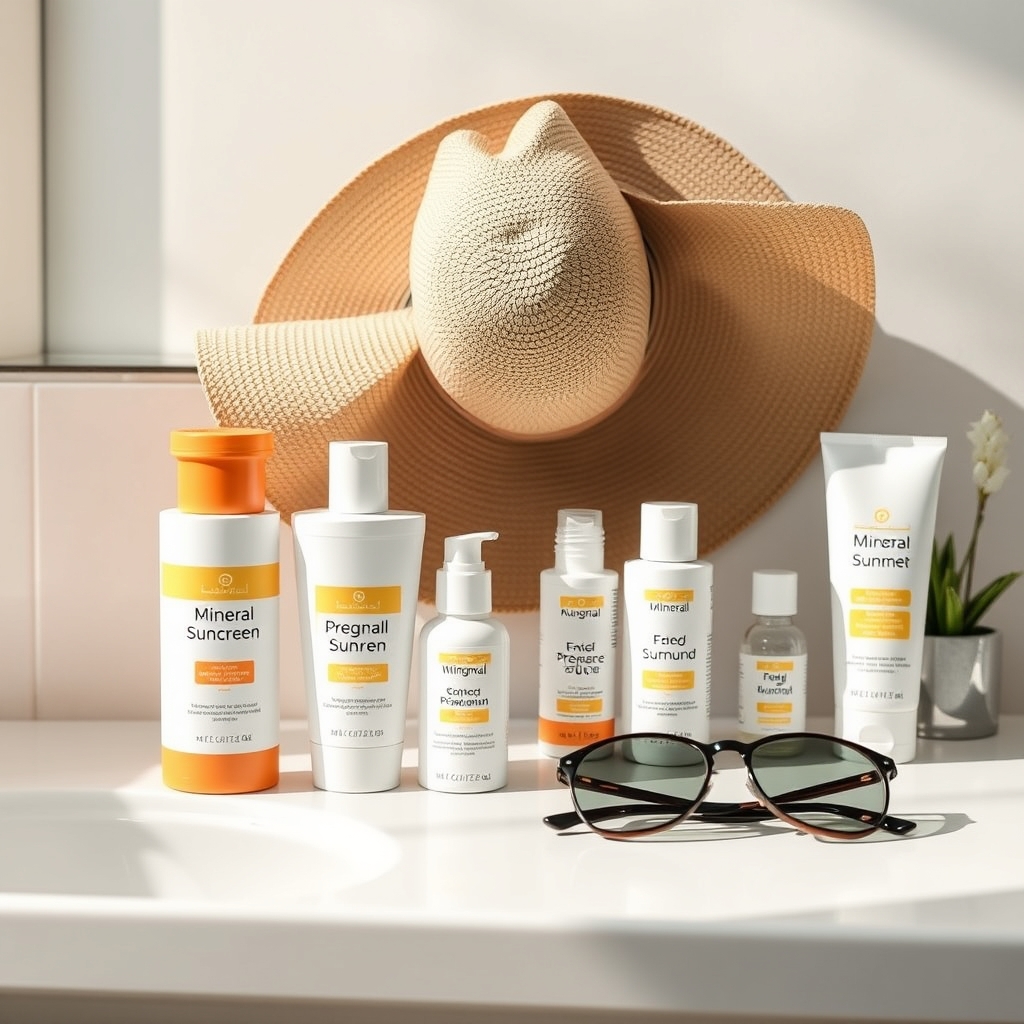
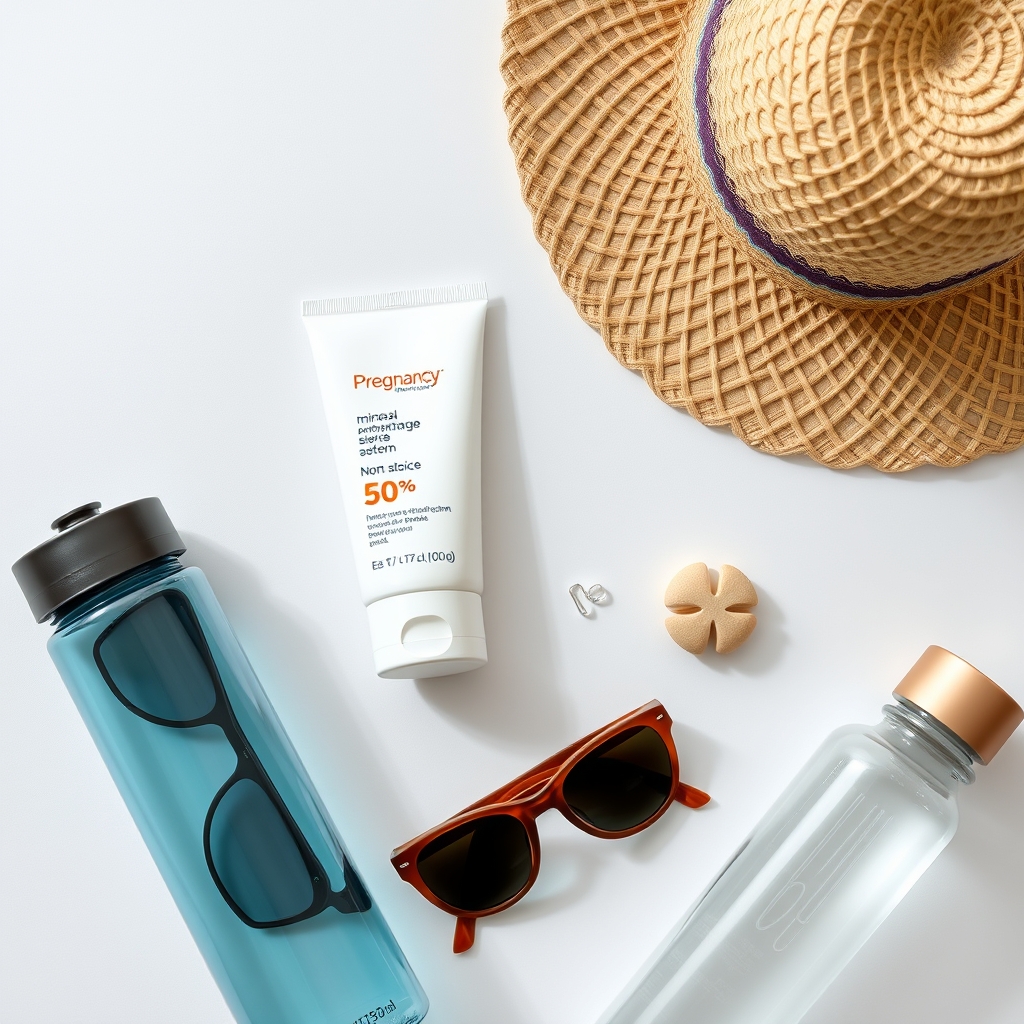
Yes, sunblock is safe for pregnancy! Protect your skin from UV rays with mineral-based sunscreens. Learn about safe ingredients, proper dosage, and alternatives for every trimester to ensure maternal and fetal well-being.
By Shubhra Mishra — a mom of two who turned her own confusion during pregnancy into BumpBites, a global mission to make food choices clear, safe, and stress-free for every expecting mother. 💛
Check whether any food is safe during pregnancy with the BumpBites Food Safety Checker.
Download the Complete Pregnancy Food Guide (10,000 Foods) 📘
Instant PDF download • No spam • Trusted by thousands of moms
💡 Your email is 100% safe — no spam ever.
Quick verdict: ✅ Generally safe, with a strong preference for mineral sunscreens. While sun protection is crucial during pregnancy, most obstetricians and dermatologists recommend choosing sunblocks with active ingredients zinc oxide and titanium dioxide, and limiting exposure to certain chemical filters due to theoretical concerns about absorption.
The moment you see those two lines, every choice you make suddenly feels magnified. From what you eat to the products you put on your skin, the "is this safe for my baby?" question becomes a constant companion. And when summer approaches, or you're planning a sunny vacation, "is sunblock safe for pregnancy?" is a common worry that pops up, often late at night when you're scrolling for answers.
At BumpBites, we understand that anxiety. The good news is that protecting your skin from the sun is incredibly important, especially during pregnancy, and you absolutely can do it safely. The key lies in understanding the different types of sunblock and making informed choices about ingredients. We're here to help you navigate the options, from what to look for on the label to safer alternatives, so you can enjoy the sunshine with peace of mind.
Let's dive into the details, covering everything from specific ingredients to avoid, how much to use, and what to do if you've already slathered on a chemical sunscreen.
Sunblock Safety Snapshot During Pregnancy and Breastfeeding
Trimester / Stage
Verdict
Notes
1st Trimester
✅ Generally Preferred
Opt for mineral sunscreens (zinc oxide, titanium dioxide). Avoid chemical sunscreens, especially those with oxybenzone, due to theoretical absorption concerns during early development.
2nd Trimester
✅ Generally Preferred
Continue using mineral sunscreens. Sun protection is crucial to prevent melasma (dark spots) which can worsen during pregnancy due to hormonal changes.
3rd Trimester
✅ Generally Preferred
Mineral sunscreens remain the safest choice. Stay hydrated and avoid overheating in the sun.
Breastfeeding
✅ Generally Preferred
Mineral sunscreens are recommended. Avoid applying chemical sunscreens to areas where your baby might come into direct contact or ingest them.
What is Sunblock? Understanding Your Options
When we talk about "sunblock" or "sunscreen," we're generally referring to products designed to protect your skin from the sun's harmful ultraviolet (UV) radiation. There are two main types, and understanding the difference is key to making pregnancy-safe choices:
1. Mineral Sunscreens (also called Physical Sunscreens): These products contain active mineral ingredients, primarily zinc oxide and/or titanium dioxide. They work by sitting on top of your skin and creating a physical barrier that reflects UV rays away from your body, like a tiny shield. Because they aren't absorbed into the skin, they are generally considered the safest option, especially during pregnancy. They start working immediately upon application.
2. Chemical Sunscreens: These sunscreens contain organic (carbon-based) compounds such as oxybenzone, avobenzone, octinoxate, octisalate, homosalate, and octocrylene. Instead of blocking rays, they work by absorbing UV radiation as it penetrates the skin, converting it into heat, and then releasing that heat from the skin. The primary concern with chemical sunscreens during pregnancy is that these active ingredients can be absorbed into the bloodstream, raising questions about their potential effects on hormone levels and fetal development.
Both types offer protection against UVA (aging rays) and UVB (burning rays), but for pregnant people, the mechanism of action and absorption profile make a significant difference in recommended safety. Sun protection is particularly vital during pregnancy because hormonal changes can make your skin more sensitive to the sun and more prone to hyperpigmentation, such as melasma (often called the "mask of pregnancy").
Is Sunblock Safe During Pregnancy?
Yes, sunblock is safe during pregnancy, and in fact, highly recommended for your health and to protect your skin from sun damage. However, the safety depends on the type of sunblock you choose. The general consensus among health organizations like the American College of Obstetricians and Gynecologists (ACOG) and dermatologists is to opt for mineral-based sunscreens.
Mineral sunscreens, which contain zinc oxide and titanium dioxide, are considered the safest option. These active ingredients are "physical blockers" that sit on the surface of your skin, creating a barrier to reflect UV rays. They are minimally absorbed into the bloodstream, making them an excellent choice for expecting parents. The U.S. Food and Drug Administration (FDA) has recognized zinc oxide and titanium dioxide as the only two sunscreen ingredients generally recognized as safe and effective (GRASE) for over-the-counter use.
On the other hand, chemical sunscreens, which contain ingredients like oxybenzone, octinoxate, avobenzone, and others, have raised some theoretical concerns. While the FDA has requested more data on the absorption and systemic effects of these ingredients, some studies have shown that they can be absorbed into the bloodstream. For example, research has detected oxybenzone in urine samples after topical application. The primary worry is that some of these chemicals might act as endocrine disruptors, potentially interfering with hormones, which is a concern during pregnancy when hormonal balance is crucial for fetal development. However, it's important to note that definitive human studies linking typical chemical sunscreen use to adverse pregnancy outcomes are limited and ongoing. Most experts recommend erring on the side of caution by choosing mineral sunscreens.
The benefits of using sunblock – preventing sunburn, reducing skin cancer risk, and minimizing pregnancy-related melasma – far outweigh the theoretical risks of mineral sunscreens. So, protecting your skin is a must; just be mindful of the ingredients.
Choosing mineral-based sunscreens with zinc oxide or titanium dioxide is the preferred option for sun protection during pregnancy.
Is chemical sunscreen safe during pregnancy?
When it comes to chemical sunscreens during pregnancy, the answer is "use with caution and consider alternatives." While there isn't definitive proof of harm to a developing baby from typical use, many experts and organizations, including the Environmental Working Group (EWG) and some dermatologists, suggest avoiding them due to theoretical concerns.
The primary concern is that active ingredients in chemical sunscreens, particularly oxybenzone, can be absorbed through the skin and enter your bloodstream. Studies have detected these chemicals in the blood, urine, and even breast milk. Oxybenzone, in particular, has been flagged as a potential endocrine disruptor, meaning it *could* interfere with your body's hormone system. During pregnancy, a delicate balance of hormones is essential for both your health and your baby's development. While the extent of actual risk from sunscreen use is still under investigation, the precautionary principle suggests minimizing exposure to substances with potential endocrine-disrupting properties.
Other chemical filters like avobenzone, octinoxate, homosalate, and octocrylene also get absorbed, though concerns may vary for each. Given the availability of effective mineral alternatives, many healthcare providers recommend switching to zinc oxide and titanium dioxide sunscreens to avoid any potential, albeit unproven, risks associated with chemical absorption.
What are the safest mineral sunscreens for pregnancy?
The safest mineral sunscreens for pregnancy are those that contain **zinc oxide** and/or **titanium dioxide** as their sole active ingredients. When choosing a product, look for these on the "Active Ingredients" list on the label.
Here’s what makes them the top choice:
Physical Blockers: They create a physical barrier on your skin that reflects UV rays, rather than absorbing them.
Minimal Absorption: Zinc oxide and titanium dioxide are not significantly absorbed into the bloodstream, minimizing systemic exposure for you and your baby.
Broad-Spectrum Protection: Ensure the label says "broad-spectrum," meaning it protects against both UVA (aging) and UVB (burning) rays.
SPF 30 or Higher: An SPF of 30 or higher is recommended for effective protection.
Non-Nano Formulations: Some experts suggest choosing "non-nano" mineral sunscreens. While nano-sized zinc oxide and titanium dioxide are generally considered safe because they don't penetrate live skin cells, some prefer non-nano particles to further minimize any theoretical absorption. The FDA currently considers nano-sized particles safe for topical use.
Many brands offer mineral sunscreens specifically marketed as "baby-safe," "sensitive skin," or "reef-safe," which often align with the criteria for pregnancy-safe options. Always check the active ingredients list to confirm it's truly mineral-based.
Are there specific sunblock ingredients to avoid while pregnant?
Yes, there are several specific chemical sunblock ingredients that many experts and health advocates recommend pregnant people either avoid or use with caution. The primary concern is their potential for systemic absorption and possible endocrine-disrupting effects. The most commonly cited ingredients to avoid include:
Oxybenzone (Benzophenone-3): This is the most frequently highlighted chemical to avoid. It has been shown to be readily absorbed into the bloodstream and detected in urine, blood, and breast milk. It's a suspected endocrine disruptor and has been linked to potential hormonal changes.
Octinoxate (Octylmethoxycinnamate): Also absorbed into the body, octinoxate is another suspected endocrine disruptor that some studies have shown can have effects on reproductive hormones.
Homosalate: This ingredient has also been found to be absorbed into the body and is another chemical with potential endocrine-disrupting properties.
Octocrylene: While less studied than oxybenzone, octocrylene is absorbed into the skin and can break down into benzophenone, a suspected carcinogen.
Avobenzone and Octisalate: While these are generally considered less problematic than oxybenzone, they are still chemical filters that are absorbed into the skin. If you're aiming for a completely mineral-based approach, you'd avoid these as well.
When you're pregnant, it's always best to err on the side of caution. Checking the "Active Ingredients" list on your sunblock is a quick and effective way to ensure you're choosing a product primarily featuring zinc oxide and/or titanium dioxide, and avoiding these chemical filters.
Is sunblock safe to use during the first trimester of pregnancy?
Yes, sunblock is safe and recommended during the first trimester of pregnancy, but with a strong emphasis on choosing mineral-based options. The first trimester is a critical period for fetal development, as all major organs are forming (a process known as organogenesis).
During this sensitive time, minimizing exposure to anything that could potentially interfere with your body's systems, particularly hormones, is a priority for many expectant parents and healthcare providers. This is why mineral sunscreens, containing zinc oxide and titanium dioxide, are the preferred choice. These ingredients act as physical barriers on the skin's surface and are not significantly absorbed into the bloodstream, thereby avoiding any theoretical risks associated with systemic absorption of chemical UV filters.
While the evidence linking chemical sunscreen use in the first trimester to adverse birth outcomes is not definitive, the precautionary principle leads most obstetricians and dermatologists to advise switching to mineral sunscreens. This helps ensure peace of mind and reduces any potential, albeit unproven, exposure to chemicals like oxybenzone that are known to be absorbed systemically and are suspected endocrine disruptors. Protecting your skin from harmful UV rays is essential throughout your entire pregnancy, but especially during this foundational period.
Safety by Trimester
First Trimester
As discussed, the first trimester is when your baby's vital organs are forming. While sun exposure itself isn't a direct risk to development, the products you put on your skin could be. For this reason, we highly recommend exclusively using mineral-based sunscreens (zinc oxide and/or titanium dioxide) during this period. Avoid chemical sunscreens, especially those containing oxybenzone, to minimize any theoretical systemic absorption. Continue to practice other sun-safe behaviors like seeking shade and wearing protective clothing.
Second Trimester
During your second trimester, your body continues to undergo significant changes, and your skin can become even more sensitive to the sun. Melasma, or the "mask of pregnancy," often appears or worsens during this time due to increased hormone levels. Consistent sun protection is crucial to prevent and manage this hyperpigmentation. Mineral sunscreens remain the safest and most recommended choice. You'll want to apply them liberally and frequently, especially if you're spending time outdoors.
Third Trimester
As you approach your due date, sun protection is still very important. Your skin may still be sensitive, and melasma can persist. Overheating in the sun can also be uncomfortable and potentially risky for you and your baby, so combining sunblock with seeking shade and staying hydrated is key. Continue to use mineral sunscreens. Pay attention to areas that might be more exposed, like your belly, shoulders, and décolletage. Staying comfortable and preventing sunburn will help you feel your best in these final months.
Breastfeeding
When breastfeeding, mineral sunscreens continue to be the preferred option. While chemical sunscreen ingredients can be detected in breast milk, the amount is typically very low, and the direct impact on the baby is not well-established. However, out of an abundance of caution, many prefer to stick with mineral sunscreens. If you do use a chemical sunscreen, avoid applying it to areas where your baby might come into direct contact with it or ingest it, such as your chest or hands, just before feeding.
Proper and frequent application of mineral sunblock is essential throughout all stages of pregnancy.
How often should pregnant women apply sunscreen?
The frequency of sunblock application for pregnant women follows the same general guidelines for everyone, but with an added emphasis on consistency due to increased skin sensitivity and melasma risk. The American Academy of Dermatology (AAD) and other health organizations recommend:
Apply generously 15-30 minutes before sun exposure: This allows the sunscreen to form an even protective layer on your skin.
Reapply at least every two hours: Even "water-resistant" sunscreens lose effectiveness over time due to sweat, water, and towel drying.
Reapply immediately after swimming or excessive sweating: If you've been in the water or had a vigorous workout, your sunblock's protection will be diminished, even if it's labeled water-resistant.
For adequate coverage, most adults need about one ounce (a shot glass full) of sunblock for their entire body. Don't forget often-missed spots like your ears, neck, tops of your feet, and hands. For your face, a nickel-sized dollop is usually sufficient.
When choosing a sunblock, look for one that is "broad-spectrum" (protects against both UVA and UVB rays) and has an SPF of 30 or higher. For pregnant individuals, prioritizing mineral sunscreens (zinc oxide and titanium dioxide) is key. Many brands offer convenient stick or roll-on applicators for quick touch-ups on the face and other small areas, making frequent reapplication easier.
Side Effects and Risks
While sunblock is generally safe and highly recommended during pregnancy, it's important to be aware of potential side effects, primarily related to the type of sunscreen used, and the significant risks of *not* protecting your skin.
Potential Side Effects of Sunscreen Itself
Skin Irritation or Allergic Reactions: Any topical product can potentially cause a rash, redness, itching, or breakouts. This is more common with chemical sunscreens due to their active ingredients and other additives like fragrances. Mineral sunscreens are generally better tolerated by sensitive skin. If you experience a reaction, discontinue use and wash the area.
White Cast (Mineral Sunscreens): Zinc oxide and titanium dioxide can sometimes leave a visible white film on the skin, especially on darker skin tones. Formulations have improved significantly, with many brands offering tinted or micronized versions that blend in more easily. This is a cosmetic concern, not a health risk.
Theoretical Endocrine Disruption (Chemical Sunscreens): As discussed, the main concern with chemical sunscreens (especially oxybenzone, octinoxate, homosalate) is their absorption into the bloodstream and potential to interfere with hormones. While definitive human data on adverse pregnancy outcomes is limited, the theoretical risk leads many to avoid them.
Risks of Excessive Sun Exposure During Pregnancy (if not using sunblock)
Sunburn: Pregnant skin can be more sensitive, leading to quicker and more severe sunburns. Sunburns are painful and increase your risk of skin cancer.
Melasma (Chloasma): Often called the "mask of pregnancy," melasma is the development of dark, blotchy patches on the face. Hormonal changes during pregnancy make you more susceptible, and sun exposure significantly worsens and prolongs these patches. Sunblock is your best defense.
Dehydration and Overheating: Prolonged sun exposure, especially in warm climates, can lead to dehydration and overheating, which can be uncomfortable for you and potentially risky for your baby.
Increased Risk of Skin Cancer: Cumulative sun exposure, especially with a history of sunburns, increases your lifetime risk of developing skin cancers, including melanoma.
The risks associated with *not* using sun protection far outweigh the theoretical concerns or minor side effects of using a pregnancy-safe (mineral-based) sunblock. Protect your skin!
What are natural alternatives to sunblock for pregnant women?
While mineral sunscreens are an excellent first line of defense, incorporating other sun-protective strategies can significantly reduce your overall UV exposure and enhance safety during pregnancy. These "natural alternatives" focus on physical barriers and behavioral changes:
Wide-brimmed hats: A hat with a brim of at least 3 inches all around can protect your face, ears, and neck from direct sun, helping to prevent melasma and sunburn.
UPF clothing: Clothing labeled with a Ultraviolet Protection Factor (UPF) rating (e.g., UPF 30, UPF 50+) is specifically designed to block UV rays. This is much more effective than regular clothing, which often offers minimal sun protection when dry, and even less when wet.
Sunglasses: Protect your eyes from UV damage and help prevent fine lines around the eyes. Look for sunglasses that block 99-100% of both UVA and UVB rays.
Seeking shade: This is one of the simplest and most effective ways to reduce sun exposure. Plan your outdoor activities for shaded areas or bring your own umbrella.
Staying indoors during peak sun hours: The sun's UV rays are strongest between 10 AM and 4 PM. If possible, schedule outdoor activities before or after these hours.
Rash guards: These close-fitting athletic shirts, often made with UPF fabric, provide excellent coverage for your torso and arms, especially when swimming or at the beach.
Zinc oxide sunscreen: This is a mineral active ingredient that physically blocks UV rays. It's highly recommended as a safe and effective sunblock for pregnancy.
Titanium dioxide sunscreen: Another mineral active ingredient, titanium dioxide also works by reflecting UV rays. Often combined with zinc oxide for broad-spectrum protection.
Combining these strategies with a good mineral sunblock provides comprehensive sun protection, allowing you to enjoy the outdoors safely during your pregnancy.
Related items — safety at a glance
Navigating personal care products during pregnancy can be overwhelming. Here's a quick look at the safety of some other common items:
Pregnancy Safety of Related Personal Care Items
Item
Verdict
Notes
Self-tanner
✅ Generally Safe
Topical application of DHA is minimally absorbed. Avoid spray tans due to inhalation risk.
Insect repellent
⚠️ Safe with limits
DEET (up to 30%) and Picaridin are generally safe when used as directed. Avoid essential oil repellents.
Acne treatments
⚠️ Safe with limits
Topical salicylic acid (low concentration) and benzoyl peroxide generally safe. Avoid oral retinoids (Accutane) and high-dose topical retinoids.
Hair dye
✅ Generally Safe
Minimal absorption from topical application. Consider highlights or vegetable dyes; ensure good ventilation.
Nail polish
✅ Generally Safe
Minimal exposure. Use in a well-ventilated area. Look for "3-free" or "5-free" polishes.
Retinoids (topical/oral)
❌ Best Avoided
Oral retinoids (e.g., isotretinoin) are teratogenic. High-dose topical retinoids are also generally avoided due to absorption concerns.
Essential oils
⚠️ Talk to your doctor first
Many are not recommended due to lack of safety data and potential effects. Some are safe for diffusion or diluted topical use.
Stretch mark creams
✅ Generally Safe
Most are safe, but efficacy varies. Focus on hydration. Check ingredients for retinoids or high-dose salicylic acid.
Tanning beds
❌ Best Avoided
Increase skin cancer risk and can cause overheating, which is dangerous during pregnancy.
Myth vs. Fact
There's a lot of information circulating about sun protection. Let's clear up some common myths:
Myth: You don't need sunblock on cloudy days.
Fact: Up to 80% of the sun's UV rays can penetrate clouds. Even on an overcast day, your skin is exposed to harmful radiation. This is especially important for pregnant individuals prone to melasma, as UV exposure will still trigger or worsen pigmentation, even without a visible burn.
Myth: Sunscreen prevents your body from making Vitamin D.
Fact: While sunblock does reduce your skin's ability to produce Vitamin D, most people still get sufficient amounts through incidental sun exposure (e.g., walking to the car, brief outdoor moments) or through diet and prenatal vitamins. The health benefits of preventing skin cancer and sun damage far outweigh any minimal impact on Vitamin D synthesis. If you're concerned about your Vitamin D levels, talk to your doctor about supplementation.
Myth: All sunscreens offer the same level of protection.
Fact: This is definitely not true, especially during pregnancy! Sunscreens differ significantly in their active ingredients (mineral vs. chemical), SPF level, and whether they offer broad-spectrum protection. For pregnancy, mineral sunscreens with broad-spectrum SPF 30+ are the gold standard due to their safety profile and effectiveness.
Key Takeaways
Prioritize mineral sunscreens (zinc oxide and titanium dioxide) throughout your entire pregnancy and while breastfeeding.
Avoid chemical sunscreens, especially those containing oxybenzone, due to theoretical concerns about systemic absorption and potential endocrine disruption.
Sun protection is crucial to prevent sunburn, reduce skin cancer risk, and minimize pregnancy-related melasma.
Apply sunblock generously 15-30 minutes before sun exposure and reapply every two hours, or immediately after swimming or sweating.
Combine sunblock with other protective measures like wide-brimmed hats, UPF clothing, sunglasses, and seeking shade.
If you've already used chemical sunblock, don't panic. Simply switch to a mineral option for future use.
Combine mineral sunblock with other sun-protective essentials like hats and sunglasses for comprehensive coverage.
Frequently Asked Questions
What sunscreen ingredients should pregnant women avoid?
Pregnant women are generally advised to avoid chemical sunscreen ingredients that can be absorbed into the bloodstream. The most commonly cited ones to avoid are oxybenzone, octinoxate, homosalate, and octocrylene, due to theoretical concerns about their potential as endocrine disruptors. Opt for mineral sunscreens instead.
Is mineral sunscreen safe during pregnancy?
Yes, mineral sunscreens are considered the safest and most recommended option during pregnancy. Their active ingredients, zinc oxide and titanium dioxide, sit on the skin's surface and physically block UV rays, with minimal to no systemic absorption, reducing concerns about potential effects on your baby.
Can I use SPF 50 while pregnant?
Yes, you can and should use SPF 50 (or higher) while pregnant if you desire extra protection. An SPF of 30 or higher is generally recommended for adequate sun protection. Just ensure that the SPF 50 product you choose is a mineral-based sunscreen with zinc oxide and/or titanium dioxide as its active ingredients.
Is it safe to use spray sunscreen during pregnancy?
While the active ingredients in mineral spray sunscreens (zinc oxide, titanium dioxide) are safe, the concern with any spray formulation is the potential for inhalation of airborne particles. If you choose to use a spray, apply it in a well-ventilated area, away from your face, and rub it in thoroughly to minimize inhalation and ensure even coverage.
What is the safest sunscreen for pregnant women?
The safest sunscreens for pregnant women are those labeled "mineral" or "physical" sunscreens. These products contain zinc oxide and/or titanium dioxide as their active ingredients. Look for broad-spectrum protection and an SPF of 30 or higher to ensure effective and safe sun protection.
Are chemical sunscreens harmful during pregnancy?
The potential for harm from chemical sunscreens during pregnancy is theoretical and not definitively proven by human studies. However, ingredients like oxybenzone are absorbed into the bloodstream and are suspected endocrine disruptors. Due to this uncertainty and the availability of safe alternatives, many experts recommend avoiding them as a precautionary measure.
Does sunscreen cause birth defects?
There is no conclusive evidence from human studies to suggest that using sunscreen causes birth defects. The concerns surrounding certain chemical sunscreens are theoretical and relate to potential hormonal disruption rather than direct birth defects. Mineral sunscreens are considered safe and pose no known risk of birth defects.
Can I use sunscreen with oxybenzone while pregnant?
It is generally recommended to avoid sunscreens containing oxybenzone during pregnancy. Oxybenzone is a chemical UV filter that is readily absorbed into the bloodstream and has been identified as a potential endocrine disruptor. While definitive human data on adverse outcomes is limited, most experts advise opting for mineral-based alternatives.
When to Call Your Doctor
While sunblock use is generally safe, especially with mineral options, it's always wise to be vigilant and consult your healthcare provider if you have any concerns. Call your doctor or obstetrician if:
You experience a severe allergic reaction to any sunscreen product, such as widespread rash, severe itching, swelling, or difficulty breathing.
You develop a persistent or worsening skin rash after using a new sunblock.
You have concerns about prolonged, severe sunburn, especially if accompanied by fever, chills, or dizziness.
You are worried about exposure to a specific chemical sunscreen ingredient and want personalized advice based on your health history.
You notice any new or changing moles or skin lesions, as early detection of skin cancer is crucial.
Remember, this article provides general information and is not a substitute for professional medical advice. Always discuss any health concerns or product choices with your doctor or a qualified healthcare provider.
References
American College of Obstetricians and Gynecologists (ACOG). www.acog.org
U.S. Food and Drug Administration (FDA). www.fda.gov
American Academy of Dermatology Association (AAD). www.aad.org
When Shubhra Mishra was expecting her first child in 2016, she was overwhelmed by conflicting food advice — one site said yes, another said never. By the time her second baby arrived in 2019, she realized millions of mothers face the same confusion.
That sparked a five-year journey through clinical nutrition papers, cultural diets, and expert conversations — all leading to BumpBites: a calm, compassionate space where science meets everyday motherhood.
Her long-term vision is to build a global community ensuring safe, supported, and free deliveriesfor every mother — because no woman should face pregnancy alone or uninformed. 🌿
🌍 Stand with mothers, shape safer guidance
Join a small circle of experts who review BumpBites articles so expecting parents everywhere can decide with confidence.