Is suntan lotion safe for pregnancy? Yes, but choose mineral-based formulas. Learn which ingredients to avoid, safe application tips, and how to protect your skin during all trimesters.
By Shubhra Mishra — a mom of two who turned her own confusion during pregnancy into BumpBites, a global mission to make food choices clear, safe, and stress-free for every expecting mother. 💛
Check whether any food is safe during pregnancy with the BumpBites Food Safety Checker.
Download the Complete Pregnancy Food Guide (10,000 Foods) 📘
Instant PDF download • No spam • Trusted by thousands of moms
💡 Your email is 100% safe — no spam ever.
Quick verdict: ⚠️ Suntan lotion can be safe during pregnancy, but it's crucial to choose a mineral‑based sunscreen with zinc oxide or titanium dioxide and avoid chemical sunscreens containing oxybenzone or avobenzone. Always check the ingredient label and follow the application guidelines.
Picture this: it’s a bright Saturday morning, you’re packing a beach bag for a family outing, and the moment you pull out your favorite bottle of sunscreen you pause—“Is this okay for my baby?” The anxiety that spikes at 2 a.m. after a quick Google search is real, and you’re not alone. Many expecting parents wonder whether the lotion they slather on their shoulders might harm their developing little one.
The short answer is that most mineral‑based sunscreens are considered safe throughout pregnancy, while many chemical formulas raise enough concern that most obstetric guidelines advise avoidance. In this guide we’ll unpack the science, walk through trimester‑specific recommendations, spell out how much you really need to apply, and point you toward safer alternatives if you’d rather skip the lotion altogether.
We’ll also cover the most common “what if I already used it?” scenario, highlight red‑flag symptoms that merit a call to your provider, and give you a cheat‑sheet of pregnancy‑friendly sun‑protection options. By the end you’ll feel confident that you can enjoy sunny days without second‑guessing every dab of lotion.
Trimester
Verdict
Notes
1st Trimester
⚠️
Avoid chemical sunscreens, opt for mineral‑based sunscreens with zinc oxide or titanium dioxide
2nd Trimester
⚠️
Continue using mineral‑based sunscreens, reapply every 2 hours or immediately after swimming or sweating
3rd Trimester
⚠️
Use mineral‑based sunscreens, avoid peak sun hours, and wear protective clothing
Breastfeeding
✅
Mineral‑based sunscreens are safe to use while breastfeeding, but always check the ingredient label
What is suntan lotion?
Suntan lotion—more commonly called sunscreen—is a topical product designed to shield skin from the sun’s ultraviolet (UV) radiation. UV light is split into two main categories: UVA (which penetrates deep and accelerates skin aging) and UVB (which causes sunburn). A good sunscreen blocks both types, a characteristic known as “broad‑spectrum” protection.
There are two fundamental families of sunscreens. Mineral (or “physical”) sunscreens contain tiny particles of zinc oxide or titanium dioxide that sit on the skin’s surface and physically reflect or scatter UV rays. Chemical sunscreens, by contrast, contain organic molecules that absorb UV energy and transform it into a small amount of heat, which is then released from the skin. The difference matters because mineral ingredients are minimally absorbed into the bloodstream, whereas some chemical agents have been detected in plasma after repeated use.
Pregnant people often choose sunscreen for three main reasons: preventing painful sunburn, reducing the risk of skin cancer, and managing pregnancy‑related hyperpigmentation conditions such as melasma. Understanding how each type works helps you decide which product aligns with a cautious pregnancy plan. Given that pregnancy hormones can heighten skin sensitivity and increase the risk of conditions like melasma, choosing a broad-spectrum sunscreen is even more crucial for expecting parents.
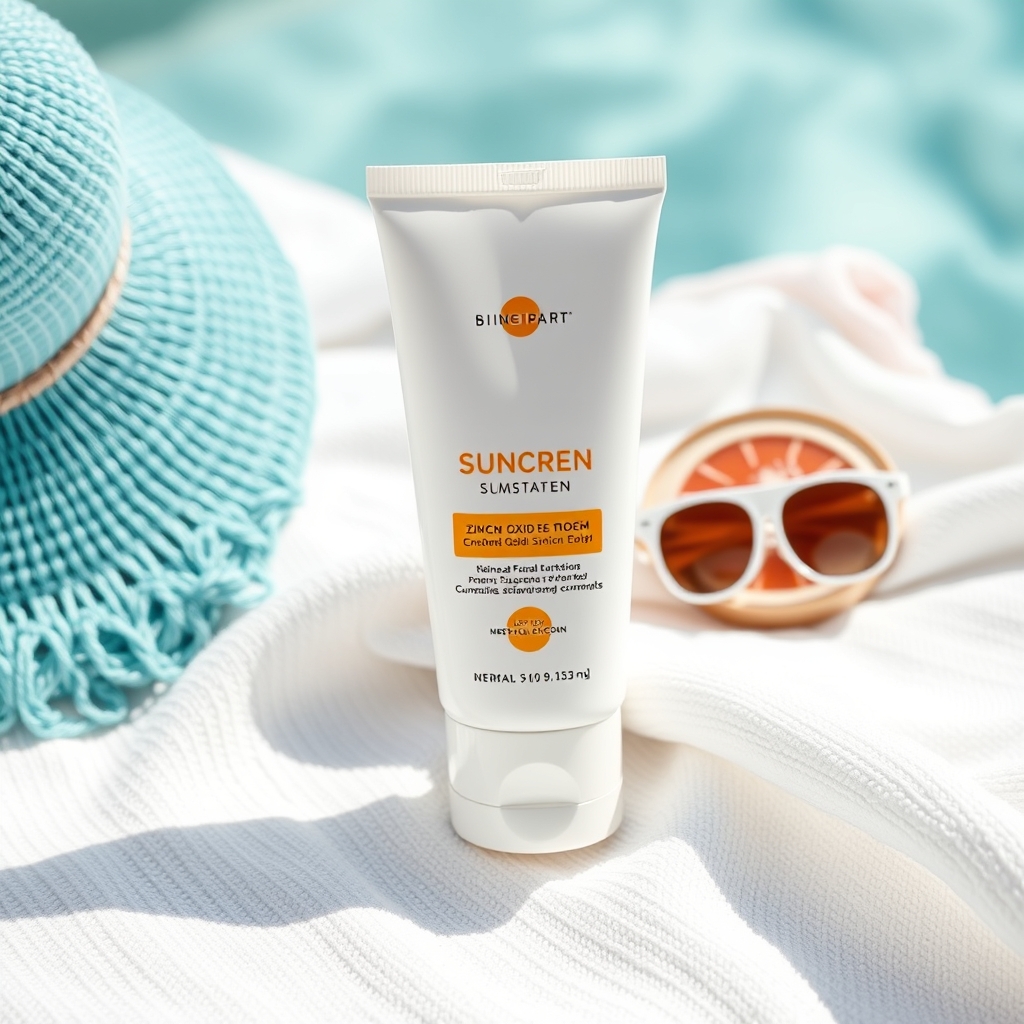
Mineral sunscreens list zinc oxide or titanium dioxide as active ingredients—your safest bet during pregnancy.
Is mineral sunscreen safe during pregnancy?
Y
es. The American College of Obstetricians and Gynecologists (ACOG) and the UK’s National Health Service (NHS) both endorse mineral sunscreens as the first‑line choice for pregnant patients. Zinc oxide and titanium dioxide are inert particles that stay on the skin’s surface and are not known to cross the placental barrier. A 2021 review in *Dermatology & Therapy* found no evidence of fetal toxicity from topical zinc oxide at concentrations up to 25%.
Because mineral sunscreens work by reflection rather than absorption, they also pose a lower risk of endocrine disruption—a concern that has been raised for some chemical filters such as oxybenzone. The Food and Drug Administration (FDA) continues to evaluate the safety of many chemical UV filters, and until definitive data emerge, most obstetricians recommend the cautious route: mineral‑only. In fact, the FDA's proposed rule for sunscreens categorizes zinc oxide and titanium dioxide as "Generally Recognized As Safe and Effective" (GRASE), indicating a high level of confidence in their safety profile.
That said, “safe” does not mean “no precautions.” Even mineral sunscreens can cause irritation in people with sensitive skin, and the particle size matters; nano‑sized zinc oxide is considered safe by the FDA, but some clinicians still prefer non‑nano formulations for peace of mind. Always opt for fragrance-free options if you have sensitive skin, as added perfumes can sometimes trigger reactions.
Are chemical sunscreens safe for pregnant women?
Current guidance from ACOG, the American Academy of Dermatology (AAD), and the European Medicines Agency (EMA) suggests pregnant patients avoid chemical sunscreens that contain oxybenzone, octinoxate, homosalate, and avobenzone. These ingredients have been detected in maternal blood and, in animal studies, have shown weak estrogenic activity. While human data are limited, the precautionary principle drives the recommendation to limit exposure.
The FDA’s 2020 sunscreen monograph notes that several chemical filters have not been fully evaluated for reproductive toxicity. Specifically, oxybenzone and octinoxate are among the chemical filters that have shown evidence of systemic absorption and potential endocrine-disrupting effects in some studies, although the clinical significance in humans, especially during pregnancy, is still being researched. Given this ongoing evaluation and the availability of safe alternatives, many providers advise minimizing exposure.
In practice, many clinicians advise pregnant patients to either switch to mineral sunscreens or, if they must use a chemical product, to select one with the lowest possible concentration of controversial filters and to apply it sparingly. The goal is to reduce any potential, even if theoretical, risk to the developing baby. If you're unsure about a specific product, bring the label to your next prenatal appointment.
Sunscreen safety by trimester: What to know
First trimester – the most sensitive window
The first 12 weeks of pregnancy are a period of organogenesis, when the fetus’s major organs are forming. Because the placenta is more permeable early on, any systemic exposure carries a slightly higher theoretical risk. For this reason, ACOG advises pregnant people to stick to mineral sunscreens in the first trimester and to avoid any product that lists oxybenzone, octinoxate, or avobenzone.
If you’re already using a chemical sunscreen, don’t panic. A single application is unlikely to cause harm. Switch to a mineral product as soon as possible, and continue to protect your skin with clothing, hats, and shade. The key is to prioritize the safest options as soon as you're aware of your pregnancy and can make the switch.
Second trimester – maintaining protection
During weeks 13‑27, the placenta has matured, and fetal exposure to external chemicals generally declines. Nevertheless, the recommendation to stay with mineral sunscreens remains unchanged. The main focus shifts to consistent application—reapplying every two hours, especially after swimming, sweating, or towel‑drying.
Pregnant people often experience increased melanin production (the “pregnancy glow”), which can make sunburn less obvious. Keep a sunscreen bottle handy, and consider a spray‑on mineral sunscreen for easy re‑application on the go. Additionally, some pregnant individuals may find their skin becomes more photosensitive, making consistent sun protection even more important to prevent sunburn and the worsening of conditions like melasma.
Third trimester – preparing for birth
In the final stretch (weeks 28‑40), skin can become more sensitive, and the risk of heat‑related discomfort rises. Continue using mineral sunscreen, but also incorporate physical barriers: wide‑brimmed hats, UPF clothing, and sunglasses. If you’re planning a beach vacation, aim for morning or late‑afternoon sun exposure, when UV intensity is lower.
Some obstetricians suggest limiting sun exposure during the hottest part of the day (10 a.m. to 4 p.m.) to avoid overheating, which can increase the risk of preterm labor in vulnerable pregnancies. Staying hydrated and seeking air-conditioned environments after sun exposure can also help manage body temperature effectively.
Breastfeeding – post‑delivery considerations
After delivery, most experts agree that mineral sunscreens remain a safe choice while nursing. The FDA has not identified any risk of zinc oxide or titanium dioxide passing into breast milk, and the NHS lists mineral sunscreen as “compatible with breastfeeding.” As always, choose fragrance‑free, hypoallergenic formulas if your skin is extra sensitive after childbirth. This ensures minimal exposure for both you and your baby, even though systemic absorption is negligible.
Applying sunscreen 15 minutes before heading outdoors gives the product time to bind to the skin.
How often should pregnant women apply sunscreen?
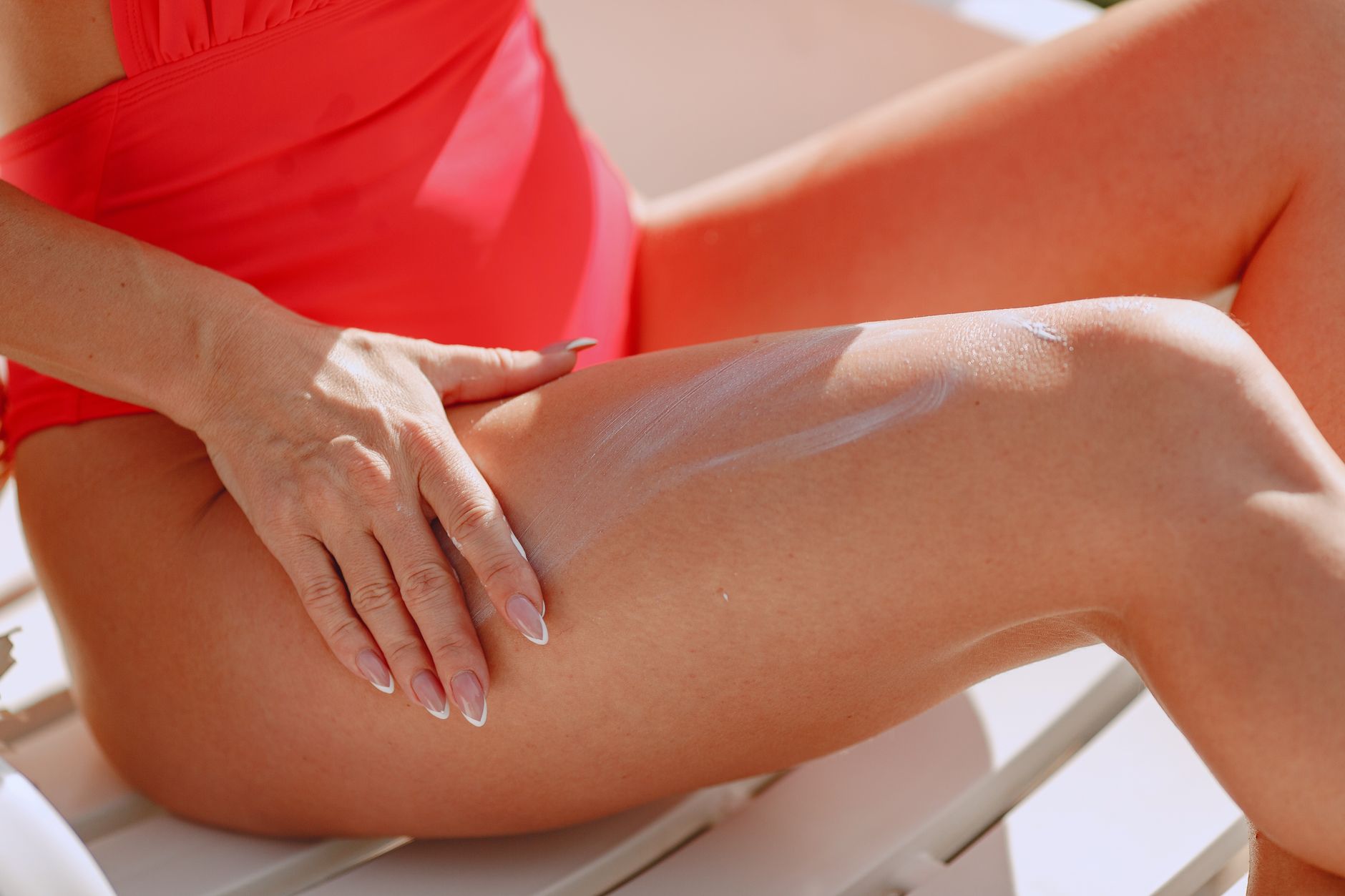
Apply sunscreen liberally—about a nickel‑sized amount for the face and a shot‑glass (≈1 oz) for the entire body. Do so 15‑30 minutes before exposure to allow the mineral particles to settle. Reapply every two hours, and immediately after swimming, sweating, or towel‑drying. If you’re using a spray, rub it in after spraying to ensure even coverage.
Remember that “water‑resistant” does not mean “water‑proof.” Even the most durable formulas lose efficacy after 80 minutes of swimming or intense activity, so keep a travel‑size bottle in your beach bag for quick touch‑ups. Many people underestimate the amount of sunscreen needed or miss common spots like ears, neck, and tops of feet, leading to patchy protection. Be thorough in your application to ensure full coverage.
Best pregnancy‑safe sunscreen brands
Below is a quick look at some widely available mineral sunscreens that meet ACOG and NHS criteria. All of these brands use zinc oxide or titanium dioxide as the active ingredient, are fragrance‑free, and have an SPF of 30 or higher.
Neutrogena Sheer Zinc – Widely available at pharmacies, zinc oxide 21%, SPF 50, non‑comedogenic.
Thinksport – Titanium dioxide 10%, zinc oxide 8.5%, SPF 35, free of PABA and DEET.
Natural alternatives to sunscreen for pregnant women
If you’d rather minimize topical products, there are plenty of non‑chemical ways to stay sun‑safe. UPF (Ultraviolet Protection Factor) clothing is fabric‑rated to block UV rays, often to the same degree as a high‑SPF sunscreen. A tightly‑woven, long‑sleeve shirt with UPF 50+ can be just as protective as SPF 50 sunscreen on the same area of skin.
Shade is another powerful ally. Position yourself under a beach umbrella, a tree, or a pop‑up canopy during peak hours. Wide‑brimmed hats (at least three inches brim) protect the face, neck, and ears. Sunglasses with 100% UVA/UVB blocking keep your eyes safe, and also reduce glare that can lead to sun‑related headaches.
For short outdoor errands, a lip balm with mineral sunscreen (often zinc oxide) can protect delicate lips, which are prone to chapping under sun exposure. Consider also planning outdoor activities for early morning or late afternoon when the sun's rays are less intense, further reducing your need for constant reapplication.
Safe dosage / amount / brands
Item
Recommended amount per use
Maximum frequency
Notes
Mineral sunscreen (SPF 30‑50)
≈1 teaspoon for face/neck, 1 oz for full body
Reapply every 2 hours, or after swimming/sweating
Choose fragrance‑free, non‑nano zinc oxide or titanium dioxide
Mineral sunscreen (SPF 50+)
Same as above; higher SPF offers longer protection but still needs re‑application
Every 2 hours
Higher SPF may feel thicker; blend well to avoid white cast
UPF clothing
Wear as needed; no re‑application
Continuous protection while garment is on
Check label for UPF rating; wash according to manufacturer to retain protection
Tinted mineral moisturizer with SPF
2 pumps (≈½ teaspoon) for face
Reapply every 2 hours
Great for everyday use; ensure it lists zinc oxide or titanium dioxide
Side effects and risks
Most mineral sunscreens are well tolerated, but a small fraction of people experience mild irritation, especially if they have a history of eczema or contact dermatitis. Symptoms can include redness, itching, or a rash at the application site. In rare cases, a “white‑cast” from zinc oxide can cause cosmetic concerns, but this does not indicate a health risk.
When a chemical sunscreen is used, the most common side effects are similar—skin irritation or allergic reactions. More serious concerns, such as endocrine disruption, remain theoretical for humans; however, the precautionary principle guides most obstetric recommendations to avoid these agents. During pregnancy, hormonal changes can make your skin more sensitive and prone to photosensitivity, so even generally safe products might cause a mild reaction. It's important to distinguish between minor irritation and a true allergic reaction.
If you notice any of the following, contact your provider promptly: persistent rash, swelling, difficulty breathing, or a sudden fever after applying a sunscreen product. These could signal an allergic reaction requiring medical attention.
Titanium dioxide sunscreen – Reflects UV; often combined with zinc oxide for broad coverage.
UPF clothing – Provides consistent protection without re‑application.
Shade structures – Umbrellas or canopies reduce direct UV exposure.
Wide‑brimmed hats – Protects face, neck, and ears; choose at least 3‑inch brim.
Sunglasses with 100% UV protection – Shields eyes and delicate skin around them.
Mineral lip balm with SPF 15‑30 – Prevents chapped lips while adding UV protection.
Cool‑mist facial sprays – Mineral‑based sprays can be applied over makeup, then blended in.
Related items — safety at a glance
Item
Verdict
Notes
Self‑tanner
⚠️
Avoid using self‑tanners during pregnancy, as they can contain harsh chemicals
Bug spray
⚠️
Use bug sprays with DEET or picaridin, but avoid using them on broken skin or near the eyes
Moisturizer
✅
Use moisturizers that are free from harsh chemicals and fragrances
Anti‑aging cream
⚠️
Avoid using anti‑aging creams that contain retinol or hydroquinone during pregnancy
Acne treatment
⚠️
Use acne treatments that are safe during pregnancy, such as benzoyl peroxide or salicylic acid
Hair dye
⚠️
Avoid using hair dye during the first trimester, and always follow the instructions carefully
Nail polish
⚠️
Use nail polishes that are free from toluene, formaldehyde, and DBP (dibutyl phthalate)
Perfume
⚠️
Avoid using perfumes that contain phthalates or parabens during pregnancy
Body lotion
✅
Use body lotions that are free from harsh chemicals and fragrances
After‑sun lotion
✅
Use after‑sun lotions that are free from harsh chemicals and fragrances
Myth vs. fact
Myth: All sunscreens are safe to use during pregnancy.
Fact: Not all sunscreens are created equal, and some may contain harsh chemicals that can harm the developing fetus.
Myth: You don't need to reapply sunscreen if you're staying in the shade.
Fact: Even if you're staying in the shade, you should still reapply sunscreen every 2 hours or immediately after swimming or sweating.
Myth: Higher SPF means you can skip reapplication.
Fact: SPF indicates the level of protection at the time of application; reapplication is still essential because sunscreen wears off with sweat, water, and rubbing.
Key takeaways
Choose a mineral‑based sunscreen with zinc oxide or titanium dioxide.
Avoid chemical sunscreens containing oxybenzone, avobenzone, or octinoxate.
Reapply sunscreen every 2 hours or after swimming, sweating, or towel‑drying.
Use broad‑spectrum sunscreen with an SPF of at least 30.
Supplement sun protection with UPF clothing, wide‑brimmed hats, and shade.
If you experience skin irritation, rash, or breathing difficulty after application, contact your provider right away.
Understanding SPF and UVA/UVB protection
SPF (Sun Protection Factor) measures how long it takes for UVB‑induced redness to appear on protected skin compared with unprotected skin. SPF 30 blocks about 97% of UVB rays, while SPF 50 blocks roughly 98%. The difference sounds small, but the extra 1% can be meaningful for people with very fair skin or a history of skin cancer.
UVA rays, which penetrate deeper, are not reflected by SPF numbers. That’s why “broad‑spectrum” labeling is crucial—it confirms that the product also attenuates UVA radiation. When shopping, look for “broad‑spectrum” on the front of the label, and verify that zinc oxide or titanium dioxide is listed among the active ingredients. A higher SPF primarily extends the time you can stay in the sun without burning, but it doesn't give you permission to skip reapplication, as sunscreen's effectiveness diminishes over time due to environmental factors.
How to test sunscreen for allergic reactions
Before committing to a new sunscreen, perform a patch test: apply a small amount of the product to the inner forearm, cover with a bandage, and wait 24 hours. If you notice redness, itching, or swelling, choose a different brand or formulation. Pregnant skin can be more reactive, so this step is especially valuable.
For mineral sunscreens, the risk of allergic reaction is low, but fragrance and added botanical extracts can still cause irritation. Opt for fragrance‑free options when possible. If you have a history of sensitive skin or allergies, consider reviewing the full ingredient list with your healthcare provider or a dermatologist.
Sunscreen and Melasma: A Pregnancy Concern
Melasma, often called the "mask of pregnancy," is a common skin condition characterized by dark, discolored patches on the face, triggered by hormonal changes and exacerbated by sun exposure. While sunscreen doesn't cause melasma, consistent and effective sun protection is your best defense against its onset or worsening during pregnancy. Using a broad-spectrum mineral sunscreen with an SPF of 30 or higher daily, even on cloudy days, is critical for managing this condition. Physical barriers like wide-brimmed hats also offer significant protection.
Navigating Spray Sunscreens During Pregnancy
Spray sunscreens offer convenience, but they come with a unique consideration during pregnancy: potential inhalation. While mineral spray sunscreens are generally preferred over chemical ones, there's a theoretical concern about inhaling zinc oxide or titanium dioxide particles. To minimize this risk, spray the sunscreen into your hands first, then apply it to your skin. Avoid spraying directly onto your face, and ensure you're in a well-ventilated area when applying. The FDA advises against using spray sunscreens on children, and a similar cautious approach can be beneficial during pregnancy.
Travel tips for sun protection while pregnant
When traveling to sunny destinations, pack a travel‑size mineral sunscreen (≈2 oz) and a lightweight UPF shirt. Consider a foldable sun‑shade tent for beach trips, and bring a wide‑brimmed hat that won’t take up much luggage space.
Air travel itself isn’t a UV risk, but airport windows may let in UVB rays. If you’ll be sitting by a window for an extended period, apply sunscreen to exposed arms and neck before boarding. Don't forget to stay well-hydrated, especially in warmer climates, and listen to your body if you start to feel overheated.
Travel‑ready sun protection combines mineral sunscreen with UPF clothing for layered defense.
Frequently asked questions
How much suntan lotion is safe during pregnancy?
The safe amount is the same as for non‑pregnant adults: about a nickel‑sized dollop for the face and a shot‑glass (≈1 oz) for the entire body, applied 15‑30 minutes before exposure and reapplied every two hours.
What if I already took/ate sunscreen before I knew I was pregnant?
If you used a mineral sunscreen, there is no need for concern—these ingredients are not absorbed systemically. If you used a chemical sunscreen, a single exposure is unlikely to cause harm; just switch to a mineral product moving forward and discuss any lingering worries with your provider.
Can I have suntan lotion in my first trimester?
Yes, but choose a mineral sunscreen containing zinc oxide or titanium dioxide and avoid chemical filters like oxybenzone. Apply it gently, and reapply as needed, especially during the crucial period of fetal development.
Is the “Neutrogena Sheer Zinc” brand safe?
Neutrogena Sheer Zinc is a mineral sunscreen that lists zinc oxide as its active ingredient and meets ACOG’s recommendation for pregnancy‑safe sunscreens. Look for the “broad‑spectrum” label and an SPF of 30 or higher.
What’s a safer alternative to chemical sunscreen?
Switch to a mineral sunscreen (zinc oxide or titanium dioxide) or use UPF clothing, a wide‑brimmed hat, and shade. These options provide protection without the potential endocrine‑disrupting chemicals found in some chemical filters.
How is zinc oxide sunscreen different from titanium dioxide sunscreen in pregnancy?
Both are mineral blockers and are considered safe. Zinc oxide blocks a slightly broader range of UV wavelengths, while titanium dioxide is often used to reduce the white cast. Many products combine both for optimal coverage.
Can sunscreen cause melasma during pregnancy?
Melasma is triggered by hormonal changes and UV exposure. Using a broad‑spectrum mineral sunscreen daily helps prevent melasma from worsening, but sunscreen alone cannot cause melasma. It's a key tool in managing the condition.
Is it okay to use tinted mineral moisturizer with SPF while pregnant?
Yes, as long as the product lists zinc oxide or titanium dioxide as the active ingredient and is fragrance‑free. Tinted moisturizers can simplify your routine while still offering sun protection and evening out skin tone.
Do I need to wash sunscreen off before bedtime?
Yes. Even mineral sunscreens can trap dirt and sweat. Gently cleanse your skin with a mild, pregnancy‑safe cleanser before bed to keep pores clear and prevent breakouts, especially since pregnancy hormones can increase oil production.
Are there any sunscreens that have been linked to birth defects?
There is no conclusive evidence linking any sunscreen to birth defects. However, because some chemical filters have shown weak estrogenic activity in laboratory studies, obstetric guidelines favor mineral formulations as the safest option.
Are 'reef-safe' sunscreens also pregnancy-safe?
Many "reef-safe" sunscreens are mineral-based, using zinc oxide and titanium dioxide, which are also the recommended pregnancy-safe ingredients. However, "reef-safe" isn't a regulated term, so always check the ingredient list to confirm it's free of chemical filters like oxybenzone and octinoxate, which are harmful to coral reefs and also raise concerns for pregnancy.
Can I use spray sunscreen while pregnant?
While convenient, spray sunscreens pose a theoretical risk of inhaling the active ingredients, even mineral ones. If you choose to use a spray, apply it in a well-ventilated area, spray it into your hands first, and then rub it onto your skin to minimize inhalation. Avoid spraying directly onto your face.
When to call your doctor
If you experience any of the following symptoms after applying sunscreen, reach out to your prenatal care provider right away:
Rash, itching, or swelling at the application site that is severe or spreading
Redness or hives spreading beyond the area of application
Difficulty breathing, swallowing, or a sudden feeling of tightness in the throat
Chest pain, rapid heartbeat, or dizziness
Fever or flu‑like symptoms that develop within hours of use
These signs could indicate an allergic reaction or a more serious condition that warrants medical evaluation. Remember, this information is for educational purposes only and does not replace personalized medical advice.
References
American College of Obstetricians and Gynecologists. (2020). Skin Care During Pregnancy.
National Health Service. (2020). Sunscreen and Pregnancy.
Food and Drug Administration. (2020). Sunscreen: How to Help Protect Your Skin from the Sun.
Centers for Disease Control and Prevention. (2020). Sun Safety.
Environmental Working Group. (2020). Guide to Sunscreens.
American Academy of Dermatology. (2021). Sun Protection and Pregnancy.
Dermatology & Therapy. (2021). “Topical Zinc Oxide Use in Pregnancy: A Review of Safety Data.”
European Medicines Agency. (2020). Guideline on the Safety of Cosmetic Ingredients in Pregnancy.
When Shubhra Mishra was expecting her first child in 2016, she was overwhelmed by conflicting food advice — one site said yes, another said never. By the time her second baby arrived in 2019, she realized millions of mothers face the same confusion.
That sparked a five-year journey through clinical nutrition papers, cultural diets, and expert conversations — all leading to BumpBites: a calm, compassionate space where science meets everyday motherhood.
Her long-term vision is to build a global community ensuring safe, supported, and free deliveriesfor every mother — because no woman should face pregnancy alone or uninformed. 🌿
🌍 Stand with mothers, shape safer guidance
Join a small circle of experts who review BumpBites articles so expecting parents everywhere can decide with confidence.