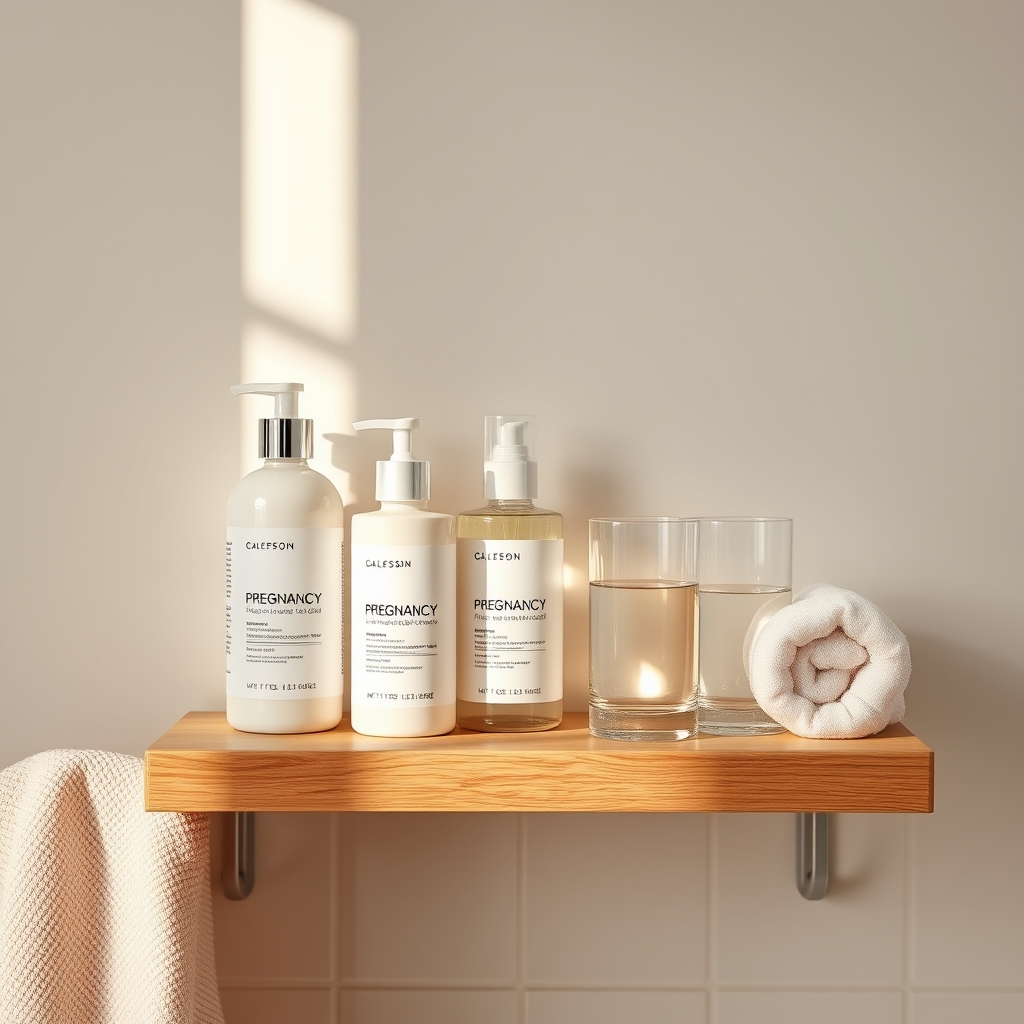
Safe: Most skincare products are safe for pregnancy, but limit retinoids and avoid high‑dose salicylic acid, especially in the first trimester.
By Shubhra Mishra — a mom of two who turned her own confusion during pregnancy into BumpBites, a global mission to make food choices clear, safe, and stress-free for every expecting mother. 💛
Check whether any food is safe during pregnancy with the BumpBites Food Safety Checker.
Download the Complete Pregnancy Food Guide (10,000 Foods) 📘
Instant PDF download • No spam • Trusted by thousands of moms
💡 Your email is 100% safe — no spam ever.
Quick verdict: ⚠️ Talk to your doctor first. Skincare products can generally be used during pregnancy, but many contain ingredients—like retinol or high‑strength acids—that are best avoided or limited, especially in the first trimester. Follow the trimester‑specific guidance below and consider pregnancy‑friendly alternatives.
It’s 2 a.m., the bathroom light is on, and you’ve just opened a new moisturizer wondering, “Is this okay for my baby?” You’re not alone—expecting parents often scramble for a fast, reliable answer about the safety of the creams, serums, and sunscreens they love. The short answer is that most everyday skincare products are safe, but the details matter: the formulation, the active ingredients, and the timing in your pregnancy.
In this guide we’ll break down whether skincare products are safe for pregnancy, how the safety picture changes from the first trimester to the third, which ingredients you should steer clear of, and what brands or natural alternatives you can trust. We’ll also compare related personal‑care items—like haircare and makeup—so you can see the whole picture in one place. By the end you’ll know exactly what to keep, what to swap, and when to call your provider for peace of mind.
Tip: Keep your nighttime routine simple and choose products free of retinol, salicylic acid, and high‑strength exfoliants.
Trimester / Phase
Verdict
Notes
First trimester
⚠️ Use with caution
Avoid retinoids, high‑strength acids, and certain essential oils; stick to fragrance‑free, hypoallergenic basics.
Second trimester
✅ Generally safe
Most moisturizers, sunscreens, and gentle cleansers are fine; still avoid potent actives unless prescribed.
Third trimester
✅ Generally safe
Same as second trimester; focus on comfort for stretch marks and dry skin.
Breastfeeding
✅ Generally safe
Topical absorption is minimal, but avoid ingestible or heavily scented products if you have nipple sensitivity.
What are skincare products?
Skincare products encompass anything you apply to the outside of your body to cleanse, protect, moisturize, or treat the skin. Common categories include cleansers, toners, moisturizers, serums, sunscreens, and targeted treatments such as acne or anti‑aging formulas. While most of these items are designed for topical use, some contain active ingredients that can be absorbed through the skin and enter the bloodstream, which is why pregnancy‑specific safety considerations matter.
During pregnancy, hormonal shifts can make your skin more sensitive, oily, or dry, prompting many expectant parents to reach for new products. Understanding the purpose of each product helps you decide whether it’s essential (e.g., a sunscreen for daily UV protection) or optional (e.g., a brightening serum with high‑strength acids). This distinction guides you toward the safest choices without sacrificing the comfort and confidence you deserve.
Is skincare safe during pregnancy?
Current guidance from the American College of Obstetricians and Gynecologists (ACOG) and the United Kingdom’s National Health Service (NHS) indicates that most basic skincare items—particularly those that are fragrance‑free, hypoallergenic, and free of potent actives—are safe throughout pregnancy. The key concern is systemic absorption of ingredients that have been linked to fetal risks in animal studies or human case reports, such as high‑dose vitamin A (retinoids) and salicylic acid.
Retinoids, including over‑the‑counter retinol, have been associated with birth defects when taken in large oral doses. Topical exposure results in far lower blood levels, but obstetric societies still recommend avoiding them, especially in the first trimester, as a precautionary measure. Salicylic acid, a beta‑hydroxy acid (BHA) commonly found in acne treatments, is safe at concentrations of 2 % or lower for topical use, but higher concentrations or oral ingestion should be avoided.
Other ingredients—hydroquinone, high‑percentage alpha‑hydroxy acids (AHAs), certain essential oils, parabens, and phthalates—have limited safety data or theoretical concerns. The FDA and NHS advise minimizing exposure to these chemicals when possible. In contrast, ingredients such as niacinamide, hyaluronic acid, ceramides, and mineral‑based sunscreens (zinc oxide, titanium dioxide) are widely regarded as low‑risk and are recommended by dermatologists for pregnant skin.
Overall, the risk is low when you stick to simple, well‑tolerated products and avoid the few high‑risk actives. If you’re ever uncertain, a quick chat with your obstetric provider can provide personalized reassurance.
Safety by trimester
First trimester
Stick to gentle, fragrance‑free cleansers, basic moisturizers with ceramides or hyaluronic acid, and mineral‑based sunscreens. Avoid any product that lists retinol, high‑strength AHAs, or salicylic acid above 2 %.
Second trimester
You may re‑introduce mild AHAs (like 5 % glycolic acid) if your skin tolerates them, but still avoid retinoids. This is also a good time to start using stretch‑mark creams containing vitamin E, cocoa butter, or centella asiatica, which are considered low‑risk.
Third trimester
Most of the same guidelines from the second trimester apply. Some women find relief from itching with soothing oatmeal‑based lotions, which are pregnancy‑friendly.
Breastfeeding
Topical products are largely safe because systemic absorption is minimal. However, if you experience nipple irritation, choose fragrance‑free, hypoallergenic moisturizers and avoid heavy, oil‑based formulations that could clog pores.
Acne treatments in pregnancy
Acne can flare due to hormonal changes. Safe options include benzoyl peroxide (2 %–5 % topical), azelaic acid (15 %–20 %), and low‑dose salicylic acid (≤2 %). Prescription oral antibiotics such as erythromycin or clindamycin are also considered safe when prescribed by your provider. Avoid topical retinoids, high‑strength salicylic acid, and hormonal acne medications like spironolactone unless specifically approved.
Sun protection for pregnant skin
Pregnancy can increase skin sensitivity to UV radiation, making sunscreen a non‑negotiable part of your routine. Mineral sunscreens containing zinc oxide or titanium dioxide are the safest because they sit on the surface rather than being absorbed. If you prefer a chemical sunscreen, look for formulations that avoid oxybenzone and octinoxate, which have raised environmental and hormonal concerns. Reapply every two hours when outdoors, and consider wearing protective clothing and hats for added defense.
Moisturizing and stretch‑mark prevention
Dry skin is common in the third trimester. Products rich in hyaluronic acid, glycerin, and ceramides hydrate without posing a risk. Stretch‑mark creams that include centella asiatica, vitamin E, or cocoa butter are generally safe, though the evidence for preventing stretch marks is modest. Massage the product gently in circular motions to improve circulation, but avoid aggressive rubbing that could irritate the skin.
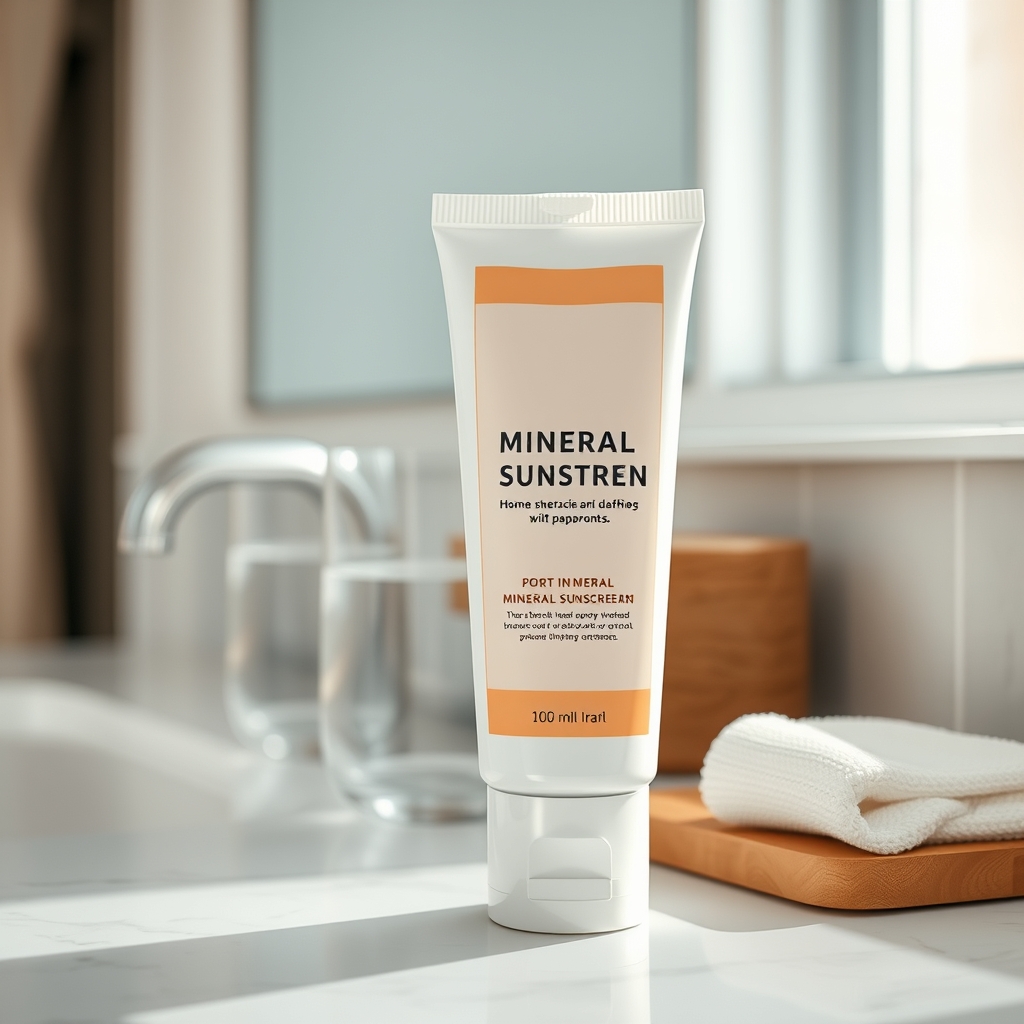
Mineral sunscreens with zinc oxide or titanium dioxide are the safest choice for sun protection during pregnancy.
How to read ingredient labels on skincare products
Understanding the ingredient list is the most reliable way to gauge a product’s safety. In the United States and the United Kingdom, manufacturers are required to list ingredients in descending order of concentration. Look for the following cues:
Active ingredients first: If a high‑risk ingredient appears among the top five components, the product is likely not pregnancy‑friendly.
Fragrance and “parfum”: These generic terms can hide dozens of undisclosed chemicals; prefer “fragrance‑free” or “unscented.”
“Derivatives” of vitamin A: Any mention of retinol, retinaldehyde, bakuchiol, or “retinoic acid” should be avoided.
Acid concentration: Products that list a specific percentage (e.g., “5 % glycolic acid”) help you gauge safety thresholds.
Below is a quick reference table that matches common ingredients with their typical safety status during pregnancy.
Ingredient
Typical concentration
Pregnancy safety
Retinol / Retinoids
Any
❌ Avoid
Salicylic acid
≤2 %
✅ Generally safe (topical)
Glycolic acid
≤10 %
⚠️ Use with caution (especially first trimester)
Hyaluronic acid
Any
✅ Safe
Niacinamide
Any
✅ Safe
Essential oils (rosemary, clary sage)
Varies
⚠️ Use sparingly or avoid
Parabens
Varies
⚠️ Minimize exposure
Phthalates
Varies
⚠️ Minimize exposure
Safe dosage, amount, and brand considerations
Because skincare products are applied topically, “dosage” usually refers to the amount per application and the frequency of use. Here are some practical guidelines:
Cleansers: Use a pea‑size amount, rinse thoroughly, and avoid leaving residue on the skin.
Moisturizers: Apply a thin layer twice daily; excessive layering can increase systemic absorption of any hidden actives.
Sunscreens: Apply 2 mg/cm² (about a nickel‑size dollop for the face) 15 minutes before sun exposure, and reapply every two hours.
Treatment serums (e.g., niacinamide, hyaluronic acid): One or two drops once or twice daily is sufficient.
Acne spot treatments: Apply a thin layer only to the affected area, no more than twice per day.
When choosing a brand, look for those that explicitly state “pregnancy‑safe” or “suitable for expectant mothers.” The following brands have been vetted by dermatologists and obstetricians for low‑risk formulations:
Burt’s Bees: Uses natural, fragrance‑light ingredients and avoids retinoids.
The Ordinary: Offers simple, single‑ingredient formulas; choose versions without retinoids or high‑strength acids.
La Roche‑Posay: Their “Anthelios” mineral sunscreens and “Toleriane” line are widely recommended for pregnant skin.
Cetaphil: Classic gentle cleansers and moisturizers are fragrance‑free and non‑comedogenic.
Neutrogena: Their “Hydro Boost” line (hyaluronic acid) and “Pure & Simple” products are safe for most pregnancies.
Vanicream: Formulated for sensitive skin, free of dyes, fragrance, and most common irritants.
Eucerin: Offers a range of ceramide‑rich moisturizers and mineral sunscreens that are pregnancy‑friendly.
Regardless of brand, always read the ingredient list. If a product contains any of the high‑risk components mentioned earlier, consider swapping it for a safer alternative.
Side effects and risks
Most pregnant users experience only minor skin irritation—like redness or a temporary tingling sensation—when trying a new product. These are usually harmless and subside when you discontinue use. However, certain reactions warrant prompt medical attention:
Severe rash or hives: Could indicate an allergic reaction; seek care immediately.
Swelling of the face, lips, or tongue (angioedema): A medical emergency—call 911.
Persistent itching or burning that interferes with sleep: May signal an underlying skin condition requiring a prescription.
Remember that topical products can sometimes be absorbed enough to affect the fetus, especially when used in large quantities over large body areas. That’s why the “first‑trimester caution” rule is emphasized by ACOG and the NHS.
Safer alternatives
Burt’s Bees gentle facial cleanser – fragrance‑free and plant‑based.
The Ordinary “Natural Moisturizing Factors” – simple formulation without retinoids.
La Roche‑Posay Anthelios Mineral Sunscreen – zinc oxide protection, no chemical filters.
Cetaphil Gentle Skin Cleanser – hypoallergenic and widely recommended by obstetricians.
Neutrogena Hydro Boost Water Gel – hyaluronic acid for hydration without risky actives.
Vanicream Moisturizing Cream – free of dyes, fragrance, and common irritants.
Eucerin Advanced Repair Cream – ceramide‑rich and safe for dry, itchy skin.
Paula’s Choice Calm Redness Relief Moisturizer – contains niacinamide and soothing botanicals, no retinoids.
Related items — safety at a glance
Item
Verdict
One‑line note
Haircare products
✅ Generally safe
Avoid shampoos with high‑strength sulfates or formaldehyde‑releasing preservatives.
Makeup products
✅ Generally safe
Choose mineral‑based foundations and avoid products with high levels of parabens.
Fragrances
⚠️ Use with caution
Strong essential‑oil blends can trigger uterine contractions.
Soaps
✅ Generally safe
Opt for gentle, fragrance‑free soaps; avoid antibacterial triclosan soaps.
Lotions
✅ Generally safe
Look for ceramide‑rich, fragrance‑free options for dry skin.
Cosmetics
✅ Generally safe
Stick to products free of lead, mercury, and high‑risk chemicals.
Body wash
✅ Generally safe
Gentle, sulfate‑free formulas are ideal for sensitive skin.
Hand cream
✅ Generally safe
Choose fragrance‑free, moisturizers with glycerin or shea butter.
Deodorant
✅ Generally safe
Aluminum‑free sticks or sprays reduce systemic exposure.
Nail polish
⚠️ Use with caution
Look for “3‑free” or “5‑free” formulas that omit toluene, formaldehyde, and DBP.
Lip balm
✅ Generally safe
Petrolatum‑based or beeswax balms without added flavorings are low‑risk.
Myth vs. fact
Myth: All skincare products are unsafe during pregnancy because anything applied to the skin can reach the baby.
Fact: Most topical products have minimal systemic absorption, and many are specifically formulated to be safe for pregnant users. The key is to avoid known high‑risk ingredients.
Myth: Natural or “organic” labels guarantee safety for pregnant skin.
Fact: “Natural” does not automatically mean safe; some essential oils and botanical extracts can be harmful. Always check the specific ingredient list.
Myth: Once you stop using a risky product, any potential harm is erased.
Fact: While occasional exposure is unlikely to cause lasting damage, consistent use of high‑risk ingredients should be avoided throughout pregnancy for the safest outcome.
Myth: All chemical sunscreens are unsafe for pregnant people.
Fact: Mineral sunscreens (zinc oxide, titanium dioxide) are the safest, but many modern chemical sunscreens without oxybenzone or octinoxate are also considered low‑risk when used as directed.
Key takeaways
Most basic moisturizers, cleansers, and mineral sunscreens are safe for pregnancy.
Avoid retinoids, high‑strength AHAs, and salicylic acid above 2 % in the first trimester.
Choose pregnancy‑friendly brands like Burt’s Bees, The Ordinary, La Roche‑Posay, Cetaphil, Neutrogena, Vanicream, and Eucerin.
Watch for skin reactions; seek medical help for severe rashes, swelling, or persistent itching.
When in doubt, consult your obstetric provider before adding new products to your routine.
Frequently asked questions
Can I use retinol while pregnant?
No, retinol and other retinoids are generally avoided during pregnancy because high levels of vitamin A have been linked to birth defects; most clinicians recommend switching to a pregnancy‑safe alternative.
What skincare ingredients to avoid during pregnancy?
Key ingredients to steer clear of are retinoids, high‑strength salicylic acid, hydroquinone, high‑percentage AHAs, certain essential oils (like rosemary and clary sage), and parabens or phthalates.
Is salicylic acid safe during pregnancy?
Low‑concentration salicylic acid (≤2 %) in topical products is usually considered safe, but higher concentrations or oral use are not recommended, especially in the first trimester.
Can I get a facial while pregnant?
Yes, most gentle facials are fine, but avoid treatments that involve strong chemical peels, high‑dose retinoids, or extensive skin abrasion; opt for hydrating or calming facial services.
Are chemical peels safe during pregnancy?
Most chemical peels that use strong acids (like TCA or high‑strength glycolic acid) are not recommended; gentle enzyme or mild AHA peels may be permissible with provider approval.
How to take care of skin during pregnancy?
Focus on gentle cleansing, robust hydration with hyaluronic acid or ceramides, mineral sunscreen protection, and safe stretch‑mark moisturizers; avoid high‑risk actives and fragrance‑heavy products.
What should I do if I accidentally used a product with retinol before knowing I was pregnant?
Stop using the product immediately, rinse the area with water, and contact your obstetric provider for reassurance—most experts agree that brief, accidental exposure is unlikely to cause harm, but a professional opinion is always best.
Are DIY skincare recipes safe during pregnancy?
Homemade mixtures can be risky because concentrations of active ingredients (like essential oils or acids) are hard to control; stick to commercially formulated, pregnancy‑tested products unless a qualified professional approves the recipe.
When to call your doctor
If you notice any of the following after using a skincare product, contact your obstetric provider promptly:
Severe rash, hives, or swelling of the face, lips, or tongue.
Persistent itching, burning, or pain that interferes with sleep.
Unexpected skin discoloration or lesions that do not improve within a week.
Any signs of an allergic reaction after applying a new product.
Unusual vaginal irritation or discharge after using a body lotion or cream.
Sudden onset of headache, dizziness, or nausea that you suspect might be linked to a topical product.
These symptoms may signal an allergic response or a more serious condition that needs medical evaluation. Remember, this article provides general information and is not a substitute for personalized medical advice.
References
American College of Obstetricians and Gynecologists (ACOG). “Pregnancy and Skin Care.” ACOG Committee Opinion, 2020.
National Health Service (NHS). “Skin care in pregnancy.” NHS Choices, updated 2022.
U.S. Food and Drug Administration (FDA). “Cosmetics and Pregnancy.” FDA Consumer Updates, 2021.
Centers for Disease Control and Prevention (CDC). “Vitamin A and Pregnancy.” CDC Guidelines, 2021.
World Health Organization (WHO). “Guidelines on the use of topical agents in pregnancy.” WHO Technical Report Series, 2020.
Mayo Clinic. “Pregnancy skin changes and how to treat them.” Mayo Clinic Proceedings, 2022.
Editor's pick for this topic
About the Author
When Shubhra Mishra was expecting her first child in 2016, she was overwhelmed by conflicting food advice — one site said yes, another said never. By the time her second baby arrived in 2019, she realized millions of mothers face the same confusion.
That sparked a five-year journey through clinical nutrition papers, cultural diets, and expert conversations — all leading to BumpBites: a calm, compassionate space where science meets everyday motherhood.
Her long-term vision is to build a global community ensuring safe, supported, and free deliveriesfor every mother — because no woman should face pregnancy alone or uninformed. 🌿
🌍 Stand with mothers, shape safer guidance
Join a small circle of experts who review BumpBites articles so expecting parents everywhere can decide with confidence.