Sour cream is safe during pregnancy in moderation, especially in the first trimester with proper dosage
By Shubhra Mishra — a mom of two who turned her own confusion during pregnancy into BumpBites, a global mission to make food choices clear, safe, and stress-free for every expecting mother. 💛
Check whether any food is safe during pregnancy with the BumpBites Food Safety Checker.
Download the Complete Pregnancy Food Guide (10,000 Foods) 📘
Instant PDF download • No spam • Trusted by thousands of moms
💡 Your email is 100% safe — no spam ever.
Quick verdict: ✅ Generally safe if it’s pasteurized and eaten in moderation. Unpasteurized sour cream can carry listeria, so choose brands that list “pasteurized” on the label and keep portions reasonable.
It’s 11 p.m., you’ve just opened the fridge, and a creamy dollop of sour cream catches your eye. “Is sour cream safe for pregnancy?” you wonder, heart racing a little faster. You’re not alone—many expectant parents pause at the dairy aisle, wondering whether that tangy topping could harm their baby.
In short, sour cream safe for pregnancy depends on a few key factors: pasteurization, portion size, and timing. Pasteurized sour cream is considered low‑risk, while raw or unpasteurized versions can harbor listeria—a bacterium that poses a serious threat to pregnant people. Below we’ll break down what the evidence says, how much you can comfortably enjoy each trimester, which brands to trust, and what you can swap in if you’d rather avoid it altogether.
We’ll also cover how to spot pasteurized versus unpasteurized containers, the nutritional benefits and pitfalls of sour cream, and when a simple stomach upset should prompt a call to your provider. By the end, you’ll have a clear, evidence‑based roadmap for enjoying sour cream—or choosing a safer alternative—without the late‑night anxiety.
Because the worry often spikes after a night‑time snack, we’ll also discuss practical steps you can take right now—like checking the label, refrigerating promptly, and pairing sour cream with nutrient‑dense foods—to keep both your cravings and your baby’s health in check.
Finally, if you’ve already eaten a serving of sour cream before you knew you were pregnant, take a breath. The risk is usually minimal when the product is pasteurized, and we’ll explain exactly what you need to watch for and when it’s time to call your provider.
Keep portion sizes modest and always check the label for “pasteurized” to stay safe.
Trimester / Breastfeeding
Verdict
Notes
First trimester
✅ Safe if pasteurized
Limit to ≤ ½ cup per day; avoid raw varieties.
Second trimester
✅ Safe if pasteurized
Same portion limits; ensure proper refrigeration.
Third trimester
✅ Safe if pasteurized
Maintain portion control; watch for excess calories.
Breastfeeding
✅ Safe if pasteurized
Continue same guidelines; calcium supports milk production.
What is sour cream?
Sour cream is a cultured dairy product made by adding lactic‑acid bacteria to cream, which thickens it and gives it a tangy flavor. The bacteria ferment lactose, lowering the pH and creating the characteristic sour taste. In the United States, most commercially sold sour cream is made from pasteurized cream, meaning the milk has been heated to kill harmful bacteria before the cultures are added. The final product typically contains about 20 % milk fat, providing a rich source of calcium, vitamin A, and vitamin D, along with a modest amount of protein.
People use sour cream as a topping for baked potatoes, a base for dips, or a creamy component in sauces and baked goods. Because it’s relatively high in fat, nutritionists often recommend using it sparingly, especially for those monitoring calorie intake. For pregnant people, the key concerns revolve around bacterial safety (especially listeria) and the overall nutritional contribution to a balanced diet.
Beyond its culinary role, sour cream’s live cultures can contribute a small probiotic boost, though the primary health benefit for most pregnant people comes from its calcium and vitamin D content, which support fetal bone development and maternal bone health.
Is sour cream safe to eat during pregnancy?
C
urrent guidance from the American College of Obstetricians and Gynecologists (ACOG) and the UK’s National Health Service (NHS) states that pasteurized dairy products—including sour cream—are safe for pregnant people when consumed in moderation. The Food and Drug Administration (FDA) requires that any sour cream sold in the United States be made from pasteurized milk, unless the label explicitly says “raw” or “unpasteurized.” Because pasteurization destroys listeria and other pathogens, the risk of food‑borne illness from commercially produced sour cream is very low.
However, unpasteurized sour cream—sometimes found at farmers’ markets or specialty cheese shops—does not undergo this heat‑kill step and can retain live bacteria, including Listeria monocytogenes. Listeria infection (listeriosis) during pregnancy can lead to miscarriage, stillbirth, or severe neonatal illness. The Centers for Disease Control and Prevention (CDC) advises pregnant people to avoid all unpasteurized dairy products, including sour cream, to eliminate this risk.
Most misconceptions stem from the belief that “all sour cream is raw” or that “the tangy taste indicates safety.” In reality, the safety hinges on the pasteurization status, not the flavor. If the label lists “pasteurized” or if the product is from a reputable, regulated brand, you can enjoy it without heightened concern.
Research published in the Journal of Food Protection confirms that pasteurized dairy products have a < 0.1 % chance of containing Listeria, whereas unpasteurized products can have rates up to 5 %. This stark difference underscores why reputable manufacturers and clear labeling are essential for pregnant consumers.
It’s also worth noting that many grocery stores now carry “organic” sour cream that is still pasteurized; the “organic” label refers to farming practices, not to the presence or absence of pasteurization. So, you can trust both the safety and the environmental claims when the product meets both standards.
Can pregnant women eat sour cream in the first trimester?
The first trimester is a period of organ formation (organogenesis), and many pregnant people worry about any potential teratogen. Because pasteurized sour cream does not contain known teratogens, ACOG considers it safe during the first trimester when eaten in typical serving sizes (about 2 tablespoons). The primary caution remains the same: avoid any sour cream that is not clearly labeled as pasteurized.
Because nausea and food aversions often peak in early pregnancy, some expectant mothers may find the tangy flavor helpful for stimulating appetite. If you experience severe nausea, a small amount of sour cream can be soothing, but keep portions modest to avoid excess calories.
It’s also worth noting that the first trimester is the time when many prenatal vitamins are introduced. Pairing a modest scoop of sour cream with a whole‑grain tortilla or a piece of fruit can help you meet both calcium and vitamin D needs without overloading on fat.
Sour cream and nausea relief
For many pregnant people, the acidity of sour cream can calm an upset stomach and make bland foods more tolerable. A thin layer of sour cream on toast or a small dollop mixed into oatmeal can provide a gentle flavor boost while still being easy on the digestive system. Just keep the portion to a single serving per meal to prevent excess richness.
How much sour cream is safe during pregnancy?
Guidelines from the American Dietetic Association suggest that pregnant people can safely consume up to three servings of dairy per day, where a “serving” of sour cream is roughly 2 tablespoons (30 g). This amount provides about 80 calories, 2 g of protein, and 8 g of fat, fitting comfortably within a balanced prenatal diet.
To stay within the three‑serving limit, you might combine sour cream with other dairy foods like milk, cheese, or yogurt. For example, a typical day could include a cup of milk (1 serving), a slice of cheese (½ serving), and a single 2‑tablespoon dollop of sour cream (1 serving). If you have gestational diabetes, discuss carbohydrate counting with your provider, but the fat content of sour cream does not directly raise blood sugar.
When you’re craving a richer texture, consider diluting sour cream with a splash of low‑fat milk. This stretches the portion further while keeping the flavor you love, and it reduces overall saturated‑fat intake—a helpful tip for managing weight gain during pregnancy.
What are safe sour cream alternatives for pregnant women?
Greek yogurt – thick, protein‑rich, and probiotic‑laden; use as a dip or topping.
Cottage cheese – low‑fat, calcium‑dense, and easy to blend into sauces.
Cashew cream – dairy‑free, creamy, and can be flavored with lemon for tang.
Tofu sour cream – silken tofu blended with apple cider vinegar and herbs.
Labneh – Middle‑Eastern strained yogurt with a similar texture.
Avocado cream – mashed avocado mixed with lime juice for a buttery alternative.
Crème fraîche (pasteurized) – richer than sour cream but still safe when pasteurized.
Each of these options provides a comparable tangy mouthfeel while offering additional nutritional benefits. For instance, Greek yogurt adds extra calcium and probiotics, while avocado cream supplies heart‑healthy monounsaturated fats and potassium.
If you’re transitioning away from sour cream, start by swapping half of the amount in a recipe with Greek yogurt; the texture stays creamy and the flavor remains familiar. Over time you can increase the proportion of the alternative to suit your taste.
Is pasteurized sour cream safe during pregnancy?
Yes. Pasteurization eliminates the bacterial threats that could cause listeriosis. Both the FDA and NHS explicitly list pasteurized dairy as safe for pregnant people. When you see “pasteurized” on the label—or when the product is sold in a mainstream grocery store in the U.S. or U.K.—you can confidently include it in your diet, provided you keep portions within the recommended limits.
Pasteurized sour cream also retains the live cultures that give it its mild probiotic edge, though the primary safety benefit remains the removal of harmful pathogens. If you’re looking for an extra gut‑health boost, choose a brand that advertises “live and active cultures” in addition to the pasteurization claim.
Reading the ingredient list is a quick way to verify pasteurization. Look for phrases like “made with pasteurized cream” or a separate “pasteurized” statement on the packaging seal. If you cannot locate this information, it’s safest to choose a different brand or an alternative product.
What are the risks of eating unpasteurized sour cream while pregnant?
Unpasteurized sour cream can harbor Listeria monocytogenes, a bacterium that thrives at refrigerator temperatures. In pregnant people, listeriosis can lead to flu‑like symptoms, fever, and, more seriously, miscarriage or neonatal infection. The CDC estimates that listeriosis causes about 1 case per 1 million pregnant women, but the consequences can be severe, which is why the recommendation is to avoid any unpasteurized dairy.
Symptoms typically appear 1‑3 weeks after exposure and include fever, muscle aches, and gastrointestinal upset. If you develop these signs after consuming unpasteurized sour cream, contact your provider immediately for testing and possible antibiotic treatment.
Recent outbreak reports from the United States and Europe have linked raw dairy cheeses—not sour cream—to clusters of listeriosis cases, underscoring the broader risk of consuming any unpasteurized dairy during pregnancy.
Are specific brands of sour cream safe for pregnancy?
Most major brands sold in the United States—such as Daisy, Organic Valley, and Chobani—use pasteurized cream and clearly label the product as “pasteurized.” In the United Kingdom, brands like Tesco, Sainsbury’s, and Yeo Valley also meet NHS pasteurization standards. When shopping, look for the word “pasteurized” on the ingredient list or packaging seal. If a brand markets itself as “artisan” or “farm‑fresh” without a clear pasteurization statement, treat it as unpasteurized and avoid it.
Some smaller, locally produced sour creams proudly display “grass‑fed” or “organic” on the front of the package; these claims are unrelated to pasteurization. Always verify the pasteurization status regardless of other marketing claims, especially at specialty stores or farmers’ markets.
Sour cream and listeria risk during pregnancy
Listeria risk is directly tied to the presence of live bacteria, which are eliminated by pasteurization. Studies published in the Journal of Food Protection have shown that pasteurized dairy products have a < 0.1 % chance of containing Listeria, whereas unpasteurized products can have rates up to 5 %. The risk is therefore negligible for pasteurized sour cream, but it remains a real concern for raw varieties.
To further reduce risk, store sour cream at ≤ 40 °F (4 °C) and consume it before the “use‑by” date. If the container looks bloated, smells off, or has visible mold, discard it—these are signs of spoilage that could increase bacterial growth.
Check the label for “pasteurized” before you buy.
Safe dosage / amount / brands
The standard serving size for sour cream is 2 tablespoons (≈ 30 g). For most pregnant people, staying at or below one serving per meal—roughly ½ cup (120 g) per day—is a safe guideline that aligns with the USDA’s recommendation of three dairy servings daily.
When choosing a brand, prioritize those that explicitly state “pasteurized” on the front label or ingredient list. Some reputable options include:
Daisy Original Sour Cream – widely available, clearly labeled pasteurized.
Organic Valley Grass‑Fed Sour Cream – organic, pasteurized, and hormone‑free.
Chobani Sour Cream – cultured with live probiotics, fully pasteurized.
Avoid boutique or farmer‑market sour creams that lack a clear pasteurization claim. If you’re unsure, ask the vendor whether the cream used was pasteurized, or choose a pasteurized alternative like Greek yogurt.
Side effects and risks
When sour cream is pasteurized, side effects are usually limited to mild digestive discomfort if you consume it in excess—think bloating or a feeling of heaviness. Because sour cream is high in saturated fat, over‑consumption could contribute to excess weight gain, which is a concern for gestational diabetes or hypertension.
More serious risks arise only with unpasteurized sour cream. Listeria infection can cause:
Fever, chills, and muscle aches.
Vomiting or diarrhea.
Severe complications such as preterm labor or neonatal infection.
If you experience any of these symptoms after eating sour cream—especially if the product was not labeled pasteurized—contact your healthcare provider right away.
Safer alternatives
Greek yogurt – thick, protein‑rich, and probiotic‑laden; safe when pasteurized.
Cottage cheese – low‑fat, calcium‑dense, and easy to blend into dips.
Cashew cream – dairy‑free, creamy, and can be flavored with lemon for tang.
Tofu sour cream – silken tofu blended with apple cider vinegar and herbs for a similar texture.
Labneh – strained yogurt with a tang similar to sour cream, always pasteurized.
Avocado cream – mashed avocado mixed with lime juice for a buttery, nutrient‑rich spread.
Pasteurized crème fraîche – richer than sour cream but still safe when labeled pasteurized.
Nutrition considerations for pregnancy
Calcium, vitamin D, and protein are three nutrients that become especially important as your baby’s skeleton and teeth develop. One ½‑cup serving of sour cream supplies roughly 100 mg of calcium—about 10 % of the daily recommendation for pregnant people. It also contributes vitamin D, which aids calcium absorption, and a modest amount of protein to support fetal tissue growth.
Because sour cream is also relatively high in saturated fat, it’s wise to balance it with lean protein sources, whole grains, and plenty of fruits and vegetables. Pairing sour cream with a fiber‑rich food like a baked sweet potato not only makes a satisfying meal but also helps moderate blood‑sugar spikes, a key concern for those with gestational diabetes.
Storage and handling tips
Proper refrigeration is essential. Keep sour cream at or below 40 °F (4 °C) and always return it to the fridge promptly after each use. If you’re serving it at a gathering, place the bowl on a bed of ice to maintain a safe temperature.
When you open a new container, check the “use‑by” date and aim to finish it within a week. Transfer any leftover sour cream to a clean, airtight container to minimize exposure to air and potential contaminants. If the surface develops a layer of liquid (a sign of separation), stir it back in—this is normal and not a safety issue—as long as the product smells fresh and the container isn’t bulging.
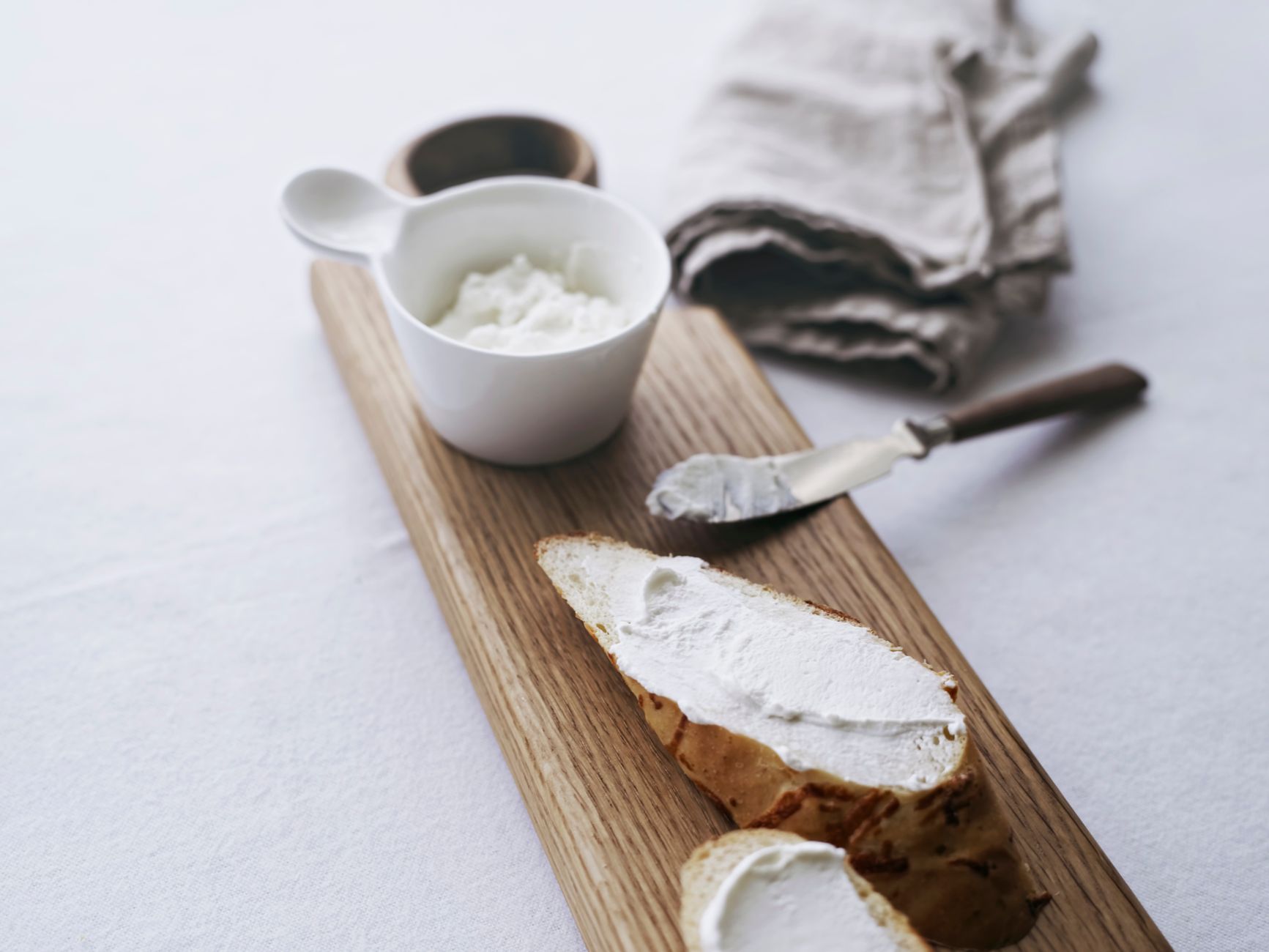
Portion out sour cream into a small bowl and keep it refrigerated.
Sour cream and pregnancy cravings
Cravings are a common part of pregnancy, and many expectant mothers report a sudden desire for rich, creamy foods. Sour cream’s smooth texture and tangy flavor can satisfy that craving while also delivering calcium and vitamin D. Because it’s a relatively low‑carb option, it’s a better choice than sugary desserts when you’re looking for comfort.
If you find yourself reaching for sour cream multiple times a day, try pairing it with high‑fiber foods like whole‑grain crackers or fresh veggies. This combo can help keep you fuller longer, reduce the temptation to over‑indulge, and ensure you’re getting a balanced mix of nutrients.
Pair sour cream with whole‑grain crackers for a satisfying, nutrient‑dense snack.
Safety by trimester
First trimester
During organogenesis, the fetus is most vulnerable to teratogens. Pasteurized sour cream contains no known teratogenic compounds, so it remains safe when consumed in typical serving sizes (≈ 2 tablespoons). The primary precaution is to avoid any product that isn’t clearly labeled “pasteurized.”
Second trimester
As the baby’s bones and teeth begin to mineralize, calcium becomes especially important. Including a modest amount of pasteurized sour cream can help meet calcium needs, provided you stay within the overall dairy‑serving limit.
Third trimester
In the final weeks, maintaining adequate calcium and vitamin D supports both fetal bone health and your own calcium reserves for breastfeeding. Continue to limit sour cream to ≤ ½ cup per day and watch overall saturated‑fat intake.
Gestational diabetes
Because sour cream is low in carbohydrates, it generally does not cause spikes in blood glucose. However, its fat content can affect overall calorie balance, so pregnant people with gestational diabetes should monitor portion size and consider low‑fat versions if weight gain becomes a concern.
Breastfeeding
Pasteurized sour cream remains safe while nursing. The calcium and vitamin D it provides support milk production, and the modest fat contributes to satiety for the mother.
Safe dosage / amount / brands
The standard serving size for sour cream is 2 tablespoons (≈ 30 g). For most pregnant people, staying at or below one serving per meal—roughly ½ cup (120 g) per day—is a safe guideline that aligns with the USDA’s recommendation of three dairy servings daily.
When choosing a brand, prioritize those that explicitly state “pasteurized” on the front label or ingredient list. Some reputable options include:
Daisy Original Sour Cream – widely available, clearly labeled pasteurized.
Organic Valley Grass‑Fed Sour Cream – organic, pasteurized, and hormone‑free.
Chobani Sour Cream – cultured with live probiotics, fully pasteurized.
Avoid boutique or farmer‑market sour creams that lack a clear pasteurization claim. If you’re unsure, ask the vendor whether the cream used was pasteurized, or choose a pasteurized alternative like Greek yogurt.
Side effects and risks
When sour cream is pasteurized, side effects are usually limited to mild digestive discomfort if you consume it in excess—think bloating or a feeling of heaviness. Because sour cream is high in saturated fat, over‑consumption could contribute to excess weight gain, which is a concern for gestational diabetes or hypertension.
More serious risks arise only with unpasteurized sour cream. Listeria infection can cause:
Fever, chills, and muscle aches.
Vomiting or diarrhea.
Severe complications such as preterm labor or neonatal infection.
If you experience any of these symptoms after eating sour cream—especially if the product was not labeled pasteurized—contact your healthcare provider right away.
Safer alternatives
Greek yogurt – thick, protein‑rich, and probiotic‑laden; safe when pasteurized.
Cottage cheese – low‑fat, calcium‑dense, and easy to blend into dips.
Cashew cream – dairy‑free, creamy, and can be flavored with lemon for tang.
Tofu sour cream – silken tofu blended with apple cider vinegar and herbs for a similar texture.
Labneh – strained yogurt with a tang similar to sour cream, always pasteurized.
Avocado cream – mashed avocado mixed with lime juice for a buttery, nutrient‑rich spread.
Pasteurized crème fraîche – richer than sour cream but still safe when labeled pasteurized.
Related items — safety at a glance
Item
Verdict
One‑line note
Cream cheese
✅ Safe if pasteurized
Soft cheese; watch for added salt.
Yogurt
✅ Safe if pasteurized
Probiotic benefits; choose low‑sugar varieties.
Kefir
✅ Safe if pasteurized
Fermented milk drink; good source of calcium.
Buttermilk
✅ Safe if pasteurized
Low‑fat dairy; useful in baking.
Ricotta cheese
✅ Safe if pasteurized
Soft cheese; avoid raw‑milk versions.
Cottage cheese
✅ Safe if pasteurized
High protein, low fat; easy snack.
Soft cheeses
⚠️ Avoid unpasteurized
Brie, camembert can harbor listeria if raw.
Mayonnaise
✅ Safe if pasteurized eggs
Check for “pasteurized egg” claim.
Salad dressings
✅ Safe if pasteurized
Most commercial dressings are pasteurized.
Myth vs. fact
Myth: All sour cream is raw and risky for pregnant people. Fact: In the U.S. and U.K., virtually all commercially sold sour cream is made from pasteurized cream, making it safe when labeled as such.
Myth: The tangy taste of sour cream means it’s a probiotic‑rich health food. Fact: While sour cream does contain live cultures, the primary safety concern is bacterial contamination, not probiotic benefit. Pasteurization does not eliminate all beneficial bacteria, but the product’s safety hinges on the absence of pathogens.
Myth: You must avoid all dairy if you’re pregnant. Fact: Dairy provides essential calcium, vitamin D, and protein. Pasteurized dairy, including sour cream, is recommended as part of a balanced prenatal diet.
Key takeaways
Pasteurized sour cream is generally safe for pregnancy when eaten in moderation (≤ ½ cup per day).
Avoid any sour cream that isn’t clearly labeled “pasteurized” to eliminate listeria risk.
Typical serving size is 2 tablespoons (≈ 30 g); stay within three dairy servings per day.
Store at ≤ 40 °F (4 °C) and discard if the container looks bloated or smells off.
If you experience fever, muscle aches, or gastrointestinal symptoms after consuming unpasteurized sour cream, contact your provider promptly.
Safe alternatives include Greek yogurt, cottage cheese, cashew cream, tofu sour cream, labneh, avocado cream, and pasteurized crème fraîche.
Frequently asked questions
Can you eat sour cream dip when pregnant?
Yes—if the dip is made with pasteurized sour cream and stored properly, it’s safe. Stick to standard portion sizes (2 tablespoons) and avoid homemade dips that use raw dairy.
Is it safe to eat sour cream in early pregnancy?
Yes, provided the sour cream is pasteurized. Early pregnancy (first trimester) poses the highest risk for teratogens, but pasteurized sour cream contains no known teratogenic compounds.
What dairy products should be avoided during pregnancy?
Unpasteurized dairy—including raw milk, raw cheese, and raw sour cream—should be avoided because of listeria risk. Soft cheeses made from raw milk (e.g., Brie, Camembert) also fall into this
When Shubhra Mishra was expecting her first child in 2016, she was overwhelmed by conflicting food advice — one site said yes, another said never. By the time her second baby arrived in 2019, she realized millions of mothers face the same confusion.
That sparked a five-year journey through clinical nutrition papers, cultural diets, and expert conversations — all leading to BumpBites: a calm, compassionate space where science meets everyday motherhood.
Her long-term vision is to build a global community ensuring safe, supported, and free deliveriesfor every mother — because no woman should face pregnancy alone or uninformed. 🌿
🌍 Stand with mothers, shape safer guidance
Join a small circle of experts who review BumpBites articles so expecting parents everywhere can decide with confidence.