Safe skincare during pregnancy is possible. Limit retinoids and high-dose salicylic acid, especially in the first trimester. Discover safe alternatives and dosage tips.
By Shubhra Mishra — a mom of two who turned her own confusion during pregnancy into BumpBites, a global mission to make food choices clear, safe, and stress-free for every expecting mother. 💛
Check whether any food is safe during pregnancy with the BumpBites Food Safety Checker.
Download the Complete Pregnancy Food Guide (10,000 Foods) 📘
Instant PDF download • No spam • Trusted by thousands of moms
💡 Your email is 100% safe — no spam ever.
Quick verdict: ⚠️ Talk to your doctor first. Skincare can be safe for pregnancy when you choose pregnancy‑friendly ingredients and avoid known risks, but some actives (like retinol) need professional guidance.
It’s 2 a.m. and you’ve just opened the bathroom cabinet, eyes wide, wondering if the moisturizer you reached for is okay for the baby on board. You’re not alone—many expecting parents search “skincare safe for pregnancy” at odd hours, hoping for a quick, reassuring answer. The sheer volume of products and conflicting advice can feel overwhelming, especially when you’re trying to make the best choices for your little one. The good news is that most basic skincare—gentle cleansers, moisturizers, and sunscreen—are generally fine, while certain potent actives require caution.
In this article we’ll break down exactly which ingredients are safe, which to avoid, how the safety picture changes across the first, second, and third trimesters, and what dosage limits apply. We’ll also give you a list of pregnancy‑friendly brands, safer alternatives to high‑risk actives, and a quick‑reference table of related products. By the end you’ll have a clear, evidence‑based roadmap for a glow‑friendly, worry‑free pregnancy.
Trimester
Verdict
Notes
First trimester
⚠️ Use with caution
Avoid retinoids, high‑strength acids, and oral benzoyl peroxide. Stick to gentle, fragrance‑free products.
Second trimester
✅ Generally safe
Most moisturizers, hyaluronic acid, and mineral sunscreen are fine. Limited use of low‑percentage salicylic acid OK.
Third trimester
✅ Generally safe
Same as second trimester; monitor for increased skin sensitivity.
Breastfeeding
✅ Generally safe
Topical products have minimal systemic absorption; avoid oral retinoids.
Skincare encompasses the daily routine of cleansing, treating, moisturizing, and protecting the skin. Products range from simple soap‑free cleansers to complex serums containing antioxidants, acids, and retinoids. During pregnancy, hormonal shifts can make skin oilier, cause melasma (the “mask of pregnancy”), or trigger acne, prompting many to turn to stronger actives. Understanding how each ingredient works—and whether it can cross the placenta—is key to keeping both you and your baby safe. The principle of systemic absorption is crucial here: large molecules in topical products generally don't penetrate deeply enough to enter the bloodstream in significant amounts, but smaller or more potent ingredients can.
Current guidance from the American College of Obstetricians and Gynecologists (ACOG) and the UK’s National Health Service (NHS) says that most topical skin‑care products are low‑risk, but certain ingredients—especially those classified as teratogens (substances that can cause birth defects)—should be avoided. The U.S. Food and Drug Administration (FDA) has not formally banned any cosmetic actives for pregnant people, yet it advises caution with retinoids, high‑strength salicylic acid, and oral benzoyl peroxide. The Centers for Disease Control and Prevention (CDC) echoes this, noting that systemic exposure from topical use is usually minimal, but that “the safest approach is to use products with a proven safety record in pregnancy.” This means prioritizing ingredients with robust safety data and avoiding those with known or suspected risks, even if the systemic absorption is theoretically low.
First trimester safety
The first trimester is the period of organogenesis, when the fetus’s major organs form. Because this window is the most sensitive to teratogens, ACOG recommends steering clear of retinoids (both oral isotretinoin and topical retinol) and limiting exposure to high‑strength alpha‑hydroxy acids (AHAs) and beta‑hydroxy acids (BHAs). Gentle, fragrance‑free cleansers and moisturizers are safe, as are mineral‑based sunscreens (zinc oxide or titanium dioxide). This cautious approach is paramount because the embryo is rapidly developing, and any potential disruption during this delicate stage carries the highest risk.
In addition to the big‑picture guidance, many clinicians advise pregnant patients to keep an eye on product labels that list “retinol,” “retinyl palmitate,” or “glycolic acid” at concentrations above 5 %. Even if a product is marketed as “anti‑aging,” the safest route during the first trimester is to pause its use until after the 12‑week mark, unless your dermatologist has explicitly cleared it. Remember, skin sensitivity can also increase during this time, making previously tolerated products irritating.
Second trimester safety
During the second trimester, the placenta becomes a more effective barrier, and many dermatologists feel comfortable allowing low‑concentration salicylic acid (≤2 % in rinse‑off products) and niacinamide. Hyaluronic acid, vitamin C, and peptide‑based serums have no known fetal risks and can help with acne or melasma without systemic absorption concerns. The organs are largely formed by this stage, reducing the teratogenic risk, though caution is still advised for potent ingredients.
Pregnant patients often notice an improvement in skin texture during this window, making it a good time to introduce gentle exfoliation if needed. However, it’s still wise to limit any leave‑on acid products to concentrations of 0.5 % or less, and to rinse thoroughly after each use. The NHS also notes that regular use of a fragrance‑free moisturizer can help prevent the dryness that sometimes accompanies the hormonal surge of the second trimester, and can help maintain skin barrier integrity.
Third trimester safety
In the third trimester, skin can become more sensitive due to increased blood flow. The same ingredients deemed safe in the second trimester remain appropriate, though you may notice heightened irritation from any exfoliating acids. Continue using mineral sunscreen and avoid any new strong actives unless approved by your provider. As your body prepares for birth, some expectant parents experience increased dryness or itchiness, particularly on the belly, breasts, and thighs.
Because many expectant parents experience itchiness as the baby grows, a soothing, barrier‑repair moisturizer can be especially beneficial. Ingredients such as ceramides, oat extract, and colloidal oatmeal are well‑tolerated and can alleviate discomfort without raising safety concerns. Focus on hydration and gentle care to support your skin through these final weeks.
Breastfeeding safety
Topical products applied to the skin have negligible systemic absorption, so most pregnancy‑friendly skincare remains safe while nursing. Oral retinoids, however, are still contraindicated because they can be excreted in breast milk and pose a risk to the infant. The general consensus is that what is safe for topical use during pregnancy is also safe during breastfeeding.
If you are pumping or breastfeeding, you may also want to consider products that are free of potential irritants like parabens and formaldehyde‑releasing preservatives, which can occasionally cause nipple irritation if they come into contact with the infant during feeding. When applying products to the chest area, consider waiting until after a feeding or wiping the area clean before the next feeding to minimize direct infant exposure.
Safe dosage / amount / brands
When we talk about “dosage” in skincare we refer to concentration and frequency of application. For ingredients that are considered safe in pregnancy, the following limits are widely accepted:
Salicylic acid (BHA): Up to 2 % in rinse‑off cleansers, used 1‑2 times daily. Avoid leave‑on products above 0.5 %. This low concentration and rinse-off application minimizes systemic absorption.
Retinol: Generally avoided. If a dermatologist prescribes a very low‑dose (≤0.1 %) topical retinoid for severe acne, it should be used only under close supervision and after a thorough discussion of risks and benefits.
Vitamin C (ascorbic acid): Up to 20 % concentration is considered safe; apply once daily. This potent antioxidant is a large molecule that remains on the skin's surface.
Hyaluronic acid: Any concentration is safe because it is a large molecule that does not penetrate deeply into the skin to reach the bloodstream.
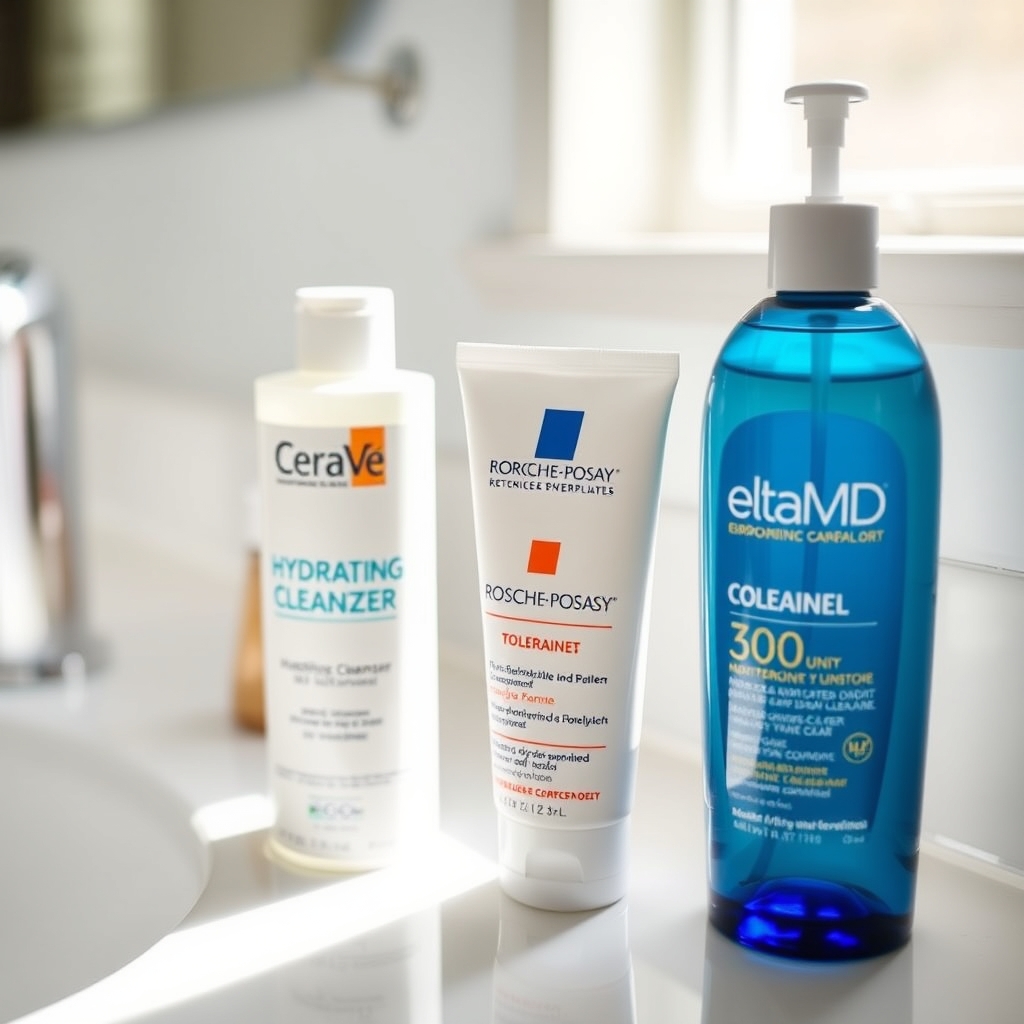
Brands that formulate products with pregnancy‑friendly concentrations include CeraVe, La Roche‑Posay, The Ordinary, Bioderma, Neutrogena, Avene, Paula’s Choice, Vanicream, EltaMD, and First Aid Beauty. These brands are often dermatologist-recommended for sensitive skin and focus on well-researched, non-irritating ingredients. Look for labels such as “fragrance‑free,” “non‑comedogenic,” and “mineral sunscreen.” Avoid products that list “retinol,” “retinyl palmitate,” “high‑strength glycolic acid,” or “benzoyl peroxide” without a clear pregnancy disclaimer, and always consult your doctor if you're unsure.
Choose gentle, fragrance‑free basics for a worry‑free routine.
Is skincare safe during first trimester of pregnancy?
D
uring the first trimester, the safest approach is to stick with basic, non‑active products. Gentle cleansers, fragrance‑free moisturizers, and mineral sunscreen are all considered safe. ACOG advises that “topical products that do not contain known teratogens are generally permissible,” which includes most over‑the‑counter cleansers and moisturizers. If you’re already using a product with retinol or a strong acid, stop using it and discuss alternatives with your provider. This period is critical for fetal development, so minimizing exposure to any potentially harmful substances is the top priority.
It’s also worth noting that some pregnant people experience heightened skin sensitivity early on, so even mild fragrance can cause irritation. Opt for fragrance‑free or hypoallergenic formulations to reduce the risk of a reaction that could distract from the overall comfort of your pregnancy. Many find that a stripped-down, simple routine is not only safer but also more comfortable during this sensitive time.
What skincare ingredients to avoid during pregnancy by trimester
Below is a quick guide to common skincare ingredients and their safety profile across the trimesters:
Ingredient
First Trimester
Second Trimester
Third Trimester
Retinol / Isotretinoin
Avoid
Avoid
Avoid
High‑strength AHAs (≥10 %)
Avoid
Limited (≤5 %)
Limited (≤5 %)
Salicylic acid (leave‑on)
Avoid
≤0.5 %
≤0.5 %
Benzoyl peroxide (oral)
Avoid
Avoid
Avoid
Essential oils (high concentration)
Use with caution
Use with caution
Use with caution
How much retinol is safe in pregnancy skincare?
Retinol is a category C ingredient for pregnancy according to the FDA, meaning risk cannot be ruled out. The consensus among obstetricians (ACOG 2023) is to avoid retinol entirely unless a dermatologist prescribes a very low dose (≤0.1 %) for severe acne and monitors you closely. Even then, many providers recommend switching to alternative acne treatments such as azelaic acid or topical clindamycin, which have a more established safety record during pregnancy. The potential for birth defects, even with topical application, is a risk most medical professionals prefer to eliminate entirely.
If you have already applied a retinol‑containing product before learning of your pregnancy, the best first step is to stop using it and inform your obstetrician. Because systemic absorption from topical retinol is minimal, most clinicians reassure patients that a single or occasional use is unlikely to cause harm, but they will still advise a cautious approach moving forward. This reassurance is important, but it doesn't change the recommendation to avoid it once you know you're pregnant.
Understanding skincare labels: what to look for (and avoid)
Deciphering skincare labels can feel like reading a foreign language, especially when you’re pregnant and trying to be extra careful. The key is to look for specific ingredient names and understand concentration percentages. Beyond avoiding known high-risk ingredients like retinoids, pay attention to terms like “fragrance” (which can be a mix of undisclosed chemicals and a common irritant) and “parabens” (preservatives with some endocrine-disrupting concerns, though largely deemed safe in cosmetics by regulatory bodies). The NHS advises choosing products labeled “hypoallergenic” and “dermatologist-tested” to minimize potential reactions.
Conversely, look for labels that highlight beneficial, pregnancy-safe ingredients. “Non-comedogenic” means it won’t clog pores, which is helpful if you’re experiencing pregnancy acne. “Mineral sunscreen” indicates zinc oxide or titanium dioxide, which are preferred over chemical filters during pregnancy. Familiarize yourself with these terms to confidently navigate the cosmetic aisle and select products that support both your skin health and your baby's safety.
Safe pregnancy skincare brands and products 2024
2024 saw a surge of brands formulating “pregnancy‑safe” lines. Here are top picks:
CeraVe Hydrating Cleanser – fragrance‑free, ceramide‑rich, and excellent for maintaining skin barrier function.
La Roche‑Posay Toleriane Double Repair Face Moisturizer – includes niacinamide and thermal spring water for soothing and strengthening skin.
The Ordinary Hyaluronic Acid 2 % + B5 – pure hyaluronic acid with minimal irritation risk, providing intense hydration.
Bioderma Sensibio H2O Micellar Water – gentle makeup remover without alcohol, suitable for sensitive skin.
Neutrogena Hydro Boost Water Gel – lightweight gel with hyaluronic acid, perfect for oilier or combination skin types.
Avene Tolerance Control Soothing Skin Recovery Cream – calming and protective for extremely sensitive or reactive skin.
Paula’s Choice RESIST Daily Hydrating Fluid SPF 50 – mineral sunscreen with antioxidants, offering broad-spectrum protection.
Vanicream Gentle Facial Cleanser – ideal for eczema‑prone skin and those highly sensitive to common irritants.
EltaMD UV Clear Broad‑Spectrum SPF 46 – zinc oxide‑based sunscreen safe for acne‑prone skin, often recommended by dermatologists.
First Aid Beauty Ultra Repair Cream – rich, fragrance‑free moisturizer, excellent for dry or compromised skin barriers.
What are the best pregnancy‑safe alternatives to retinoids?
If you love the anti‑aging benefits of retinoids, consider these pregnancy‑friendly substitutes that offer similar effects without the risk:
Bakuchiol: A plant‑derived retinol‑like compound shown to improve fine lines, skin elasticity, and hyperpigmentation, with studies suggesting it's as effective as retinol but without known teratogenic risk.
Peptide complexes: These small chains of amino acids signal to skin cells to produce more collagen, improving firmness and reducing wrinkles with minimal skin penetration.
Azelaic acid (≤10 %): Helps with acne and hyperpigmentation by reducing inflammation and bacterial growth, and is deemed safe by ACOG and the AAD for use during pregnancy.
Vitamin C (ascorbic acid): A powerful antioxidant that brightens skin, fades dark spots, and supports collagen synthesis, making it excellent for addressing melasma and overall skin tone.
Niacinamide (Vitamin B3): Reduces inflammation, minimizes pore appearance, and improves skin barrier function, offering broad benefits for various skin concerns without any known risks.
Can I use salicylic acid face wash while pregnant?
Yes, but only in rinse‑off formulations with a concentration of 2 % or less. The FDA allows up to 2 % salicylic acid in over‑the‑counter cleansers for pregnant users, provided you rinse thoroughly. This limited exposure through a wash-off product results in minimal systemic absorption. Avoid leave‑on products (toners, serums) that exceed 0.5 % because they remain on the skin longer, increasing the potential for absorption.
Is hyaluronic acid safe for pregnancy skincare?
Hyaluronic acid is a large molecule that stays on the surface of the skin, making it essentially inert with respect to fetal exposure. Both ACOG and the NHS list hyaluronic acid as safe for all trimesters, and it can be a great hydrator for the often‑dry skin many experience in the third trimester. It draws moisture into the skin, helping to keep it plump and supple without any systemic effects.
What skincare ingredients cause birth defects or miscarriage?
Retinoids (including over‑the‑counter retinol and prescription isotretinoin) are the primary culprits linked to birth defects such as craniofacial abnormalities, heart defects, and central nervous system defects. High‑dose oral benzoyl peroxide and certain essential oil blends (e.g., rosemary, wintergreen) have limited data but are best avoided due to potential systemic effects. None of the basic moisturizers or mineral sunscreens have been associated with miscarriage, and most concerns revolve around specific, potent active ingredients.
Pregnancy‑safe skincare routine for acne and melasma
Here’s a simple, evidence‑based routine to address common pregnancy skin concerns:
Cleanse: CeraVe Hydrating Cleanser (morning & night). This gentle, ceramide-rich cleanser removes impurities without stripping the skin barrier.
Treat: Azelaic acid 10 % serum (if acne is moderate or for melasma) – safe per ACOG. Apply a thin layer to affected areas after cleansing.
Hydrate: La Roche‑Posay Toleriane Moisturizer. This soothing moisturizer helps calm irritation and provides essential hydration.
Protect: EltaMD UV Clear SPF 46 (mineral sunscreen) every morning. Crucial for preventing melasma from worsening and protecting against sun damage.
Optional brightening: Vitamin C serum (up to 20 % concentration) for melasma or dullness. Apply in the morning before moisturizer for antioxidant benefits.
Can I use vitamin C serum during pregnancy?
Vitamin C serums are widely regarded as safe throughout pregnancy. They do not penetrate deeply enough to affect the fetus and can actually help with the hyperpigmentation that often appears during pregnancy, such as melasma. The NHS recommends concentrations up to 20 % for topical use. It's a fantastic antioxidant that supports collagen production and brightens the complexion without any known risks.
Combine gentle cleansing, antioxidant serum, and mineral sunscreen for a balanced routine.
Side effects and risks
Most pregnancy‑compatible skincare ingredients are low‑risk, but you may still experience:
Temporary irritation: Mild redness, stinging, or tingling from acids; this usually subsides. If it persists or intensifies, stop use.
Allergic reactions: Fragrance, dyes, or preservatives can trigger sensitivities, especially with heightened pregnancy hormones. Look for itching, hives, or swelling.
Systemic absorption concerns: Highly potent retinoids or oral benzoyl peroxide could theoretically reach the fetus in concerning amounts; this is why they are strongly avoided.
If you notice swelling, severe rash, blistering, or any sign of an allergic reaction that goes beyond mild, temporary irritation, contact your provider promptly. Pay particular attention to widespread rashes or any breathing difficulties, which could indicate a severe allergic response requiring immediate medical attention.
Safer alternatives
When in doubt, or if you need to replace a high-risk product, these options are generally considered safe and effective for various skin concerns during pregnancy:
CeraVe Hydrating Cleanser – gentle, ceramide‑rich, and fragrance‑free, ideal for all skin types, especially sensitive.
La Roche‑Posay Toleriane Double Repair Face Moisturizer – soothing with niacinamide, helping to restore the skin's barrier.
The Ordinary Hyaluronic Acid 2 % + B5 – pure hydration without risk, plumping the skin with moisture.
Bioderma Sensibio H2O Micellar Water – effective makeup removal without alcohol or harsh rubbing.
Neutrogena Hydro Boost Water Gel – lightweight hyaluronic acid gel, perfect for a burst of hydration.
Avene Tolerance Control Soothing Skin Recovery Cream – ideal for very sensitive or intolerant skin, providing immediate comfort.
Paula’s Choice RESIST Daily Hydrating Fluid SPF 50 – mineral sunscreen plus antioxidants, offering robust daily protection.
Vanicream Gentle Facial Cleanser – minimal irritants for eczema‑prone skin or those with multiple sensitivities.
EltaMD UV Clear Broad‑Spectrum SPF 46 – zinc oxide sunscreen safe for acne‑prone skin, non-comedogenic and calming.
First Aid Beauty Ultra Repair Cream – rich, fragrance‑free moisturizer, excellent for dry, rough, or irritated skin.
Related items — safety at a glance
Navigating skincare choices during pregnancy often extends beyond just one product. Many related treatments and ingredients share similar concerns or offer safe alternatives. This table provides a quick overview of common items and their general safety status for pregnant individuals, helping you make informed decisions across your entire beauty routine.
Item
Verdict
Note
Retinol
❌ Best avoided
Linked to birth defects; no safe level established.
Salicylic acid
⚠️ Safe with limits
≤2 % rinse‑off; avoid leave‑on >0.5 %.
Benzoyl peroxide
❌ Best avoided
Oral forms contraindicated; topical low‑dose may be used under supervision.
Glycolic acid
⚠️ Safe with limits
≤5 % in leave‑on products; avoid high‑strength peels.
Hydroquinone
❌ Best avoided
Potential mutagenic effects; not recommended.
Essential oils in skincare
⚠️ Use with caution
Some (e.g., rosemary) lack safety data; choose fragrance‑free.
Sunscreen during pregnancy
✅ Generally safe
Prefer mineral (zinc oxide/titanium dioxide) formulations.
Chemical peels
❌ Best avoided
Deep peels may cause systemic absorption; defer until postpartum.
Laser treatments
⚠️ Talk to your doctor first
Generally safe after first trimester, but timing matters.
Self‑tanner
✅ Generally safe
Look for DHA‑based products; avoid inhalation.
Myth vs. fact
Myth: All over‑the‑counter cosmetics are safe because they’re “approved” by the FDA. Fact: The FDA does not pre‑approve cosmetics for pregnancy safety; risk assessment falls to manufacturers and clinicians. They regulate ingredients, but don't certify products as "pregnancy safe."
Myth: A little bit of retinol won’t hurt the baby. Fact: Even low doses of retinoids have been associated with birth defects; ACOG advises complete avoidance due to the potential for harm, regardless of perceived small amounts.
Myth: If a product is “natural,” it’s automatically safe. Fact: Some natural ingredients, like certain essential oils (e.g., concentrated rosemary, wintergreen), lack safety data or can be harmful in high concentrations during pregnancy. Always research specific ingredients, not just the "natural" label.
Skincare for sensitive skin during pregnancy
Pregnant people with eczema, rosacea, or a history of allergic reactions should prioritize products that are fragrance‑free, dye‑free, and formulated without harsh preservatives such as parabens or formaldehyde releasers. Ingredients like colloidal oatmeal, ceramide‑complexes, and niacinamide are soothing and have been shown to reinforce the skin barrier without posing fetal risk. The AAD recommends patch‑testing new products on a small area of skin for at least 48 hours before full‑face application, especially during the first trimester when the skin is more reactive. This simple step can prevent widespread irritation.
In addition to topical care, maintaining a humid environment (using a humidifier) and drinking plenty of water can help reduce dryness and irritation that often accompany pregnancy‑related hormonal changes. Always communicate any persistent skin concerns or flare-ups with your dermatologist or obstetrician, as they can provide tailored recommendations.
Can I use facial masks while pregnant?
Sheet masks and wash‑off masks are generally safe as long as they contain pregnancy‑compatible ingredients such as hyaluronic acid, aloe vera, or oatmeal. Avoid masks that list high‑strength acids, retinoids, or charcoal extracts that might contain unknown contaminants. If a mask is labeled “exfoliating” and contains AHAs or BHAs, double‑check the concentration—keep it at 5 % or lower and use only once a week after the first trimester. The goal is gentle hydration or mild treatment, not aggressive exfoliation.
Always rinse the mask off thoroughly and monitor your skin for any lingering tingling or redness. If irritation persists, discontinue use and consult your dermatologist. It's best to treat your skin with extra tenderness during pregnancy, so opt for calming and nourishing masks over intense treatments.
Postpartum skincare: when to re‑introduce stronger actives
After delivery, many parents wonder when it’s safe to re‑introduce retinoids, high‑strength acids, or other potent actives. Most clinicians suggest waiting at least six weeks postpartum, especially if you are breastfeeding, because the infant’s exposure through breast milk could be a concern. For non‑breastfeeding parents, a dermatologist may clear you to resume stronger actives once the skin has fully healed from any pregnancy‑related changes and hormonal fluctuations have begun to stabilize.
Re‑introducing actives gradually—starting with low concentrations and monitoring for irritation—helps ensure your skin adjusts without flare‑ups. Your skin may still be sensitive, and hormonal shifts can continue for months after birth. Keep a log of any new symptoms and share it with your provider during follow‑up visits, especially if you plan to breastfeed for an extended period.
Evening routines can stay simple and safe throughout pregnancy.
Key takeaways
Basic, fragrance‑free cleansers, moisturizers, and mineral sunscreens are generally safe for pregnancy.
Avoid retinoids, high‑strength acids (above 5% leave-on), and oral benzoyl peroxide throughout all trimesters.
Limited use of low‑concentration salicylic acid (≤2 % rinse‑off) is acceptable after the first trimester.
Choose pregnancy‑friendly brands such as CeraVe, La Roche‑Posay, and EltaMD for peace of mind, focusing on dermatologist-tested formulas.
Consider safe alternatives like bakuchiol, peptides, azelaic acid, and Vitamin C for anti-aging or acne concerns.
If you’re unsure about any product, always consult your obstetrician or dermatologist.
Frequently asked questions
What face products to avoid while pregnant?
Avoid any product containing retinol, isotretinoin, high‑strength AHAs (≥10 % leave-on), benzoyl peroxide (oral), and untested essential oil blends. Stick to fragrance‑free, mineral‑based sunscreen and gentle cleansers to minimize risk during this sensitive time.
Can I use niacinamide while pregnant?
Yes, niacinamide is considered safe in pregnancy and can help with oil control, hyperpigmentation, and skin barrier function. It has no known teratogenic effects and is frequently recommended by dermatologists as a versatile, pregnancy-friendly ingredient.
Is it safe to use The Ordinary products during pregnancy?
Many The Ordinary products are safe, especially those featuring hyaluronic acid, vitamin C, and niacinamide. However, avoid their retinol and high‑strength acid serums unless your provider approves, and always check individual product ingredient lists.
What skincare ingredients are linked to birth defects?
Retinoids (including retinol and isotretinoin) are the primary ingredients linked to birth defects such as craniofacial abnormalities. High‑dose oral benzoyl peroxide and certain essential oil extracts also lack sufficient safety data for use during pregnancy.
Can I use a glycolic acid toner while pregnant?
Low‑concentration glycolic acid (≤5 %) in a rinse‑off toner is generally considered safe after the first trimester. Avoid stronger peels or leave‑on formulations that exceed this concentration, as higher strengths increase the risk of systemic absorption and irritation.
Is it safe to get facials while pregnant?
Gentle, non‑invasive facials (e.g., basic cleansing and moisturizing) are safe. Avoid chemical peels, microdermabrasion, and any treatments that use high‑strength acids, retinoids, or heat during the first trimester. Always inform your aesthetician you are pregnant so they can adjust treatments accordingly.
What moisturizers are safe during pregnancy?
Moisturizers that are fragrance‑free, non‑comedogenic, and contain ingredients like ceramides, hyaluronic acid, and niacinamide—such as CeraVe Hydrating Cleanser and La Roche‑Posay Toleriane—are safe throughout pregnancy. Focus on formulas that support your skin’s barrier without harsh additives.
Can I use azelaic acid for acne while pregnant?
Yes, azelaic acid (up to 10 % concentration) is considered safe and is often recommended as a pregnancy‑compatible acne treatment by ACOG. It helps reduce inflammation and bacterial growth, making it an excellent alternative to retinoids or stronger acids.
Can I use retinol eye cream during pregnancy?
Retinol eye creams are best avoided because the delicate skin around the eyes can absorb higher concentrations more readily, increasing potential fetal exposure. Opt for a peptide‑based or hyaluronic‑acid eye gel instead, which provides hydration and anti-aging benefits without risk.
Is it okay to use body lotions with alpha hydroxy acids while pregnant?
Body lotions containing low‑strength AHAs (≤5 %) are generally safe after the first trimester if they are rinse‑off or used in small amounts. Leave‑on body treatments with higher concentrations should be avoided until after delivery, as larger surface areas can increase systemic absorption.
Can I use chemical sunscreens while pregnant?
While chemical sunscreens (oxybenzone, avobenzone, octinoxate) are generally considered safe by the FDA, many obstetricians and dermatologists recommend mineral sunscreens (zinc oxide and titanium dioxide) during pregnancy. Mineral sunscreens sit on top of the skin and are not absorbed, offering a physical barrier with no systemic concerns.
Are organic or 'clean' beauty products always safe during pregnancy?
Not necessarily. While "organic" or "clean" labels often imply fewer harsh chemicals, they don't guarantee pregnancy safety. Some natural ingredients, particularly concentrated essential oils, can be potent and lack sufficient safety data for use in pregnancy. Always check the specific ingredient list, regardless of marketing claims, and consult your doctor.
When to call your doctor
If you notice any of the following after using a skincare product, contact your obstetrician or dermatologist immediately:
Severe or spreading rash, blistering, or hives covering a large area of your body.
Swelling of the face, lips, or tongue, difficulty breathing, or dizziness (signs of anaphylaxis, a severe allergic reaction).
Persistent redness, burning, or pain lasting more than 24 hours that is not improving.
Unexpected vaginal bleeding or cramping after using a new product, though this is rarely directly linked to topical skincare.
Any signs of miscarriage (e.g., passing tissue, severe abdominal pain) if you suspect a product exposure could be related.
These guidelines are informational only and do not replace personalized medical advice. Always discuss new skincare additions with your provider, especially if you have underlying skin conditions or concerns.
References
American College of Obstetricians and Gynecologists. “Medication Use in Pregnancy.” ACOG Committee Opinion, 2023.
National Health Service (NHS). “Skincare and Pregnancy.” UK Government Health Guidance, 2022.
U.S. Food and Drug Administration (FDA). “Cosmetics: Safety and Regulation.” FDA Consumer Updates, 2021.
Centers for Disease Control and Prevention (CDC). “Pregnancy and Medication Safety.” CDC Health Information, 2022.
World Health Organization (WHO). “Guidelines for Use of Topical Products in Pregnancy.” WHO Technical Report Series, 2020.
American Academy of Dermatology (AAD). “Pregnancy‑Safe Skincare.” AAD Clinical Guidance, 2023.
Dermatology literature on salicylic acid concentration safety in pregnancy, Journal of Cosmetic Dermatology, 2021.
Review of retinoid teratogenicity, Obstetrics & Gynecology, 2020.
Guidelines for sunscreen use in pregnancy, International Journal of Dermatology, 2022.
Study on azelaic acid safety during pregnancy, Clinical Therapeutics, 2021.
Bakuchiol: a retinol-like functional compound in skincare with anti-aging properties but without the irritation, British Journal of Dermatology, 2019.
When Shubhra Mishra was expecting her first child in 2016, she was overwhelmed by conflicting food advice — one site said yes, another said never. By the time her second baby arrived in 2019, she realized millions of mothers face the same confusion.
That sparked a five-year journey through clinical nutrition papers, cultural diets, and expert conversations — all leading to BumpBites: a calm, compassionate space where science meets everyday motherhood.
Her long-term vision is to build a global community ensuring safe, supported, and free deliveriesfor every mother — because no woman should face pregnancy alone or uninformed. 🌿
🌍 Stand with mothers, shape safer guidance
Join a small circle of experts who review BumpBites articles so expecting parents everywhere can decide with confidence.