Limit canned tuna during pregnancy, especially in first trimester due to mercury levels in high doses
By Shubhra Mishra — a mom of two who turned her own confusion during pregnancy into BumpBites, a global mission to make food choices clear, safe, and stress-free for every expecting mother. 💛
Check whether any food is safe during pregnancy with the BumpBites Food Safety Checker.
Download the Complete Pregnancy Food Guide (10,000 Foods) 📘
Instant PDF download • No spam • Trusted by thousands of moms
💡 Your email is 100% safe — no spam ever.
Quick verdict: ⚠️ Safe with limits – canned tuna can be part of a healthy pregnancy diet if you keep intake to the recommended amount and choose lower‑mercury options.
It’s 2 a.m., you’re scrolling through a grocery list, and the glossy can of tuna catches your eye. “Is canned tuna safe for pregnancy?” you wonder, heart racing. You might already have a pantry stocked with tuna, or you’re deciding whether to add it to your meals this week. The good news is that, with a few simple guidelines, canned tuna can be a nutritious protein source while you’re expecting.
First‑trimester cravings, third‑trimester snack attacks, and everything in between can make food choices feel like a high‑stakes puzzle. In this article we’ll give you a clear, evidence‑based answer to the question “canned tuna safe for pregnancy,” then break down how much you can safely eat each week, what to look for on the label, how safety changes across trimesters, and which brands tend to have lower mercury. We’ll also compare canned tuna to other seafood choices, suggest safer alternatives, and tell you exactly when to call your provider.
All the information is drawn from the American College of Obstetricians and Gynecologists (ACOG), the UK’s National Health Service (NHS), the U.S. Food and Drug Administration (FDA), and the Centers for Disease Control and Prevention (CDC). Remember, this guide is informational—not a substitute for personalized medical advice.
We’ll also walk you through practical tips for storing canned tuna, reading nutrition labels, and pairing it with other pregnancy‑friendly foods so you can feel confident about every bite.
Trimester / Breastfeeding
Verdict
Notes
First trimester
⚠️ Safe with limits
Limit to ≤2 servings of light tuna per week; avoid albacore (white) tuna.
Second trimester
⚠️ Safe with limits
Same weekly limit; ensure total mercury from all fish stays <0.5 ppm.
Third trimester
⚠️ Safe with limits
Maintain the ≤2‑servings rule; monitor for any gestational hypertension.
Breastfeeding
⚠️ Safe with limits
Continue the weekly limit; mercury can pass in breast milk, so keep intake modest.
Keeping canned tuna in moderation can add lean protein and omega‑3s to your pregnancy diet.
What is canned tuna?
Canned tuna is a convenient, shelf‑stable form of the fish species Thunnus albacares (yellowfin) or Thunnus obesus (skipjack). The fish is cooked, then sealed in water, oil, or brine. Two main types dominate grocery aisles: “light” tuna, which is usually skipjack with lower mercury, and “white” or “albacore” tuna, which is a larger species that tends to accumulate more mercury. The canning process preserves protein, vitamin D, and omega‑3 fatty acids, while also extending shelf life for up to several years.
People reach for canned tuna for its convenience, affordability, and versatility. It can be tossed into salads, mixed with mayo for a quick sandwich, or crumbled over a stir‑fry. However, because tuna sits high on the food‑chain, it can also contain higher levels of mercury—a heavy metal that, in excess, may affect a developing baby’s nervous system. That’s why the question “canned tuna safe for pregnancy” is so common.
Beyond nutrition, many readers ask about sustainability. Skipjack (the usual source of light tuna) reproduces quickly and is generally considered a more sustainable fishery than larger species. When you choose a brand that sources its tuna responsibly, you’re also supporting healthier oceans—a win‑win for you and the planet.
From a nutritional standpoint, a 5‑oz can of light tuna delivers roughly 120 mg of protein, 260 mg of omega‑3 fatty acids, and about 150 IU of vitamin D—nutrients that support fetal bone growth and brain development. The low‑calorie, high‑protein profile makes it a smart snack for pregnant people who need extra energy without excess weight gain.
Is canned tuna safe during pregnancy?
Yes, canned tuna is generally considered safe for most pregnant people when consumed within the limits set by health authorities. The FDA and EPA jointly recommend that pregnant women eat up to 2‑3 servings (about 8‑12 oz) of low‑mercury fish per week, and they specifically list “light canned tuna” as a low‑mercury option. ACOG echoes this guidance, noting that the benefits of lean protein and omega‑3s outweigh the potential mercury risk when intake is moderate.
Mercury is a neurotoxin that can cross the placenta and accumulate in fetal brain tissue. High exposure has been linked to subtle developmental delays and reduced IQ. However, the mercury content in light canned tuna typically measures under 0.15 ppm, well below the FDA’s “acceptable daily intake” of 0.1 µg per kilogram body weight. By contrast, albacore (white) tuna averages about 0.35 ppm, which is why many guidelines advise limiting or avoiding it.
Most studies, including a large cohort analysis published in Environmental Health Perspectives, have found no clear association between moderate canned tuna consumption and adverse pregnancy outcomes when the recommended limits are followed. The CDC’s “Mercury in Fish” fact sheet also reassures that occasional servings of light tuna are safe and can contribute valuable nutrients.
In the United Kingdom, the NHS advises pregnant people to enjoy “two portions of low‑mercury fish a week,” and it explicitly lists light canned tuna as a safe choice. Meanwhile, the World Health Organization (WHO) recommends a similar weekly limit for mercury‑rich fish, reinforcing the global consensus that moderate canned tuna intake is permissible.
Omega‑3 fatty acids from tuna—particularly EPA and DHA—are linked to improved fetal brain and eye development, and some research suggests they may lower the risk of preterm birth. Because the amount of omega‑3s in a single can can meet a substantial portion of the recommended 200 mg daily intake for pregnant people, incorporating tuna (within limits) helps you hit that nutritional target without extra supplements.
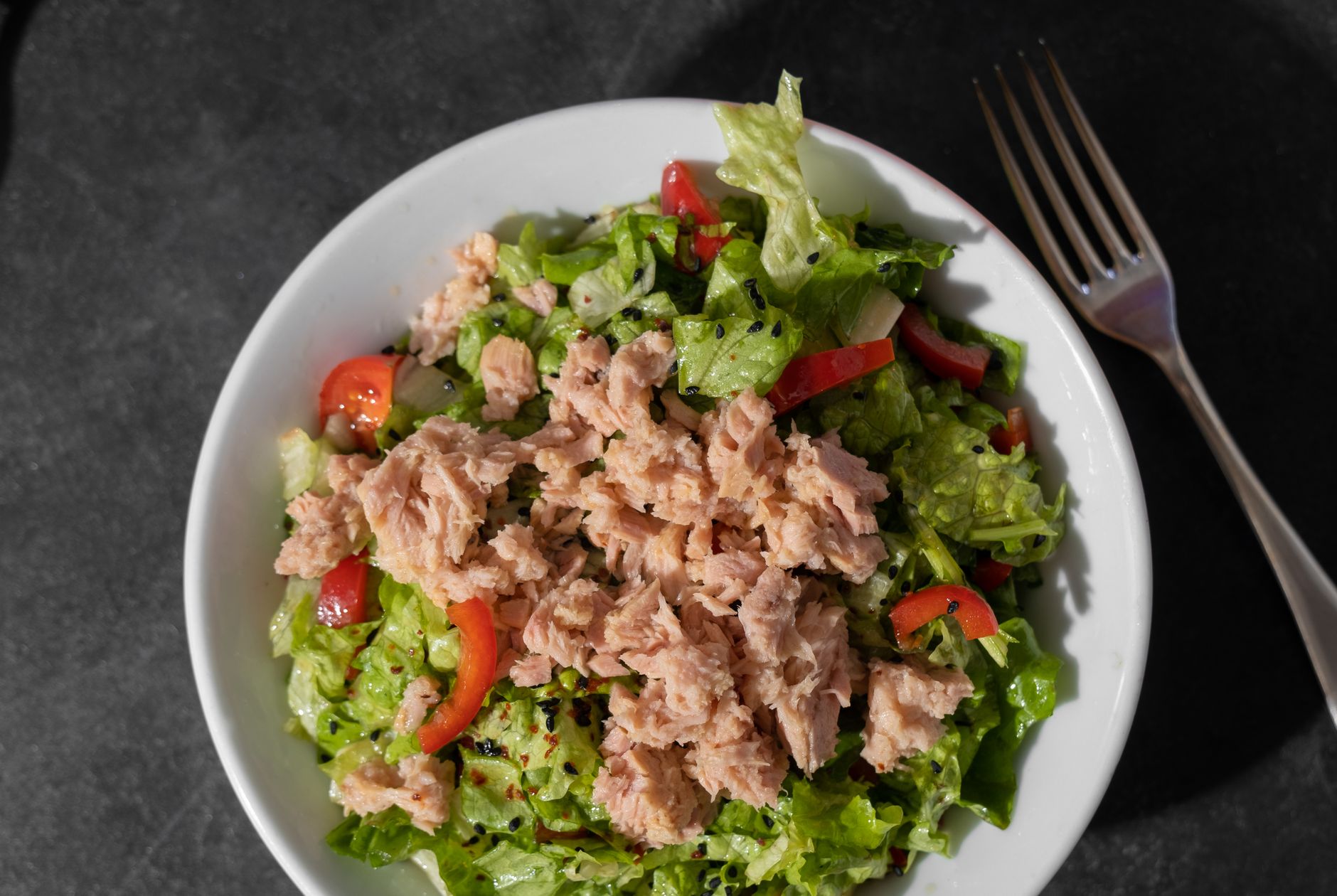
Pairing canned tuna with fresh veggies creates a balanced, pregnancy‑friendly snack.
Is canned tuna safe to eat during the first trimester?
The first trimester is the period of organogenesis, when the baby’s organs are forming, making it the most sensitive window for teratogens. However, the mercury levels in light canned tuna are low enough that occasional consumption does not pose a significant risk. ACOG advises limiting intake to no more than 2 servings of light tuna per week during this stage, and avoiding albacore tuna altogether.
If you’re craving tuna in the first trimester, choose light canned tuna packed in water, and keep your portion to about 4 oz (one standard can). Pair it with vitamin‑rich foods like leafy greens to boost folate intake, which is crucial for neural tube development.
Early pregnancy also brings increased protein needs to support rapid fetal growth. A modest serving of tuna can help meet those needs while providing essential omega‑3s, without overloading your system with mercury.
How many servings of canned tuna can I have each week while pregnant?
Both the FDA and ACOG recommend a maximum of 2 servings (approximately 8‑12 oz total) of light canned tuna per week for pregnant people. This translates to about one 5‑oz can of light tuna and one 4‑oz can of the same type, or two 5‑oz cans spread across the week. For albacore (white) tuna, the recommendation is stricter: no more than 4 oz (one half‑can) per week, or better yet, avoid it if you can.
These limits ensure that total mercury exposure stays below the 0.5 ppm threshold advised for pregnant women. If you also eat other fish—such as salmon, sardines, or shrimp—subtract those servings from your weekly fish budget to stay within the safe range.
What are the mercury levels in popular canned tuna brands for pregnant women?
Mercury testing varies by brand, but most large‑scale studies have found that well‑known brands of light canned tuna (e.g., Bumble Bee, Starkist, and Wild Planet) consistently fall under 0.15 ppm. Albacore brands (such as Wild Planet Albacore) typically range from 0.30‑0.40 ppm. The FDA’s “Seafood List” provides a searchable database where you can check specific batch numbers for the most up‑to‑date mercury data.
When choosing a brand, look for statements like “tested for mercury” or “low‑mercury” on the label. Some premium brands even publish their exact mercury concentration per can, giving you extra confidence that the product is “canned tuna safe for pregnancy.”
Can I eat canned albacore tuna safely during pregnancy?
Albacore (white) tuna contains higher mercury than light tuna, so most guidelines advise limiting it to no more than 4 oz per week—or avoiding it entirely if you already eat other fish. If you love the richer flavor of albacore, you can still include it occasionally, but be mindful of the total mercury load from all seafood sources.
For example, a single 5‑oz can of albacore provides roughly 0.35 ppm of mercury, which would exceed the weekly limit if combined with other fish. If you decide to enjoy albacore, balance it with low‑mercury options like canned salmon or sardines, and keep total servings under the recommended cap.
Are light canned tuna and white canned tuna different in safety for pregnant women?
Yes. Light canned tuna is usually made from skipjack, a smaller fish that accumulates less mercury, making it the safer choice for pregnancy. White canned tuna, or albacore, comes from larger, longer‑living tuna that tends to have higher mercury levels. Because of this difference, health agencies place stricter limits on albacore consumption.
When you see “light” on the label, you can feel more confident that the product is “canned tuna safe for pregnancy” within the recommended weekly servings. If the label says “white” or “albacore,” treat it as a higher‑mercury food and follow the tighter restrictions.
What are the risks of eating canned tuna while pregnant?
The primary risk is mercury exposure. Excessive mercury can interfere with fetal brain development, potentially leading to lower cognitive scores and motor skill challenges later in childhood. In rare cases, very high mercury levels have been associated with fetal growth restriction.
Another, less common risk is bacterial contamination if the can is damaged or improperly stored, which could cause food‑borne illness. Pregnant people are more vulnerable to listeria and other pathogens, so always inspect cans for dents, bulges, or rust before use.
Overall, when you stay within the recommended limits, the benefits of protein, vitamin D, and omega‑3s from canned tuna outweigh these modest risks.
Can I eat canned tuna if I have a fish allergy during pregnancy?
If you have a documented fish allergy, you should avoid all forms of tuna, including canned, because the proteins that trigger allergic reactions are still present after canning. The American Academy of Allergy, Asthma & Immunology (AAAAI) advises pregnant people with a fish allergy to substitute other protein sources such as poultry, beans, or fortified plant‑based milks. If you’re unsure whether you’re truly allergic, talk to your obstetrician or an allergist for testing.
Is canned tuna safe for gestational diabetes?
Yes, canned tuna can be a good protein choice for people managing gestational diabetes because it is low in carbohydrates and contains no added sugars. The key is to choose water‑packed varieties and pair the tuna with fiber‑rich vegetables to help moderate blood‑sugar spikes. The American Diabetes Association (ADA) notes that lean protein sources like fish are encouraged during pregnancy, provided mercury limits are respected.
When reading labels, look for “light” or “skipjack” to confirm low mercury, and check for a “tested for mercury” claim. Avoid cans that list “albacore” without a mercury disclaimer unless you plan to stay well under the 4‑oz limit.
Portion size matters more than brand alone. A typical 5‑oz can of light tuna contains roughly 120 mg of protein and 260 mg of omega‑3s—enough to meet a good portion of your weekly nutritional needs. If you’re watching calories, opt for water‑packed varieties; oil‑packed cans add roughly 70 extra calories per serving.
Store unopened cans in a cool, dry place and use them within the “best‑by” date printed on the label. Once opened, transfer any leftovers to a sealed container and refrigerate; they should be eaten within 3‑4 days. Proper storage helps prevent bacterial growth that could otherwise cause food‑borne illness.
Side effects and risks
The most concerning risk from canned tuna is mercury exposure. Symptoms of mercury toxicity in the mother are rare at dietary levels but can include tingling in the fingers, muscle weakness, or vision changes. If you notice any of these, especially after a week of higher tuna intake, contact your provider.
Food‑borne illness is another potential issue. While canned foods are generally safe, a compromised seal can allow bacterial growth. Signs of food poisoning—nausea, vomiting, diarrhea, or fever—should prompt a call to your obstetrician or a visit to urgent care.
Pregnant people with pre‑existing conditions such as hypertension or kidney disease may need tighter mercury limits; discuss personalized thresholds with your doctor. Some guidelines, like those from the NHS, suggest that individuals with high blood pressure keep overall mercury exposure even lower, favoring fish like salmon or sardines.
Overall, side effects are mild when you follow the recommended serving limits and handle canned tuna properly.
Safer alternatives
Cooked salmon – packed with omega‑3s, negligible mercury.
Cooked chicken breast – protein without mercury concerns.
Lentils – plant‑based protein, iron, and no mercury.
Each of these options provides a solid source of protein and essential nutrients while staying well below mercury safety thresholds. For example, a 3‑ounce serving of cooked salmon delivers about 1,000 mg of omega‑3s and virtually no mercury, making it an excellent weekly staple.
When swapping tuna for another option, aim for a similar portion size (about 4‑5 oz of fish or ½ cup of legumes) and pair it with a colorful array of vegetables to maximize vitamin and mineral intake.
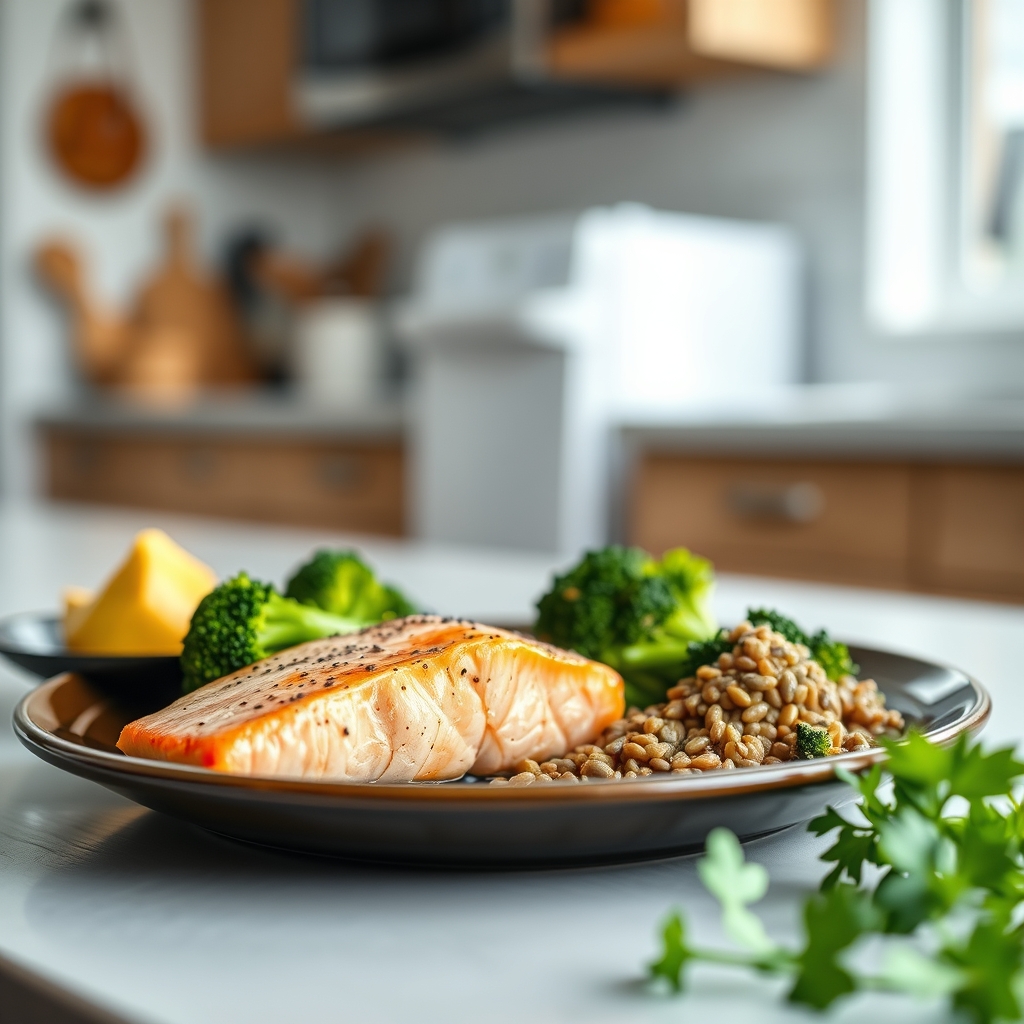
Mixing salmon or sardines with veggies and legumes creates a nutrient‑dense, low‑mercury meal.
Related items — safety at a glance
Item
Verdict
One‑line note
Fresh tuna (steak)
⚠️ Limited
Higher mercury; keep servings under 4 oz per week.
Smoked salmon
✅ Generally safe
Low mercury; watch sodium if you have hypertension.
Sushi (raw fish)
⚠️ Avoid
Risk of listeria and parasites; choose cooked options.
Raw oysters
⚠️ Avoid
High risk of Vibrio infection for pregnant people.
Canned anchovies
⚠️ Limited
Higher mercury; limit to ≤1 serving per week.
Canned mackerel
⚠️ Limited
Varies; check label for mercury, generally ≤1 serving/week.
Canned sardines
✅ Generally safe
Low mercury, rich in calcium and omega‑3s.
Canned salmon
✅ Generally safe
Low mercury, high omega‑3s, good source of vitamin D.
Myth vs. fact
Myth: All tuna is high in mercury and should be avoided entirely during pregnancy. Fact: Light canned tuna is low in mercury, and consuming up to 2 servings per week is considered safe by the FDA and ACOG.
Myth: If you’ve already eaten a few cans of tuna before learning you’re pregnant, the baby is in danger. Fact: Occasional excess intake rarely reaches harmful mercury levels; reducing future consumption and discussing it with your provider is the best step.
Myth: Canned fish is less nutritious than fresh fish and should be avoided. Fact: Canned tuna retains most of its protein, omega‑3s, and vitamin D, making it a convenient, nutritious option when eaten within guidelines.
Myth: “If I’m pregnant, I must avoid all fish.” Fact: Fish provides essential omega‑3 fatty acids and iodine; the key is choosing low‑mercury varieties and respecting weekly serving limits.
Myth: Canned tuna will give you a fishy aftertaste that can cause nausea during pregnancy. Fact: Properly rinsed, water‑packed tuna has a mild flavor and does not cause nausea; any discomfort is more likely due to other dietary factors.
Key takeaways
“Canned tuna safe for pregnancy” is true when you limit intake to ≤2 servings of light tuna per week.
Prefer light (skipjack) tuna over albacore (white) tuna to keep mercury exposure low.
Check labels for “tested for mercury” and choose reputable brands.
Balance tuna with other low‑mercury seafood like salmon, sardines, or shrimp.
If you notice neurological symptoms or food‑borne illness, contact your provider promptly.
Those with fish allergies or gestational diabetes should follow specific guidance—see the FAQ section.
Frequently asked questions
Can pregnant women eat canned tuna?
Yes—light canned tuna is considered safe for pregnant people when limited to no more than two servings per week, according to FDA and ACOG guidelines.
How much canned tuna is safe during pregnancy?
Up to 8‑12 oz (about two standard cans) of light canned tuna per week is the recommended maximum; albacore tuna should be limited to 4 oz or avoided.
Is light tuna safer than white tuna for pregnant women?
Absolutely—light tuna, made from skipjack, contains significantly less mercury than white (albacore) tuna, making it the safer choice for pregnancy.
What are the mercury limits for tuna in pregnancy?
The FDA advises that pregnant people keep total mercury intake from all fish below 0.5 ppm, which translates to ≤2 servings of light canned tuna per week.
Can eating canned tuna cause birth defects?
When consumed within the recommended limits, canned tuna does not increase the risk of birth defects; excessive mercury exposure, which is rare at dietary levels, is the primary concern.
Are there any pregnancy risks associated with albacore tuna?
Albacore tuna has higher mercury content, so the risk is greater if you exceed the 4‑oz weekly limit; staying within that limit keeps the risk minimal.
What are the best fish options for pregnant women?
Low‑mercury, nutrient‑dense options include light canned tuna, salmon, sardines, trout, and shrimp—each providing protein and omega‑3s without significant mercury.
Should I avoid canned tuna in the third trimester?
No—continue to follow the same ≤2‑servings‑per‑week guideline for light tuna; the third trimester does not require additional restrictions beyond the standard mercury limit.
What should I do if I accidentally exceed the tuna limit?
If you think you’ve eaten more than the recommended amount, try to balance the rest of the week with low‑mercury fish or fish‑free meals, and discuss the situation with your obstetrician at your next visit.
Is canned tuna safe while breastfeeding?
Yes—breastfeeding parents can follow the same weekly limits as during pregnancy. Mercury can pass into breast milk, so staying within the ≤2‑servings guideline helps keep exposure low for the baby.
What if I have a dented can of tuna?
A dented or bulging can could indicate compromised seal and bacterial growth. For safety, discard the can and choose an undamaged one; food‑borne illness can be more severe during pregnancy.
Can I freeze canned tuna for later use during pregnancy?
Yes—once opened, transfer the tuna to an airtight container and freeze for up to 2‑3 months. Thaw in the refrigerator before reheating; this helps reduce waste while keeping the food safe.
When to call your doctor
Contact your obstetric provider if you experience any of the following after consuming canned tuna:
Persistent nausea, vomiting, or diarrhea lasting more than 24 hours.
Neurological symptoms such as tingling, numbness, or muscle weakness.
Signs of preeclampsia (severe headache, visual changes, swelling of hands/face).
Any concern that you may have exceeded the recommended weekly servings.
Fever, chills, or other signs of food‑borne infection after eating a damaged can.
These symptoms could indicate mercury overexposure or food‑borne illness and warrant professional evaluation. Remember, this article provides general information and does not replace personalized medical advice.
References
American College of Obstetricians and Gynecologists (ACOG). “Nutrition During Pregnancy.” Updated 2023.
U.S. Food and Drug Administration (FDA) & Environmental Protection Agency (EPA). “Advice About Eating Fish.” 2022.
National Health Service (NHS). “Fish and pregnancy.” 2023.
Centers for Disease Control and Prevention (CDC). “Mercury in Fish.” 2022.
Environmental Health Perspectives. “Maternal fish consumption and child neurodevelopment.” 2021.
World Health Organization (WHO). “Guidelines for safe consumption of fish and seafood.” 2020.
Mayo Clinic. “Mercury poisoning.” 2023.
Harvard T.H. Chan School of Public Health. “The Nutrition Source: Fish.” 2022.
American Academy of Allergy, Asthma & Immunology (AAAAI). “Food Allergy Management.” 2023.
American Diabetes Association (ADA). “Gestational Diabetes Nutrition.” 2023.
When Shubhra Mishra was expecting her first child in 2016, she was overwhelmed by conflicting food advice — one site said yes, another said never. By the time her second baby arrived in 2019, she realized millions of mothers face the same confusion.
That sparked a five-year journey through clinical nutrition papers, cultural diets, and expert conversations — all leading to BumpBites: a calm, compassionate space where science meets everyday motherhood.
Her long-term vision is to build a global community ensuring safe, supported, and free deliveriesfor every mother — because no woman should face pregnancy alone or uninformed. 🌿
🌍 Stand with mothers, shape safer guidance
Join a small circle of experts who review BumpBites articles so expecting parents everywhere can decide with confidence.