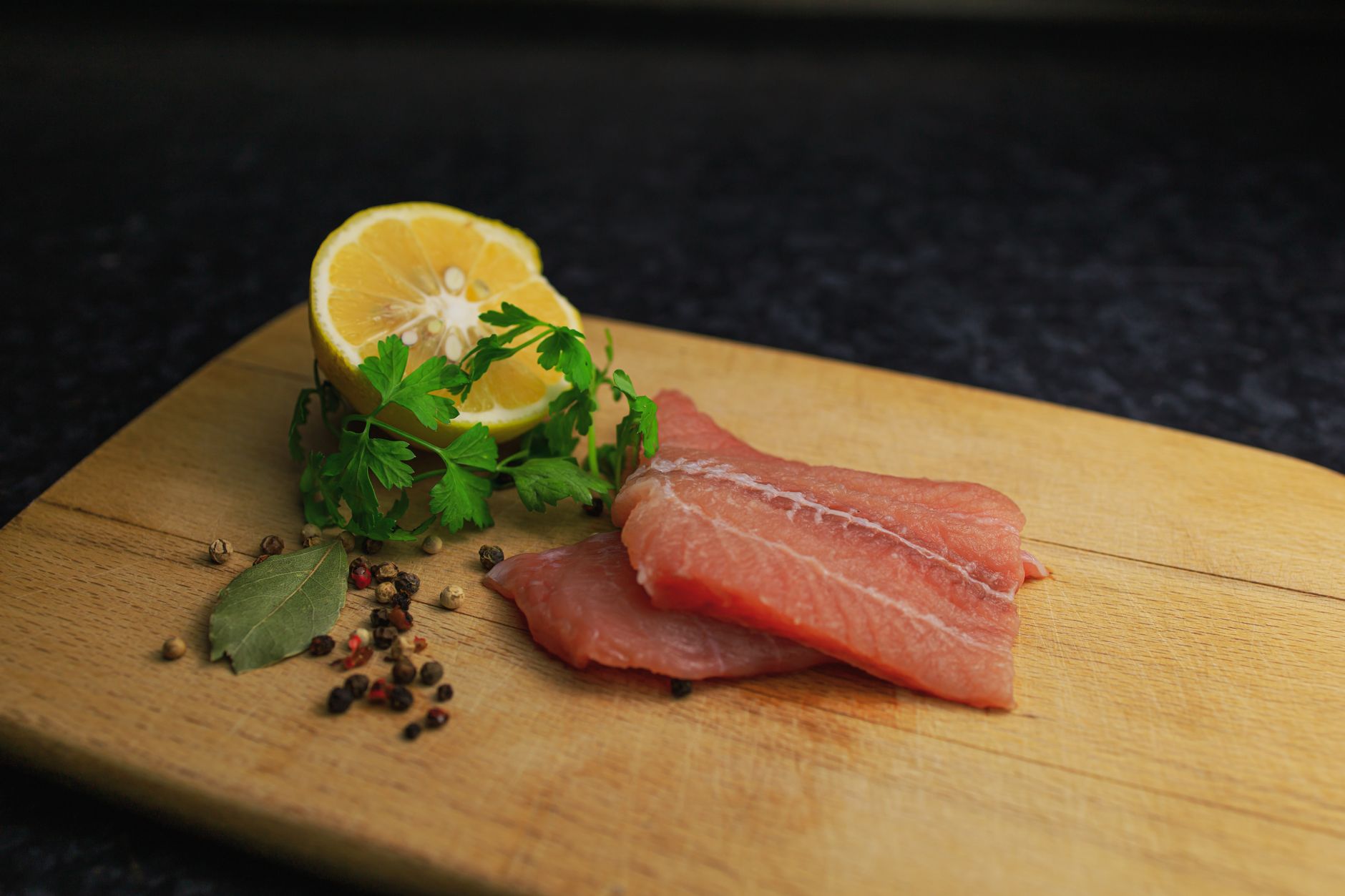
Safe in moderation. Salmon is rich in omega-3s for baby’s brain, but limit to 8-12 oz weekly to avoid mercury. Learn trimester-specific dosage and alternatives.
By Shubhra Mishra — a mom of two who turned her own confusion during pregnancy into BumpBites, a global mission to make food choices clear, safe, and stress-free for every expecting mother. 💛
Check whether any food is safe during pregnancy with the BumpBites Food Safety Checker.
Quick verdict: ✅ Generally safe for most pregnant people when cooked properly and limited to recommended amounts. Eating salmon provides valuable omega‑3s, but watch portion size and avoid raw or undercooked varieties.
It’s 2 a.m., you’re scrolling through a grocery list, and a sudden thought—“Is salmon safe for pregnancy?”—sends a ripple of anxiety through your mind. You might be wondering whether the delicious pink fillet you love is a nutritious ally or a hidden risk for your developing baby. The short answer is reassuring: salmon is considered safe for pregnancy when you follow a few simple guidelines.
In this article we’ll break down exactly what “salmon safe for pregnancy” means, how much you can enjoy each week, which types are best, and what to avoid (like raw sushi‑grade salmon). We’ll also compare salmon to other seafood, explore potential mercury and PCB concerns, and suggest equally nutritious alternatives if you’re looking for variety. By the end, you’ll have a clear, evidence‑based plan—so you can stop worrying and start planning those tasty, pregnancy‑friendly meals.
Trimester / Breastfeeding
Verdict
Notes
First trimester
✅ Generally safe
Cooked salmon up to 2‑3 servings per week; avoid raw preparations.
Second trimester
✅ Generally safe
Same portion guidance; omega‑3s support fetal brain development.
Maintain 2‑3 servings/week to aid milk quality; limit high‑mercury fish.
Salmon belongs to the salmonid family, which also includes trout, char, and whitefish. It’s a fatty fish prized for its pink flesh, rich flavor, and especially its high content of long‑chain omega‑3 fatty acids—EPA (eicosapentaenoic acid) and DHA (docosahexaenoic acid). These nutrients are vital for building the baby’s brain, eyes, and nervous system. Salmon also supplies high‑quality protein, vitamin D, selenium, and B vitamins, making it a nutrient‑dense choice for pregnant people.
Because salmon is a low‑to‑moderate mercury fish, health agencies worldwide—including the American College of Obstetricians and Gynecologists (ACOG), the U.S. Food and Drug Administration (FDA), and the UK’s National Health Service (NHS)—recommend it as a staple seafood for pregnancy. The FDA and Environmental Protection Agency (EPA) jointly advise pregnant individuals to eat 2‑3 servings (8‑12 oz total) of low‑mercury fish per week, and salmon fits squarely within that category. The guidance is based on extensive monitoring of mercury levels in fish and the demonstrated benefits of omega‑3s for fetal development.
Is salmon safe to eat during pregnancy first trimester?
The first trimester is the period of organ formation, so many expectant parents worry about any potential toxin exposure. Cooked salmon is safe because cooking eliminates harmful bacteria and parasites that could cause foodborne illness. The key is to avoid raw or undercooked salmon (such as in sashimi or certain smoked varieties) until after delivery. ACOG notes that the risk of listeria—a concern with raw fish—is negligible when salmon is fully cooked to an internal temperature of 145 °F (63 °C).
As long as you stay within the recommended 2‑3 servings per week, the benefits of omega‑3s outweigh any theoretical risk. If you’ve already eaten a portion of raw salmon early in pregnancy, keep calm—most cases do not lead to complications, but you should discuss it with your provider for peace of mind.
Beyond the bacterial concern, the first trimester is also a time when many women experience heightened nausea and food aversions. Salmon’s mild flavor and soft texture can be a gentle source of protein when other foods feel off‑limits, helping you meet nutritional needs without triggering nausea.
How much salmon can I eat per week while pregnant?
The FDA/EPA guideline for low‑mercury fish translates to roughly 8‑12 oz (225‑340 g) of cooked salmon per week. This equals about two 4‑oz servings or three smaller portions. For most people, that amount provides roughly 500‑900 mg of EPA/DHA combined—enough to support fetal brain and eye development.
If you prefer smaller, more frequent meals, you can split the weekly allowance into three 3‑oz servings, ensuring each portion is fully cooked. For canned salmon, a standard 5‑oz can (drained) counts as one serving. Remember that the total weekly intake includes all low‑mercury fish you consume, so if you also enjoy sardines or trout, adjust salmon portions accordingly.
Pregnant people who are vegetarian or pescatarian may wonder whether the weekly limit feels restrictive. The good news is that the guideline is based on mercury exposure, not on achieving a specific omega‑3 quota. You can safely supplement with algae‑derived DHA if you find it difficult to reach the recommended EPA/DHA intake through fish alone.
Can I eat smoked salmon or lox when pregnant?
Smoked salmon and lox are typically cured but not cooked, which means they can harbor Listeria monocytogenes—a bacterium that can cause serious infection in pregnancy. The CDC advises pregnant people to avoid refrigerated smoked fish unless it’s been heated to 165 °F (74 °C) before eating. However, canned smoked salmon that’s been cooked during the canning process is safe.
If you love the flavor, consider heating smoked salmon briefly—by adding it to a hot skillet, baking it, or incorporating it into a hot casserole. That extra step eliminates the bacterial risk while preserving the smoky taste.
When choosing smoked salmon, read the label carefully. Some brands add extra salt or sugars, which can contribute to unwanted fluid retention or gestational hypertension. Opt for low‑sodium varieties and always heat it before serving.
What are the best types of salmon for pregnancy (wild vs. farmed)?
Both wild‑caught and responsibly farmed salmon are low‑mercury, but they differ in omega‑3 concentration and potential contaminant levels. Wild Pacific salmon (e.g., sockeye) generally contains slightly higher EPA/DHA levels and lower PCBs (polychlorinated biphenyls) than many farmed varieties. Farmed salmon can have higher fat content, which boosts omega‑3s but may also contain modestly higher PCB residues.
Regulatory bodies, including the FDA, monitor PCB levels and deem both types safe within the recommended serving limits. If you have concerns about contaminants, choose wild‑caught salmon when it’s in season, or look for farmed salmon certified by reputable sustainability programs (e.g., Aquaculture Stewardship Council) that test for lower PCB levels.
Another practical factor is price and availability. Farmed salmon is often more affordable and available year‑round, making it easier to meet the weekly recommendation. Pair it with a side of leafy greens and a squeeze of lemon for a nutrient‑dense meal.
Are there any risks of eating salmon during pregnancy (mercury, PCBs)?
Salmon’s mercury content is low—usually 0.022 ppm (parts per million), well below the FDA’s 0.5 ppm threshold for “high‑mercury” fish. PCBs, once a major concern in farmed salmon, have been dramatically reduced through stricter feed regulations. Recent FDA testing shows average PCB levels in farmed salmon at 0.03 ppm, far below the safety limit of 0.5 ppm for fish.
Thus, the primary risk is not mercury or PCBs but rather food‑borne pathogens from raw or undercooked fish. As long as you consume fully cooked salmon and respect the weekly serving limit, the risk is minimal. If you have a history of thyroid disease, you may wish to discuss iodine intake with your provider, as seafood contributes to dietary iodine.
It’s also worth noting that excessive intake of any single food can displace other essential nutrients. Balancing salmon with a variety of fruits, vegetables, whole grains, and other protein sources ensures you receive a broad spectrum of vitamins and minerals.
What are safe alternatives to salmon for omega‑3s during pregnancy?
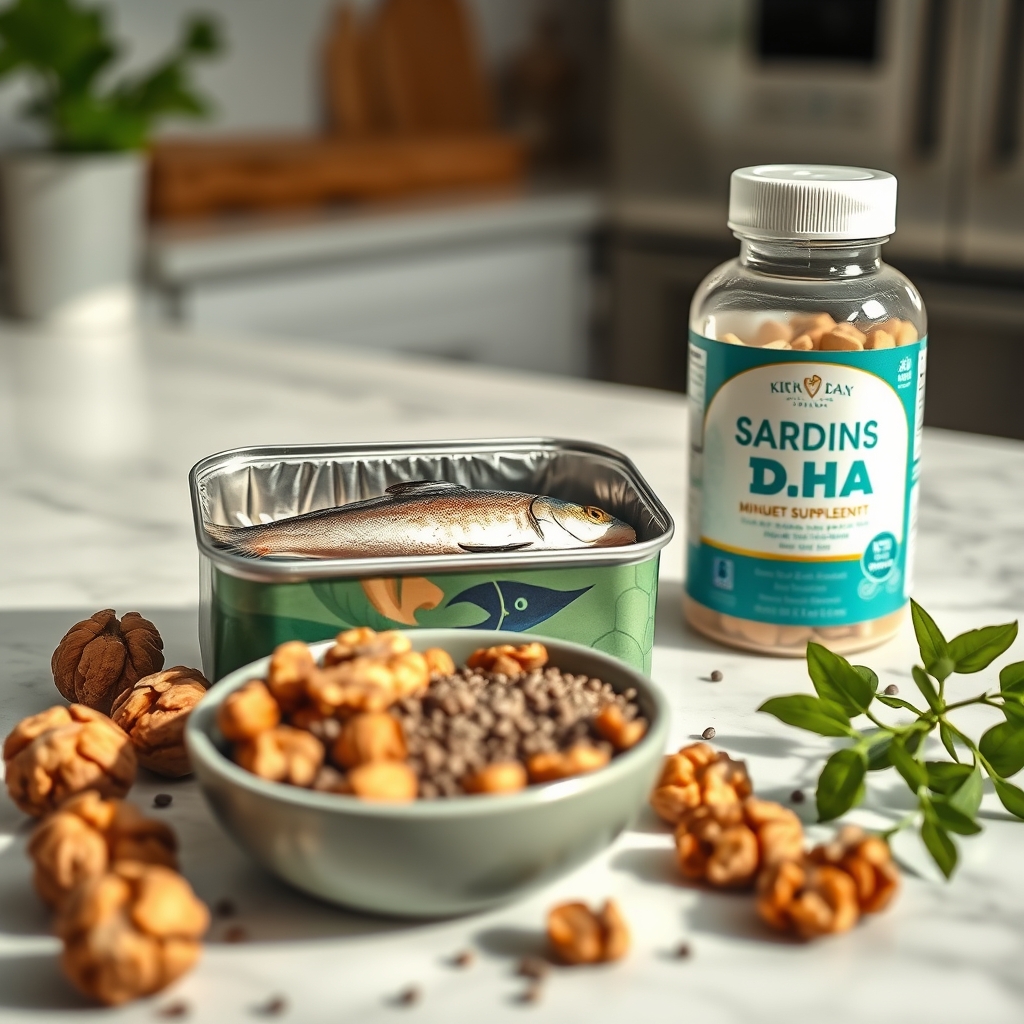
If you’re looking for variety, several other foods supply comparable omega‑3s without the fish‑related concerns. Sardines and anchovies are low‑mercury, oily fish that can be enjoyed 2‑3 times per week. Freshwater trout, Atlantic mackerel (not king), and herring also offer high EPA/DHA levels and are considered safe. For non‑fish options, chia seeds, flaxseeds, walnuts, algae‑based DHA supplements, and fortified eggs provide plant‑based omega‑3s. All these alternatives fit within the FDA/EPA weekly fish‑type limit, and many can be incorporated into breakfast, salads, or snacks.
When choosing plant‑based sources, remember that the omega‑3 type is ALA (alpha‑linolenic acid), which the body must convert to EPA/DHA. The conversion rate is modest, so pairing ALA‑rich foods with a small amount of fish or an algae‑derived DHA supplement can help meet the recommended intake.
For those who are pescatarian, a weekly rotation of sardines, trout, and herring offers a balanced omega‑3 profile while keeping mercury exposure low. If you’re vegetarian or vegan, algae‑based supplements are the most reliable way to achieve DHA levels comparable to fish.
Can I eat canned salmon while pregnant?
Yes—canned salmon is a convenient, shelf‑stable option that’s fully cooked during the canning process, eliminating any bacterial risk. Choose varieties packed in water or olive oil without added sugars. A standard 5‑oz can (drained) counts as one serving toward the weekly limit. Canned salmon also includes the soft, edible bones, which boost calcium intake—another pregnancy benefit.
When selecting canned salmon, check the label for “low‑sodium” or “no added salt” if you’re monitoring blood pressure. The bones are a natural source of calcium, but they also add a small amount of vitamin D, making the canned product a mini‑multivitamin for your pregnancy diet.
Is sushi‑grade salmon safe for pregnancy?
Sushi‑grade salmon is selected for its low parasite load, but it is still raw. Even with the “grade” label, the CDC and ACOG recommend that pregnant people avoid all raw fish, including sushi‑grade salmon, due to the potential for Listeria and other pathogens. If you crave sushi, opt for cooked rolls (e.g., tempura or grilled salmon) or vegetable‑based rolls.
Some restaurants offer “seared” salmon sushi, where the fish is lightly torched on the outside. While the searing reduces surface bacteria, the interior remains largely raw, so the safest approach is to ask for the salmon to be fully cooked or to choose a different protein.
Cook salmon to an internal temperature of 145 °F (63 °C) for a safe, nutrient‑rich dinner.
Safety by trimester
First trimester
During the first 12 weeks, the embryo’s organs are forming, making it a sensitive window for any teratogenic exposure. Cooked salmon poses no known teratogenic risk; the primary concern is food‑borne pathogens, which are eliminated when the fish reaches 145 °F (63 °C). Keeping to the 2‑3 servings per week guideline also ensures mercury stays well below harmful levels.
Second trimester
In weeks 13‑27, the baby’s brain and eyes undergo rapid development, and DHA becomes especially important. Regular, modest servings of salmon can help meet the increased DHA demand. Studies cited by the Mayo Clinic show that adequate omega‑3 intake in the second trimester correlates with better neurodevelopmental outcomes.
Third trimester
In the final stretch, the fetus gains the most weight, and DHA continues to support retinal and cortical growth. Maintaining the weekly salmon intake supports these processes, but it’s also a good time to vary protein sources to avoid monotony. Ensure the salmon is fully cooked and avoid any leftover that has been left at room temperature for more than two hours.
Breastfeeding
Post‑delivery, the mother’s diet directly influences the composition of breast milk. DHA from salmon is readily incorporated into milk, helping the infant’s brain develop after birth. The same 2‑3 servings per week rule applies, and you can continue to enjoy cooked salmon while nursing.
Safe dosage / amount / brands
Below is a practical guide to portion sizes, recommended weekly limits, and a few well‑known brands that meet safety standards. For fresh salmon, look for labels that indicate “wild‑caught” or “USDA‑approved farmed” to ensure traceability.
Wild Planet, Safe Catch, Bumble Bee (no added salt)
Smoked salmon (reheated)
Limited to 2‑3 oz per week, reheated
Oscar Meyer (heat before serving), Atlantic Smoke (cook)
Salmon roe (cooked)
1‑2 tbsp per week
Fresh, fully cooked roe from reputable fish markets
Side effects and risks
Most pregnant people experience no adverse effects from eating salmon within the recommended limits. However, be aware of the following:
Food‑borne illness: Raw or undercooked salmon can harbor Listeria, Salmonella, or parasites. Symptoms include fever, stomach cramps, and diarrhea. If you develop these, contact your provider.
Allergic reaction: If you have a known fish allergy, avoid salmon entirely.
Excessive intake: Consuming more than 12 oz per week may increase exposure to trace PCBs, though risk remains low. Stick to the guideline.
Vitamin D overdose: Very high‑fat salmon combined with supplements could push vitamin D levels above recommended limits. Discuss supplement use with your clinician.
These issues are generally manageable, and most are preventable by cooking salmon thoroughly and adhering to portion recommendations.
Omega‑3 alternatives for those who want variety or avoid fish.
Safer alternatives
Sardines – tiny oily fish low in mercury, high in EPA/DHA.
Anchovies – packed with omega‑3s and safe in standard servings.
Trout – another low‑mercury, high‑omega‑3 fish, excellent baked.
Atlantic or Pacific mackerel (not king) – rich in DHA, low mercury.
Herring – smoked or pickled options provide omega‑3s while cooked.
Chia seeds – plant‑based omega‑3s; combine with yogurt or smoothies.
Flaxseeds – ground for better absorption; add to oatmeal or baked goods.
Walnuts – a handful offers a good dose of ALA, a plant omega‑3.
Algae‑based DHA supplements – vegan source, FDA‑approved for pregnancy.
Fortified eggs – enriched with omega‑3s, safe and versatile.
Related items — safety at a glance
Seafood
Verdict
One‑line note
Tuna (canned light)
✅ Safe
Limit to 2‑3 servings/week; avoid albacore (higher mercury).
Shrimp
✅ Safe
Low mercury; cook thoroughly.
Cod
✅ Safe
Lean white fish; good protein source.
Tilapia
✅ Safe
Low mercury; mild flavor.
Catfish
✅ Safe
Low mercury; ensure proper cooking.
Oysters
⚠️ Caution
Risk of Vibrio; must be cooked.
Scallops
✅ Safe
Low mercury; cook well.
Crab
✅ Safe
Low mercury; avoid raw crab meat.
Lobster
✅ Safe
Low mercury; ensure thorough cooking.
Mussels
⚠️ Caution
Potential for bacterial contamination; cook.
Myth vs. fact
Myth: All fish are high in mercury and should be avoided during pregnancy.
Fact: Only certain large predatory fish (e.g., shark, swordfish, king mackerel) have high mercury. Salmon is low‑mercury and recommended by ACOG and the FDA.
Myth: Smoked salmon is always safe because it’s “preserved.”
Fact: Refrigerated smoked salmon is not cooked and can harbor Listeria. Heat it to 165 °F or choose canned smoked salmon that’s been cooked during processing.
Myth: If you eat salmon once, you’re automatically getting enough omega‑3s for the whole pregnancy.
Fact: The recommended weekly intake is 2‑3 servings; consistent consumption supports steady DHA supply for fetal brain development.
Key takeaways
Cooked salmon is generally safe for pregnancy; aim for 8‑12 oz per week.
Avoid raw or undercooked salmon (sushi, sashimi, some smoked varieties) to prevent Listeria.
Both wild‑caught and responsibly farmed salmon meet low‑mercury standards.
If you prefer variety, sardines, trout, and algae‑based DHA supplements are excellent alternatives.
Watch for food‑borne illness signs; contact your provider if you develop fever, cramps, or diarrhea.
Maintain a balanced diet—salmon is a piece of the puzzle, not the whole picture.
Frequently asked questions
Can I eat salmon every day while pregnant?
No—eating salmon daily exceeds the FDA’s recommended 2‑3 servings per week for low‑mercury fish. Stick to the weekly limit to avoid excess PCB exposure.
Is raw salmon safe during pregnancy?
Raw salmon, including sushi‑grade, is not considered safe because of potential Listeria and parasite contamination. Cook it thoroughly before eating.
What fish should I avoid during pregnancy?
Avoid high‑mercury fish such as shark, swordfish, king mackerel, and tilefish. Also steer clear of raw shellfish and uncooked oysters due to bacterial risks.
Does salmon have mercury that can harm my baby?
Salmon contains very low mercury—well below the FDA’s safety threshold—so it is safe when eaten within the recommended servings.
Can I eat salmon skin while pregnant?
Yes—salmon skin is safe as long as the fish is fully cooked. It adds extra omega‑3s and protein.
Is grilled salmon safe for pregnancy?
Grilled salmon is safe provided it reaches an internal temperature of 145 °F (63 °C). Avoid charring the exterior excessively, as burnt meat can contain heterocyclic amines.
What are the benefits of eating salmon during pregnancy?
Salmon supplies DHA/EPA for fetal brain and eye development, high‑quality protein, vitamin D for bone health, and selenium for antioxidant protection.
Can I eat salmon if I have gestational diabetes?
Yes—salmon is low in carbohydrates and high in protein, making it a good choice for blood‑sugar control when paired with non‑starchy vegetables.
Is canned salmon as nutritious as fresh salmon?
Canned salmon retains most of the protein, omega‑3s, and calcium (from the bones) found in fresh salmon, making it a convenient, equally nutritious option.
Can I eat salmon if I’m vegetarian?
If you follow a pescatarian diet, salmon is a permissible source of omega‑3s. Strict vegetarians should consider algae‑derived DHA supplements instead.
When to call your doctor
If you experience any of the following after eating salmon, contact your provider promptly:
Fever ≥ 100.4 °F (38 °C) with chills or flu‑like symptoms.
Severe stomach cramps, nausea, or vomiting that persists beyond 24 hours.
Watery diarrhea (three or more loose stools in 24 hours).
Signs of an allergic reaction—hives, swelling, difficulty breathing.
Unexpected bleeding or unusual pregnancy symptoms after a meal.
These symptoms could indicate a food‑borne infection or an allergic response that needs medical evaluation. Remember, this article provides general information and is not a substitute for personalized medical advice. Always discuss your diet and any concerns with your obstetric provider.
References
American College of Obstetricians and Gynecologists (ACOG). “Nutrition During Pregnancy.” 2023.
U.S. Food and Drug Administration (FDA) & Environmental Protection Agency (EPA). “Advice about Eating Fish.” Updated 2022.
National Health Service (NHS). “Fish and pregnancy.” 2022.
Centers for Disease Control and Prevention (CDC). “Listeria (Listeriosis).” 2023.
U.S. Department of Agriculture (USDA). “National Nutrient Database for Standard Reference.” 2022.
World Health Organization (WHO). “Guidelines for safe fish consumption.” 2021.
Mayo Clinic. “Omega‑3 fatty acids and pregnancy.” 2023.
When Shubhra Mishra was expecting her first child in 2016, she was overwhelmed by conflicting food advice — one site said yes, another said never. By the time her second baby arrived in 2019, she realized millions of mothers face the same confusion.
That sparked a five-year journey through clinical nutrition papers, cultural diets, and expert conversations — all leading to BumpBites: a calm, compassionate space where science meets everyday motherhood.
Her long-term vision is to build a global community ensuring safe, supported, and free deliveriesfor every mother — because no woman should face pregnancy alone or uninformed. 🌿
🌍 Stand with mothers, shape safer guidance
Join a small circle of experts who review BumpBites articles so expecting parents everywhere can decide with confidence.