Limit tuna fish during pregnancy, especially in first trimester due to mercury levels, consume 6 oz of light tuna per week
By Shubhra Mishra — a mom of two who turned her own confusion during pregnancy into BumpBites, a global mission to make food choices clear, safe, and stress-free for every expecting mother. 💛
Check whether any food is safe during pregnancy with the BumpBites Food Safety Checker.
Quick verdict: ⚠️ Safe with limits – moderate amounts of light (skipjack) tuna are generally considered safe during pregnancy, but higher‑mercury white (albacore) tuna should be limited.
It’s 2 a.m., the kitchen light is humming, and you’re staring at a can of tuna wondering if you’ve just taken a risk for your baby. You’re not alone – many expecting parents search “tuna fish safe for pregnancy” in the middle of the night, hoping for a clear answer. The good news is that tuna can be part of a healthy pregnancy diet, but the key is knowing how much and which type is safest.
In this guide we’ll break down everything you need to know about tuna and pregnancy: the overall safety verdict, recommended weekly limits for each trimester, the difference between light and white tuna, mercury concerns, how to pick low‑mercury brands, and even how tuna might affect conditions like preeclampsia. We’ll also give you safer fish and protein alternatives, a quick‑look comparison of similar seafood, and answers to the most common questions people ask about tuna during pregnancy.
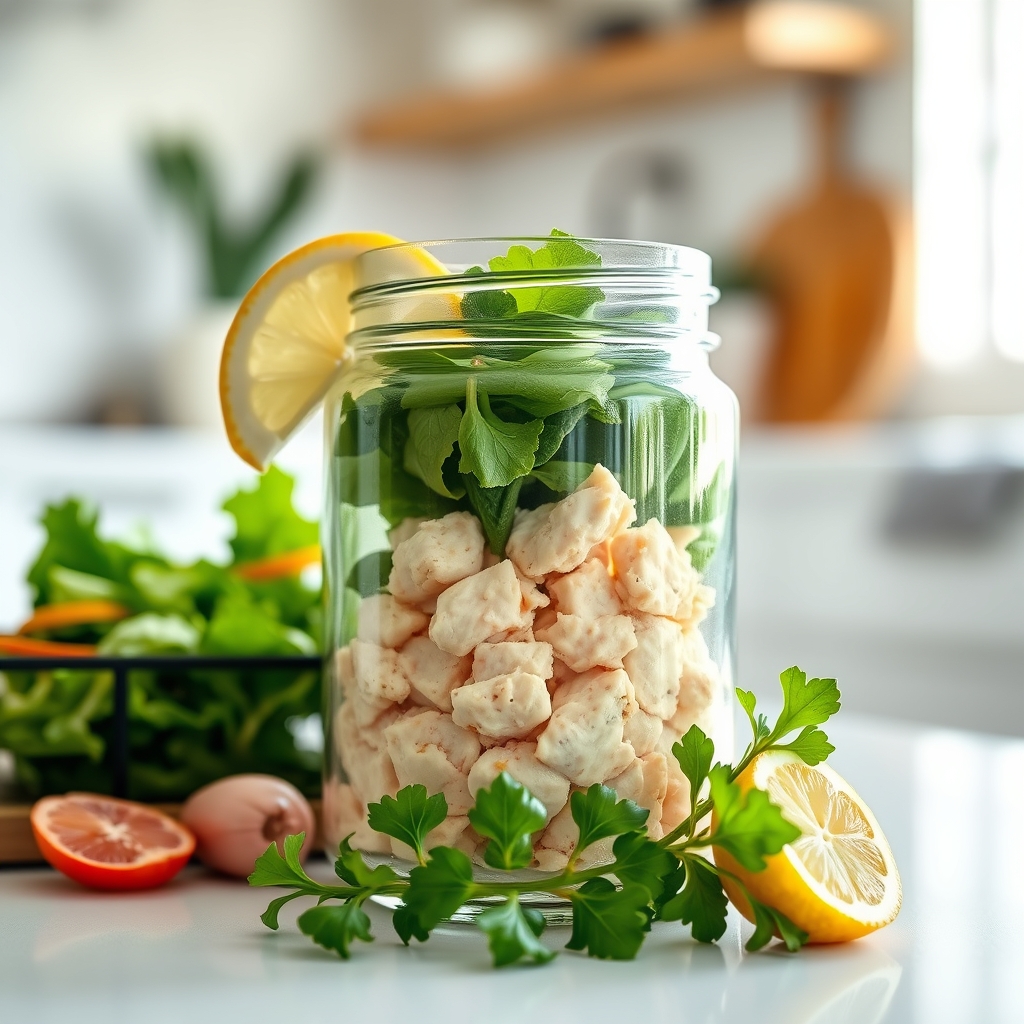
Pair light tuna with fresh veggies for a nutrient‑rich, low‑mercury snack.
Trimester / Breastfeeding
Verdict
Notes
1st trimester
⚠️ Safe with limits
Limit white (albacore) tuna to ≤2 oz/week; light tuna up to 12 oz/week.
2nd trimester
⚠️ Safe with limits
Same limits as 1st trimester; focus on low‑mercury choices.
3rd trimester
⚠️ Safe with limits
Maintain limits; higher fetal brain development makes mercury avoidance important.
Breastfeeding
⚠️ Safe with limits
Continue low‑mercury tuna intake; mercury can pass into breast milk.
What is tuna fish safe for pregnancy?
Tuna belongs to the family of oily, protein‑rich fish that are popular worldwide for their mild flavor and convenient canned forms. The two most common types you’ll see in grocery aisles are “light” tuna, usually made from skipjack or yellowfin, and “white” tuna, which is typically albacore. Light tuna tends to have lower mercury levels because skipjack accumulates less of the metal, while albacore, being larger and longer‑living, can contain higher concentrations.
People eat tuna for its high‑quality protein, omega‑3 fatty acids (especially EPA and DHA), vitamin D, and minerals like selenium. These nutrients support fetal brain development, eye health, and maternal bone strength. However, the same biological processes that make tuna nutritious also allow mercury—a neurotoxic metal—to accumulate in the flesh. Mercury exposure is the primary safety concern for pregnant people, as it can cross the placenta and affect the developing nervous system.
In pregnancy nutrition guides, tuna is often listed alongside other “low‑mercury” fish, but the recommendation always hinges on portion size and type. Understanding the difference between light and albacore tuna, as well as knowing how to read labels for mercury content, empowers you to enjoy tuna’s benefits while minimizing risk.
How tuna fits into a balanced pregnancy diet
N
utrition during pregnancy is a balancing act between getting enough essential nutrients and avoiding excesses that could harm the baby. Tuna, when chosen wisely, contributes high‑quality protein and omega‑3 fatty acids without adding a lot of saturated fat or calories. Pairing tuna with fiber‑rich vegetables, whole grains, and a source of iron (like leafy greens) creates a well‑rounded meal that supports both maternal health and fetal growth.
Because the recommended weekly limits for tuna are modest, most pregnant people can comfortably include it as part of a varied seafood rotation that also features salmon, sardines, and trout. This rotation helps you meet the recommended 200–300 mg of DHA each day while staying well below mercury thresholds.
Understanding mercury testing and labeling on tuna cans
Many manufacturers now voluntarily test each batch of tuna for mercury and display the results on the label. Look for statements such as “tested for mercury” or “contains less than 0.12 ppm mercury.” These disclosures are not required by law, but they provide an extra layer of confidence for pregnant consumers. The FDA’s mercury action level is 1.0 ppm, but low‑mercury brands aim far below that to stay within the safe reference dose.
When the label does not mention mercury, you can still infer safety by checking the type of tuna. “Light tuna” almost always indicates skipjack, which is the lowest‑mercury species. If you see “white tuna” or “albacore” without a mercury disclaimer, assume the higher level and limit intake accordingly.
Is tuna safe during pregnancy?
Current guidance from the American College of Obstetricians and Gynecologists (ACOG) and the U.K.’s National Health Service (NHS) says that tuna can be part of a healthy pregnancy diet when consumed in moderation. ACOG recommends limiting “high‑mercury” fish (such as shark, swordfish, king mackerel, and tilefish) and suggests that “low‑mercury” fish—including light tuna—can be eaten up to 2–3 servings per week (about 8–12 oz total). The FDA and EPA in the United States echo this, advising pregnant people to eat no more than 2–3 servings of low‑mercury fish per week.
Mercury is a known neurotoxin; high exposure can lead to developmental delays and lower IQ in children. However, the levels of mercury typically found in light (skipjack) tuna are well below the FDA’s reference dose of 0.1 µg per kilogram body weight per day, which is considered safe. Albacore (white) tuna contains roughly three times more mercury than light tuna, so the FDA recommends limiting albacore to no more than 4 oz (one average can) per week.
Most studies show that moderate tuna consumption does not increase the risk of miscarriage or birth defects. In fact, the omega‑3s in tuna have been linked to lower rates of preterm birth and may help reduce the risk of preeclampsia, though the evidence is still emerging. The consensus among obstetric experts is that the benefits of omega‑3s outweigh the mercury risk when intake stays within the recommended limits.
It’s also worth noting that cooking methods do not affect mercury content, but they do destroy harmful bacteria. Therefore, always choose cooked or canned tuna over raw preparations to keep food‑borne illness risk low.
Is tuna safe to eat during the first trimester of pregnancy?
The first trimester is the period of organogenesis, when the baby’s major organs are forming, making it the most sensitive window for teratogenic exposures. Mercury is the only known contaminant in tuna that raises concerns during this stage. Because light tuna’s mercury levels are generally low, eating up to 12 oz (about two to three standard cans) per week is considered safe by ACOG and the NHS. However, white (albacore) tuna should be limited to no more than 4 oz (one can) per week to keep mercury exposure well under the reference dose.
If you’re craving tuna in the first trimester, opt for light tuna canned in water, and pair it with a vitamin‑C‑rich salad to boost iron absorption. The key is moderation—exceeding the recommended amounts does not provide additional nutritional benefit but can increase mercury exposure.
How much canned tuna can a pregnant woman eat per week?
Both the FDA and ACOG agree on the following weekly limits for canned tuna:
Light (skipjack) tuna: up to 12 oz (approximately 2–3 standard 5‑oz cans) per week.
White (albacore) tuna: no more than 4 oz (one standard can) per week.
These limits translate to roughly 2 servings of light tuna or 1 serving of albacore tuna per week. If you’re eating other low‑mercury fish (like salmon or sardines), you should adjust your tuna intake so the total weekly mercury exposure stays below the FDA’s reference dose.
What are the mercury levels in albacore tuna for pregnant women?
Albacore tuna typically contains about 0.35 ppm (parts per million) of mercury, compared with 0.12 ppm in light tuna. The FDA’s action level for mercury in fish is 1.0 ppm, but they set a lower weekly consumption limit for pregnant people to stay well under that threshold. Using the reference dose of 0.1 µg/kg body weight per day, a 150‑lb (68‑kg) pregnant person should aim for a maximum mercury intake of about 6.8 µg per day. One 5‑oz can of albacore provides roughly 0.5 µg/kg, so the 4‑oz weekly limit keeps exposure within safe margins.
To put it in perspective, a single serving of albacore is roughly equivalent to the amount of mercury you’d get from eating a small piece of a larger predatory fish. By staying within the 4‑oz weekly limit, you stay comfortably below the levels associated with neurodevelopmental risk.
Can I eat sushi‑grade tuna while pregnant?
Raw fish, including sushi‑grade tuna, carries a higher risk of food‑borne illness because it can harbor parasites (like Anisakis) and bacteria (such as Listeria). The CDC and NHS advise pregnant people to avoid raw or undercooked seafood. Even though sushi‑grade tuna is often frozen to kill parasites, the risk of bacterial contamination remains.
If you love the flavor of sushi, choose cooked options—like seared tuna, tuna tataki, or tuna salad—where the heat has eliminated harmful microbes. Alternatively, you can enjoy the same nutritional profile by using canned light tuna in a sushi roll made with fully cooked rice and vegetables.
Which tuna brands have low mercury for pregnant consumers?
Some brands label their products as “low‑mercury” or “pregnancy‑safe.” Look for cans that specify “skipjack” or “light tuna” on the front, and check the nutrition facts for the mercury content if listed. In the United States, brands such as Wild Planet, Safe Catch, and American Tuna Co. test each batch for mercury and often stay well under the FDA’s action level.
When selecting a brand, read the label for these clues:
“No added salt” or “wild‑caught” for extra health benefits.
Choosing a reputable brand that tests for mercury gives you an extra layer of safety, especially if you’re near your weekly limit.
Is light tuna safer than white tuna for pregnancy?
Yes. Light tuna, usually made from skipjack, contains roughly one‑third the mercury of white (albacore) tuna. This makes light tuna the preferred choice for pregnant people who want to enjoy the protein and omega‑3 benefits without exceeding mercury limits. The FDA’s recommendation of 12 oz per week applies only to light tuna, while the stricter 4‑oz limit is for white tuna.
Beyond mercury, there’s no significant difference in nutritional content; both provide high‑quality protein and essential fatty acids. The deciding factor is the mercury level, so opting for light tuna whenever possible maximizes safety.
What are the risks of eating tuna during pregnancy?
The primary risk associated with tuna consumption in pregnancy is mercury exposure. Elevated mercury can lead to:
Impaired fetal brain development, potentially resulting in lower IQ or learning difficulties.
Motor skill delays and language deficits in early childhood.
Potential contribution to preeclampsia, although studies show mixed results.
Other, less serious side effects include mild digestive upset if the fish is not fresh. Importantly, the risk of food‑borne illness is higher with raw tuna, which is why the CDC advises against sushi‑grade tuna during pregnancy.
When consumed within the recommended limits, the benefits of omega‑3 fatty acids—supporting fetal eye and brain development—generally outweigh the mercury risk. The key is staying within the safe weekly servings and choosing low‑mercury options.
What are safe alternatives to tuna for pregnant women?
Salmon: Provides more DHA than tuna and is consistently low in mercury.
Sardines: Tiny fish with minimal mercury and extra calcium from edible bones.
Trout: Freshwater option with a gentle flavor and low mercury.
Shrimp: Lean protein, low mercury, and a good source of iodine.
Chicken breast: A mercury‑free, high‑protein staple.
Lentils: Plant‑based protein, fiber, and iron without any mercury risk.
Quinoa: Complete protein grain, perfect for veggie‑heavy meals.
Eggs: Versatile, nutrient‑dense, and mercury‑free.
How does tuna consumption affect pregnancy complications like preeclampsia?
Emerging research suggests that the omega‑3 fatty acids in tuna may help lower the risk of preeclampsia, a condition characterized by high blood pressure and organ damage. A 2020 meta‑analysis published in the American Journal of Obstetrics & Gynecology found that pregnant people who ate at least two servings of low‑mercury fish per week had a modestly reduced incidence of preeclampsia compared with those who ate none.
However, the same analysis cautioned that excessive mercury intake could negate these benefits. Therefore, the safest strategy is to consume light tuna within the 12‑oz weekly limit while also incorporating other low‑mercury fish like salmon and sardines to boost omega‑3 intake without increasing mercury exposure.
Consider swapping albacore tuna for salmon or sardines to keep omega‑3 intake high while minimizing mercury.
Safety by trimester
First trimester
During weeks 1–13, the embryo’s organs are forming, making it the most vulnerable period for toxic exposures. Light tuna (skipjack) up to 12 oz per week remains within the safe mercury threshold, while albacore should be limited to 4 oz. If you’ve already exceeded these amounts, stay calm—mercury accumulates slowly, and a single excess serving is unlikely to cause harm. Focus on balanced nutrition and continue with low‑mercury fish.
Second trimester
Weeks 14–27 see rapid fetal growth and brain development. Omega‑3s become especially important, so maintaining a modest intake of light tuna (or other low‑mercury fish) can be beneficial. Continue to respect the 12‑oz weekly cap for light tuna and 4‑oz cap for albacore. Adding salmon or sardines can diversify your omega‑3 sources without pushing mercury limits.
Third trimester
In weeks 28‑40, the baby’s brain and eyes are maturing rapidly. The same tuna limits apply, but many obstetricians suggest focusing on a broader variety of low‑mercury fish to ensure adequate DHA. If you’re near your weekly limit, consider swapping a tuna serving for a salmon fillet or a sardine salad to keep DHA intake high while keeping mercury exposure low.
Breastfeeding
Mercury can be secreted in breast milk, so continuing low‑mercury fish consumption is advisable. Light tuna up to 12 oz per week remains safe, and the 4‑oz limit for albacore still applies. Maintaining omega‑3 intake supports both your recovery and your baby’s continued brain development.
What if you exceed the recommended amount?
Exceeding the weekly tuna limit once or twice is not a medical emergency, but it’s wise to pause tuna consumption for a couple of weeks and focus on other low‑mercury protein sources. Your body will gradually clear excess mercury, and returning to the recommended limits will keep future exposure low. If you notice any neurological symptoms (tremors, visual changes, or persistent headaches), contact your obstetric provider.
Tuna and gestational diabetes risk
Current evidence does not link moderate tuna consumption with an increased risk of gestational diabetes. In fact, the omega‑3 fatty acids found in tuna may improve insulin sensitivity, though more research is needed. As always, keep portions within the recommended limits and pair tuna with high‑fiber foods like whole grains and vegetables to support stable blood‑sugar levels.
When reading a label, look for “light tuna” or “skipjack” and avoid cans that list “albacore” without a mercury disclaimer. Some brands provide “low‑mercury” certifications—these are especially reassuring. If you’re buying fresh tuna steaks, ask the fishmonger for the source and check the FDA’s latest mercury database for that species.
Side effects and risks
Most side effects from tuna are mild and unrelated to mercury, such as:
Digestive upset if the fish is not fresh.
Allergic reactions in people with fish allergy.
More serious concerns revolve around mercury exposure. Signs of mercury toxicity in pregnancy can include:
Unexplained tremors or muscle weakness.
Changes in vision or hearing.
Persistent headaches, fatigue, or irritability.
If you notice any of these symptoms, especially after a recent increase in tuna intake, contact your obstetric provider promptly. Remember, occasional excess does not automatically mean toxicity, but it’s worth discussing.
Safer alternatives
Salmon: Provides more DHA than tuna and is consistently low in mercury.
Sardines: Tiny fish with minimal mercury and extra calcium from edible bones.
Trout: Freshwater option with a gentle flavor and low mercury.
Shrimp: Lean protein, low mercury, and a good source of iodine.
Lentils: Plant‑based protein, fiber, and iron without any mercury risk.
Quinoa: Complete protein grain, perfect for veggie‑heavy meals.
Eggs: Versatile, nutrient‑dense, and mercury‑free.
Related items — safety at a glance
Seafood
Verdict
One‑line note
Salmon
✅ Generally safe
Low mercury, high omega‑3s.
Sardines
✅ Generally safe
Small fish, minimal mercury.
Mackerel (Atlantic)
⚠️ Safe with limits
Higher mercury; limit to ≤6 oz/week.
Anchovies
✅ Generally safe
Low mercury, good source of calcium.
Herring
✅ Generally safe
Low mercury, rich in vitamin D.
Trout
✅ Generally safe
Low mercury, mild flavor.
Cod
✅ Generally safe
Very low mercury, lean protein.
Halibut
⚠️ Safe with limits
Moderate mercury; limit to ≤6 oz/week.
Myth vs. fact
Myth: All tuna is high in mercury and should be avoided entirely during pregnancy. Fact: Light (skipjack) tuna is low in mercury and safe up to 12 oz per week, while albacore should be limited to 4 oz.
Myth: Cooking tuna removes mercury. Fact: Mercury is a stable metal that does not break down with heat; cooking does not reduce its content.
Myth: If you’ve already eaten too much tuna, your baby will be harmed. Fact: One occasional excess is unlikely to cause lasting harm; the body clears mercury over time, but you should resume safe limits.
Key takeaways
Light (skipjack) tuna is safe up to 12 oz per week; white (albacore) tuna should be limited to 4 oz.
Avoid raw sushi‑grade tuna to reduce food‑borne illness risk.
Choose low‑mercury brands that label “skipjack” or provide mercury testing results.
Omega‑3s from tuna can support fetal brain development and may lower preeclampsia risk when consumed within limits.
If you notice neurological symptoms, contact your provider promptly.
Consider safer alternatives like salmon, sardines, or plant‑based proteins to vary your nutrient intake.
Frequently asked questions
Can pregnant women eat canned tuna?
Yes—if you choose light (skipjack) tuna and keep intake to no more than 12 oz per week, it’s considered safe. White (albacore) tuna should be limited to 4 oz per week.
How many servings of tuna are safe during pregnancy?
Two to three servings of light tuna (about 8–12 oz total) per week are safe, while only one serving (≈4 oz) of albacore tuna is recommended.
Is sushi safe for pregnant women?
Raw sushi, including sushi‑grade tuna, is not recommended because of the risk of bacterial and parasitic infection; cooked sushi or tuna salads are safer options.
What are the symptoms of mercury poisoning in pregnancy?
Symptoms can include tremors, muscle weakness, vision or hearing changes, persistent headaches, and unusual fatigue; if you experience these, call your obstetric provider.
Does cooking tuna reduce mercury content?
No—mercury is a metal that remains in the fish regardless of cooking method; only portion control can reduce exposure.
Are there any benefits to eating tuna while pregnant?
Yes—tuna provides high‑quality protein, vitamin D, selenium, and omega‑3 fatty acids (EPA/DHA) that support fetal brain and eye development.
Which type of tuna has the lowest mercury?
Light (skipjack) tuna typically has the lowest mercury levels, around 0.12 ppm, making it the safest choice for pregnant people.
Can I eat tuna salad during pregnancy?
Yes—tuna salad made with light canned tuna, fresh vegetables, and a safe dressing is fine as long as you stay within the weekly limits.
Is tuna safe while breastfeeding?
Yes, the same limits apply: up to 12 oz of light tuna and 4 oz of albacore per week. This keeps mercury exposure low for both you and your nursing baby.
Does canned tuna with added oil affect safety?
Adding oil does not change mercury content, but oil‑packed tuna can be higher in calories. Choose water‑packed light tuna for the lowest mercury and calorie count.
When to call your doctor
If you experience any of the following, seek medical attention promptly:
Persistent headaches, tremors, or muscle weakness.
Changes in vision or hearing.
Unexplained fatigue or irritability after increasing tuna intake.
Signs of a food‑borne illness, such as fever, vomiting, or diarrhea after eating raw or undercooked seafood.
These symptoms could indicate mercury overexposure or a food‑borne infection, both of which require professional evaluation. This article provides general information and is not a substitute for personalized medical advice. Always discuss dietary changes with your obstetric provider.
References
American College of Obstetricians and Gynecologists (ACOG). “Nutrition During Pregnancy.” Updated 2023.
U.S. Food and Drug Administration (FDA) & Environmental Protection Agency (EPA). “Advice About Eating Fish.” 2022.
National Health Service (NHS). “Fish and pregnancy.” Updated 2023.
Centers for Disease Control and Prevention (CDC). “Pregnancy and Food Safety.” 2022.
U.S. Environmental Protection Agency. “Mercury in Fish.” 2021.
American Journal of Obstetrics & Gynecology. “Omega‑3 fatty acids and preeclampsia risk: A systematic review.” 2020.
When Shubhra Mishra was expecting her first child in 2016, she was overwhelmed by conflicting food advice — one site said yes, another said never. By the time her second baby arrived in 2019, she realized millions of mothers face the same confusion.
That sparked a five-year journey through clinical nutrition papers, cultural diets, and expert conversations — all leading to BumpBites: a calm, compassionate space where science meets everyday motherhood.
Her long-term vision is to build a global community ensuring safe, supported, and free deliveriesfor every mother — because no woman should face pregnancy alone or uninformed. 🌿
🌍 Stand with mothers, shape safer guidance
Join a small circle of experts who review BumpBites articles so expecting parents everywhere can decide with confidence.