

Quick verdict: ⚠️ Safe with limits – occasional servings of properly handled smoked salmon are generally considered okay during pregnancy, but you should watch portion size, avoid certain types, and be mindful of listeria risk.
It’s 2 a.m., the kitchen light is humming, and you just opened a bag of smoked salmon to make a quick snack. Suddenly, a wave of worry hits you: “Is smoked salmon safe for pregnancy?” You’re not alone—many expectant parents scramble for a clear answer, especially after a craving hits late at night. The good news is that, for most pregnant people, smoked salmon can be part of a balanced diet when you follow a few safety guidelines.
In this article we’ll give you the bottom‑line answer, break down safety by trimester, explain how much you can comfortably enjoy, and point you toward safer seafood alternatives. We’ll also cover the hidden risks—mercury and listeria—what the FDA and NHS say, and how to prepare smoked salmon to keep you and your baby healthy.
Whether you’ve already eaten a slice or you’re debating that next bite, keep reading. By the end you’ll know exactly how many servings are okay, which varieties to skip, and when to call your provider for peace of mind.
We also understand that the anxiety can linger after the first answer. That’s why we’ve added extra sections on nutrition, storage, and practical tips for reheating, so you can feel confident every time you reach for that pink, salty treat.
Finally, we’ve gathered the most common follow‑up questions—like “What if I’ve already eaten it?” and “Can I still enjoy it if I have gestational diabetes?”—so you won’t have to keep scrolling through multiple pages. Let’s dive in.
| Trimester / Breastfeeding | Verdict | Notes |
|---|---|---|
| First trimester | ⚠️ Safe with limits | Limit to ≤ 2 oz per week; choose pasteurized or heated smoked salmon to reduce listeria risk. |
| Second trimester | ⚠️ Safe with limits | Same portion guidance; focus on low‑mercury varieties (e.g., Atlantic salmon). |
| Third trimester | ⚠️ Safe with limits | Continue ≤ 2 oz/week; ensure proper storage to avoid bacterial growth. |
| Breastfeeding | ✅ Generally safe | Portion limits still apply; watch for infant reactions if you’ve had listeria‑risk foods. |
Smoked salmon belongs to the broader category of smoked fish, a preparation method that preserves the flesh by exposing it to smoke from wood or liquid smoke. The process adds a distinctive salty‑savory flavor and a pink hue, making it a popular choice for bagels, salads, and appetizers. Most commercially sold smoked salmon is either “cold‑smoked” (cured at low temperatures) or “hot‑smoked” (cooked at higher temperatures). Cold‑smoked salmon retains a delicate texture and is often sold sliced, while hot‑smoked varieties are firmer and can be eaten straight from the package.
People reach for smoked salmon for its nutritional punch: it’s a rich source of omega‑3 fatty acids (EPA and DHA), high‑quality protein, vitamin D, and B‑12. Those nutrients support fetal brain development, maternal bone health, and overall energy levels. However, because smoked salmon is typically not cooked to a temperature that kills all bacteria, it can harbor Listeria monocytogenes—a pathogen that can cause serious infection in pregnancy.
Beyond bacterial concerns, all fish contain trace amounts of mercury, a heavy metal that can affect a developing nervous system. Salmon is generally low in mercury compared with larger predatory fish, but the risk varies by species and origin.
So, is smoked salmon safe during pregnancy? The short answer is yes—if you choose wisely and keep portions modest. The American College of Obstetricians and Gynecologists (ACOG) recommends that pregnant people eat 2–3 servings (8–12 oz total) of low‑mercury fish per week, and smoked salmon fits within that allowance when eaten in limited amounts. The U.S. Food and Drug Administration (FDA) advises that “ready‑to‑eat” smoked fish should be either pasteurized or heated to an internal temperature of 165 °F (74 °C) before consumption to eliminate Listeria risk. In the United Kingdom, the NHS echoes this guidance, stating that pregnant women can enjoy smoked salmon if it’s “properly stored, and if you heat it until steaming hot.”
Evidence from large cohort studies, such as the Norwegian Mother and Child Cohort Study, shows no increase in birth defects or adverse outcomes among women who ate modest amounts of smoked salmon, provided the fish was sourced from reputable producers and kept refrigerated. On the flip side, case reports of listeriosis linked to cold‑smoked salmon underscore the importance of proper handling and, when possible, opting for pasteurized products.
Overall, the consensus among obstetric authorities is that smoked salmon can be part of a healthy pregnancy diet, but you should limit intake to ≤ 2 oz (about 56 g) per week, choose low‑mercury varieties, and either heat it before eating or select a product that’s been pasteurized.
What is smoked salmon?
Smoked salmon is produced by first curing fresh salmon fillets in a salt‑sugar brine, then exposing them to smoke. The smoke can be generated from hardwood chips (traditional “cold‑smoked” methods) or from liquid smoke added during a hot‑smoking process. Cold‑smoking keeps the fish at temperatures below 90 °F (32 °C), preserving a silky texture and a delicate flavor, while hot‑smoking cooks the fish at 120–180 °F (49–82 °C), resulting in a firmer, flakier product.
Both methods aim to extend shelf life and enhance taste, but they differ in food‑safety implications. Cold‑smoked salmon is technically “raw” because it never reaches a temperature high enough to destroy bacteria, whereas hot‑smoked salmon is fully cooked. That distinction is why many health agencies specifically address cold‑smoked varieties when discussing listeria risk.
Aside from the smoking process, the fish itself can be farm‑raised or wild‑caught. Farmed Atlantic salmon dominates the market because it offers consistent flavor and lower cost. Wild‑caught salmon—often from the Pacific—tends to have a richer, more nuanced taste and slightly higher omega‑3 content, but the safety profile regarding mercury and Listeria is essentially the same as long as the processing steps are followed.
Because smoked salmon is often sold pre‑sliced and vacuum‑sealed, it’s convenient for quick meals, but that convenience also means consumers need to be vigilant about storage temperature, “use‑by” dates, and any signs of spoilage.
Is smoked salmon safe during pregnancy?
The primary safety concern is Listeria monocytogenes, a bacterium that thrives in refrigerated, ready‑to‑eat foods. Listeria infection (listeriosis) is rare but can be severe in pregnancy, leading to miscarriage, stillbirth, or severe illness in the newborn. Fortunately, the risk can be dramatically reduced by either heating the salmon to 165 °F (74 °C) or choosing a product that has undergone pasteurization or high‑pressure processing (HPP). Both methods achieve a bacterial kill‑step without compromising flavor.
Recent research published in the journal *Food Safety* (2022) examined over 1,200 samples of commercially available smoked salmon in the United States and found that less than 1 % tested positive for Listeria, and all positive samples were from non‑pasteurized, cold‑smoked products. Importantly, the study noted that proper refrigeration (≤ 40 °F/4 °C) and consumption within the “use‑by” date kept contamination rates near zero.
In practice, this means you can enjoy smoked salmon a few times a month, provided you either heat it briefly, buy a pasteurized brand, or limit consumption to the ≤ 2 oz weekly guideline. If you’re ever uncertain, a quick microwave burst (30 seconds on high) is enough to reach the safe temperature without drying out the fish.
Is smoked salmon safe during pregnancy first trimester?
The first trimester is the period of organogenesis, when the baby’s major organs are forming. Because this window is especially sensitive, many clinicians advise extra caution with foods that could carry bacterial contamination. For smoked salmon, the key is to avoid Listeria. If you heat the salmon until it’s steaming hot, you effectively eliminate the pathogen, making it safe for early pregnancy.
If you prefer cold‑smoked salmon, look for products labeled “pasteurized” or “ready‑to‑eat” that have undergone a mild heat treatment. Some brands also use a high‑pressure processing (HPP) method that kills Listeria without cooking the fish. Limiting servings to no more than 2 oz per week during the first trimester helps keep any potential mercury exposure well below the FDA’s reference dose.
In short, smoked salmon is not outright banned in the first trimester, but you should either heat it or choose a pasteurized version, and keep portions modest.
Smoked salmon safe for pregnancy in second trimester
By the second trimester, the baby’s organ systems are more robust, and the focus shifts to supporting rapid growth. Omega‑3s from salmon become especially valuable for brain and eye development. Continuing to enjoy smoked salmon in moderation can provide these benefits.
Again, the safety ceiling remains ≤ 2 oz per week. The second trimester is a good time to incorporate cooked or heated smoked salmon into meals—think a warm salmon salad or a salmon‑topped whole‑grain toast. This approach satisfies cravings while ensuring the fish is free of Listeria.
Low‑mercury salmon (Atlantic, coho, and sockeye) stays well within the FDA’s safe mercury limits (< 0.022 ppm), making it a reliable choice throughout the second trimester.
How much smoked salmon can I eat while pregnant?
- Portion size: Aim for no more than 2 oz (about 56 g) per week. This is roughly one thin slice of a typical smoked salmon package.
- Frequency: One serving per week is sufficient to reap omega‑3 benefits without exceeding mercury guidelines.
- Cooking tip: Heat smoked salmon until it’s steaming hot (165 °F / 74 °C) to kill Listeria. A quick pan‑sear or microwave for 30 seconds does the trick.
- Brand considerations: Look for labels that say “pasteurized,” “HPP treated,” or “ready‑to‑eat” with a clear expiration date. Brands that use vacuum‑sealed packaging and have a cold‑chain guarantee are generally safer.
If you’re a big fan of smoked salmon, you can still enjoy it by spreading the weekly allowance across several meals—e.g., a 1‑oz portion on a bagel for breakfast and a 1‑oz portion in a salad for dinner.
Alternatives to smoked salmon during pregnancy
- Canned salmon: Fully cooked and shelf‑stable, providing the same omega‑3s without Listeria risk.
- Cooked salmon: Grilled, baked, or poached salmon eliminates bacterial concerns and retains nutrients.
- Sardines: Small, low‑mercury fish packed in oil; excellent source of calcium and vitamin D.
- Anchovies: Tiny, flavorful, and low in mercury; great for adding umami to dishes.
- Trout: Freshwater trout is low in mercury and rich in omega‑3s; can be baked or pan‑fried.
These alternatives give you the same nutritional boost while sidestepping the specific safety concerns tied to cold‑smoked products.
Is wild caught smoked salmon safe for pregnancy?
Wild‑caught salmon often has a richer flavor and slightly higher omega‑3 content than farmed salmon, but the safety profile regarding mercury and Listeria is essentially the same. The crucial factor is how the fish was processed. If the wild‑caught smoked salmon is pasteurized or you heat it before eating, it’s as safe as any other smoked salmon. However, some boutique producers may skip pasteurization, so always read the label.
From a mercury standpoint, wild Atlantic salmon typically contains less than 0.02 ppm of mercury—well below the FDA’s 0.5 ppm threshold for safe consumption. The main takeaway: wild‑caught smoked salmon is okay as long as you follow the same heating or pasteurization rules as with farmed varieties.
Smoked salmon pregnancy risks and side effects
The two primary concerns are Listeria infection and mercury exposure. Listeria can cause flu‑like symptoms, fever, and in severe cases, miscarriage or preterm labor. Because the bacterium thrives in refrigerated, ready‑to‑eat foods, any smoked salmon that isn’t heated or pasteurized poses a risk.
Mercury, while low in salmon, can accumulate over time. High mercury exposure is linked to neurodevelopmental delays. Keeping intake to ≤ 2 oz per week ensures mercury stays well under the safe reference dose set by the FDA.
Other, less serious side effects include excess sodium (smoked salmon can be salty) and occasional gastrointestinal discomfort if you’re sensitive to fish oils. If you notice any of the following, contact your provider promptly: fever, chills, muscle aches, or any gastrointestinal symptoms that persist beyond 24 hours after eating smoked salmon.
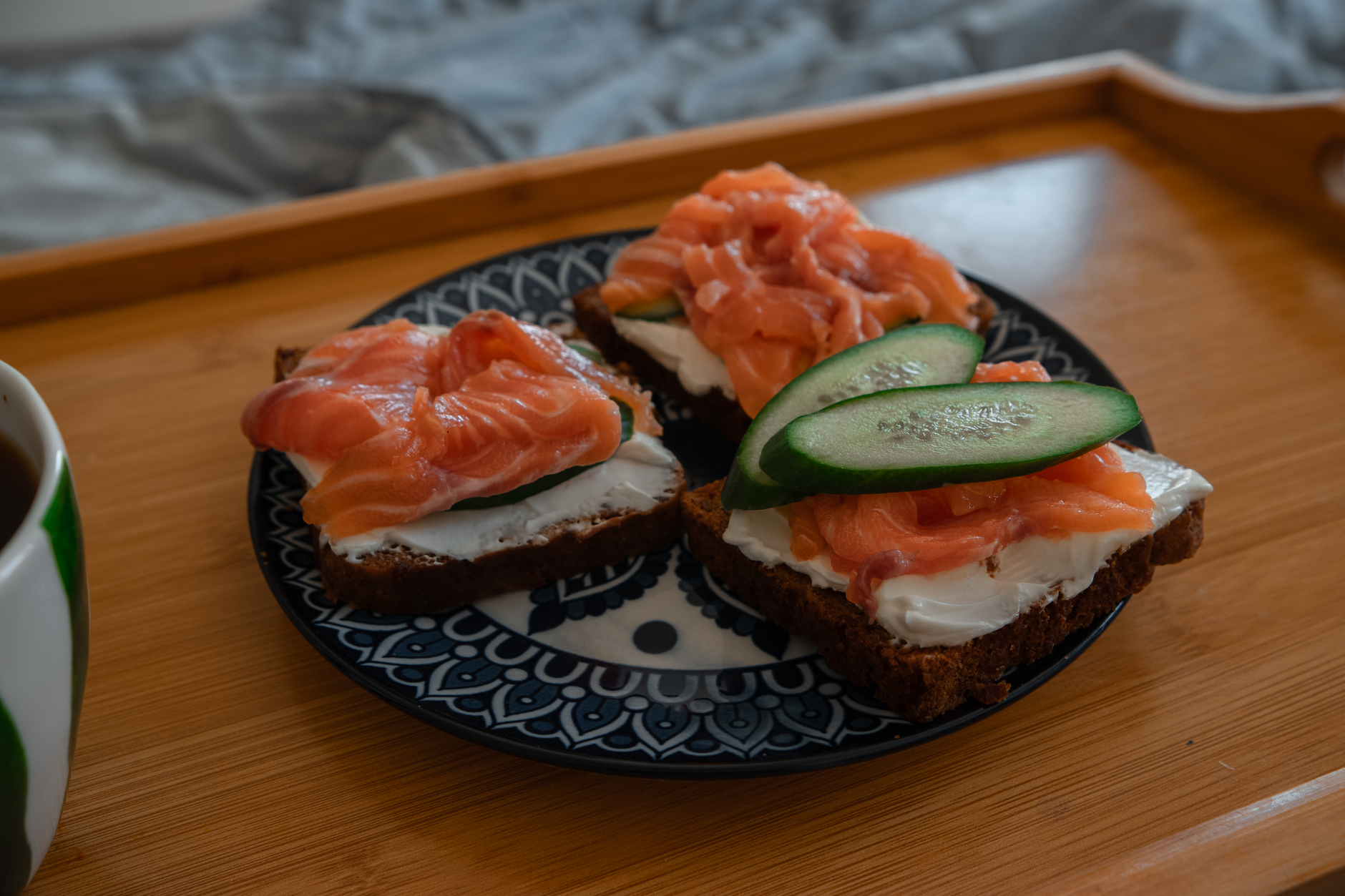
Nutrition profile of smoked salmon
One 2‑oz (56 g) serving of smoked salmon delivers roughly 180 calories, 10 g of protein, and 4 g of healthy fats. The omega‑3 fatty acids EPA and DHA total about 500 mg, which aligns with the 200–300 mg daily recommendation for pregnant people set by the ACOG. Vitamin D content ranges from 150–200 IU per serving, supporting calcium absorption and bone health for both mother and baby. Vitamin B‑12 levels are high—about 4 µg per serving—helping prevent anemia and supporting nervous‑system development.
Because smoked salmon is cured with salt, sodium can range from 500 to 900 mg per 2‑oz portion. If you’re monitoring blood pressure or have gestational hypertension, you may want to offset this by choosing low‑sodium brands or pairing the fish with potassium‑rich foods like leafy greens. The iron content is modest (≈0.5 mg), but the combination of vitamin C from side dishes can improve absorption.
Overall, the nutrient density is impressive for a small portion, making smoked salmon a valuable occasional addition to a pregnancy‑friendly meal plan when the safety precautions are observed.
Safety by trimester
First trimester
The first trimester is the period of organogenesis, when the baby’s major organs are forming. Because this window is especially sensitive, many clinicians advise extra caution with foods that could carry bacterial contamination. For smoked salmon, the key is to avoid Listeria. If you heat the salmon until it’s steaming hot, you effectively eliminate the pathogen, making it safe for early pregnancy.
If you prefer cold‑smoked salmon, look for products labeled “pasteurized” or “ready‑to‑eat” that have undergone a mild heat treatment. Some brands also use a high‑pressure processing (HPP) method that kills Listeria without cooking the fish. Limiting servings to no more than 2 oz per week during the first trimester helps keep any potential mercury exposure well below the FDA’s reference dose.
In short, smoked salmon is not outright banned in the first trimester, but you should either heat it or choose a pasteurized version, and keep portions modest.
Second trimester
By the second trimester, the baby’s organ systems are more robust, and the focus shifts to supporting rapid growth. Omega‑3s from salmon become especially valuable for brain and eye development. Continuing to enjoy smoked salmon in moderation can provide these benefits.
Again, the safety ceiling remains ≤ 2 oz per week. The second trimester is a good time to incorporate cooked or heated smoked salmon into meals—think a warm salmon salad or a salmon‑topped whole‑grain toast. This approach satisfies cravings while ensuring the fish is free of Listeria.
Low‑mercury salmon (Atlantic, coho, and sockeye) stays well within the FDA’s safe mercury limits (< 0.022 ppm), making it a reliable choice throughout the second trimester.
Third trimester
In the final weeks of pregnancy, the baby’s weight gain accelerates, and the mother’s appetite can spike. While the mercury ceiling remains unchanged, you may be tempted to increase fish intake for extra omega‑3s. Stick to the ≤ 2 oz weekly limit to avoid excess sodium and keep mercury well under the safe threshold.
Some clinicians suggest focusing on warm, cooked preparations in the third trimester to further diminish any lingering Listeria risk. If you’re preparing a party platter, consider heating the smoked salmon in the oven for a few minutes before serving.
Additionally, if you’re planning to breastfeed, the same portion guidelines apply. The nutrients you consume now will flow into your milk, so maintaining a balanced intake of omega‑3s remains beneficial for your infant.
Breastfeeding
While the infant’s immune system is no longer developing in‑utero, the same bacterial considerations apply. Pasteurized or heated smoked salmon remains safe, and the ≤ 2 oz weekly limit helps keep sodium and mercury intake reasonable for the nursing parent. Some lactation consultants note that omega‑3s from salmon can improve the DHA content of breast milk, supporting the baby’s visual and cognitive development.
Safe dosage / amount / brands
Because the FDA does not set a specific “daily” limit for smoked salmon, the recommendation focuses on portion size and preparation. Here’s a quick reference:
| Category | Safe weekly amount | Preparation tip | Brand notes |
|---|---|---|---|
| Cold‑smoked (non‑pasteurized) | ≤ 2 oz (56 g) | Heat until steaming hot (165 °F / 74 °C) | Check for “pasteurized” label; avoid brands without clear processing info. |
| Cold‑smoked (pasteurized) | ≤ 2 oz (56 g) | Can be eaten cold if labeled “pasteurized” | Brands such as “Ocean’s Harvest” and “Purely Smoked” often use HPP. |
| Hot‑smoked | ≤ 2 oz (56 g) | Already cooked; store refrigerated and consume within 3 days | Look for “fully cooked” wording on packaging. |
When shopping, prioritize products with a clear “use by” date and those that have been kept continuously refrigerated. Avoid smoked salmon that has been left at room temperature for extended periods, such as at a buffet or after an outdoor picnic.
How to safely reheat smoked salmon at home
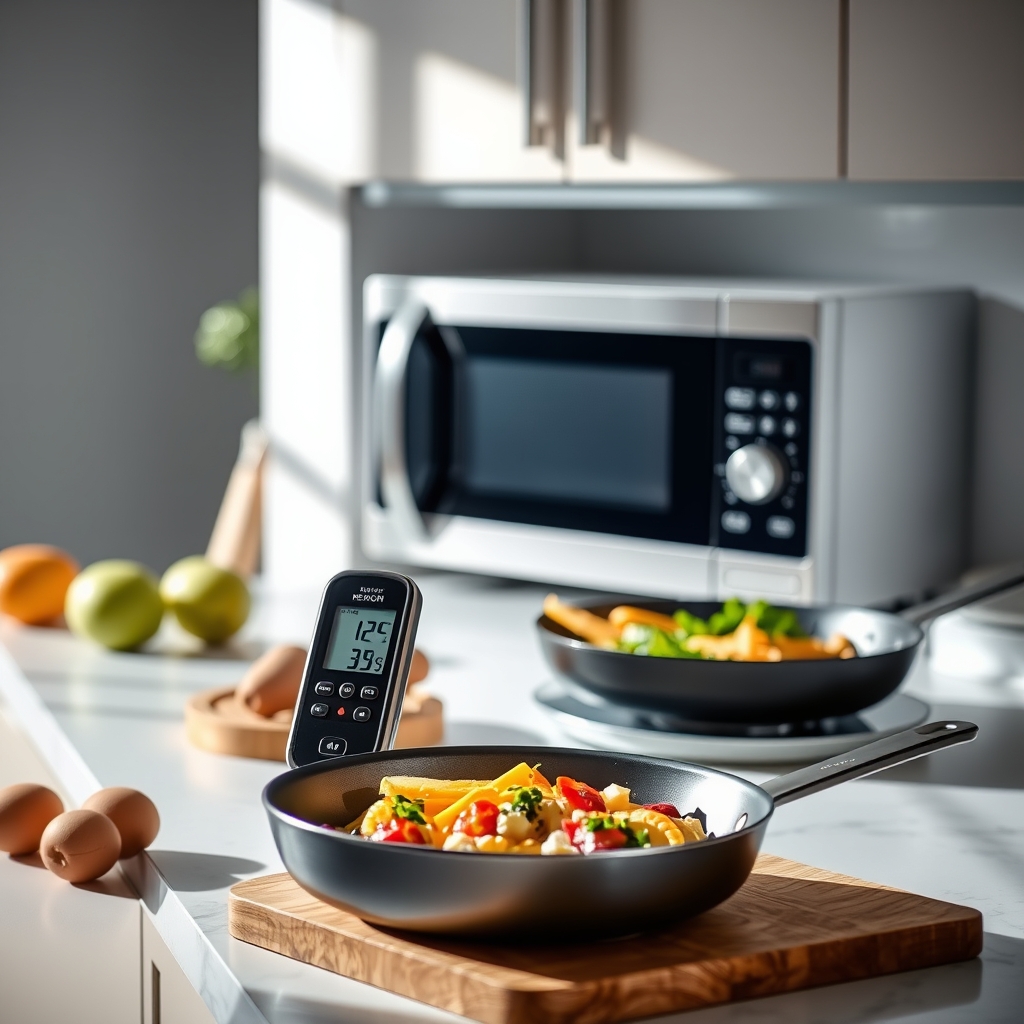
Reheating is quick and easy. Place the desired portion on a microwave‑safe plate, cover loosely with a paper towel, and heat on high for 30 seconds. Alternatively, a skillet over medium heat for 1–2 minutes per side will bring the internal temperature to the safe 165 °F mark. If you’re using an oven, preheat to 350 °F (177 °C) and bake the salmon for 5–7 minutes, just until it’s steaming.
Always use a food‑grade thermometer if you have one; the tip of the thermometer should read at least 165 °F in the thickest part. After reheating, let the salmon rest for a minute before serving to ensure even temperature distribution.
Side effects and risks
- Listeria infection: Symptoms include fever, chills, muscle aches, and sometimes gastrointestinal upset. In pregnancy, listeriosis can lead to miscarriage, stillbirth, or severe newborn illness. If you develop any of these after eating smoked salmon, call your provider immediately.
- Mercury exposure: While salmon is low‑mercury, excessive consumption could push total mercury intake above the FDA’s reference dose. Stick to the ≤ 2 oz weekly guideline.
- High sodium intake: Smoked salmon is salty; over‑consumption may raise blood pressure. Balance with low‑sodium foods and stay hydrated.
- Allergic reactions: If you have a fish allergy, avoid smoked salmon altogether.
Safer alternatives
- Canned salmon – fully cooked, shelf‑stable, and low in mercury.
- Cooked salmon – baked, grilled, or poached; eliminates Listeria risk.
- Sardines – tiny, low‑mercury fish packed in oil; rich in calcium.
- Anchovies – salty, low‑mercury, great for adding flavor without raw fish.
- Trout – low‑mercury freshwater fish, easy to bake or pan‑fry.
- Smoked trout (pasteurized) – offers a similar smoky flavor with a lower risk profile.
- Marinated tofu – provides protein and can be flavored with sea‑weed for a fish‑like taste.
Related items — safety at a glance
| Item | Verdict | One‑line note |
|---|---|---|
| Raw oysters | ❌ Best avoided | High risk of Vibrio and Listeria; raw shellfish not safe. |
| Sushi (raw fish) | ❌ Best avoided | Potential for parasites and Listeria; choose cooked rolls instead. |
| Tuna steak | ⚠️ Safe with limits | Higher mercury; limit to ≤ 4 oz per week. |
| Shrimp | ✅ Generally safe | Low mercury, but ensure it’s cooked thoroughly. |
| Lobster | ✅ Generally safe | Low mercury; avoid if high cholesterol is a concern. |
| Crab legs | ✅ Generally safe | Low mercury, must be fully cooked. |
| Smoked trout (pasteurized) | ✅ Generally safe | Pasteurization removes Listeria; keep portion ≤ 2 oz. |
| Canned sardines | ✅ Generally safe | Low mercury, calcium‑rich bones, no Listeria risk. |
Myth vs. fact
Myth: All smoked fish are unsafe during pregnancy because they’re “raw.”
Fact: Smoked salmon can be safe if it’s pasteurized or heated to 165 °F, which kills Listeria. The risk lies in unheated, cold‑smoked varieties.
Myth: Salmon automatically contains dangerous mercury levels.
Fact: Salmon, including smoked salmon, is one of the lowest‑mercury fish. The FDA lists it well below the safety threshold for pregnant people.
Myth: You must avoid any fish if you have a high‑blood‑pressure pregnancy.
Fact: Omega‑3s from low‑sodium, properly prepared smoked salmon may actually help support healthy blood pressure; just watch the sodium content.
Myth: Freezing smoked salmon makes it completely safe.
Fact: Freezing reduces but does not eliminate Listeria; reheating or choosing a pasteurized product is still recommended.
Key takeaways
- ✅ Smoked salmon is generally safe during pregnancy when limited to ≤ 2 oz per week.
- ⚠️ Heat cold‑smoked salmon to 165 °F or choose a pasteurized product to avoid Listeria.
- 🐟 Salmon is low in mercury, but keep portion sizes modest to stay within FDA guidelines.
- 🍽️ Pair smoked salmon with low‑sodium sides and stay hydrated to balance its salt content.
- 🆘 Call your provider if you develop fever, muscle aches, or gastrointestinal symptoms after eating smoked salmon.
- 🔄 Consider safer alternatives like canned salmon, cooked trout, or sardines when you want a low‑risk omega‑3 boost.
Frequently asked questions
Can I eat smoked salmon while pregnant if it's been frozen?
Yes—freezing can reduce Listeria risk, but it does not eliminate the bacteria entirely. For added safety, still heat the salmon to 165 °F before eating, or choose a product that’s labeled pasteurized.
How does smoked salmon affect pregnancy test results?
Smoked salmon does not interfere with urine or blood pregnancy tests. The hormones measured in tests are unrelated to dietary intake, so you can continue eating it within safe limits without affecting test accuracy.
Is smoked salmon good for pregnancy nausea?
Smoked salmon provides protein and omega‑3s, which can help stabilize blood sugar and may soothe nausea for some pregnant people. However, its high sodium content might worsen water retention, so enjoy it in small portions and pair it with bland carbs if nausea is severe.
Can I have smoked salmon in pregnancy if I have high blood pressure?
If you have hypertension, you can still eat smoked salmon, but watch the sodium. Choose low‑sodium varieties, limit to ≤ 2 oz per week, and balance with plenty of fresh vegetables and potassium‑rich foods.
What are the benefits of eating smoked salmon during pregnancy?
Smoked salmon delivers omega‑3 fatty acids (EPA/DHA) essential for fetal brain and eye development, high‑quality protein for tissue growth, vitamin D for bone health, and B‑12 for red‑blood‑cell formation.
Can I eat smoked salmon every day while pregnant?
Daily consumption exceeds recommended mercury and sodium limits. Stick to ≤ 2 oz per week; daily intake could raise mercury exposure and sodium intake beyond safe levels.
Is smoked salmon safe for pregnancy if I have gestational diabetes?
Yes, smoked salmon is low in carbs and can be part of a gestational‑diabetes‑friendly diet. Just watch portion size and pair it with fiber‑rich foods to help control blood sugar spikes.
What are the signs of Listeria infection I should watch for?
Early signs include fever, chills, muscle aches, and sometimes mild gastrointestinal upset. In pregnancy, these symptoms can progress quickly, so if you notice any of them after eating smoked salmon, contact your obstetric provider right away.
Can I enjoy smoked salmon on a low‑sodium diet?
Yes, but choose low‑sodium or reduced‑salt brands and keep the serving size at ≤ 2 oz per week. Pair it with potassium‑rich vegetables like spinach or avocado to help balance sodium’s effect on blood pressure.
When to call your doctor
If you experience any of the following after eating smoked salmon, reach out to your obstetric provider right away:
- Fever, chills, or flu‑like symptoms
- Severe stomach cramps, diarrhea, or vomiting lasting more than 24 hours
- Unexplained muscle aches or joint pain
- Signs of high blood pressure (headache, vision changes, swelling)
- Any allergic reaction such as hives, swelling, or difficulty breathing
These symptoms could signal L

