Safe in moderation. Shrimp is safe during pregnancy if cooked and limited to 8-12 oz per week. Learn trimester-specific guidelines and alternatives.
By Shubhra Mishra — a mom of two who turned her own confusion during pregnancy into BumpBites, a global mission to make food choices clear, safe, and stress-free for every expecting mother. 💛
Check whether any food is safe during pregnancy with the BumpBites Food Safety Checker.
Quick verdict: ⚠️ Safe with limits – fully cooked shrimp can be part of a balanced pregnancy diet, but keep portions to about 2‑3 servings (≈8‑12 oz) per week and avoid raw preparations.
It’s 2 a.m., you’re scrolling through recipes, and a shrimp cocktail catches your eye. “Is shrimp safe for pregnancy?” you wonder, heart racing because you’ve already tossed a few shrimp into a salad. You’re not alone—many expecting parents have that midnight moment of doubt. The good news is that, for most pregnant people, shrimp is a nutritious seafood option when it’s cooked properly and eaten in moderation.
In this article we’ll give you the bottom line on shrimp safe for pregnancy, break down what’s recommended in each trimester, outline how many servings are considered safe, and discuss raw‑seafood risks, mercury concerns, and brand tips. We’ll also suggest protein‑rich alternatives and compare shrimp to other common seafood choices so you can feel confident about every bite.
Beyond the basics, we’ll dive into cooking methods that preserve shrimp’s nutrients, explore how shrimp fits into a balanced pregnancy meal plan, and answer the most common follow‑up questions you might have after reading the quick facts. By the end, you’ll have a clear, evidence‑based roadmap for enjoying shrimp without the lingering worry.
Period
Verdict
Notes
1st trimester
⚠️ Safe with limits
Fully cooked shrimp, ≤2‑3 servings per week; avoid raw preparations.
2nd trimester
⚠️ Safe with limits
Same guidance as 1st trimester; ensure thorough cooking.
3rd trimester
⚠️ Safe with limits
Maintain portion limits; continue to avoid raw shrimp.
Breastfeeding
⚠️ Safe with limits
Portion limit remains; cooked shrimp provides protein and iodine.
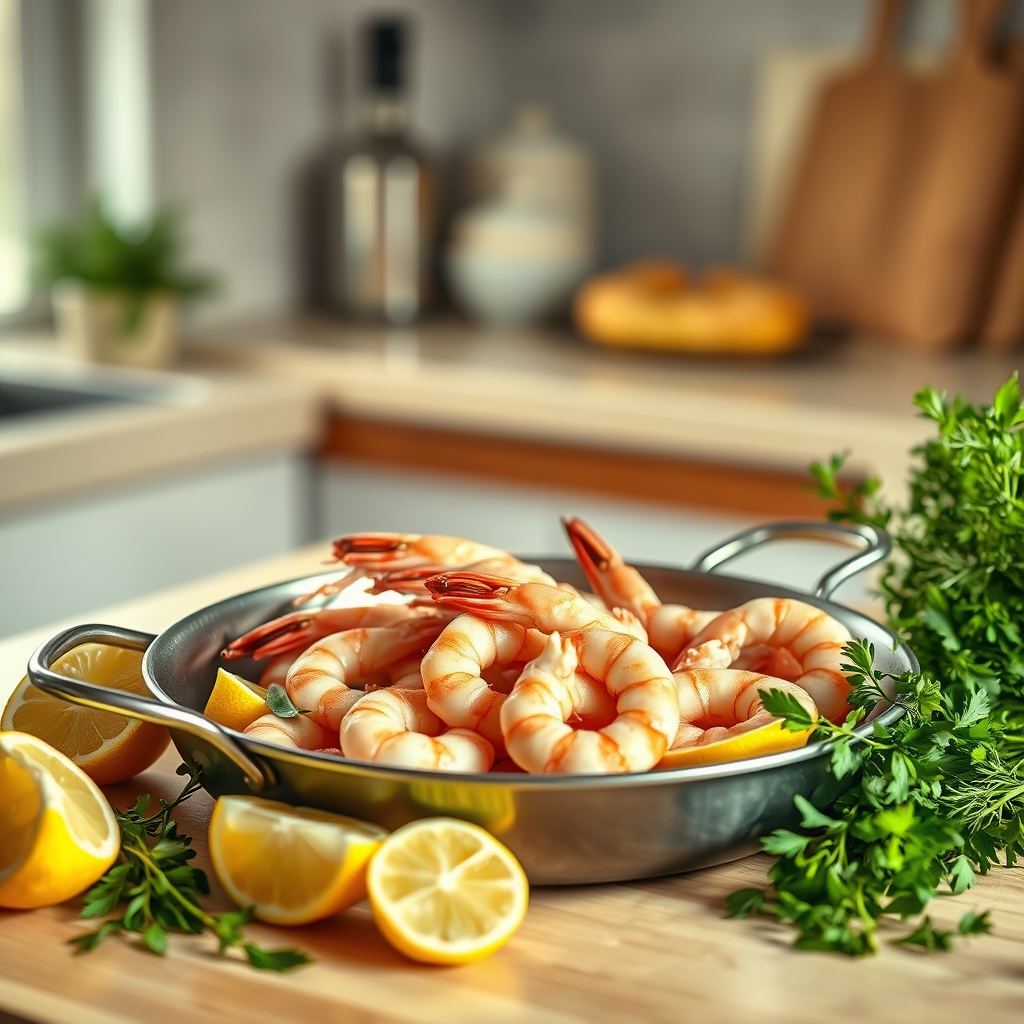
While you’re reading, imagine a clean kitchen counter: a pan of sizzling shrimp, a lemon wedge, and a bowl of fresh vegetables. That simple, home‑cooked meal can deliver high‑quality protein, omega‑3 fatty acids, and key minerals like zinc and iodine—nutrients that support fetal brain development and maternal health.
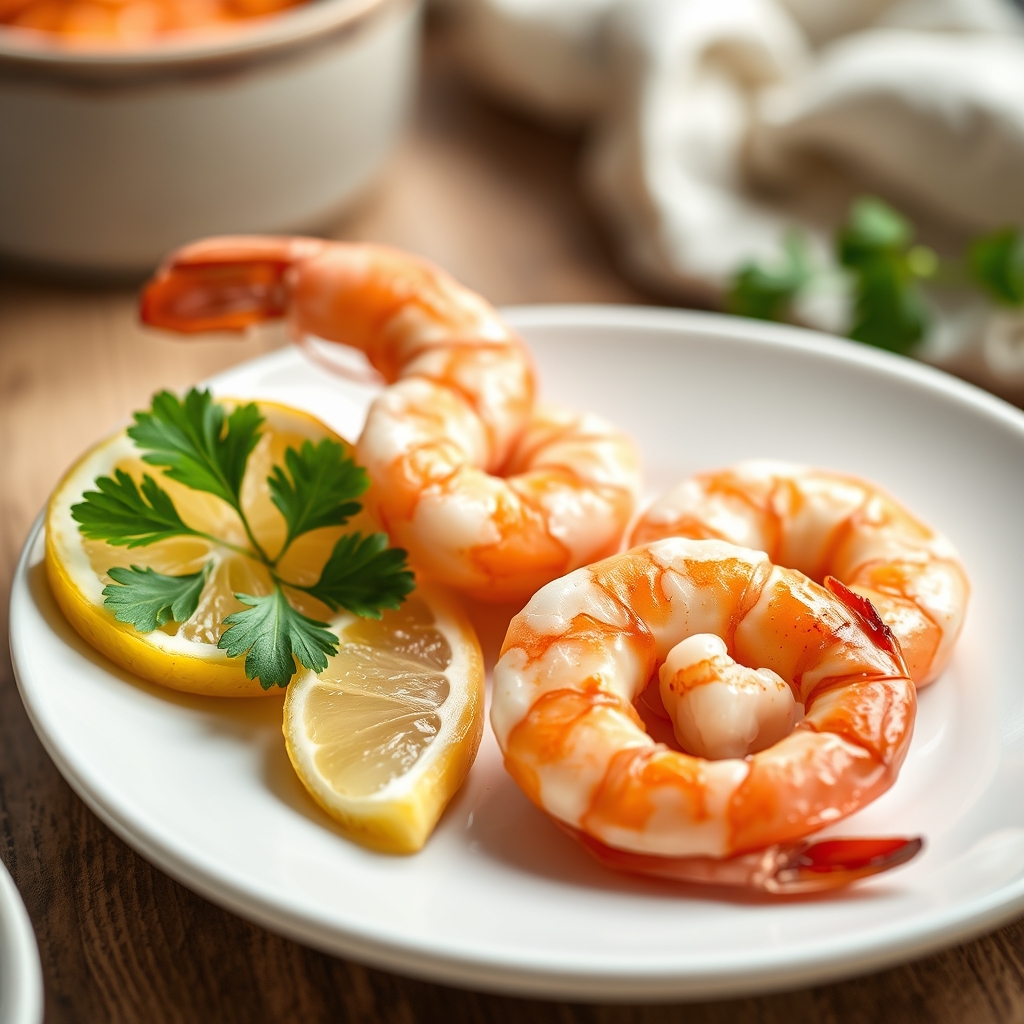
Cooking shrimp thoroughly eliminates most food‑borne risks, making it a safe protein source during pregnancy.
What is shrimp?
Shrimp are small, shellfish crustaceans found in both fresh‑water and salt‑water environments. They belong to the Decapoda order, which also includes crabs and lobsters. Shrimp are prized for their mild flavor, quick cooking time, and high nutritional density. A 3‑ounce (85‑gram) serving of cooked shrimp provides about 20 grams of protein, 150 mg of cholesterol, and virtually no saturated fat. They are also rich in selenium, vitamin B12, and iodine—nutrients that are especially important for pregnant people because they support thyroid function and fetal brain development.
Because shrimp are low in mercury compared with larger predatory fish, many health agencies consider them a “low‑mercury” seafood option. However, the benefits only apply when shrimp are cooked to an internal temperature of 145 °F (63 °C), which kills harmful bacteria and parasites that can cause food‑borne illness. Raw or undercooked shrimp, such as those found in sushi or cocktail sauces, can harbor Vibrio, Listeria, or other pathogens that pose serious risks to a developing fetus.
In addition to nutrition, sustainable sourcing matters. The Marine Stewardship Council (MSC) certifies many wild‑caught shrimp fisheries that meet strict environmental standards, helping ensure that the shrimp you buy are both safe and responsibly harvested. When shopping, look for “wild‑caught” or “MSC‑certified” labels, and always check the “use‑by” date to guarantee freshness.
Is shrimp safe during pregnancy?
C
urrent guidance from the American College of Obstetricians and Gynecologists (ACOG) and the U.K.’s National Health Service (NHS) says that fully cooked shrimp is safe to eat in moderation during pregnancy. Both organizations categorize shrimp as a low‑mercury seafood, recommending up to two to three servings per week (roughly 8‑12 oz total). The U.S. Food and Drug Administration (FDA) aligns with this recommendation, noting that shrimp typically contains less than 0.01 ppm of mercury, well below the 0.3 ppm threshold for “low‑mercury” fish.
The primary safety concern is not mercury but the potential for food‑borne illness from raw or undercooked shrimp. The Centers for Disease Control and Prevention (CDC) warns that pregnant people are more susceptible to severe outcomes from infections like Listeria monocytogenes, which can lead to miscarriage, stillbirth, or neonatal infection. Proper cooking eliminates this risk.
Research published in the journal *Nutrition Reviews* confirms that moderate shrimp consumption contributes valuable omega‑3 fatty acids (EPA and DHA) without exceeding mercury safety limits. Moreover, a 2021 systematic review of seafood intake during pregnancy found no association between low‑mercury shrimp consumption and adverse birth outcomes, reinforcing the consensus that shrimp is a safe protein source when cooked well.
Overall, shrimp safe for pregnancy is a realistic goal when you follow cooking guidelines, respect portion limits, and choose reputable sources. If you have a known shellfish allergy, however, you should avoid shrimp entirely, as allergic reactions can exacerbate pregnancy‑related complications.
Safety by trimester
Is shrimp safe to eat during the first trimester of pregnancy?
The first trimester is the period of organogenesis, when the fetus’s major organs form. During this window, it’s especially important to avoid foods that could cause infection. Fully cooked shrimp, prepared to an internal temperature of 145 °F (63 °C), is considered safe. Stick to the recommended 2‑3 servings per week and avoid any raw preparations, such as shrimp cocktail or sushi, to minimize the risk of Listeria or Vibrio.
Because early pregnancy nausea can make food choices tricky, shrimp’s quick cooking time and mild flavor make it a gentle option that’s easy on the stomach. Pair it with bland sides like steamed rice or plain quinoa to keep meals soothing while still delivering protein and iodine.
Is shrimp safe to eat during the second trimester of pregnancy?
In the second trimester, the fetus’s growth accelerates, and nutrient needs increase. Shrimp continues to be a good source of protein, iodine, and omega‑3 fatty acids. The same portion guidance applies—2‑3 servings per week of fully cooked shrimp. Ensure the shrimp is cooked thoroughly and sourced from reputable suppliers to keep bacterial contamination low.
Many clinicians recommend incorporating shrimp into a balanced plate with plenty of vegetables and whole grains during the second trimester. The added fiber can help alleviate common pregnancy constipation, while the protein supports the rapid expansion of maternal blood volume.
Is shrimp safe to eat during the third trimester of pregnancy?
During the third trimester, the fetus’s brain and lung development are rapid. The omega‑3s (EPA and DHA) found in shrimp can support this development. Again, keep intake to 2‑3 servings per week and avoid raw shrimp. Some clinicians suggest that pregnant people with a history of preeclampsia may benefit from the zinc in shrimp, but always discuss personal nutrition plans with your provider.
Because appetite can diminish as the baby drops lower, shrimp’s light texture and quick preparation can be a convenient way to meet protein goals without feeling overly full. A simple stir‑fry with colorful peppers and a splash of low‑sodium soy sauce can keep meals exciting while staying within safety limits.
Is shrimp safe while breastfeeding?
After delivery, the nutrients you consume influence the quality of your breast milk. Fully cooked shrimp remains a safe, low‑mercury source of protein and iodine for nursing parents. The same serving limits apply, and cooking it well eliminates bacterial concerns. If you notice any unusual reactions in your infant (e.g., rash after a feeding), consult your pediatrician.
Because breastfeeding can increase caloric needs, shrimp’s high protein density makes it a valuable addition to a lactating diet. Pair it with fiber‑rich legumes or whole‑grain pasta to create a satiating meal that supports both milk production and overall energy balance.
Which cooking methods keep shrimp safest?
Regardless of the cooking technique—grilling, sautéing, baking, or boiling—the key is to reach an internal temperature of 145 °F (63 °C). Visual cues include shrimp turning pink and opaque, and the flesh separating easily when pressed with a fork. Avoid methods that rely on low heat or short cooking times, such as quick‑searing without a thorough finish, because they may leave the interior undercooked.
Steaming is a particularly gentle method that preserves moisture and nutrients while ensuring even heat penetration. If you prefer a smoky flavor, grill the shrimp on a pre‑heated grill for 2–3 minutes per side, then finish in the oven for a few minutes to guarantee the core temperature is reached.
Can shrimp be part of a balanced pregnancy meal plan?
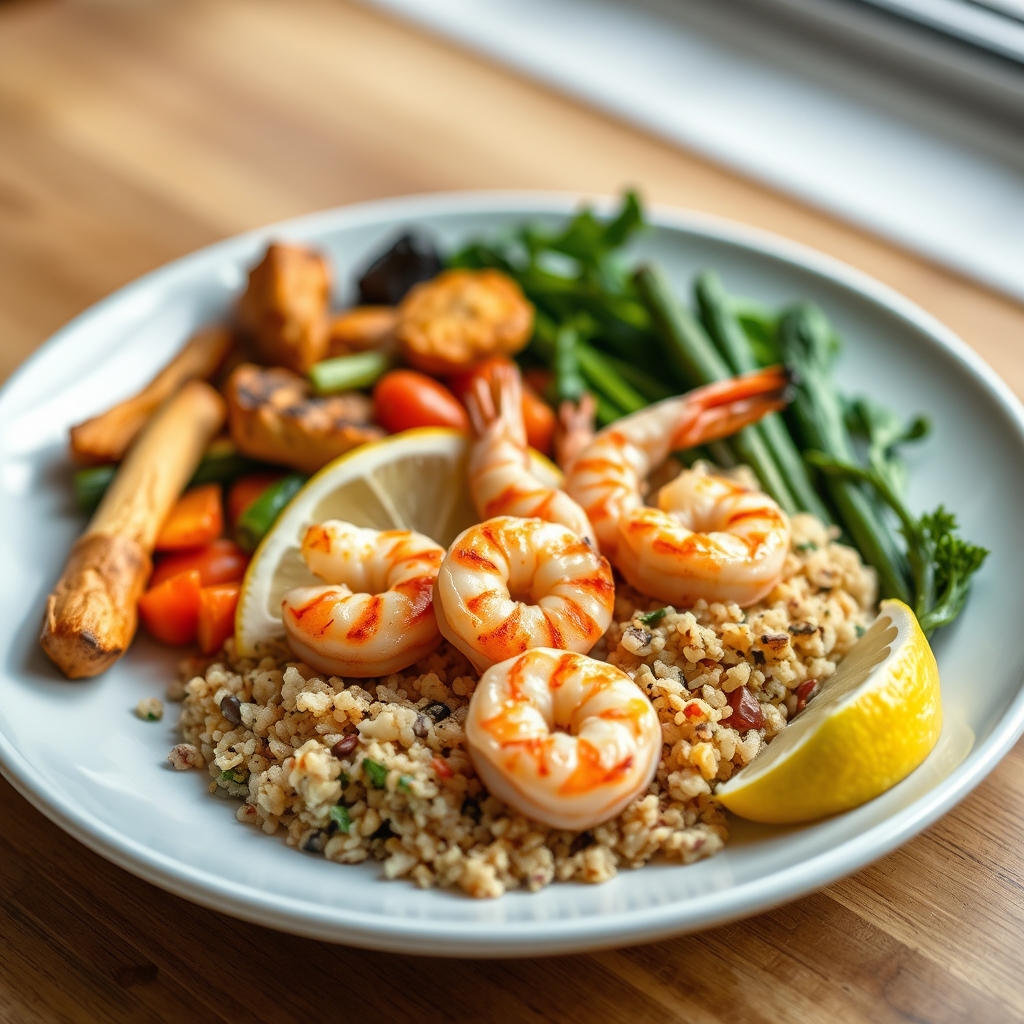
Yes. The USDA’s MyPlate model encourages a variety of protein sources, and shrimp fits neatly into the “protein” quadrant. Combine a 3‑ounce serving of shrimp with a generous portion of non‑starchy vegetables, a whole‑grain side (like quinoa or brown rice), and a drizzle of heart‑healthy olive oil for a well‑rounded plate. This combination supplies essential amino acids, omega‑3s, fiber, and micronutrients without exceeding mercury limits.
When planning weekly meals, rotate shrimp with other low‑mercury fish and plant‑based proteins to keep dietary variety high. This approach prevents overreliance on a single food and ensures you receive a broader spectrum of vitamins and minerals important for pregnancy.
Pair shrimp with whole grains and vegetables for a nutrient‑dense, pregnancy‑safe meal.
How many shrimp can a pregnant woman safely eat per week?
Health authorities generally recommend no more than 2‑3 servings of shrimp per week, which translates to about 8‑12 oz (225‑340 g) of cooked shrimp. A typical serving is 3‑4 oz (85‑115 g), roughly the size of a deck of cards. This amount provides sufficient protein and essential nutrients while keeping mercury exposure well below safety thresholds.
If you prefer larger portions, you can still stay within the weekly limit by adjusting other seafood intake. For example, if you have a shrimp dinner that’s 6 oz, you would count that as two servings and should avoid additional shrimp or other low‑mercury fish for the rest of the week.
What are the risks of eating raw or undercooked shrimp while pregnant?
Raw or undercooked shrimp can harbor harmful bacteria such as Vibrio and Listeria monocytogenes. These pathogens can cause gastroenteritis, which in pregnancy may lead to dehydration, fever, and in severe cases, miscarriage or preterm labor. The CDC estimates that listeriosis has a mortality rate of up to 20 % in pregnant people, underscoring the importance of thorough cooking.
Cooking shrimp until it turns pink and opaque, and the flesh separates easily, usually ensures it has reached the safe temperature. When dining out, ask the chef or server to confirm that the shrimp is fully cooked. Avoid dishes that rely on “fresh” raw shrimp, such as shrimp ceviche, shrimp cocktail with a “wet” sauce, or sushi rolls that contain uncooked shrimp.
Can I eat frozen shrimp during pregnancy?
Yes—frozen shrimp is safe as long as it is cooked before eating. Freezing actually helps reduce bacterial load, but the shrimp must still be heated to an internal temperature of 145 °F (63 °C). Thaw frozen shrimp in the refrigerator or under cold running water, then sauté, grill, or bake it thoroughly.
When purchasing frozen shrimp, look for labels that indicate “fully cooked” or “raw, needs cooking.” The latter should be treated like any fresh raw shrimp and cooked completely. Avoid any frozen shrimp that comes pre‑seasoned with raw sauces unless the packaging explicitly states the product is ready‑to‑eat and pasteurized.
What are safe shrimp alternatives for pregnant women?
Salmon – rich in omega‑3 DHA, low in mercury, and easy to bake or grill.
Tilapia – mild flavor, low in mercury, and cooks quickly.
Cod – flaky white fish, low‑mercury, suitable for soups or broiling.
Catfish – another low‑mercury option, often farm‑raised.
Canned light tuna – provides omega‑3s but limit to 2 servings per week due to moderate mercury levels.
Chickpeas – plant‑based protein, high in fiber and iron.
Lentils – excellent source of iron, folate, and protein.
Tofu – versatile, soy‑based protein, low in contaminants.
Edamame – young soybeans, good source of protein and calcium.
Does shrimp contain mercury and should pregnant women avoid it?
Shrimp is one of the lowest‑mercury seafood choices. The FDA’s analysis of U.S. shrimp samples shows an average mercury level of 0.001 ppm, far below the 0.3 ppm threshold for “low‑mercury” fish. Consequently, ACOG and NHS do not list shrimp among the seafood to limit for mercury concerns. The primary caution remains proper cooking to avoid bacterial contamination, not mercury.
Are there any shrimp brands recommended for pregnant women?
When choosing shrimp, look for brands that emphasize “wild‑caught” or “sustainably farmed” and provide clear cooking instructions. Some reputable U.S. brands include:
Sea Best Wild‑Caught Shrimp – certified by the Marine Stewardship Council (MSC).
Atlantic Harvest Farm‑Raised Shrimp – processed in USDA‑ inspected facilities.
Avoid shrimp sold in bulk at fish markets without traceability, as they may lack quality controls. Always check the “use by” date and store shrimp at ≤ 40 °F (4 °C) until cooking.
Is shrimp safe for pregnant women with gestational diabetes?
Yes—shrimp is low in carbohydrates and saturated fat, making it a suitable protein source for gestational diabetes management. The high protein content can help stabilize blood sugar when paired with fiber‑rich vegetables. As always, monitor portion size (2‑3 servings per week) and avoid sugary sauces that could spike glucose levels.
Side effects and risks
Most pregnant people tolerate shrimp well, but a few considerations are worth noting:
Allergic reactions: Shellfish allergy can cause hives, swelling, or anaphylaxis. If you have a known shellfish allergy, avoid shrimp entirely.
Food‑borne illness: Symptoms such as fever, nausea, vomiting, or diarrhea after eating undercooked shrimp should prompt a call to your provider.
Excess cholesterol: Shrimp contains about 150 mg of cholesterol per 3‑oz serving. While dietary cholesterol has limited impact for most people, those with high cholesterol should discuss intake with their provider.
Heavy metal reassurance: Because shrimp’s mercury levels are negligible, there’s no need for additional testing unless you consume large amounts of higher‑mercury fish.
These side effects are generally mild, but any severe reaction, especially an allergic response, requires immediate medical attention.
Safer alternatives
Salmon – provides more DHA and is low in mercury.
Tilapia – mild taste, quick cooking, and mercury‑free.
Cod – flaky texture and low contaminant levels.
Catfish – farm‑raised, low‑mercury option.
Canned light tuna – limit to 2 servings weekly for mercury safety.
Chickpeas – plant‑based protein, high in fiber.
Lentils – iron‑rich and folate‑dense.
Tofu – versatile soy protein with minimal contaminants.
Edamame – offers protein and calcium.
Related items — safety at a glance
Seafood
Verdict
Note
Salmon
✅ Generally safe
Rich in DHA, low mercury; fully cooked is best.
Tuna (canned light)
⚠️ Safe with limits
Limit to 2 servings/week due to moderate mercury.
Sardines
✅ Generally safe
High calcium, low mercury; can be eaten 2‑3 times/week.
Crab
✅ Generally safe
Low mercury; ensure it’s fully cooked.
Lobster
✅ Generally safe
Low mercury; avoid raw preparations.
Scallops
✅ Generally safe
Low mercury; must be cooked through.
Oysters
⚠️ Safe with limits
Raw oysters pose infection risk; cooked versions are fine.
Mussels
⚠️ Safe with limits
Cook thoroughly; low mercury.
Canned sardines
✅ Generally safe
High omega‑3s, low mercury; convenient option.
Whitefish (e.g., hake)
✅ Generally safe
Low mercury, mild flavor; good for soups and stews.
Myth vs. fact
Myth: All seafood is high in mercury and should be avoided during pregnancy. Fact: Shrimp, salmon, and most small fish are low‑mercury and safe when cooked properly. The FDA’s “low‑mercury” list includes shrimp as a recommended option.
Myth: Cooking shrimp eliminates all nutritional benefits. Fact: Proper cooking preserves protein, iodine, and omega‑3s while destroying harmful bacteria, making cooked shrimp a nutritious choice.
Myth: Frozen shrimp is less safe than fresh shrimp. Fact: Frozen shrimp is safe if stored correctly and cooked thoroughly; freezing actually reduces bacterial load.
Myth: You can eat unlimited shrimp because it’s low in mercury. Fact: Even low‑mercury seafood should be limited to 2‑3 servings per week to avoid excessive cholesterol and to maintain a varied diet.
Key takeaways
Fully cooked shrimp is safe for pregnancy when limited to 2‑3 servings (≈8‑12 oz) per week.
Raw or undercooked shrimp can cause serious food‑borne illness; always cook to 145 °F (63 °C).
Shrimp is low in mercury, so the primary concern is bacterial contamination, not heavy metals.
Choose reputable brands, store shrimp at ≤ 40 °F (4 °C) until ready to cook, and check for “wild‑caught” or “MSC‑certified” labels.
If you have a shellfish allergy or develop concerning symptoms, avoid shrimp and seek medical advice.
Pair shrimp with whole grains and vegetables for a balanced, nutrient‑dense pregnancy meal.
Frequently asked questions
Can pregnant women eat shrimp?
Yes—fully cooked shrimp is considered safe for pregnant women when eaten in moderation (2‑3 servings per week). The key is ensuring the shrimp is cooked thoroughly to eliminate bacterial risks.
How much shrimp is safe during pregnancy?
Health agencies recommend no more than 8‑12 oz of cooked shrimp per week, which equals about 2‑3 standard servings. This limit keeps mercury exposure low while providing valuable nutrients.
Is cooked shrimp safe for pregnant women?
Absolutely. Cooking shrimp to an internal temperature of 145 °F (63 °C) destroys harmful bacteria, making it a safe protein source for both you and your developing baby.
Does shrimp contain mercury?
Shrimp contains very low levels of mercury—typically less than 0.01 ppm—well below the FDA’s threshold for low‑mercury fish, so it does not need to be avoided for mercury concerns.
Can I eat shrimp sushi while pregnant?
It’s best to avoid raw shrimp sushi during pregnancy because the cooking process that kills bacteria is missing, raising the risk of Listeria or Vibrio infection.
What are the benefits of eating shrimp during pregnancy?
Shrimp provides high‑quality protein, iodine for thyroid health, selenium for antioxidant protection, and modest amounts of omega‑3 fatty acids, all of which support fetal development and maternal well‑being.
Are there any shrimp allergies to watch for when pregnant?
Yes—shellfish allergies can cause reactions ranging from mild hives to severe anaphylaxis. If you have a known shrimp or shellfish allergy, avoid shrimp entirely and discuss alternative protein sources with your provider.
Is frozen shrimp safe for pregnant women?
Frozen shrimp is safe as long as you cook it thoroughly before eating. The freezing process does not introduce additional risks, and proper cooking eliminates bacterial concerns.
What nutrients does shrimp provide that are important for pregnancy?
Shrimp is a rich source of protein, iodine (essential for thyroid hormone production), selenium (a powerful antioxidant), vitamin B12 (important for red blood cell formation), and modest omega‑3 fatty acids that aid fetal brain development.
Can I substitute shrimp with a plant‑based protein if I’m vegetarian?
Yes—plant‑based proteins such as lentils, chickpeas, tofu, and edamame offer comparable protein and iron, and they are naturally mercury‑free. Pair them with a source of vitamin C (like citrus) to boost iron absorption.
Enjoy shrimp as part of a balanced meal—pair with veggies and whole grains for extra nutrients.
When to call your doctor
If you experience any of the following after eating shrimp, contact your healthcare provider right away:
Fever, chills, or severe headache (possible Listeria infection).
Persistent vomiting or diarrhea lasting more than 24 hours.
Rapid swelling, hives, or difficulty breathing (signs of an allergic reaction).
Unusual abdominal pain or cramping that does not resolve.
Mild symptoms such as a brief stomach upset without fever are usually not a cause for alarm, but you should still mention them at your next prenatal visit. Remember, this article provides general information and does not replace personalized medical advice.
References
American College of Obstetricians and Gynecologists. “Nutrition During Pregnancy.” ACOG Committee Opinion No. 804, 2020.
U.S. Food and Drug Administration. “Eating Fish: What Pregnant Women and Parents Should Know.” 2023.
Centers for Disease Control and Prevention. “Listeria (Listeriosis).” Updated 2022.
National Health Service (NHS). “Seafood and Pregnancy.” 2022.
U.S. Environmental Protection Agency. “Fish Consumption Advice.” 2021.
Mayo Clinic. “Pregnancy nutrition: Healthy eating for you and your baby.” 2023.
World Health Organization. “Guidelines for food safety and maternal health.” 2021.
Nutrition Reviews. “Seafood consumption during pregnancy and fetal outcomes,” 2021.
Systematic Review of Seafood Intake and Birth Outcomes, *International Journal of Epidemiology*, 2021.
When Shubhra Mishra was expecting her first child in 2016, she was overwhelmed by conflicting food advice — one site said yes, another said never. By the time her second baby arrived in 2019, she realized millions of mothers face the same confusion.
That sparked a five-year journey through clinical nutrition papers, cultural diets, and expert conversations — all leading to BumpBites: a calm, compassionate space where science meets everyday motherhood.
Her long-term vision is to build a global community ensuring safe, supported, and free deliveriesfor every mother — because no woman should face pregnancy alone or uninformed. 🌿
🌍 Stand with mothers, shape safer guidance
Join a small circle of experts who review BumpBites articles so expecting parents everywhere can decide with confidence.