Yes, shrimp cocktail is safe for pregnancy when cooked thoroughly. Enjoy 2-3 servings weekly. Learn about safe preparation, mercury levels, and alternatives for a healthy pregnancy diet.
By Shubhra Mishra — a mom of two who turned her own confusion during pregnancy into BumpBites, a global mission to make food choices clear, safe, and stress-free for every expecting mother. 💛
Check whether any food is safe during pregnancy with the BumpBites Food Safety Checker.
Quick verdict: ⚠️ Safe with limits. Shrimp cocktail can be part of a healthy pregnancy diet when the shrimp are fully cooked and you keep portion sizes moderate, but raw or undercooked shrimp and excessive servings should be avoided.
It’s 2 a.m., the kitchen light is on, and you’re staring at a bowl of shrimp cocktail wondering whether that tangy appetizer is a harmless treat or a hidden danger for your baby. You’re not alone—many expecting parents search “shrimp cocktail safe for pregnancy” in the middle of the night, hoping for a clear answer that lets them relax.
Good news: the consensus among major health authorities such as the American College of Obstetricians and Gynecologists (ACOG), the UK’s National Health Service (NHS), and the U.S. Food and Drug Administration (FDA) is that shrimp cocktail is generally safe when the shrimp are fully cooked and eaten in moderation. The trickier part is navigating the nuances—how many servings are okay, which trimester is most sensitive, and what safer alternatives exist if you’re uneasy.
In this article we’ll break down everything you need to know about shrimp cocktail safe for pregnancy: the overall verdict, trimester‑specific guidance, recommended serving sizes, potential food‑borne illness and mercury concerns, brand considerations, and a menu of tasty substitutes. By the end you’ll have a calm, evidence‑based plan for enjoying seafood without unnecessary worry.
Trimester / Stage
Verdict
Notes
First trimester
⚠️ Safe with limits
Fully cooked shrimp only; limit to ≤ 2 servings (≈ 6 oz) per week.
Second trimester
⚠️ Safe with limits
Same limits as first trimester; ensure proper refrigeration.
Third trimester
⚠️ Safe with limits
Maintain portion limits; watch for heartburn or reflux.
Breastfeeding
⚠️ Safe with limits
Continue moderate intake; monitor infant for any unusual reactions.
What is shrimp cocktail?
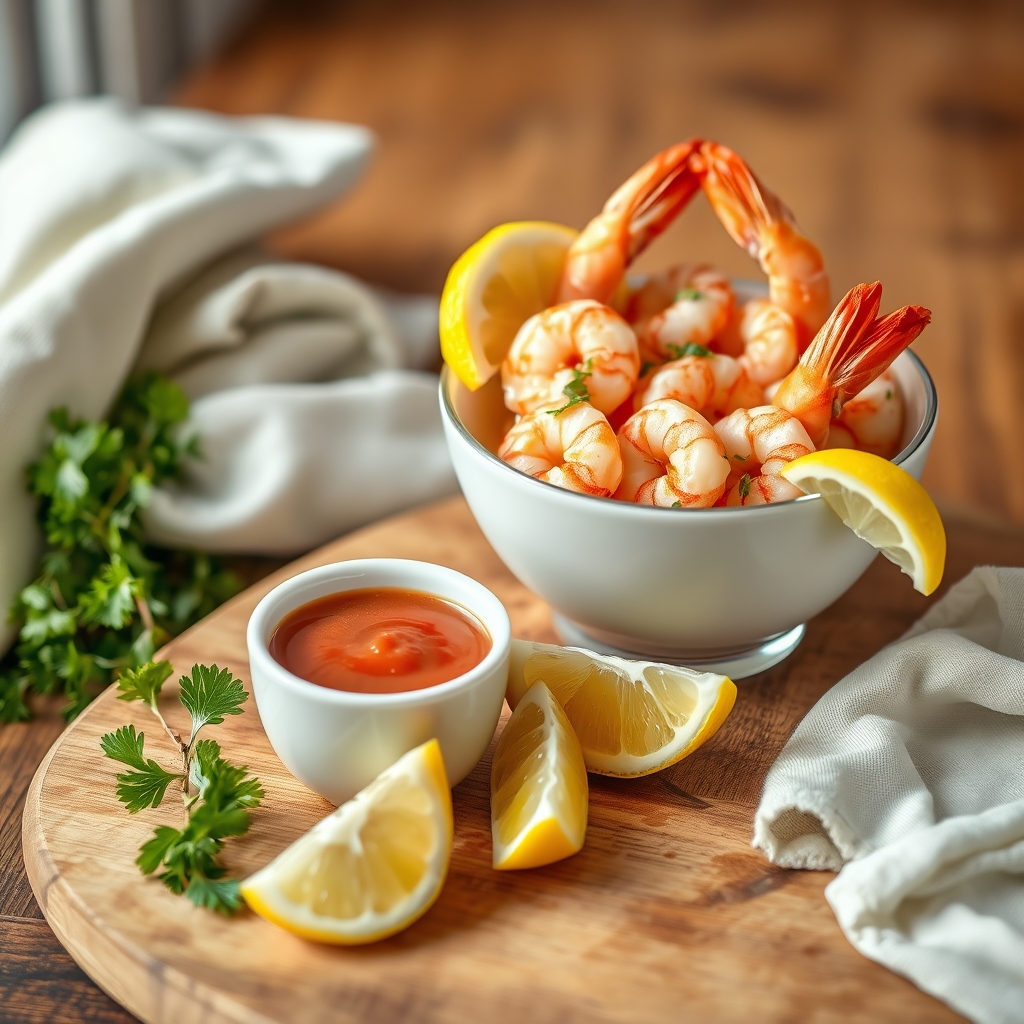
Shrimp cocktail is a classic appetizer that pairs cold, cooked shrimp with a tangy sauce—usually a blend of ketchup, horseradish, lemon juice, Worcestershire sauce, and sometimes a dash of hot sauce. The shrimp are typically boiled or steamed until opaque, then chilled, making them firm and easy to dip. The cocktail sauce adds a bright, slightly spicy flavor that many people love as a light starter or party snack.
In the United States, a standard serving is about 3–4 ounces of shrimp (roughly 6–8 medium‑sized pieces) accompanied by a few tablespoons of sauce. Shrimp are low in saturated fat, high in protein, and contain nutrients like vitamin B12, iodine, selenium, and omega‑3 fatty acids—nutrients that are beneficial during pregnancy. However, because shrimp are a type of shellfish, they can also be a source of food‑borne pathogens if not handled correctly, and they contain trace amounts of mercury, which is why portion control matters.
Because shrimp cocktail is usually prepared ahead of time, it can sit in a refrigerator for a day or two, which raises concerns about bacterial growth. The key to safety is ensuring the shrimp are fully cooked, stored at ≤ 40 °F (4 °C), and consumed within a short window.
Beyond the basic description, the nutritional profile of a typical shrimp cocktail serving (≈ 3 oz shrimp + 2 Tbsp sauce) looks roughly like this: 120 kcal, 22 g protein, 0 g carbohydrate, 2 g fat, 140 mg cholesterol, 150 mg sodium, and a modest 0.2 µg mercury. This makes it a protein‑rich, low‑calorie snack that can fit neatly into a balanced pregnancy meal plan.
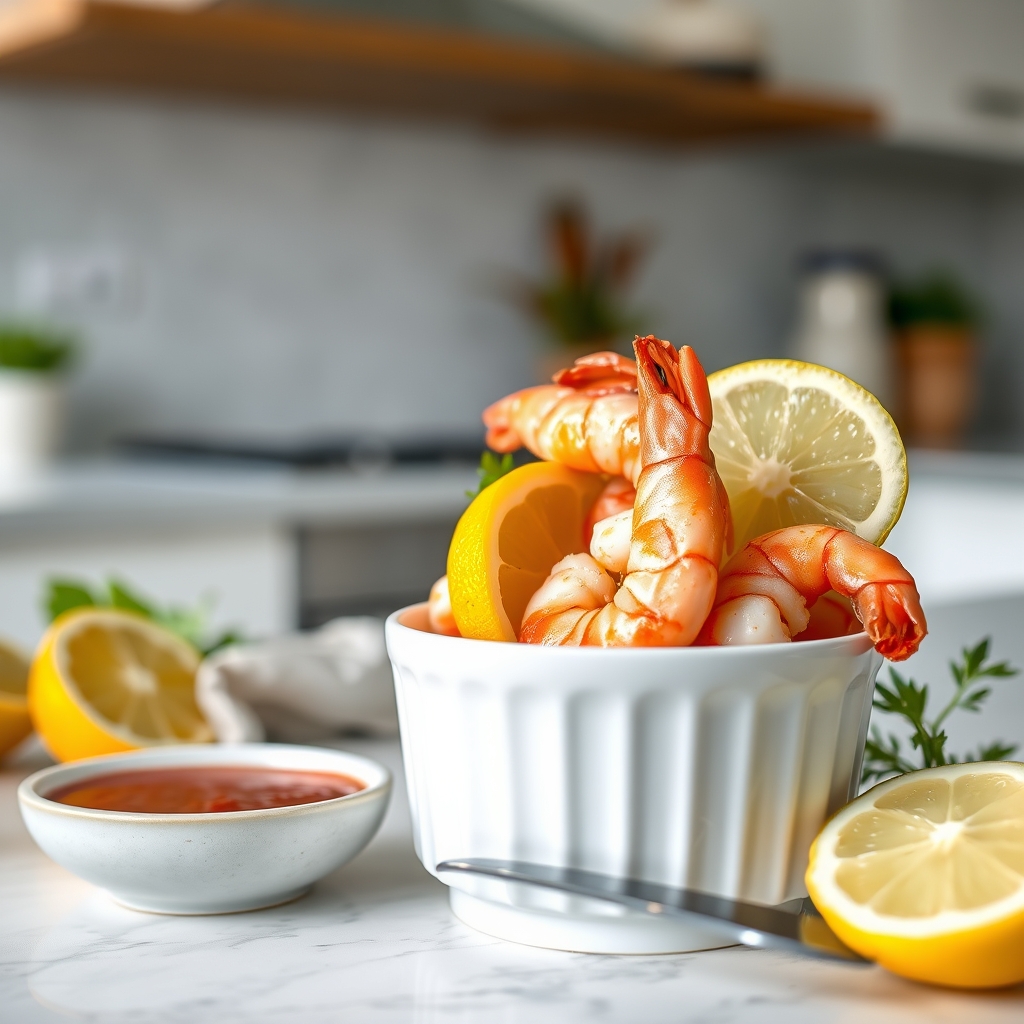
When served cold, shrimp cocktail can be a refreshing, protein‑rich snack—just be sure the shrimp are fully cooked.
Is shrimp cocktail safe during pregnancy?
Current guidance from ACOG, the NHS, and the FDA states that fully cooked shrimp are safe for pregnant people when eaten in moderation. ACOG’s Nutrition Committee notes that “cooked seafood, including shrimp, can be included in a balanced pregnancy diet, provided that it is prepared and stored safely.” The NHS echoes this, adding that “pregnant women should avoid raw or undercooked shellfish because of the risk of food‑borne illness.” The FDA classifies shrimp as a “low‑mercury” seafood, meaning it can be consumed up to 2‑3 servings per week without exceeding the EPA’s mercury limit of 0.1 ppm.
The primary safety concerns revolve around two issues: (1) bacterial contamination (e.g., Salmonella or Listeria monocytogenes) and (2) mercury exposure. Fully cooking shrimp to an internal temperature of 145 °F (63 °C) eliminates most bacterial threats. As long as the shrimp are stored promptly in the refrigerator and the cocktail sauce is kept refrigerated, the risk of food‑borne illness remains low. Mercury levels in shrimp are among the lowest of all seafood, so occasional consumption does not pose a significant risk to fetal neurodevelopment.
Misconceptions often arise from the “raw” perception of shrimp cocktail because the shrimp are served cold. The cold temperature does not mean the shrimp are raw; it simply reflects the traditional serving style. The crucial factor is that the shrimp have been cooked before chilling. If you ever encounter a shrimp cocktail that is advertised as “raw shrimp” or “sashimi‑style,” it should be avoided during pregnancy.
Another point worth noting is that the cocktail sauce itself can become a source of contamination if it’s left out for too long. The CDC advises that perishable foods, including sauces, should not sit at room temperature for more than two hours. When serving shrimp cocktail at a gathering, keep the dish on a bed of ice and discard any leftovers that have been out for an extended period.
How to make a pregnancy‑friendly shrimp cocktail at home
Preparing shrimp cocktail yourself gives you full control over cooking, seasoning, and sodium content. Start by boiling peeled, deveined shrimp in lightly salted water for 2‑3 minutes, or until the flesh turns opaque and pink. Immediately plunge the shrimp into an ice‑water bath to stop cooking and preserve texture. For a low‑sodium sauce, mix equal parts fresh lemon juice and extra‑virgin olive oil, add a teaspoon of horseradish, a pinch of smoked paprika, and a dash of low‑sodium soy sauce. This homemade version reduces the typical sodium load by up to 60 % while preserving the classic tang.
Store the cooked shrimp in an airtight container in the refrigerator and use within 24 hours. The sauce can be kept separately and added just before serving. By following these steps, you eliminate the uncertainty of commercial processing and ensure the shrimp reach the safe internal temperature of 145 °F (63 °C).
What to look for on shrimp cocktail packaging
When buying pre‑packaged shrimp cocktail, scan the label for a few key safety indicators: (1) a clear statement that the shrimp are “cooked and chilled,” (2) a “best‑by” date that is within three to four days of purchase, (3) low‑sodium sauce (≤ 150 mg per tablespoon), and (4) a source of the shrimp—look for “USDA Organic,” “MSC Certified,” or “wild‑caught” to signal low mercury and sustainable harvesting practices. Avoid products that list “raw” or “sashimi‑style” in the ingredient list, as these are not safe for pregnancy.
Additionally, check for any allergen warnings. Even if you have never reacted to shellfish before, pregnancy can sometimes alter immune responses, making a previously tolerated food newly problematic. If you notice any “may contain traces of shellfish” warnings, consider opting for a brand that guarantees 100 % shrimp without cross‑contamination.
Is shrimp cocktail safe to eat during the first trimester?
During the first trimester, the embryo undergoes organogenesis, a period when it is most vulnerable to teratogens and infections. Because of this heightened sensitivity, many clinicians advise extra caution with foods that carry a higher risk of bacterial contamination. Fully cooked shrimp meet the safety criteria, but you should still keep your intake to no more than two servings (about 6 oz) per week. This limit helps minimize any potential exposure to residual contaminants and keeps your overall protein intake balanced.
If you’re unsure whether a particular shrimp cocktail has been properly cooked, look for signs such as firm, opaque flesh and a pink hue. Avoid any dishes that list “raw shrimp” or “shrimp sashimi” in the ingredients. When in doubt, ask the server or check the label for a statement like “cooked and chilled.”
First‑trimester nausea is common, and the bright, citrusy flavor of shrimp cocktail can be soothing. However, if you experience heightened sensitivity to acidic foods, you may want to rinse the shrimp with a splash of water before dipping, or swap the traditional cocktail sauce for a milder yogurt‑based dip.
How many shrimp cocktail servings are safe each week in pregnancy?
Based on the FDA’s mercury guidelines and ACOG’s recommendations for low‑mercury seafood, the safe ceiling is about 2‑3 servings per week, where a serving is roughly 3–4 oz (85–113 g) of cooked shrimp. For a typical shrimp cocktail, that translates to 2–3 bowls per week, each containing about 6–8 shrimp. Staying within this range ensures you reap the nutritional benefits—high‑quality protein, vitamin B12, and omega‑3s—while keeping mercury exposure well below the EPA’s limit.
Pregnant people with gestational diabetes or other metabolic concerns should also monitor the sodium content of cocktail sauce, which can be high. Opt for a reduced‑sodium sauce or make your own with fresh lemon juice, a splash of olive oil, and a pinch of horseradish.
Can I eat shrimp cocktail in the third trimester without risk?
By the third trimester, the fetus’s organ systems are largely formed, and the primary concerns shift to maternal comfort and infection control. Fully cooked shrimp remain safe, and the same weekly serving limit (2‑3 servings) applies. However, some women experience increased heartburn or reflux in late pregnancy, and the acidic cocktail sauce can exacerbate those symptoms. If you notice discomfort, consider removing the sauce or swapping it for a milder lemon‑olive oil drizzle.
Additionally, because the immune system is naturally suppressed late in pregnancy, it’s wise to double‑check that the shrimp have been kept cold (≤ 40 °F) and are consumed within 24 hours of preparation. This extra vigilance helps prevent any late‑pregnancy food‑borne infections that could affect both you and your baby.
What are the risks of eating shrimp cocktail while pregnant?
Foodborne illness: Undercooked or improperly stored shrimp can harbor Salmonella, Listeria, or Vibrio bacteria. Listeriosis, though rare, can lead to miscarriage, stillbirth, or severe neonatal infection.
Mercury exposure: Shrimp contain low mercury levels, but excessive consumption could accumulate over time. The EPA’s reference dose for mercury is 0.1 µg/kg body weight per day; staying within the 2‑3 servings per week guideline keeps you far below that threshold.
Allergic reactions: Shellfish allergy is common. If you have a known allergy, avoid shrimp entirely, regardless of cooking method.
Sodium overload: Commercial cocktail sauce can be high in sodium, which may contribute to swelling or hypertension in pregnancy. Choose low‑sodium versions or make a homemade sauce.
Are there any shrimp cocktail brands that are safer for pregnant women?
While the safety of shrimp cocktail largely depends on cooking and storage practices, some brands prioritize quality controls that make them a better choice for pregnant consumers. Look for brands that:
Clearly label “cooked and chilled” on the packaging.
Provide a “best‑by” date no more than 3–4 days from purchase.
Offer low‑sodium cocktail sauce or a separate sauce packet.
Source shrimp from reputable farms with low‑mercury certifications (e.g., “USDA Organic” or “MSC Certified”).
Examples of widely available options that meet most of these criteria include SeaBest Cooked Shrimp Cocktail (available in major U.S. supermarkets) and FreshCo Shellfish Delights (popular in the UK). Always read the label and, if possible, confirm with the retailer that the shrimp were cooked and then rapidly chilled.
What are safe alternatives to shrimp cocktail for pregnant cravings?
Cooked salmon salad – provides omega‑3s with a warm, flaky texture.
Grilled chicken skewers – a lean protein option with familiar flavors.
Vegetable spring rolls – crunchy, fresh, and low‑calorie.
Fruit parfait – layers of fresh berries, yogurt, and granola for a sweet treat.
Greek yogurt with honey – protein‑rich and soothing for nausea.
Cooked lobster tail – another low‑mercury seafood that can be served with a light butter dip.
Avocado toast – creamy, nutrient‑dense, and satisfying.
Cottage cheese with pineapple – a protein‑packed snack with a tropical twist.
Does shrimp cocktail cause foodborne illness in pregnant women?
The risk of foodborne illness from shrimp cocktail is tied to how the shrimp are handled. Fully cooked shrimp that are promptly chilled and kept at safe refrigerator temperatures (< 40 °F/4 °C) have a very low risk of harboring harmful bacteria. However, if the shrimp are left out at room temperature for more than two hours, or if the cocktail sauce is contaminated, the chance of Salmonella or Listeria infection rises.
Pregnant women are more susceptible to severe outcomes from these infections, so it’s essential to follow safe food‑handling practices: keep shrimp refrigerated, discard any that smell off or have a slimy texture, and always reheat leftovers to steaming hot before eating.
Is cooked shrimp cocktail safer than raw shrimp for pregnancy?
Absolutely. Cooking shrimp to an internal temperature of 145 °F (63 °C) destroys most bacteria and parasites that can cause illness. Raw shrimp, often used in sushi or ceviche, bypasses this critical safety step and therefore poses a higher risk for Listeria and Vibrio infections, both of which are especially dangerous during pregnancy. The CDC advises pregnant individuals to avoid raw or undercooked shellfish entirely.
Can pregnant women with gestational diabetes eat shrimp cocktail?
Yes, as long as the cocktail sauce is low in added sugars and the portion size is moderate. Shrimp themselves are low‑carbohydrate and high‑protein, making them a good protein source for blood‑glucose control. However, many commercial sauces contain added sugars and high sodium, which can affect blood sugar and blood pressure. Opt for a reduced‑sugar sauce or create a simple dip with lemon juice, a splash of olive oil, and a pinch of horseradish.
Choosing a low‑sodium sauce can help keep sodium intake in check while still enjoying shrimp cocktail.
Safe dosage / amount / brands
Weekly servings
Portion size per serving
Recommended low‑sodium brands
Brands to avoid
≤ 2‑3
3‑4 oz cooked shrimp (≈ 6‑8 pieces) with 2 Tbsp sauce
Any brand lacking “cooked” label or with > 300 mg sodium per Tbsp sauce
When buying pre‑packaged shrimp cocktail, check the nutrition label for sodium content. The American Heart Association recommends no more than 2,300 mg of sodium per day for pregnant people, so a sauce that contains 150 mg per tablespoon can quickly add up.
Side effects and risks
Most side effects from shrimp cocktail are mild and stem from the sauce rather than the shrimp themselves. Common complaints include:
Heartburn or reflux: The acidic cocktail sauce can trigger symptoms, especially in the third trimester.
Allergic reaction: Itching, hives, or swelling indicate a shellfish allergy; seek immediate medical care.
Food poisoning symptoms: Nausea, vomiting, diarrhea, fever, or muscle aches after eating shrimp that may have been undercooked or improperly stored. If these appear, contact your provider promptly, as listeriosis can be serious.
These risks are avoidable with proper cooking, refrigeration, and portion control. If you experience any of the above, especially fever or gastrointestinal distress, call your obstetrician or go to urgent care.
Safer alternatives
Cooked salmon salad – rich in omega‑3s, low in mercury, and served warm.
Grilled chicken skewers – lean protein with customizable herbs.
Vegetable spring rolls – fresh, crunchy, and free of seafood allergens.
Fruit parfait – sweet, nutritious, and calcium‑rich with yogurt.
Greek yogurt with honey – protein‑packed and soothing for nausea.
Cooked lobster tail – another low‑mercury shellfish, best when fully cooked.
Avocado toast – creamy, fiber‑rich, and satisfying.
Cottage cheese with pineapple – a tropical, protein‑heavy snack.
Related items — safety at a glance
Item
Verdict
One‑line note
Raw oysters
❌ Best avoided
High risk of Vibrio and other bacteria.
Sushi (raw fish)
❌ Best avoided
Potential for listeria and parasites.
Cooked crab legs
⚠️ Safe with limits
Low mercury but watch sodium in butter sauces.
Canned tuna
⚠️ Safe with limits
Limit to ≤ 2 servings/week due to mercury.
Smoked salmon
⚠️ Safe with limits
Check for listeria; choose vacuum‑sealed, refrigerated packs.
Lobster bisque
⚠️ Safe with limits
Fully cooked seafood; watch for high sodium.
Clam chowder
⚠️ Safe with limits
Cooked clams are safe; ensure broth is hot.
Prawns
⚠️ Safe with limits
Similar to shrimp; keep portion size moderate.
Myth vs. fact
Myth: All shrimp served cold are raw and unsafe for pregnancy.
Fact: Shrimp cocktail is traditionally served cold after the shrimp have been fully cooked, making it safe when prepared properly.
Myth: Shrimp are high in mercury and should be avoided entirely.
Fact: Shrimp contain very low levels of mercury; the FDA classifies them as a low‑mercury seafood, safe up to 2‑3 servings per week.
Myth: Any seafood dish is risky for pregnant women.
Fact: Cooked, low‑mercury seafood like shrimp, salmon, and crab can be part of a healthy pregnancy diet when handled safely.
Key takeaways
Fully cooked shrimp cocktail is generally safe for pregnant people when eaten in moderation (≤ 2‑3 servings per week).
Always ensure shrimp are cooked to 145 °F (63 °C) and keep the dish refrigerated at ≤ 40 °F (4 °C).
Watch for high‑sodium cocktail sauces and opt for low‑sodium or homemade versions.
Limit portion sizes to about 3‑4 oz per serving to stay within mercury guidelines.
If you experience any signs of food poisoning (fever, vomiting, diarrhea), contact your provider right away.
Safe alternatives like cooked salmon salad or grilled chicken skewers provide similar protein and flavor without the same concerns.
Frequently asked questions
Can I eat shrimp cocktail while pregnant?
Yes—if the shrimp are fully cooked and the dish is stored properly, shrimp cocktail can be part of a balanced pregnancy diet. Keep servings to 2‑3 per week and choose low‑sodium sauce.
Is shrimp safe during pregnancy?
Shrimp is considered low‑mercury seafood and is safe when cooked thoroughly. The main precaution is avoiding raw or undercooked shrimp to prevent bacterial infection.
How much shrimp can I eat while pregnant?
The FDA recommends up to 2‑3 servings per week of low‑mercury seafood like shrimp, where a serving is roughly 3‑4 oz of cooked shrimp (6‑8 pieces).
What are the benefits of shrimp for pregnant women?
Shrimp provides high‑quality protein, vitamin B12, iodine, selenium, and omega‑3 fatty acids, all of which support fetal brain development and maternal health.
Does shrimp cocktail contain raw shrimp?
No—traditional shrimp cocktail uses shrimp that have been boiled or steamed before being chilled. The cold serving temperature does not mean the shrimp are raw.
Is shrimp cocktail high in mercury?
Shrimp contain very low mercury levels, well below the EPA’s safety threshold. Even with regular consumption, you stay within safe limits.
Can pregnant women eat cold seafood?
Cold, fully cooked seafood like shrimp cocktail is safe, but cold raw seafood (e.g., raw oysters, sushi) should be avoided due to infection risk.
What are the signs of food poisoning from shrimp?
Symptoms include sudden nausea, vomiting, diarrhea, abdominal cramps, fever, or muscle aches. If you experience these after eating shrimp, contact your obstetrician promptly.
Can I freeze leftover shrimp cocktail for later?
Yes—if you freeze the shrimp within two hours of cooking and store them in an airtight container, they remain safe for up to two months. Thaw in the refrigerator and reheat to steaming hot before serving.
Is shrimp cocktail okay for someone with gestational hypertension?
Generally, yes, as long as you choose a low‑sodium sauce and keep the overall sodium intake within the recommended 2,300 mg per day. High sodium can worsen blood pressure, so opting for a homemade lemon‑olive oil dip is a safer choice.
When to call your doctor
If you develop any of the following after eating shrimp cocktail, seek medical attention right away:
Fever above 100.4 °F (38 °C) with chills.
Severe or persistent vomiting or diarrhea lasting more than 24 hours.
Stomach cramps accompanied by a headache or muscle aches.
Signs of an allergic reaction such as hives, swelling of the lips or face, or difficulty breathing.
Any sudden change in fetal movement after a food‑related illness.
These symptoms could indicate listeriosis, salmonellosis, or another infection that can affect both you and your baby. Remember, this article provides general information and is not a substitute for personalized medical advice. Always discuss your diet and any concerns with your prenatal care provider.
References
American College of Obstetricians and Gynecologists (ACOG). Nutrition During Pregnancy. Updated 2023.
U.S. Food and Drug Administration (FDA). Advice About Eating Fish. 2022.
Centers for Disease Control and Prevention (CDC). Listeria (Listeriosis). 2023.
National Health Service (NHS). Food safety for pregnant women. 2022.
Environmental Protection Agency (EPA). Mercury in fish and shellfish. 2021.
Mayo Clinic. Seafood and pregnancy: What’s safe? 2023.
World Health Organization (WHO). Food safety: Guidelines for pregnant women. 2022.
When Shubhra Mishra was expecting her first child in 2016, she was overwhelmed by conflicting food advice — one site said yes, another said never. By the time her second baby arrived in 2019, she realized millions of mothers face the same confusion.
That sparked a five-year journey through clinical nutrition papers, cultural diets, and expert conversations — all leading to BumpBites: a calm, compassionate space where science meets everyday motherhood.
Her long-term vision is to build a global community ensuring safe, supported, and free deliveriesfor every mother — because no woman should face pregnancy alone or uninformed. 🌿
🌍 Stand with mothers, shape safer guidance
Join a small circle of experts who review BumpBites articles so expecting parents everywhere can decide with confidence.