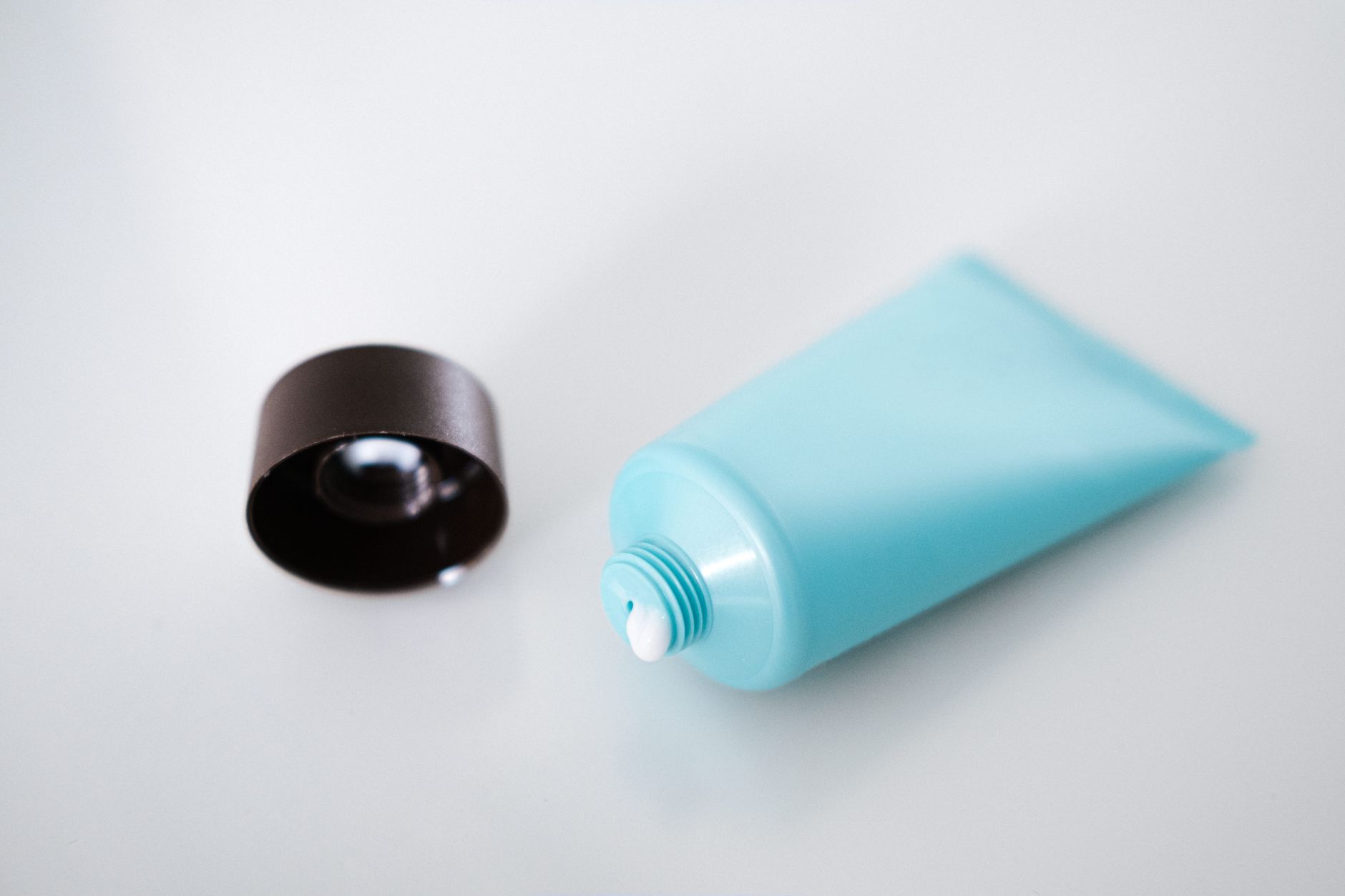
Limit benzocaine during pregnancy, especially in the first trimester. Understand safe dosages, potential risks, and effective alternatives for expecting mothers.
By Shubhra Mishra — a mom of two who turned her own confusion during pregnancy into BumpBites, a global mission to make food choices clear, safe, and stress-free for every expecting mother. 💛
Check whether any food is safe during pregnancy with the BumpBites Food Safety Checker.
Download the Complete Pregnancy Food Guide (10,000 Foods) 📘
Instant PDF download • No spam • Trusted by thousands of moms
💡 Your email is 100% safe — no spam ever.
Quick verdict: ⚠️ Safe with limits. Topical benzocaine products, often found in over-the-counter gels and sprays for mouth and throat pain, are generally considered safe for occasional, short-term use during pregnancy when used as directed. However, systemic absorption is possible, and overuse or high concentrations carry potential risks, making it crucial to use sparingly and consult your healthcare provider, especially for persistent pain.
That sudden toothache or persistent sore throat can feel like a crisis when you're pregnant. You reach for a familiar over-the-counter remedy like a numbing gel or spray, only to pause: "Is benzocaine safe for pregnancy?" This is a perfectly normal worry, and if you're reading this, you're likely in that moment of uncertainty, wondering if you've already used it or if it's okay to reach for it now. Take a deep breath. We understand the anxiety that comes with every decision during pregnancy.
The good news is that for most people, occasional and proper use of topical benzocaine is unlikely to cause harm. Benzocaine, a local anesthetic, is designed to provide temporary relief by numbing the area it's applied to, and typically, very little of it gets absorbed into your bloodstream. However, "occasional" and "proper" are key. There are important considerations regarding dosage, frequency, and specific forms of benzocaine that you need to be aware of to ensure both your safety and your baby's well-being. We'll walk you through everything you need to know, from the current medical guidelines to safer alternatives and when it's definitely time to call your doctor.
Trimester/Stage
Verdict
Notes
First Trimester
⚠️ Safe with limits
Generally considered low risk for occasional topical use. Avoid high concentrations or prolonged use. Focus on addressing underlying causes of pain.
Second Trimester
⚠️ Safe with limits
Similar guidance to the first trimester. Occasional, short-term topical use is generally acceptable.
Third Trimester
⚠️ Safe with limits
Continue with occasional, short-term topical use. Be mindful of potential for increased absorption in some cases due to physiological changes.
Breastfeeding
⚠️ Safe with limits
Minimal systemic absorption makes it unlikely to pass into breast milk in significant amounts. Use sparingly and as directed. Consult your doctor if concerned.
What is Benzocaine?
Benzocaine is a local anesthetic, which means it works by temporarily numbing a specific area of the body. It belongs to a class of medications called ester-type local anesthetics. When applied to the skin or mucous membranes (like the lining of your mouth or throat), benzocaine blocks nerve signals in that area, preventing pain sensations from reaching your brain. This makes it effective for temporary relief of minor pain and irritation.
You'll most commonly find benzocaine in over-the-counter products designed for topical use. These include:
Oral gels and liquids: Used for toothaches, canker sores, gum irritation, or minor mouth injuries (e.g., Orajel, Anbesol).
Sore throat sprays and lozenges: To relieve discomfort from a sore throat (e.g., Chloraseptic spray often contains phenol, but some lozenges or sprays may include benzocaine).
Topical creams and ointments: For minor skin irritations, insect bites, or hemorrhoids (though other anesthetics like lidocaine are more common for these uses).
Because benzocaine is primarily used topically and has a relatively short duration of action, its effect is localized. The goal is to numb the surface without being significantly absorbed into the bloodstream. However, factors like the concentration of benzocaine, the area of application, the integrity of the skin or mucous membrane, and the duration of use can influence how much of the medication is absorbed systemically.
Topical benzocaine gels are a common choice for temporary relief of mouth pain.
Is Benzocaine Safe During Pregnancy: The General Verdict
When considering if benzocaine is safe for pregnancy, the general consensus among medical professionals is that occasional, short-term topical use of low-concentration benzocaine products is generally considered low risk. This guidance is based on the understanding that benzocaine, when applied topically, typically has minimal systemic absorption, meaning very little of the drug enters your bloodstream and, consequently, very little would reach your developing baby.
The American College of Obstetricians and Gynecologists (ACOG) and other major health organizations generally categorize topical anesthetics like benzocaine as low risk for pregnancy when used appropriately. The key here is "topical" and "appropriate use." Unlike medications taken orally, which are absorbed into the bloodstream and distributed throughout the body, topical agents are designed to act locally. For benzocaine, this means numbing the surface of the mouth, throat, or skin where it's applied.
However, it's crucial to understand that "minimal absorption" doesn't mean "zero absorption." Factors such as the concentration of benzocaine in the product, the size of the area being treated, the duration of application, and the presence of any breaks in the skin or mucous membranes can all influence how much benzocaine might enter your system. For instance, using a high-concentration spray frequently on a large, inflamed area of your throat could lead to more absorption than a small dab of gel on a canker sore.
The primary concern with benzocaine, especially with overuse or in certain forms (like sprays), is a rare but serious condition called methemoglobinemia. We'll delve into this risk in more detail later. Because of this potential, even with its generally low systemic absorption, healthcare providers often recommend caution and moderation. If you're experiencing pain that requires more than very occasional use, it's always best to consult your doctor or dentist to identify the underlying cause and discuss the safest treatment options. The goal isn't just to mask the pain, but to resolve the issue safely during pregnancy.
Benzocaine Use in First Trimester: What You Need to Know
The first trimester is a period of rapid and critical development for your baby, as all major organs are forming. This is often when pregnant individuals are most cautious about medication use. When it comes to whether benzocaine is safe for pregnancy during these crucial first 12 weeks, the general guidance remains consistent: occasional, short-term topical use of low-concentration benzocaine is considered low risk.
The reason for this low-risk assessment is primarily due to benzocaine's limited systemic absorption. Since very little of the drug enters your bloodstream, the exposure to your developing embryo is expected to be minimal. Many pregnant people might unknowingly use benzocaine products before they even realize they're pregnant. If this describes your situation, please try not to worry excessively. The likelihood of harm from incidental, typical use is very low.
However, during the first trimester, it's particularly important to be judicious with any medication. Avoid using high-concentration benzocaine products, especially sprays, which can lead to greater absorption. Also, resist the urge to use benzocaine frequently or for extended periods. If you're experiencing persistent pain, such as a severe toothache or a sore throat that lasts for days, using benzocaine to mask the symptoms isn't the safest approach. Instead, contact your doctor or dentist immediately to get a proper diagnosis and discuss pregnancy-safe treatments.
Is Benzocaine Safe in Second and Third Trimester?
As you move into the second and third trimesters, the advice regarding whether benzocaine is safe for pregnancy remains largely the same: occasional, short-term topical use is generally considered acceptable. By this stage, your baby's major organs are formed, and the risks associated with teratogenicity (causing birth defects) are significantly lower than in the first trimester.
However, some physiological changes during later pregnancy, such as increased blood volume and changes in circulation, could theoretically influence drug absorption. While the impact on topical benzocaine is likely minimal, it reinforces the importance of conservative use. Continue to avoid excessive application, high concentrations, and prolonged treatment. For instance, if you have a persistent canker sore in your second trimester, a dab of benzocaine gel might offer temporary relief, but if it doesn't heal, you should still consult your healthcare provider rather than continuously reapplying the product.
Benzocaine and Breastfeeding
When considering benzocaine use while breastfeeding, the concerns are similar to those during pregnancy regarding systemic absorption. Because benzocaine is poorly absorbed into the bloodstream when applied topically and has a short half-life, it is generally considered unlikely to pass into breast milk in significant amounts that would harm a nursing infant. Most experts and resources, like the National Institutes of Health's LactMed database, suggest that occasional and appropriate topical use of benzocaine is compatible with breastfeeding.
To minimize any potential exposure, you can take a few precautions: use the lowest effective concentration, apply it to the smallest necessary area, and avoid using it immediately before feeding if applied near the nipple area (though benzocaine is rarely used there). If you have any concerns or if your baby shows unusual symptoms, consult with your doctor or a lactation consultant.
Recommended Benzocaine Dosage During Pregnancy
When considering the recommended dosage for whether benzocaine is safe for pregnancy, it's crucial to understand that "dosage" for topical products refers more to concentration, frequency, and duration of use rather than a precise measured amount like an oral pill. The goal is to use the least amount necessary for the shortest possible time to achieve temporary relief.
Concentration: Over-the-counter benzocaine products typically range from 5% to 20% concentration. For pregnancy, it's generally advisable to opt for lower concentrations (e.g., 5-10%) if available and effective for your symptoms. Avoid products with very high concentrations unless specifically advised by a healthcare professional.
Frequency: Most topical benzocaine products recommend application every 2 to 4 hours as needed, but no more than 4 times a day. During pregnancy, aim for the least frequent application that provides relief. If you find yourself needing to reapply every hour, it's a sign that the underlying issue needs professional attention, not more benzocaine.
Duration: Benzocaine is intended for temporary relief, typically for a few days at most. If your symptoms (e.g., toothache, sore throat) persist for more than 2-3 days despite using benzocaine, or if they worsen, stop using the product and contact your doctor or dentist immediately. Prolonged use increases the potential for systemic absorption and masks symptoms that require diagnosis.
Application Method: Always follow the product instructions precisely. For gels, use a small, pea-sized amount. For sprays, limit the number of sprays as directed. Avoid swallowing the product, especially when using oral gels or sprays.
Remember, the purpose of benzocaine is symptomatic relief, not a cure. If you have a persistent issue, using more benzocaine won't fix it and could potentially lead to greater absorption and risk.
Popular Benzocaine Brands and Pregnancy Safety
Many common over-the-counter products contain benzocaine as their active ingredient. When assessing whether a specific brand of benzocaine is safe for pregnancy, the same principles apply: look at the concentration, the form of the product, and follow usage instructions carefully. Here are some popular brands:
Orajel: This is perhaps the most widely recognized brand for oral pain relief. Orajel products come in various forms (gels, liquids, creams) and concentrations (e.g., Orajel Medicated Mouth Sore Gel often contains 20% benzocaine, while Orajel Baby Teething Gel uses lower concentrations, but is not intended for pregnant adults). For minor adult oral pain, a low-concentration Orajel gel used sparingly is generally considered acceptable. However, due to its common use, some people might over-rely on it.
Anbesol: Similar to Orajel, Anbesol offers gels and liquids for oral pain relief, often containing benzocaine (e.g., Anbesol Maximum Strength Gel contains 20% benzocaine). The same precautions regarding concentration and frequency of use apply.
Chloraseptic: While many Chloraseptic sore throat sprays use phenol as their active ingredient, some lozenges or sprays might contain benzocaine. Always check the active ingredients list on any Chloraseptic product. If it contains benzocaine, follow the guidelines for topical anesthetics.
Cepacol: Some Cepacol lozenges contain benzocaine for numbing sore throats. Again, verify the active ingredients.
When choosing a product, always read the label carefully to identify the active ingredients and their concentrations. Opt for products with benzocaine as the *only* active pain-relieving ingredient if possible, to avoid unnecessary exposure to other medications. If a product also contains other active ingredients (e.g., menthol, zinc chloride), research the pregnancy safety of those as well. When in doubt, a quick call to your pharmacist or healthcare provider can clarify if a specific brand of benzocaine is safe for pregnancy for your situation.
Potential Risks and Side Effects of Benzocaine During Pregnancy
While topical benzocaine is generally considered low risk for occasional use, it's important to be aware of potential side effects and risks, especially if used excessively or improperly. Understanding these can help you determine if benzocaine is safe for pregnancy in your specific situation and when to seek medical attention.
Local Side Effects
Allergic Reactions: Some individuals can be allergic to benzocaine, experiencing symptoms like redness, itching, swelling, or a rash at the application site. This can occur in anyone, pregnant or not. If you notice these symptoms, discontinue use immediately.
Irritation: Benzocaine can sometimes cause a mild stinging, burning, or irritation sensation upon application, particularly on broken skin or inflamed mucous membranes.
Systemic Risks (Rare but Serious)
The most significant systemic risk associated with benzocaine, particularly with high concentrations or overuse, is a condition called methemoglobinemia. While rare, it can be serious and has been reported with benzocaine sprays and gels, especially in infants and young children, but also in adults. The FDA has issued warnings about this risk.
What is Methemoglobinemia? Methemoglobinemia is a blood disorder in which an abnormal amount of methemoglobin (a form of hemoglobin) is produced. Hemoglobin is the protein in red blood cells that carries oxygen to the body's tissues. Methemoglobin cannot release oxygen effectively, leading to a reduction in the amount of oxygen reaching your tissues.
Symptoms: Symptoms of methemoglobinemia can appear within minutes to hours after benzocaine use and may include pale, gray, or bluish discoloration of the skin, lips, and nail beds (cyanosis), shortness of breath, fatigue, confusion, headache, lightheadedness, and a rapid heart rate.
Risk Factors: While rare, the risk is higher with benzocaine sprays (especially for the throat), higher concentrations, and overuse. Individuals with certain underlying conditions, such as heart disease, lung disease, asthma, or a genetic predisposition, may be at higher risk.
During Pregnancy: While direct data on methemoglobinemia in pregnant individuals and its specific impact on the fetus is limited, any condition that reduces oxygen delivery to the mother can potentially affect the baby. Therefore, avoiding situations that could lead to this condition is paramount.
Given these potential risks, even if benzocaine is safe for pregnancy in moderation, it’s always best to err on the side of caution. If you experience any of the symptoms of methemoglobinemia after using benzocaine, seek emergency medical attention immediately.
Always check the active ingredients of sore throat sprays, as some contain benzocaine while others use different numbing agents.
Using Benzocaine for Specific Conditions During Pregnancy
When you're pregnant, common ailments like toothaches and sore throats can be particularly distressing. Understanding if and how benzocaine is safe for pregnancy for these specific conditions is key.
Benzocaine for Toothache During Pregnancy
A toothache can be excruciating, and temporary relief is often sought. Benzocaine gels (like Orajel or Anbesol) can offer short-term numbing for a toothache. However, it's critical to remember that this is only a temporary fix. A toothache almost always indicates an underlying dental problem (cavity, infection, gum issue) that needs professional attention. Masking the pain with benzocaine without addressing the cause can allow the problem to worsen, potentially leading to more serious complications, including infections that could spread.
Recommendation: Use a pea-sized amount of low-concentration benzocaine gel on the affected area for very temporary relief. If the pain persists for more than a few hours, or if you notice swelling, fever, or signs of infection, contact your dentist immediately. Dental care is safe and important during pregnancy, and your dentist can provide pregnancy-safe treatments.
Benzocaine for Sore Throat During Pregnancy
Sore throats are common during pregnancy, often due to colds or allergies. Benzocaine-containing lozenges or sprays can provide temporary numbing. Again, the same rules apply: use sparingly and for short durations.
Recommendation: If you opt for a benzocaine spray or lozenge, choose one with a lower concentration and use it only as directed. Be particularly cautious with sprays, as they can sometimes lead to greater absorption. If your sore throat is severe, accompanied by fever, body aches, difficulty swallowing, or lasts more than a couple of days, it's essential to see your doctor to rule out more serious infections like strep throat, which would require antibiotics safe for pregnancy.
For both conditions, the emphasis should always be on identifying and treating the root cause of the pain, rather than relying solely on symptomatic relief. Your healthcare provider can help you navigate the safest and most effective treatment plan.
Safe Alternatives to Benzocaine for Pain Relief While Pregnant
If you're hesitant about using benzocaine or find that it's not providing sufficient relief, there are several pregnancy-safe alternatives you can consider for minor pain and discomfort. These options can often provide comfort without the concerns associated with medication absorption.
Acetaminophen (Tylenol): This is generally considered the safest over-the-counter pain reliever during all trimesters of pregnancy for headaches, muscle aches, and general discomfort. Always follow the dosage instructions on the package or as advised by your doctor.
Saltwater Rinses: For mouth pain, sore gums, or minor irritations, a warm saltwater rinse can be incredibly soothing and helps reduce inflammation and kill bacteria. Dissolve 1/2 teaspoon of salt in 8 ounces of warm water and gargle or rinse for 30 seconds several times a day.
Cold Compresses: For external swelling or localized pain (like a toothache radiating to your jaw), applying a cold compress (ice pack wrapped in a cloth) to the outside of your cheek or jaw can help reduce inflammation and numb the area.
Warm Honey Lemon Tea: For a sore throat, a warm drink with honey and lemon can soothe irritation. Honey acts as a natural cough suppressant and soother, while lemon can help cut through mucus.
Menthol Lozenges or Rubs: Many cough drops and lozenges contain menthol, which provides a cooling and numbing sensation for sore throats. Menthol rubs (like Vicks VapoRub) can also help clear congestion and soothe a cough. These are generally considered safe during pregnancy, but always check the full ingredient list.
Ice Chips: Sucking on ice chips can help numb a sore throat or mouth pain temporarily and provide hydration.
Warm Water Gargle: Simple warm water gargling can help loosen mucus and soothe a sore throat, similar to a saltwater rinse but without the salt if preferred.
Elevation: For sinus pressure contributing to headaches or tooth pain, elevating your head while resting can sometimes provide relief.
These alternatives focus on natural remedies or medications with a well-established safety profile during pregnancy. Remember, if your pain is severe, persistent, or accompanied by other worrying symptoms, these alternatives are not a substitute for professional medical advice.
Related Items — Safety at a Glance
Understanding the safety of related products and alternative pain relievers can help you make informed choices during pregnancy. Here's a quick comparison of common items you might consider:
Item
Verdict
Notes
Lidocaine (topical)
⚠️ Talk to your doctor first
Often used in dental procedures or for skin numbing. Generally considered safer than benzocaine for some uses due to lower methemoglobinemia risk, but still requires professional guidance for pregnancy.
Similar to Orajel, Anbesol products often contain benzocaine. Adhere to benzocaine safety guidelines.
Ibuprofen (Advil, Motrin)
❌ Best avoided
NSAID. Avoid in 1st and 3rd trimesters (especially after 20 weeks due to fetal kidney issues and premature ductus arteriosus closure). Use only under strict doctor's advice in 2nd trimester.
Acetaminophen (Tylenol)
✅ Generally safe
Preferred over-the-counter pain reliever for all trimesters when used as directed.
Chloraseptic spray (Phenol)
⚠️ Safe with limits
Many contain phenol. Generally considered safe for short-term, occasional use. Check active ingredients carefully.
Clove oil (topical)
❌ Best avoided
Often suggested as a natural remedy for toothache. Not recommended during pregnancy due to lack of safety data and potential for uterine stimulation in high doses.
Phenol topical
⚠️ Safe with limits
Common in some sore throat sprays (e.g., Chloraseptic). Generally considered safe for occasional, short-term use as directed.
Menthol topical
✅ Generally safe
Found in many cough drops and chest rubs. Considered safe for topical use during pregnancy for congestion and sore throat.
Myth vs. Fact
Myth vs. fact
There's a lot of information and misinformation floating around when you're pregnant, especially concerning medications. Let's clear up some common myths about whether benzocaine is safe for pregnancy.
Myth: Any "natural" remedy for pain is automatically safe during pregnancy.
Fact: Not all natural remedies are safe. For example, some essential oils (like clove oil, often suggested for toothaches) lack sufficient safety data for pregnancy and some can even be contraindicated. Always research natural remedies with the same caution as conventional medications and discuss them with your healthcare provider.
Myth: If a product is available over-the-counter, it must be safe for everyone, including pregnant people.
Fact: Over-the-counter (OTC) status simply means a product can be purchased without a prescription. It does not automatically mean it's safe for every individual or every condition, especially during pregnancy. Many OTC medications carry warnings for pregnant or breastfeeding individuals, or their safety profile hasn't been rigorously studied in this population. Always read labels and consult your doctor.
Myth: A tiny bit of benzocaine won't hurt, so I can use it as much as I need to.
Fact: While occasional, small amounts are generally low risk, cumulative use or high concentrations can increase systemic absorption and the risk of side effects, including the rare but serious methemoglobinemia. "As much as you need" is exactly what you should avoid. Benzocaine is for *temporary, short-term* relief, not continuous use, and persistent pain always warrants a doctor's visit.
Key Takeaways
Topical benzocaine is generally considered low risk for occasional, short-term use during pregnancy when applied as directed.
The primary concern with overuse or high concentrations is the rare but serious risk of methemoglobinemia.
Always opt for the lowest effective concentration and use it for the shortest duration possible.
Benzocaine provides temporary symptom relief; it does not treat the underlying cause of pain.
Acetaminophen (Tylenol) and non-medicinal remedies like saltwater rinses or cold compresses are often safer alternatives for pain relief.
If pain persists or worsens, or if you experience unusual symptoms after using benzocaine, contact your healthcare provider immediately.
Frequently Asked Questions
Is Orajel safe during pregnancy?
Orajel products often contain benzocaine. When used sparingly, for a short duration, and in low concentrations for minor mouth pain, it is generally considered low risk. However, it's crucial to avoid overuse or high-concentration products, and to consult your dentist or doctor if pain persists, as Orajel only masks symptoms.
What can I use for a toothache while pregnant?
For a toothache, the safest first-line option is usually acetaminophen (Tylenol) as directed. You can also try a warm saltwater rinse or a cold compress on your cheek. It is vital to see your dentist as soon as possible, as a toothache almost always indicates an underlying problem that needs professional dental care, which is safe during pregnancy.
Can I use numbing cream while pregnant?
The safety of numbing creams during pregnancy depends on the active ingredient. Benzocaine-containing creams are generally considered low risk for occasional, localized use. Lidocaine creams might also be used under medical supervision, especially for procedures. Always check the active ingredient and consult your doctor before using any numbing cream, particularly on large areas or broken skin.
Is topical anesthetic safe during pregnancy?
Many topical anesthetics, like low-concentration benzocaine, are generally considered low risk for occasional and limited use during pregnancy due to minimal systemic absorption. However, the specific anesthetic, its concentration, area of application, and duration of use all play a role. Always discuss with your doctor, especially if you need it for more than very minor, fleeting discomfort.
What pain relief is safe during pregnancy?
Acetaminophen (Tylenol) is generally considered the safest over-the-counter pain reliever throughout all trimesters of pregnancy when used as directed. For localized pain, non-pharmacological methods like cold compresses, warm baths, or massage can also be very helpful. Always avoid NSAIDs like ibuprofen (Advil, Motrin) and naproxen (Aleve), especially in the first and third trimesters.
Can I use sore throat spray when pregnant?
Some sore throat sprays are considered safe for occasional use during pregnancy. Many contain ingredients like phenol or low-concentration benzocaine. Always read the active ingredients list carefully. For added safety, consider non-medicinal options like warm honey-lemon tea, saltwater gargles, or menthol lozenges, which are generally very safe and soothing.
Is it safe to get a dental filling while pregnant?
Yes, it is generally safe and often recommended to get dental fillings and other necessary dental work done while pregnant. Untreated dental issues can lead to infections that pose a greater risk to both you and your baby. Local anesthetics used by dentists (like lidocaine) are considered safe during pregnancy. Be sure to inform your dentist you are pregnant.
What medications should pregnant women avoid?
Pregnant women should generally avoid NSAIDs (ibuprofen, naproxen, aspirin), certain antibiotics (e.g., tetracyclines, quinolones), some acne medications (e.g., isotretinoin), certain antidepressants, and many herbal supplements without medical advice. Always consult your doctor or pharmacist before taking any medication, prescription or over-the-counter, during pregnancy.
When to Call Your Doctor
While we've discussed when benzocaine is safe for pregnancy for minor issues, there are clear situations when you should stop using it and contact your healthcare provider immediately:
If your pain (toothache, sore throat, etc.) is severe, persistent, or worsens despite using benzocaine.
If you develop a fever, chills, swelling, redness, or pus, which could indicate an infection.
If you experience any signs of an allergic reaction, such as a rash, itching, hives, or swelling of the face or throat.
If you notice any symptoms of methemoglobinemia after using benzocaine, including pale, gray, or bluish discoloration of your skin, lips, or nail beds, shortness of breath, confusion, headache, or unusual fatigue. This is a medical emergency.
If you have any general concerns about the safety of benzocaine or other medications during your pregnancy.
This article is intended for informational purposes only and is not a substitute for professional medical advice, diagnosis, or treatment. Always seek the advice of your physician or other qualified health provider with any questions you may have regarding a medical condition.
Not sure about the label on Is Benzocaine Safe During Pregnancy products?
Snap the ingredients list (or paste it, or scan the barcode) and SafeFilter checks every ingredient against your stage of pregnancy — flagging what to avoid, what needs care, and what's fine.
When Shubhra Mishra was expecting her first child in 2016, she was overwhelmed by conflicting food advice — one site said yes, another said never. By the time her second baby arrived in 2019, she realized millions of mothers face the same confusion.
That sparked a five-year journey through clinical nutrition papers, cultural diets, and expert conversations — all leading to BumpBites: a calm, compassionate space where science meets everyday motherhood.
Her long-term vision is to build a global community ensuring safe, supported, and free deliveriesfor every mother — because no woman should face pregnancy alone or uninformed. 🌿
🌍 Stand with mothers, shape safer guidance
Join a small circle of experts who review BumpBites articles so expecting parents everywhere can decide with confidence.