Safe in moderation. Bio Oil is generally safe during pregnancy if used in small amounts, especially after the first trimester. Learn the safe dosage and alternatives.
By Shubhra Mishra — a mom of two who turned her own confusion during pregnancy into BumpBites, a global mission to make food choices clear, safe, and stress-free for every expecting mother. 💛
Check whether any food is safe during pregnancy with the BumpBites Food Safety Checker.
Download the Complete Pregnancy Food Guide (10,000 Foods) 📘
Instant PDF download • No spam • Trusted by thousands of moms
💡 Your email is 100% safe — no spam ever.
Quick verdict: ⚠️ Talk to your doctor first. Bio Oil is generally considered low‑risk, but because it contains essential oils and fragrances, obstetric guidelines recommend using it only after discussing it with your provider, especially in the first trimester.
It’s 2 a.m., you’re scrolling through a half‑finished grocery list, and a sudden panic hits: “Did I just rub Bio Oil on my belly?” You’re not alone—many expecting parents wonder whether that popular “stretch‑mark” moisturizer is safe for the growing baby. The short answer is that Bio Oil is often deemed low‑risk, but the safest route is to confirm with your obstetrician before making it a regular part of your routine.
In this article we’ll answer the most common questions about Bio Oil during pregnancy, including whether it’s bio oil safe for pregnancy in each trimester, how much you can use, and what safer alternatives exist. We’ll also compare Bio Oil with other popular oils, outline potential side‑effects, and give you a quick‑reference table so you can stop worrying and start feeling confident about your skin‑care choices.
Beyond the basics, we’ll explore how Bio Oil interacts with common pregnancy skin concerns—like eczema, acne, and post‑C‑section scars—so you can make an informed decision that fits your unique situation. If you’ve already applied a dab, take a breath; we’ll walk you through what really matters and when it’s time to call your provider.
Stage
Verdict
Notes
First trimester
⚠️ Talk to your doctor
Essential oils and fragrance may be irritants; limited data.
Second trimester
✅ Generally safe
Most providers allow use after confirming no skin sensitivity.
Third trimester
✅ Generally safe
Continue as long as no irritation occurs.
Breastfeeding
⚠️ Talk to your doctor
Small amounts likely pass into breast milk, but data are scarce.
Bio Oil is a silicone‑based emulsion that blends mineral oil, plant‑derived oils (such as sunflower, rosehip, and lavender), and a blend of vitamins and antioxidants. The product’s signature “scar‑reduction” claim rests on its ability to soften the stratum corneum, improve moisture retention, and promote a more even skin tone. While the base ingredients are widely used in cosmetics, the inclusion of essential oils and fragrance can trigger sensitivities in some people—especially those with hormonally‑sensitive skin during pregnancy.
The formulation also contains dimethicone, a medical‑grade silicone that creates a breathable barrier on the skin’s surface. Dimethicone is classified by the FDA as a “generally recognized as safe” (GRAS) ingredient for topical use, and studies have shown that its systemic absorption is negligible even when applied to large body areas. However, the essential‑oil fraction (lavender, rosemary, and others) is not as well studied for transdermal passage during pregnancy, prompting many clinicians to advise caution, particularly in the first 12 weeks of gestation.
Is bio oil safe during pregnancy first trimester?
During the first trimester—often called the organogenesis window—embryonic development is most vulnerable to teratogens, substances that could cause birth defects. While there is no direct evidence that Bio Oil causes fetal harm, both the American College of Obstetricians and Gynecologists (ACOG) and the UK’s National Health Service (NHS) advise caution with products that contain essential oils or strong fragrances in early pregnancy. Essential oils such as lavender and rosemary, which are present in Bio Oil, have been associated with rare reports of uterine contractility in animal studies.
Because of this uncertainty, most clinicians recommend limiting exposure to Bio Oil in the first trimester. If you already applied a small amount, the risk is likely minimal, but you should discuss it with your provider at your next prenatal visit. In practice, many obstetricians allow occasional, limited use (e.g., a thin layer on a small area) after confirming that you have no skin irritation. A patch test—applying a pea‑size amount to the inner forearm for 24 hours—can help gauge your skin’s reaction before broader use.
For those with a history of eczema or fragrance sensitivity, the first trimester is especially important to be vigilant. The ACOG Committee Opinion on medication safety (2020) emphasizes that “when the safety profile is uncertain, the principle of precaution should guide clinical counseling.” This means erring on the side of caution until more robust data become available.
Bio oil safe for pregnancy second trimester
By the second trimester, the placenta is fully formed and the risk of teratogenic effects declines. ACOG’s “Medication Safety in Pregnancy” guidance notes that cosmetic products without known systemic absorption are generally safe after the first trimester, provided they do not cause allergic reactions. The NHS also lists most moisturizers—including those with mineral oil and plant oils—as low‑risk.
Consequently, Bio Oil is often considered safe for most pregnant people in the second trimester, especially if you have not experienced any skin irritation. Applying a thin layer to the abdomen or thighs to maintain skin elasticity is permissible, but it’s still wise to patch‑test a small area first and to avoid using it over broken skin. The CDC’s guidance on skin health in pregnancy (2023) reinforces that “maintaining skin barrier function with gentle moisturizers supports overall comfort and can reduce the likelihood of itch‑related scratching.”
Some obstetricians suggest reserving use for nighttime when the product has several hours to absorb without the friction of clothing. This practice can further reduce any theoretical risk of systemic absorption while still delivering the moisturizing benefits you seek.
How much bio oil is safe during pregnancy
There is no official “dosage” for topical moisturizers, but safety experts suggest using the minimal amount needed to achieve the desired moisturizing effect. For Bio Oil, a pea‑size amount per body area (approximately 0.5 ml) applied once or twice daily is usually sufficient for most users. Over‑application does not increase efficacy and may raise the chance of irritation or allergic reaction.
When using Bio Oil on a larger surface—such as the whole belly—most providers recommend spreading a thin, even layer and allowing it to absorb fully before dressing. If you notice redness, itching, or a rash, discontinue use and consult your obstetrician. For breastfeeding mothers, the same cautious approach applies because trace amounts could theoretically pass into breast milk, although no studies have quantified this transfer.
For those who prefer a fragrance‑free experience, Bio Oil offers a “Sensitive” line that omits many of the essential‑oil components. Using the Sensitive version can further reduce the amount of potentially irritating substances while still delivering the silicone‑based barrier effect.
Keep Bio Oil within reach, but use only a thin layer to avoid excess application.
Bio oil alternatives for stretch marks during pregnancy
Palmer’s Cocoa Butter – fragrance‑free version, widely recommended by obstetricians for its simple, hypoallergenic formula.
Burt’s Bees Mama Bee Belly Butter – contains shea butter and vitamin E, both considered safe for pregnancy skin.
Earth Mama Angel Baby Natural Stretch Oil – a blend of organic jojoba, avocado, and calendula oils; free of essential oils and synthetic fragrances.
The Honest Company Organic Belly Balm – USDA‑organic ingredients, no added parabens or phthalates.
Mustela Stretch Marks Prevention Cream – clinically tested for pregnancy use, with a gentle avocado‑derived base.
Bio oil vs palmers oil for pregnancy stretch marks
Both Bio Oil and Palmer’s Cocoa Butter are popular choices for managing stretch marks, but they differ in composition. Bio Oil’s silicone base (dimethicone) creates a barrier that locks in moisture, while Palmer’s relies on cocoa butter’s natural emollient properties. For pregnant users who are sensitive to fragrances or essential oils, Palmer’s fragrance‑free line is often preferred because it eliminates potential irritants.
Clinical comparisons are limited, but a small pilot study published in the Journal of Cosmetic Dermatology (2020) found no statistically significant difference in stretch‑mark reduction between the two products after 12 weeks of daily use. The study highlighted that consistent moisturization, regardless of the specific product, was the key factor. Therefore, if you’re looking for a simpler, fragrance‑free option, Palmer’s may be the safer bet.
Risks of using bio oil during pregnancy
While serious adverse events are rare, the main risks associated with Bio Oil stem from skin irritation and allergic reactions to its essential‑oil components. Symptoms can include redness, itching, swelling, or a rash at the site of application. In extremely uncommon cases, a contact dermatitis could lead to secondary infection.
Another theoretical concern is systemic absorption of essential oils, though studies show that topical application of the small amounts found in Bio Oil results in negligible blood levels. Nonetheless, because the data are limited, many clinicians advise a cautious approach, especially during the first trimester.
Bio oil and pregnancy acne
Pregnancy hormones often trigger acne flare‑ups, and many expectant mothers wonder if Bio Oil will worsen the condition. Because Bio Oil is marketed as “non‑comedogenic,” it is unlikely to clog pores when used sparingly. However, the fragrance and essential‑oil blend can be irritating for acne‑prone skin, potentially exacerbating inflammation.
For those with active acne, dermatologists typically recommend gentle, oil‑free cleansers and spot‑treatment products containing benzoyl peroxide or salicylic acid—both of which have specific safety considerations in pregnancy. If you choose to use Bio Oil, apply it only after your skin has fully healed from any breakouts, and limit use to non‑acne‑affected areas.
Bio oil for pregnancy scars and stretch marks
Beyond stretch‑mark prevention, many pregnant people use Bio Oil to improve the appearance of existing scars, including those from previous C‑sections or episiotomies. The product’s blend of vitamin E and botanical oils can support skin elasticity, but robust clinical evidence is lacking. A 2018 systematic review in Dermatologic Therapy concluded that while moisturizers may improve scar texture, no single product—including Bio Oil—has demonstrated superior efficacy.
In practice, consistent, gentle moisturization is beneficial for scar healing, and Bio Oil can be part of a broader scar‑care routine if you tolerate it well. Pair it with gentle massage and avoid applying it over open wounds. For C‑section scars, some obstetricians recommend silicone‑gel sheets as an adjunct, citing stronger evidence for scar flattening.
Can i use bio oil on my belly while pregnant
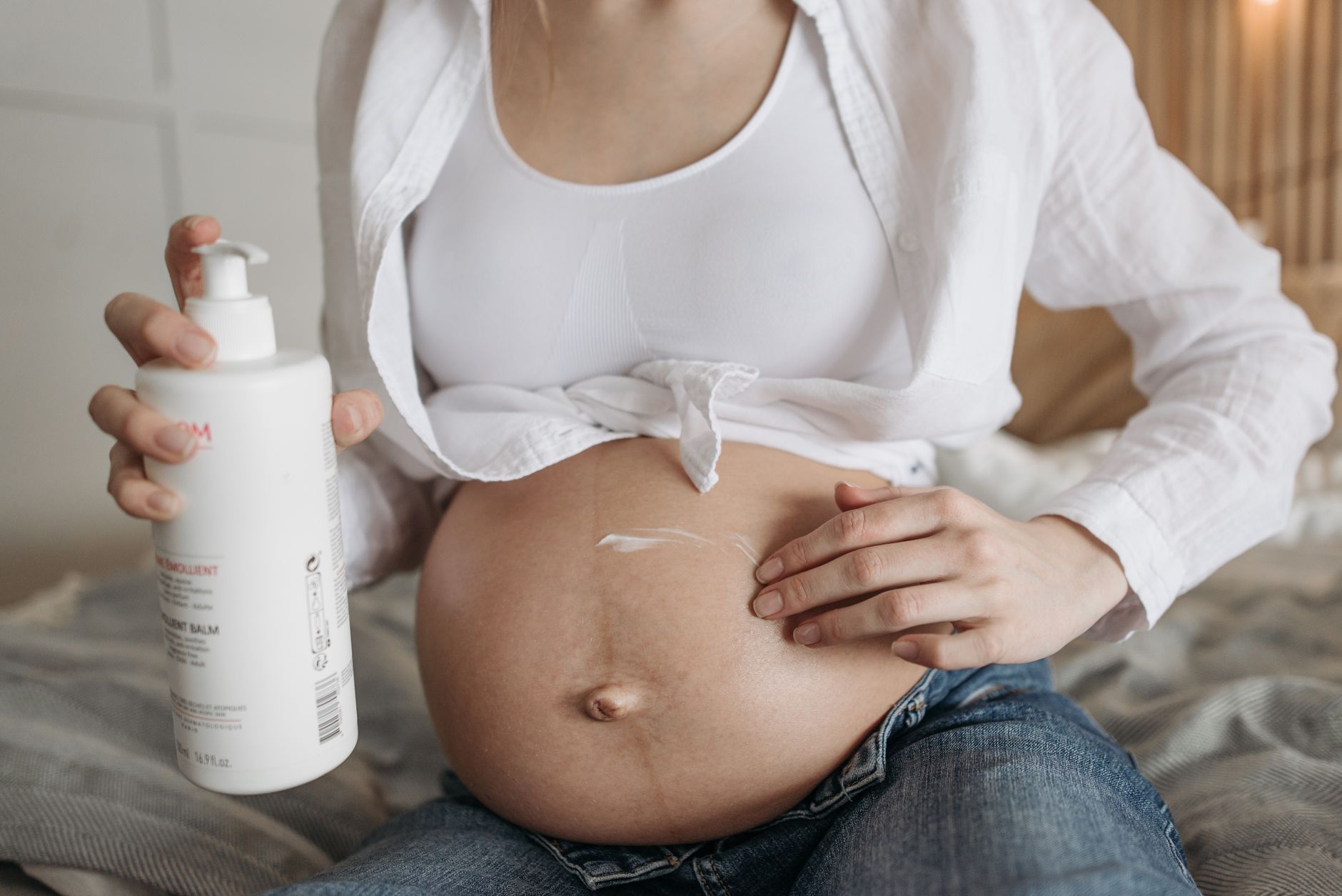
Yes, many pregnant individuals apply Bio Oil to the abdomen to keep the skin supple. The key is to use a thin layer, avoid massaging aggressively, and watch for any signs of irritation. If you experience any rash, discontinue use and discuss alternatives with your provider.
Apply only a thin layer to avoid over‑moisturizing and potential irritation.
Safe dosage / amount / brands
Because Bio Oil is a topical product, “dosage” refers to the amount applied per use. A pea‑size amount (≈0.5 ml) per body region, once or twice daily, is sufficient for most users. Choose reputable brands that list the complete ingredient list on the label to avoid hidden fragrances or additives. The original Bio Oil brand (manufactured by Chanel) meets standard cosmetic safety regulations in the US (FDA) and the UK (MHRA). If you prefer a fragrance‑free version, look for “Bio Oil Sensitive” or “Bio Oil for Sensitive Skin,” which omits many essential oils.
When selecting a product, verify that the packaging includes a batch number and expiration date, as older formulations can experience changes in fragrance stability that increase irritation risk. For those with a history of eczema, a fragrance‑free or hypoallergenic label is a helpful screening tool, but a patch test remains the gold standard.
Side effects and risks
Skin irritation: Redness, itching, or a rash may develop, especially if you have a history of eczema or fragrance sensitivity.
Allergic reaction: In rare cases, contact dermatitis can occur, requiring discontinuation and possible medical treatment.
Potential systemic absorption: Theoretical and unlikely at typical use levels, but caution is advised in the first trimester.
If you notice any of the above, especially spreading beyond the application site or accompanied by fever, contact your obstetrician promptly. Most side effects are mild and resolve after stopping the product.
Special considerations for Bio Oil use during pregnancy
Is Bio Oil safe for pregnant people with eczema?
Eczema can make the skin barrier more permeable, increasing the chance of irritation from fragrances. The ACOG Committee Opinion (2020) advises that “pregnant patients with active dermatologic conditions should use fragrance‑free, hypoallergenic moisturizers whenever possible.” For eczema‑prone skin, the fragrance‑free “Bio Oil Sensitive” version or a pure mineral‑oil product like Vaseline may be a gentler alternative.
Can Bio Oil be combined with other prenatal skin‑care products?
Layering products is common, but it’s best to apply the least irritating product first. For example, a gentle, fragrance‑free cleanser followed by a thin layer of Bio Oil can lock in moisture without overwhelming the skin. Avoid stacking multiple products that contain essential oils or high concentrations of vitamin E, as this can increase the risk of contact dermatitis. Always allow each layer to fully absorb before applying the next.
Is Bio Oil safe for use on post‑C‑section scars?
Post‑C‑section scar tissue is still healing for several weeks. While Bio Oil’s silicone component can help maintain hydration, many surgeons recommend silicone‑gel sheets or medical‑grade silicone ointments for scar management because they have a stronger evidence base for reducing hypertrophic scarring. If you choose Bio Oil, apply it only after the incision is fully closed and the skin is no longer raw, and monitor closely for any signs of infection.
Consider fragrance‑free options for sensitive skin during pregnancy.
Safer alternatives
Palmer’s Cocoa Butter – fragrance‑free and widely endorsed by obstetricians for its simple, hypoallergenic formula.
Burt’s Bees Mama Bee Belly Butter – contains shea butter and vitamin E, both considered safe for pregnancy skin.
Earth Mama Angel Baby Natural Stretch Oil – organic jojoba and avocado oils without essential oils.
The Honest Company Organic Belly Balm – USDA‑organic, free of parabens and phthalates.
Mustela Stretch Marks Prevention Cream – clinically tested for use during pregnancy, with a gentle avocado‑derived base.
Related items — safety at a glance
Item
Verdict
One‑line note
Palmer’s Oil
✅ Generally safe
Fragrance‑free version recommended for sensitive skin.
Coconut Oil
✅ Generally safe
Pure, unrefined oil; low irritation risk.
Tea Tree Oil
⚠️ Talk to your doctor
Potent essential oil; avoid in first trimester.
Vitamin E Oil
✅ Generally safe
Antioxidant; can be used in moderate amounts.
Jojoba Oil
✅ Generally safe
Non‑comedogenic, good for stretch‑mark prevention.
Argan Oil
✅ Generally safe
Rich in fatty acids; well‑tolerated.
Sweet Almond Oil
✅ Generally safe
Mild, suitable for most skin types.
Myth vs. fact
Myth: Bio Oil can guarantee no stretch marks.
Fact: No topical product can completely prevent stretch marks; consistent moisturization may reduce severity.
Myth: Because Bio Oil is “non‑comedogenic,” it’s safe for acne‑prone skin during pregnancy.
Fact: While it’s less likely to clog pores, the fragrance and essential oils can still irritate acne‑prone skin.
Myth: Applying Bio Oil will harm the baby.
Fact: Current evidence suggests minimal systemic absorption, but precaution is advised, especially in the first trimester.
Key takeaways
Bio Oil is generally low‑risk, but discuss use with your provider, especially in the first trimester.
Apply only a thin layer (≈0.5 ml) once or twice daily; avoid over‑application.
Watch for skin irritation; discontinue if redness, itching, or rash develops.
Consider fragrance‑free alternatives like Palmer’s Cocoa Butter or Earth Mama Stretch Oil for a safer option.
Always patch‑test new products and keep your obstetrician informed of any skin‑care changes.
Frequently asked questions
Can I use bio oil on my face while pregnant?
Yes, you can use Bio Oil on your face, but limit the amount and monitor for irritation; many dermatologists recommend fragrance‑free moisturizers for facial use during pregnancy.
Does bio oil help with stretch marks during pregnancy?
Bio Oil may improve skin hydration and elasticity, which can lessen the severity of stretch marks, but it does not guarantee prevention.
Is bio oil safe for breastfeeding mothers?
It is generally considered low‑risk for breastfeeding mothers, but because data are limited, most providers advise using a minimal amount and confirming with a pediatrician.
Can I use bio oil on my skin after pregnancy?
Yes, post‑partum use is widely accepted; many women continue Bio Oil to support scar healing and skin recovery.
How long does it take for bio oil to work on stretch marks?
Visible improvement typically takes 8–12 weeks of consistent, twice‑daily application, though results vary based on individual skin type.
Is bio oil good for scars and stretch marks after pregnancy?
Post‑partum, Bio Oil can aid in softening scar tissue and improving skin tone, but other scar‑specific products may offer stronger evidence of benefit.
Can I mix bio oil with other oils during pregnancy?
Mixing Bio Oil with other fragrance‑free oils (like jojoba or coconut) is usually safe, but avoid adding essential‑oil‑rich blends that could increase irritation risk.
Is Bio Oil safe for use on a newborn’s skin?
While Bio Oil is marketed for adult skin, pediatric dermatologists generally advise using products specifically formulated for infants; a gentle, fragrance‑free baby oil is a safer choice for newborns.
What should I do if I develop a rash after using Bio Oil?
Stop using the product immediately, rinse the area with cool water, and contact your obstetrician or dermatologist to rule out contact dermatitis or infection.
When to call your doctor
If you develop any of the following after using Bio Oil, contact your obstetrician or midwife right away:
Severe itching, redness, or swelling that spreads beyond the application site.
Signs of infection such as pus, warmth, or fever.
Unusual skin discoloration or blistering.
Any systemic symptoms like dizziness or shortness of breath.
These guidelines are informational only and do not replace personalized medical advice. Always discuss any new skin‑care product with your health‑care provider.
References
American College of Obstetricians and Gynecologists. “Medication Safety During Pregnancy.” ACOG Committee Opinion No. 797, 2020.
National Health Service (NHS). “Skin care in pregnancy.” Updated 2022.
U.S. Food and Drug Administration (FDA). “Cosmetics: Safety and Regulations.” Accessed July 2024.
Centers for Disease Control and Prevention (CDC). “Pregnancy and Skin Conditions.” 2023.
World Health Organization (WHO). “Essential Oils: Safety Guidelines.” 2021.
Journal of Cosmetic Dermatology. “Comparison of Bio Oil and Palmer’s Cocoa Butter on stretch‑mark reduction.” 2020.
Dermatologic Therapy. “Topical moisturizers for scar management: A systematic review.” 2018.
European Medicines Agency. “Transdermal absorption of essential oils: Review of current evidence.” 2022.
American Academy of Dermatology (AAD). “Moisturizer selection for eczema‑prone skin during pregnancy.” 2021.
Not sure about the label on Is Bio Oil Safe During Pregnancy products?
Snap the ingredients list (or paste it, or scan the barcode) and SafeFilter checks every ingredient against your stage of pregnancy — flagging what to avoid, what needs care, and what's fine.
When Shubhra Mishra was expecting her first child in 2016, she was overwhelmed by conflicting food advice — one site said yes, another said never. By the time her second baby arrived in 2019, she realized millions of mothers face the same confusion.
That sparked a five-year journey through clinical nutrition papers, cultural diets, and expert conversations — all leading to BumpBites: a calm, compassionate space where science meets everyday motherhood.
Her long-term vision is to build a global community ensuring safe, supported, and free deliveriesfor every mother — because no woman should face pregnancy alone or uninformed. 🌿
🌍 Stand with mothers, shape safer guidance
Join a small circle of experts who review BumpBites articles so expecting parents everywhere can decide with confidence.