Safe: Cephalexin is considered safe for pregnancy, especially after the first trimester, with a typical adult dose of 250‑500 mg every 6‑8 hours. Learn about usage, risks, and alternatives.
By Shubhra Mishra — a mom of two who turned her own confusion during pregnancy into BumpBites, a global mission to make food choices clear, safe, and stress-free for every expecting mother. 💛
Check whether any food is safe during pregnancy with the BumpBites Food Safety Checker.
Download the Complete Pregnancy Food Guide (10,000 Foods) 📘
Instant PDF download • No spam • Trusted by thousands of moms
💡 Your email is 100% safe — no spam ever.
Quick verdict: ✅ Cephalexin is generally considered safe for pregnancy when used at the recommended dose; most obstetric guidelines, including ACOG and the NHS, list it as a Category B antibiotic. It crosses the placenta in small amounts but has not been linked to birth defects, and it can be used throughout all trimesters under medical supervision.
It’s 2 a.m., you’re scrolling through a pharmacy website, and a sudden wave of worry hits you: “Is cephalexin safe for pregnancy?” You may have already taken a dose for a urinary tract infection (UTI) or a skin infection, or you might be wondering whether to start treatment now that you’ve confirmed your pregnancy. First, breathe. The short answer is that cephalexin is generally regarded as safe for pregnant people, but there are nuances—dosage, timing, and alternatives—that matter.
In this article we’ll walk you through everything you need to know about cephalexin safe for pregnancy. We’ll break down the safety verdict, look at each trimester’s considerations, discuss recommended dosing, compare brand‑name and generic options, outline possible risks, and suggest safer antibiotic alternatives when appropriate. By the end you’ll have a clear, evidence‑based picture and know exactly when to call your provider.
We’ve gathered guidance from the American College of Obstetricians and Gynecologists (ACOG), the National Health Service (NHS), the U.S. Food and Drug Administration (FDA), and the Centers for Disease Control and Prevention (CDC), so you can trust the information is up to date. Many expecting parents tell us they feel overwhelmed by conflicting information online, but we want to reassure you that for cephalexin, the medical consensus is clear and consistent.
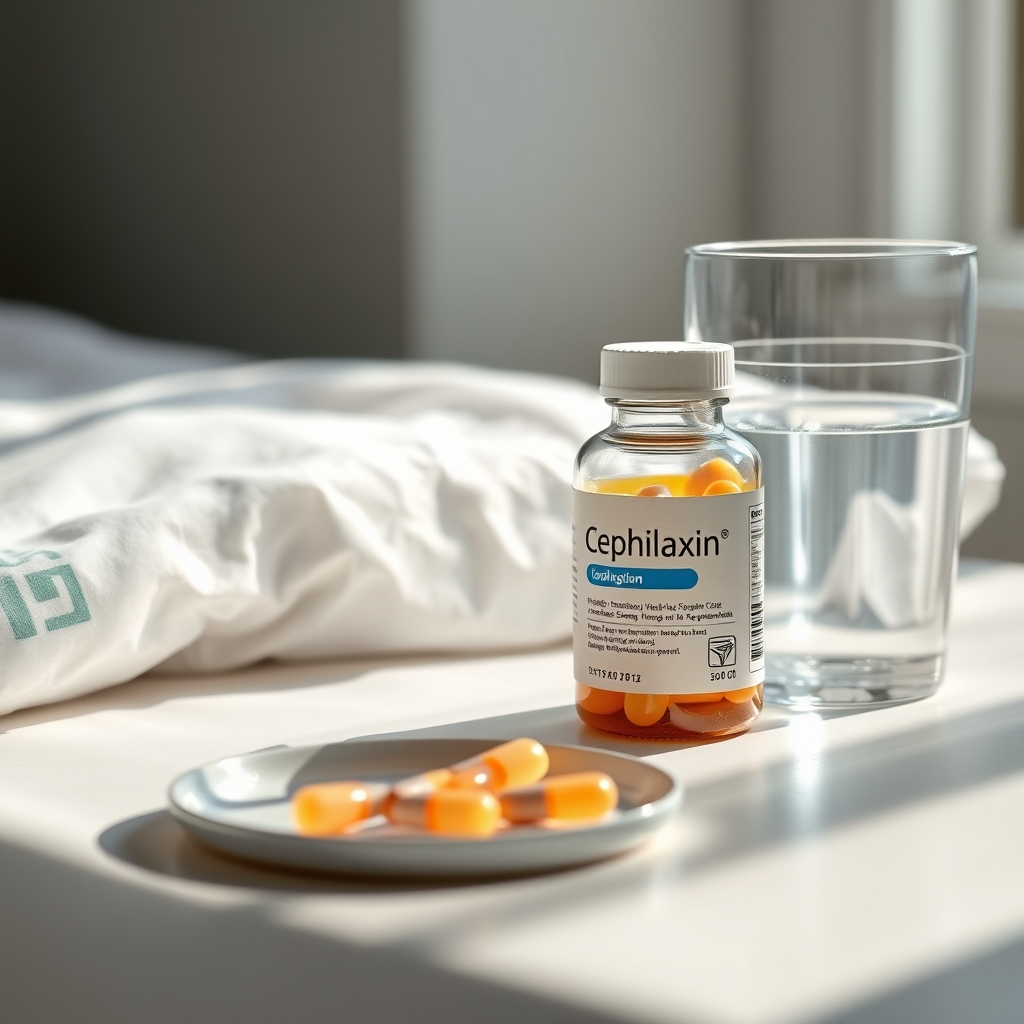
Keep a clear medication schedule; a simple bottle of cephalexin on your nightstand can help you track doses.
Stage
Verdict
Notes
First trimester
✅ Generally safe
Used when benefits outweigh any theoretical risk; no increase in birth defect rates reported.
Second trimester
✅ Generally safe
Effective for common infections; standard adult dosing is appropriate.
Third trimester
✅ Generally safe
Crosses placenta minimally; monitor for neonatal jaundice if prolonged use.
Breastfeeding
✅ Generally safe
Small amounts enter breast milk; considered compatible with nursing.
What is cephalexin?
Cephalexin is a first‑generation cephalosporin antibiotic, often prescribed under the brand name Keflex or as a generic. It works by disrupting bacterial cell wall synthesis, leading to the death of susceptible bacteria. Because of its broad activity against gram‑positive organisms and some gram‑negative bacteria, it’s frequently used for skin infections, respiratory tract infections, and urinary tract infections (UTIs). The drug is taken orally, usually in capsule or liquid form, making it convenient for outpatient treatment.
Cephalexin belongs to the same family as other cephalosporins, which are structurally related to penicillins but have a slightly different chemical ring. This difference often translates to a lower risk of allergic cross‑reaction, though people with a penicillin allergy should still discuss options with their provider. The medication is absorbed well from the gut, reaches peak plasma concentrations within an hour, and is excreted largely unchanged by the kidneys, which is why dose adjustments may be needed in renal impairment. Its rapid absorption and excretion mean it effectively targets bacteria in the urinary tract and skin tissues, which are common sites of infection during pregnancy.
For pregnant patients, the key question is whether the drug’s ability to cross the placenta poses any danger to the developing fetus. The answer hinges on extensive clinical data and regulatory classifications, which provide reassurance about its use. Understanding how cephalexin works helps to appreciate why it’s a preferred choice for many infections when you’re expecting.
Cephalexin tablets are easy to swallow with water, fitting into a simple daily routine.
Is cephalexin safe during pregnancy?
Current evidence indicates that cephalexin is safe for use in pregnancy. The FDA classifies cephalexin as a Category B medication. This classification means that animal reproduction studies have not demonstrated a risk to the fetus, and while there are no adequate and well‑controlled studies in pregnant women, the drug is considered unlikely to cause harm. ACOG’s Practice Bulletin on Antibiotic Use in Pregnancy lists cephalexin among the preferred agents for many common infections, specifically citing its safety profile and effectiveness in treating conditions like urinary tract infections, which if left untreated, pose significant risks to both mother and baby.
Data from the NHS and the CDC reinforce this view. Large retrospective cohort studies, analyzing outcomes for thousands of pregnant individuals exposed to cephalexin, have consistently found no increase in major congenital malformations compared with unexposed controls. This robust body of evidence is what gives obstetricians confidence in prescribing cephalexin. Moreover, the drug’s pharmacokinetics—it crosses the placenta minimally and is rapidly excreted by the kidneys—further reduces the likelihood of fetal accumulation to harmful levels.
Nevertheless, no medication is entirely risk‑free, and the decision to use any antibiotic during pregnancy always involves weighing the benefits against potential, even if theoretical, risks. The theoretical concern is that any antibiotic could alter the maternal microbiome, which in turn might influence fetal development or increase the risk of allergies later in life. However, the clinical relevance of this effect is still under investigation, and the benefits of treating an active bacterial infection—especially a UTI, which can escalate to pyelonephritis (kidney infection) and potentially lead to preterm labor if left untreated—far outweigh any unproven or theoretical risks associated with cephalexin.
In short, for most pregnant patients, cephalexin safe for pregnancy is strongly supported by authoritative medical bodies, and it remains a first‑line, well‑tolerated choice when an antibiotic is indicated. If your doctor has prescribed it, you can feel confident in following their guidance.
Is cephalexin safe to take during each trimester of pregnancy?
First trimester
The first trimester is the period of organogenesis, when the fetus’s major organs are forming, making clinicians especially cautious about medication exposure. Cephalexin, however, has consistently not been associated with an increased risk of birth defects. Studies reviewed by ACOG and other global health organizations show no statistical rise in congenital anomalies when cephalexin is used during the critical first 12 weeks. If you have a confirmed bacterial infection, treating it promptly with cephalexin is generally recommended to prevent more serious complications that could arise from an untreated infection.
Second trimester
In the second trimester, the risk of teratogenicity (causing birth defects) is significantly lower, and the focus shifts to managing infections that could affect maternal health or cause late-term complications. Cephalexin continues to be considered safe, and many guidelines specifically endorse its use for uncomplicated UTIs, skin infections, and certain respiratory infections during weeks 13‑27. The drug’s safety profile remains consistent, and dosing does not need adjustment unless there are underlying changes in maternal renal function, which your doctor will monitor.
Third trimester
During the third trimester, the primary concern for any medication is the potential for neonatal outcomes after birth, such as jaundice or the emergence of antibiotic-resistant bacteria. Cephalexin crosses the placenta minimally, and the CDC reports no increase in neonatal complications when mothers receive cephalexin near term. Some clinicians advise monitoring newborn bilirubin levels if the mother has been on cephalexin for an extended period, particularly close to delivery, but routine use for appropriate indications is still deemed safe and effective.
Breastfeeding
Cephalexin is excreted into breast milk in low concentrations, typically less than 1% of the maternal dose. The American Academy of Pediatrics (AAP) classifies it as compatible with breastfeeding, meaning it is unlikely to harm a nursing infant. Most lactating mothers can continue the medication without needing to pump or discard milk. While rare, watch for mild side effects in the infant such as changes in bowel habits (diarrhea) or a rash, and discuss any concerns with a pediatrician.
Cephalexin for asymptomatic bacteriuria (ASB) in pregnancy
Asymptomatic bacteriuria (ASB) is the presence of bacteria in the urine without symptoms of a urinary tract infection. It’s surprisingly common in pregnancy, affecting 2-10% of expectant mothers. While it doesn't cause immediate discomfort, ASB is a significant risk factor for developing pyelonephritis (kidney infection) and can increase the risk of preterm labor and low birth weight if left untreated. For this reason, ACOG strongly recommends screening for and treating ASB in early pregnancy.
Cephalexin is a first-line antibiotic for treating ASB due to its efficacy against common urinary pathogens and its excellent safety profile in pregnancy. A typical course for ASB might be 7 days. Timely treatment with cephalexin can effectively eradicate the bacteria, significantly reducing the chances of more serious complications for both you and your baby. Always ensure you complete the full course of antibiotics, even if you feel better, to prevent recurrence and resistance.
What is the recommended cephalexin dosage for pregnant women?
Standard adult dosing for cephalexin typically ranges from 250 mg to 500 mg taken orally every 6 hours, or 1 g every 12 hours for more severe infections. For pregnant patients, the same dosing regimen is generally recommended, as pregnancy does not significantly alter the drug’s pharmacokinetics in a way that would require a different dose. However, physiological changes in pregnancy, such as increased glomerular filtration rate (GFR), can sometimes lead to faster drug clearance. Your provider will consider these factors, especially if you have reduced kidney function—a condition that can be more common in later pregnancy or with pre-existing kidney issues—and may adjust the dose or interval to ensure optimal therapeutic levels without unnecessary accumulation.
It’s crucial to always follow the exact prescription written by your healthcare provider. Do not self-medicate or adjust your dose. If you miss a dose, take it as soon as you remember unless the next scheduled dose is near; in that case, skip the missed dose and continue with your regular schedule. Do not double up on doses to make up for a missed one. Completing the full course of antibiotics, even if symptoms improve, is vital to fully eradicate the infection and prevent antibiotic resistance.
Infection type
Typical adult dose
Notes for pregnancy
Uncomplicated UTI / ASB
500 mg every 6 hours (2 g/day) for 7 days
Safe throughout pregnancy; crucial for preventing pyelonephritis and preterm labor; ensure adequate hydration.
Skin infection (e.g., cellulitis, impetigo)
250 mg every 6 hours (1 g/day) or 500 mg every 8 hours
Standard dosing applies; monitor for rash or signs of worsening infection.
Respiratory infection (e.g., mild pneumonia)
500 mg every 8 hours
Same as non‑pregnant adults; consider accompanying cough relief measures or fever reducers safe in pregnancy.
Can I use generic cephalexin or brand names like Keflex while pregnant?
Yes. Both generic cephalexin and the brand name Keflex contain the same active ingredient, cephalexin monohydrate, and are considered therapeutically interchangeable in terms of safety and efficacy. The FDA rigorously requires that generic versions meet the same quality, strength, purity, and stability standards as the brand‑name product. This means that generic cephalexin is bioequivalent to Keflex, delivering the same amount of drug to the bloodstream in the same amount of time. ACOG does not differentiate between the two, so you can confidently choose whichever is more affordable or accessible, knowing you are receiving equivalent treatment.
When selecting a product, whether generic or brand-name, look for reputable manufacturers that follow Good Manufacturing Practices (GMP). In the United States, common generic manufacturers include Teva, Mylan, and Sandoz, all of which are well-established and regulated. If you have a known penicillin allergy, discuss it thoroughly with your provider; while cross‑reactivity between penicillins and cephalosporins like cephalexin is low (around 1-5%), caution is still advised, and alternative antibiotics might be considered depending on the severity of your previous reaction.
What are the potential risks of taking cephalexin during pregnancy?
While cephalexin is generally safe, it’s important to be aware of potential risks. The most common side effects are mild gastrointestinal upset, such as nausea, vomiting, or diarrhea. These are usually temporary and can sometimes be mitigated by taking the medication with food. Allergic reactions, including skin rash or itching, can occur, and in very rare cases, a severe allergic response (anaphylaxis) can develop, which is a medical emergency.
Crucially, there is no consistent evidence linking cephalexin to an increased risk of congenital anomalies, miscarriage, or preterm birth when used appropriately for its approved indications. The extensive clinical experience and studies support its safety profile regarding fetal development. However, as with any antibiotic, overuse or inappropriate use can contribute to the global problem of antibiotic resistance, making infections harder to treat in the future. Therefore, cephalexin should only be taken when prescribed by a healthcare provider for a confirmed or strongly suspected bacterial infection.
Pregnant patients should also be aware of the possibility of neonatal jaundice if cephalexin is used extensively or very close to delivery, though this risk is considered low. This is typically managed by monitoring the newborn's bilirubin levels by the pediatric team. Additionally, antibiotics can sometimes disrupt the natural balance of beneficial bacteria, potentially leading to yeast infections (candidiasis), which are more common in pregnancy and can be treated with pregnancy-safe antifungal medications.
How does cephalexin affect pregnancy complications such as UTIs?
Urinary tract infections (UTIs) are particularly common during pregnancy, affecting up to 10 % of pregnant people due to physiological changes that make them more susceptible. Untreated UTIs pose significant risks, including progression to pyelonephritis (kidney infection), which can lead to maternal sepsis, preterm labor, and low birth weight. Cephalexin is highly effective against the most frequent uropathogens, especially Escherichia coli, which causes the majority of UTIs. By clearing the infection promptly and effectively, cephalexin plays a critical role in preventing these serious maternal and fetal complications.
Clinical guidelines from the CDC, ACOG, and WHO consistently recommend a 7‑day course of cephalexin (or nitrofurantoin, depending on the trimester) as first‑line therapy for uncomplicated UTIs and asymptomatic bacteriuria in pregnancy. Studies have shown that when cephalexin is used appropriately, the rates of recurrent infection and adverse pregnancy outcomes are significantly reduced and are comparable to those seen with other safe antibiotics. Its favorable safety profile, combined with its efficacy, makes it an indispensable tool in managing these common pregnancy-related infections.
If you experience recurrent UTIs, your provider might suggest prophylactic low‑dose cephalexin or an alternative regimen, always balancing benefits and potential risks. The goal is to keep you and your baby healthy throughout your pregnancy by proactively managing infection risks.
What side effects should I watch for when taking cephalexin while pregnant?
Understanding potential side effects is important, but remember that most people tolerate cephalexin well. Common, mild side effects include:
Nausea or mild stomach upset: This is often manageable by taking the medication with food or a small snack.
Diarrhea: Usually mild and self‑limited. Staying hydrated is key.
Skin rash or itching: Often a mild, non-allergic reaction. If it's widespread or accompanied by other symptoms, it could be a sign of a more serious allergic response.
Vaginal yeast infection: Antibiotics can disrupt the normal flora, leading to an overgrowth of yeast. This can be treated with pregnancy-safe antifungal creams or suppositories.
More serious, though rare, reactions to be aware of and that warrant immediate medical attention:
Severe allergic reaction (anaphylaxis): Symptoms include widespread hives, swelling of the face, lips, tongue, or throat, difficulty breathing, or dizziness. This requires immediate emergency medical care.
Clostridioides difficile infection (C. diff): This is a more severe form of diarrhea that can occur with antibiotic use. Watch for persistent watery diarrhea (more than three days), severe abdominal pain, fever, or blood/mucus in your stool. Contact your provider urgently if these symptoms develop.
Signs of liver involvement: Although very rare, if you notice yellowing of your skin or the whites of your eyes (jaundice), dark urine, or persistent nausea and vomiting, seek urgent medical evaluation.
If any of these red‑flag symptoms develop, stop the medication and contact your obstetrician or go to the nearest emergency department. Your safety and your baby's safety are the top priority.
Safer alternatives
While cephalexin is a safe and effective choice, your doctor may consider other antibiotics based on the specific infection, bacterial susceptibility, or your individual medical history (e.g., allergies).
Amoxicillin: A penicillin‑type antibiotic with an excellent safety record in pregnancy, often a first‑line choice for many respiratory, ear, and urinary tract infections.
Penicillin V: Another well‑studied and safe option, particularly effective for streptococcal infections.
Erythromycin: A macrolide antibiotic considered safe and a good option, especially for patients with a penicillin allergy, used for certain respiratory and skin infections.
Azithromycin: A longer‑acting macrolide that can be taken once daily, useful for respiratory infections and some sexually transmitted infections during pregnancy.
Nitrofurantoin: Often preferred for uncomplicated UTIs, safe in most trimesters except near term (after 36 weeks) due to a rare theoretical risk of neonatal hemolysis in infants with G6PD deficiency.
Clindamycin: Effective for anaerobic infections and certain bacterial vaginosis treatments, considered safe in pregnancy, though it can cause gastrointestinal upset.
Ampicillin: Another penicillin-class antibiotic, often used intravenously for more severe infections or for Group B Strep prophylaxis.
These alternatives are all endorsed by ACOG and the NHS as pregnancy‑compatible antibiotics. Your provider will choose the best option based on the infection type, local bacterial resistance patterns, and any personal allergies you may have.
Related items — safety at a glance
Antibiotic
Verdict
One‑line note
Cefuroxime
✅ Generally safe
Second‑generation cephalosporin, similar safety profile to cephalexin; often used for broader spectrum infections.
Cefdinir
✅ Generally safe
Third‑generation cephalosporin used for respiratory and skin infections; limited specific pregnancy data but no teratogenic signal.
Cefazolin
✅ Generally safe
First‑generation cephalosporin, often given intravenously for surgical prophylaxis (e.g., C-sections); safe in pregnancy.
Cefaclor
✅ Generally safe
Older first‑generation cephalosporin; safe but less commonly prescribed now due to newer options.
Cefprozil
✅ Generally safe
Second‑generation cephalosporin effective for sinus and ear infections; safety comparable to cephalexin.
Cefotaxime
✅ Generally safe
Third‑generation cephalosporin, used intravenously for serious infections; safe in pregnancy and breastfeeding.
Amoxicillin/Clavulanate (Augmentin)
✅ Generally safe
Combination antibiotic, safe for pregnancy; effective for resistant strains but can cause more GI upset.
Doxycycline
❌ Best avoided
Tetracycline antibiotic, generally avoided in 2nd/3rd trimesters due to potential for fetal tooth discoloration and bone effects.
Ciprofloxacin
⚠️ Talk to your doctor first
Fluoroquinolone antibiotic, generally reserved for specific infections where other safer options are not effective; limited data.
Myth vs. fact
Myth: All antibiotics are risky for the developing baby. Fact: Not all antibiotics carry the same risk. Cephalexin, a Category B drug, has extensive data showing no increase in birth defects, making it a safe and often necessary choice when a bacterial infection is present during pregnancy. Untreated infections can pose greater risks.
Myth: You must avoid any medication once you discover you’re pregnant. Fact: While caution is always advised, completely avoiding necessary medications can be more harmful than taking them. Untreated infections like UTIs can lead to serious complications such as preterm labor. Cephalexin safe for pregnancy is endorsed because it balances efficacy with a low risk profile.
Myth: Generic versions are less safe or less effective than brand‑name antibiotics. Fact: Generic cephalexin meets the same rigorous FDA standards as Keflex for quality, strength, purity, and stability. This means safety and effectiveness are equivalent; the choice can be guided by price and availability, not perceived safety differences.
Myth: If I feel better, I can stop my antibiotic early. Fact: Stopping antibiotics early can lead to a recurrence of the infection and contribute to antibiotic resistance. Always complete the full course as prescribed by your doctor, even if your symptoms have improved significantly.
Key takeaways
Cephalexin is generally safe for pregnancy and is listed as Category B by the FDA, with extensive data supporting its use in all trimesters.
Standard adult dosing (250‑500 mg every 6 hours) applies unless renal function dictates adjustment; always complete the full prescribed course.
Both generic cephalexin and brand‑name Keflex are equally safe and effective; choose a reputable manufacturer.
Common side effects are mild (nausea, diarrhea, rash); severe allergic reactions require immediate medical attention.
Cephalexin is a preferred treatment for common pregnancy infections like UTIs and asymptomatic bacteriuria, preventing serious complications.
Safer alternatives include amoxicillin, penicillin V, erythromycin, azithromycin, nitrofurantoin, and clindamycin.
Always discuss any antibiotic use with your obstetric provider, especially if you have a penicillin allergy, kidney issues, or any concerns.
Frequently asked questions
Is cephalexin safe during pregnancy?
Yes—cephalexin is considered safe for use throughout pregnancy when prescribed at the appropriate dose. ACOG and the NHS list it as a preferred antibiotic for many infections, and no increase in birth defects has been identified in extensive studies.
Can I take cephalexin while breastfeeding?
Yes—cephalexin passes into breast milk in low concentrations and is classified as compatible with breastfeeding by the AAP, meaning it is unlikely to harm a nursing infant. Monitor for mild changes in the baby's stool or a rash.
What are the side effects of cephalexin for pregnant women?
Typical side effects include mild nausea, diarrhea, and occasional rash. Rare but serious reactions can involve severe allergic responses (hives, swelling, difficulty breathing) or Clostridioides difficile infection (persistent watery diarrhea); seek medical care if you develop these symptoms.
How long is it safe to use cephalexin during pregnancy?
Cephalexin can be used for the full course prescribed—usually 7‑10 days for most infections—without added risk. Prolonged use beyond the treatment period, such as for prophylaxis, should always be discussed with your provider to assess necessity and continued safety.
Do I need a prescription for cephalexin during pregnancy?
Yes—cephalexin is a prescription‑only antibiotic. Your obstetrician or primary‑care provider will evaluate the infection, determine if cephalexin is the most appropriate treatment, and write a prescription if the benefits outweigh any theoretical risks.
Can cephalexin cause birth defects?
Current data do not show an association between cephalexin and birth defects. It is classified as Category B by the FDA, indicating no evidence of teratogenicity in human studies and low risk in animal studies, supporting its safe use during all trimesters.
What if I accidentally took cephalexin before I knew I was pregnant?
If you took cephalexin before you knew you were pregnant, try not to panic. Cephalexin is considered safe in the first trimester, the period when organogenesis occurs. The risk of birth defects or other complications from early exposure is extremely low. Inform your obstetrician at your first prenatal visit, but rest assured that accidental early exposure to cephalexin is generally not a cause for concern.
Can cephalexin prevent Group B Strep (GBS) infection in newborns?
Cephalexin is not typically used for intrapartum Group B Strep (GBS) prophylaxis during labor. The preferred antibiotics for GBS prevention are penicillin or ampicillin, administered intravenously during labor to prevent transmission to the newborn. Cephalexin may be used to treat GBS bacteriuria found earlier in pregnancy, but it's not the standard for preventing GBS transmission during delivery.
When to call your doctor
If you experience any of the following while taking cephalexin, contact your obstetrician or seek emergency care immediately:
Severe rash, widespread hives, or swelling of the face, lips, or throat.
Difficulty breathing or shortness of breath.
Persistent watery diarrhea lasting more than three days, especially with abdominal cramping or fever.
Yellowing of the skin or eyes (jaundice) or unusually dark urine.
Signs of preterm labor, such as regular uterine contractions before 37 weeks, persistent backache, or vaginal bleeding.
Any signs of a worsening infection, such as increasing fever, redness, or pain.
For any other concerns—like uncertainty about dosage, missed doses, or questions about alternative antibiotics—schedule a call with your provider. Remember, this article provides general information and is not a substitute for personalized medical advice from your healthcare team.
References
American College of Obstetricians and Gynecologists. “Antibiotic Use in Pregnancy.” ACOG Practice Bulletin No. 237, 2022.
National Health Service (NHS). “Cephalexin.” NHS Medicines Information, 2023.
U.S. Food and Drug Administration (FDA). “Drug Safety Communication: Cephalexin Pregnancy Category B.” FDA, 2021.
Centers for Disease Control and Prevention (CDC). “Urinary Tract Infection (UTI) Treatment Guidelines for Pregnant Women.” CDC, 2022.
American Academy of Pediatrics (AAP). “Breastfeeding and Medication.” AAP Committee on Drugs, 2020.
World Health Organization (WHO). “Guidelines for the Treatment of Common Infections in Pregnancy.” WHO, 2021.
Briggs, G. G., Freeman, R. K., & Yaffe, S. J. (2021). Drugs in Pregnancy and Lactation: A Reference Guide to Fetal and Neonatal Risk (12th ed.). Wolters Kluwer.
Mayo Clinic. “Cephalexin (Oral Route) Precautions.” Mayo Clinic, 2023.
Not sure about the label on Is Cephalexin Safe During Pregnancy products?
Snap the ingredients list (or paste it, or scan the barcode) and SafeFilter checks every ingredient against your stage of pregnancy — flagging what to avoid, what needs care, and what's fine.
When Shubhra Mishra was expecting her first child in 2016, she was overwhelmed by conflicting food advice — one site said yes, another said never. By the time her second baby arrived in 2019, she realized millions of mothers face the same confusion.
That sparked a five-year journey through clinical nutrition papers, cultural diets, and expert conversations — all leading to BumpBites: a calm, compassionate space where science meets everyday motherhood.
Her long-term vision is to build a global community ensuring safe, supported, and free deliveriesfor every mother — because no woman should face pregnancy alone or uninformed. 🌿
🌍 Stand with mothers, shape safer guidance
Join a small circle of experts who review BumpBites articles so expecting parents everywhere can decide with confidence.