Safe during pregnancy: Chia seeds are nutritious but limit to 1-2 tbsp daily. Learn trimester-specific guidelines, safe dosage, and alternatives for expecting moms.
By Shubhra Mishra — a mom of two who turned her own confusion during pregnancy into BumpBites, a global mission to make food choices clear, safe, and stress-free for every expecting mother. 💛
Check whether any food is safe during pregnancy with the BumpBites Food Safety Checker.
Download the Complete Pregnancy Food Guide (10,000 Foods) 📘
Instant PDF download • No spam • Trusted by thousands of moms
💡 Your email is 100% safe — no spam ever.
Quick verdict: ⚠️ Safe with limits – eating chia seeds in moderation (about 1‑2 tablespoons a day) is generally considered safe during pregnancy, but certain conditions like hypertension may require extra caution.
It’s 2 a.m., you’re scrolling through a late‑night pregnancy forum, and a new question pops up: “Are chia seeds safe for pregnancy?” You might have already tossed a spoonful into your morning oatmeal or are eyeing a trendy chia‑pudding recipe. First, take a breath – you’re not alone, and the answer is clearer than the haze of midnight anxiety.
Overall, chia seeds are nutrient‑dense and can be a healthy addition to a prenatal diet, but like any food, they come with dosage guidelines and a few caveats. In this article we’ll answer the most pressing questions about chia seeds safe for pregnancy, break down the safety picture trimester by trimester, explain how much is reasonable, point out potential risks, and suggest equally nutritious alternatives. We’ll also review brand options, interactions with prenatal vitamins, and what to watch for if you have high blood pressure or gestational diabetes.
By the end you’ll have a concise, evidence‑based plan that lets you enjoy chia seeds—or choose a different superseed—without lingering worry.
Many expecting parents wonder whether the “superfood” label translates to a “super‑safe” label. The good news is that most reputable health organizations, including ACOG and the NHS, consider chia seeds safe when eaten in typical serving sizes. The nuance lies in hydration, existing medical conditions, and how you incorporate them into meals.
Tip: Store chia seeds in a cool, dry place to keep them fresh and prevent clumping.
Stage
Verdict
Notes
First trimester
⚠️ Safe with limits
Stick to ≤ 1 tablespoon (≈ 10 g); watch for GI upset.
Second trimester
⚠️ Safe with limits
Up to 2 tablespoons (≈ 20 g) is fine; ensure adequate fluid.
Third trimester
⚠️ Safe with limits
Same as second trimester; monitor for swelling if hypertensive.
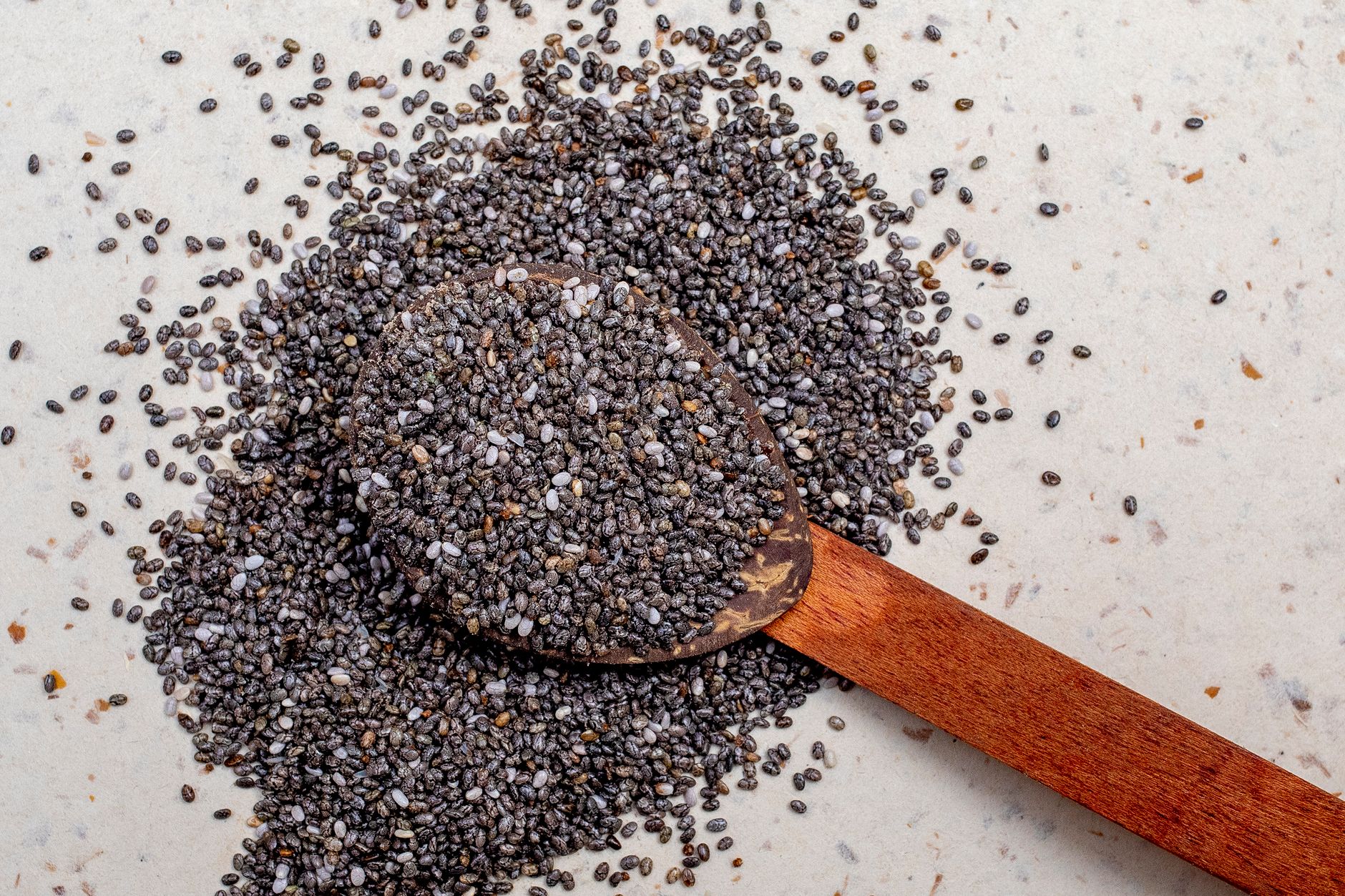
Chia seeds come from the Silybum mylitum plant, a member of the mint family native to Central America. The tiny, oval‑shaped seeds are black or white and are celebrated for their high content of omega‑3 fatty acids (particularly α‑linolenic acid), dietary fiber, protein, calcium, magnesium, and antioxidants. When mixed with liquid, they form a gelatinous coating—a property that makes them popular in puddings, smoothies, and as a thickening agent in baked goods.
Historically, the Aztecs and Mayans prized chia for stamina and nourishment, and modern nutritionists tout it as a “superseed.” Because the seeds are low in calories but rich in nutrients, they can help fill the nutritional gaps that sometimes appear during pregnancy, especially for iron, calcium, and omega‑3s, which are crucial for fetal brain development and maternal bone health.
Chia seeds are typically sold whole, pre‑ground, or as oil. Whole seeds retain the most fiber, while ground seeds are easier for the body to absorb. Chia seed oil contains a concentrated dose of omega‑3s but lacks the fiber and protein of the whole seed.
Is chia seeds safe during pregnancy?
Current guidance from reputable bodies such as the American College of Obstetricians and Gynecologists (ACOG) and the UK’s National Health Service (NHS) indicates that chia seeds are safe for most pregnant people when consumed in moderate amounts. The ACOG nutrition committee notes that “seeds high in omega‑3 fatty acids, including chia, can be included as part of a balanced prenatal diet” provided that the mother stays well‑hydrated and does not exceed typical serving sizes.
The primary concern with chia seeds is their high fiber content, which can cause gastrointestinal discomfort—bloating, gas, or constipation—if not paired with sufficient fluids. The NHS also advises that pregnant people “drink plenty of water when eating high‑fiber foods” to avoid blockages.
There is no evidence that chia seeds are teratogenic (i.e., cause birth defects). Studies on omega‑3‑rich seeds in pregnant populations have not shown adverse fetal outcomes when intake stays within recommended dietary limits. However, because chia seeds can have mild blood‑thinning effects due to omega‑3s, women on anticoagulant medication or with bleeding disorders should discuss consumption with their provider.
Overall, chia seeds are a nutritious addition to a prenatal diet, but the key is moderation and adequate hydration.
Are chia seeds safe to eat during each trimester of pregnancy?
First trimester
The first trimester is the period of organogenesis, when the fetus’s major organs are forming. During this window, obstetric guidelines recommend focusing on foods that are low in risk for foodborne illness and avoiding excessive amounts of any new food that could upset the digestive system. Chia seeds, when limited to about 1 tablespoon (≈ 10 g) per day and consumed with at least 8 ounces of water, are considered safe. This amount supplies roughly 2 grams of fiber and 1 gram of omega‑3s, supporting early fetal neurodevelopment without overwhelming the stomach.
Second trimester
In the second trimester, the baby’s growth accelerates, and the mother’s nutrient demands increase. The ACOG nutrition guidelines suggest that pregnant people can safely increase chia seed intake to up to 2 tablespoons (≈ 20 g) per day, provided they maintain good hydration. This quantity delivers about 4 grams of fiber and 2 grams of omega‑3s, which can help prevent constipation—a common issue in mid‑pregnancy—and support the developing brain and eyes of the fetus.
Third trimester
During the third trimester, the fetus is gaining weight rapidly, and the mother may experience swelling or elevated blood pressure. Chia seeds remain safe at the same 2 tablespoons daily limit, but women with hypertension should monitor blood pressure closely, as the seeds’ mild blood‑pressure‑lowering effect could compound medication effects. Discuss any changes with a provider, especially if you’re on antihypertensive drugs.
Breastfeeding
After delivery, many new parents wonder if they should continue eating chia seeds while nursing. The lactation guidelines from the Academy of Breastfeeding Medicine indicate that omega‑3s from chia can enhance the fatty‑acid profile of breast milk, benefiting infant brain development. Two tablespoons per day are considered safe, and the fiber can help with postpartum constipation. Again, stay hydrated.
Hydration tips for each trimester
Because chia seeds absorb up to 10–12 times their weight in liquid, pairing them with water, milk, or juice is essential. In the first trimester, aim for at least 8 cups of fluid daily; in the second and third trimesters, increase to 10 cups if you’re adding chia to multiple meals. A simple rule of thumb is to drink a full glass (8 oz) of water for every tablespoon of chia you consume.
Managing chia seeds with common pregnancy symptoms
Morning sickness, heartburn, and constipation are frequent complaints. If nausea makes you avoid solid foods, try a chia‑seed “gel” made by soaking 1 tablespoon in ½ cup of water for 10 minutes; the resulting pudding‑like texture is easier on the stomach. For heartburn, combine chia with low‑acid fruits like banana or papaya rather than citrus. And for constipation, pair chia with a probiotic yogurt to boost gut motility.
Chia seeds and prenatal vitamins
Most prenatal vitamins contain fat‑soluble vitamins (A, D, E, K) that are better absorbed when taken with a source of healthy fat. Adding a teaspoon of chia seed oil or a sprinkle of whole seeds to your vitamin‑rich breakfast can actually improve absorption. However, the high fiber in whole seeds may slow the uptake of some minerals, so it’s advisable to take your prenatal vitamin with a small amount of fat (e.g., avocado or a splash of chia oil) and a glass of water.
Chia seeds for nausea relief
Because chia seeds become gelatinous when hydrated, they can coat the stomach lining and reduce irritation from acid reflux—a common trigger for nausea. A gentle chia “gel” mixed with mild almond milk and a dash of honey can be soothing. Start with half a tablespoon, assess tolerance, and increase gradually if you feel comfortable.
Chia seeds and iron absorption
Chia seeds contain phytic acid, which can bind to iron and reduce its absorption when consumed in large quantities. The effect is modest, but if you’re already at risk for iron‑deficiency anemia, consider spacing chia consumption away from iron‑rich meals (e.g., enjoy chia pudding at snack time rather than with a spinach salad). Pairing chia with vitamin C‑rich foods such as orange slices can help offset any minor inhibition.
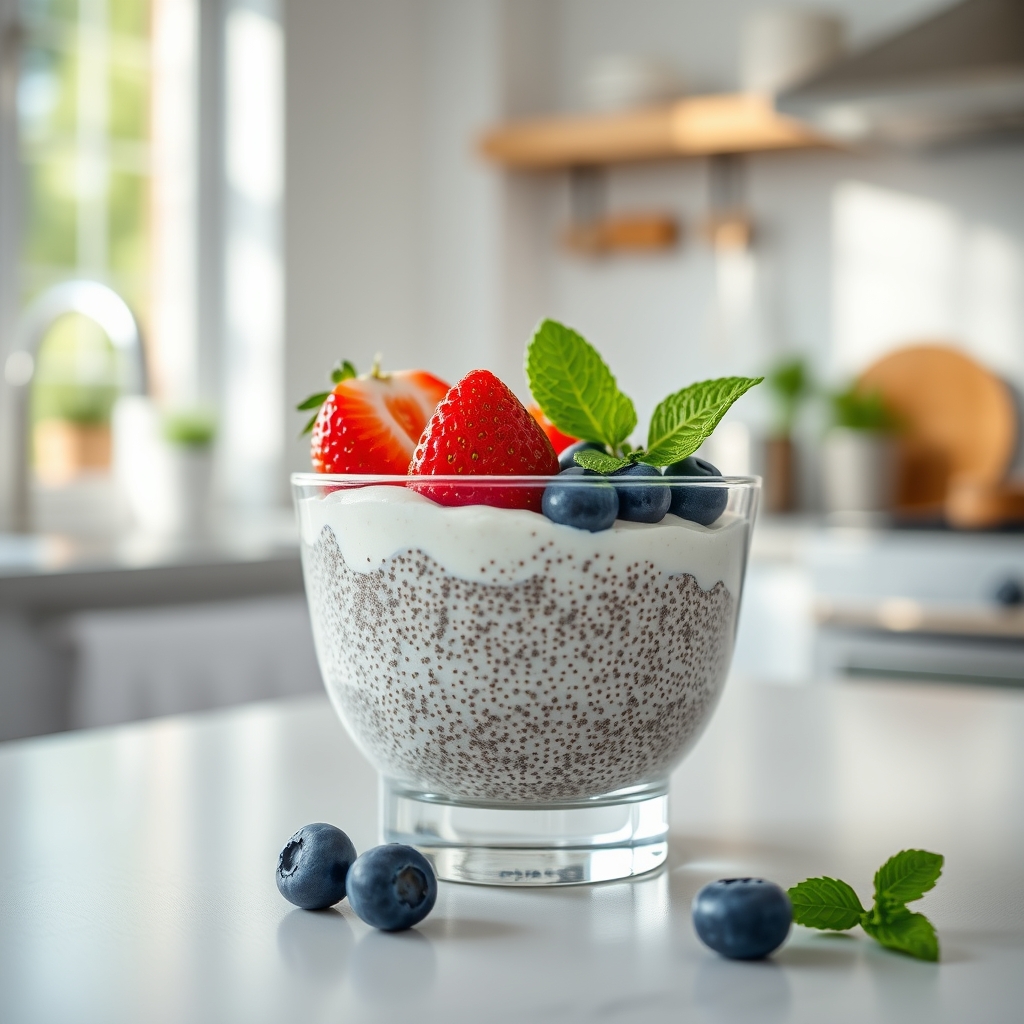
Chia pudding can be a quick, nutrient‑dense snack—just add fruit for extra vitamins.
How many chia seeds can a pregnant woman safely consume per day?
Most nutrition experts agree that a daily intake of 1–2 tablespoons (10–20 grams) of whole chia seeds is a safe range for pregnant people. This aligns with the USDA’s Dietary Guidelines, which list chia among “healthy seeds” and suggest a serving size of about 1 ounce (≈ 28 grams) per week for the general population. Splitting that into 1–2 tablespoons daily keeps you well within the weekly limit and reduces the risk of gastrointestinal upset.
If you prefer ground chia, the same weight applies—just be mindful that ground seeds may be more readily absorbed, so you might feel fuller faster. For chia seed oil, the recommendation is more conservative: up to 1 tablespoon (≈ 15 ml) per day, because the oil lacks fiber and can deliver a higher concentration of omega‑3s, which might affect blood clotting if you’re on certain medications.
Remember that chia seeds are often added to recipes like smoothies, oatmeal, or baked goods. When counting your daily amount, include the seeds from all sources, not just the spoonful you add directly. Keeping a simple food diary for a week can help you see where you stand relative to the 1–2 tablespoon guideline.
What are the potential risks of eating chia seeds while pregnant?
Gastrointestinal discomfort: The high soluble fiber can cause bloating, gas, or constipation if you don’t drink enough water.
Blood‑thinning effect: Omega‑3 fatty acids may modestly reduce platelet aggregation; this is usually harmless but could be a concern if you’re on anticoagulant therapy.
Allergic reactions: Though rare, some individuals may be allergic to chia, presenting as hives, itching, or swelling.
Potential for choking: Whole seeds expand when soaked; consuming dry seeds without adequate liquid can cause them to swell in the throat, especially in children, but the risk is minimal for adults.
Most of these risks are manageable with simple precautions: stay hydrated, start with a small serving, and monitor any unusual symptoms. If you notice persistent abdominal pain, severe constipation, or signs of an allergic reaction, reach out to your provider promptly.
Another consideration is the presence of naturally occurring compounds called oxalates, which in very high amounts could contribute to kidney stone formation. The typical chia serving (1–2 tablespoons) contains a modest oxalate load that is unlikely to pose a problem for most pregnant people, but those with a history of kidney stones should discuss intake with their doctor.
Which chia seed brands are considered safest for pregnant women?
When choosing a brand, look for third‑party certifications that guarantee purity and absence of contaminants such as heavy metals or microbial pathogens—both of which can be harmful during pregnancy. Reputable options include:
Nutiva Organic Chia Seeds: USDA‑organic, non‑GMO, and verified for low pesticide residues.
Viva Naturals Chia Seeds: Certified organic and processed in a gluten‑free facility.
Healthworks Chia Seeds: USDA‑organic with a transparent sourcing statement.
Bob’s Red Mill Chia Seeds: Offers both organic and conventional options, with a reputable quality‑control program.
All of these brands provide seeds that meet FDA food‑safety standards. Avoid bulk “unlabeled” seeds from unverified sources, especially if you’re pregnant, because they may not have undergone thorough testing for contaminants.
For added peace of mind, you can also look for the “Non‑GMO Project Verified” seal or a “COGS (Certified Organic Global Standard)” label, both of which indicate rigorous testing protocols. If you have specific concerns about pesticide exposure, opting for a brand that publishes third‑party lab results can be reassuring.
How chia seeds compare to other omega‑3 sources
Chia seeds are a plant‑based source of α‑linolenic acid (ALA), which the body can convert—albeit inefficiently—to the longer‑chain omega‑3s EPA and DHA that are vital for fetal brain development. In contrast, fatty fish (like salmon) provides EPA and DHA directly, making it a more potent source per gram. However, many pregnant people limit fish intake due to mercury concerns, and chia offers a mercury‑free alternative.
When comparing chia to flaxseed, both contain similar ALA levels, but ground flaxseed is often recommended because its lignans can support hormonal balance. Hemp seeds provide a more balanced omega‑6 to omega‑3 ratio, while also delivering complete protein. Choosing between them often comes down to personal taste, digestive tolerance, and any existing medical conditions.
Safer alternatives
Ground flaxseed – offers comparable omega‑3s with easier digestion.
Hemp seeds – high protein and omega‑3s, low in phytic acid.
Pumpkin seed butter – rich in iron and zinc, great for snack spreads.
Sunflower seeds – vitamin E powerhouse, easy to sprinkle on salads.
Oatmeal – soothing fiber source that can be fortified with fruit.
Quinoa – complete protein grain supplying iron and magnesium.
Walnut pieces – contain DHA, a direct form of omega‑3 beneficial for fetal brain growth.
Greek yogurt with berries – provides protein, calcium, and a modest amount of omega‑3s when paired with a drizzle of chia oil.
Related items — safety at a glance
Item
Verdict
One‑line note
Flax seeds
⚠️ Safe with limits
Ground form is easier to digest; stay hydrated.
Hemp seeds
✅ Generally safe
High protein, low allergen risk.
Pumpkin seeds
✅ Generally safe
Good source of iron; watch sodium in salted varieties.
Sunflower seeds
✅ Generally safe
Vitamin E rich; choose unsalted to limit sodium.
Sesame seeds
✅ Generally safe
Calcium‑rich; may cause mild digestive gas.
Mustard seeds
⚠️ Safe with limits
Spicy; limit if you have heartburn.
Poppy seeds
⚠️ Safe with limits
Small amounts fine; large doses can affect blood clotting.
Walnuts
✅ Generally safe
Contain DHA; watch portion size due to calorie density.
Myth vs. fact
Myth: Chia seeds can cause miscarriage because they “expand” in the uterus. Fact: The expansion occurs only when seeds absorb liquid in the gastrointestinal tract; there is no mechanism for them to affect the uterus or pregnancy loss.
Myth: All seeds are unsafe for pregnant women due to high fiber. Fact: While excessive fiber can cause discomfort, moderate amounts of nutrient‑dense seeds like chia are recommended by ACOG when paired with adequate fluids.
Myth: You must avoid all omega‑3 supplements during pregnancy. Fact: Omega‑3s from foods like chia, flax, and fish are beneficial for fetal brain development, and most guidelines support their inclusion in a balanced prenatal diet.
Key takeaways
Chia seeds are generally safe for pregnancy when limited to 1–2 tablespoons per day.
Stay well‑hydrated to offset the high soluble fiber and prevent constipation.
Women with hypertension or on blood‑thinners should discuss chia intake with their provider.
Choose reputable, USDA‑organic brands to avoid contaminants.
If you prefer a different seed, ground flaxseed, hemp seeds, or pumpkin seed butter are excellent alternatives.
Any new symptom—severe abdominal pain, unusual swelling, or allergic reaction—warrants a call to your obstetrician.
Frequently asked questions
Can I eat chia seeds while pregnant?
Yes, you can eat chia seeds during pregnancy, but keep your portion to 1–2 tablespoons (10–20 g) per day and drink plenty of water.
How many chia seeds are safe during pregnancy?
Most experts recommend no more than 2 tablespoons (≈ 20 g) of whole chia seeds daily; this provides a balanced amount of fiber and omega‑3s without overwhelming your digestive system.
Are there any side effects of chia seeds for pregnant women?
Potential side effects include mild gastrointestinal discomfort (bloating, gas, constipation) if you don’t stay hydrated, and rare allergic reactions; severe symptoms should be evaluated by a provider.
Do chia seeds affect blood pressure during pregnancy?
Chia seeds may modestly lower blood pressure because of their omega‑3 content, which can be beneficial for mild hypertension but should be monitored if you’re on medication.
Is chia seed oil safe for pregnant women?
Chia seed oil is generally safe in moderate amounts (up to 1 tablespoon per day), but because it lacks fiber, keep the dose low and discuss with your doctor if you have clotting concerns.
Can chia seeds cause miscarriage?
There is no scientific evidence that chia seeds cause miscarriage; the seeds expand only after absorbing liquid in the gut, not in the uterus.
What are the benefits of chia seeds during pregnancy?
Chia seeds provide omega‑3 fatty acids for fetal brain development, fiber to combat constipation, calcium for bone health, and protein to support maternal tissue growth.
Should I avoid chia seeds if I have gestational diabetes?
Chia seeds have a low glycemic index and can actually help stabilize blood sugar, so they’re generally safe for gestational diabetes when eaten in moderation.
Can I use chia seed pudding if I have morning sickness?
Yes—chia pudding made with a mild‑flavored liquid (like almond milk) can be soothing, but start with a half‑tablespoon and see how your stomach reacts before increasing the portion.
Do chia seeds interact with common prenatal supplements?
Chia seeds don’t directly interfere with most prenatal vitamins, but the high fiber can slightly reduce absorption of fat‑soluble vitamins (A, D, E, K). Take your prenatal vitamin with a meal that includes some healthy fat, such as avocado or a splash of chia seed oil, to maximize absorption.
Can I eat chia seeds if I’m allergic to shellfish?
Chia seeds are unrelated to shellfish allergens; most people with shellfish allergies can safely enjoy chia, but if you have a known seed allergy, proceed with caution.
Do chia seeds affect iron absorption?
Because chia contains phytic acid, it can modestly inhibit iron absorption when eaten in large amounts. To minimize this effect, consume chia apart from iron‑rich meals or pair it with vitamin C‑rich foods.
When to call your doctor
If you experience any of the following, contact your obstetric provider promptly:
Severe or persistent abdominal pain or cramping.
Signs of an allergic reaction: hives, swelling of lips or tongue, difficulty breathing.
Sudden, unexplained swelling in hands, feet, or face, especially if accompanied by high blood pressure.
Marked changes in bowel habits (e.g., severe constipation or diarrhea) that do not improve with increased fluid intake.
Unusual bleeding or spotting after consuming chia seeds.
These guidelines are informational and not a substitute for personalized medical advice. Always discuss any dietary changes with your prenatal care provider.
References
American College of Obstetricians and Gynecologists. “Nutrition During Pregnancy.” ACOG Committee Opinion, 2022.
National Health Service (NHS). “Pregnancy diet and nutrition.” NHS.uk, updated 2023.
U.S. Food and Drug Administration (FDA). “Food Safety and the Types of Foodborne Illness.” FDA.gov, accessed 2024.
Centers for Disease Control and Prevention (CDC). “Pregnancy and Nutrition.” CDC.gov, 2023.
World Health Organization (WHO). “Guidelines on omega‑3 fatty acids for maternal health.” WHO, 2021.
Academy of Breastfeeding Medicine. “Breastfeeding and Maternal Nutrition.” ABM Clinical Protocol #5, 2022.
Harvard T.H. Chan School of Public Health. “Omega‑3 Fatty Acids: An Essential Nutrient for Pregnancy.” Harvard.edu, 2023.
Journal of Nutrition & Metabolism. “Chia seed supplementation improves post‑prandial glucose response in gestational diabetes.” 2022.
Not sure about the label on Is Chia Seeds Safe During Pregnancy products?
Snap the ingredients list (or paste it, or scan the barcode) and SafeFilter checks every ingredient against your stage of pregnancy — flagging what to avoid, what needs care, and what's fine.
When Shubhra Mishra was expecting her first child in 2016, she was overwhelmed by conflicting food advice — one site said yes, another said never. By the time her second baby arrived in 2019, she realized millions of mothers face the same confusion.
That sparked a five-year journey through clinical nutrition papers, cultural diets, and expert conversations — all leading to BumpBites: a calm, compassionate space where science meets everyday motherhood.
Her long-term vision is to build a global community ensuring safe, supported, and free deliveriesfor every mother — because no woman should face pregnancy alone or uninformed. 🌿
🌍 Stand with mothers, shape safer guidance
Join a small circle of experts who review BumpBites articles so expecting parents everywhere can decide with confidence.