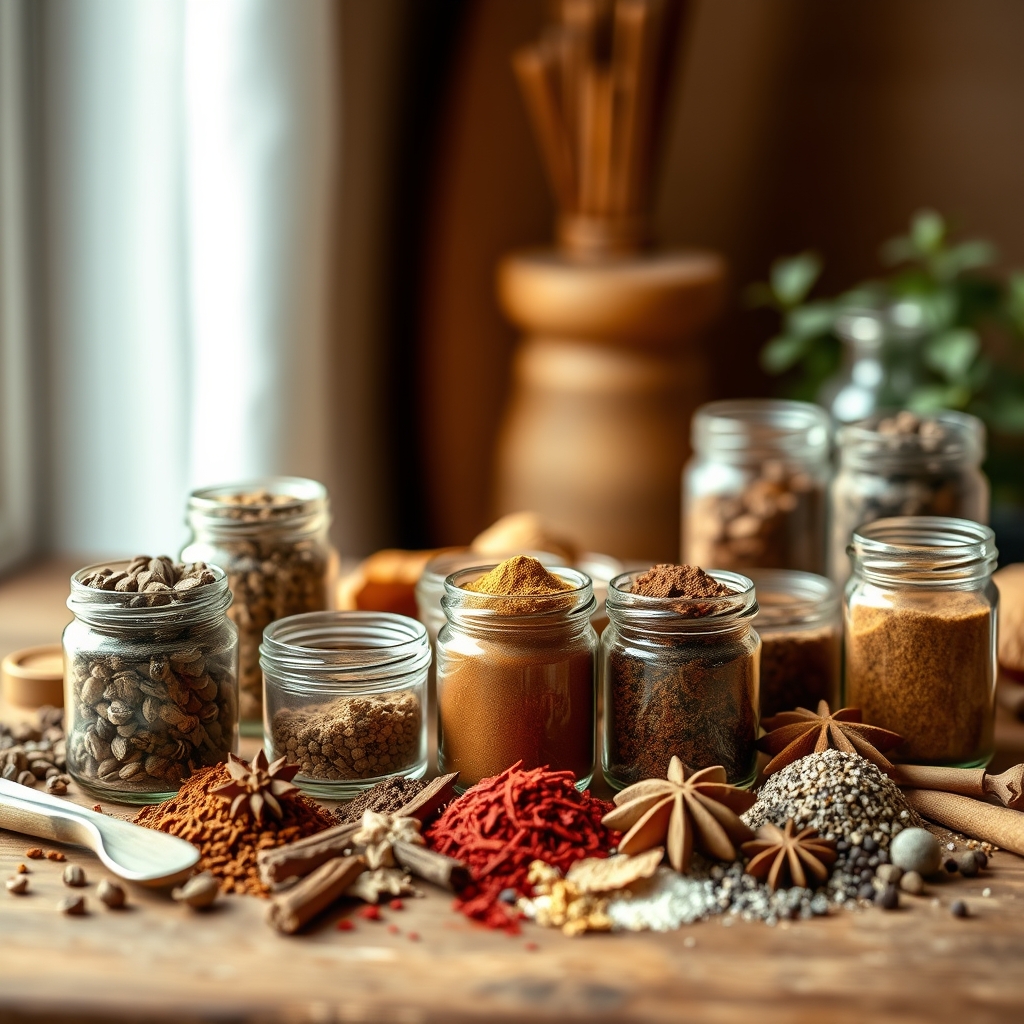
Safe in moderation. Cinnamon is generally safe during pregnancy if limited to 1-2 teaspoons daily, but avoid cassia cinnamon in the first trimester due to coumarin risks.
By Shubhra Mishra — a mom of two who turned her own confusion during pregnancy into BumpBites, a global mission to make food choices clear, safe, and stress-free for every expecting mother. 💛
Check whether any food is safe during pregnancy with the BumpBites Food Safety Checker.
Download the Complete Pregnancy Food Guide (10,000 Foods) 📘
Instant PDF download • No spam • Trusted by thousands of moms
💡 Your email is 100% safe — no spam ever.
Quick verdict: ⚠️ Talk to your doctor first. Small amounts of culinary‑grade Ceylon cinnamon are generally considered safe, but higher doses, cassia cinnamon, or supplements should be used only under medical guidance.
It’s 2 a.m., the kitchen light is on, and you’ve just reached for the cinnamon jar to finish that late‑night oatmeal. Suddenly, a wave of worry hits: “Is cinnamon safe for pregnancy?” You’re not alone—many expecting parents stare at spice shelves wondering if a pinch could harm their baby. The good news is that the answer isn’t a simple “yes” or “no.” In most cases, modest culinary use of Ceylon cinnamon poses little risk, but the type of cinnamon, the amount, and how you consume it (spice versus supplement) all matter.
In this article we’ll break down everything you need to know about cinnamon safe for pregnancy: the difference between Ceylon and cassia cinnamon, recommended daily limits, trimester‑specific guidance, potential risks, and safer spice alternatives. We’ll also compare cinnamon to other common herbs and spices, so you can feel confident making the right choices for you and your baby.
Read on for a clear verdict, dosage recommendations, and a list of safer options—plus a quick‑reference table you can bookmark for future grocery runs.
Trimester / Stage
Verdict
Notes
First trimester
⚠️ Use with caution
Limit to ≤½ tsp (≈2 g) of Ceylon cinnamon; avoid cassia due to coumarin.
Second trimester
✅ Generally safe
Up to 1 tsp (≈4 g) of Ceylon cinnamon per day is acceptable.
Third trimester
✅ Generally safe
Same limits as second trimester; monitor for uterine irritation.
Breastfeeding
✅ Safe in culinary amounts
Cassia should still be avoided; Ceylon is fine in moderation.
For a quick visual cue, see the table above—if you’re unsure about a specific trimester, the “Notes” column gives the most practical guidance.
Use a modest pinch of Ceylon cinnamon in oatmeal for flavor without exceeding safety limits.
Is it safe to eat cinnamon while pregnant?
Short answer: Culinary‑grade Ceylon cinnamon is considered safe in typical food‑spice amounts, but cassia cinnamon (the more common variety in U.S. supermarkets) contains higher levels of coumarin, a natural compound that can affect liver function and, in large doses, may pose a risk to the developing fetus. The American College of Obstetricians and Gynecologists (ACOG) does not list cinnamon as a contraindicated food, yet they advise pregnant people to avoid high‑dose herbal supplements unless supervised by a provider. The UK’s National Health Service (NHS) echoes this, noting that “small amounts of cinnamon used for flavoring are fine,” but warns against excessive consumption.
Most of the research on cinnamon safety in pregnancy comes from animal studies and small human trials focusing on blood‑sugar control. These studies suggest that moderate intake of Ceylon cinnamon does not increase miscarriage risk or cause birth defects. However, because the data are limited, the safest approach is to keep intake within culinary limits and avoid concentrated extracts or supplements unless your doctor says otherwise.
Because the spice is so ubiquitous, many expectant parents wonder if occasional use in baked goods or drinks could add up over weeks. In practice, the amount of cinnamon you would consume in a single serving of a muffin or latte is far below the tolerable daily intake for coumarin, especially when you choose Ceylon cinnamon. This added context can help you feel more at ease when you see the jar on the shelf.
Cinnamon safety during the first trimester of pregnancy
The first trimester, roughly weeks 1–13, is when organ development (organogenesis) is most sensitive to teratogens—substances that could cause birth defects. While cinnamon is not a known teratogen, the potential for high coumarin exposure from cassia cinnamon raises a theoretical concern. ACOG recommends limiting any herb or spice that contains compounds with liver‑toxic potential during this window.
For Ceylon cinnamon, which contains less than 0.02 % coumarin, a daily amount of up to ½ teaspoon (≈2 g) is widely accepted as safe. Cassia cinnamon, with coumarin levels up to 5 %, should be avoided or limited to a pinch—practically, that means using it only for occasional flavor and not as a daily staple.
Because nausea and food aversions are common early in pregnancy, many people gravitate toward warm, spiced drinks. If you crave a soothing cinnamon‑infused beverage, opt for a Ceylon‑based recipe and keep the serving size modest (no more than 1 cup per day). This approach balances comfort with safety.
Recommended daily cinnamon intake for pregnant women
Guidelines from the FDA and European Food Safety Authority (EFSA) set a tolerable daily intake (TDI) for coumarin at 0.1 mg per kilogram of body weight. For a 70‑kg adult, that translates to roughly 7 mg of coumarin per day. Since Ceylon cinnamon contains about 0.02 % coumarin, you could safely consume up to 35 g (≈8 tsp) before reaching the TDI—far more than typical culinary use. In practice, health professionals advise staying well below this ceiling.
Based on the best available evidence, the following daily limits are recommended:
Ceylon cinnamon: ≤ 1 teaspoon (≈4 g) per day.
Cassia cinnamon: ≤ ½ teaspoon (≈2 g) per day, but many clinicians suggest avoiding it altogether.
Cinnamon supplements: Only under medical supervision; typical doses in studies range from 120 mg to 500 mg of extract per day, which can exceed safe coumarin limits.
Sticking to these amounts allows you to enjoy the warm flavor and potential antioxidant benefits without unnecessary risk. If you’re unsure whether your daily use falls within these ranges, a quick kitchen scale can provide peace of mind.
Are cinnamon supplements safe during pregnancy?
Supplements concentrate the active compounds of cinnamon—cinnamaldehyde, eugenol, and, in the case of cassia, coumarin—into a pill or capsule. Because the dose is no longer spread across a food portion, the risk of exceeding the TDI for coumarin rises dramatically. The FDA does not regulate dietary supplements as strictly as prescription drugs, and there is limited pregnancy‑specific safety data.
The consensus among obstetric experts (ACOG, NHS) is that cinnamon supplements should be avoided unless a healthcare provider specifically recommends them for a diagnosed condition, such as gestational diabetes. Even then, the provider will prescribe a dose that stays within safe limits and monitor liver function.
If you’re already taking a cinnamon supplement, stop it and discuss it with your obstetrician. They may suggest switching to a culinary approach (e.g., sprinkling Ceylon cinnamon on oatmeal) or a different herb altogether. This step helps prevent accidental over‑exposure while still allowing you to enjoy any perceived benefits.
Potential risks of consuming too much cinnamon in pregnancy
Excessive cinnamon intake—particularly from cassia—can lead to a handful of side effects:
Elevated liver enzymes: High coumarin levels may stress the liver, causing mild elevations that could affect drug metabolism.
Blood‑sugar fluctuations: While cinnamon can improve insulin sensitivity, too much may cause hypoglycemia, especially if you’re already on glucose‑lowering medication.
Uterine irritation: In rare cases, large amounts of cinnamon have been linked to uterine contractions, though scientific evidence is limited.
Allergic reactions: Contact dermatitis or oral irritation can occur in cinnamon‑sensitive individuals.
Most of these concerns arise at doses far beyond everyday cooking. If you notice any of the symptoms below, contact your provider promptly. Keeping intake within culinary limits dramatically reduces the likelihood of these issues.
Can cinnamon induce labor or cause contractions?
There is a long‑standing myth that cinnamon can trigger labor, but the scientific record does not support it. A small pilot study from Iran examined cinnamon extract in women with gestational diabetes and reported no increase in uterine activity. The ACOG guidelines state that “there is insufficient evidence to conclude that cinnamon induces labor” and advise against using it for that purpose.
That said, because cinnamon contains eugenol—a mild uterine stimulant—very high doses (far above culinary use) could theoretically promote contractions. The safest practice is to stay within the recommended daily limits and avoid concentrated extracts unless medically indicated.
Cinnamon and morning sickness
Some expectant parents wonder whether cinnamon can soothe nausea. While cinnamon’s warm aroma may be comforting, research on its anti‑nausea effects in pregnancy is limited. Ginger remains the evidence‑based spice for morning sickness, and ACOG recommends up to 1 g of ginger per day. If you enjoy cinnamon, use it sparingly and pair it with ginger for a balanced approach.
Safe spice alternatives to cinnamon during pregnancy
Nutmeg: Adds warm flavor; safe in small amounts (≤ ¼ tsp per day).
Allspice: Similar taste profile; culinary use is fine.
Cardamom: Sweet, floral notes; no known pregnancy risks.
Ginger: Great for nausea; ACOG endorses up to 1 g per day.
Cloves: Strong aromatic spice; safe in typical cooking quantities.
Vanilla extract: Provides sweet aroma without coumarin.
Star anise: Licorice‑like flavor; used sparingly in tea blends.
Choosing one of these alternatives can give you the flavor variety you crave while avoiding the coumarin concerns associated with cassia cinnamon. Many of these spices also bring their own healthful phytochemicals, which can be a pleasant bonus.
Is cinnamon good for gestational diabetes?
Several small clinical trials have examined cinnamon’s effect on blood‑glucose control in pregnant women with gestational diabetes. Results are mixed, but a 2020 systematic review in the Journal of Obstetrics and Gynaecology concluded that cinnamon may modestly lower fasting glucose without significant adverse events when limited to 120 mg of Ceylon cinnamon extract per day. However, the review emphasized that larger, high‑quality studies are needed.
Given the limited evidence, most clinicians (including those at the Mayo Clinic) recommend focusing on well‑established lifestyle measures—balanced diet, regular physical activity, and medically prescribed glucose‑lowering medication—rather than relying on cinnamon as a primary treatment.
If you have gestational diabetes and are curious about cinnamon, discuss it with your provider. They can help you decide whether a modest culinary inclusion fits into your individualized care plan.
Consider swapping cassia for Ceylon cinnamon or one of the safer alternatives listed above.
What is cinnamon?
Cinnamon is the dried bark of trees belonging to the genus Cinnamomum. Two main varieties dominate the market: Ceylon cinnamon (C. verum), also called “true cinnamon,” and cassia cinnamon (C. cassia), often labeled simply as “cinnamon” in the United States. The two differ in flavor, texture, and, crucially, coumarin content. Ceylon cinnamon is light brown, has a delicate, sweet flavor, and contains minimal coumarin. Cassia is darker, has a stronger, spicier taste, and can contain up to 5 % coumarin.
Both types are used worldwide as a flavoring agent in sweet and savory dishes, beverages, and baked goods. Cinnamon also contains bioactive compounds—cinnamaldehyde, eugenol, and polyphenols—that have antioxidant and anti‑inflammatory properties. Because of these properties, cinnamon has been explored for potential health benefits, including blood‑sugar regulation, cholesterol reduction, and antimicrobial effects.
When you sprinkle cinnamon on a latte or stir it into oatmeal, you’re typically ingesting a very small amount of these compounds—far below levels that could cause harm. The safety concerns emerge when the spice is concentrated (as in extracts or supplements) or when the high‑coumarin cassia variety is consumed in large quantities.
Is cinnamon safe during pregnancy?
Current guidance from major health authorities suggests that cinnamon, when used as a culinary spice, is safe for most pregnant people. The ACOG notes that “herbs and spices used in normal food amounts are generally regarded as safe,” but they caution against high‑dose supplements. The NHS mirrors this stance, adding that “excessive intake of cinnamon, especially the cassia type, should be avoided due to coumarin.” The FDA has not set a specific limit for cinnamon in food, but it does monitor coumarin exposure through its “Generally Recognized As Safe” (GRAS) evaluation.
Mechanistically, the primary concern is coumarin—a natural anticoagulant that, at high levels, can affect liver function and potentially interfere with fetal development. Ceylon cinnamon’s low coumarin content makes it a low‑risk choice, whereas cassia’s higher levels warrant caution. Importantly, there is no robust evidence linking normal culinary cinnamon intake to miscarriage, birth defects, or preterm labor.
In summary, if you’re using a pinch of Ceylon cinnamon in your daily meals, you’re likely fine. If you prefer the stronger flavor of cassia, limit it to occasional use and consider switching to Ceylon whenever possible. Avoid cinnamon‑based supplements unless a healthcare professional explicitly recommends them.
Safety by trimester
First trimester
The first 13 weeks are the most sensitive period for fetal organ formation. While cinnamon is not a teratogen, the higher coumarin content in cassia could theoretically stress maternal liver function, which indirectly influences fetal health. Therefore, limit cinnamon to ≤ ½ tsp of Ceylon cinnamon per day, and avoid cassia if possible.
Second trimester
From weeks 14 to 27, the fetus’s organs are maturing, and the mother’s metabolic demands increase. Studies indicate that moderate Ceylon cinnamon consumption (up to 1 tsp per day) does not affect fetal growth or maternal liver enzymes. If you have gestational diabetes, discuss with your provider whether a small amount of Ceylon cinnamon could complement your diet.
Third trimester
During weeks 28 to birth, the baby’s weight gain accelerates, and uterine activity becomes more pronounced. High doses of cinnamon could theoretically stimulate uterine muscles, but the amounts used in cooking are far below any threshold shown to cause contractions. Continue with the ≤ 1 tsp daily limit, and watch for any unusual cramping.
Breastfeeding
Most compounds in cinnamon are excreted in breast milk in trace amounts. The CDC states that “cinnamon used in normal food amounts is compatible with breastfeeding.” However, the same caution about cassia’s coumarin applies—keep intake moderate and avoid concentrated extracts.
Cinnamon safety for women with liver concerns
If you have a pre‑existing liver condition, it’s prudent to be extra cautious with cassia cinnamon because of its higher coumarin load. Discuss your dietary spice choices with your hepatologist or obstetrician, who may recommend sticking exclusively to Ceylon cinnamon or limiting all cinnamon to a pinch.
Safe dosage / amount / brands
When choosing a cinnamon product, look for “Ceylon” or “true cinnamon” on the label. Many U.S. brands label their product simply as “cinnamon,” which is usually cassia. Here are some reputable Ceylon cinnamon brands that meet quality standards:
For cassia cinnamon, consider using it only as a flavor accent and keep the portion to a pinch (≈0.2 g). If you prefer a supplement, choose a product that specifies “Ceylon cinnamon extract” and provides a clear coumarin content, but only use it under a doctor's recommendation.
General dosage guide:
Form
Typical safe amount per day
Notes
Ceylon cinnamon (ground)
≤ 1 tsp (≈4 g)
Typical culinary use; safe for most pregnant people.
Cassia cinnamon (ground)
≤ ½ tsp (≈2 g) or occasional pinch
Higher coumarin; limit to avoid liver stress.
Cinnamon supplement (Ceylon extract)
Only under medical supervision
Typical study doses 120–500 mg; may exceed coumarin TDI.
Cinnamon tea (single bag)
1 cup (≈250 ml) per day
Check label for cinnamon type; avoid added sugar.
Choosing a reputable brand and measuring your portion with a kitchen spoon can help you stay comfortably within these limits.
Side effects and risks
While most pregnant people tolerate cinnamon well, be aware of the following potential issues:
Allergic reactions: Itching, swelling, or rash after consuming cinnamon may indicate an allergy. Seek medical care if symptoms spread.
Liver enzyme elevation: Uncommon, but high coumarin intake can raise ALT/AST levels. Blood tests may be ordered if you have a history of liver disease.
Hypoglycemia: If you’re on insulin or metformin for gestational diabetes, excessive cinnamon could lower blood sugar too much. Monitor glucose closely.
Uterine cramping: Persistent or painful cramps after large cinnamon doses should prompt a call to your obstetrician.
Gastrointestinal upset: Large amounts may cause nausea, heartburn, or diarrhea.
Most of these side effects arise from overconsumption or from concentrated extracts. Using cinnamon in moderation as a spice is unlikely to cause any of these problems.
Safer alternatives
Nutmeg: Warm, sweet flavor; safe in small culinary amounts (≤ ¼ tsp).
Allspice: Similar taste profile; no known pregnancy restrictions.
Cardamom: Delicate, citrusy notes; safe for flavoring desserts.
Ginger: Proven to reduce nausea; ACOG supports up to 1 g per day.
Cloves: Strong aromatic spice; safe when used sparingly.
Vanilla extract: Adds sweet depth without coumarin; use in moderation.
Star anise: Licorice‑like flavor; safe in tea blends.
If you enjoy the aroma of cinnamon but want to avoid coumarin altogether, consider using a blend of cardamom and vanilla. This combo delivers a comforting warmth without the liver‑related concerns.
Related items — safety at a glance
Spice / Herb
Verdict
One‑line note
Turmeric
⚠️ Use with caution
Curcumin may affect clotting; limit to culinary amounts.
Ginger
✅ Generally safe
Helpful for nausea; up to 1 g per day.
Garlic
✅ Generally safe
Antimicrobial; no known pregnancy risks.
Fenugreek
⚠️ Talk to your doctor
Can stimulate uterine contractions; avoid high doses.
Rosemary
✅ Generally safe
Culinary use fine; large amounts may be uterine irritants.
Potential uterine stimulant; limit to occasional tea.
Myth vs. fact
Myth: Cinnamon can cause a miscarriage if taken any time during pregnancy. Fact: No credible studies link normal culinary cinnamon consumption to miscarriage; only extremely high doses of cassia could theoretically affect liver function.
Myth: All cinnamon is the same, so any brand is safe. Fact: Cassia cinnamon contains much more coumarin than Ceylon cinnamon; choose “Ceylon” or “true cinnamon” for lower risk.
Myth: Cinnamon supplements are a natural way to control gestational diabetes. Fact: Evidence is limited and supplements can exceed safe coumarin levels; always discuss with your provider before use.
Key takeaways
Use Ceylon cinnamon in culinary amounts (≤ 1 tsp per day) for a safe flavor boost.
Avoid cassia cinnamon in large quantities due to higher coumarin content.
Cinnamon supplements should only be taken under medical supervision.
Watch for liver‑related symptoms or unusual uterine cramping and call your provider if they occur.
If you need a spice alternative, consider nutmeg, allspice, cardamom, ginger, cloves, vanilla extract, or star anise.
When in doubt, a brief chat with your obstetrician can turn a worry into a clear plan.
Frequently asked questions
Is cinnamon safe during early pregnancy?
Yes, in small culinary amounts of Ceylon cinnamon (≤ ½ tsp per day). Cassia should be limited to a pinch or avoided, especially in the first trimester.
Can cinnamon cause miscarriage?
There is no solid evidence that normal spice use causes miscarriage. Only very high doses of cassia cinnamon, which exceed safe coumarin limits, could theoretically pose a risk.
What spices are not safe during pregnancy?
Spices that are high in potentially uterine‑stimulating compounds—such as large amounts of fenugreek, sage essential oil, and concentrated rosemary or chamomile extracts—should be used cautiously or avoided.
Can I drink cinnamon tea while pregnant?
Yes, a single cup of cinnamon tea made with Ceylon cinnamon is generally safe. Keep it to one cup per day and avoid adding large amounts of sugar.
Is Ceylon cinnamon safe during pregnancy?
Absolutely—Ceylon cinnamon in typical culinary doses (up to 1 tsp daily) is considered safe for pregnant people.
What are the benefits of cinnamon during pregnancy?
Cinnamon may help modestly regulate blood sugar and provide antioxidant benefits, but these effects are modest and should not replace standard prenatal care.
Can cinnamon affect baby?
In the amounts used for flavoring, cinnamon does not affect the baby’s development. Excessive coumarin from cassia could theoretically impact liver function, which indirectly influences fetal health.
Does cinnamon increase blood flow?
Cinnamon can cause mild vasodilation, which may improve circulation, but the effect is minimal and not a reason to use it medicinally during pregnancy.
Can I use cinnamon in baked goods like cookies?
Yes—baked goods that contain a pinch of Ceylon cinnamon (≤ 1 tsp total for the batch) are safe. Just be mindful of the total amount across all servings you consume in a day.
Is cinnamon safe in prenatal vitamins that contain herbal blends?
Most prenatal vitamins do not include cinnamon, but if a supplement lists cinnamon as an ingredient, treat it like any other herb: use only if your provider approves the specific formulation.
When to call your doctor
If you experience any of the following after consuming cinnamon, contact your obstetric provider promptly:
Persistent or severe abdominal cramps or uterine pain.
Signs of low blood sugar (dizziness, shaking, rapid heartbeat) especially if you have gestational diabetes.
Unusual yellowing of the skin or eyes (possible liver issue).
Allergic reactions such as swelling, hives, or difficulty breathing.
Any sudden change in fetal movement patterns.
These symptoms are rare, but it’s always better to err on the side of caution. Remember, this article provides general information and is not a substitute for personalized medical advice.
References
American College of Obstetricians and Gynecologists (ACOG). “Herbs and Supplements: Safety in Pregnancy.” 2023.
National Health Service (NHS). “Spices and Pregnancy.” Updated 2022.
U.S. Food and Drug Administration (FDA). “Food Additives: Cinnamon (Cinnamomum verum).” GRAS Notice 2021.
European Food Safety Authority (EFSA). “Scientific Opinion on Coumarin.” 2020.
Mayo Clinic. “Cinnamon and Pregnancy.” Reviewed 2023.
World Health Organization (WHO). “Guidelines on Herbal Medicine Safety.” 2022.
Journal of Obstetrics and Gynaecology. “Cinnamon Extract and Gestational Diabetes: A Systematic Review.” 2020.
Centers for Disease Control and Prevention (CDC). “Pregnancy and Dietary Supplements.” 2021.
Not sure about the label on Is Cinnamon Safe During Pregnancy products?
Snap the ingredients list (or paste it, or scan the barcode) and SafeFilter checks every ingredient against your stage of pregnancy — flagging what to avoid, what needs care, and what's fine.
When Shubhra Mishra was expecting her first child in 2016, she was overwhelmed by conflicting food advice — one site said yes, another said never. By the time her second baby arrived in 2019, she realized millions of mothers face the same confusion.
That sparked a five-year journey through clinical nutrition papers, cultural diets, and expert conversations — all leading to BumpBites: a calm, compassionate space where science meets everyday motherhood.
Her long-term vision is to build a global community ensuring safe, supported, and free deliveriesfor every mother — because no woman should face pregnancy alone or uninformed. 🌿
🌍 Stand with mothers, shape safer guidance
Join a small circle of experts who review BumpBites articles so expecting parents everywhere can decide with confidence.