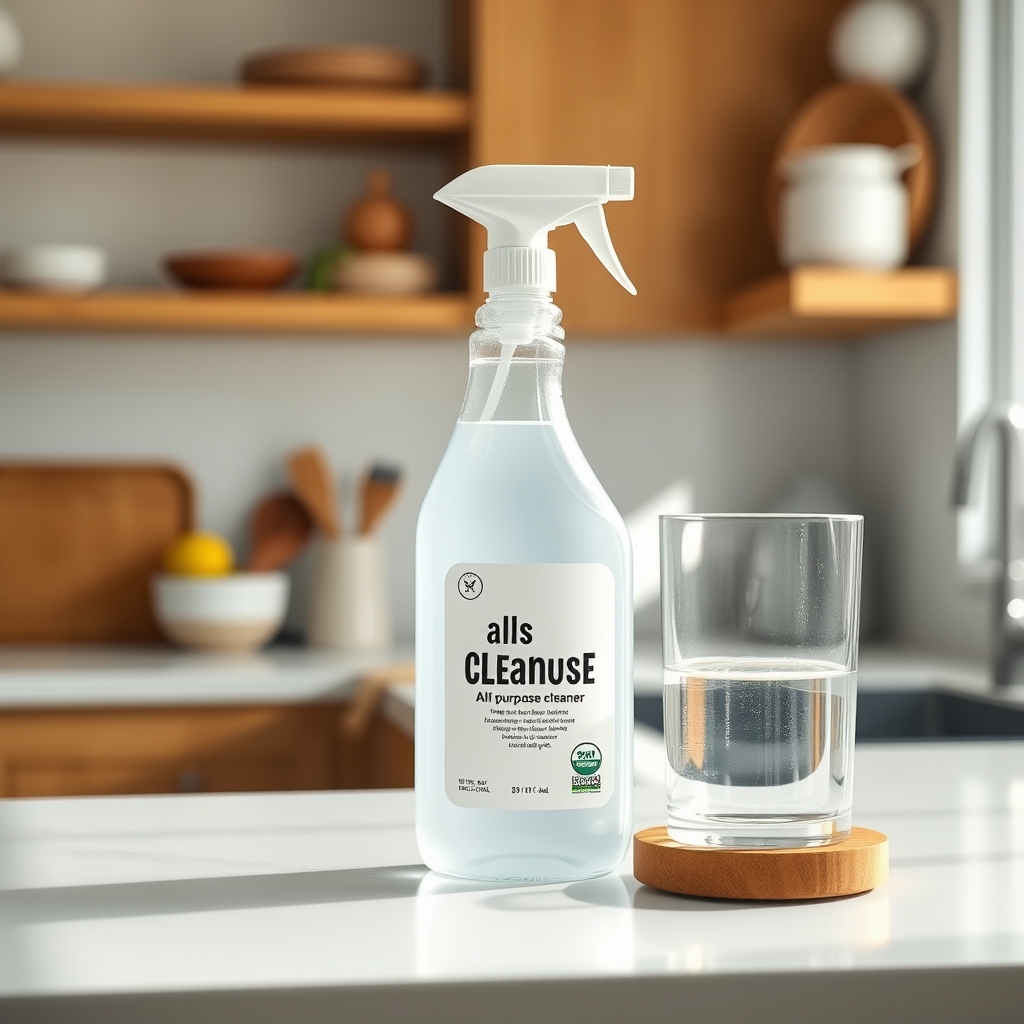
Safe: Most cleaning supplies are safe for pregnancy when used in well‑ventilated areas, but avoid bleach and strong solvents in the first trimester of pregnancy.
By Shubhra Mishra — a mom of two who turned her own confusion during pregnancy into BumpBites, a global mission to make food choices clear, safe, and stress-free for every expecting mother. 💛
Check whether any food is safe during pregnancy with the BumpBites Food Safety Checker.
Download the Complete Pregnancy Food Guide (10,000 Foods) 📘
Instant PDF download • No spam • Trusted by thousands of moms
💡 Your email is 100% safe — no spam ever.
Quick verdict: ⚠️ Safe with limits – most common cleaning supplies are generally safe for pregnancy when used in a well‑ventilated area and according to label directions, but you should avoid high‑risk chemicals like bleach and strong fragrances.
It’s 2 a.m., you’re half‑asleep, and the smell of a cleaning product you just sprayed in the kitchen makes you wonder: “Are cleaning supplies safe for pregnancy?” You’re not alone. Many expecting parents experience that sudden surge of worry after reaching for a bottle of disinfectant or a scented spray. The good news is that, for most everyday cleaners, the risk is low if you follow a few simple precautions.
In this article we’ll give you a clear verdict on cleaning supplies safe for pregnancy, break down safety by each trimester, explain how much you can safely use, and offer gentler, pregnancy‑friendly alternatives. We’ll also compare popular brands like Seventh Generation and highlight which cleaning items to keep out of the house. By the end, you’ll know exactly what to do – and when to set the mop aside – so you can focus on the excitement of your growing family.
We understand that a single slip—spraying a product you thought was harmless—can feel like a crisis. Whether you’ve already used a cleaner or you’re planning a spring‑cleaning marathon, the information below will help you calm your nerves, protect your baby, and keep your home sparkling without unnecessary stress.
Trimester / Phase
Verdict
Notes
First trimester
⚠️ Safe with limits
Avoid strong fumes (bleach, ammonia) and use ventilation.
Second trimester
✅ Generally safe
Standard use of mild cleaners is fine; keep the area aired.
Third trimester
✅ Generally safe
Continue using well‑ventilated spaces; consider gloves for prolonged tasks.
Breastfeeding
✅ Generally safe
Same precautions as during pregnancy; avoid aerosol sprays near the infant.
Cleaning supplies encompass a broad range of products – from all‑purpose sprays and floor cleaners to laundry detergents and disinfectant wipes. Most of these items work by breaking down dirt, oils, or microbes using surfactants, solvents, or mild acids. They’re designed for everyday household use, not for medical or industrial settings, which means their ingredients are typically present at low concentrations. However, some formulations contain volatile organic compounds (VOCs), strong fragrances, or irritants like chlorine bleach that can be problematic for a developing fetus, especially during organogenesis in the first trimester.
Because the placenta acts as a selective barrier, many chemicals in cleaning products do not cross in large amounts, but inhalation of fumes or skin absorption can still lead to maternal exposure. The American College of Obstetricians and Gynecologists (ACOG) advises pregnant people to minimize exposure to any strong chemical fumes and to ensure good airflow when using cleaning agents. The UK’s National Health Service (NHS) echoes this, recommending that expectant mothers keep windows open and use gloves when handling potentially irritating substances. The U.S. Food and Drug Administration (FDA) does not regulate household cleaners as drugs, but it does require manufacturers to list hazardous ingredients on product labels, which helps consumers make informed choices.
Overall, cleaning supplies safe for pregnancy are those that are low‑odor, free of bleach or ammonia, and used in well‑ventilated spaces. Mild, plant‑based cleaners, fragrance‑free detergents, and properly rinsed wipes typically pose little risk. The key is to avoid prolonged exposure, especially in the first trimester, and to read product labels carefully.
Keep windows open and use fragrance‑free cleaners to reduce inhalation of potentially irritating chemicals.
Are cleaning products safe during pregnancy?
Yes, most everyday cleaning products are considered safe for pregnancy when used correctly. The ACOG notes that typical household cleaners, such as mild dish soap, laundry detergent, and non‑aerosol wipes, do not contain concentrations high enough to harm a developing baby. The NHS advises that pregnant people can safely use these items, provided they avoid inhaling strong fumes and wear gloves if they have sensitive skin.
What makes a product unsafe is usually its active ingredient. Chlorine bleach, ammonia, and certain solvents (e.g., glycol ethers) can cause respiratory irritation and, in high amounts, may affect fetal development. The CDC warns that exposure to high levels of bleach vapors can lead to headaches, dizziness, and, rarely, more serious respiratory issues.
Most modern “green” cleaners are formulated without these high‑risk chemicals, making them a safer choice. Nonetheless, even low‑risk products can become problematic if used in enclosed spaces without ventilation. The safest approach is to open a window, turn on a fan, and limit the time spent in the area while the product is active. The World Health Organization (WHO) also highlights that minimizing indoor air pollutants, including cleaning‑product VOCs, supports healthier pregnancy outcomes.
First trimester cleaning supplies safety
T
he first trimester is the period of organ formation, making it the most sensitive window for potential teratogens. During this time, it’s wise to be extra cautious with cleaning supplies. ACOG recommends limiting exposure to strong chemical fumes, particularly those containing bleach or ammonia, because animal studies suggest possible developmental toxicity at high exposure levels.
If you need to clean during the first trimester, opt for mild, fragrance‑free products and always ensure the area is well‑ventilated. Using a damp cloth with warm water and a mild detergent often does the job without any chemicals. If a stronger disinfectant is required (for example, after illness), choose a product labeled “EPA‑registered” and follow the instructions for a brief exposure, then ventilate the room thoroughly.
Pregnant people with a history of asthma should be especially vigilant, as inhaling irritants can trigger attacks that may jeopardize oxygen delivery to the fetus. In such cases, wearing a mask and using a low‑odor cleaner can further reduce risk. Additionally, avoid any aerosol sprays in the first trimester, as the fine particles can linger longer in the air and increase inhalation exposure.
Safe amount of cleaning supplies to use while pregnant
There is no strict “dose” for cleaning supplies, but safety guidelines focus on exposure time and ventilation. The U.S. Occupational Safety and Health Administration (OSHA) suggests that for household cleaners, exposure should not exceed 15 minutes in a confined space without fresh air. For pregnant users, halving that recommendation—working no longer than 5‑10 minutes per task and keeping the area aired—provides an extra safety margin.
If you are using a spray, limit the number of sprays to what is necessary for the surface, and step away while the product settles. For wipes, use a single layer rather than stacking multiple wipes, which can release more chemicals. When using bleach for disinfection, dilute it according to label instructions (usually 1 part bleach to 10 parts water) and rinse surfaces thoroughly after a brief contact period.
Overall, the safest amount is “just enough to get the job done” combined with good ventilation. If you find yourself cleaning multiple rooms in a row, take a break between rooms to allow any lingering fumes to clear. The CDC also recommends that pregnant people avoid using cleaning products that require prolonged soaking or steaming, as these can increase inhalation of vapors.
Natural alternatives to chemical cleaning products during pregnancy
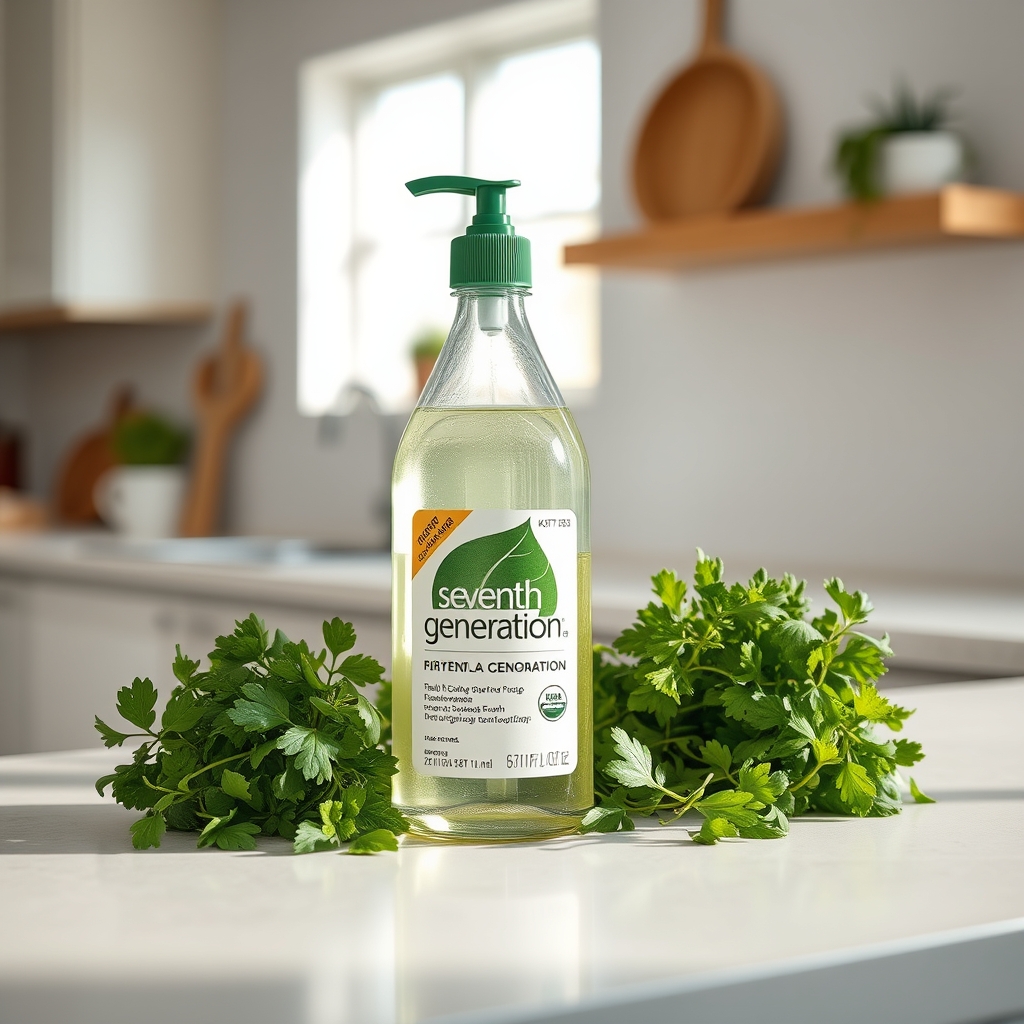
Seventh Generation Natural All‑Purpose Cleaner – plant‑based surfactants, fragrance‑free, and certified by the EPA’s Safer Choice program.
Ecover Zero Fragrance Laundry Detergent – free of dyes and synthetic fragrances, suitable for sensitive skin.
Dr. Bronner’s Sal Suds Biodegradable Cleaner – derived from vegetable oils, biodegradable, and low‑odor.
Better Life Natural All‑Purpose Cleaner – uses coconut‑based cleaning agents and avoids harsh solvents.
Method Squirt + Mop Hard Floor Cleaner – non‑toxic, plant‑derived ingredients, and works without a strong scent.
Green Works Natural All‑Purpose Cleaner – USDA‑certified organic, free of chlorine bleach.
Homemade vinegar‑baking soda solution – a 1:1 mixture works well for grime and is completely fragrance‑free.
Seventh Generation’s line of cleaning products is widely regarded as pregnancy‑friendly. Their formulations avoid chlorine bleach, ammonia, and synthetic fragrances, relying instead on plant‑derived surfactants and essential‑oil‑based scents that are generally low‑risk. The company’s “Safer Choice” certification from the EPA confirms that the products meet stringent safety criteria, including limits on VOCs and toxic chemicals.
According to the FDA’s consumer product safety guidelines, Seventh Generation cleaners fall under the “low‑hazard” category, meaning they are safe for routine household use when standard precautions (ventilation, gloves if needed) are observed. Pregnant users have reported no adverse effects when following label directions.
Nevertheless, if you have a history of asthma or chemical sensitivities, you may still prefer fragrance‑free options or those labeled specifically for “sensitive skin.” The brand also offers a fragrance‑free line that eliminates even natural essential oils, which can be irritating for some individuals.
Risks of using bleach while pregnant
Bleach (sodium hypochlorite) is an effective disinfectant but poses the most significant risk among common household cleaners. Inhalation of bleach vapors can cause respiratory irritation, headaches, and, in rare cases, chemical pneumonitis. The CDC advises pregnant people to avoid using concentrated bleach, especially in poorly ventilated areas, because high‑level exposure could theoretically affect fetal oxygenation.
Animal studies have shown that very high concentrations of chlorine can lead to developmental toxicity, though typical household use rarely reaches these levels. Nevertheless, ACOG recommends diluting bleach (usually ¼ cup per gallon of water) and limiting exposure time to a few minutes, followed by thorough rinsing and ventilation.
If you must use bleach—for example, after a gastrointestinal illness—wear rubber gloves, open windows, and consider using a mask. Alternatives like hydrogen peroxide‑based cleaners or EPA‑registered “green” disinfectants can achieve similar antimicrobial effects without the strong chlorine fumes.
Cleaning supplies safe for pregnancy with asthma
Pregnant people who also have asthma need to be extra careful because irritants in cleaning products can trigger bronchospasm. The American Lung Association suggests using fragrance‑free, low‑VOC cleaners and always cleaning in a well‑ventilated environment. Wearing a properly fitting N95 or similar respirator can further reduce inhalation of fine particles.
Products like Seventh Generation’s fragrance‑free line, Ecover Zero Fragrance Laundry Detergent, and Method’s non‑aerosol cleaners are generally safe for asthma sufferers. Avoid aerosol sprays, strong scented products, and especially bleach or ammonia, which are known asthma triggers.
In addition to choosing safer products, schedule cleaning tasks when you are feeling well, keep windows open, and consider using a damp mop instead of a spray to minimize airborne particles.
What cleaning supplies to avoid during pregnancy
While many cleaners are low‑risk, certain items should be avoided or used with extreme caution:
Undiluted bleach or bleach‑based disinfectants.
Ammonia‑containing products (e.g., some glass cleaners).
Strongly scented aerosol sprays, including air fresheners and “room‑spray” products.
Pest control chemicals, especially those with pyrethroids or organophosphates.
Products containing glycol ethers, which have been linked to reproductive toxicity in high‑dose animal studies.
When you encounter a product you’re unsure about, check the label for ingredients like “chlorine bleach,” “ammonia,” “phthalates,” or “glycol ethers.” If any of these appear, opt for a safer alternative or use the product in a well‑ventilated area with protective gloves.
Pregnancy safety of scented cleaning products
Scented cleaning products often contain added fragrance oils, which can be irritants even for people without asthma. The NHS advises pregnant individuals to limit exposure to strong fragrances, as they may cause headaches, nausea, or respiratory discomfort. While the scent itself isn’t a teratogen, the chemicals used to create the fragrance can include phthalates—substances that have raised concerns about endocrine disruption.
If you love a fresh scent, choose products that are “fragrance‑free” or “unscented,” or use natural essential‑oil‑based cleaners in very low concentrations (a few drops diluted in water). Always test a small amount on a cloth first to ensure you don’t react to the scent.
For an extra layer of safety, store scented products out of the bedroom and keep the cleaning area well‑ventilated while the scent dissipates.
Seventh Generation offers a fragrance‑free line that’s gentle on both lungs and the developing baby.
Safe dosage / amount / brands
Because cleaning supplies are not medications, “dosage” refers to the amount of product applied and the duration of exposure. Follow these practical guidelines:
Sprays: Apply a thin mist—no more than two sprays per square foot—and step back while the product settles.
Wipes: Use a single wipe per surface; avoid stacking multiple wipes, which can release more chemicals.
Liquids: Dilute according to label instructions (e.g., ¼ cup bleach per gallon of water) and rinse thoroughly.
Gloves: Wear nitrile gloves when handling any chemical cleaner to prevent skin absorption.
Ventilation: Open windows or use a fan for at least 10 minutes after cleaning.
Brands that consistently meet safety standards for pregnant users include:
Avoid brands that do not disclose full ingredient lists or that market “industrial strength” cleaners for home use, as these often contain higher concentrations of solvents.
Cleaning supplies safe for pregnant people with sensitive skin
Skin sensitivity is a common concern during pregnancy because hormonal changes can make the epidermis more reactive. Choose products that are labeled “hypoallergenic,” “fragrance‑free,” or “for sensitive skin.” Plant‑based surfactants, such as those found in Dr. Bronner’s Sal Suds, tend to be gentler than synthetic detergents. Always test a small area before full application, and wear nitrile gloves to further limit skin contact.
In addition to product choice, keep the cleaning area cool and avoid prolonged soaking, which can increase skin permeability. If you notice redness, itching, or a rash after cleaning, rinse the area with water, discontinue use, and discuss the reaction with your obstetrician.
Cleaning supplies and prenatal exposure to VOCs
Volatile organic compounds (VOCs) are chemicals that evaporate at room temperature and can contribute to indoor air pollution. Common sources in cleaning products include formaldehyde, toluene, and certain solvents. The WHO and CDC both note that reducing VOC exposure during pregnancy may support healthier fetal development, especially for the nervous system.
To minimize VOC inhalation, select cleaners that are VOC‑free or low‑VOC, use them in well‑ventilated spaces, and consider a simple water‑vinegar solution for many tasks. Air purifiers with activated carbon filters can also help capture lingering VOCs after cleaning.
Side effects and risks
Most cleaning products cause only mild, temporary irritation if used correctly. Common, non‑serious side effects include:
Skin redness or itching (often from direct contact with undiluted product).
Headache or dizziness from inhaling strong fumes.
Nausea or eye irritation if spray lands in the eyes.
More serious signs that require immediate medical attention are:
Persistent coughing or shortness of breath after cleaning.
Chest tightness or wheezing, especially if you have asthma.
Severe skin rash or blistering.
Sudden onset of headache, confusion, or visual disturbances.
If any of these occur, rinse the affected area with water, move to fresh air, and contact your healthcare provider promptly.
Green Works Natural All‑Purpose Cleaner – USDA‑organic, bleach‑free.
Homemade white‑vinegar solution (1 part vinegar to 1 part water) – excellent for glass and countertops.
Baking soda paste (baking soda + water) – effective for scrubbing without chemicals.
Related items — safety at a glance
Item
Verdict
One‑line note
Laundry detergent
✅ Generally safe
Choose fragrance‑free, avoid high‑VOC formulas.
Dish soap
✅ Generally safe
Most are mild; rinse dishes well.
Air fresheners
⚠️ Safe with limits
Strong fragrances can irritate; opt for unscented.
Pest control
❌ Best avoided
Contains pyrethroids or organophosphates.
Paint fumes
❌ Best avoided
VOCs can affect fetal development; use low‑VOC paints.
Disinfectant wipes
✅ Generally safe
Use in ventilated area; avoid aerosol sprays.
Fabric softener
⚠️ Safe with limits
Fragrances may cause irritation; rinse fabrics well.
Dishwasher detergent
✅ Generally safe
Choose phosphate‑free, fragrance‑free options.
Glass cleaner
⚠️ Safe with limits
Avoid ammonia‑based formulas; opt for vinegar‑based.
Floor polish
❌ Best avoided
Often contains solvents and strong fragrances.
Myth vs. fact
Myth: All cleaning products are dangerous during pregnancy.
Fact: Most everyday cleaners are safe when used according to label directions and with proper ventilation; only certain chemicals like bleach or ammonia pose higher risks.
Myth: Scented cleaners are safe if you can’t smell them.
Fact: Even if a fragrance is faint, the underlying chemicals can still be inhaled; fragrance‑free products are the safest choice.
Myth: Natural cleaners are automatically safe for everyone.
Fact: “Natural” means plant‑derived but can still cause irritation; always test a small amount and follow safety precautions.
Key takeaways
Most cleaning supplies are safe for pregnancy when used in a well‑ventilated area and according to label directions.
Avoid bleach, ammonia, strong fragrances, and aerosol sprays, especially in the first trimester.
Choose pregnancy‑friendly brands like Seventh Generation, Ecover, and Dr. Bronner’s for lower‑risk cleaning.
Use gloves, open windows, and limit exposure time to reduce any potential risk.
If you experience persistent coughing, wheezing, or skin reactions, stop cleaning and contact your provider.
For extra peace of mind, consider simple homemade solutions such as vinegar‑water or baking‑soda paste.
Frequently asked questions
what cleaning products are safe for pregnant women
Gentle, fragrance‑free cleaners such as Seventh Generation Natural All‑Purpose Cleaner, Ecover Zero Fragrance Laundry Detergent, and plain dish soap are safe for pregnant women when used with proper ventilation.
can i use lysol while pregnant
Lysol disinfectant sprays can be used during pregnancy, but only in a well‑ventilated space and for short periods; consider using a wipe version or a fragrance‑free alternative to minimize inhalation.
is clorox safe during pregnancy
Clorox bleach is safe if heavily diluted (¼ cup per gallon of water) and used briefly with good airflow, but many obstetricians advise limiting its use, especially in the first trimester.
how to clean the house safely while pregnant
Clean using mild, fragrance‑free products, keep windows open, wear gloves, and avoid aerosol sprays; break cleaning tasks into short sessions to limit exposure.
are essential oils safe for cleaning while pregnant
Essential‑oil‑based cleaners can be safe in very low concentrations, but some oils (like rosemary or eucalyptus) may be irritating; always dilute and test a small area first.
what are the risks of using cleaning supplies during pregnancy
Risks include respiratory irritation, headaches, and, with high‑dose bleach or ammonia, potential fetal exposure to harmful chemicals; most risks are mitigated with proper ventilation and limited use.
can i use bleach to clean while pregnant
Bleach can be used if diluted according to label instructions, applied briefly, and the area is ventilated; many providers recommend using safer, non‑bleach alternatives when possible.
how to avoid chemicals in cleaning products during pregnancy
Read ingredient labels, choose fragrance‑free or “green” certified products, use homemade solutions like vinegar and baking soda, and ensure good airflow while cleaning.
is it safe to use homemade vinegar cleaning solutions while pregnant
Yes—vinegar mixed with water is a pregnancy‑friendly, fragrance‑free cleaner that effectively removes grime without hazardous chemicals; just avoid mixing it with bleach.
are steam cleaners safe for use in the third trimester
Steam cleaners are generally safe in the third trimester as long as the room is well‑ventilated and you avoid prolonged exposure to hot steam, which can cause burns or increase humidity.
When to call your doctor
If you experience any of the following after using a cleaning product, contact your healthcare provider right away: persistent coughing or wheezing, shortness of breath, chest tightness, severe skin rash or blistering, sudden headache, dizziness, or visual changes. These symptoms may indicate a reaction that requires medical evaluation.
Remember, this information is for educational purposes only and does not replace personalized medical advice. If you have any concerns about specific products or your exposure, discuss them with your obstetrician or midwife.
References
American College of Obstetricians and Gynecologists (ACOG). “Environmental Exposures During Pregnancy.” Practice Bulletin, 2022.
National Health Service (NHS). “Pregnancy and Household Cleaning.” UK Government Health Guidance, 2023.
U.S. Food and Drug Administration (FDA). “Consumer Product Safety: Household Cleaners.” FDA Consumer Updates, 2021.
Centers for Disease Control and Prevention (CDC). “Cleaning and Disinfecting Guidance for Households.” CDC Health Topics, 2022.
Not sure about the label on Is Cleaning Supplies Safe During Pregnancy products?
Snap the ingredients list (or paste it, or scan the barcode) and SafeFilter checks every ingredient against your stage of pregnancy — flagging what to avoid, what needs care, and what's fine.
When Shubhra Mishra was expecting her first child in 2016, she was overwhelmed by conflicting food advice — one site said yes, another said never. By the time her second baby arrived in 2019, she realized millions of mothers face the same confusion.
That sparked a five-year journey through clinical nutrition papers, cultural diets, and expert conversations — all leading to BumpBites: a calm, compassionate space where science meets everyday motherhood.
Her long-term vision is to build a global community ensuring safe, supported, and free deliveriesfor every mother — because no woman should face pregnancy alone or uninformed. 🌿
🌍 Stand with mothers, shape safer guidance
Join a small circle of experts who review BumpBites articles so expecting parents everywhere can decide with confidence.