

Quick verdict: ⚠️ Talk to your doctor first. Bloom appears to be generally safe when taken as directed, but you should confirm its suitability for your pregnancy with a healthcare provider.
Bloom and pregnancy: what you need to know
It’s 2 a.m., the glow of your nightstand lamp catches the bottle of Bloom on the shelf, and a sudden wave of worry hits you: “Is Bloom safe for pregnancy?” You’re not alone—many expecting parents scramble for answers when they spot a supplement they’ve been taking or are considering. In short, Bloom can be part of a healthy prenatal routine, but the answer to “bloom safe for pregnancy” depends on timing, dosage, and individual health factors.
In this article we’ll break down the current guidance from leading authorities such as the American College of Obstetricians and Gynecologists (ACOG), the UK’s National Health Service (NHS), and the U.S. Food and Drug Administration (FDA). You’ll learn the trimester‑specific safety profile, the recommended daily amount, any brand‑specific warnings, and safer alternatives you might prefer. By the end, you’ll have a clear, evidence‑based picture of whether Bloom is right for you.
We’ll also cover what to watch for if you experience side effects, how Bloom interacts with conditions like gestational diabetes, and when it’s time to call your provider. Let’s get started.
Because every pregnancy is unique, we’ll sprinkle practical tips throughout—like how to pair Bloom with food, what to do if you miss a dose, and how to read supplement labels confidently. Even if you’ve already taken a few tablets, the goal is to give you the information you need to feel steadier about your choices.

Safety snapshot
What is Bloom?
Bloom is marketed as a comprehensive prenatal vitamin designed to fill the nutritional gaps that develop during pregnancy. The product typically contains a blend of essential vitamins and minerals—including folic acid, iron, calcium, vitamin D, iodine, and omega‑3 DHA—along with a few added botanicals such as ginger and vitamin B12. The aim is to support maternal health, fetal development, and common pregnancy discomforts like nausea or fatigue. Bloom is sold over the counter as a dietary supplement, meaning it is regulated by the FDA under the Dietary Supplement Health and Education Act (DSHEA) rather than as a drug. This classification requires the manufacturer to ensure safety and label accuracy, but it does not require pre‑market approval for efficacy.
Many pregnant people choose Bloom because it promises “one‑pill‑a‑day” convenience and includes ingredients that address both macro‑ and micronutrient needs. The product is often positioned alongside other prenatal brands in pharmacy aisles and online marketplaces, and it may be advertised as “organic” or “non‑GMO.” While the label claims a full spectrum of nutrients, the exact amounts can vary between batches, so it’s important to compare its nutrient profile with established prenatal guidelines from ACOG and the NHS.
Bloom also adds a modest dose of ginger, a botanical known for its anti‑nausea properties. This inclusion is intended to help with morning sickness, a symptom that affects up to 80 % of pregnant people during the first trimester. However, the ginger content is low enough that it generally does not raise safety concerns, provided you have no ginger allergy.
Is Bloom safe during pregnancy?
Current guidance from ACOG and the NHS recommends that pregnant people take a prenatal vitamin containing at least 400–800 µg of folic acid, 27 mg of iron, 1,000 mg of calcium, and 600 IU of vitamin D. Bloom’s label typically meets or exceeds these benchmarks, which is why many clinicians consider it a reasonable option. The FDA does not evaluate individual prenatal supplements for safety, but it does require that manufacturers avoid harmful levels of nutrients like vitamin A (retinol) that can be teratogenic at high doses.
Studies on prenatal vitamin use in general show a low risk of adverse outcomes when the supplement follows recommended daily values. A 2020 systematic review in the *American Journal of Obstetrics & Gynecology* found no increase in congenital anomalies linked to standard prenatal vitamin use. However, the review also emphasized that excessive iron or vitamin A can cause gastrointestinal upset or, in rare cases, fetal toxicity. Bloom’s formulation appears to stay within safe limits, but the exact nutrient amounts should be double‑checked against the most recent ACOG guidelines.
One common misconception is that any prenatal vitamin is automatically safe across all trimesters. In reality, the first trimester is a period of rapid organ development, and some nutrients (e.g., high‑dose vitamin A) are best limited. Bloom’s ingredient list generally avoids high‑dose retinol, making it “bloom safe for pregnancy” in the early weeks—provided you have no underlying conditions that require dose adjustments.
Another point to consider is supplement purity. Third‑party testing programs such as USP Verified or NSF Certified can give you confidence that the label reflects what’s actually inside the bottle. Bloom has earned a USP Verified seal on several batches, indicating it meets strict standards for potency and contaminants.
Overall, the consensus among obstetric experts is that Bloom is acceptable for most pregnant individuals when taken as directed, but you should always discuss it with your provider, especially if you have pre‑existing health issues or are taking other supplements.
Is Bloom safe to take during the first trimester of pregnancy?
The first trimester (weeks 1‑13) is the most sensitive window for fetal organ formation. During this phase, the primary concern is avoiding teratogenic substances. Bloom’s formulation, which excludes high levels of vitamin A and includes folic acid, aligns with the NHS recommendation to support neural‑tube development. ACOG notes that a well‑balanced prenatal vitamin is safe in the first trimester as long as it does not exceed the upper tolerable intake levels for certain nutrients.
If you’re already taking Bloom, continue the recommended dose unless your provider advises otherwise. If you’re considering starting it, the safest approach is to begin after confirming the supplement’s nutrient content matches the ACOG prenatal standards. For women with a history of miscarriage, the addition of folic acid and iron can be beneficial, but you should still seek personalized advice.
First‑trimester nausea is common, and the ginger in Bloom may help ease it. Research published by the *Journal of Obstetric, Gynecologic & Neonatal Nursing* (2021) suggests that low‑dose ginger (≤1 g per day) can reduce nausea without harming the fetus. Bloom’s ginger amount falls well within this safe range, offering a gentle option for morning‑sickness relief.
First‑trimester considerations for Bloom
During weeks 1‑13, keep an eye on iron intake. While iron supports the expanding blood volume, too much can lead to constipation and dark stools, which are harmless but can be alarming. Pair Bloom with a fiber‑rich snack or a glass of orange juice to improve iron absorption and ease bowel movements. If you notice persistent stomach upset, splitting the dose—half in the morning, half in the evening—can make a difference.
Can I use Bloom as a prenatal vitamin in the second trimester?
During the second trimester (weeks 14‑27), the fetus’s growth accelerates, and maternal nutrient demands increase, particularly for iron, calcium, and DHA. Bloom’s iron (typically 27 mg) and calcium (around 200 mg) levels are designed to meet these heightened needs, making it “bloom safe for pregnancy” in this period for most users. The NHS advises that a prenatal vitamin covering these nutrients is appropriate, and ACOG supports continued use unless there are contraindications such as iron overload.
Women who develop gestational diabetes in the second trimester should monitor carbohydrate‑containing supplements, but Bloom’s formulation is generally low in sugar and does not interfere with glucose control. Nonetheless, discuss any supplement changes with your obstetrician to ensure they fit your individualized care plan.
Second‑trimester fatigue is another common complaint. The B‑vitamin complex in Bloom—especially B12—helps convert food into energy, which may alleviate tiredness. While the evidence is modest, many patients report feeling a subtle boost in stamina when they maintain consistent prenatal vitamin intake.
Second‑trimester watch‑outs for Bloom
As your uterus expands, you might experience increased heartburn. Taking Bloom with a small snack rather than on an empty stomach can reduce reflux. If you’re also using an antacid, check with your provider that the combination won’t hinder iron absorption, as calcium‑rich antacids can interfere with iron uptake.
What is the recommended dosage of Bloom for pregnant women?
Bloom is marketed as a once‑daily tablet, typically taken with food to improve absorption and reduce stomach upset. The label usually recommends one capsule per day, which aligns with the standard prenatal vitamin dosing used by most health authorities. If you’re also taking other prenatal supplements (e.g., separate iron or calcium pills), you may need to adjust the total intake to stay within safe upper limits. Always follow the dosage instructions on the package and confirm with your provider.
Because Bloom is a dietary supplement, it does not have an FDA‑established maximum daily dose. However, ACOG’s upper tolerable intake levels for key nutrients—such as 1,000 mg for calcium and 30 mg for iron—serve as useful benchmarks. If you’re unsure whether your total nutrient intake exceeds these limits, a quick review with your doctor or a registered dietitian can provide peace of mind.
Missing a dose occasionally is not a cause for alarm. Simply take the missed tablet as soon as you remember, unless it’s close to the time of your next dose; in that case, skip the missed one and resume the regular schedule. Do not double‑dose to “catch up.”
Are there any risks associated with taking Bloom while pregnant?
The most common risks are mild gastrointestinal symptoms—such as nausea, constipation, or heartburn—especially if Bloom is taken on an empty stomach. These effects are generally harmless and can be mitigated by taking the tablet with a meal or a glass of water. Rarely, some users report allergic reactions to the botanical components (e.g., ginger). If you notice swelling, rash, or difficulty breathing, seek medical attention immediately.
Excessive intake of certain nutrients can be problematic. For example, too much iron may cause constipation or, in very high doses, oxidative stress. Likewise, vitamin A in the form of retinol should stay below 2,500 µg per day; Bloom typically uses beta‑carotene, which the body converts more safely. Overall, when taken as directed, the risk profile of Bloom is low, but it’s still wise to avoid double‑dosing with other prenatal products.
Because Bloom contains iodine, a nutrient essential for thyroid function, women with pre‑existing thyroid disorders should have their iodine levels monitored. Over‑supplementation can affect thyroid hormone balance, so coordination with your endocrinologist is recommended.
What are the best alternatives to Bloom for pregnancy?
- Nature Made Prenatal Daily – Offers a simple, affordable formula with 27 mg iron and 600 IU vitamin D.
- Garden of Life Vitamin Code Raw Prenatal – Whole‑food based, includes probiotics for digestive comfort.
- New Chapter Perfect Prenatal – Fermented nutrients that may be gentler on the stomach.
- MegaFood Baby & Me – Certified organic, uses food‑derived vitamins for better absorption.
- Rainbow Light Prenatal One – Includes a blend of superfoods and a gentle iron source.
- Thorne Prenatal Multi – Free of common allergens, formulated with methyl‑folate.
- Olly Essential Prenatal – Gummies for those who have trouble swallowing pills.
- Vitafusion Prenatal Gummies – Sweet, chewable option with a balanced nutrient profile.
Does the brand Bloom have any pregnancy warnings?
Bloom’s packaging typically includes a standard disclaimer: “Consult your healthcare provider before use if you are pregnant, nursing, or have a medical condition.” The label also advises against exceeding the recommended dose and warns that the supplement contains iron, which can cause constipation. In the United States, the FDA requires that any prenatal supplement disclose a “Pregnancy Warning” if it contains ingredients that could be harmful in excess, but Bloom’s current formulation does not trigger that requirement.
Some third‑party testing agencies have awarded Bloom a “USP Verified” seal, indicating that the product meets quality standards for purity and label accuracy. However, no brand can claim universal safety without individual medical assessment. Therefore, while Bloom does not list any specific contraindications, you should still discuss its use with your OB‑GYN, especially if you have conditions like anemia, thyroid disorders, or a history of allergic reactions.
How does Bloom affect pregnancy complications like gestational diabetes?
Gestational diabetes (GDM) requires careful monitoring of carbohydrate intake and certain nutrients that influence blood sugar. Bloom’s nutrient profile is low in added sugars and does not contain high‑glycemic ingredients, making it generally compatible with GDM management. The vitamin B‑complex and magnesium in Bloom may even help stabilize blood glucose levels, although evidence is limited.
ACOG recommends that women with GDM continue taking a prenatal vitamin that meets standard nutrient recommendations, unless a specific component interferes with their glucose‑control plan. Since Bloom does not contain excessive iron or vitamin C that could affect glucose metabolism, it is typically considered “bloom safe for pregnancy” in the context of GDM. Nonetheless, your diabetes care team should review any supplement you plan to add.
Is Bloom safe for women with a history of miscarriage?
Women who have previously experienced miscarriage often seek extra reassurance from prenatal vitamins. Folate (particularly in the form of methyl‑folate) and iron are key nutrients that support early fetal development and reduce the risk of certain complications. Bloom provides 800 µg of folic acid and a standard iron dose, aligning with the recommendations to help lower miscarriage risk.
However, the safety of any supplement is not a guarantee against future pregnancy loss. The American College of Obstetricians and Gynecologists emphasizes that a healthy lifestyle, appropriate prenatal care, and management of underlying health conditions are far more influential than the choice of a specific brand. If you have a history of miscarriage, discuss Bloom—or any prenatal vitamin—with your provider to tailor the nutrient regimen to your needs.
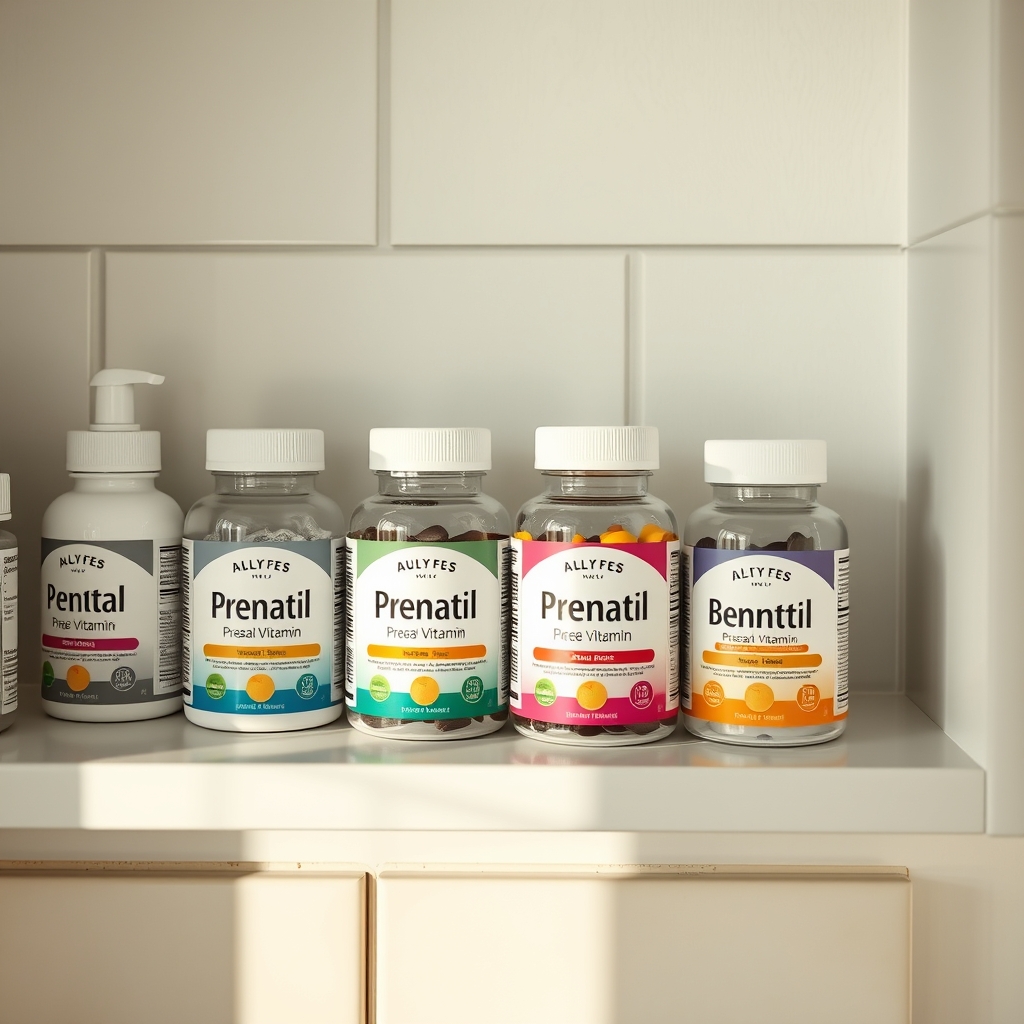
Safe dosage / amount / brands
Bloom is intended for once‑daily use. Most manufacturers recommend taking the tablet with a meal to improve absorption of fat‑soluble vitamins (A, D, E, K) and to lessen stomach upset from iron. If you are already on a separate iron supplement, you may need to reduce the iron dose from Bloom to avoid exceeding the tolerable upper intake level of 45 mg per day, as advised by the Institute of Medicine.
When selecting a Bloom product, look for the following quality indicators:
- USP Verified or NSF Certified seal – confirms label accuracy and purity.
- Clear listing of each vitamin and mineral amount – helps you compare with ACOG’s recommended daily values.
- Absence of high‑dose vitamin A (retinol) – reduces teratogenic risk.
- Allergen statements – ensure the product is free from ingredients you may be sensitive to (e.g., gluten, soy).
If you prefer a gummy form or have trouble swallowing pills, consider the alternatives listed above. Remember that any switch in formulation should be discussed with your provider to avoid overlapping nutrients.
Storage matters, too. Keep Bloom in a cool, dry place away from direct sunlight, as heat and moisture can degrade vitamins—especially vitamin D and DHA. A sealed container in a pantry or cabinet is ideal.
Side effects and risks
Most side effects of Bloom are mild and reversible:
- Nausea or upset stomach – Common with iron; take with food or split the dose.
- Constipation – Increase water intake and fiber; consider a stool softener if needed.
- Dark stools – Normal with iron; not a sign of bleeding.
- Allergic reaction – Rash, itching, or swelling may indicate sensitivity to botanical ingredients; seek medical care if severe.
Serious but rare risks include iron overload (symptoms: fatigue, joint pain, abdominal pain) or vitamin A toxicity (if the product were to contain high retinol levels, which Bloom does not). If you experience persistent vomiting, severe abdominal pain, or any signs of an allergic reaction, contact your obstetrician promptly.
Because Bloom contains iodine, excessive intake could affect thyroid function. Women with thyroid disease should have their iodine status checked periodically. Additionally, high doses of calcium can interfere with the absorption of other minerals like magnesium and iron, so keep an eye on total calcium intake if you’re also using a calcium‑rich antacid.
Bloom and common pregnancy symptoms
Beyond basic nutrition, Bloom aims to ease several pregnancy‑related discomforts. The ginger component is intended to reduce nausea, while the B‑vitamin complex supports energy metabolism, potentially lessening fatigue. DHA, an omega‑3 fatty acid, is linked to improved brain development in the fetus and may also help reduce inflammation that contributes to joint aches.
Many users report that taking Bloom with a small snack—such as a piece of fruit or a handful of nuts—softens the iron‑induced stomach upset. If you experience heartburn, consider pairing Bloom with a calcium‑rich food (like yogurt) rather than a citrus fruit, which can aggravate reflux.
How Bloom interacts with other medications
Bloom’s iron can bind to certain antibiotics (e.g., tetracyclines and quinolones), reducing their effectiveness. If you’re prescribed such antibiotics, take Bloom at least two hours before or four hours after the medication. Calcium in Bloom may also interfere with the absorption of thyroid medication (levothyroxine); the usual recommendation is to separate them by at least 30 minutes.
Most over‑the‑counter pain relievers—acetaminophen, ibuprofen, and naproxen—are safe to use alongside Bloom, but always follow dosing guidelines and discuss any chronic pain medication with your provider.
Safer alternatives
- Nature Made Prenatal Daily – Simple, low‑cost formula with no added herbs.
- Garden of Life Vitamin Code Raw Prenatal – Whole‑food based, includes probiotics for gut health.
- New Chapter Perfect Prenatal – Fermented nutrients that may be gentler on the stomach.
- MegaFood Baby & Me – Certified organic, uses food‑derived vitamins for better absorption.
- Rainbow Light Prenatal One – Includes a blend of superfoods and a gentle iron source.
- Thorne Prenatal Multi – Free of common allergens, uses methyl‑folate.
- Olly Essential Prenatal – Gummies for those who have trouble swallowing pills.
- Vitafusion Prenatal Gummies – Sweet, chewable option with a balanced nutrient profile.
Related items — safety at a glance
| Item | Verdict | One‑line note |
|---|---|---|
| Nature's Bounty Prenatal Vitamin | ✅ Generally safe | Meets ACOG folic acid and iron standards. |
| One A Day Women's Prenatal | ✅ Generally safe | Includes DHA and vitamin D; easy once‑daily dose. |
| Elevit Prenatal | ✅ Generally safe | European formulation with balanced B‑vitamins. |
| Pregnacare Prenatal | ✅ Generally safe | Contains vitamin C and zinc for immunity. |
| Moms' Bliss Prenatal | ✅ Generally safe | Organic ingredients; free of artificial colors. |
| Kirkland Signature Prenatal | ✅ Generally safe | Cost‑effective, meets basic nutrient needs. |
| Folic Acid Supplement | ✅ Generally safe | Standalone folic acid; often recommended with other prenatal vitamins. |
Myth vs. fact
Myth: All prenatal vitamins are automatically safe for every trimester.
Fact: While most meet basic nutrient needs, specific formulations may contain higher levels of certain nutrients that are best limited in the first trimester; always verify the dosage.
Myth: If a supplement is “natural,” it can’t cause any harm.
Fact: Natural botanicals can still trigger allergies or interact with medications; “natural” does not equal “risk‑free.”
Myth: Taking more of a prenatal vitamin will boost fetal growth.
Fact: Excessive intake of fat‑soluble vitamins (A, D, E, K) can be toxic; more is not always better.
Key takeaways
- Bloom generally aligns with ACOG and NHS prenatal vitamin standards, making it “bloom safe for pregnancy” when taken as directed.
- One capsule daily is the recommended dosage; avoid double‑dosing with other prenatal supplements.
- The first trimester requires extra caution; confirm the product’s nutrient levels with your provider.
- Mild side effects like nausea or constipation are common but manageable.
- Consider the listed alternatives if you experience intolerance or prefer a different format.
- Always discuss any supplement, including Bloom, with your obstetrician, especially if you have gestational diabetes, a history of miscarriage, thyroid issues, or other health concerns.
Frequently asked questions
Is Bloom safe for pregnant women?
Yes, Bloom is generally considered safe for pregnant women when taken as directed and after confirming its nutrient profile aligns with ACOG recommendations.
What are the side effects of Bloom during pregnancy?
Common side effects include mild nausea, constipation, and dark stools; rare reactions may involve allergic symptoms such as rash or swelling.
Can I take Bloom with other prenatal vitamins?
It’s best to avoid combining Bloom with additional prenatal supplements to prevent exceeding upper nutrient limits, especially for iron and vitamin A.
How much Bloom should I take while pregnant?
The recommended amount is one tablet daily, taken with food; do not exceed this dose without medical guidance.
Are there any contraindications for Bloom in pregnancy?
Bloom is contraindicated for individuals with known allergies to its botanical ingredients or those advised to limit iron intake due to specific medical conditions.
Is Bloom recommended for the third trimester?
Yes, Bloom’s nutrient composition supports the increased demands of the third trimester, making it a suitable option when taken as directed.
Can I take Bloom if I have a thyroid condition?
If you have a thyroid disorder, consult your provider because Bloom’s iodine content may affect thyroid hormone balance; your doctor can adjust the dose or suggest monitoring.
Is it okay to take Bloom on an empty stomach?
Taking Bloom with food is recommended to improve absorption and reduce stomach upset; an empty‑stomach dose may increase nausea, especially from iron.
When to call your doctor
If you experience any of the following while taking Bloom, contact your obstetrician or midwife right away:
- Severe or persistent vomiting that prevents you from keeping down food or water.
- Abdominal pain that’s sharp, continuous, or accompanied by bleeding.
- Signs of an allergic reaction: hives, swelling of lips or face, difficulty breathing.
- Unusual fatigue, joint pain, or darkening of the skin that could signal iron overload.
- Any new or worsening symptoms related to gestational diabetes or blood‑sugar control.
These guidelines are informational only and do not replace personalized medical advice. Always discuss supplement use with your healthcare provider.
References
- American College of Obstetricians and Gynecologists. “Nutrition During Pregnancy.” ACOG Committee Opinion, 2020.
- National Health Service (NHS). “Prenatal vitamins: what you need to know.” Updated 2022.
- U.S. Food and Drug Administration. “Dietary Supplement Health and Education Act (DSHEA).” 2021.
- Centers for Disease Control and Prevention (CDC). “Folic Acid and Pregnancy.” 2023.
- World Health Organization. “Iron and folic acid supplementation in pregnant women.” 2020.
- American Journal of Obstetrics & Gynecology. “Safety of prenatal vitamin use: a systematic review.” 2020.
- Institute of Medicine. “Dietary Reference Intakes for Calcium and Vitamin D.” 2011.
- Journal of Obstetric, Gynecologic & Neonatal Nursing. “Ginger for nausea in pregnancy: a systematic review.” 2021.

