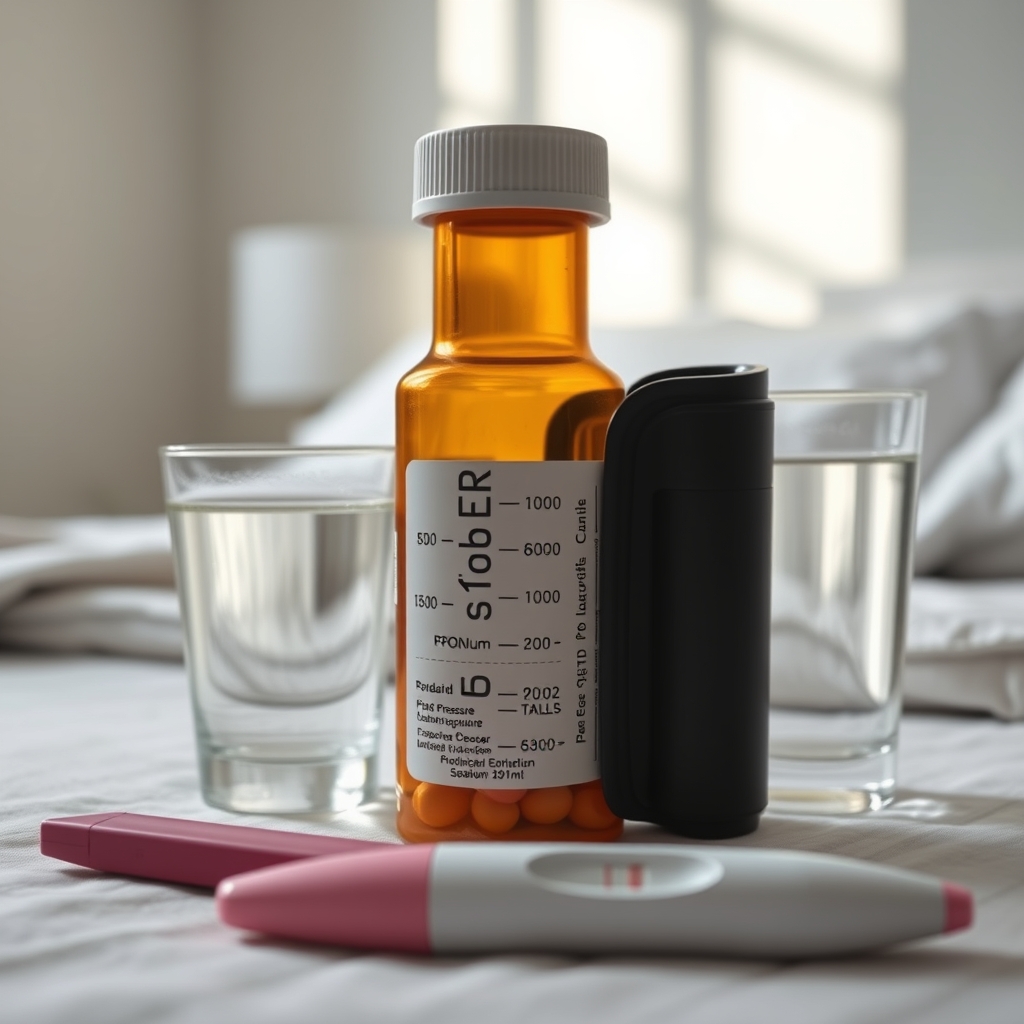
Safe: Blood pressure medicine can be used during pregnancy, but dosage may vary by trimester
By Shubhra Mishra — a mom of two who turned her own confusion during pregnancy into BumpBites, a global mission to make food choices clear, safe, and stress-free for every expecting mother. 💛
Check whether any food is safe during pregnancy with the BumpBites Food Safety Checker.
Download the Complete Pregnancy Food Guide (10,000 Foods) 📘
Instant PDF download • No spam • Trusted by thousands of moms
💡 Your email is 100% safe — no spam ever.
Quick verdict: ⚠️ Talk to your doctor first. Blood pressure medicine can be safe for pregnancy when prescribed and monitored, but many common antihypertensives are best avoided.
It’s completely normal to feel a flutter of anxiety the moment you wonder, “Is blood pressure medicine safe for pregnancy?” You may have already taken a pill, or you might be facing a new prescription after learning you’re pregnant. The good news is that not every blood pressure drug is off‑limits—some are actually the first‑line choice for managing hypertension in expectant mothers. In this article we’ll break down the current guidance, explain which medications are considered safe, how dosage and timing matter, and what you can do if you need to switch or stop a drug.
We’ll walk through safety by trimester, look at brand‑specific information, list safer alternatives, and compare common blood pressure medicines side‑by‑side. By the end, you’ll have a clear picture of whether a particular medication is blood pressure medicine safe for pregnancy, how much you might take, and exactly when to call your provider. We’ll also address common worries like “What if I already took an unsafe drug?” and “Can I use a home blood‑pressure cuff?” so you can feel confident in the decisions you make.
Keep your medication within reach, but always double‑check safety with your obstetrician.
Trimester / Breastfeeding
Verdict
Notes
First trimester
⚠️ Use only if clearly needed
Some drugs (e.g., ACE inhibitors) are contraindicated; safe options include methyldopa, labetalol, and hydralazine.
Second trimester
✅ Generally safe with monitoring
Most first‑line agents are considered low‑risk; dose adjustments may be required.
Third trimester
✅ Generally safe, watch for fetal growth
Close surveillance for pre‑eclampsia; some agents (e.g., nifedipine ER) are preferred.
Breastfeeding
✅ Most first‑line drugs are compatible
Methyldopa, labetalol, and nifedipine are excreted in low amounts; avoid ACE inhibitors and ARBs.
What is blood pressure medicine?
Blood pressure medicine—also called antihypertensive medication—covers a wide range of drug classes that lower systemic arterial pressure. They work by relaxing blood vessels, reducing fluid volume, or decreasing heart rate. Common families include ACE inhibitors (e.g., lisinopril), angiotensin II receptor blockers (ARBs, e.g., losartan), beta‑blockers (e.g., atenolol), calcium‑channel blockers (e.g., amlodipine), and vasodilators such as hydralazine. Doctors prescribe these drugs to protect the heart, kidneys, and brain from the long‑term damage high blood pressure can cause.
During pregnancy, hypertension can be especially risky because the placenta depends on steady blood flow. Uncontrolled high blood pressure raises the chance of pre‑eclampsia, placental abruption, preterm birth, and growth restriction. That’s why obstetricians often continue medication—if the drug is safe—rather than stopping treatment entirely. The key is choosing a medication that controls the mother’s blood pressure without harming the developing baby. The classification system also helps providers match the right medication to the specific type of hypertension (chronic vs. gestational) a patient has.
Is it safe to take blood pressure medicine during the first trimester?
I
n the first trimester, the embryo undergoes organogenesis, a window when teratogenic (birth‑defect‑causing) exposures are most concerning. According to the American College of Obstetricians and Gynecologists (ACOG) and the UK’s NHS, ACE inhibitors (such as lisinopril) and ARBs (such as losartan) are contraindicated because they have been linked to fetal renal dysplasia, oligohydramnios, and even stillbirth. Conversely, medications like methyldopa, labetalol, and hydralazine have long‑standing safety records and are often the first‑line choices for pregnant patients.
Evidence from large cohort studies (e.g., the National Registry of Medication Exposure in Pregnancy) shows that when a safe drug is used at appropriate doses, the risk of major malformations is not increased. However, the decision to start any antihypertensive in the first trimester should be individualized. If your blood pressure is mildly elevated (<140/90 mm Hg), lifestyle changes—such as a low‑sodium diet, moderate exercise, and stress‑reduction techniques—may suffice until the second trimester, when more medication options become acceptable.
For women who already have chronic hypertension before pregnancy, the ACOG 2020 guideline recommends continuing a pregnancy‑compatible drug rather than stopping therapy, because the risks of uncontrolled blood pressure outweigh the theoretical risk of medication exposure. Close monitoring (often weekly blood pressure checks and monthly labs) helps ensure both safety and efficacy.
What blood pressure medication dosage is recommended for pregnant women?
Dosage recommendations for pregnant patients follow the same principles as in non‑pregnant adults—use the lowest effective dose to achieve target blood pressure (<140/90 mm Hg, or <150/100 mm Hg for chronic hypertension per ACOG). For example:
Methyldopa: start 250 mg two to three times daily; most women reach control at 500‑1,000 mg/day.
Labetalol: oral dose begins at 100 mg twice daily, titrated up to 2,400 mg/day as needed.
Hydralazine: 10‑20 mg orally three times daily, with careful blood pressure monitoring.
Nifedipine extended‑release: 30‑60 mg once daily, may be increased to 120 mg.
These ranges are general; your obstetrician will tailor the dose based on your baseline pressure, kidney function, and any side effects. The FDA does not assign a pregnancy category to many of these drugs because the older labeling system has been replaced with risk‑benefit narratives, but the agency’s Pregnancy and Lactation Labeling Rule (PLLR) echoes ACOG’s stance that methyldopa and labetalol are “compatible with pregnancy.”
Because pregnancy changes how the body processes medication (increased plasma volume, altered renal clearance), clinicians often re‑check serum drug levels or renal function after any dose change. This extra monitoring helps avoid both under‑treatment (which can lead to pre‑eclampsia) and overtreatment (which can cause maternal hypotension).
Which blood pressure drugs are considered safe in pregnancy?
The consensus among ACOG, the NHS, and the World Health Organization (WHO) identifies a short list of antihypertensives that are blood pressure medicine safe for pregnancy:
Methyldopa – long‑standing safety data, often first‑line.
Labetalol – beta‑blocker with alpha‑blocking activity, well‑studied in pregnancy.
Hydralazine – direct vasodilator, useful for acute severe hypertension.
Nifedipine (especially extended‑release) – calcium‑channel blocker with favorable safety profile.
These agents have been shown in multiple prospective registries to have no increase in major congenital anomalies when used at therapeutic doses. In contrast, ACE inhibitors, ARBs, and certain beta‑blockers (e.g., atenolol) are linked to fetal growth restriction and should be avoided.
Guidelines from NICE (UK) and the ACOG Practice Bulletin also note that when hypertension is severe (≥160/110 mm Hg), short‑acting agents such as hydralazine or labetalol are preferred for rapid control, while the longer‑acting agents are used for maintenance. This layered approach balances maternal safety with fetal protection.
Can I switch from ACE inhibitors to a safer blood pressure medicine during pregnancy?
Yes—switching is both possible and recommended. If you discover you’re pregnant while taking an ACE inhibitor (such as lisinopril) or an ARB (such as losartan), your provider will typically transition you to a safer alternative within the first few weeks of pregnancy. ACOG’s 2020 guideline on chronic hypertension advises an immediate switch to methyldopa, labetalol, or nifedipine, with a brief overlap period to avoid rebound hypertension.
The transition process usually involves tapering the ACE inhibitor over a few days while introducing the new medication at a low dose. Close blood pressure monitoring (at least twice weekly) ensures the new drug maintains control without causing hypotension. Because the fetal kidney is especially vulnerable in the first trimester, prompt substitution minimizes any exposure risk. Many patients report feeling relieved once the switch is made, as the uncertainty lifts and a clear plan is in place.
What are the risks of using blood pressure medicine while pregnant?
Risks vary by drug class. For contraindicated agents (ACE inhibitors, ARBs), the primary concerns are:
Fetal renal agenesis or hypoplasia
Oligohydramnios (low amniotic fluid)
Pulmonary hypoplasia and potential stillbirth
For drugs that are considered safe, the main risks are maternal side effects such as:
Excessive dizziness or falls (especially with labetalol or hydralazine)
Elevated liver enzymes (rare with methyldopa)
Peripheral edema (common with nifedipine)
Importantly, uncontrolled hypertension itself poses a greater danger than most antihypertensives. According to the CDC, severe hypertension during pregnancy raises the odds of pre‑eclampsia by 2‑3 times and can lead to placental insufficiency, which threatens fetal growth. Long‑term follow‑up studies also show that women who maintain well‑controlled blood pressure during pregnancy have lower rates of postpartum hypertension and cardiovascular disease.
When a medication is stopped abruptly, rebound hypertension can trigger a hypertensive crisis, which is a medical emergency. Therefore, any medication change should always be done under the guidance of a qualified obstetrician.
Are there brand‑name blood pressure medications safe for pregnancy?
Many brand‑name formulations contain the same active ingredient as their generic counterparts and share the same safety profile. For example, Alfuzosin is not a pregnancy‑safe drug, but Moduretic (contains methyldopa) is considered safe when prescribed. In the United States, the FDA’s labeling for Labetalol Hydrochloride (brand: Normodyne) states that it is “compatible with pregnancy” based on clinical experience. In the UK, the NHS lists Kaplon (labetalol) as a first‑line option for gestational hypertension.
When choosing a brand, look for products that are “tablet‑scored” for easy dose adjustments, and avoid combination pills that include diuretics unless specifically ordered. Combination products (e.g., ACE inhibitor + diuretic) are generally not recommended in pregnancy because the ACE component is unsafe. Generic versions are often less expensive and just as safe, but always verify that the excipients (inactive ingredients) do not contain contraindicated substances.
What alternative treatments can lower blood pressure safely during pregnancy?
Non‑pharmacologic strategies are always encouraged and can reduce the need for medication dose escalation. Below are evidence‑based alternatives:
Methyldopa – the most studied medication for pregnancy, safe across all trimesters.
Labetalol – combines beta‑blockade and vasodilation, effective for both chronic and gestational hypertension.
Hydralazine – useful for acute severe hypertension, especially in pre‑eclampsia.
Nifedipine extended‑release – calcium‑channel blocker with a good safety record.
Low‑sodium diet – reducing salt intake to < 2,300 mg/day helps lower blood pressure without medication.
Prenatal yoga – gentle stretching and breathing exercises improve vascular tone and reduce stress‑related spikes.
Mindful meditation and breathing techniques – regular practice can lower sympathetic tone, which in turn can modestly reduce blood pressure.
Moderate aerobic activity – walking 30 minutes most days is safe and associated with a 5‑8 mm Hg reduction in systolic pressure.
These lifestyle measures are not only safe but can also enhance overall pregnancy wellbeing, improving sleep quality, mood, and circulation. They are especially valuable for women with mild hypertension who may be able to avoid medication altogether or use lower doses.
How does hypertension affect pregnancy outcomes and medication choices?
Hypertension is a leading cause of maternal morbidity. Chronic hypertension increases the risk of pre‑eclampsia, placental abruption, and fetal growth restriction. Gestational hypertension—high blood pressure that develops after 20 weeks—carries a similar risk profile if left untreated. Because the placenta is the lifeline for the fetus, obstetricians aim to keep maternal systolic pressure below 140 mm Hg and diastolic below 90 mm Hg.
Medication choices are guided by both maternal safety and fetal considerations. Drugs with proven safety (methyldopa, labetalol, nifedipine) are preferred, while those with known teratogenic potential (ACE inhibitors, ARBs) are avoided. The decision also depends on the severity of hypertension, presence of comorbidities (e.g., diabetes), and the gestational age at diagnosis. Women who achieve good blood‑pressure control early often have better birth‑weight outcomes and lower rates of pre‑term delivery.
Looking ahead, women who experience hypertension in one pregnancy have a higher chance of recurrence in subsequent pregnancies and an increased lifetime risk of cardiovascular disease. Proper management now sets the stage for healthier future pregnancies and long‑term heart health.
Prenatal yoga can be a gentle, medication‑free way to support blood pressure control.
First trimester
During weeks 1‑12, the placenta is forming and the embryo is most vulnerable to teratogens. Safe options include methyldopa, labetalol, and hydralazine. If your blood pressure is only mildly elevated, many clinicians recommend lifestyle modifications—like a low‑sodium diet and moderate activity—until the second trimester when medication can be introduced more safely.
Second trimester
From weeks 13‑27, the risk of major malformations drops, and most antihypertensives that are blood pressure medicine safe for pregnancy can be used. Monitoring becomes more frequent (every 2‑4 weeks) to ensure both maternal and fetal well‑being. Labetalol and nifedipine are often favored because they have predictable pharmacokinetics and minimal fetal impact.
Third trimester
In weeks 28‑40, the focus shifts to preventing pre‑eclampsia and ensuring adequate fetal growth. Blood pressure medicine safe for pregnancy—especially labetalol and nifedipine—remain first‑line. Some clinicians may add low‑dose aspirin (81 mg) for pre‑eclampsia prophylaxis, as endorsed by ACOG.
Breastfeeding
Most first‑line agents are excreted in small amounts in breast milk and are considered compatible with nursing. Methyldopa, labetalol, and nifedipine have been documented as safe by the CDC’s LactMed database. ACE inhibitors and ARBs should be avoided while breastfeeding for the same reasons they’re avoided during pregnancy.
Blood pressure medicine safety during labor and delivery
During active labor, many obstetricians continue the mother’s antihypertensive regimen, especially if the drug has a short half‑life (e.g., labetalol). Intravenous hydralazine or labetalol may be given to control acute spikes in blood pressure that could compromise uteroplacental blood flow. Epidural anesthesia can lower blood pressure, so clinicians often adjust medication doses just before delivery. After a vaginal birth, most women can resume their usual oral regimen within a few hours, while those who undergo a Caesarean section are monitored closely for hypotension under spinal or general anesthesia.
Blood pressure medicine safety for women with pre‑existing kidney disease
Pregnant patients with chronic kidney disease (CKD) face higher baseline blood pressure and greater risk of pre‑eclampsia. In these cases, ACOG recommends using methyldopa or labetalol as first‑line agents because they are not nephrotoxic and have extensive safety data in CKD pregnancies. Nifedipine can also be used, but dosing may need adjustment for reduced renal clearance. ACE inhibitors and ARBs remain contraindicated throughout pregnancy, even though they are kidney‑protective in non‑pregnant patients, because the fetal renal risks outweigh maternal benefits.
Safe dosage / amount / brands
Because each medication class has its own dosing range, the following table summarizes typical adult doses that obstetricians often start with. Remember, the exact dose your provider prescribes may differ based on your blood pressure readings and any side effects you experience.
Medication
Typical starting dose (pregnant adult)
Maximum safe dose (most guidelines)
Pregnancy‑compatible brands
Methyldopa
250 mg 2‑3 times daily
2 g/day
Metadate, Aldomet
Labetalol
100 mg twice daily
2,400 mg/day
Trandate, Normodyne
Hydralazine
10‑20 mg 3 times daily
300 mg/day
Apresoline
Nifedipine ER
30 mg once daily
120 mg/day
Procardia, Adalat
If you’re taking a brand‑name product, verify that it does not contain hidden ingredients (e.g., certain diuretics) that could be unsafe. Always ask your pharmacist to confirm that the formulation is appropriate for pregnancy.
Side effects and risks
Even “safe” antihypertensives can cause side effects that may feel uncomfortable or, rarely, signal a more serious problem.
Methyldopa: Sedation, dry mouth, and occasional liver enzyme elevation. If you notice yellowing of the skin or severe fatigue, contact your provider.
Labetalol: Dizziness, fatigue, and possible bronchospasm in asthmatic individuals. Sudden drops in blood pressure (e.g., feeling faint) warrant immediate evaluation.
Hydralazine: Reflex tachycardia, headache, and a lupus‑like rash. Persistent rash or fever should be assessed promptly.
Nifedipine ER: Peripheral edema, flushing, and constipation. Swelling that worsens quickly could indicate fluid retention that needs monitoring.
Any of these symptoms—especially sudden chest pain, severe headache, visual changes, or rapid swelling—should be treated as an emergency, and you should call your obstetrician or go to the nearest emergency department.
Safer alternatives
Methyldopa – First‑line, long‑track record of safety for both mother and baby.
Labetalol – Controls both systolic and diastolic pressure with minimal fetal impact.
Hydralazine – Ideal for acute spikes or severe hypertension.
Nifedipine extended‑release – Well‑tolerated, especially for gestational hypertension.
Low‑sodium diet – Reducing salt intake can lower blood pressure by 5‑10 mm Hg.
Prenatal yoga – Gentle movement improves circulation and reduces stress‑related hypertension.
Mindful breathing exercises – Simple techniques can lower sympathetic tone and modestly reduce BP.
Regular moderate walking – 30‑minute walks most days are safe and can reduce systolic pressure.
Related items — safety at a glance
Medication
Verdict
One‑line note
Lisinopril
❌ Best avoided
ACE inhibitor linked to fetal kidney damage.
Losartan
❌ Best avoided
ARBs cause oligohydramnios and stillbirth risk.
Atenolol
⚠️ Use with caution
Associated with reduced fetal growth; safer alternatives exist.
Amlodipine
⚠️ Talk to your doctor
Calcium‑channel blocker; data limited but often used off‑label.
Furosemide
⚠️ Use with caution
Diuretic can reduce plasma volume needed for pregnancy.
Prazosin
⚠️ Use with caution
Alpha‑blocker; limited safety data, generally avoided.
Myth vs. fact
Myth: All blood pressure pills are unsafe during pregnancy. Fact: Only certain classes—especially ACE inhibitors and ARBs—are contraindicated; several agents are considered safe when monitored.
Myth: If you’ve already taken an unsafe drug, the baby will be harmed. Fact: A single early‑trimester exposure may not cause damage, but you should inform your provider for appropriate monitoring.
Myth: You must stay on medication for the entire pregnancy. Fact: Some women can taper off under medical supervision if blood pressure remains controlled, but abrupt discontinuation is risky.
Key takeaways
Blood pressure medicine safe for pregnancy depends on the drug class; methyldopa, labetalol, hydralazine, and nifedipine are the main safe options.
Avoid ACE inhibitors and ARBs in all trimesters because of clear fetal‑renal risks.
Dosage should be the lowest effective amount; typical starting doses are listed above.
Non‑pharmacologic methods—low‑sodium diet, prenatal yoga, and mindful breathing—can complement medication.
Always discuss any medication change with your obstetrician; sudden side effects warrant immediate medical attention.
Women with chronic hypertension should maintain close follow‑up throughout pregnancy and postpartum to protect both maternal and fetal health.
Frequently asked questions
Can I take blood pressure pills while pregnant?
Yes, but only certain antihypertensives—such as methyldopa, labetalol, hydralazine, and extended‑release nifedipine—are considered safe for pregnancy when prescribed and monitored.
Which blood pressure medicines are safe during pregnancy?
The medications most widely accepted as blood pressure medicine safe for pregnancy are methyldopa, labetalol, hydralazine, and nifedipine ER; they have robust safety data from ACOG and NHS guidelines.
What are the side effects of blood pressure medication for pregnant women?
Common side effects include dizziness, fatigue, dry mouth (methyldopa), flushing and edema (nifedipine), and headache (hydralazine). Severe symptoms like sudden chest pain or rapid swelling should prompt an immediate call to your provider.
How much blood pressure medication is safe during pregnancy?
Safety depends on the specific drug; for example, methyldopa is typically safe up to 2 g per day, while labetalol can be titrated up to 2,400 mg/day under close supervision.
Are ACE inhibitors safe for pregnant women?
No—ACE inhibitors such as lisinopril are contraindicated because they are linked to fetal kidney problems, oligohydramnios, and stillbirth.
What natural ways can I lower blood pressure during pregnancy?
Adopting a low‑sodium diet, practicing prenatal yoga, staying moderately active, and managing stress through mindfulness are all safe, evidence‑based methods to help control blood pressure.
When should I stop blood pressure medication before delivery?
Most antihypertensives are continued through delivery; however, short‑acting agents like hydralazine may be paused a few hours before labor to avoid hypotension during anesthesia. Your obstetrician will give a personalized plan.
Is it okay to switch blood pressure meds during pregnancy?
Yes—if a current medication is unsafe (e.g., an ACE inhibitor), your provider can safely transition you to a pregnancy‑compatible alternative, typically over a few days with close blood pressure monitoring.
Can I use over‑the‑counter blood pressure supplements while pregnant?
Most over‑the‑counter “blood pressure support” supplements contain ingredients like potassium, magnesium, or herbal extracts that have limited safety data in pregnancy. It’s best to avoid them unless your provider specifically recommends a particular supplement.
Is it safe to use a home blood‑pressure monitor during pregnancy?
Yes—home blood‑pressure cuffs are safe and often encouraged for regular monitoring. Choose a cuff that fits your arm correctly and follow your provider’s instructions on how often to check your numbers.
When to call your doctor
Seek immediate medical attention if you experience any of the following while taking antihypertensive medication:
Sudden, severe headache or visual disturbances
Chest pain, shortness of breath, or palpitations
Rapid swelling of the hands, feet, or face
Fainting, severe dizziness, or loss of balance
Persistent nausea, vomiting, or signs of liver trouble (yellow skin, dark urine)
These symptoms could signal pre‑eclampsia, drug toxicity, or another urgent condition. Remember, this article provides general information and is not a substitute for personalized medical advice. Always discuss your specific situation with your obstetrician or a qualified healthcare professional.
References
American College of Obstetricians and Gynecologists. “Hypertension in Pregnancy.” ACOG Practice Bulletin No. 203, 2020.
National Health Service (NHS). “High blood pressure in pregnancy.” Updated 2022.
U.S. Food and Drug Administration. “Pregnancy and Lactation Labeling Rule (PLLR).” 2021.
Centers for Disease Control and Prevention. “Hypertension in Pregnancy.” 2023.
World Health Organization. “Recommendations for Prevention and Treatment of Pre‑eclampsia and Eclampsia.” 2021.
National Registry of Medication Exposure in Pregnancy. “Antihypertensive Drug Safety.” 2022.
Mayo Clinic. “Hypertension in pregnancy: Treatment and coping.” 2023.
Not sure about the label on Is Blood Pressure Medicine Safe During Pregnancy products?
Snap the ingredients list (or paste it, or scan the barcode) and SafeFilter checks every ingredient against your stage of pregnancy — flagging what to avoid, what needs care, and what's fine.
When Shubhra Mishra was expecting her first child in 2016, she was overwhelmed by conflicting food advice — one site said yes, another said never. By the time her second baby arrived in 2019, she realized millions of mothers face the same confusion.
That sparked a five-year journey through clinical nutrition papers, cultural diets, and expert conversations — all leading to BumpBites: a calm, compassionate space where science meets everyday motherhood.
Her long-term vision is to build a global community ensuring safe, supported, and free deliveriesfor every mother — because no woman should face pregnancy alone or uninformed. 🌿
🌍 Stand with mothers, shape safer guidance
Join a small circle of experts who review BumpBites articles so expecting parents everywhere can decide with confidence.