The best vitamins for postpartum hair loss are biotin, vitamin D, iron, zinc, and omega‑3s; these nutrients support hair growth and restore strength pregnancy.
By Shubhra Mishra — a mom of two who turned her own confusion during pregnancy into BumpBites, a global mission to make food choices clear, safe, and stress-free for every expecting mother. 💛
Check whether any food is safe during pregnancy with the BumpBites Food Safety Checker.
Download the Complete Pregnancy Food Guide (10,000 Foods) 📘
Instant PDF download • No spam • Trusted by thousands of moms
💡 Your email is 100% safe — no spam ever.
Quick take: Post‑partum hair shedding is common and usually temporary, but certain vitamins—especially biotin, vitamin D, iron, zinc, and omega‑3 fatty acids—can help your scalp recover faster. Choose a reputable post‑natal supplement, pair it with a nutrient‑rich diet, and check with your provider before adding anything new while you’re breastfeeding.
It’s 2 a.m., you’ve just brushed your hair and noticed a few extra strands on the pillow. The night before, a friend sent a meme about “the hair‑loss phase” and now you’re wondering if it’s normal, and more importantly, if a vitamin could stop it. You’re not alone. Millions of new parents experience a noticeable increase in shedding during the first few months after delivery, and the good news is that most of the time it’s a reversible, hormone‑driven process.
🔢 Calculate it for your situation: Use our Postpartum Hair Loss for a personalized result in seconds.
In this guide we’ll explain why hair changes after pregnancy, which nutrients truly matter, and how to pick the safest, most effective supplements for postpartum hair loss. We’ll also cover diet tips, breastfeeding considerations, and when a doctor’s visit is warranted. By the end you’ll have a clear plan to nourish your scalp while you nurture your newborn.
Why hair changes after pregnancy: the role of hormones and nutrients
During pregnancy, estrogen levels rise dramatically. Elevated estrogen prolongs the growth (anagen) phase of hair follicles, so many women notice thicker, shinier hair throughout the second and third trimesters. After delivery, estrogen drops sharply, prompting a larger proportion of hair follicles to enter the resting (telogen) phase at once. This phenomenon, called telogen effluvium, typically peaks 2–4 months postpartum and can last up to a year.
This dramatic hormonal shift acts like a sudden signal to your hair follicles, telling them to stop growing and prepare to shed. While estrogen is the primary player, other hormones like prolactin (elevated for breastfeeding) and thyroid hormones also influence the hair cycle. A healthy hair follicle needs a stable hormonal environment to thrive, and the postpartum period is anything but stable.
While the hormonal swing is the primary driver, nutrition also plays a crucial role. The fetus draws on the mother’s nutrient stores—especially iron, zinc, and B‑vitamins—leaving the postpartum body vulnerable to deficiencies. When those micronutrients are low, hair follicles receive less of the building blocks they need to produce keratin, the protein that makes up each strand. These deficiencies can prolong the telogen phase or make the hair that does grow weaker and more prone to breakage.
Think of your hair as a garden. Hormones are the seasonal weather, while vitamins and minerals are the soil nutrients. After a long rainy season (pregnancy), the garden may look lush, but once the rain stops, the soil can become depleted. Adding the right “fertilizer” helps the garden recover faster.
Common causes of postpartum hair loss
Under
standing the root causes helps you target the right remedy. The most frequent contributors include:
Telogen effluvium: The abrupt hormone shift that pushes many hairs into shedding mode. This affects up to 90% of postpartum women, though the severity varies greatly. It's a completely normal, physiological response as your body adjusts.
Iron deficiency: Up to 30 % of postpartum women have low ferritin, the storage form of iron, which correlates with increased hair shedding. The demands of pregnancy, potential blood loss during delivery, and ongoing breastfeeding can deplete iron stores, which are vital for oxygen delivery to hair follicles.
Zinc shortage: Zinc supports DNA synthesis in hair follicles; low levels can slow regrowth and impact the structural integrity of hair. It’s also crucial for immune function and cell division, making it a foundational nutrient for rapid hair growth.
Vitamin D insufficiency: Vitamin D receptors are present in hair follicles, and low serum levels have been linked to hair thinning and a prolonged resting phase. Optimal vitamin D levels are essential for initiating and maintaining the anagen (growth) phase of the hair cycle.
Biotin (vitamin B7) deficit: Although rare, biotin deficiency can cause brittle hair and skin rashes. While true clinical deficiency is uncommon, marginal biotin levels can impact keratin structure, leading to weaker hair.
Stress and sleep disruption: The physical and emotional stress of caring for a newborn can exacerbate shedding. Chronic stress elevates cortisol, which can disrupt the hair growth cycle and push more follicles into the resting phase. Lack of sleep also hinders the body's ability to repair and recover.
Other factors—such as thyroid imbalance, certain medications, or harsh hair‑care practices—can mimic or worsen postpartum shedding. Postpartum thyroiditis, an inflammation of the thyroid gland that can occur after delivery, often causes hair loss. If you suspect a medical condition beyond normal telogen effluvium, it’s worth discussing with your provider.
The best vitamins and supplements for postpartum hair loss
Below is a concise list of the micronutrients most strongly associated with healthy hair growth after pregnancy. The table offers recommended daily allowances (RDAs) for lactating adults, common food sources, and why each nutrient matters for hair.
Vitamin / Mineral
RDA for lactating adults
Key food sources
Hair benefit
Safety notes for breastfeeding
Biotin (B7)
30 µg (no upper limit)
Egg yolk, nuts, seeds, salmon
Supports keratin production; may reduce brittleness
Generally safe; high doses (>5 mg) not needed
Vitamin D
600 IU (15 µg)
Fatty fish, fortified milk, sunlight
Activates hair‑follicle growth cycles
Excess >4,000 IU can cause hypercalcemia; test levels if unsure
Iron (Ferric)
27 mg
Lean red meat, lentils, spinach, fortified cereals
Ferritin is essential for oxygen delivery to follicles
Iron supplements can cause constipation; avoid >45 mg unless prescribed
Supports cell division and red blood cell production
Safe at recommended doses
Selenium
70 µg
Brazil nuts, tuna, whole grains
Antioxidant; supports thyroid function, which impacts hair
Excess >400 µg can be toxic
When selecting a supplement, look for products that list these nutrients at or near the RDA for lactating women. A “post‑natal multivitamin” that includes iron, vitamin D, and biotin is often the most convenient option. These comprehensive formulas are designed to meet the elevated nutrient demands of new mothers, addressing the general depletion that occurs during pregnancy and breastfeeding. Many women find that continuing with a high-quality prenatal vitamin that specifically states it's suitable for postpartum and lactation can also be effective, provided it contains adequate amounts of these key hair-supporting nutrients.
If you already take a prenatal vitamin, you may only need to add a separate iron or vitamin D supplement, but always check the total amounts to avoid exceeding safe limits. For iron, choosing a chelated form like ferrous bisglycinate can reduce the common side effect of constipation. For vitamin D, look for D3 (cholecalciferol), which is the most effective form for raising serum levels. Remember that these nutrients often work synergistically; for example, vitamin C significantly enhances iron absorption, and B vitamins often function as coenzymes in metabolic processes vital for hair growth.
How to choose the right vitamin for postpartum hair loss
Not every supplement is created equal. Here’s a step‑by‑step guide to help you pick a safe, effective formula:
Check the label for lactation‑specific dosing. Many prenatal vitamins are formulated for non‑breastfeeding adults and may contain iron levels that are too high for some new mothers, or conversely, lack the higher doses of certain nutrients (like vitamin D) that are beneficial postpartum. Always read the "Suggested Use" and "Supplement Facts" panels carefully to ensure it aligns with your current needs.
Prioritize third‑party testing. Look for certifications from USP, NSF, or ConsumerLab, which verify that the product contains what the label claims and is free of contaminants like heavy metals or harmful bacteria. This is especially important for dietary supplements, as the FDA does not approve them before they are marketed. These seals offer an extra layer of reassurance about purity and potency.
Consider your diet. If you already eat iron‑rich foods daily, a supplement with a modest 10‑15 mg of iron may be sufficient, whereas a vegetarian diet might need a higher dose. Similarly, if you consume fatty fish regularly, your omega-3 needs might be lower from a supplement. Thinking about your typical food intake helps you avoid unnecessary over-supplementation.
Watch for added herbal extracts. Some “hair‑growth” blends include saw palmetto, horsetail, or ginkgo. While generally safe, they’re not necessary for most postpartum women and can interact with medications or lack sufficient safety data for breastfeeding. Ingredients like stinging nettle, bamboo extract, or adaptogens like ashwagandha are also sometimes included; always research their safety profile specifically for lactation and consult your provider. Stick to well-researched vitamins and minerals first.
Consult your provider. A quick blood test for ferritin, vitamin D, and zinc can pinpoint any deficiencies, letting you tailor supplementation rather than taking a blanket approach. Your doctor can also advise on appropriate dosages, especially if you have pre-existing conditions like thyroid disease or are taking other medications. This personalized guidance ensures you're addressing specific needs safely.
Remember, supplements are meant to fill gaps, not replace a balanced diet. The safest route is a combination of nutrient‑dense foods and a quality multivitamin that aligns with the RDAs above.
The importance of a balanced diet in preventing postpartum hair loss
Whole foods deliver a synergistic mix of vitamins, minerals, protein, and healthy fats that supplements alone cannot replicate. Aim for a colorful plate at each meal, and include at least one of the following hair‑friendly foods:
Lean protein: Turkey, chicken, tofu, and legumes provide the amino acids needed for keratin synthesis. Aim for 70-100 grams of protein daily, distributed across your meals and snacks. Complete proteins, found in animal products and complementary plant sources, are crucial.
Iron‑rich meals: Pair a spinach salad (non‑heme iron) with citrus dressing (vitamin C) to boost absorption. Other great sources include lean red meat, fortified cereals, lentils, and even a square of dark chocolate. Cooking in a cast-iron skillet can also subtly increase iron content in your food.
Omega‑3 sources: A weekly serving of grilled salmon or a daily spoonful of chia‑seed pudding adds DHA for scalp health. Flaxseeds, walnuts, and algal oil are excellent plant-based sources. These healthy fats reduce inflammation and support the overall health of your hair follicles.
Vitamin D fortified foods: Milk, orange juice, or plant‑based milks fortified with vitamin D can help meet daily needs, especially in winter months or for those with limited sun exposure. Egg yolks and some mushrooms also contain vitamin D.
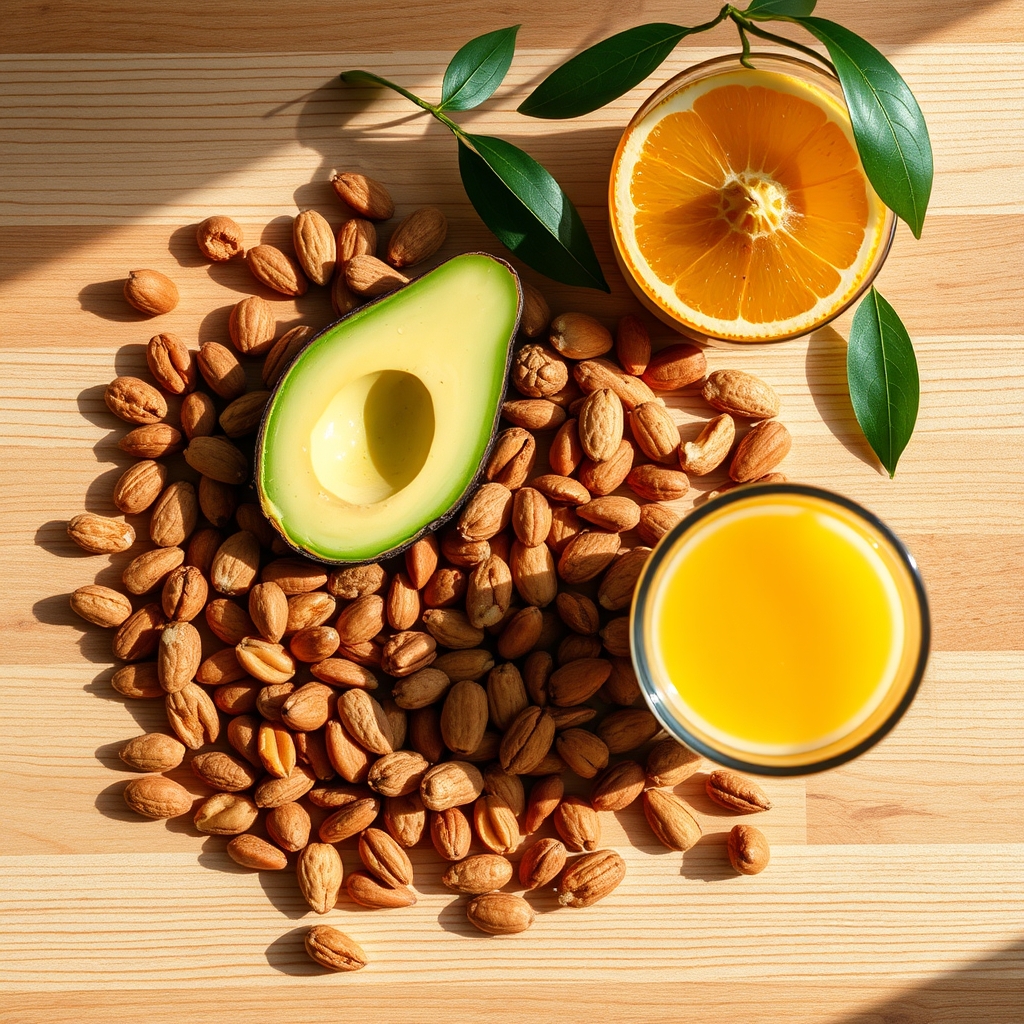
Biotin boosters: A handful of almonds or a hard‑boiled egg offers a natural biotin punch without over‑loading. Other sources include liver, sweet potatoes, and avocados.
Zinc-rich options: Oysters are a powerhouse, but pumpkin seeds, chickpeas, and dairy products also provide good amounts of zinc, essential for cellular repair and growth.
Planning meals can feel overwhelming with a newborn on your schedule, so consider batch‑cooking protein portions on the weekend, keeping pre‑washed greens on hand, and using a simple grocery list that emphasizes these key groups. Healthy snacks like Greek yogurt with berries, a handful of nuts, or an apple with peanut butter can also help bridge nutritional gaps throughout the day.
For a quick visual of how much of each nutrient you might need, try our Postpartum Hair Loss calculator. It lets you input your diet and breastfeeding status to see where you may need extra support.
Include protein, healthy fats, and fortified drinks in daily meals to support hair regrowth.
Potential interactions between vitamins and breastfeeding
Most of the vitamins listed above are considered safe for lactating mothers at the recommended doses. However, a few cautions are worth noting:
Iron: High doses (>45 mg) can cause gastrointestinal upset for both mother and baby, and may reduce milk supply in sensitive individuals. Iron can also interact with other supplements like calcium, so it's best to take them at separate times. The American Academy of Pediatrics (AAP) generally supports iron supplementation in breastfeeding mothers when clinically indicated.
Vitamin D: Excessive supplementation (>4,000 IU daily) can lead to hypercalcemia, which may affect calcium balance in breast milk. Symptoms of hypercalcemia include nausea, vomiting, fatigue, and kidney problems. Always adhere to the recommended daily intake unless advised otherwise by your healthcare provider after a blood test.
Biotin: Very high biotin (5 mg+ daily) can interfere with certain lab tests, such as thyroid panels (TSH, free T3/T4), and cardiac biomarkers, potentially leading to misdiagnosis. It's crucial to inform your doctor about all supplements you're taking before any lab work. Standard doses up to 5 mg are generally considered safe for breastfeeding.
Omega‑3 fish oil: Choose purified, mercury‑free formulations. Excessive fish‑oil can thin blood, which is rarely a concern but worth mentioning if you have a clotting disorder or are taking anticoagulant medications. Look for products certified by organizations like IFOS (International Fish Oil Standards) for purity.
Other B vitamins: While generally safe and important, excessively high doses of certain B vitamins can sometimes cause gastrointestinal issues or nerve damage over time. Sticking to a balanced postnatal multivitamin helps ensure appropriate levels.
If you’re taking prescription medications—especially thyroid hormones (like levothyroxine), antiepileptics, or anticoagulants—double‑check with your pharmacist or doctor before adding new supplements. Some vitamins can impact drug absorption or metabolism. The safest approach is to start with a single, well‑studied product and monitor how you feel over a few weeks, bringing any concerns to your healthcare provider or a lactation consultant.
Natural remedies and lifestyle changes to support hair health
Vitamins are only one piece of the puzzle. Simple, low‑cost habits can also reduce shedding and promote stronger strands:
Scalp massage: Gently massaging the scalp for 5 minutes a day increases blood flow, delivering nutrients more efficiently to follicles. You can use your fingertips or a specialized scalp massager. Some women find adding a few drops of a carrier oil (like jojoba or argan) mixed with a diluted essential oil (like rosemary or peppermint, which have been studied for hair growth) can enhance the experience, but always check for safety if breastfeeding.
Avoid heat styling: Excessive heat from blow dryers, straighteners, and curling irons can damage hair already weakened by telogen effluvium, leading to increased breakage. Opt for air‑drying whenever possible, or use the lowest heat setting with a heat protectant spray if styling is necessary.
Use gentle hair products: Sulfate‑free shampoos and silicone‑free conditioners reduce friction and minimize breakage. Sulfates can strip natural oils, while heavy silicones can build up and weigh down fine hair. Look for products designed for "fragile" or "thinning" hair, which often contain fortifying ingredients and are free from harsh chemicals.
Stress management: Brief mindfulness exercises, short walks, or a few minutes of deep breathing can lower cortisol, a hormone that may exacerbate shedding. The demands of new parenthood are immense, so even small moments of self-care can make a difference. Consider delegating tasks when possible or asking for help to ease your load.
Sleep hygiene: Even short naps can help your body recover. A well‑rested endocrine system balances hormone levels more effectively. While uninterrupted sleep is a luxury with a newborn, prioritize rest whenever you can, and communicate with your partner about sharing night feeds to maximize your sleep stretches.
Hair masks and deep conditioning: Incorporate nourishing hair masks once a week to provide extra moisture and strength. Look for masks with ingredients like keratin, argan oil, or shea butter. These can help to temporarily improve the appearance and feel of your hair, reducing breakage.
Combine these practices with the targeted vitamins above, and you’ll give your hair the best chance to rebound as your hormone levels normalize.
Regular scalp massage can boost circulation and nutrient delivery to hair follicles.
Beyond vitamins: other treatments and considerations
While vitamins and lifestyle changes are foundational, some women may explore additional options if shedding is severe or prolonged. It’s always best to discuss these with a dermatologist or your healthcare provider.
Topical Minoxidil (Rogaine): This over-the-counter treatment is FDA-approved for hair loss and works by prolonging the anagen phase and increasing follicle size. While effective, it's generally not recommended during breastfeeding due to limited data on its transfer into breast milk and potential effects on the infant. Always consult your doctor before using minoxidil postpartum.
Platelet-Rich Plasma (PRP) Therapy: PRP involves drawing your blood, processing it to concentrate platelets, and then injecting the platelet-rich plasma into the scalp. The growth factors in PRP are thought to stimulate hair follicles. While gaining popularity, PRP is a costly procedure, and more robust research is needed to confirm its long-term efficacy specifically for postpartum telogen effluvium.
Low-Level Laser Therapy (LLLT): LLLT devices (helmets, combs, or caps) use red light to stimulate cellular activity in hair follicles, potentially promoting growth. These are available for at-home use. Evidence for LLLT is promising for some forms of hair loss, but like PRP, it's not typically a first-line treatment for postpartum shedding and can be expensive.
Prescription Medications: In rare cases, if an underlying condition like severe thyroid dysfunction or an autoimmune issue is identified, your doctor may prescribe specific medications. However, for typical postpartum telogen effluvium, medication is rarely needed.
Remember that most postpartum hair loss is temporary and resolves on its own. These advanced treatments are usually considered for more persistent or severe cases, or when other forms of hair loss are diagnosed.
When to expect results and manage expectations
One of the hardest parts of postpartum hair loss is the waiting game. While you're diligently taking your supplements and caring for yourself, it's important to set realistic expectations for when you'll see improvement. Hair growth is a slow process, and change doesn't happen overnight.
Typically, you can expect the peak shedding phase to subside around 4-6 months postpartum. New hair growth, often appearing as "baby hairs" around your hairline, usually begins to become noticeable around 6-9 months postpartum. For most women, hair will return to its pre-pregnancy thickness and fullness by their baby's first birthday, or sometimes up to 18 months postpartum. Patience is truly a virtue here. Focus on consistent nutrition and gentle care, and trust that your body is working to rebalance itself. Every new mom's journey is unique, and comparing your timeline to others can add unnecessary stress.
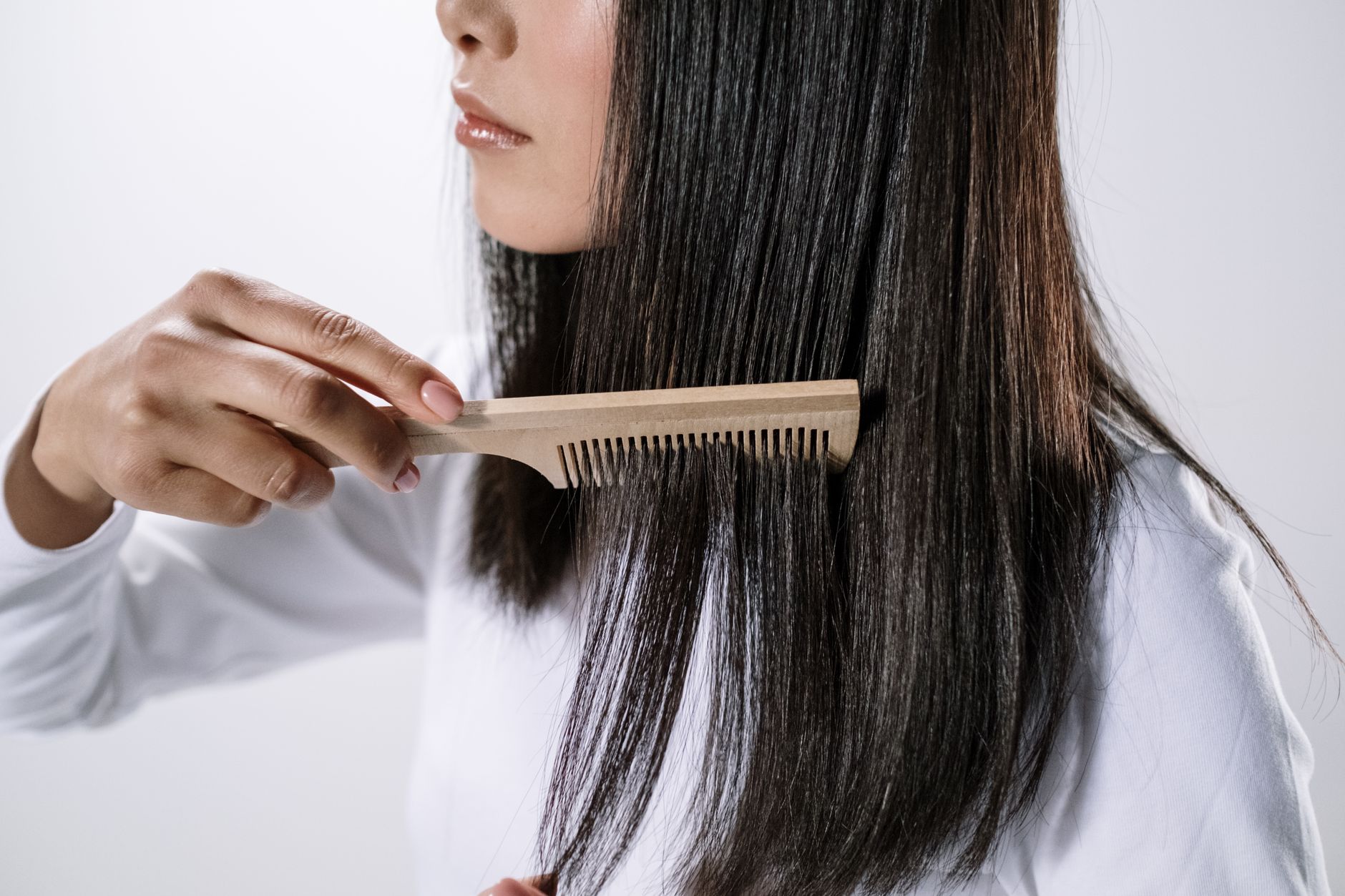
Using a wide-tooth comb and gentle brushing techniques can minimize breakage on fragile postpartum hair.
Hair care tips for fragile postpartum hair
During this period of increased shedding and regrowth, your hair is particularly vulnerable. Adopting a gentle hair care routine can help minimize breakage and protect the new strands coming in.
Brush with care: Use a wide-tooth comb or a soft-bristle brush, especially when your hair is wet and most fragile. Start detangling from the ends and work your way up to the roots to avoid pulling and snapping. Avoid aggressive brushing.
Wash gently: Don't over-wash your hair, as this can strip natural oils and cause more friction. When you do wash, use a mild, sulfate-free shampoo and gently massage your scalp rather than scrubbing vigorously. Follow with a nourishing, silicone-free conditioner.
Avoid tight hairstyles: Ponytails, braids, and buns that pull tightly on the scalp can cause traction alopecia, a type of hair loss exacerbated by postpartum shedding. Opt for looser styles or let your hair down whenever possible. Silk scrunchies can also be gentler than elastic bands.
Limit chemical treatments: Hair dyes, perms, and chemical straightening treatments can further weaken already fragile hair. It's often best to postpone these until your hair has recovered and is growing back stronger. If you choose to color, opt for gentler, semi-permanent options or root touch-ups.
Protect your hair at night: Consider sleeping on a silk pillowcase, which creates less friction than cotton and can reduce tangles and breakage. You can also loosely braid your hair before bed to prevent knots.
By treating your hair with kindness and patience, you'll support its recovery and help it grow back healthier.
Doctor's note
From our medical team: Post‑partum hair loss is usually self‑limiting, but checking iron and vitamin D levels early can prevent prolonged shedding. If you’re breastfeeding, a standard prenatal multivitamin with 30 mg of iron and 600 IU of vitamin D is often sufficient, but individual needs vary. Always discuss any new supplement with your obstetrician or family physician, especially if you have a history of thyroid disease or are taking prescription medication. We often see patients concerned about hair loss, and a simple blood test can often provide reassurance or guide targeted treatment.
🔢 Ready to crunch your numbers? Use our Postpartum Hair Loss for a personalized result in seconds.
Myth vs. fact
Myth: You’ll lose all your hair after pregnancy and never grow it back.
Fact: Most women experience only temporary shedding; hair typically regrows to its pre‑pregnancy thickness within 12 months. Complete baldness is extremely rare and usually indicates an underlying medical condition.
Myth: Biotin alone can stop postpartum hair loss.
Fact: Biotin supports keratin production, but without adequate iron, zinc, and vitamin D, it won’t fully address the underlying causes. A comprehensive approach targeting multiple nutrients is more effective.
Myth: All “hair‑growth” supplements are safe while breastfeeding.
Fact: Some blends contain high doses of herbs or vitamins that exceed safe limits for lactating mothers; always verify the dosage and seek professional advice. Many herbal ingredients lack sufficient safety data for breastfeeding.
Myth: The more hair you shed, the more severe your hair loss will be permanently.
Fact: The amount of shedding can be alarming, but it doesn't predict permanent hair loss. Telogen effluvium is about a temporary increase in shedding, and the follicles usually remain healthy and capable of regrowth.
Key takeaways
Post‑partum hair loss is mainly hormonal, but nutrient deficiencies—especially iron, vitamin D, zinc, and biotin—can worsen shedding.
Choose a lactation‑specific multivitamin that meets the RDA for iron (27 mg), vitamin D (600 IU), and includes biotin, zinc, and omega‑3s.
Complement supplements with a diet rich in lean protein, leafy greens, fortified dairy or alternatives, nuts, and fatty fish.
Screen for deficiencies with a simple blood test; many providers can check ferritin, vitamin D, and zinc during a routine post‑natal visit.
Gentle hair care, scalp massage, stress reduction, and adequate sleep all support faster hair regrowth.
Patience is key; expect to see new growth around 6-9 months postpartum, with full recovery typically by 12-18 months.
Always discuss new supplements or concerns with your healthcare provider, especially if you’re breastfeeding or taking prescription meds.
Frequently asked questions
What causes hair loss after pregnancy?
Hair loss after pregnancy is primarily caused by telogen effluvium, a shift of hair follicles into the resting phase when estrogen drops sharply after delivery; nutrient depletion, especially iron and zinc, can intensify the shedding. Elevated stress hormones and thyroid imbalances can also contribute.
How long does postpartum hair loss last?
Most women see peak shedding between 2 and 4 months postpartum, with gradual regrowth starting around 6 months; for the majority, hair returns to its pre‑pregnancy thickness by 12 months, though individual timelines vary. It's usually a temporary phase, not permanent.
Can vitamins really help with postpartum hair loss?
Yes—targeted vitamins such as iron, vitamin D, zinc, and biotin provide the building blocks hair follicles need to resume growth; correcting deficiencies can shorten the shedding phase and improve hair strength and quality. They support your body's natural recovery process.
What is the best vitamin for hair growth after pregnancy?
There isn’t a single “best” vitamin; a combination of iron (to boost oxygen delivery), vitamin D (to activate follicle growth), zinc (for DNA synthesis), and biotin (for keratin formation) works synergistically to support hair regrowth. A comprehensive postnatal multivitamin is often the most effective approach.
Do prenatal vitamins help with postpartum hair loss?
Prenatal vitamins often contain the right amounts of iron, folic acid, and B‑vitamins, but they may lack sufficient vitamin D and omega‑3 fatty acids; a post‑natal supplement or a tailored multivitamin that meets lactating RDAs is usually more appropriate, ensuring comprehensive nutrient support.
Can I take biotin while breastfeeding?
Biotin is considered safe during breastfeeding at standard supplement doses (30 µg–5 mg); however, very high doses can interfere with lab tests, so stay within the recommended range and discuss any changes with your provider. Always inform your doctor about biotin intake before blood tests.
Is it normal to lose hair months after stopping breastfeeding?
Yes, it can be. While many women experience hair loss soon after delivery, others may notice increased shedding after weaning or months after stopping breastfeeding. This is due to further hormonal shifts as your body adjusts from the lactational state, which can trigger another round of telogen effluvium.
Can stress make postpartum hair loss worse?
Absolutely. The physical and emotional stress of caring for a newborn, coupled with sleep deprivation, elevates cortisol levels. Chronic stress can prolong the telogen (resting) phase of hair follicles, leading to more pronounced or extended shedding. Prioritizing stress management and rest is crucial for hair health.
When to call your doctor
If you notice any of the following, reach out to your healthcare provider promptly: sudden or patchy hair loss, scalp redness or itching, persistent fatigue, dizziness, or signs of anemia such as pale skin. Additionally, if your hair loss is accompanied by significant weight changes, intolerance to heat or cold, or changes in bowel habits, it could indicate a thyroid issue or another underlying medical condition that needs attention. This article is for informational purposes only and does not replace personalized medical advice.
References
American College of Obstetricians and Gynecologists (ACOG). “Postpartum Care.” Clinical guidance, 2023.
National Health Service (NHS). “Hair loss after pregnancy.” Patient information, 2022.
World Health Organization (WHO). “Vitamin D supplementation in lactating women.” Nutrition guidelines, 2021.
Mayo Clinic. “Iron deficiency anemia.” Patient care overview, 2024.
Harvard T.H. Chan School of Public Health. “The importance of zinc for hair health.” Nutrition review, 2022.
U.S. National Institutes of Health (NIH). “Dietary Reference Intakes for Vitamin D and Calcium.” Office of Dietary Supplements, 2023.
Centers for Disease Control and Prevention (CDC). “Breastfeeding and nutrient needs.” Public health bulletin, 2023.
British Association of Dermatologists (BAD). “Hair loss in women.” Clinical guidance, 2022.
Food and Drug Administration (FDA). “Guidance for Industry: Dietary Supplement Labeling.” 2022.
National Institute for Health and Care Excellence (NICE). “Postnatal care: guidance for health professionals.” 2023.
American Academy of Pediatrics (AAP). “Breastfeeding and the Use of Human Milk.” Clinical guidance, 2022.
International Fish Oil Standards (IFOS). “Consumer Guide to Omega-3s.” Purity standards, 2024.
Editor's pick for this topic
Not sure about the label on Best Vitamins For Postpartum Hair Loss products?
Snap the ingredients list (or paste it, or scan the barcode) and SafeFilter checks every ingredient against your stage of pregnancy — flagging what to avoid, what needs care, and what's fine.
When Shubhra Mishra was expecting her first child in 2016, she was overwhelmed by conflicting food advice — one site said yes, another said never. By the time her second baby arrived in 2019, she realized millions of mothers face the same confusion.
That sparked a five-year journey through clinical nutrition papers, cultural diets, and expert conversations — all leading to BumpBites: a calm, compassionate space where science meets everyday motherhood.
Her long-term vision is to build a global community ensuring safe, supported, and free deliveriesfor every mother — because no woman should face pregnancy alone or uninformed. 🌿
🌍 Stand with mothers, shape safer guidance
Join a small circle of experts who review BumpBites articles so expecting parents everywhere can decide with confidence.