To reduce bloated feet after pregnancy, elevate your legs, stay hydrated, engage in light exercise, and consider compression socks. Learn safe and effective strategies to alleviate postpartum swelling and discomfort quickly.
By Shubhra Mishra — a mom of two who turned her own confusion during pregnancy into BumpBites, a global mission to make food choices clear, safe, and stress-free for every expecting mother. 💛
Check whether any food is safe during pregnancy with the BumpBites Food Safety Checker.
Download the Complete Pregnancy Food Guide (10,000 Foods) 📘
Instant PDF download • No spam • Trusted by thousands of moms
💡 Your email is 100% safe — no spam ever.
Quick take: Swollen feet and ankles after pregnancy are very common, often due to fluid shifts and hormonal changes. While it can be uncomfortable, mild swelling usually resolves within the first week or two postpartum. Gentle movement, elevation, hydration, and compression can help reduce discomfort, but always contact your doctor if swelling is sudden, severe, accompanied by pain, or affects only one leg.
It's a strange feeling, isn't it? You've just welcomed your beautiful baby, and while your belly might be shrinking, your feet and ankles still feel like balloons. You might have expected some swelling during pregnancy, but lingering bloated feet after delivery can be a surprising and uncomfortable postpartum reality. Many new moms find themselves wondering, "Is this normal? And what can I do to make it go away?"
Take a deep breath, mama. Postpartum foot swelling, also known as postpartum edema, is incredibly common and usually nothing to worry about. It's your body's way of adjusting after the incredible work of growing and birthing a baby. But that doesn't make it any less frustrating when your favorite shoes won't fit, or your ankles feel stiff.
At BumpBites, we understand you're looking for clear, reassuring answers and practical solutions. In this article, we'll explore why you might still have swollen feet after giving birth, how long you can expect it to last, and most importantly, effective, science-backed ways to reduce swelling and get you feeling more comfortable. We'll also cover the key signs that mean it's time to call your healthcare provider, ensuring you have all the information you need to navigate this common postpartum experience.
Why are my feet still swollen after giving birth?
If you're noticing that your feet and ankles still look puffy days or even a couple of weeks after delivery, you're definitely not alone. This lingering swelling, known as postpartum edema, is a very common experience for new mothers. Your body undergoes tremendous changes during pregnancy and childbirth, and it takes time to return to its pre-pregnancy state. There are several key reasons why you might still be experiencing swollen feet after giving birth:
Excess Fluid Retention from Pregnancy
Throughout pregnancy, your body significantly increases its blood volume and retains extra fluid to support your growing baby and the placenta. This is a normal physiological change, with some estimates suggesting a woman's blood volume can increase by up to 50% by the third trimester. While this fluid is crucial for a healthy pregnancy, it doesn't just vanish the moment your baby is born. Your body needs time to process and eliminate this excess fluid, which often collects in the lower extremities due to gravity.
Intravenous (IV) Fluids During Labor
Many women receive intravenous fluids during labor, especially if they have an epidural, are induced, or have a longer labor. These fluids are essential for maintaining hydration and blood pressure, but they also contribute to the overall fluid volume in your body. After delivery, your body works to excrete these extra fluids, and a significant portion can temporarily settle in your feet and ankles.
Hormonal Shifts
The dramatic drop in pregnancy hormones, particularly progesterone, after childbirth plays a significant role in fluid balance. Progesterone contributes to fluid retention during pregnancy. As its levels rapidly decrease postpartum, your body begins to shed the accumulated fluid. This process isn't instantaneous and can lead to temporary swelling before the fluid balance normalizes. Estrogen levels also fluctuate, impacting blood vessels and fluid dynamics.
Increased Blood Volume and Circulation Changes
Beyond the extra fluid, your total blood volume increases substantially during pregnancy. After birth, your cardiovascular system begins to adapt to this change, but it takes time. The increased pressure on your veins from your growing uterus during pregnancy can also affect circulation in your legs and feet, and while the uterus has shrunk, the residual effects on your circulatory system can contribute to fluid pooling.
Gravity and Reduced Mobility
After delivery, especially if you had a C-section or a long, exhausting labor, you might find yourself less mobile. Extended periods of sitting or lying down, combined with gravity, can cause fluid to pool in your lower extremities. Even nursing sessions or holding your baby for long stretches can mean less time with your feet elevated, contributing to the issue.
Many moms tell us they felt like a walking water balloon during the last weeks of pregnancy, and then after delivery, they expected all that fluid to just magically disappear! But it doesn't always work that way. The good news is that for most women, this type of postpartum swelling is a normal, temporary part of recovery. However, understanding the causes can help you feel more informed and less anxious about your swollen feet and ankles.
Gentle massage can offer some relief for swollen feet after delivery.
How long does postpartum foot swelling last?
The question of "how long does it take for postpartum swelling to go down?" is one of the most common queries we hear from new parents. The good news is that for the vast majority of women, postpartum swelling is a temporary condition. Most women will notice a significant reduction in swelling within the first week after delivery, and it typically resolves almost completely by two weeks postpartum.
Typical Timeline for Swelling Resolution
First few days: This is often when swelling is most noticeable, especially if you received a lot of IV fluids during labor. Your body is actively working to shed excess fluid.
One week postpartum: You should start to see a noticeable decrease in swelling. Your shoes might begin to fit more comfortably, and your ankles may look less puffy.
Two weeks postpartum: For most women, swelling should be largely resolved by this point. Your body's fluid balance should be closer to its pre-pregnancy state.
Factors Influencing Duration
While two weeks is a general guideline, the exact duration can vary from person to person. Several factors can influence how quickly your body eliminates the excess fluid:
Amount of fluid retained during pregnancy: If you had significant edema during pregnancy, your body has more fluid to process postpartum.
Amount of IV fluids: Women who received larger volumes of IV fluids during labor may experience more pronounced and slightly longer-lasting swelling.
Activity level: Gentle movement helps with circulation, while prolonged inactivity can delay fluid drainage.
Climate: Hot, humid weather can sometimes exacerbate swelling.
Individual metabolism: Everyone's body processes fluids at a slightly different rate.
Breastfeeding: Some research suggests that breastfeeding might help accelerate the resolution of postpartum swelling, though more studies are needed.
When Swelling Lasts Longer: Is it Normal?
While less common, some women might experience swollen feet 2 weeks postpartum or even longer. If your swelling persists beyond two weeks, it's a good idea to mention it to your healthcare provider at your postpartum check-up, even if it feels mild. This is usually just an extended recovery period for your body, but it's always best to rule out any underlying issues.
It's generally not considered normal to have swollen feet 3 months after delivery. If you're still experiencing significant swelling this far along in your postpartum journey, it's crucial to consult your doctor. While it could still be benign, persistent swelling can sometimes indicate other conditions that need medical attention, such as thyroid issues, kidney problems, or venous insufficiency. Your provider can perform an examination and any necessary tests to determine the cause and recommend appropriate management.
Best ways to reduce swollen feet after pregnancy
While waiting for your body to naturally rebalance its fluids, there are many effective strategies you can employ to help reduce discomfort and speed up the resolution of postpartum foot and ankle swelling. These methods focus on improving circulation, encouraging fluid drainage, and supporting your body's natural recovery processes. Integrating these tips into your daily routine can make a big difference in how your feet feel.
Elevate Your Feet
One of the simplest yet most effective methods is to elevate your feet. Gravity is both a cause and a solution for swelling. By raising your feet above the level of your heart, you help gravity work in your favor, encouraging pooled fluid to drain back into your circulation to be processed and excreted. This can significantly reduce pressure and discomfort in your lower extremities.
Stay Hydrated
It might seem counterintuitive to drink more water when you're retaining fluid, but staying well-hydrated is crucial. When you're dehydrated, your body tends to hold onto every drop of fluid it can, which can worsen swelling. Drinking plenty of water helps your kidneys function optimally, allowing them to flush out excess sodium and fluids more efficiently. Aim for at least 8-10 glasses of water per day, or more if you're breastfeeding.
Engage in Gentle Movement
While rest is important, complete immobility can make swelling worse. Gentle, low-impact movement helps activate your "muscle pump" in your calves, which aids in pushing fluid back up towards your heart. Short, frequent walks (once cleared by your doctor), ankle circles, and foot pumps are excellent ways to encourage circulation without overexerting yourself. We'll delve deeper into the benefits of walking shortly.
Consider Compression Garments
Compression socks or stockings can provide physical support to your legs and feet, helping to prevent fluid from pooling in your lower extremities. They work by applying gentle pressure that aids circulation and reduces the space available for fluid to accumulate. These can be particularly helpful if you spend a lot of time on your feet or experience significant discomfort.
Adopt a Balanced Diet
What you eat can also impact fluid retention. A diet rich in whole foods, balanced electrolytes, and adequate protein can support your body's fluid balance. While you shouldn't drastically cut out sodium, reducing intake of highly processed foods, which are often high in sodium, can be beneficial. Conversely, increasing foods rich in potassium and magnesium can help maintain a healthy fluid balance.
Rest and Relaxation
The postpartum period is a time of immense physical and emotional adjustment. Adequate rest is vital for your body's overall recovery, including its ability to manage fluid balance. Try to nap when your baby sleeps and accept help from family and friends so you can prioritize resting with your feet up. Stress can also impact hormone levels and fluid retention, so finding moments for relaxation can be beneficial.
By combining these strategies, you can effectively manage and reduce your postpartum foot swelling, making your recovery journey a more comfortable one. Remember, consistency is key, and listening to your body's signals is paramount.
When should I worry about swollen feet postpartum?
While mild to moderate postpartum swelling is very common and usually harmless, there are specific signs that indicate it's time to seek immediate medical attention. Your healthcare provider needs to rule out more serious conditions that can sometimes manifest with swelling. It’s crucial to be aware of these red flags and not hesitate to contact your doctor or midwife if you experience any of them.
Unilateral or One-Sided Swelling
If you notice that the swelling is significantly worse in only one leg or foot, or if it's accompanied by pain, tenderness, redness, or warmth in that leg, it could be a sign of a Deep Vein Thrombosis (DVT). A DVT is a blood clot that forms in a deep vein, usually in the leg, and it's a serious condition that requires urgent medical care. Postpartum women are at a higher risk for blood clots due to changes in blood clotting factors during pregnancy and childbirth.
Sudden, Severe Swelling
If your swelling appears very suddenly and is severe, especially if it affects not just your feet and ankles but also your hands and face, it could be a sign of postpartum pre-eclampsia. This condition can develop up to six weeks after delivery and involves high blood pressure and often protein in the urine. Symptoms can include:
Severe headache that doesn't go away with pain medication
Upper abdominal pain (often under the ribs on the right side)
Nausea or vomiting
Shortness of breath
Postpartum pre-eclampsia is a medical emergency and needs immediate treatment.
Swelling with Shortness of Breath or Chest Pain
Any swelling accompanied by difficulty breathing, shortness of breath, chest pain, a racing heart, or dizziness could indicate a pulmonary embolism (a blood clot in the lungs) or another serious cardiac issue. These are life-threatening conditions that require emergency medical care. Do not delay in calling for help if you experience these symptoms.
Pain That Doesn't Improve
If the pain in your swollen feet or legs is severe, doesn't improve with elevation and rest, or worsens over time, it's a reason to contact your doctor. While some discomfort is normal with swelling, persistent or escalating pain warrants investigation.
Other Concerning Symptoms
Be vigilant for any other symptoms that seem unusual or concerning, such as a fever, chills, skin that is hot to the touch, or unusual discharge. Trust your instincts as a new mother. If something feels "off" or you have a nagging worry, it is always best to err on the side of caution and reach out to your healthcare provider. They would much rather you call for reassurance than miss a potentially serious condition.
Always remember that this article is for informational purposes. Only your healthcare provider can diagnose and treat medical conditions. If you have any of these concerning symptoms, seek medical advice promptly.
Home remedies for postpartum edema in feet
When it comes to reducing swollen feet and ankles postpartum, practical home remedies can offer significant relief and comfort. These self-care strategies are generally safe and effective, helping your body to naturally shed excess fluid. Incorporating these into your daily routine can make a noticeable difference.
Effective Elevation Techniques
Elevating your feet is perhaps the most immediate way to combat swelling. The goal is to get your feet above the level of your heart to allow gravity to assist fluid drainage.
How to elevate feet for swelling after birth: Lie down and prop your feet up on pillows, cushions, or even a stack of books. Aim for an angle that feels comfortable but effective, usually 6-12 inches above your heart.
Frequency and duration: Try to elevate your feet for 20-30 minutes, several times a day. This is especially helpful after periods of standing or sitting.
While sleeping: You can place a pillow under the foot of your mattress or use a wedge pillow to keep your feet slightly elevated overnight.
Compression Socks for Postpartum Swelling
Compression garments are a fantastic tool for managing postpartum edema. They work by applying graduated pressure, meaning they are tighter at the ankle and gradually looser towards the knee. This gentle pressure helps to:
Improve blood flow and circulation.
Prevent fluid from pooling in your lower legs and feet.
Consult your provider: Your doctor can recommend the appropriate compression level (measured in mmHg). Mild compression (15-20 mmHg) is often sufficient for general postpartum swelling and available over-the-counter.
Proper fit: Ensure they fit snugly but aren't too tight or uncomfortable. Measure your legs according to the manufacturer's guidelines, preferably in the morning before swelling has accumulated.
When to wear: Put them on in the morning before you get out of bed, and wear them throughout the day. Remove them before sleeping.
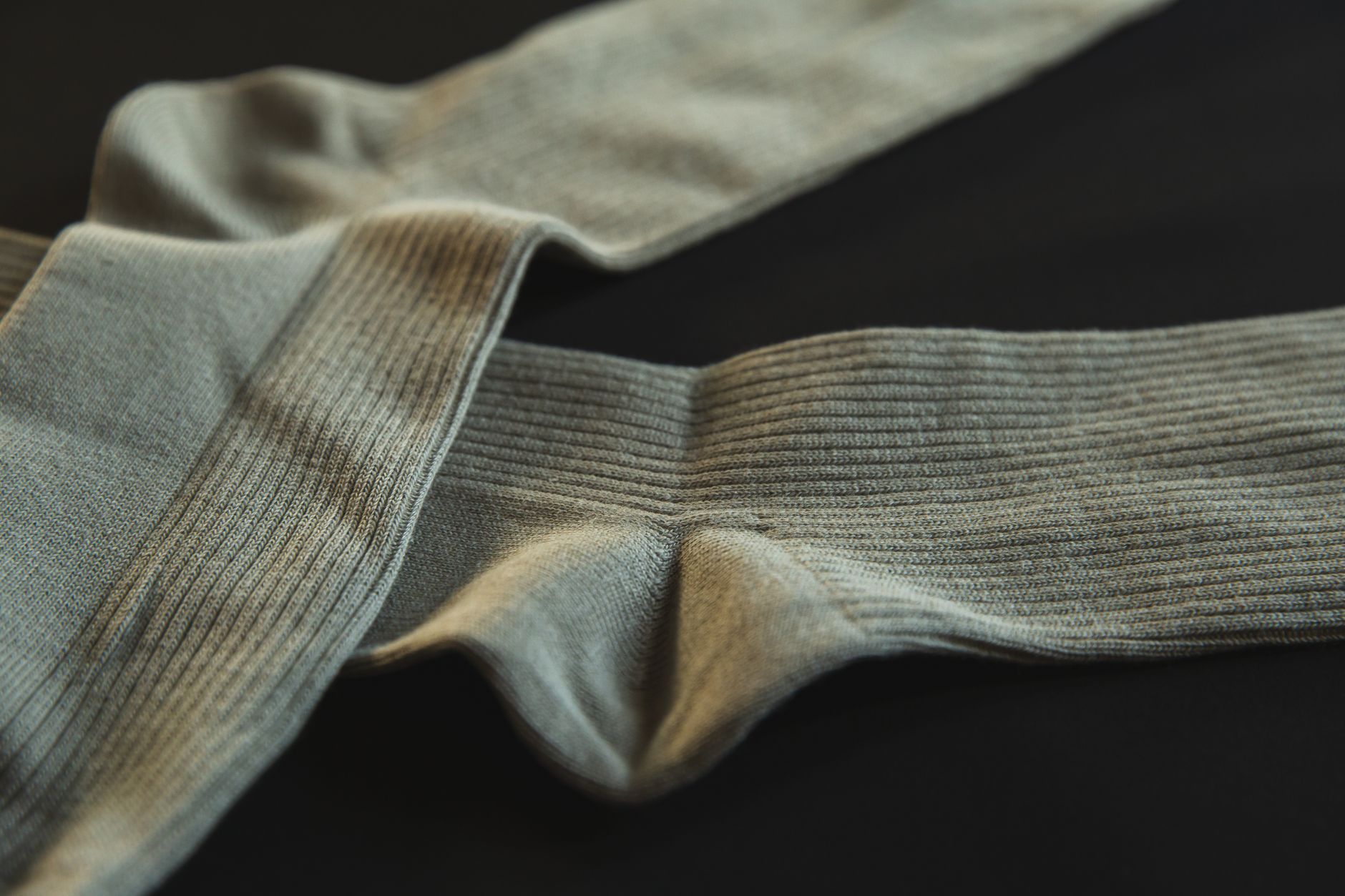
Compression socks can provide much-needed support and relief for swollen feet.
Gentle Movement and Exercise
While rest is important, gentle movement is key to keeping fluids circulating.
Ankle circles and foot pumps: While sitting or lying down, gently rotate your ankles clockwise and counter-clockwise, and flex your feet up and down, pointing your toes and then pulling them back towards you. Repeat 10-15 times for each foot.
Short walks: Once cleared by your doctor, brief, gentle walks around your home or neighborhood can help activate your calf muscles, which act as a pump for fluid.
Stay Hydrated with Water
As mentioned, drinking plenty of water helps your body flush out excess fluids. Aim for water, herbal teas, and water-rich fruits and vegetables. Avoid sugary drinks and excessive caffeine, which can sometimes have a diuretic effect that could lead to dehydration if not balanced.
Cool Compresses and Soaks
Applying cool compresses or soaking your feet in cool water can provide temporary relief from the discomfort and heat associated with swelling.
Cool foot bath: Fill a basin with cool water (not icy cold) and soak your feet for 15-20 minutes. You can add Epsom salts for a soothing sensation, though their direct effect on reducing swelling is not scientifically proven.
Cold packs: Wrap an ice pack or a bag of frozen vegetables in a thin towel and apply it to your swollen ankles for 10-15 minutes at a time.
Gentle Massage
A gentle foot and ankle massage can help move stagnant fluid.
Technique: Using a light touch and a soothing lotion or oil, gently stroke your skin upward from your toes towards your knees. Avoid deep pressure, especially if you have pain.
Benefits: This encourages lymphatic drainage and can feel incredibly relaxing.
These natural remedies for postpartum edema can be a powerful part of your recovery toolkit. Combine several methods for the best results, and remember to be patient with your body as it heals.
Does walking help reduce swollen feet after delivery?
Yes, absolutely! Gentle walking is one of the most effective and natural ways to help reduce swollen feet and ankles after delivery. While it might seem counterintuitive to move when your feet are uncomfortable, the right kind of activity plays a crucial role in improving circulation and encouraging fluid drainage.
The "Muscle Pump" Mechanism
When you walk, the muscles in your calves contract and relax. This action, often referred to as the "muscle pump," helps to squeeze the veins in your legs, pushing blood and lymphatic fluid back up towards your heart. Without this pumping action, fluid can easily pool in your lower extremities due to gravity, leading to increased swelling. Regular, gentle movement keeps this pump active, preventing fluid stagnation.
Improved Circulation
Beyond the muscle pump, walking enhances overall blood flow throughout your body. Better circulation means that your lymphatic system, which is responsible for collecting and returning excess fluid to your bloodstream, can work more efficiently. This helps your body process and eliminate the extra fluids that contribute to postpartum edema.
Preventing Blood Clots
Another critical benefit of gentle movement postpartum is the prevention of blood clots, particularly Deep Vein Thrombosis (DVT). The risk of blood clots is elevated in the postpartum period. Walking helps keep blood flowing, reducing the chances of clots forming in your legs. This is especially important if you've had a C-section or a complicated delivery that involved prolonged immobility.
How Much and What Kind of Walking?
The key here is "gentle" and "gradual." Your body is recovering from childbirth, and your pelvic floor and core muscles also need time to heal.
Start slow: Begin with very short walks around your house. Even a few minutes at a time can be beneficial.
Listen to your body: Pay attention to any pain or discomfort. If you feel tired or experience increased bleeding or pelvic pressure, stop and rest.
Frequency over intensity: Several short walks throughout the day (e.g., 5-10 minutes every couple of hours) are often more effective and safer than one long, strenuous walk.
Combine with elevation: For maximum benefit, try to elevate your feet for 20-30 minutes after each walk.
Before starting any exercise routine postpartum, including walking, always ensure you have been cleared by your healthcare provider, especially if you had a C-section or any complications. They can provide personalized guidance based on your recovery. Once cleared, incorporating gentle walks into your daily routine can be a fantastic way to support your body's healing and significantly reduce swollen feet after delivery.
Diet tips to reduce water retention after pregnancy
Your diet plays an important role in managing fluid balance and can significantly impact postpartum water retention. While a healthy diet supports overall recovery, certain dietary choices can specifically help your body shed excess fluids and reduce swelling. It's not about strict restrictions, but rather making smart, balanced choices.
Balance Your Sodium Intake
Sodium (salt) is essential for bodily functions, but excessive intake can lead to increased fluid retention.
Reduce processed foods: Many packaged snacks, ready meals, cured meats, and canned soups are loaded with hidden sodium. Limiting these can make a big difference.
Cook at home: Preparing meals from scratch allows you to control the amount of salt you add. Use herbs and spices for flavor instead of relying solely on salt.
Don't eliminate entirely: Your body still needs some sodium, especially if you're breastfeeding. The goal is balance, not deprivation.
Increase Potassium-Rich Foods
Potassium is an electrolyte that works with sodium to maintain fluid balance in your cells. Increasing your intake of potassium-rich foods can help counteract the effects of excess sodium and encourage your body to excrete more fluid.
Magnesium is another vital mineral that plays a role in hundreds of bodily processes, including fluid balance and muscle function. Some studies suggest that adequate magnesium intake can help with water retention.
Foods high in magnesium include:
Nuts and seeds: Almonds, cashews, pumpkin seeds, chia seeds.
Leafy green vegetables: Spinach, Swiss chard.
Whole grains: Brown rice, oats, whole wheat bread.
Dark chocolate: A delicious and healthy treat in moderation!
Stay Hydrated (Again!)
Yes, we're emphasizing it again because it's that important! Drinking plenty of water helps your kidneys function optimally, allowing them to efficiently flush out excess sodium and fluids. Aim for at least 8-10 glasses of plain water daily. Herbal teas can also contribute to your fluid intake.
Water-Rich Fruits and Vegetables
Many fruits and vegetables have high water content and can contribute to both hydration and electrolyte balance. Examples include cucumbers, watermelon, berries, celery, and lettuce. These foods also provide essential vitamins and antioxidants that support overall postpartum recovery.
Adequate Protein Intake
Protein is essential for tissue repair and overall recovery. It also plays a role in maintaining osmotic pressure, which helps keep fluid within blood vessels. Ensure you're getting enough lean protein from sources like chicken, fish, eggs, beans, lentils, and tofu.
Here's a quick comparison of foods to prioritize and those to limit to help reduce water retention:
Foods to Prioritize (Help Reduce Swelling)
Foods to Limit (May Worsen Swelling)
Water, herbal teas
Sugary drinks, excessive caffeine
Bananas, avocados, oranges
Highly processed snacks (chips, crackers)
Spinach, sweet potatoes, kale
Canned soups, ready meals
Almonds, pumpkin seeds
Cured meats (bacon, sausage)
Lean proteins (chicken, fish, eggs)
Excessive table salt added to meals
Berries, cucumbers, watermelon
Deep-fried foods
Focusing on a balanced, nutrient-dense diet not only helps with reducing water retention after pregnancy but also provides the energy and nutrients you need for breastfeeding (if applicable) and recovering from childbirth.
Water-rich fruits and proper hydration are key for reducing postpartum swelling.
From our medical team: It's easy to feel frustrated when your body doesn't bounce back instantly after childbirth. Remember, your body has just completed an incredible feat, and it needs time to recover and readjust. Mild postpartum swelling is a normal part of this process. Focus on self-care, listen to your body, and don't hesitate to reach out to your healthcare provider if you have any concerns or if your symptoms worsen. We're here to support you.
Myth vs. fact
Let's clear up some common misconceptions about postpartum swelling:
Myth: You should avoid drinking water if you have swelling.
Fact: The opposite is true! Staying well-hydrated actually helps your kidneys flush out excess fluids and sodium, reducing swelling. Dehydration can sometimes signal your body to hold onto fluids, potentially worsening retention.
Myth: Swelling after birth means something is seriously wrong.
Fact: While severe or sudden swelling can be a red flag, mild to moderate swelling in the feet and ankles after delivery is incredibly common and usually a normal part of your body's recovery. Most cases resolve within two weeks.
Myth: You should take diuretics (water pills) to get rid of postpartum swelling.
Fact: Never take diuretics without explicit medical advice. They can lead to dehydration and dangerous electrolyte imbalances, which can be particularly harmful, especially if you're breastfeeding. Always consult your doctor before taking any medication postpartum.
Key takeaways
Postpartum foot and ankle swelling is a very common and usually normal part of your body's recovery after childbirth.
It typically resolves within 1-2 weeks as your body naturally rebalances its fluids and excretes excess water.
Elevate your feet above heart level whenever possible for 20-30 minutes, several times a day, to aid fluid drainage.
Engage in gentle movement, such as short walks and ankle exercises, to improve circulation and activate your "muscle pump."
Stay well-hydrated by drinking plenty of water, and focus on a balanced diet rich in potassium and magnesium while limiting processed foods high in sodium.
Consider wearing compression socks to provide support and help prevent fluid from pooling in your lower extremities.
Contact your doctor immediately if you experience sudden, severe, or one-sided swelling, accompanied by pain, redness, or other concerning symptoms like headache, vision changes, chest pain, or shortness of breath.
Frequently asked questions
Is it normal for feet to be swollen after pregnancy?
Yes, it is very common and normal for feet and ankles to remain swollen for a period after giving birth. This is due to a combination of retained pregnancy fluids, intravenous (IV) fluids given during labor, and hormonal shifts as your body recovers. It's a natural part of the postpartum adjustment.
How long does it take for postpartum swelling to go down?
For most women, postpartum swelling begins to subside within the first few days after delivery and largely resolves within one to two weeks. The exact timeline can vary depending on individual factors like how much fluid was retained during pregnancy and whether IV fluids were administered during labor.
What helps reduce swelling after birth?
Effective strategies include elevating your feet above heart level, wearing compression socks, staying well-hydrated with water, engaging in gentle movement like short walks, and maintaining a balanced diet low in processed foods and rich in potassium and magnesium. Rest and cool compresses can also provide relief.
When should I be concerned about postpartum swelling?
You should contact your doctor immediately if you experience sudden or severe swelling, especially if it's accompanied by pain, redness, warmth, or affects only one leg. Also, seek medical advice for swelling with a severe headache, vision changes, chest pain, or shortness of breath, as these can be signs of serious conditions.
Can dehydration cause swollen feet postpartum?
Paradoxically, yes. While it seems counterintuitive, not drinking enough water can signal your body to hold onto fluids, potentially worsening swelling. Staying adequately hydrated helps your kidneys efficiently flush out excess sodium and fluid, which in turn helps reduce edema.
What foods help reduce swelling after pregnancy?
Foods rich in potassium and magnesium can aid in fluid balance and help reduce water retention. Examples include bananas, sweet potatoes, leafy greens (like spinach and kale), avocados, nuts, seeds, and whole grains. Limiting highly processed, salty foods can also be beneficial.
When to call your doctor
While mild postpartum swelling is usually harmless, it's crucial to know when to seek medical attention. Contact your doctor or midwife immediately if you experience any of the following:
Swelling that is sudden, severe, or rapidly worsening.
Swelling that affects only one leg or foot, especially if accompanied by pain, tenderness, redness, or warmth.
Swelling in your face or hands, along with a severe headache that won't go away, vision changes (blurry vision, spots, flashing lights), or upper abdominal pain.
Swelling accompanied by shortness of breath, chest pain, dizziness, or a racing heart.
Any other symptoms that concern you or make you feel unwell.
This article is for informational purposes only and is not a substitute for professional medical advice, diagnosis, or treatment. Always seek the advice of your physician or other qualified health provider with any questions you may have regarding a medical condition.
References
American College of Obstetricians and Gynecologists (ACOG). Postpartum Care After Vaginal Delivery.
American College of Obstetricians and Gynecologists (ACOG). Postpartum Care After Cesarean Delivery.
Mayo Clinic. Edema.
National Health Service (NHS) UK. Common problems in pregnancy.
Centers for Disease Control and Prevention (CDC). Deep Vein Thrombosis (DVT) & Pulmonary Embolism (PE) Guidelines.
World Health Organization (WHO). Maternal Nutrition.
National Institute for Health and Care Excellence (NICE) UK. Postnatal care.
Editor's pick for this topic
Not sure about the label on Bloated Feet After Pregnancy Reducing Swelling products?
Snap the ingredients list (or paste it, or scan the barcode) and SafeFilter checks every ingredient against your stage of pregnancy — flagging what to avoid, what needs care, and what's fine.
When Shubhra Mishra was expecting her first child in 2016, she was overwhelmed by conflicting food advice — one site said yes, another said never. By the time her second baby arrived in 2019, she realized millions of mothers face the same confusion.
That sparked a five-year journey through clinical nutrition papers, cultural diets, and expert conversations — all leading to BumpBites: a calm, compassionate space where science meets everyday motherhood.
Her long-term vision is to build a global community ensuring safe, supported, and free deliveriesfor every mother — because no woman should face pregnancy alone or uninformed. 🌿
🌍 Stand with mothers, shape safer guidance
Join a small circle of experts who review BumpBites articles so expecting parents everywhere can decide with confidence.