Your first period after pregnancy usually returns 6–8 weeks after delivery, but it can be earlier or later. Find out what to expect, how ovulation signs appear, and when medical advice is needed.
By Shubhra Mishra — a mom of two who turned her own confusion during pregnancy into BumpBites, a global mission to make food choices clear, safe, and stress-free for every expecting mother. 💛
Check whether any food is safe during pregnancy with the BumpBites Food Safety Checker.
Download the Complete Pregnancy Food Guide (10,000 Foods) 📘
Instant PDF download • No spam • Trusted by thousands of moms
💡 Your email is 100% safe — no spam ever.
Quick take: Most people see their first period anywhere from four to eight weeks after giving birth, but the exact timing depends on delivery type, breastfeeding, and individual hormone shifts. Expect a few days of spotting, possible clots, and lighter flow than a typical cycle—though it can feel heavier if you’re not nursing. If you’re breastfeeding, periods often return later, but they’ll still signal that your body is moving toward fertility again.
It’s 2 a.m., you’ve just soothed a newborn, and a faint pink stain appears on your nightgown. Your mind races: “Is this my period? Is it normal after a C‑section? Will I get pregnant again soon?” You’re not alone. Many new parents wonder when their menstrual cycle will reappear and what it will look like after pregnancy.
In this guide we’ll walk through everything you need to know about the first period after pregnancy—when it typically shows up, how it feels, how breastfeeding changes the picture, and how to prepare both physically and emotionally. We’ll also cover warning signs that warrant a call to your provider, and give you a handy reference table so you can compare the most common timelines.
By the end of this article you’ll have a clear, realistic picture of what to expect, how to manage any surprises, and when it’s safe to start thinking about trying for another baby.
When will I get my first period after pregnancy?
Most experts agree that the first postpartum bleed—often called lochia—transitions into a true menstrual period somewhere between four and eight weeks after delivery. The exact timing varies widely because it’s driven by hormone levels, the type of delivery, and whether you’re nursing.
During pregnancy, the placenta produces high amounts of estrogen and progesterone, which keep the uterine lining intact. After birth, those hormone levels drop dramatically, prompting the shedding of the lining (lochia). Within a few weeks, the ovaries gradually resume their monthly cycle, but the first true period may be delayed until the hormonal “reset” stabilizes.
Here’s a quick snapshot of typical timing:
Vaginal delivery without breastfeeding: 4–6 weeks
Vaginal delivery with exclusive breastfeeding: 8–12 weeks
Cesarean section (C‑section) without breastfeeding: 5–7 weeks
Cesarean with exclusive breastfeeding: 9–14 weeks
These ranges are averages from the American College of Obstetricians and Gynecologists (ACOG) and the UK's National Health Service (NHS). Your experience may fall outside these windows, and that’s usually okay.
It’s also helpful to remember that the return of a period is just one sign of hormonal recovery. Some women notice subtle changes—like a shift in cervical mucus or a mild increase in basal body temperature—before any bleeding occurs. Tracking these cues can give you a clearer picture of where you are in the postpartum recovery timeline.
How long after giving birth will I get my period?
The phrase “how long after giving birth” can be interpreted in two ways: the interval before you notice any bleeding, and the interval before a regular menstrual cycle resumes. Both are linked to the same hormonal recovery process, but they can feel distinct.
In the first few days after birth, you’ll experience lochia—a mix of blood, mucus, and uterine tissue. This can last up to three weeks and is often heavier than a typical period. Once lochia tapers off, you may notice a few days of spotting that signals the start of a new cycle. This spotting is usually the first sign that your ovaries are gearing up to release an egg again.
For most women, the first true period (the day you have a full flow that meets your usual definition of a period) arrives within 30–45 days after delivery if you’re not exclusively nursing. If you’re feeding on demand and your baby’s night feeds are frequent, prolactin (the hormone that makes milk) can suppress ovulation, pushing the first period out to 60 days or longer.
Remember that “getting your period” does not equal “being fertile.” Ovulation can occur a week before you notice bleeding, so it’s possible to conceive before your first period if you’re not using contraception.
One practical tip is to mark the day you first notice any spotting on a calendar. Even a tiny pink streak can be the first clue that your reproductive system is re‑engaging, and it helps you predict when the next cycle may arrive.
What to expect from the first period after a C‑section?
A C‑section doesn’t fundamentally change the hormonal reset, but the surgical recovery can affect how you perceive your first period. The incision and associated healing process often mean you’re more sedentary in the first weeks, which can influence blood flow and clotting.
Women who have a C‑section typically notice a slightly later onset of their first period—often by a week or two—compared with vaginal births. The reason is twofold: the body prioritizes healing the abdominal wall, and the stress of surgery can temporarily raise cortisol, a hormone that can delay the return of menstrual cycles.
Because the uterus has been opened during a C‑section, you may experience more pronounced cramps when the first period arrives. The cramping is usually due to the uterus contracting back to its pre‑pregnancy size and is similar to menstrual cramps experienced before pregnancy.
One reader told us, “After my C‑section, I thought I’d never get my period again. When it finally showed up at six weeks, it felt like a heavy, painful bleed, but the pain faded after a few days.” This is a common experience and usually nothing to worry about.
If you’re concerned about wound care while you’re bleeding, keep the incision site clean and dry, and avoid submerging it in hot tubs or baths until your provider gives the go‑ahead. Gentle walking and light stretching can actually help improve circulation and reduce cramp intensity.
What symptoms accompany your first period after pregnancy?
The first postpartum period can feel both familiar and foreign. Below we break down the most common symptoms, using the language you might hear from your body.
First period after pregnancy signs
Spotting or light bleeding is often the earliest sign. It may appear pink, brown, or bright red, and is usually accompanied by a mild twinge in the lower abdomen.
First period after pregnancy clots
Small clots—often the size of a grape or a small coin—are normal, especially if the flow is heavier than usual. They’re simply pieces of uterine lining that didn’t break down completely before being expelled.
First period after pregnancy duration
Most first periods last 3–5 days, similar to pre‑pregnancy cycles. However, some women report a longer bleeding phase (up to 7 days) because the uterine lining may be slightly thicker after pregnancy.
First period after pregnancy pain
Cramps are common and can feel like the “period pains” you remembered from before, often described as a tightening or throbbing sensation in the lower abdomen. The pain typically peaks early in the cycle and eases after the first day or two.
First period after pregnancy flow
The flow can be lighter, heavier, or about the same as before. Many women notice a lighter flow because the endometrial lining may not have fully regenerated yet. If you’re not breastfeeding, the flow is more likely to be heavier.
First period after pregnancy odor
A mild metallic or “iron‑like” scent is normal and simply reflects the blood. If the odor becomes foul, fishy, or is accompanied by a strong discharge, it could signal infection and warrants a call to your provider.
First period after pregnancy color
Early spotting may be brown (old blood) or pink (fresh blood mixing with cervical mucus). As the period progresses, the color typically turns bright red, then fades to pinkish‑brown as it ends.
First period after pregnancy cramps
Cramps are linked to uterine contractions as it returns to its pre‑pregnancy size. They’re usually less intense than labor pains but can be uncomfortable, especially if you’re also dealing with postpartum pelvic floor soreness.
Overall, the symptom profile is highly individual. If you notice any sudden spikes in pain, heavy bleeding (soaking a pad in under an hour), or fever, seek medical attention.
How heavy will the first period be?
Heavy flow after pregnancy is not unusual, especially if you’re not nursing. The first period can be as heavy as a typical mid‑cycle bleed, sometimes even heavier because the uterine lining may be thicker after the hormonal surge of pregnancy.
For breastfeeding mothers, prolactin often suppresses estrogen, leading to a thinner uterine lining and lighter bleeding. Conversely, non‑breastfeeding mothers may experience a more robust flow as estrogen levels rise more quickly.
It’s helpful to track your flow with a simple chart:
Flow Level
Typical Description
When It Occurs
Light
Spotting, just a few drops per hour
Early spotting, first 1‑2 days
Moderate
One pad per hour, visible flow
Mid‑period (days 2‑4)
Heavy
Two or more pads per hour, clots
Late period (days 5‑7)
If you’re using pads, a “heavy” day is often when you need to change a pad every 1–2 hours. If you’re using tampons, a “heavy” flow would mean needing a new tampon every 2 hours or more.
Most doctors advise that if you soak through a regular pad in under an hour, or pass clots larger than a quarter, you should contact your provider to rule out postpartum hemorrhage—a rare but serious condition.
In practice, many new moms find that their flow gradually tapers over the first few cycles, eventually settling into a pattern that mirrors their pre‑pregnancy periods.
How does breastfeeding affect the first period after pregnancy?
Breastfeeding is a powerful modulator of the return of menstruation. Prolactin, the hormone that stimulates milk production, also suppresses the release of gonadotropin‑releasing hormone (GnRH), which in turn delays ovulation.
Women who breastfeed exclusively (no formula, no supplemental feeding) often see their first period at 8–14 weeks postpartum, whereas those who supplement or wean earlier may see it as early as 4 weeks.
Even within the breastfeeding group, patterns vary:
Night feeds: Frequent nighttime nursing keeps prolactin high, pushing periods later.
Day‑time only feeds: If the baby sleeps through the night, prolactin dips, and periods may return sooner.
Mixed feeding: Introducing formula or solid foods can reduce prolactin, allowing earlier return of cycles.
One mother shared, “I was surprised when my period showed up at nine weeks while I was still exclusively nursing. It was light, but it reminded me that ovulation could happen before I even noticed the bleed.” She added that she used a fertility tracking app to monitor her cycle and felt more in control.
Regardless of breastfeeding status, it’s essential to remember that ovulation can occur before your first period, so if you don’t wish to conceive again right away, consider a reliable contraceptive method.
Is a late first period after pregnancy normal?
Yes. While the average range is 4–8 weeks, many factors can push the first period beyond two months. Common reasons include:
Exclusive breastfeeding: High prolactin levels keep ovulation at bay.
Stress or sleep deprivation: Both can affect the hypothalamic‑pituitary‑ovarian axis.
Weight changes: Rapid weight loss or gain can delay hormonal recovery.
Medications: Certain postpartum medications, like hormonal birth control, can suppress periods.
If you haven’t seen any bleeding by 12 weeks and you’re not breastfeeding, it’s worth discussing with your provider. Delayed return of menses can sometimes signal thyroid issues, polycystic ovary syndrome (PCOS), or other endocrine conditions.
It’s also reassuring to know that many clinicians view a delayed period as a normal variant, especially when the mother feels well, has normal lochia resolution, and no other concerning symptoms.
How to prepare for your first period after childbirth?
Preparation is both practical and emotional. Here are steps you can take now, while you’re still in the early postpartum weeks.
Stock up on supplies
Pack a small “period kit” with pads, tampons (if you use them), and a spare pair of underwear.
Consider a reusable menstrual cup if you’re comfortable; they’re eco‑friendly and can be used even while nursing.
Track your symptoms
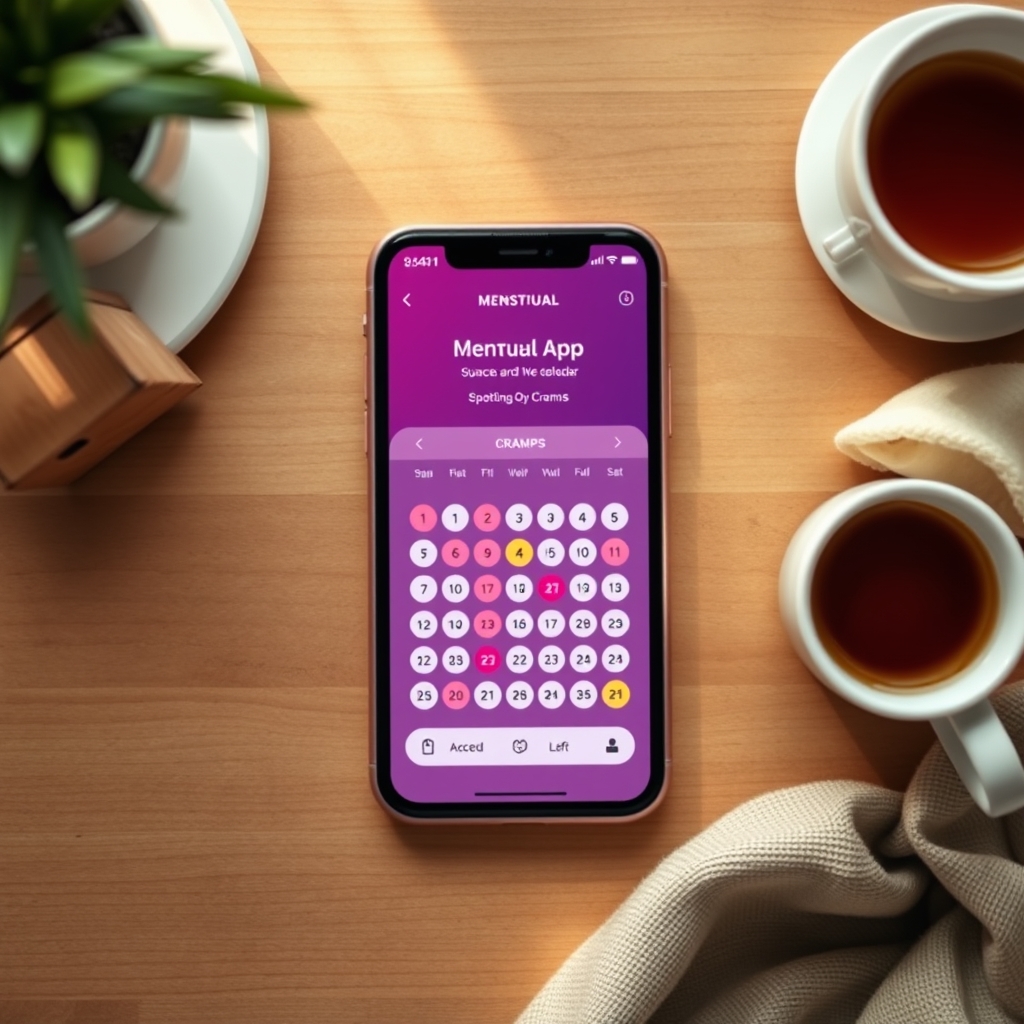
Use a simple journal or a fertility‑tracking app to note any spotting, cramps, or changes in lochia. This will help you differentiate normal postpartum bleeding from the start of a true period.
Plan for pain relief
Over‑the‑counter ibuprofen (200–400 mg) is generally safe for breastfeeding mothers and can ease cramps. Always double‑check with your provider if you have any health concerns.
Discuss contraception
If you’re not ready for another pregnancy, talk to your provider about postpartum birth control options—progestin‑only pills, IUDs, or the implant are commonly recommended because they don’t interfere with milk supply.
Support your emotional health
The return of a period can feel like a reminder that pregnancy is over, which may trigger mixed emotions. It’s normal to feel relieved, nostalgic, or anxious. Give yourself permission to feel whatever comes up, and reach out to a partner, friend, or therapist if you need extra support.
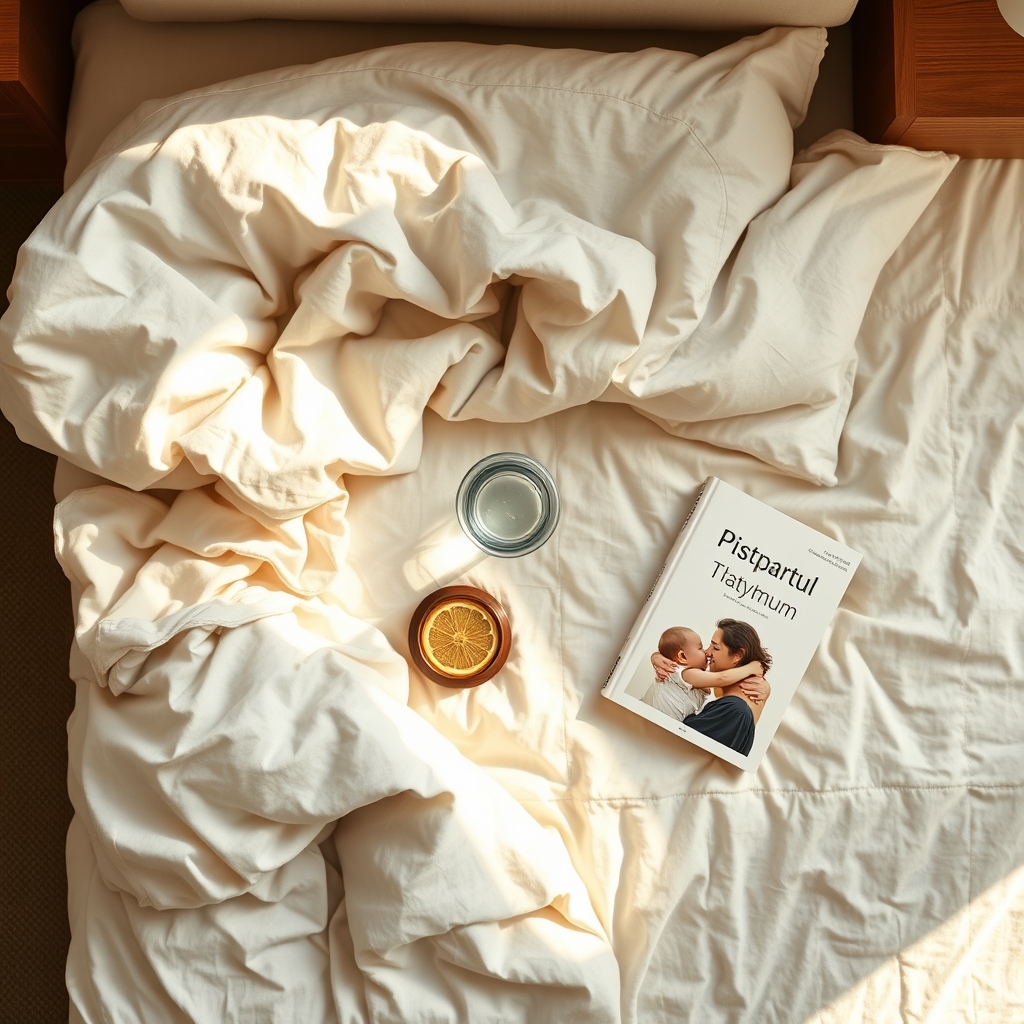
Set up a calming bedside kit—water, snacks, and a good book—to help you relax when your period arrives.
First period after pregnancy: What to expect physically, hormonally, and emotionally
Physically, the uterus shrinks back to its pre‑pregnancy size, which can cause cramping and a feeling of “tightness” in the lower abdomen. Your pelvic floor muscles, stretched during pregnancy, may still be recovering, so you might notice a slight heaviness or a sensation of pressure.
Hormonal shifts are at the heart of the timing. After birth, estrogen and progesterone fall sharply, while prolactin rises if you’re nursing. As the ovaries restart, estrogen levels climb, leading to the buildup of a new endometrial lining. The first period marks the point where this lining is shed for the first time after pregnancy.
Emotionally, many mothers experience a “post‑birth hormonal rollercoaster.” The drop in pregnancy hormones can trigger mood swings, tearfulness, or even postpartum depression. The arrival of a period can amplify these feelings because it signals a return to a pre‑pregnancy hormonal state, which can feel both reassuring and unsettling.
It helps to remember that these changes are normal. If you notice persistent low mood, anxiety, or intrusive thoughts, reach out to a mental‑health professional. The postpartum period is a vulnerable time, and support is essential.
When can you become fertile again?
Fertility can return before you see your first period because ovulation often precedes bleeding. In many cases, the first ovulation occurs 2–4 weeks after delivery, especially for non‑breastfeeding mothers. This means it’s possible to conceive even if you haven’t noticed a period yet.
If you’re not ready for another pregnancy, consider a reliable contraceptive method right away. The WHO recommends that postpartum women who are not exclusively breastfeeding start a barrier method (condoms) or a hormonal method within 10 days of delivery. For those who are exclusively breastfeeding, the lactational amenorrhea method (LAM) can be effective for up to six months if you meet three criteria: exclusive nursing, infant under six months, and no return of menstruation.
Conversely, if you’re planning to conceive again, tracking ovulation with basal body temperature or ovulation predictor kits can give you a clearer picture of when your body is ready.
Many clinicians also suggest a “postpartum check‑up” at six weeks to review both physical recovery and family‑planning goals, ensuring you have a clear plan for contraception or future pregnancy.
Postpartum menstrual tracking tools
Modern apps and simple paper logs can be powerful allies when you’re trying to decipher the return of your cycle. Look for tools that let you record spotting, cramp intensity, and mood changes side by side. Some popular options, like Clue or Flo, include postpartum‑specific settings that adjust cycle length expectations based on breastfeeding intensity.
When choosing a tool, prioritize privacy (data encryption) and the ability to export your data for a future appointment. Your provider may find a visual chart helpful when discussing hormonal recovery or planning contraception.
Choose a tracking app that lets you log spotting, cramps, and mood to spot patterns early.
Nutrition and lifestyle tips to support hormonal balance
What you eat can subtly influence how quickly your hormones normalize. Aim for a balanced diet rich in whole grains, lean protein, and plenty of fruits and vegetables. Iron‑rich foods (like spinach, lentils, and fortified cereals) help replenish the iron lost during delivery and can reduce fatigue associated with heavy bleeding.
Staying hydrated, getting short walks when possible, and practicing gentle pelvic‑floor exercises (such as Kegels) can improve circulation and ease cramping. If you’re nursing, remember that adequate calories (about 300–500 extra kcal per day) support both milk production and hormone synthesis.
Finally, limit caffeine and alcohol, especially in the first six weeks, as they can interfere with sleep and hormone regulation. Small, frequent meals can help stabilize blood sugar, which in turn may reduce mood swings linked to hormonal shifts.
Doctor’s note
From our medical team: The return of menstruation after childbirth is a normal part of the recovery process, but every woman’s timeline is unique. If you notice heavy bleeding (soaking a regular pad in under an hour), large clots, foul odor, fever, or worsening pain, contact your provider promptly. Otherwise, use this guide to set realistic expectations and to plan for both physical comfort and emotional wellbeing.
Myth vs. fact
Myth: You must have a period before you can get pregnant again. Fact: Ovulation can occur up to two weeks before your first postpartum period, so pregnancy is possible even without a bleed.
Myth: Breastfeeding guarantees you won’t get your period for six months. Fact: While exclusive nursing often delays the return of menstruation, many women see a period as early as eight weeks if night feeds are less frequent.
Myth: A heavy first period means something is wrong. Fact: The first period can be heavier than usual, especially if you’re not nursing; however, extremely heavy bleeding or large clots should be evaluated by a clinician.
Key takeaways
The first period after pregnancy typically appears 4–8 weeks postpartum, but can be earlier or later depending on delivery type and breastfeeding.
Spotting, light cramping, and small clots are normal; heavy bleeding or foul odor warrants a call to your provider.
Breastfeeding often delays the return of menstruation because prolactin suppresses ovulation.
Ovulation can happen before you see a period, so use contraception if you don’t want another pregnancy right away.
Prepare a simple “period kit,” track symptoms, and discuss pain‑relief and contraception options with your provider.
Emotional shifts are common; seek support if mood changes feel intense or persistent.
Frequently asked questions
How soon can you get pregnant after giving birth?
Pregnancy can occur as early as two weeks after delivery if ovulation resumes before your first period; using contraception right away is recommended if you’re not planning another pregnancy.
What is the average time to get the first period after pregnancy?
On average, most women see their first period between four and eight weeks postpartum, though exclusive breastfeeding can push it to 10–14 weeks.
Will my period be regular after pregnancy?
It may take a few cycles for your menstrual rhythm to normalize. Hormonal fluctuations, stress, sleep changes, and breastfeeding can cause irregularities for several months.
Can I get pregnant before my first period after pregnancy?
Yes. Ovulation often precedes bleeding, so you can become fertile before you notice a period. If you’re not using contraception, pregnancy is possible.
How does breastfeeding affect the first period after pregnancy?
Exclusive breastfeeding raises prolactin, which suppresses ovulation and can delay the return of periods. Women who nurse on demand or supplement with formula often see periods return sooner.
What are the symptoms of the first period after pregnancy?
Typical symptoms include spotting or light bleeding, mild cramping, possible small clots, a metallic odor, and a flow that may be lighter or heavier than your usual period.
Can I use a menstrual cup while breastfeeding?
Yes. Menstrual cups are safe for breastfeeding mothers because they do not affect milk supply or hormone levels. Choose a cup made of medical‑grade silicone, and follow manufacturer cleaning instructions.
What role does stress play in the timing of my first period?
Stress can disrupt the hypothalamic‑pituitary‑ovarian axis, potentially delaying ovulation and the return of menses. Prioritizing rest, gentle exercise, and supportive conversations can help normalize your cycle sooner.
When to call your doctor
If you experience any of the following, seek medical attention promptly: soaking a regular pad in under an hour, passing clots larger than a quarter, foul or fishy odor, fever over 100.4 °F (38 °C), severe abdominal pain, dizziness, or sudden heavy bleeding. This article is for informational purposes only and does not replace personalized medical advice.
References
American College of Obstetricians and Gynecologists (ACOG). “Postpartum Care.” 2023 Clinical Guidance.
National Health Service (NHS). “Postnatal period – what to expect.” Updated 2022.
World Health Organization (WHO). “Lactational amenorrhea method (LAM) for contraception.” 2021.
Centers for Disease Control and Prevention (CDC). “Postpartum Contraception.” 2022.
Mayo Clinic. “Postpartum bleeding (lochia) and when periods return.” 2023.
Royal College of Obstetricians and Gynaecologists (RCOG). “Management of postpartum haemorrhage.” 2022.
U.S. Food and Drug Administration (FDA). “Ibuprofen use in breastfeeding.” 2021.
British Medical Journal (BMJ). “Return of menstruation after childbirth: a systematic review.” 2020.
Clue Health. “Postpartum tracking guide.” 2023.
International Federation of Gynecology and Obstetrics (FIGO). “Postpartum hormonal changes.” 2022.
Editor's pick for this topic
Not sure about the label on First Period After Pregnancy What To Expect products?
Snap the ingredients list (or paste it, or scan the barcode) and SafeFilter checks every ingredient against your stage of pregnancy — flagging what to avoid, what needs care, and what's fine.
When Shubhra Mishra was expecting her first child in 2016, she was overwhelmed by conflicting food advice — one site said yes, another said never. By the time her second baby arrived in 2019, she realized millions of mothers face the same confusion.
That sparked a five-year journey through clinical nutrition papers, cultural diets, and expert conversations — all leading to BumpBites: a calm, compassionate space where science meets everyday motherhood.
Her long-term vision is to build a global community ensuring safe, supported, and free deliveriesfor every mother — because no woman should face pregnancy alone or uninformed. 🌿
🌍 Stand with mothers, shape safer guidance
Join a small circle of experts who review BumpBites articles so expecting parents everywhere can decide with confidence.