Discover how to adjust insulin after birth with a rapid reduction protocol and effective monitoring for a healthy postpartum period with postpartum insulin adjustment
By Shubhra Mishra — a mom of two who turned her own confusion during pregnancy into BumpBites, a global mission to make food choices clear, safe, and stress-free for every expecting mother. 💛
Check whether any food is safe during pregnancy with the BumpBites Food Safety Checker.
Download the Complete Pregnancy Food Guide (10,000 Foods) 📘
Instant PDF download • No spam • Trusted by thousands of moms
💡 Your email is 100% safe — no spam ever.
Quick take: After delivery your insulin needs drop sharply, so most mothers cut their total dose by about one‑third within the first 24 hours and then adjust daily based on blood‑glucose trends. A structured monitoring plan—checking glucose 4‑6 times per day for the first week—helps you stay safe while you and your baby settle into life together.
It’s 2 a.m., you’ve just held your newborn for the first time, and a quick glance at the glucometer shows a reading of 60 mg/dL. Your mind races: “Did I give too much insulin? Is this normal?” You’re not alone. Hundreds of new parents face the same question the moment the placenta is gone and the hormonal roller‑coaster of pregnancy ends. The good news is that the body’s insulin requirements change predictably, and with a clear, step‑by‑step protocol you can keep your numbers in range, protect your baby, and still enjoy breastfeeding.
In this guide we’ll explain why insulin drops after birth, walk you through a rapid‑reduction plan, outline a practical glucose‑checking schedule, and give you tips for handling low blood sugar. We’ll also cover special considerations for breastfeeding, differences between type 1, type 2, and gestational diabetes, and the follow‑up care you’ll need after the postpartum weeks. By the end you’ll have a concrete action plan you can discuss with your diabetes team.
Why insulin needs change rapidly after delivery
The placenta is a massive endocrine organ. While it’s attached, it releases hormones—human placental lactogen, cortisol, progesterone, and estrogen—that make your cells deliberately resistant to insulin. This insulin resistance ensures a steady flow of glucose to the growing baby. Once the baby is born and the placenta is delivered, those hormone levels plummet, often within hours. As a result, your own tissues become far more sensitive to insulin, sometimes 20–50 % more than they were in the third trimester.
For mothers with pre‑existing type 1 diabetes (T1D) or type 2 diabetes (T2D), the sudden rise in sensitivity means the same basal and bolus doses that kept you safe during pregnancy can now push you into hypoglycemia. For those who were on insulin only because of gestational diabetes mellitus (GDM), many will find that insulin is no longer required at all within days of delivery, though a small minority continue to need a low dose for weeks.
Other physiological changes also play a role. Blood volume contracts, and the “stress” of labor and delivery can cause a temporary surge in cortisol that raises glucose for a few hours. After that, the combination of reduced insulin‑blocking hormones and the energy demands of breastfeeding (which can consume 300–500 kcal/day) further shifts the balance toward lower insulin needs. Understanding these mechanisms helps you anticipate the rapid dose changes and avoid the anxiety that comes from unexpected numbers.
Finally, the postpartum immune and inflammatory environment can subtly influence glucose metabolism. Studies from the American College of Obstetricians and Gynecologists (ACOG) note that cytokine levels drop in the first week, which can improve peripheral glucose uptake. While these shifts are modest, they reinforce why a proactive reduction plan is safer than waiting for symptoms to appear.
After birth, the newborn’s quiet presence reminds you that glucose control is a team effort.
Rapid insulin reduction protocol – step‑by‑step
Below
is a practical, evidence‑based protocol that many diabetes centers (including those following ACOG and ADA guidelines) use in the first 48 hours after delivery. Adjustments should always be individualized with your endocrinologist or obstetrician, but the framework gives you a safe starting point.
Baseline assessment (within the first 2 hours). Record your most recent pre‑delivery total daily dose (TDD) and note the type of insulin you use (e.g., rapid‑acting, basal analog). Capture a fasting glucose reading before the first postpartum meal.
Initial dose cut. Reduce the total daily dose by 30–40 % for T1D or T2D. For example, a TDD of 50 units becomes 30–35 units. If you were on insulin solely for GDM, many clinicians recommend stopping basal insulin entirely and keeping only a small correction dose (e.g., 2–4 units) for the first 24 hours.
Redistribute basal vs. bolus. Keep the reduced basal dose (e.g., glargine or detemir) unchanged for the first 12 hours, then split it into two equal doses if you use a once‑daily basal. Bolus (mealtime) insulin should be calculated using a 10–15 % reduction of your usual carbohydrate‑to‑insulin ratio, because your post‑delivery insulin sensitivity is higher.
First 24‑hour monitoring. Check glucose before meals and at bedtime (four checks). If any reading falls below 70 mg/dL, reduce the next bolus by 10–20 % or omit it entirely until the trend stabilizes.
Day 2–3 adjustments. If fasting glucose stays between 80–130 mg/dL, keep the same basal dose. If it trends low (<80 mg/dL), cut basal by another 10 % and add a small correction (1–2 units) only when needed. If it trends high (>130 mg/dL), consider a modest basal increase (5 %) or a slightly larger bolus.
Day 4–7 fine‑tuning. Shift to the standard postpartum monitoring schedule (see next section). By the end of the first week most mothers have settled on a new basal that is 40–60 % of the pre‑delivery dose, with bolus amounts tailored to real‑time carbohydrate intake.
Because every mother’s physiology is unique, the key is to make small, incremental changes and watch the glucometer. If you feel uneasy, you can always revert to the pre‑delivery dose for a few hours while you re‑evaluate.
When you need a quick way to calculate the exact reduction, try our Insulin Titration in Pregnancy calculator. It lets you plug in your pre‑delivery dose and instantly see the recommended postpartum cut‑back, saving you time during those busy early‑morning hours.
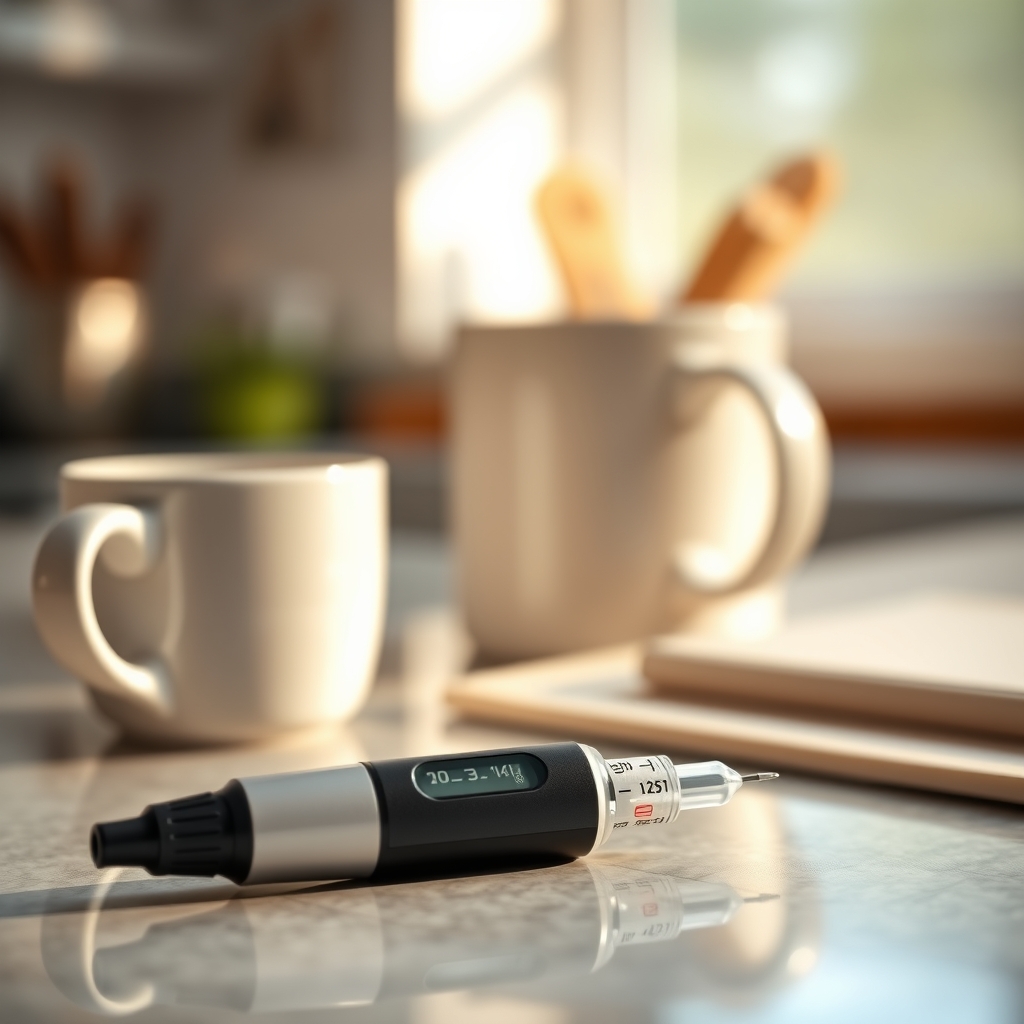
Adjust the dial on your insulin pen to reflect the reduced dose—small changes make a big difference.
For mothers who use insulin pumps, the same principle applies: lower the basal rate by roughly 30 % and adjust the correction factor (insulin‑to‑carbohydrate ratio) downward by about 10 %. Most pumps allow you to set a “postpartum mode” that automatically applies these reductions, but always verify the numbers with your care team.
Blood‑glucose monitoring schedule and target ranges postpartum
Consistent monitoring is the cornerstone of safe insulin adjustment. The first week after birth is the most volatile period, so we recommend the following schedule, which aligns with the American Diabetes Association (ADA) and the UK’s NICE postpartum guidance.
Days 0‑3 (hospital stay or first three days at home): Check fasting glucose, pre‑breakfast, pre‑lunch, pre‑dinner, and bedtime. Aim for 80–130 mg/dL fasting and 100–180 mg/dL post‑prandial.
Days 4‑7: Reduce to four checks per day—fasting, before the largest meal, 2 hours after that meal, and bedtime. Target ranges remain the same, but you can allow a slightly wider window (70–140 mg/dL) if you’re exclusively breastfeeding and feel stable.
Weeks 2‑4: If glucose stays within target, move to three checks per day—fasting, before dinner, and bedtime. Continue to aim for 80–130 mg/dL fasting and 100–180 mg/dL 2‑hour post‑prandial.
Beyond week 4: Transition to your pre‑pregnancy routine (usually 2–4 checks per day) unless your provider advises otherwise.
When you’re breastfeeding, you may notice a slight dip in fasting glucose after each feeding session because the milk release hormone (oxytocin) also promotes glucose uptake. That’s normal, but you should still keep the lowest target at 70 mg/dL to avoid severe hypoglycemia.
Log your readings in a notebook or a digital app that lets you share trends with your care team. Many mothers find that a simple spreadsheet with columns for “time,” “glucose,” “insulin dose,” and “notes” provides a clear picture for the next clinic visit. If you use a continuous glucose monitor (CGM), export the data at each visit; your endocrinologist can spot patterns that intermittent fingersticks might miss.
Remember that stress, sleep deprivation, and even temperature changes can cause short‑term fluctuations. If a single reading falls outside the target range, look at the surrounding 24‑hour trend before making a dramatic dose change.
Managing hypoglycemia and safety tips
Low blood sugar is the most common side effect of a rapid insulin reduction, especially in the first 48 hours. Recognizing it early prevents dangerous falls and protects your ability to care for your newborn.
Typical symptoms include shakiness, sweating, rapid heartbeat, hunger, irritability, and difficulty concentrating. In severe cases you may feel confused, have blurred vision, or even lose consciousness. Because sleep deprivation can mask these signs, it’s wise to keep a fast‑acting carbohydrate (e.g., glucose tablets, fruit juice, or a small piece of fruit) within arm’s reach at all times.
If you read a glucose value < 70 mg/dL:
Consume 15–20 g of rapid carbohydrate (e.g., 4 glucose tablets, ½ cup of orange juice, or a tablespoon of honey).
Re‑check your glucose after 15 minutes.
If the level rises to ≥ 80 mg/dL, you can resume normal activities but consider reducing the next bolus by 10–20 %.
If the level remains < 70 mg/dL, repeat the carbohydrate step and contact your diabetes team for guidance.
For breastfeeding mothers, a small snack before each feeding can preempt a dip. A piece of whole‑grain toast with peanut butter provides both quick carbs and a modest amount of protein, which helps sustain glucose while you nurse.
It’s also helpful to set alarms on your phone for your scheduled checks, especially during night‑time feeds. A brief “check glucose” reminder can be the difference between a mild dip and a serious episode. If you use a CGM, enable the low‑glucose alarm to receive a vibration or audible alert.
In rare cases, recurrent hypoglycemia may signal that your basal insulin is still too high. Communicate any pattern of < 70 mg/dL readings to your provider; a modest further basal cut (5–10 %) may be warranted.
Breastfeeding, insulin, and special considerations
Breast milk itself contains a tiny amount of insulin—far below any therapeutic dose—so it does not affect your insulin needs. However, lactation does increase your overall energy expenditure and can improve insulin sensitivity, meaning you may need even less insulin than the protocol suggests.
Many lactating mothers find that their basal insulin can be reduced an additional 10 % after the first week if fasting glucose consistently stays below 80 mg/dL. Bolus insulin should be matched to carbohydrate intake, but remember that the carbohydrate‑to‑insulin ratio often improves (you need fewer units per gram of carbs) as lactation continues.
Practical tips for combining breastfeeding with insulin adjustment:
Plan a snack (e.g., a small yogurt or a banana) before each nursing session, especially if you tend to feel light‑headed.
Stay well‑hydrated; dehydration can raise glucose and mask hypoglycemia symptoms.
Keep a log of how many feeds you have per day and any associated glucose trends. This data helps your provider fine‑tune your doses.
If you’re using a continuous glucose monitor (CGM), share the trend arrows with your care team—they can spot patterns you might miss.
Remember that some medications used to treat high blood pressure or postpartum depression can also affect glucose. Discuss any new prescriptions with both your obstetrician and diabetes specialist.
Balancing a nursing session with quick glucose checks keeps both you and baby safe.
Follow‑up care, long‑term screening, and differences for T1D, T2D, and GDM
Postpartum insulin management does not end after the first week. Your care team will schedule a comprehensive follow‑up visit around 6 weeks after delivery, which includes:
Review of your glucose logs and any CGM data.
Assessment of your insulin regimen and a final adjustment to a stable dose.
Screening for persistent diabetes in women who had GDM. The American College of Obstetricians and Gynecologists (ACOG) recommends a 75‑g oral glucose tolerance test (OGTT) at 6‑12 weeks postpartum.
Evaluation of thyroid function, as postpartum thyroiditis can alter glucose control.
Type 1 diabetes typically requires a return to pre‑pregnancy basal dosing within 2–3 weeks, but many women experience a temporary “honeymoon” period where the pancreas recovers some endogenous insulin. Your endocrinologist may adjust targets to avoid hypoglycemia during this time.
Type 2 diabetes often sees a more pronounced reduction in insulin need because the body’s insulin resistance drops sharply. Some women can discontinue insulin altogether within a month, transitioning to oral agents if appropriate.
Gestational diabetes is unique: most women will have normal glucose levels without any medication after delivery, but about 5–10 % develop overt diabetes within the first year. Regular fasting glucose checks at 3‑month intervals for the first year are advised, as per the CDC’s postpartum diabetes surveillance recommendations.
Regardless of your diabetes type, maintaining a healthy diet, regular physical activity (as approved by your provider), and adequate sleep are essential for stable glucose. If you’re planning to lose pregnancy weight, do it gradually—rapid weight loss can increase insulin sensitivity further and precipitate hypoglycemia.
Finally, remember that mental health matters. Postpartum depression can affect eating patterns and medication adherence, indirectly influencing glucose control. If you notice mood changes, talk to your provider; many health systems now integrate behavioral health screening into routine postpartum visits.
From our medical team: “The postpartum period is a time of rapid physiological change, but with a structured insulin‑reduction plan and diligent monitoring, most mothers navigate it without serious complications. If you ever feel unsure about a dose, pause and check your glucose first—your safety and your baby’s well‑being come first.”
Insulin formulations and delivery methods after birth
Not all insulin types behave the same after delivery. Rapid‑acting analogs such as lispro, aspart, or glulisine clear the bloodstream quickly, making them ideal for fine‑tuning mealtime spikes. Long‑acting basal analogs (glargine, detemir, degludec) provide a steady background level, but their half‑life can still be several hours, so any dose reduction will take effect gradually.
If you use a premixed insulin (e.g., 70/30), consider switching to separate basal and bolus injections for the first few weeks. This gives you more flexibility to adjust each component independently. Many clinicians also recommend switching from a once‑daily basal to a twice‑daily regimen (e.g., splitting glargine into morning and evening doses) while you’re still figuring out the exact reduction percentage. The key is to avoid “stacking” doses that could precipitate hypoglycemia.
Insulin pumps remain safe postpartum, but the catheter site should be monitored closely for infection—especially if you’re breastfeeding, as the hormonal surge can increase skin moisture. If you experience any redness, swelling, or discharge at the infusion site, replace the cannula promptly and alert your diabetes team.
Nutrition and meal planning to support stable glucose
Food choices after birth have a dual purpose: they fuel you and your baby while also helping keep blood sugar steady. Aim for balanced meals that combine complex carbohydrates, lean protein, and healthy fats. Complex carbs (whole grains, legumes, starchy vegetables) release glucose more slowly, reducing the need for large bolus doses.
Incorporate protein sources such as eggs, Greek yogurt, or tofu in every meal; protein blunts post‑prandial spikes and prolongs satiety. Healthy fats from avocado, nuts, or olive oil also moderate glucose excursions. If you’re nursing, a modest increase in calories (about 300 kcal per day) is usually sufficient—focus on nutrient‑dense foods rather than empty‑calorie snacks.
Hydration is another often‑overlooked factor. Dehydration can concentrate blood glucose and make hypoglycemia harder to detect. Aim for 8–10 cups of water daily, and consider adding a pinch of salt after heavy sweating (e.g., from a brisk walk) to maintain electrolyte balance.
Technology tools: CGM, apps, and telehealth
Continuous glucose monitors (CGM) have transformed postpartum diabetes care. Real‑time trend data lets you see how breastfeeding, meals, and sleep affect glucose without fingersticks. Many CGM platforms now integrate with smartphone apps that generate daily summaries you can email to your provider before appointments.
If you prefer traditional fingerstick meters, consider pairing them with a diabetes‑management app such as MySugr or Glucose Buddy. These apps let you tag entries with “breastfeeding,” “night feed,” or “exercise,” creating searchable logs that make pattern recognition easier.
Telehealth visits have become routine for many postpartum patients. A video check‑in can be sufficient for dose adjustments after the first week, as long as you have reliable glucose data to share. Some insurers now reimburse virtual diabetes consultations, so ask your provider about coverage.
Finally, don’t overlook the value of community forums. Peer‑support groups (often hosted on platforms like Facebook or Reddit) can provide practical tips—like which snack works best before a night feed—while reminding you that you’re not alone.
Lifestyle tips for postpartum recovery and glucose control
Beyond insulin and nutrition, broader lifestyle factors influence glucose stability. Gentle movement, such as a 15‑minute walk after a feeding session, can improve insulin sensitivity and reduce stress hormones. However, avoid high‑intensity workouts until your provider clears you, especially if you had a C‑section.
Prioritize sleep whenever possible. Short naps while the baby sleeps, sharing nighttime duties with a partner, or using a white‑noise machine can help you get the restorative rest needed for hormonal balance. Poor sleep is linked to higher fasting glucose, so even small improvements can make a difference.
Stress‑management techniques—deep breathing, guided meditation, or short stretching sessions—can lower cortisol, a hormone that raises blood sugar. Incorporating a few minutes of mindfulness into your daily routine may help keep glucose within target ranges.
Lastly, stay in touch with your mental‑health resources. Postpartum mood changes are common, and feeling overwhelmed can affect both eating habits and medication adherence. If you notice persistent sadness, anxiety, or irritability, reach out to a counselor or your obstetrician for support.
Myth: You must stay on the exact same insulin dose you used during pregnancy until your six‑week check‑up. Fact: Insulin needs drop quickly after delivery; most providers recommend a 30–40 % reduction within the first 24 hours, followed by individualized titration.
Myth: Breastfeeding automatically makes blood sugar low, so you should stop insulin altogether. Fact: Breastfeeding can lower glucose modestly, but you still need a tailored insulin regimen. Stopping insulin without guidance can lead to hyperglycemia and increase infection risk.
Myth: If you feel a little shaky, it’s just postpartum fatigue and not a real concern. Fact: Even mild shakiness can signal hypoglycemia. Treat it promptly with fast carbs and re‑evaluate your insulin dose.
Key takeaways
Insulin resistance falls sharply after birth; reduce total daily dose by 30–40 % within the first 24 hours.
Check glucose 4–6 times daily for the first three days, then taper to 3–4 checks as you stabilize.
Treat any reading < 70 mg/dL with 15–20 g fast carbs and reassess your next dose.
Breastfeeding increases insulin sensitivity—consider a further 10 % basal cut after the first week if fasting glucose stays low.
Schedule a 6‑week postpartum visit for a formal OGTT if you had gestational diabetes, and continue periodic fasting checks for at least one year.
Always contact your provider if you experience persistent highs (> 180 mg/dL) or lows (< 60 mg/dL) despite dose adjustments.
Frequently asked questions
How much insulin do I need after delivery?
Most mothers need 30–40 % less insulin than in the third trimester; for example, a 50‑unit total daily dose often drops to 30‑35 units in the first 24 hours. Adjust further based on daily glucose trends.
When should I stop taking insulin after giving birth?
If you were on insulin only for gestational diabetes, many providers stop basal insulin within the first 24‑48 hours and use a small correction dose only if glucose exceeds 130 mg/dL. For pre‑existing diabetes, insulin is usually continued at a reduced dose.
Is it normal for blood sugar to drop after delivery?
Yes. The loss of placental hormones makes your cells more insulin‑sensitive, so glucose can fall, especially after breastfeeding. Aim for a fasting range of 80–130 mg/dL and treat < 70 mg/dL promptly.
How often should I check my blood sugar postpartum?
Check before each meal and at bedtime for the first three days (4–6 times daily). Then reduce to four checks per day (fasting, pre‑largest meal, 2‑hour post‑meal, bedtime) through week 1, and gradually taper to your usual schedule after week 2.
What are the signs of hypoglycemia postpartum?
Early signs include shakiness, sweating, rapid heartbeat, hunger, and irritability. Severe signs are confusion, blurred vision, or fainting. Keep fast‑acting carbs nearby and treat any reading < 70 mg/dL immediately.
Can I breastfeed while adjusting insulin?
Absolutely. Breastfeeding does not require you to stop insulin, but you may need a slightly lower dose. Have a small snack before each feed, monitor glucose closely, and discuss any dose changes with your diabetes team.
Can I use an insulin pump after delivery?
Yes, pumps are safe postpartum, but you may need to lower both basal rates and correction factors. Check the infusion site daily for redness or infection, and be prepared to switch to multiple‑daily injections if the pump site becomes problematic.
What should I do if my blood sugar stays high while breastfeeding?
If fasting glucose regularly exceeds 130 mg/dL despite dose reductions, contact your provider. You may need a modest increase in basal insulin or a temporary adjustment of your carbohydrate‑to‑insulin ratio. Keeping a detailed log of feed times and glucose readings will help your team fine‑tune the regimen.
When to call your doctor
If you experience any of the following, seek medical attention right away: glucose < 60 mg/dL that does not respond to treatment, persistent fasting glucose > 180 mg/dL, signs of ketoacidosis (nausea, vomiting, rapid breathing), severe dizziness or loss of consciousness, or any new visual changes. This article provides general information and is not a substitute for personalized medical advice.
References
American College of Obstetricians and Gynecologists (ACOG). “Management of Diabetes in Pregnancy.” Practice Bulletin No. 190, 2022.
American Diabetes Association (ADA). “Standards of Medical Care in Diabetes—2024.” Diabetes Care, 2024.
National Institute for Health and Care Excellence (NICE). “Gestational Diabetes: Diagnosis and Management.” NG3, 2023.
Centers for Disease Control and Prevention (CDC). “Postpartum Diabetes Surveillance.” 2023.
World Health Organization (WHO). “Recommendations on Antenatal Care for a Positive Pregnancy Experience.” 2022.
Mayo Clinic. “Insulin Dosage Changes During Pregnancy and After Delivery.” 2023.
Royal College of Obstetricians and Gynaecologists (RCOG). “Postnatal Care of Women with Diabetes.” 2022.
International Society for Pediatric and Adolescent Diabetes (ISPAD). “Guidelines for Managing Diabetes in Pregnancy.” 2023.
National Health Service (NHS). “Postnatal care for women with diabetes.” Updated 2023.
American Association of Diabetes Educators (AADE). “Using CGM in the postpartum period.” 2022.
Editor's pick for this topic
Not sure about the label on Postpartum Insulin Adjustment Rapid Reduction Protocol Monitoring products?
Snap the ingredients list (or paste it, or scan the barcode) and SafeFilter checks every ingredient against your stage of pregnancy — flagging what to avoid, what needs care, and what's fine.
When Shubhra Mishra was expecting her first child in 2016, she was overwhelmed by conflicting food advice — one site said yes, another said never. By the time her second baby arrived in 2019, she realized millions of mothers face the same confusion.
That sparked a five-year journey through clinical nutrition papers, cultural diets, and expert conversations — all leading to BumpBites: a calm, compassionate space where science meets everyday motherhood.
Her long-term vision is to build a global community ensuring safe, supported, and free deliveriesfor every mother — because no woman should face pregnancy alone or uninformed. 🌿
🌍 Stand with mothers, shape safer guidance
Join a small circle of experts who review BumpBites articles so expecting parents everywhere can decide with confidence.