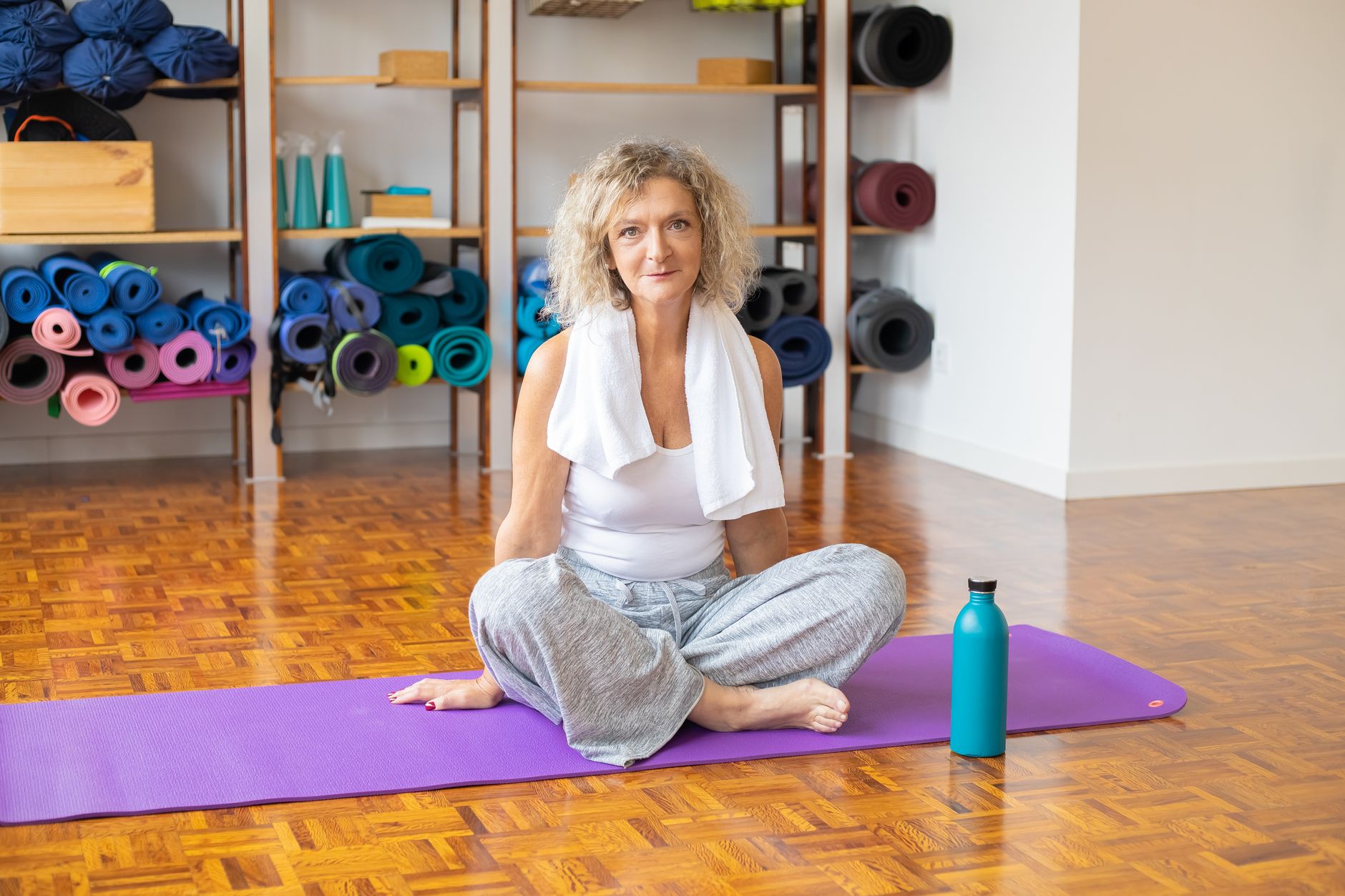
Yes—night sweats after pregnancy are usually caused by hormonal shifts. Learn which hormones trigger night sweats post pregnancy and simple tips to reduce them.
By Shubhra Mishra — a mom of two who turned her own confusion during pregnancy into BumpBites, a global mission to make food choices clear, safe, and stress-free for every expecting mother. 💛
Check whether any food is safe during pregnancy with the BumpBites Food Safety Checker.
Download the Complete Pregnancy Food Guide (10,000 Foods) 📘
Instant PDF download • No spam • Trusted by thousands of moms
💡 Your email is 100% safe — no spam ever.
Quick take: Night sweats are common after pregnancy, driven mainly by shifting hormone levels, especially estrogen and progesterone, as your body returns to its pre‑pregnancy state. In most cases they fade within weeks to a few months, and simple lifestyle tweaks can help. If sweats are heavy, persistent, or accompanied by fever, rapid weight loss, or heart‑rate changes, you should contact your health provider.
It’s 2 a.m., you’ve just settled under the blankets after a long day of feeding, diaper changes, and a lull‑in‑the‑night. A wave of heat rolls over you, your pillow feels damp, and you wonder, “Why am I sweating so much now that the baby is finally home?” You’re not alone. Many new parents notice a sudden surge of night‑time perspiration in the weeks after delivery, and the mystery can feel unsettling when you’re already juggling sleep deprivation.
First, breathe. Night sweats after pregnancy are usually a normal part of the postpartum hormonal roller‑coaster. They often ebb as your body finds its new balance, especially if you’re breastfeeding. However, they can also signal other health issues—like thyroid changes, anxiety, or infection—that deserve a quick check‑in with your provider.
In this guide we’ll unpack why night sweats happen, what’s typical versus worrisome, how breastfeeding and anxiety fit in, and practical ways to dial down the heat. We’ll also point out the red‑flag signs that mean it’s time to call your doctor.
Why do I sweat at night after pregnancy?
After delivery, the dramatic drop in estrogen and progesterone that supported your pregnancy can trigger the body’s thermoregulatory center in the brain to over‑react, leading to night sweats. Think of hormones as the thermostat for many bodily functions; when they swing quickly, the thermostat can overshoot, sending a “heat” signal even when the room is cool.
For many postpartum people, the surge of prolactin— the hormone that drives milk production— also plays a role. Prolactin can increase metabolic rate, causing you to feel warmer. In addition, the physical stress of labor, the loss of the placenta (a major source of hormones), and the shift back to pre‑pregnancy hormone levels all contribute to the sweating.
Typical timeline: Most women notice night sweats within the first few weeks after birth, peaking around 4–6 weeks, then gradually decreasing. The intensity can vary day‑to‑day, especially if you’re nursing, experiencing stress, or adjusting to new sleep patterns.
It’s also worth noting that night sweats can be more noticeable when you’re a new parent because you’re often waking up to tend to a baby, and any minor increase in body temperature feels amplified.
Postpartum night sweats and anxiety
Stress and anxiety raise cortisol, another hormone that can increase body temperature and trigger sweating. The “baby blues” and postpartum anxiety are common, and the emotional ups and downs can make night sweats feel worse. Simple calming practices—deep breathing, short meditation, or a warm (not hot) shower before bed—can help lower cortisol and reduce the frequency of sweats.
Sweating at night after C‑section
Recovery from a C‑section adds a layer of inflammation and pain, which can raise body temperature. Pain meds, especially those containing acetaminophen, generally don’t cause sweating, but if you’re taking opioids, they can affect thermoregulation. Managing pain with non‑opioid options and keeping the incision clean can lessen additional heat triggers.
Hormonal changes after pregnancy and night sweats
During pregnancy, estrogen and progesterone levels rise dramatically—up to 30‑fold—and then plunge after delivery. This sudden hormonal shift can cause the hypothalamus (the brain’s temperature regulator) to misinterpret signals, resulting in night sweats.
Prolactin, the milk‑producing hormone, stays elevated while you breastfeed, which can keep night sweats active for longer. For those who aren’t nursing, prolactin levels fall more quickly, often leading to a shorter duration of sweats.
Thyroid hormones also play a part. Pregnancy can cause temporary hyper‑ or hypothyroidism, and some women develop postpartum thyroiditis—a brief inflammation of the thyroid that can cause either an over‑active (hyper) or under‑active (hypo) thyroid. Hyperthyroidism can boost metabolism and cause excessive sweating, while hypothyroidism might actually reduce sweating but cause other symptoms like fatigue.
In the United States, the American College of Obstetricians and Gynecologists (ACOG) notes that hormonal fluctuations are the most common cause of postpartum night sweats, while the UK’s NHS highlights thyroid testing if sweats persist beyond three months or are accompanied by weight loss or palpitations.
Post‑pregnancy night sweats and thyroid
If you notice rapid weight loss, a racing heart, or tremors alongside night sweats, a thyroid panel is worth discussing with your provider. The thyroid is a small gland, but its hormones influence nearly every organ, and an imbalance can masquerade as “just sweats.”
Recent guidance from the American Thyroid Association (ATA) recommends checking thyroid‑stimulating hormone (TSH) levels at the 6‑week postpartum visit for anyone with persistent night sweats, especially if other hyperthyroid signs appear.
Is sweating at night post pregnancy a sign of something serious?
Most night sweats are benign, but certain red‑flag signs suggest you should seek medical evaluation:
Sweats that drench clothing or bedding nightly.
Associated fever (>100.4°F/38°C) or chills.
Unexplained weight loss of more than 5 % of body weight.
Persistent rapid heartbeat (tachycardia) or palpitations.
New‑onset high blood pressure or severe hypertension.
Symptoms of infection (e.g., wound redness after C‑section).
These could signal infection, thyroid disease, hormonal tumors, or cardiovascular issues—conditions that require prompt assessment.
Research from the Mayo Clinic indicates that while night sweats are a common postpartum complaint, less than 2 % of cases are linked to serious underlying disease. Nonetheless, it’s prudent to rule out infection, especially after surgical delivery, and to screen for thyroid dysfunction if sweats linger beyond three months.
How to stop night sweats after pregnancy naturally?
Here are evidence‑based, low‑risk strategies you can try tonight:
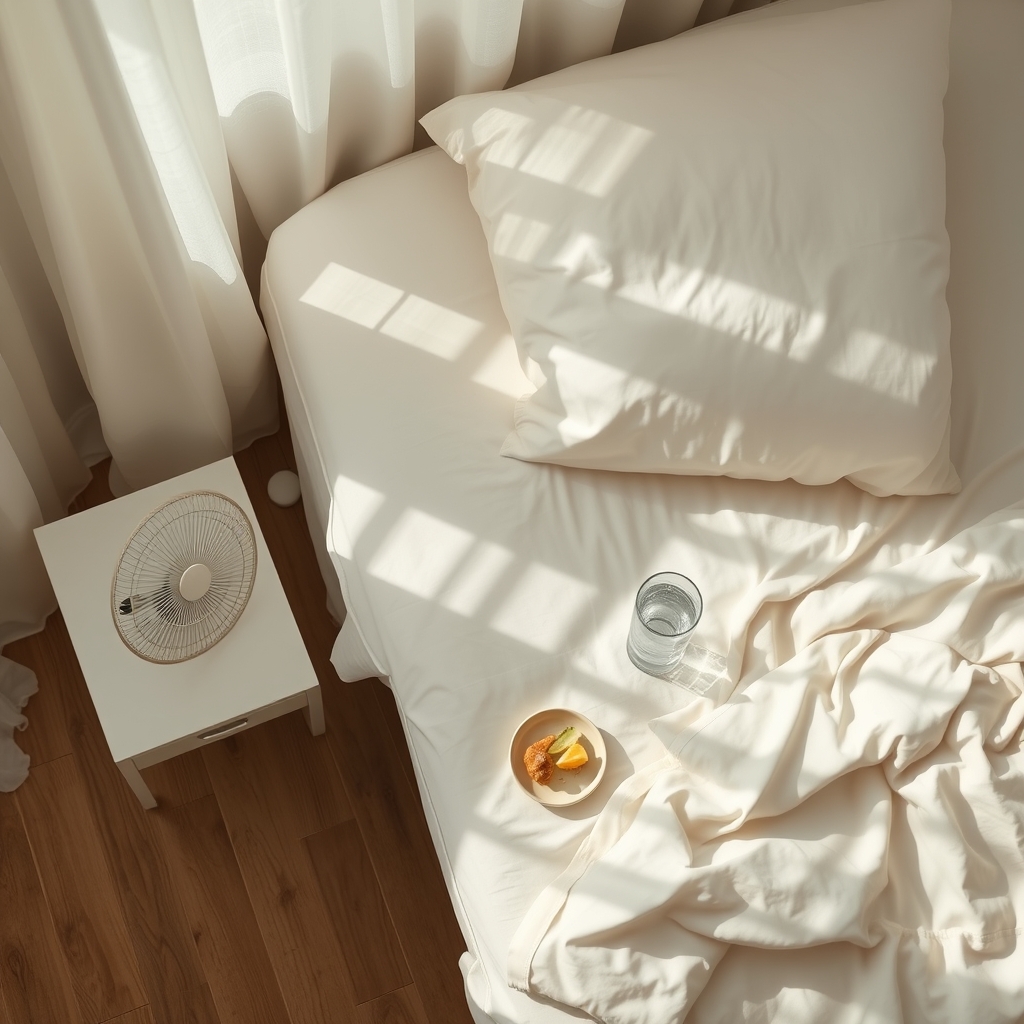
Cool bedroom environment: Keep the room at 60‑67°F (15‑19°C). Use a fan or open a window for gentle airflow.
Breathable sleepwear: Opt for cotton or moisture‑wicking fabrics. Avoid polyester or heavy flannel that trap heat.
Hydration: Drink water throughout the day, but limit large fluids right before bed to avoid waking up thirsty.
Evening routine: A warm (not hot) shower can relax muscles and then trigger a natural cooling effect as you step out.
Diet tweaks: Reduce spicy foods, caffeine, and alcohol, which can raise core temperature.
Stress management: Practice a 5‑minute breathing exercise before sleep; journaling about worries can also unload the mind.
Light exercise: Gentle walking or postpartum yoga can improve circulation and hormone balance, but avoid vigorous workouts close to bedtime.
These measures target the external triggers that amplify your body’s internal thermostat, helping you stay dry until the hormones settle.
Creating a cool, comfortable sleep space can reduce nighttime sweating.
Do night sweats after pregnancy go away on their own?
Yes, for most people they do. The majority of postpartum night sweats resolve within 6–12 weeks as hormone levels normalize. Breastfeeding can extend the timeline because prolactin remains elevated, but even nursing parents typically see a decline by the time they reach six months postpartum.
A study published by the CDC on postpartum recovery found that 78 % of surveyed mothers reported night sweats that subsided by three months, while 22 % said they persisted longer, often linked to thyroid issues or chronic anxiety.
If you’re still sweating heavily after six months, or if sweats reappear after a period of relief, it’s a good idea to discuss further evaluation with your clinician.
What are the causes of excessive sweating at night postpartum?
Beyond hormonal shifts, several factors can amplify night sweats:
Infection or wound healing: Post‑C‑section infections, uterine involution, or mastitis (breast infection) can raise body temperature.
Medications: Certain antidepressants, antihistamines, and pain relievers can trigger sweating as a side effect.
Weight loss: Rapid postpartum weight loss, especially if accompanied by calorie restriction, can destabilize hormone levels.
Blood pressure changes: Hypertension or lingering pre‑eclampsia may cause night sweats.
Stress and anxiety: As noted, cortisol spikes can increase perspiration.
Understanding the underlying driver helps you target the right solution—whether it’s a medication adjustment, thyroid testing, or a stress‑reduction technique.
Night sweats after pregnancy and breastfeeding
Breastfeeding raises prolactin, which can keep night sweats active for longer. Additionally, oxytocin—released during milk let‑down—can cause mild temperature changes. However, many nursing parents find that as their baby’s feeding schedule stabilizes, sweats diminish.
If you’re exclusively nursing and notice that sweats are especially bad during peak milk production (typically the first 6–8 weeks), try these tips:
Feed or pump in a cool, well‑ventilated room.
Dress in loose, breathable nursing tops.
Apply a cool compress to the forehead or neck for a few minutes after each feeding.
Some parents also experiment with “night‑only” pumping—expressing milk earlier in the evening and offering a smaller nighttime feed—to reduce the hormonal surge that can trigger sweating.
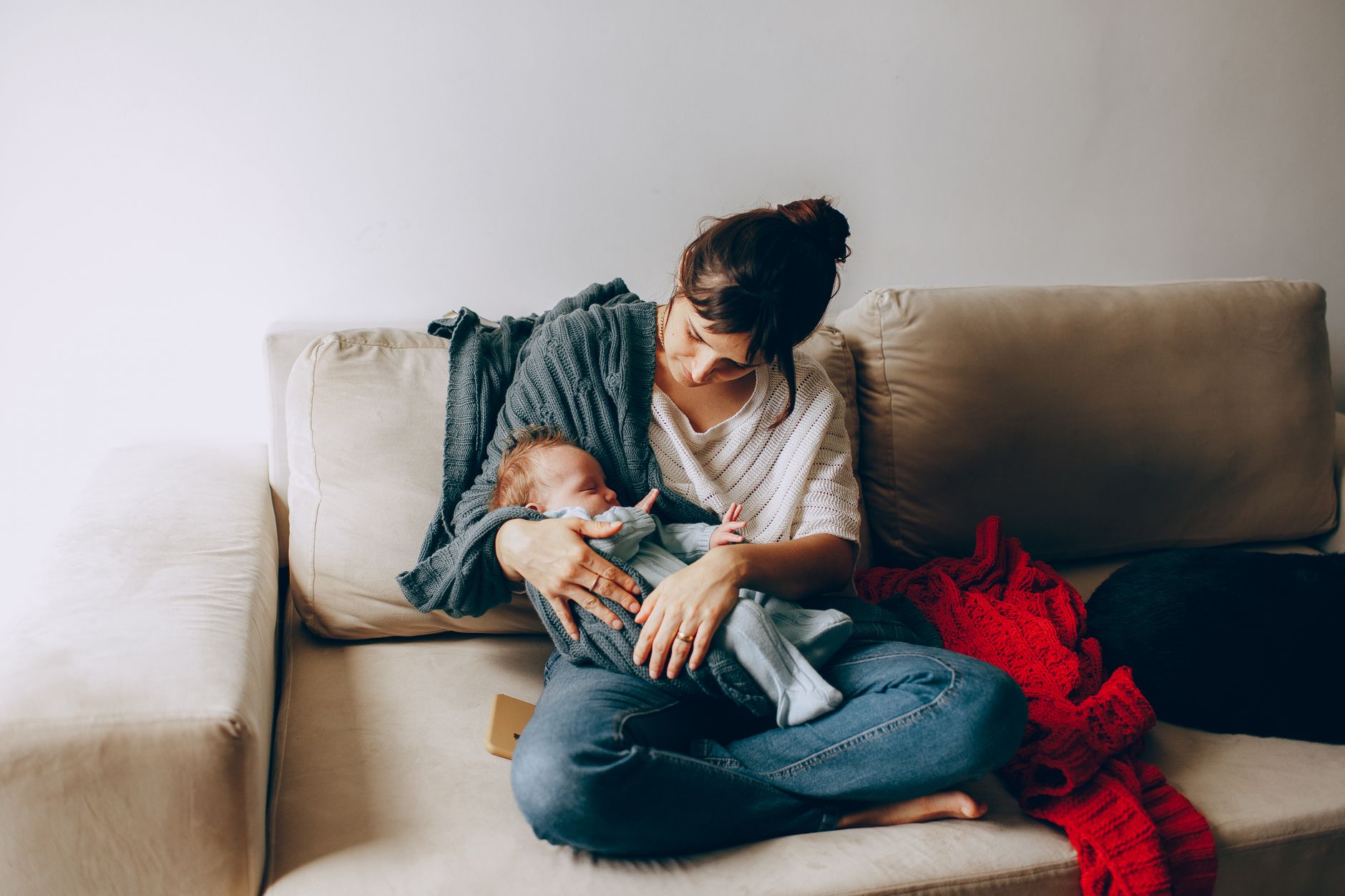
Comfortable nursing spaces can help manage night sweats while you breastfeed.
How long do night sweats last after pregnancy?
Most people experience night sweats for 4–12 weeks. The exact duration depends on:
In a UK‑based survey by the Royal College of Obstetricians and Gynaecologists (RCOG), 62 % of respondents reported night sweats that resolved by 8 weeks, while 15 % said they persisted beyond 6 months, prompting further medical investigation.
If you are still waking up drenched after three months, especially with other symptoms like weight loss, rapid heartbeat, or mood changes, schedule a check‑up. Your provider may order blood tests for thyroid function, cortisol, and a full metabolic panel.
From our medical team: Night sweats are usually a temporary side‑effect of the postpartum hormonal reset. Keep a simple diary of sweat frequency, temperature of your bedroom, and any accompanying symptoms. This record helps your provider decide if further testing is needed, and it can also show you progress as the weeks go by.
How night sweats affect sleep and postpartum recovery
Sleep is the foundation of postpartum healing. When night sweats interrupt your rest, you may experience fragmented sleep, daytime fatigue, and reduced milk supply for nursing parents. The National Sleep Foundation notes that even brief awakenings can impair the restorative phases of sleep that are crucial for hormone regulation and immune function.
To protect sleep quality, consider a “two‑step” bedtime routine: first, address the physical environment (cool room, breathable linens), then spend a few minutes on a calming activity such as reading a short story or gentle stretching. This dual approach helps your body wind down while also reducing the chance that a sudden heat surge will jolt you awake.
Optimizing both temperature and calming cues can improve sleep despite night sweats.
Nutrition and supplements that may help balance hormones
While no single food will stop postpartum night sweats, certain nutrients support the endocrine system and may smooth the hormonal transition. Foods rich in B‑vitamins (whole grains, leafy greens, eggs) aid liver function, which processes estrogen. Omega‑3 fatty acids from fatty fish or flaxseed help modulate inflammation, a factor that can exacerbate temperature regulation.
Some clinicians also suggest modest amounts of magnesium (found in nuts, seeds, and dark chocolate) to promote relaxation and reduce cortisol spikes. Before adding any supplement, check with your provider—especially if you’re breastfeeding—to ensure appropriate dosing and safety per FDA guidelines.
Postpartum night sweats and anemia
Post‑delivery blood loss can lead to iron‑deficiency anemia, and anemia itself sometimes manifests as night sweats, chills, and fatigue. While the primary driver of postpartum sweats is hormonal, it’s worth evaluating iron status if you notice persistent cold intolerance, pale skin, or shortness of breath alongside the sweats.
The ACOG recommends checking hemoglobin and ferritin at the 6‑week postpartum visit, especially for those who delivered via C‑section or experienced significant bleeding. If labs show low iron, a diet rich in lean red meat, legumes, and fortified cereals, or an iron supplement, can improve both anemia and overall energy levels.
Postpartum night sweats and exercise
Gentle movement can help regulate body temperature and reduce stress‑related cortisol. Low‑impact activities such as postpartum yoga, walking, or water aerobics promote circulation without overheating. Aim for 20–30 minutes of moderate activity most days, but finish at least two hours before bedtime to avoid a late‑night rise in core temperature.
The American College of Sports Medicine (ACSM) advises that new parents listen to their bodies—if you feel dizzy or overly warm during a workout, scale back intensity or shift to a cooler environment. Consistency, rather than intensity, is what supports hormonal balance and better sleep over time.
Gentle yoga can aid hormone balance and reduce night‑sweat triggers.
When medical treatment may be needed
For the majority of postpartum people, lifestyle adjustments are enough. However, if night sweats persist beyond three months, become nightly drenches, or are accompanied by red‑flag symptoms, a clinician may explore medical options. These can include:
Investigating thyroid function and treating hyper‑ or hypothyroidism with levothyroxine or antithyroid medication.
Reviewing medication side‑effects; switching to an alternative antidepressant or pain reliever may reduce sweating.
Considering low‑dose hormone therapy in rare cases where hormonal imbalance is severe and other interventions have failed—always under specialist supervision.
Any pharmacologic approach must be vetted for safety during breastfeeding. The Mayo Clinic emphasizes that the benefits of treating persistent symptoms often outweigh the risks, but the decision should be individualized with your provider.
Myth vs. fact
Myth: Night sweats mean I’m still “pregnant” or have a hidden pregnancy complication.
Fact: They are most often a normal response to hormone changes after birth and resolve on their own. Persistent, heavy sweats with other symptoms warrant a medical review.
Myth: I must stop breastfeeding to get rid of night sweats.
Fact: Breastfeeding can prolong sweats, but they usually fade as your baby’s feeding schedule stabilizes. You can manage sweats with lifestyle tweaks without weaning.
Myth: Night sweats are only a “hot‑flash” issue for menopausal women.
Fact: The same hormonal mechanisms that cause hot flashes in menopause also operate after pregnancy, as estrogen and progesterone drop sharply.
Key takeaways
Night sweats are common after pregnancy, driven mainly by rapid drops in estrogen, progesterone, and the rise of prolactin.
Most sweats lessen within 4–12 weeks; breastfeeding may extend this period.
Cool sleep environments, breathable fabrics, and stress‑reduction techniques can reduce frequency and intensity.
Watch for red‑flag symptoms—high fever, significant weight loss, rapid heart rate, or persistent high blood pressure.
If sweats linger beyond three months or are accompanied by concerning signs, ask your provider about thyroid testing, anemia screening, or medication review.
Why am I sweating so much at night after having a baby?
Most often it’s the sudden drop in estrogen and progesterone combined with elevated prolactin from breastfeeding, which together reset your body’s temperature regulation.
Is it normal to have night sweats after pregnancy?
Yes—about three‑quarters of new parents experience night sweats in the first few weeks postpartum, and they usually improve on their own within a few months.
How can I reduce night sweats after pregnancy?
Start by keeping your bedroom cool (60‑67°F), wearing cotton sleepwear, staying hydrated, limiting caffeine and spicy foods, and practicing relaxation techniques before bed.
Are night sweats a sign of postpartum depression?
Night sweats themselves aren’t a diagnostic sign of depression, but anxiety and stress—often linked to postpartum mood changes—can worsen sweating. If you notice persistent low mood, talk to your provider.
Can night sweats be a sign of a hormone imbalance?
Yes. While hormonal shifts are expected, persistent heavy sweats beyond three months may indicate thyroid imbalance or other endocrine issues that merit testing.
How long do postpartum night sweats last?
Typically 4–12 weeks, but the exact duration varies with breastfeeding status, stress levels, and individual hormone clearance; sweats lasting over three months should be evaluated.
Can night sweats be a side effect of postpartum medications?
Some postpartum prescriptions—especially certain antidepressants (SSRIs) and antihistamines—list sweating as a possible side effect. If you’ve started a new medication and sweats intensify, discuss it with your provider; they may adjust the dose or suggest an alternative.
Do night sweats happen after a miscarriage or stillbirth?
Yes. Even after a loss, the body experiences a rapid hormonal decline similar to full‑term delivery, which can trigger night sweats. Grief‑related stress can also increase cortisol, compounding the effect. Monitoring and supportive care are recommended, just as with any postpartum recovery.
Can a hot tub or sauna worsen night sweats?
Using a hot tub or sauna raises core temperature and can temporarily increase sweating. It’s best to avoid prolonged heat exposure in the weeks after birth, especially if you’re already experiencing night sweats. If you do use a hot tub for relaxation, keep sessions short (under 15 minutes) and stay well‑hydrated.
Is it safe to take over‑the‑counter pain relievers if night sweats are severe?
Acetaminophen and ibuprofen are generally considered safe for postpartum pain when used as directed. However, if you notice that sweats intensify after starting a new medication, mention it at your next appointment. Your provider can confirm whether the drug might be contributing and suggest alternatives.
When to call your doctor
Contact your health provider promptly if you experience any of the following: night sweats that soak through clothing or sheets, fever over 100.4°F (38°C), unexplained weight loss, rapid heartbeat, new high blood pressure, severe anxiety or depression, or any signs of infection at a C‑section incision or breast tissue.
This article is for informational purposes only and does not replace personalized medical advice. Always discuss your specific situation with a qualified health professional.
References
American College of Obstetricians and Gynecologists (ACOG). “Postpartum Care.” Guidance on hormonal changes and night sweats, 2023.
National Health Service (NHS). “Postnatal care – what to expect.” Information on thyroid testing postpartum, 2022.
Mayo Clinic. “Night sweats: Causes and when to see a doctor.” Overview of common postpartum triggers, 2023.
Centers for Disease Control and Prevention (CDC). “Postpartum recovery survey.” Data on prevalence and duration of night sweats, 2022.
Royal College of Obstetricians and Gynaecologists (RCOG). “Postnatal guidelines.” Survey of night sweat duration and management, 2021.
World Health Organization (WHO). “Thyroid disorders in pregnancy and postpartum.” Recommendations for screening, 2022.
American Thyroid Association (ATA). “Management of postpartum thyroiditis.” Clinical guidance on hyperthyroidism symptoms, 2023.
National Institute for Health and Care Excellence (NICE). “Postnatal mental health.” Links between anxiety, cortisol, and sweating, 2022.
National Sleep Foundation. “How sleep fragmentation impacts recovery.” Guidance on sleep quality for new parents, 2021.
U.S. Food and Drug Administration (FDA). “Pregnancy and lactation labeling for common antidepressants.” Safety information on medication‑related sweating, 2023.
American College of Sports Medicine (ACSM). “Exercise guidelines for postpartum women.” Recommendations for safe activity levels, 2022.
American Society of Clinical Oncology (ASCO). “Post‑surgical infection risk after C‑section.” Clinical overview, 2021.
Editor's pick for this topic
Not sure about the label on Sweating At Night Post Pregnancy Hormonal Changes products?
Snap the ingredients list (or paste it, or scan the barcode) and SafeFilter checks every ingredient against your stage of pregnancy — flagging what to avoid, what needs care, and what's fine.
When Shubhra Mishra was expecting her first child in 2016, she was overwhelmed by conflicting food advice — one site said yes, another said never. By the time her second baby arrived in 2019, she realized millions of mothers face the same confusion.
That sparked a five-year journey through clinical nutrition papers, cultural diets, and expert conversations — all leading to BumpBites: a calm, compassionate space where science meets everyday motherhood.
Her long-term vision is to build a global community ensuring safe, supported, and free deliveriesfor every mother — because no woman should face pregnancy alone or uninformed. 🌿
🌍 Stand with mothers, shape safer guidance
Join a small circle of experts who review BumpBites articles so expecting parents everywhere can decide with confidence.