Breastfeeding and weight loss: Research shows it helps with weight loss, but results vary. Learn how breastfeeding affects weight loss and what to expect
By Shubhra Mishra — a mom of two who turned her own confusion during pregnancy into BumpBites, a global mission to make food choices clear, safe, and stress-free for every expecting mother. 💛
Check whether any food is safe during pregnancy with the BumpBites Food Safety Checker.
Download the Complete Pregnancy Food Guide (10,000 Foods) 📘
Instant PDF download • No spam • Trusted by thousands of moms
💡 Your email is 100% safe — no spam ever.
Quick take: Breastfeeding does burn extra calories—roughly 300 – 500 kcal per day—but weight loss is a gradual process that depends on how often you nurse, what you eat, and how active you are. Most nursing moms shed about 1 – 2 lb (0.5 – 1 kg) per week in the first months if they follow a balanced diet and safe exercise plan. Rapid diets or extreme calorie cuts can jeopardize milk quality, so aim for steady, nutrient‑rich weight loss instead of quick fixes.
It’s 2 a.m., you’ve just finished a feeding, and the baby’s soft sigh makes you wonder: “Will this night‑time nursing help me lose the pregnancy weight?” You’re not alone. Many new parents stare at the scale, scroll through articles, and feel a mix of hope and anxiety. The good news is that science does give us a clear picture of how breastfeeding interacts with weight loss, and it also tells us where the myths end and the facts begin.
🔢 Calculate it for your situation: Use our Postpartum Weight Loss for a personalized result in seconds.
In this guide we’ll unpack the calorie math, review what the latest research says, and lay out realistic timelines. You’ll learn how diet, activity, genetics, and feeding style (exclusive nursing, mixed feeding, or pumping) shape your results. We’ll also share safe, evidence‑based strategies to lose weight while keeping your milk supply robust, and point out common misconceptions that can derail progress.
By the end you’ll have a roadmap you can trust—plus a handy tool to calculate your own postpartum weight‑loss goals. Let’s dive in.
How breastfeeding changes your calorie needs and metabolism
When you produce milk, your body uses energy. The American College of Obstetricians and Gynecologists (ACOG) estimates that exclusive breastfeeding burns about 300 – 500 kilocalories per day, roughly the amount in a medium‑sized sandwich. This extra expenditure comes from synthesizing the macronutrients, maintaining the mammary glands, and the physical act of nursing.
Beyond the direct calorie cost, lactation modestly raises your basal metabolic rate (BMR)—the calories you’d burn at rest. A study published in the Journal of Human Lactation found that nursing mothers had a BMR increase of 5 % to 10 % compared with non‑breastfeeding postpartum women. The rise is more pronounced in the early weeks when milk production peaks, then gradually tapers as supply stabilizes.
It’s also worth noting that the infant’s demand influences the total burn. Babies who feed frequently (every 2–3 hours) and effectively empty the breast stimulate more prolactin and oxytocin release, which in turn boosts energy use. Conversely, if feedings are spaced out or the infant receives supplemental formula, the caloric cost drops accordingly.
Hormonal shifts during lactation—especially higher levels of prolactin, oxytocin, and thyroid‑stimulating hormone—contribute to a slightly elevated metabolism. However, individual variation is common; factors such as pre‑pregnancy weight, age, and genetic metabolism rates can make the calorie burn higher or lower for different moms.
While the calorie burn is real, it’s not a magic weight‑loss shortcut. The body also retains some fat stores to protect milk supply, especially in the first 6 weeks postpartum. This protective mechanism means that the net weight loss may be slower than the raw calorie deficit would suggest.
What the research says about postpartum weight loss while nursing
Large
‑scale cohort studies from the United States and United Kingdom have consistently shown that breastfeeding is associated with modest, but statistically significant, weight loss after pregnancy. A 2022 analysis of over 5,000 women in the Nurses’ Health Study II reported that women who breastfed for at least 6 months lost an average of 2.5 lb (1.1 kg) more than non‑breastfeeding peers, after adjusting for diet and physical activity.
Meta‑analyses that pool data from dozens of smaller trials echo this finding. The Cochrane Review on “Breastfeeding and maternal weight loss” concluded that exclusive breastfeeding for 12 weeks or longer resulted in an average total loss of 3 – 5 lb (1.4 – 2.3 kg) more than formula feeding, but emphasized that the effect size is modest and highly variable between individuals.
Importantly, the research also highlights that the greatest weight‑loss benefit occurs when mothers combine nursing with a balanced diet and regular, low‑impact exercise. Women who restricted calories severely (< 1200 kcal/day) while breastfeeding did not lose more weight and, in some cases, saw reduced milk volume and increased fatigue, according to a 2021 randomized trial published in Nutrition Reviews.
More recent systematic reviews from 2023 link sustained breastfeeding to a lower risk of postpartum obesity and metabolic syndrome later in life, suggesting that the benefits extend beyond the immediate months after birth. These studies, however, note that lifestyle factors—particularly diet quality and activity level—remain the dominant drivers of long‑term weight outcomes.
Overall, the evidence suggests that breastfeeding supports gradual weight loss, but it is not a guaranteed or rapid solution. Expectation management—recognizing that a steady 1 lb (0.45 kg) per week is a realistic, healthy target—helps prevent disappointment and protects both mother and baby.
Typical timeline and realistic expectations for nursing moms
Most women begin to lose pregnancy weight within the first two weeks postpartum, as the uterus contracts and fluid shifts normalize. However, the rate of loss varies. In the first month, many nursing mothers see a drop of 4 – 6 lb (1.8 – 2.7 kg), driven largely by diuresis and the early calorie burn from milk production.
From weeks 4 to 12, a steady loss of about 1 – 2 lb (0.5 – 1 kg) per week is common for those who are exclusively nursing and eating a diet that meets their increased needs (≈ 2500 kcal for most women). By the end of the typical 6‑month exclusive breastfeeding period, many mothers have returned to within 5 lb (2.3 kg) of their pre‑pregnancy weight.
If you supplement with formula or pump and store milk, the calorie deficit may be smaller, and weight loss can be slower. A 2020 UK cohort of 1,200 mothers found that mixed‑feeding women lost on average 0.5 lb (0.2 kg) per week, compared with 1.2 lb (0.55 kg) per week for exclusive nursing mothers.
Beyond six months, the rate slows further as the infant’s milk intake tapers and maternal metabolism stabilizes. Most women who continue to nurse through the first year can expect to be within 5 – 10 lb (2.3 – 4.5 kg) of their pre‑pregnancy weight, provided they maintain a balanced diet and moderate activity. For precise goal‑setting, you can use our Postpartum Weight Loss calculator to estimate how many pounds you might safely lose each week based on your feeding pattern and activity level.
It’s also important to remember that weight loss is only one facet of postpartum recovery. Mental‑health factors such as postpartum depression can affect appetite and energy levels, influencing how quickly you shed pounds. If you notice persistent low mood, talk to a provider—addressing emotional well‑being often supports healthier physical outcomes.
Factors that influence weight loss while breastfeeding
Diet composition. Even though nursing boosts calorie needs, the quality of those calories matters. Protein supports milk synthesis and helps preserve lean muscle mass. The Academy of Nutrition and Dietetics recommends that lactating women consume at least 71 g of protein daily, while also getting a variety of fruits, vegetables, whole grains, and healthy fats.
Physical activity. Light‑to‑moderate exercise—such as brisk walking, postnatal yoga, or swimming—can accelerate weight loss without compromising milk supply. The American College of Sports Medicine advises new mothers to start with 150 minutes of moderate activity per week, gradually increasing intensity as comfort grows. High‑intensity interval training (HIIT) may be introduced after the 6‑week postpartum check, but always with medical clearance.
Genetics and pre‑pregnancy BMI. Women who entered pregnancy with a higher BMI tend to lose weight more slowly, while those who were leaner may see quicker reductions. Genetics also influence how fat is stored and mobilized, especially around the belly. This is why some moms lose a lot of abdominal fat early, while others retain it longer despite similar feeding patterns.
Breastfeeding frequency and exclusivity. Feeding 8 – 12 times per day maximizes the caloric burn. When a baby is exclusively breastfed, the hormonal milieu (higher prolactin and oxytocin) sustains higher metabolic rates. Mixed feeding or frequent pumping reduces the hormonal stimulus, potentially lowering the daily calorie expenditure to 150 – 250 kcal.
Sleep and stress. Chronic sleep deprivation and high stress hormones (cortisol) can blunt weight‑loss efforts by increasing appetite and encouraging fat storage. Prioritizing restful sleep—perhaps by sharing nighttime feeds with a partner—and practicing stress‑reduction techniques like deep‑breathing or short mindfulness sessions can help keep your metabolism on track.
Safe weight‑loss strategies for nursing mothers
First and foremost, aim for a modest calorie deficit—about 300 – 500 kcal below your estimated lactation needs. This typically translates to a daily intake of 1800 – 2500 kcal for most women, depending on pre‑pregnancy weight and activity level. Cutting more than 500 kcal can jeopardize milk volume and nutrient density.
Focus on nutrient‑dense foods: leafy greens, lean proteins (chicken, fish, legumes), whole grains, and healthy fats like avocado and nuts. These foods provide the vitamins and minerals (especially calcium, iron, and DHA) essential for both you and your baby. A balanced plate—half vegetables, a quarter protein, and a quarter whole grain—helps you stay satiated while meeting nutritional needs.
Hydration is often overlooked but crucial. Breast milk is ≈ 90 % water, and adequate fluid intake supports milk production. Aim for 10 – 12 cups (2.4 – 2.9 L) of fluid daily, spread across water, milk, and herbal teas. Avoid excessive caffeine (> 200 mg/day) as it can affect infant sleep, though moderate caffeine does not significantly impact milk volume.
Exercise should start slowly. Begin with gentle walks around the neighborhood or stroller‑push sessions, then progress to low‑impact strength training. Strength work helps preserve lean mass, which maintains a higher resting metabolic rate. If you’re considering a structured diet plan, choose one that emphasizes whole foods and avoids rapid‑weight‑loss “detox” or “meal‑replacement” regimens; these can reduce essential nutrients like vitamin B12 and iodine.
Mindful eating—paying attention to hunger cues, eating slowly, and avoiding distractions—can prevent overeating while still delivering needed calories. Planning meals ahead of time, such as prepping a batch of quinoa salad or portion‑controlled snack packs, makes it easier to stay within your calorie target without feeling deprived.
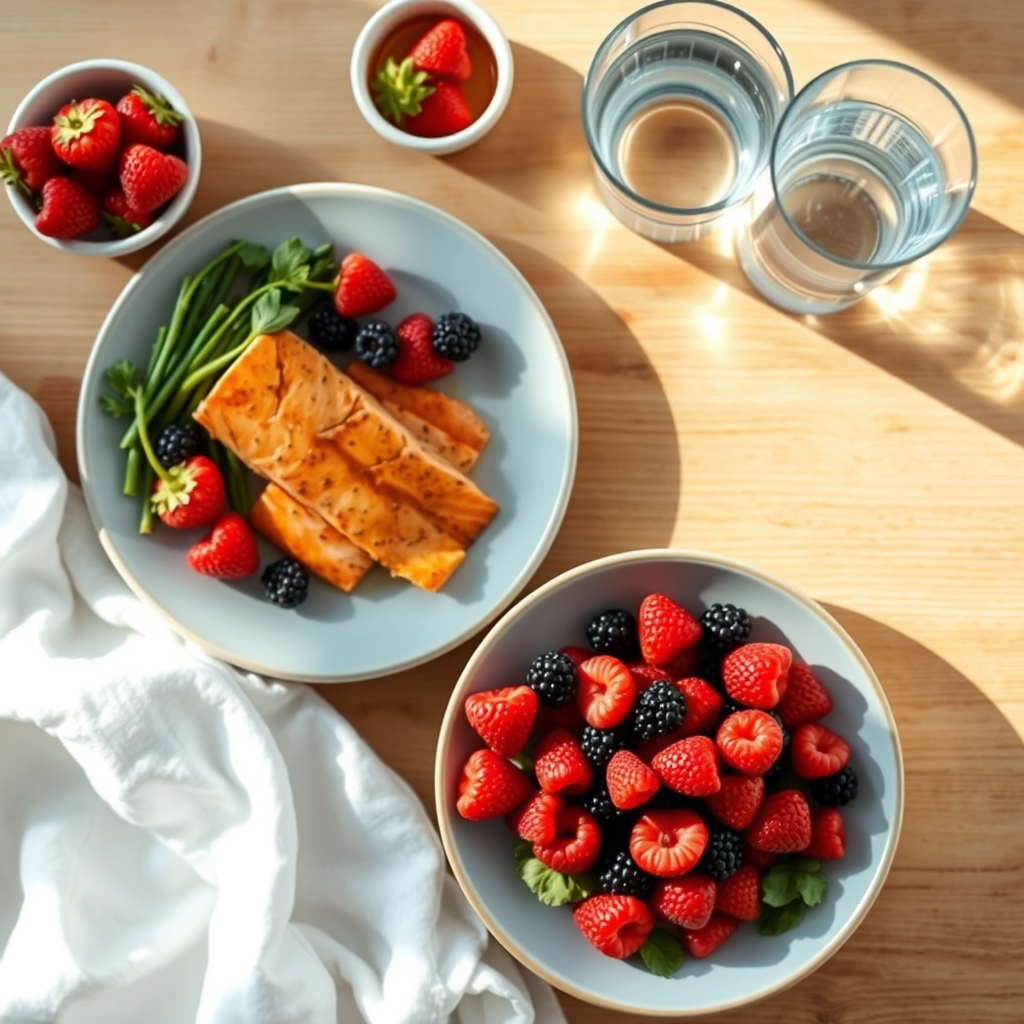
Choose nutrient‑dense foods like salmon and berries to support both weight loss and milk quality.
Exclusive breastfeeding, mixed feeding, and pumping: how they differ for weight loss
Exclusive breastfeeding (EBF) means the baby receives only breast milk, without any formula or solid foods (aside from vitamins). This scenario maximizes the caloric cost of lactation—up to 500 kcal per day—and typically yields the greatest weight‑loss potential.
Mixed feeding (MF) combines breast milk with formula or solid foods before the infant is six months old. The infant’s reduced nursing frequency lowers prolactin levels, decreasing the daily calorie burn to roughly 150 – 250 kcal. Consequently, weight loss tends to be slower, though many mothers still achieve healthy reductions with proper diet and activity.
Pumping and storing milk can be a useful strategy for returning to work or relieving engorgement, but it does not increase calorie expenditure. When a pump is used, the mother’s body still produces milk, but the hormonal response is blunted compared with a direct suckle. Studies show that mothers who pump exclusively (instead of nursing) may burn about 100 kcal less per day than those who nurse directly.
To illustrate these differences, the table below summarizes average weekly weight‑loss ranges reported in recent research:
Feeding style
Average daily calorie burn from lactation
Typical weekly weight loss (lb)
Exclusive breastfeeding
300 – 500 kcal
1 – 2
Mixed feeding (≥ 50 % formula)
150 – 250 kcal
0.5 – 1.5
Pumping only (no direct nursing)
~200 kcal
0.5 – 1
These figures are averages; individual results can vary based on genetics, activity level, and overall diet. The key takeaway: the more you nurse directly, the greater the calorie burn—but it’s still only part of the overall weight‑loss equation.
When you transition back to work, a regular pumping schedule can help maintain supply, but it won’t dramatically boost weight loss. Instead, focus on integrating short‑walk breaks, stair climbing, or desk‑side stretches during lactation breaks to keep your metabolism active.
Nighttime feedings can add extra calorie burn without extra effort.
Understanding postpartum body composition changes
Weight loss after pregnancy isn’t just about the number on the scale. Your body is also reshaping its composition—shifting from pregnancy‑related fluid retention and increased fat stores to a leaner, more functional state. Early postpartum weeks often involve loss of excess water, which can make the scale drop quickly, but true fat loss tends to happen more slowly.
Research from the University of Toronto (2021) shows that lactating women tend to retain a higher proportion of lean muscle mass compared with non‑lactating postpartum women, likely due to the protein‑rich demands of milk production. Maintaining muscle through resistance training not only supports a healthier metabolism but also helps protect the core and back muscles that are strained during pregnancy.
It’s also common for fat to be stored preferentially in the hips, thighs, and abdomen during pregnancy. Post‑birth, hormonal changes gradually mobilize this stored fat, especially when combined with regular activity. Patience is essential—visible changes in belly fat can take several months, even if the scale is moving steadily.
Hydration, caffeine, and herbal teas: what’s safe?
Staying well‑hydrated is a cornerstone of both milk production and weight management. The NHS recommends that breastfeeding mothers drink “as much as needed to quench thirst,” which typically translates to 2‑3 L of fluid daily. Water, low‑fat milk, and unsweetened herbal teas are excellent choices.
Caffeine passes into breast milk in small amounts. The American Academy of Pediatrics (AAP) suggests keeping caffeine intake below 200 mg per day (about one 12‑oz coffee) to avoid potential sleep disturbances in the infant. Decaf coffee, tea, and chocolate can contribute to the total caffeine count, so track them if you’re sensitive.
Herbal teas can be soothing, but not all herbs are safe for nursing infants. Peppermint, ginger, and rooibos are generally considered safe in moderate amounts, while herbs like sage, parsley, and certain “weight‑loss” blends may contain compounds that reduce milk supply. When in doubt, consult a lactation consultant or your provider before adding a new herb to your routine.
When to seek professional support: dietitians and lactation consultants
Personalized guidance can make a big difference. A registered dietitian who specializes in postpartum nutrition can help you craft a meal plan that meets your calorie goals without sacrificing essential nutrients. They can also address specific concerns such as iron deficiency, postpartum thyroid changes, or food intolerances.
Lactation consultants are valuable allies for optimizing milk supply while you pursue weight loss. They can suggest feeding positions, frequency adjustments, and pumping techniques that maintain supply even if you’re reducing caloric intake. Many hospitals and community health centers offer lactation services at low or no cost, and virtual consultations have become widely available.
Combining the expertise of a dietitian and a lactation consultant creates a balanced approach—ensuring you lose weight safely while keeping your baby well‑nourished.
Doctor's note
From our medical team: Losing weight while breastfeeding is safe when you follow a modest calorie deficit, stay hydrated, and prioritize nutrient‑rich foods. If you feel unusually fatigued, notice a drop in milk supply, or experience sharp pain while nursing, pause any diet changes and discuss them with your provider. A personalized plan that includes gentle exercise and regular check‑ins can help you meet both your health goals and your baby’s nutritional needs.
🔢 Ready to crunch your numbers? Use our Postpartum Weight Loss for a personalized result in seconds.
Myth vs. fact
Myth: You can lose a whole pregnancy’s worth of weight in the first two weeks if you breastfeed.
Fact: While nursing does increase calorie expenditure, rapid weight loss (more than 2 lb per week) is unlikely and may compromise milk quality. Most women lose 4 – 6 lb in the first month, then continue at a steadier pace.
Myth: Skipping meals or cutting carbs will speed up weight loss while nursing.
Fact: Severe calorie restriction can reduce milk volume and affect nutrient composition. A balanced diet with enough protein and healthy fats supports both weight loss and milk production.
Myth: Pumping more frequently will help you lose weight faster.
Fact: Pumping does not increase the number of calories burned beyond what nursing does; the hormonal response is weaker, so the metabolic boost is smaller.
Key takeaways
Breastfeeding burns roughly 300 – 500 kcal per day, which can translate to 1 – 2 lb (0.5 – 1 kg) of weight loss per week when combined with a modest diet.
Exclusive nursing yields the greatest calorie burn; mixed feeding or pumping reduces the metabolic advantage.
Aim for a balanced diet of ~1800 – 2500 kcal, rich in protein, whole grains, fruits, vegetables, and healthy fats.
Incorporate gentle, regular exercise—150 minutes of moderate activity per week—to support steady weight loss.
Stay hydrated (10‑12 cups of fluid daily) and avoid extreme calorie restriction to protect milk supply.
Use tools like the Postpartum Weight Loss calculator to set realistic, personalized goals.
Consider consulting a registered dietitian or lactation specialist for a tailored plan that safeguards both your health and your baby’s nutrition.
Frequently asked questions
Can breastfeeding cause you to lose weight?
Yes. Breastfeeding increases daily energy expenditure by about 300 – 500 kcal, which can contribute to gradual weight loss when paired with a balanced diet and regular activity.
How many calories does breastfeeding burn each day?
Current estimates from ACOG and the CDC place the calorie cost of exclusive breastfeeding at roughly 300 – 500 kcal per day, depending on feeding frequency and milk volume.
Is it safe to diet while breastfeeding?
It is safe to follow a modest calorie deficit (no more than 500 kcal below your lactation needs) as long as you continue to meet protein, calcium, iron, and overall nutrient requirements. Extreme low‑calorie diets are not recommended.
How long does it take to lose pregnancy weight when nursing?
Most mothers see a loss of 4 – 6 lb (1.8 – 2.7 kg) in the first month, followed by 1 – 2 lb (0.5 – 1 kg) per week for the next several months, reaching near pre‑pregnancy weight by 6 months of exclusive nursing.
Does pumping milk affect weight loss?
Pumping does not increase the calorie burn beyond what nursing does; the hormonal response is weaker, so the metabolic boost is smaller. Weight‑loss rates for pumping‑only mothers tend to be similar to mixed‑feeding mothers.
What foods should breastfeeding moms eat to support weight loss?
Focus on whole, nutrient‑dense foods: lean proteins (chicken, fish, legumes), complex carbs (whole grains, sweet potatoes), healthy fats (avocado, nuts), and plenty of fruits and vegetables. Hydration and adequate calcium (dairy or fortified alternatives) are also essential.
Can I practice intermittent fasting while breastfeeding?
Intermittent fasting (e.g., 16/8) is not generally recommended for nursing mothers because it can limit the steady flow of calories and nutrients needed for milk production. If you’re interested, discuss a modified approach with a dietitian to ensure you meet your daily energy and micronutrient goals.
How does breastfeeding affect belly fat?
Breastfeeding can help mobilize stored abdominal fat, especially when combined with regular physical activity. However, hormonal changes and genetic factors mean that belly fat may linger for several months. Patience, core‑strength exercises, and a balanced diet are the most reliable ways to see reductions over time.
When to call your doctor
If you notice any of the following, contact your healthcare provider promptly: sudden or severe breast pain, a drop in milk supply accompanied by fever, unexplained weight loss greater than 3 lb (1.4 kg) per week, persistent fatigue, or signs of nutrient deficiency such as hair loss or pale skin. This information is for educational purposes only and does not replace personalized medical advice.
References
American College of Obstetricians and Gynecologists (ACOG). “Nutrition During Pregnancy & Lactation.” Clinical Guidance, 2022.
Centers for Disease Control and Prevention (CDC). “Breastfeeding: Benefits for Mothers and Babies.” 2023.
World Health Organization (WHO). “Infant Feeding: Guidelines for the First Six Months.” 2021.
Journal of Human Lactation. “Metabolic Rate Changes in Lactating Women.” Vol. 38, Issue 2, 2020.
Nutrition Reviews. “Impact of Calorie Restriction on Lactating Mothers.” 2021.
Co‑chrane Database of Systematic Reviews. “Breastfeeding and Maternal Weight Loss.” 2022.
Nurses’ Health Study II. “Long‑Term Weight Change in Women Who Breastfeed.” 2022.
Academy of Nutrition and Dietetics. “Nutrition for Lactating Women.” Position Paper, 2021.
American College of Sports Medicine. “Physical Activity Guidelines for Postpartum Women.” 2023.
British National Health Service (NHS). “Postnatal Care and Breastfeeding.” 2022.
American Academy of Pediatrics (AAP). “Caffeine Consumption During Lactation.” 2020.
University of Toronto. “Body Composition Changes in Lactating Women.” Journal of Women’s Health, 2021.
British Dietetic Association. “Herbal Teas and Lactation Safety.” 2022.
International Lactation Consultant Association (ILCA). “When to Seek Professional Lactation Support.” 2023.
Editor's pick for this topic
Not sure about the label on Breastfeeding And Weight Loss What The Research Actually Says products?
Snap the ingredients list (or paste it, or scan the barcode) and SafeFilter checks every ingredient against your stage of pregnancy — flagging what to avoid, what needs care, and what's fine.
When Shubhra Mishra was expecting her first child in 2016, she was overwhelmed by conflicting food advice — one site said yes, another said never. By the time her second baby arrived in 2019, she realized millions of mothers face the same confusion.
That sparked a five-year journey through clinical nutrition papers, cultural diets, and expert conversations — all leading to BumpBites: a calm, compassionate space where science meets everyday motherhood.
Her long-term vision is to build a global community ensuring safe, supported, and free deliveriesfor every mother — because no woman should face pregnancy alone or uninformed. 🌿
🌍 Stand with mothers, shape safer guidance
Join a small circle of experts who review BumpBites articles so expecting parents everywhere can decide with confidence.