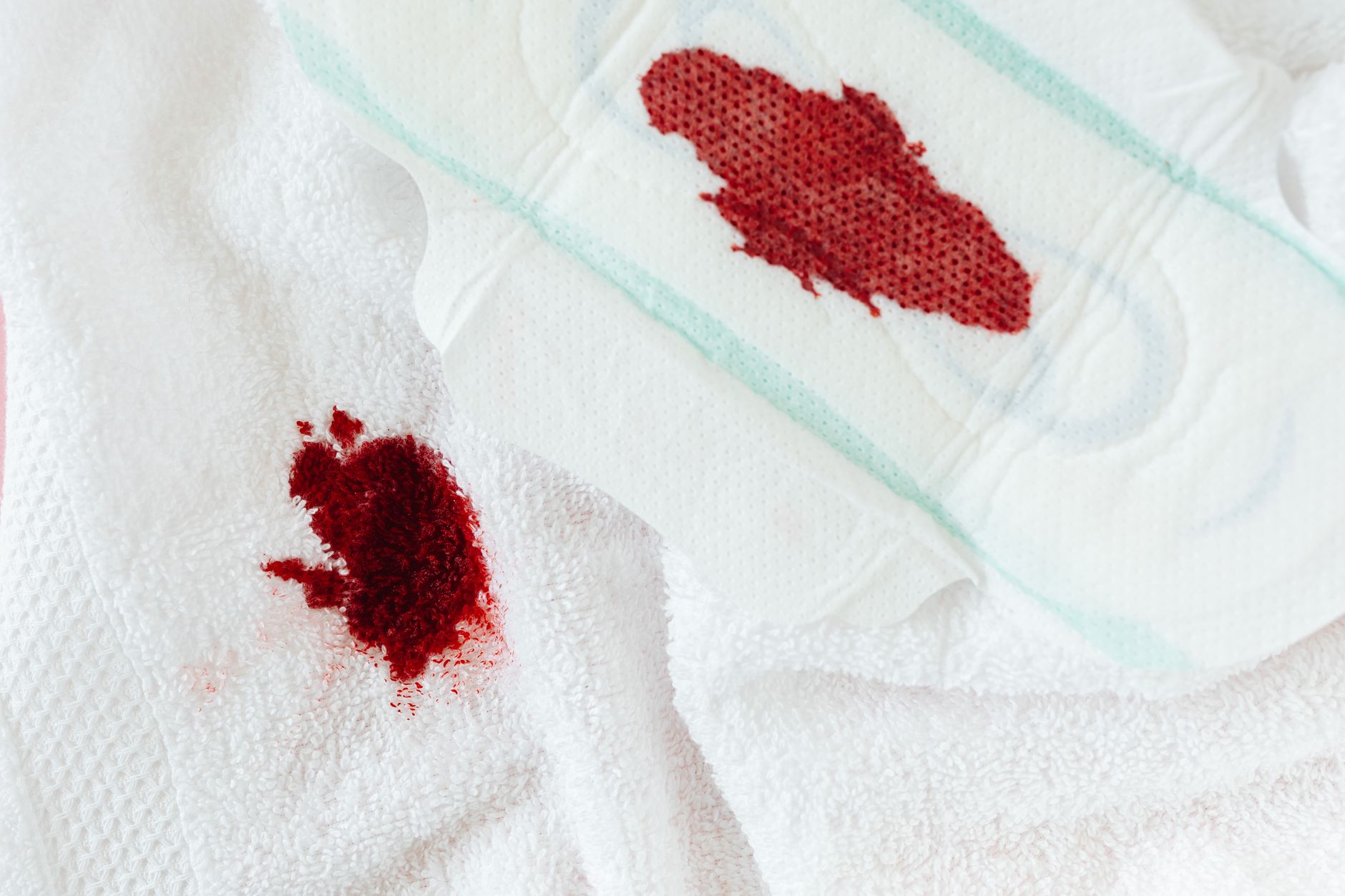
Bright red bleeding 4 weeks postpartum is usually not normal; it often signals infection or retained tissue and should be checked by a doctor promptly.
By Shubhra Mishra — a mom of two who turned her own confusion during pregnancy into BumpBites, a global mission to make food choices clear, safe, and stress-free for every expecting mother. 💛
Check whether any food is safe during pregnancy with the BumpBites Food Safety Checker.
Download the Complete Pregnancy Food Guide (10,000 Foods) 📘
Instant PDF download • No spam • Trusted by thousands of moms
💡 Your email is 100% safe — no spam ever.
Quick take: Bright red bleeding at four weeks postpartum is not typical. By this stage most lochia should have faded to pink or stopped altogether. If you’re still seeing fresh red flow, it could signal infection, retained tissue, or a hormonal issue—so it’s worth checking with your provider.
It’s 2 a.m., you’ve just finished a quiet bottle‑feeding, and you notice a fresh splash of bright red on your night‑gown. Your mind races: “Did I just have a period? Is something wrong?” You’re not alone. Many new parents wonder whether spotting that looks like a fresh period, four weeks after delivery, is normal or a cause for alarm. The short answer is that most postpartum bleeding should have turned pink or stopped by now, but the exact pattern can vary.
🔢 Calculate it for your situation: Use our Lochia Tracker for a personalized result in seconds.
In this article we’ll walk through what lochia is, how its color and amount change over the first month, why a vivid red flow at four weeks often warrants a closer look, and what you can do at home to stay comfortable while you keep an eye on your recovery. We’ll also compare vaginal and cesarean deliveries, explain how breastfeeding can shift your bleeding, and give you a clear checklist of red‑flag symptoms that mean it’s time to call your doctor.
By the end you’ll know exactly what to expect, how to track your own bleeding with our Lochia Tracker, and when a bright‑red surprise calls for professional care.
What is lochia and how it changes after birth
Lochia is the medical term for the vaginal discharge that follows childbirth. It’s a mixture of blood, mucus, uterine tissue, and the remnants of the placenta. Think of it as the uterus’s way of “cleaning up” after the baby’s arrival. In the first few days, lochia looks much like a heavy period—bright red, clotted, and sometimes with a metallic smell. Over time, the blood component diminishes, the color lightens, and the flow tapers off.
Most clinicians describe lochia in three stages:
Lochia rubra (days 1‑4): Bright red, often with clots, similar to a regular period.
Lochia serosa (days 5‑10): Pink‑to‑brown, thinner, and less heavy.
Lochia alba (days 10‑21+): White or yellowish, almost watery, and usually the last phase before discharge stops.
These stages are a guideline, not a hard rule. Hormonal shifts, the way you gave birth, and whether you’re breastfeeding can all stretch or compress the timeline. The key is that the bright red phase should not linger past the first week for most people.
It’s also worth noting that the composition of lochia can give clues about your healing. A higher proportion of blood suggests the uterus is still shedding its lining, while a shift toward serous fluid indicates the lining is thinning. If the discharge suddenly becomes thicker, cloudy, or foul‑smelling, that may be an early sign of infection (ACOG, 2020). Keeping a brief daily log of color, amount, and any odors can help you and your provider spot a pattern that needs attention.
Lochia transitions from bright red to pink as the uterus heals.
Typical postpartum bleeding timeline – days to weeks
Below
is a practical timeline that captures the usual progression of lochia after a vaginal birth. Cesarean deliveries follow a very similar pattern, but the initial volume may be slightly higher because of the surgical incision.
Post‑partum day
Typical lochia color
Expected amount
Comments
1‑2
Bright red, clotted
Heavy (up to a pad per hour)
Most intense bleeding, similar to a period.
3‑4
Bright red to pink
Moderate (pads change every few hours)
Clots become less common.
5‑7
Pink to brown (lochia serosa)
Light to moderate
Flow slows; discharge may be watery.
8‑14
Brown to white (lochia alba)
Light (a pad a day or less)
Uterine lining continues to shed.
15‑28
White to yellowish, then none
Very light or absent
Most women are fully done by week 4.
When you’re tracking your own recovery, notice three elements: color, amount, and any accompanying symptoms (pain, fever, foul odor). A sudden return to bright red after day 10, especially at week 4, is a red flag that deserves a conversation with your obstetrician or midwife.
Research from the NHS shows that over 90 % of women report lochia cessation by day 21, but a small subset experience lingering spotting up to six weeks, often linked to slower uterine involution or ongoing hormonal fluctuations (NICE NG23, 2021). Women who have delivered twins or experienced a very long labor may see a modestly delayed timeline, so individual variation is normal—as long as you’re not seeing fresh red flow beyond the expected window.
Keeping a simple lochia log helps you spot patterns early.
Why bright red bleeding at 4 weeks may be a warning sign
By the fourth week, the uterus should have contracted to near‑pre‑pregnancy size, and the lining that produced the early, heavy lochia is largely gone. If bright red blood reappears, it suggests that fresh tissue is still shedding or that an irritation is causing new bleeding.
There are three broad categories of concern:
Infection: Bacterial growth in the uterine cavity can keep the lining inflamed, leading to fresh bleeding mixed with a foul smell or a fever.
Retained tissue: Bits of placenta or membranes that didn’t detach fully can act like a foreign body, preventing the uterus from sealing properly.
Hormonal or structural issues: Subinvolution (a uterus that fails to shrink back) or hormonal imbalances—especially if you’re exclusively breastfeeding—can delay the normal shutdown of the bleeding process.
While any of these issues can appear at week 4, they’re still relatively uncommon. Most women who experience a brief episode of bright red spotting at this point find an easy explanation, such as a minor tear that reopened during a bowel movement or a brief surge of estrogen from returning to a regular diet. Nonetheless, because the underlying causes range from benign to serious, a prompt evaluation is the safest route.
Distinguishing infection from a harmless irritation often hinges on accompanying symptoms. A fever, chills, or a foul‑smelling discharge leans toward infection, whereas isolated spotting without systemic signs is more likely a mechanical cause. Your provider may order a simple blood test (CBC) and, if needed, an ultrasound to rule out retained tissue.
Common causes of prolonged bright red bleeding
Infection (endometritis)
Postpartum infection, medically known as endometritis, usually presents with fever, chills, foul‑smelling lochia, and uterine tenderness. The infection can keep the uterine lining from healing, causing fresh red blood to appear even weeks after birth. Risk factors include prolonged labor, retained placenta fragments, and a cesarean incision that didn’t heal cleanly.
If you have a temperature above 38°C (100.4°F), feel a deep ache in your lower abdomen, or notice a sour odor coming from your discharge, contact your provider right away. Early antibiotics can prevent a more serious spread.
Retained placenta or membrane fragments
Sometimes the placenta or its inner membranes (the “afterbirth”) don’t separate completely. Small pieces can remain attached to the uterine wall, acting like a stubborn splinter. The body tries to expel them, leading to intermittent bright red spotting, cramping, and occasionally a sensation of “something hanging down.”
Ultrasound is the usual diagnostic tool. If fragments are found, a gentle office procedure called a “curettage” may be performed to clear the area.
Subinvolution of the uterus
Subinvolution means the uterus hasn’t contracted back to its normal size as quickly as expected. This can happen after a very large baby, multiple pregnancies, or a prolonged second stage of labor. The lingering enlarged uterus maintains a richer blood supply, and that can result in fresh bleeding beyond the third week.
Doctors may check uterine size with a pelvic exam or an ultrasound. Treatment often involves watchful waiting, but in some cases a short course of medication to encourage uterine contraction is prescribed.
Hormonal shifts and breastfeeding
Breastfeeding releases prolactin, a hormone that suppresses ovulation and can keep estrogen levels low. Low estrogen sometimes means the uterine lining never fully thins, which can prolong lochia. Conversely, when a nursing mother starts to wean or introduces formula, a rebound in estrogen can cause a brief “period‑like” bleed.
This hormonal dance is normal, but if the bleeding is bright red, heavy, or accompanied by pain, it’s worth a quick check‑in with your clinician.
Other rarer causes
Uterine fibroids or polyps: Pre‑existing growths can be irritated by the postpartum uterus, leading to spotting.
Coagulation disorders: Conditions like von Willebrand disease may become apparent after the stress of delivery, causing prolonged bleeding.
Medication side effects: Certain blood thinners or herbal supplements (e.g., high‑dose ginger) can amplify bleeding.
If you have a known clotting disorder, discuss postpartum bleeding expectations with your hematologist before delivery. Most of these rarer causes are identified through imaging or blood tests if the initial work‑up is inconclusive.
Differences after vaginal vs. cesarean delivery
Both delivery modes produce lochia, but the surgical nature of a cesarean can add a few nuances:
Aspect
Vaginal birth
Cesarean birth
Initial volume
Moderate to heavy (1‑2 pads/hour)
Often heavier (up to 3 pads/hour) due to incision site
Color transition timeline
Red → pink by day 4‑5
Red may persist a day longer
Typical duration
Most stop by day 21‑28
May extend to day 30‑35
Common complications
Perineal tears, infection
Incision infection, retained sutures
Regardless of delivery type, bright red bleeding after week 3 should still prompt a conversation. The surgical scar in a cesarean can be a source of bleeding separate from the uterine lining, so a physical exam is key to distinguish the two.
Studies from the WHO indicate that cesarean‑related lochia tends to be slightly longer, but the overall risk of persistent bright red bleeding remains low (<5 % of cesarean patients) when standard infection‑prevention protocols are followed (WHO, 2022). If you notice any discharge coming from the incision itself—especially if it’s blood‑tinged and accompanied by warmth or redness—contact your surgeon promptly.
Practical tips for managing normal lochia at home
Even when everything is progressing as expected, postpartum bleeding can be messy. Here are some tried‑and‑true strategies that many new parents find helpful:
Use a high‑absorbency pad, not a tampon. Tampons can disturb the healing uterine lining and increase infection risk.
Change pads frequently. Aim for every 3‑4 hours during the heavy‑flow days, and at least once daily thereafter.
Keep the area clean. Gentle rinsing with warm water is fine; avoid scented soaps or douches.
Track color and volume. A simple notebook or a phone note can help you notice trends. This is where the Lochia Tracker shines.
Stay hydrated and eat iron‑rich foods. Post‑delivery blood loss can lower iron stores; foods like lentils, spinach, and lean meat support recovery.
Rest when you can. Even short naps can aid uterine involution.
If you’re exclusively breastfeeding, remember that your body is still adjusting hormone‑wise. It’s normal to see a few extra days of pink spotting as your milk supply stabilizes.
Pelvic‑floor exercises (Kegels) performed gently can improve circulation and may reduce lingering bleeding. Some parents also find relief using witch‑hazel pads or a warm sitz bath (10‑15 minutes) to soothe the perineum without disrupting the uterine healing process.
Finally, avoid hot tubs or swimming pools until your provider confirms the incision (if any) has healed—excessive heat can increase blood flow to the pelvis and potentially worsen bleeding.
When your period may return after postpartum bleeding
Most women who are not breastfeeding will see their first true menstrual period between six and eight weeks after delivery. The exact timing depends on how quickly the hypothalamic‑pituitary‑ovarian axis resets, which can be delayed by the prolactin surge of lactation (ACOG, 2020).
If you notice a regular, cyclic pattern of bright red bleeding that lasts 3‑7 days and recurs roughly every 28 days, it’s likely your period returning rather than lochia. However, a sudden heavy flow at four weeks that doesn’t follow a regular cycle is more likely to be lochia‑related and should be checked.
For those planning to conceive again soon, understanding the timing of ovulation after delivery is crucial. Even if you haven’t had a full period yet, fertile windows can open as early as three weeks postpartum in some breastfeeding mothers, so using contraception or discussing family‑planning goals with your provider is advisable.
How to tell the difference between lochia and a true period
Key clues include:
Timing: Lochia typically tapers off by week 4, while a period appears after a hormone‑driven gap.
Color and texture: Lochia often has a pink‑brown tinge and may contain small clots; periods are usually uniformly red and may have larger clots.
Pain pattern: Cramping from lochia is usually mild to moderate and localized to the lower abdomen. Period cramps can be more intense and may radiate to the lower back.
Associated symptoms: Fever or foul odor points to infection and lochia, not a normal period.
When in doubt, a quick photo of the pad (with no identifying details) sent to your provider can help them differentiate and advise you promptly. Many electronic health portals now allow secure image uploads, making remote assessment easier.
Medications, supplements, and lifestyle factors that can affect postpartum bleeding
Several common substances can either increase or mask bleeding:
Non‑steroidal anti‑inflammatory drugs (NSAIDs): Ibuprofen can reduce uterine cramping but may also slightly thin blood, potentially prolonging lochia in sensitive individuals.
Herbal supplements: High doses of ginger, cinnamon, or ginkgo biloba have mild anticoagulant effects. Discuss any supplement use with your clinician.
Prescription blood thinners: Women with clotting disorders who require warfarin or heparin should be monitored closely; postpartum bleeding can be more pronounced.
Alcohol and caffeine: Moderate caffeine (up to 200 mg/day) is generally safe (Mayo Clinic, 2023), but excessive alcohol can impair platelet function.
Vitamin K intake: Adequate vitamin K (found in leafy greens) supports clotting; deficiencies are rare but can exacerbate prolonged bleeding.
When you start a new medication, ask your provider how it might interact with your postpartum recovery. In many cases, timing the dose away from peak bleeding days can minimize impact. If you’re experiencing anemia from blood loss, iron supplements (ferrous sulfate 325 mg) are often recommended, but they should be taken under medical guidance.
When to seek medical care – red‑flag symptoms
The line between “normal” and “needs attention” can feel blurry, especially when you’re sleep‑deprived. Keep this checklist close:
Bright red bleeding that soaks a pad in under 30 minutes, or a sudden increase after a period of light spotting.
Fever ≥ 38°C (100.4°F) or chills.
Severe cramping that doesn’t ease with ibuprofen or a warm compress.
Foul‑smelling discharge (like rotting fish).
Dizziness, rapid heartbeat, or feeling faint.
Persistent pain during urination or bowel movements.
If any of these appear, give your provider a call, visit an urgent care clinic, or head to the emergency department. Many health systems now offer same‑day telehealth appointments for postpartum concerns, which can be a convenient way to get an initial assessment without a long commute.
From our medical team: “Postpartum bleeding that stays bright red beyond two weeks is uncommon, but not always dangerous. Most often it points to a treatable infection or retained tissue. Trust your instincts—if something feels off, a quick phone call can clear things up and keep you on the road to recovery.”
Emotional aspects of postpartum bleeding
Seeing blood after delivery can be emotionally jarring, especially when you’re already navigating sleep deprivation and new‑parent anxieties. Many parents describe a sense of “something is wrong” the moment a fresh red pad appears after week 3. Acknowledging that feeling and talking about it with your partner or a support person can reduce stress.
Research from the NHS highlights that postpartum emotional wellbeing is closely tied to physical recovery; unresolved concerns about bleeding can heighten anxiety and even contribute to postpartum depression. Keeping a concise log, sharing it with your provider, and setting a reminder to discuss any changes at your 6‑week check‑up can provide reassurance and a sense of control.
Preparing for your postpartum check‑up
Your 6‑week postpartum visit is a key opportunity to review lochia, discuss contraception, and assess overall healing. Bring your lochia log, note any episodes of bright red bleeding, and be ready to describe the amount, timing, and any accompanying symptoms.
During the exam, your clinician will likely check uterine size, assess the incision (if you had a cesarean), and may order a hemoglobin test to rule out anemia. If you’re still seeing red bleeding, they might perform an ultrasound or swab to rule out infection. Having a clear list of questions—such as “When can I safely resume sexual activity?” or “What should I expect in terms of future cycles?”—helps you get the most out of the appointment.
🔢 Ready to crunch your numbers? Use our Lochia Tracker for a personalized result in seconds.
Myth vs. fact
Myth: “All postpartum bleeding stops exactly at four weeks.”
Fact: While many women finish lochia by the fourth week, a small percentage experience light spotting up to six weeks, especially after a cesarean or if they’re breastfeeding.
Myth: “If I’m breastfeeding, I don’t need to worry about bleeding.”
Fact: Breastfeeding can delay the return of regular menstrual cycles, but it does not protect against infection or retained placenta. Bright red bleeding while nursing still warrants evaluation.
Myth: “Tampons are fine after the first week.”
Fact: Tampons are generally discouraged throughout the postpartum period because they can introduce bacteria and disrupt the healing uterine lining.
Key takeaways
Bright red lochia should fade to pink by the end of week 2; at week 4 it’s usually a sign to check with a clinician.
Track color, amount, and any pain or fever in a simple log or using the Lochia Tracker.
Infection, retained placenta fragments, and subinvolution are the most common reasons for prolonged red bleeding.
Breastfeeding changes hormone levels and can extend spotting, but it does not eliminate infection risk.
Use pads, not tampons, change them regularly, and keep the area clean to reduce irritation.
Call your provider if you notice heavy flow, fever, foul odor, severe cramping, or dizziness.
Frequently asked questions
Is bright red bleeding normal 4 weeks after giving birth?
In most cases, no. By four weeks postpartum, lochia is typically pink or has stopped. Bright red bleeding at this stage often signals infection, retained tissue, or a hormonal issue and should be evaluated by a healthcare professional.
What does lochia look at 4 weeks postpartum?
At four weeks, lochia is usually a pale pink to white, watery discharge (lochia alba) or may have stopped entirely. Any fresh red blood, especially if it’s enough to soak a pad quickly, is considered abnormal.
Can postpartum bleeding indicate an infection?
Yes. An infection (endometritis) can keep the uterine lining inflamed, producing fresh red bleeding, a foul smell, and fever. If you notice these signs, contact your provider promptly.
How long should postpartum bleeding last?
Typical lochia lasts 2–4 weeks, with the bright red phase ending by day 5‑7. Breastfeeding can prolong light spotting, but heavy red flow beyond two weeks warrants medical review.
When should I call my doctor about postpartum bleeding?
Call your doctor if you experience heavy bright red bleeding that soaks a pad in under 30 minutes, develop a fever, have foul‑smelling discharge, feel severe cramping, or notice dizziness or rapid heartbeat.
Does breastfeeding affect postpartum bleeding?
Breastfeeding lowers estrogen, which can delay the return of regular menstrual cycles and sometimes extend light spotting. However, it does not prevent infection, so any bright red bleeding while nursing should still be assessed.
Can certain foods or drinks worsen postpartum bleeding?
Foods high in vitamin K (like leafy greens) support clotting, while excessive caffeine or alcohol can mildly affect platelet function. Moderation is key, and most guidelines (Mayo Clinic, 2023) recommend up to 200 mg of caffeine daily.
Is it safe to use herbal teas to increase milk supply if I’m still bleeding?
Most lactation‑supporting herbs (fenugreek, blessed thistle) are considered safe in typical doses, but they can have mild anticoagulant effects. Discuss any herbal supplement with your provider, especially if you’re still experiencing bright red bleeding.
Can I have sex while still experiencing lochia?
Sexual activity is generally safe once you feel comfortable and any perineal stitches have healed, usually after 4–6 weeks. If you notice fresh bright red bleeding, pain, or a foul odor after intercourse, stop and contact your provider, as this could indicate an infection or delayed healing.
Is it normal to see a blood clot in my lochia?
Small clots (about the size of a grape seed) are common in the early days of lochia and are not usually a concern. Larger clots, especially if they appear after the first week or are accompanied by heavy flow, should be discussed with your clinician to rule out retained tissue or infection.
When to call your doctor
If you experience any of the following, seek medical attention right away: bright red bleeding that soaks a pad in less than 30 minutes, fever ≥ 38°C (100.4°F), foul‑smelling discharge, severe abdominal or pelvic pain, dizziness, or rapid heartbeat. This information is for educational purposes only and does not replace personalized medical advice. Always consult your own healthcare provider with any concerns.
References
American College of Obstetricians and Gynecologists (ACOG). “Postpartum Care.” Practice Bulletin No. 184, 2020.
National Institute for Health and Care Excellence (NICE). “Postnatal Care.” NG23, 2021.
World Health Organization (WHO). “Postpartum Hemorrhage: Prevention and Management.” 2022.
Royal College of Obstetricians and Gynaecologists (RCOG). “Management of Postpartum Infections.” Green‑top Guideline No. 41, 2021.
Centers for Disease Control and Prevention (CDC). “Maternal Mortality and Morbidity.” 2023 data brief.
Mayo Clinic. “Lochia: What to Expect After Delivery.” Updated 2023.
Breastfeeding Medicine. “Hormonal Changes and Postpartum Bleeding in Lactating Women.” 2022 review.
World Health Organization (WHO). “Guidelines for Cesarean Section and Post‑operative Care.” 2022.
National Health Service (NHS). “Postnatal bleeding and when to seek help.” 2021.
Editor's pick for this topic
Not sure about the label on Bright Red Bleeding 4 Weeks Postpartum Is It Normal products?
Snap the ingredients list (or paste it, or scan the barcode) and SafeFilter checks every ingredient against your stage of pregnancy — flagging what to avoid, what needs care, and what's fine.
When Shubhra Mishra was expecting her first child in 2016, she was overwhelmed by conflicting food advice — one site said yes, another said never. By the time her second baby arrived in 2019, she realized millions of mothers face the same confusion.
That sparked a five-year journey through clinical nutrition papers, cultural diets, and expert conversations — all leading to BumpBites: a calm, compassionate space where science meets everyday motherhood.
Her long-term vision is to build a global community ensuring safe, supported, and free deliveriesfor every mother — because no woman should face pregnancy alone or uninformed. 🌿
🌍 Stand with mothers, shape safer guidance
Join a small circle of experts who review BumpBites articles so expecting parents everywhere can decide with confidence.