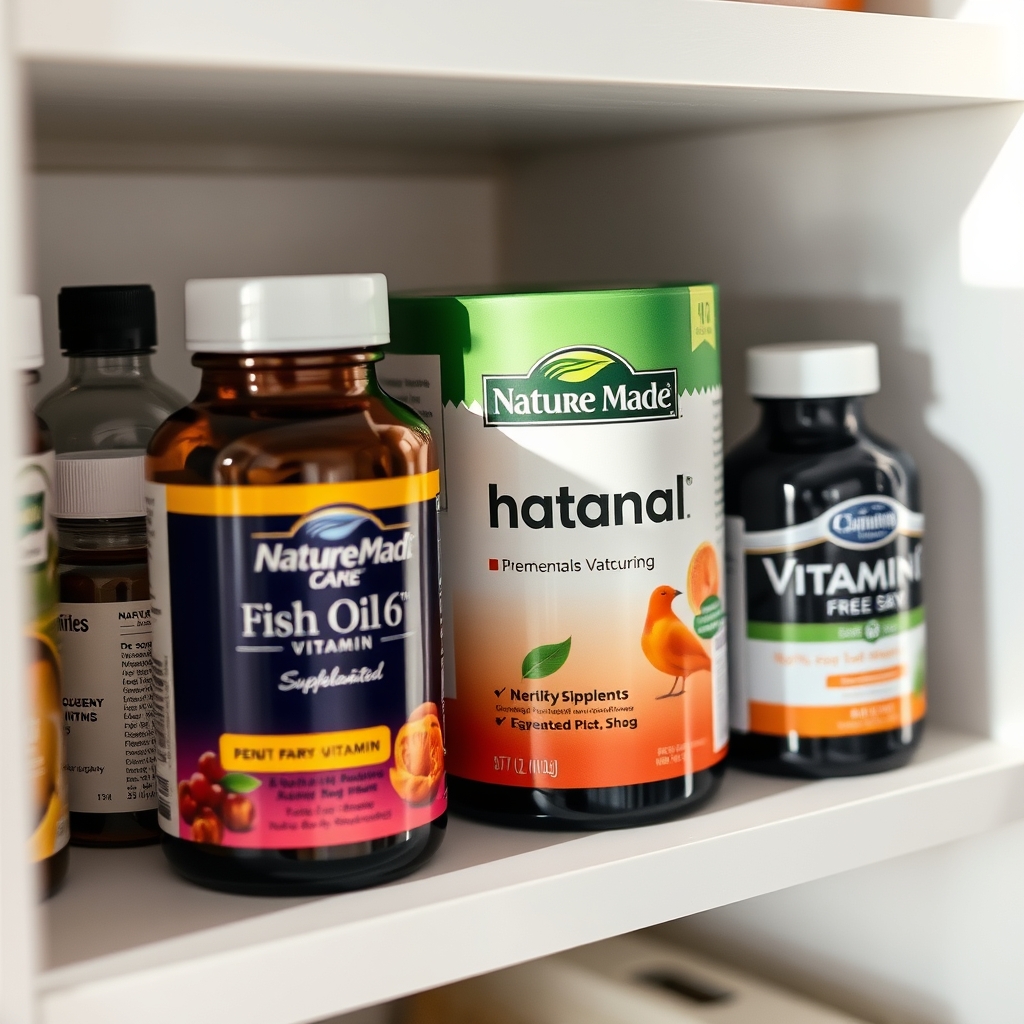
Safe: Some OTC meds like acetaminophen are approved for pregnancy. Limit dosage to 3,000mg/day and avoid NSAIDs like ibuprofen in the third trimester.
By Shubhra Mishra — a mom of two who turned her own confusion during pregnancy into BumpBites, a global mission to make food choices clear, safe, and stress-free for every expecting mother. 💛
Check whether any food is safe during pregnancy with the BumpBites Food Safety Checker.
Download the Complete Pregnancy Food Guide (10,000 Foods) 📘
Instant PDF download • No spam • Trusted by thousands of moms
💡 Your email is 100% safe — no spam ever.
Quick verdict: ✅ Most common over‑the‑counter (OTC) medications are considered safe for pregnancy when used at recommended doses, but you should always check the trimester‑specific guidance and consult your provider if you have any health concerns.
It’s completely normal to stare at the medicine cabinet at 2 a.m., wondering what medications are safe for pregnancy and whether the occasional pain reliever or cold remedy might harm your baby. You’re not alone—many expecting parents experience that “what if I already took it?” moment. The good news is that a large portion of OTC drugs have been studied extensively, and reputable bodies like the American College of Obstetricians and Gynecologists (ACOG) and the UK’s National Health Service (NHS) have clear, evidence‑based guidelines.
In this guide we’ll break down the most frequently asked questions about OTC medication safety, outline trimester‑specific recommendations, list safe dosage limits, and suggest gentler alternatives when possible. Whether you’re reaching for a bottle of Tylenol, a prenatal vitamin, or a saline nasal spray, you’ll find the information you need to make calm, informed choices.
We’ll also flag any brand‑specific concerns, discuss how pre‑existing conditions like hypertension can influence medication safety, and give you a handy checklist of red‑flag symptoms that warrant a quick call to your doctor. By the end, you’ll have a clear picture of what medications are safe for pregnancy and how to use them responsibly.
OTC option
Verdict
Safe amount
Notes
Acetaminophen (Tylenol)
✅ Generally safe
Up to 3,000 mg/day
Limit to 2 g in 1st trimester if possible; avoid chronic high‑dose use
Prenatal vitamin (Nature Made)
✅ Generally safe
One tablet daily
Check for excess iron or vitamin A; follow label
Diphenhydramine (Benadryl) – low dose
✅ Safe with limits
25 mg every 6‑8 h
Use only short‑term; may cause drowsiness
Loperamide (Imodium) – short term
✅ Safe short‑term
2 mg after first loose stool, max 4 mg/day
Only for acute diarrhea; not for chronic GI issues
Ginger capsules (Nature’s Way)
✅ Generally safe
250 mg up to 1 g/day
Effective for nausea; avoid if history of gallstones
Saline nasal spray (Ocean)
✅ Safe
As needed
Non‑medicated; safe for all trimesters
Vitamin B6 (pyridoxine) supplements
✅ Generally safe
10‑25 mg/day
Helpful for morning sickness; stay within recommended range
Omega‑3 fish oil (Nordic Naturals)
✅ Generally safe
500‑1,000 mg EPA/DHA total
Choose purified, mercury‑free product
Over‑the‑counter medications are drugs you can purchase without a prescription. They include pain relievers, antihistamines, antidiarrheals, vitamins, and simple home‑remedy products like saline sprays. Because they’re widely available, many expectant parents assume they’re automatically safe—but the reality is more nuanced. The safety of each product depends on its active ingredient, dosage, timing within pregnancy, and any underlying health conditions you may have.
Overall, what medications are safe for pregnancy hinges on three core principles established by ACOG, the FDA, and the NHS: (1) the drug’s teratogenic risk (its potential to cause birth defects) should be low or nonexistent, (2) the dose should stay within the recommended adult range, and (3) the medication should address a symptom that cannot be managed by safer, non‑drug measures. For most OTC pain relievers, antihistamines, and vitamins, the evidence supports safe use when these criteria are met. However, certain classes—especially non‑steroidal anti‑inflammatory drugs (NSAIDs) like ibuprofen—require careful trimester‑specific consideration due to known fetal risks.
Are ibuprofen and other NSAIDs safe to use during each trimester of pregnancy?
Ibuprofen and other NSAIDs (naproxen, diclofenac) are generally not recommended in the third trimester because they can interfere with the baby’s ductus arteriosus, a vital blood vessel that closes after birth. In the first trimester, some data suggest a slight increase in miscarriage risk, though findings are not conclusive. The second trimester carries the lowest risk, but many clinicians still advise caution and limit use to short courses at the lowest effective dose.
ACOG’s Committee Opinion (2022) advises that NSAIDs be avoided after 20 weeks gestation unless a provider explicitly recommends them. The NHS echoes this guidance, noting that ibuprofen is safest in the first two trimesters for occasional use, but alternatives like acetaminophen should be the first line for pain relief throughout pregnancy.
What dosage of acetaminophen is considered safe for pregnant women?
Acetaminophen (paracetamol) is the most studied pain reliever in pregnancy and is considered safe when taken at or below the standard adult dose—up to 3,000 mg per day (roughly six 500 mg tablets). The FDA allows a maximum of 4,000 mg for non‑pregnant adults, but many obstetric guidelines advise the lower 3,000 mg ceiling to provide an extra safety margin.
For the first trimester, some clinicians suggest limiting daily intake to 2 g (four 500 mg tablets) if possible, especially if you have chronic pain conditions. In the second and third trimesters, the 3,000 mg limit is generally accepted, but prolonged high‑dose use should be discussed with your provider, as some studies have linked very high cumulative exposure to a modest increase in childhood neurodevelopmental concerns.
Which over‑the‑counter cold medicines are safe for pregnancy?
Most OTC cold remedies combine a decongestant (like pseudoephedrine), an antihistamine (like diphenhydramine), and a cough suppressant (like dextromethorphan). Of these, diphenhydramine and dextromethorphan are considered low‑risk throughout pregnancy. Pseudoephedrine, however, is best avoided in the first trimester due to a possible association with cardiac defects, and it should be used with caution in later trimesters because it can reduce uterine blood flow.
Safe options include:
Simple saline nasal spray (e.g., Ocean) – non‑medicated and safe any time.
Diphenhydramine (Benadryl) 25 mg every 6‑8 hours, up to 150 mg/day.
Dextromethorphan (Robitussin) 10‑20 mg every 4 hours, max 120 mg/day.
Always read labels for combination products, as hidden ingredients can change the safety profile.
What are safe alternative remedies for nausea during pregnancy?
Nausea and vomiting, especially in the first trimester, are common and often manageable without medication. Safe non‑drug strategies include ginger (fresh, tea, or capsule form), vitamin B6 (pyridoxine) supplements, small frequent meals, and staying hydrated. Acupressure wrist bands (pressure on the P6 point) have also shown modest benefit and carry no pharmacologic risk.
When a medication is needed, low‑dose diphenhydramine and ginger capsules (250‑500 mg per day) are considered safe. Avoid high‑dose vitamin A–containing products, as excess retinol can be teratogenic.
Are there any brand‑name prenatal vitamins that should be avoided?
Most prenatal vitamins on the market meet safety standards, but a few contain high doses of vitamin A (retinol) or iron that can exceed recommended daily allowances. Brands that use preformed vitamin A should be avoided; instead, look for products that provide beta‑carotene, a safer provitamin A form. Additionally, some prenatal blends include excessive calcium or vitamin D, which can interfere with iron absorption.
Nature Made’s prenatal vitamin is a good example of a product that stays within safe limits for iron (27 mg) and vitamin A (as beta‑carotene). Always compare the label with the Recommended Dietary Allowance (RDA) and discuss any concerns with your provider.
What are the risks of using antihistamines in the first trimester?
First‑trimester antihistamine use is generally considered low risk, especially for non‑sedating agents such as loratadine and cetirizine. Sedating antihistamines like diphenhydramine can cause drowsiness and, in rare cases, may be associated with a slightly higher risk of preterm birth if used long‑term, but short‑term use for acute allergy symptoms is widely accepted as safe.
The CDC and NHS both list diphenhydramine as a pregnancy‑category B medication, meaning animal studies have not shown risk and there are no well‑controlled studies in humans showing harm. Nonetheless, if you need daily allergy relief, discuss switching to a non‑sedating alternative with your provider.
Can pregnant women safely take allergy medication for seasonal allergies?
Yes, many allergy medications are safe when used as directed. Non‑sedating antihistamines—loratadine (Claritin) and cetirizine (Zyrtec)—are classified as category B and can be taken throughout pregnancy. Nasal saline sprays are completely drug‑free and safe for all trimesters. If you need a decongestant, opt for a short course of phenylephrine rather than pseudoephedrine, and only after consulting your obstetrician.
How does a pre‑existing condition like hypertension affect medication safety in pregnancy?
Hypertension requires careful medication management because many antihypertensives (e.g., ACE inhibitors, ARBs) are contraindicated. However, certain OTC options like low‑dose aspirin (81 mg) are sometimes prescribed to reduce pre‑eclampsia risk, but only under medical supervision. For pain or fever, acetaminophen remains the safest choice, while NSAIDs should be avoided, especially after 20 weeks.
If you have chronic hypertension, your provider will likely tailor a medication plan that may include prescription drugs (e.g., labetalol) and advise you on which OTC products are permissible. Always disclose your condition before taking any new medication.
Safety by trimester
First trimester (weeks 1‑13)
This period involves organogenesis, when the fetus’s major organs are forming. Because of heightened sensitivity, clinicians recommend limiting exposure to any medication with known teratogenic potential. Acetaminophen, low‑dose diphenhydramine, ginger, vitamin B6, and saline nasal spray are all considered low‑risk. NSAIDs, especially ibuprofen, should generally be avoided unless a provider deems short‑term use necessary.
Second trimester (weeks 14‑27)
The risk of structural anomalies declines, but certain drugs can still affect fetal growth. Ibuprofen may be used cautiously for short periods if needed, but many providers still prefer acetaminophen. Antihistamines remain safe, and prenatal vitamins should continue uninterrupted to support fetal development.
Third trimester (weeks 28‑40)
In the final weeks, NSAIDs can cause premature closure of the ductus arteriosus and should be avoided. Acetaminophen remains the preferred analgesic. Loperamide can be used for acute diarrhea, but chronic use should be discussed with a provider. Omega‑3 fish oil, vitamin B6, and ginger continue to be safe for managing nausea and supporting fetal brain development.
Breastfeeding
Most OTC medications that are safe during pregnancy are also compatible with breastfeeding. Acetaminophen, diphenhydramine (in low doses), ginger, and saline nasal spray pass into breast milk in minimal amounts and are considered safe. However, high‑dose NSAIDs can reduce milk production, so they should be avoided unless prescribed.
Safe dosage / amount / brands
OTC product
Typical safe dose
Recommended brands
Brands to avoid
Acetaminophen
325‑650 mg every 4‑6 h, max 3,000 mg/day
Tylenol, generic store‑brand
Any product exceeding 1 g per tablet
Prenatal vitamin
One tablet daily
Nature Made Prenatal, One A Day Prenatal
Products with >10,000 IU vitamin A (retinol)
Diphenhydramine
25 mg every 6‑8 h, max 150 mg/day
Benadryl, generic diphenhydramine
Combination sleep‑aid products with high diphenhydramine
Loperamide
2 mg after first loose stool, max 4 mg/day
Imodium, generic loperamide
Extended‑release formulations without provider approval
Ginger capsules
250 mg up to 1 g/day
Nature’s Way Ginger, Solaray Ginger
Products with added vitamin A
Saline nasal spray
As needed (typically 2‑3 sprays per nostril)
Ocean, Ayr
Medicated sprays containing oxymetazoline
Vitamin B6 (pyridoxine)
10‑25 mg/day
Nature Made B6, Solgar Vitamin B6
High‑dose (>100 mg) formulations
Omega‑3 fish oil
500‑1,000 mg EPA/DHA total
Nordic Naturals Ultimate Omega, VivaNaturals
Products without third‑party purification (risk of mercury)
Side effects and risks
Even “safe” OTC medications can cause side effects. Acetaminophen, while low‑risk for birth defects, can lead to liver strain if taken in excess—watch for symptoms like dark urine, jaundice, or persistent fatigue. Diphenhydramine may cause drowsiness, dry mouth, or constipation; avoid operating heavy machinery after dosing.
Loperamide can cause constipation or, rarely, cardiac arrhythmias if taken in large quantities. Ginger is well tolerated, but high doses may lead to heartburn or mild diarrhea. Saline nasal spray is essentially inert, but over‑use can cause nasal irritation.
Vitamin B6 is safe at recommended levels but can cause nerve toxicity (paresthesia) if taken in megadoses (>100 mg/day). Omega‑3 fish oil is generally well tolerated, though some people experience a fishy aftertaste or mild gastrointestinal upset.
Safer alternatives
Warm compresses for muscle aches instead of NSAIDs.
Honey‑lemon tea (if not allergic) for cough relief.
Vitamin C‑rich foods (citrus, berries) to boost immunity.
Hydration and rest for fever reduction.
Non‑medicated nasal strips for congestion.
Acupressure wrist bands for nausea.
Herbal teas (peppermint, chamomile) for digestive comfort.
Prescription‑grade antihistamines if OTC options are insufficient.
Acetaminophen (Tylenol)
Acetaminophen works by inhibiting the brain’s pain‑signaling chemicals (prostaglandins) and resetting the body’s temperature set‑point. It’s the first‑line recommendation for headaches, fever, and mild‑to‑moderate pain during pregnancy because it does not cross the placenta in harmful concentrations. The FDA classifies it as a pregnancy‑category B drug, and ACOG cites it as “the safest analgesic” for pregnant patients.
Typical dosing is 325‑650 mg every 4‑6 hours, not exceeding 3,000 mg per day. If you have liver disease or consume alcohol regularly, discuss dosage with your provider. For chronic pain, a provider may suggest alternating acetaminophen with other non‑pharmacologic strategies.
Prenatal vitamin (Nature Made)
Prenatal vitamins fill nutritional gaps that become more pronounced during pregnancy. They contain folic acid (400‑800 µg), iron, calcium, DHA, and a spectrum of B‑vitamins. Nature Made’s formulation uses beta‑carotene instead of retinol, keeping vitamin A exposure within safe limits. Regular use supports neural tube closure, red‑blood‑cell formation, and fetal bone growth.
Take one tablet with a meal to improve iron absorption and reduce nausea. If you experience gastrointestinal upset, consider a chewable or liquid version, but verify the nutrient content matches the recommended daily allowance.
Diphenhydramine (Benadryl) – low dose
Diphenhydramine is an antihistamine that blocks histamine receptors, reducing allergy symptoms, itching, and mild insomnia. Its sedative properties make it useful for nighttime allergy relief or occasional nausea. The drug is classified as pregnancy‑category B, meaning no proven risk in human studies.
Use a low dose (25 mg) every 6‑8 hours, not exceeding 150 mg per day. Avoid using it in combination with other sedating agents (e.g., nighttime pain relievers) without medical guidance, as excessive drowsiness can affect daily functioning.
Loperamide (Imodium) – short term
Loperamide slows intestinal motility, allowing the body to absorb more water and reduce diarrhea. It does not cross the placenta in significant amounts, making it a safe option for short‑term use. The FDA lists it as a category C drug, but clinical experience shows no increased fetal risk when used appropriately.
Take 2 mg after the first loose stool, with a maximum of 4 mg per day. If diarrhea persists beyond 48 hours or is accompanied by fever or blood, contact your provider—this could signal an infection requiring prescription treatment.
Ginger capsules (Nature’s Way)
Ginger contains gingerols and shogaols, compounds that calm the stomach’s lining and reduce nausea signals to the brain. Clinical trials have shown ginger to be effective for morning sickness without harming the fetus. The NIH’s Office of Dietary Supplements confirms that up to 1 g per day is safe during pregnancy.
Typical dosing is 250 mg up to four times daily, taken with food to minimize heartburn. Fresh ginger tea or candied ginger can also be used, but watch for added sugars.
Saline nasal spray (Ocean)
Saline nasal spray is a sterile salt‑water solution that moisturizes nasal passages and loosens mucus. Because it contains no active drug, it is completely safe for all trimesters and even for breastfeeding mothers. Using it before bedtime can improve breathing and reduce snoring caused by congestion.
Apply 2‑3 sprays per nostril as needed; there’s no maximum daily limit. Avoid sprays that contain decongestants like oxymetazoline, which are not recommended in pregnancy.
Vitamin B6 (pyridoxine) supplements
Vitamin B6 plays a crucial role in amino‑acid metabolism and neurotransmitter synthesis. It is especially helpful for alleviating nausea and vomiting during the first trimester. The NIH recommends 10‑25 mg per day for pregnant women, well below the tolerable upper intake level of 100 mg.
Take a single daily tablet with food. If you experience tingling or numbness in the limbs, stop the supplement and discuss with your provider, as this can be a sign of excess intake.
Omega‑3 fish oil (Nordic Naturals)
Omega‑3 fatty acids, particularly EPA and DHA, support fetal brain and eye development. High‑quality, purified fish oil products are free of mercury and PCBs, making them safe for pregnant and nursing mothers. The FDA and ACOG endorse a daily intake of 500‑1,000 mg of combined EPA/DHA.
Take two softgels daily with a meal to enhance absorption. If you have a shellfish allergy, verify that the product is derived from algae rather than fish.
Myth vs. fact
Myth: All over‑the‑counter pain relievers are equally safe in pregnancy. Fact: Acetaminophen is the only OTC analgesic consistently deemed safe across all trimesters; NSAIDs like ibuprofen carry trimester‑specific risks.
Myth: Herbal supplements are always natural and thus safe. Fact: Some herbs (e.g., high‑dose vitamin A, certain essential oils) can be teratogenic; always verify safety with a healthcare professional.
Myth: If a medication is safe for the mother, it must be safe for the baby. Fact: Some drugs affect the placenta or fetal circulation differently; for example, NSAIDs can impair fetal heart development even when the mother feels fine.
Key takeaways
Acetaminophen, prenatal vitamins, diphenhydramine (low dose), ginger, saline spray, vitamin B6, and purified omega‑3 fish oil are generally safe when used as directed.
Avoid NSAIDs like ibuprofen after 20 weeks gestation and limit first‑trimester exposure.
Stick to recommended doses—exceeding them can introduce liver, kidney, or fetal risks.
Non‑drug alternatives (hydration, rest, warm compresses) are effective first‑line options for many symptoms.
Always discuss any pre‑existing conditions (e.g., hypertension) with your provider before taking OTC meds.
If you notice unusual symptoms—persistent abdominal pain, severe headache, rash, or decreased fetal movement—call your doctor promptly.
Frequently asked questions
Can I take ibuprofen while pregnant?
Short‑term ibuprofen is acceptable in the first two trimesters for occasional pain, but it should be avoided after 20 weeks due to the risk of ductus arteriosus closure; always consult your provider before use.
Is acetaminophen safe for all trimesters?
Yes, acetaminophen is considered safe throughout pregnancy when taken at or below 3,000 mg per day, though some clinicians recommend limiting first‑trimester use to 2 g per day as a precaution.
What over‑the‑counter medications are safe for morning sickness?
Ginger capsules (up to 1 g/day), vitamin B6 supplements (10‑25 mg/day), and low‑dose diphenhydramine (25 mg) are all safe options for managing nausea in pregnancy.
Are antihistamines safe during pregnancy?
Non‑sedating antihistamines like loratadine and cetirizine are safe across all trimesters; sedating antihistamines such as diphenhydramine are also safe when used short‑term and at low doses.
How much Tylenol can I take while pregnant?
Up to 3,000 mg per day (equivalent to six 500 mg tablets) is the generally accepted safe limit; avoid exceeding this amount without medical supervision.
Can I use topical creams for pain during pregnancy?
Topical analgesics containing menthol, camphor, or capsaicin are generally considered safe, but avoid products with NSAIDs (e.g., diclofenac) unless prescribed.
Do I need to avoid certain brands of cold medicine while pregnant?
Yes—avoid combination cold medicines that contain pseudoephedrine or high‑dose decongestants; opt for saline nasal spray, diphenhydramine, or dextromethorphan instead.
What are the risks of using NSAIDs in the second trimester?
While the risk of structural defects is lower in the second trimester, NSAIDs can still affect fetal kidney function and reduce amniotic fluid volume; most clinicians recommend limiting use to brief courses at the lowest effective dose.
When to call your doctor
If you experience any of the following while taking an OTC medication, contact your provider promptly: severe abdominal pain, persistent vomiting, signs of liver trouble (yellow skin or eyes, dark urine), high fever (>38.5 °C) that doesn’t improve with acetaminophen, rash or swelling, decreased fetal movement, or any unusual bleeding. Remember, this article provides general information and is not a substitute for personalized medical advice.
References
American College of Obstetricians and Gynecologists. Committee Opinion No. 797: Use of Non‑steroidal Anti‑inflammatory Drugs in Pregnancy, 2022.
U.S. Food and Drug Administration. FDA Pregnancy and Lactation Labeling Rule (PLLR), 2021.
National Health Service (NHS). “Painkillers in pregnancy,” 2023.
Centers for Disease Control and Prevention (CDC). “Guidelines for medication use during pregnancy,” 2022.
World Health Organization (WHO). “Recommendations for management of nausea and vomiting of pregnancy,” 2020.
National Institutes of Health (NIH) Office of Dietary Supplements. “Ginger,” 2021.
American Academy of Pediatrics (AAP). “Medication safety for breastfeeding mothers,” 2022.
Mayo Clinic. “Acetaminophen (Tylenol) safety during pregnancy,” 2023.
Keep a simple, well‑stocked medicine cabinet for quick relief—just remember to check dosages.Non‑drug options like saline spray and ginger can be gentle allies for congestion and nausea.Choosing reputable brands helps ensure you get the right nutrients without excess.
When Shubhra Mishra was expecting her first child in 2016, she was overwhelmed by conflicting food advice — one site said yes, another said never. By the time her second baby arrived in 2019, she realized millions of mothers face the same confusion.
That sparked a five-year journey through clinical nutrition papers, cultural diets, and expert conversations — all leading to BumpBites: a calm, compassionate space where science meets everyday motherhood.
Her long-term vision is to build a global community ensuring safe, supported, and free deliveriesfor every mother — because no woman should face pregnancy alone or uninformed. 🌿
🌍 Stand with mothers, shape safer guidance
Join a small circle of experts who review BumpBites articles so expecting parents everywhere can decide with confidence.