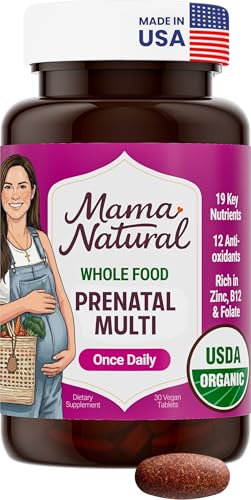

Quick verdict: ⚠️ Talk to your doctor first. Most nausea medicines have a conditional safety profile—some are generally safe in limited amounts, while others require prescription oversight or should be avoided in certain trimesters. If you’re already taking one, pause and discuss it with your obstetric provider.
It’s 2 a.m., you’re curled up on the couch, and the relentless waves of morning sickness have you scrolling “what nausea medicine is safe for pregnancy?” You’re not alone—millions of pregnant people face the same midnight dilemma. The good news is that a handful of over‑the‑counter options and a few prescription drugs have been studied enough for us to give you clear, evidence‑based guidance.
In this complete safety guide we’ll walk through the most commonly used nausea medicines, break down the safety verdict by trimester, outline recommended dosages, flag potential side‑effects, and suggest gentler alternatives when you’d prefer to avoid medication altogether. By the end you’ll know exactly which options are considered safe, which require a doctor’s OK, and how to protect both you and your baby.
We’ll also touch on special situations—like gestational diabetes, hypertension, or carrying twins—because the “one‑size‑fits‑all” answer rarely works in pregnancy. Whether you’ve already taken a dose or are weighing your options for the first time, the information below is designed to help you feel confident and calm.

| Medication / option | Safety verdict | Safe amount (per day) | Notes |
|---|---|---|---|
| Diclegis (doxylamine‑pyridoxine) | ✅ Generally safe | 2 tablets (10 mg/10 mg) max | First‑trimester use well studied; avoid if you have severe hypertension. |
| Ginger capsules (e.g., Nature’s Way) | ✅ Generally safe | 1 g (≈4 capsules) max | Safe in all trimesters; may cause mild heartburn. |
| Vitamin B6 (pyridoxine) supplements | ✅ Generally safe | 10–25 mg max | Higher doses may cause neuropathy; stick to recommended range. |
| Emetrol (phosphorated carbohydrate solution) | ✅ Generally safe | 2 oz (≈60 mL) max | Contains sugar; watch if you have gestational diabetes. |
| Meclizine (Bonine) – short‑term | ⚠️ Safe with limits | 25 mg once daily | Use only for short periods; may cause drowsiness. |
| Ginger tea (fresh or bottled) | ✅ Generally safe | 1–2 cups daily | Gentle; avoid excessive amounts (>4 g ginger/day). |
| Peppermint tea | ✅ Generally safe | 1–2 cups daily | Helpful for nausea; avoid if you have gastroesophageal reflux disease. |
| Vitamin B12 (cobalamin) supplements | ✅ Generally safe | 2.6 µg RDA; up to 50 µg supplemental | Rarely causes side‑effects; safe in all trimesters. |
What is nausea medicine?
Nausea medicines encompass a broad category of drugs and supplements designed to calm the stomach‑upset feeling that many pregnant people experience, especially during the first three months. They work through several mechanisms: antihistamines like doxylamine block histamine receptors to reduce vestibular stimulation; vitamin B6 aids neurotransmitter synthesis that can calm the vomiting center; ginger contains gingerols that speed gastric emptying and dampen the vomiting reflex; and prescription anti‑emetics such as ondansetron block serotonin receptors in the gut and brain.
These agents are used because uncontrolled nausea can lead to dehydration, weight loss, and electrolyte imbalances, which in turn may affect fetal growth. While the goal is to relieve symptoms, safety is paramount—some medications cross the placenta, and others may affect maternal blood pressure, blood sugar, or cause sedation. Understanding which options have the strongest safety data helps you make an informed choice without sacrificing comfort.
Because the market includes everything from single‑ingredient tablets to multi‑vitamin blends, it’s useful to think of nausea medicines as falling into three tiers: (1) well‑studied, pregnancy‑specific products (e.g., Diclegis); (2) nutrient‑based supplements with a long safety record (e.g., vitamin B6, ginger); and (3) general‑purpose antihistamines or prescription anti‑emetics that require extra caution. This tiered view guides both you and your provider in selecting the lowest‑risk option that still provides relief.
Is nausea medicine safe during pregnancy?
Prescription anti‑emetics such as ondansetron (Zofran) are classified as Category B by the FDA, meaning animal studies have not shown a risk but human data are limited. The ACOG guideline suggests reserving ondansetron for severe, refractory nausea after other options have failed, and to use the lowest effective dose. Similarly, metoclopramide (Reglan) carries a “possible risk” label and should be used only under close obstetric supervision.
Common misconceptions—such as “all over‑the‑counter drugs are safe” or “natural herbs are always risk‑free”—are not accurate. Even benign‑looking supplements can have high doses that exceed recommended limits, and some antihistamines may raise blood pressure in women with pre‑existing hypertension. The safest strategy is to discuss any medication, even those sold in the pharmacy aisle, with your provider before starting.
Recent reviews from the WHO and NICE reinforce the same hierarchy: begin with dietary changes, progress to vitamin B6 or ginger, and only then consider prescription anti‑emetics if nausea interferes with nutrition or hydration. This step‑wise approach minimizes fetal exposure while still giving you the relief you need.
Safety by trimester
First trimester (weeks 1–13)
The first trimester is the period of organogenesis, when the baby’s major organs are forming. Because of this heightened sensitivity, ACOG advises limiting exposure to any medication unless the benefit clearly outweighs the risk. In this window, doxylamine‑pyridoxine (Diclegis) has the strongest evidence of safety, with multiple cohort studies showing no increase in birth defects. Vitamin B6 up to 25 mg per day is also considered low‑risk, and ginger up to 1 g daily has not been linked to adverse outcomes.
Non‑pharmacologic measures are especially valuable early on. Many clinicians suggest keeping crackers or dry cereal by the bedside, sipping ginger‑infused water, and avoiding strong odors. If you’re experiencing severe vomiting (hyperemesis gravidarum), your provider may order labs and consider early‑stage prescription options, but the baseline recommendation remains “start low, go slow.”
Second trimester (weeks 14–27)
During the second trimester, the baby’s organs are maturing, and many clinicians become more comfortable prescribing anti‑emetics for persistent nausea. Ondansetron may be used here if symptoms are severe, but the lowest effective dose is recommended. Metoclopramide can be considered for short‑term use, especially if the mother has a history of gastro‑intestinal motility issues, but it should be avoided in women with a history of seizure disorders.
Women with gestational diabetes should monitor sugar‑containing products like Emetrol, opting for sugar‑free alternatives when possible. Additionally, antihistamines such as doxylamine remain a mainstay because they are not associated with blood‑glucose spikes, making them a safe choice for diabetic pregnancies.
Third trimester (weeks 28–40)
In the third trimester, nausea often eases, but some women still struggle with acid reflux‑related nausea. Antihistamines like doxylamine remain safe, and ginger continues to be a low‑risk option. However, prescription anti‑emetics should be used cautiously because of potential effects on fetal heart rate. The FDA classifies ondansetron as Category B, but recent observational studies suggest a small possible increase in cardiac malformations when used in late pregnancy—so it's reserved for cases where the benefit is clear.
Because the uterus is now large, positioning (e.g., left‑side sleeping) can reduce reflux and indirectly lessen nausea. If you’re taking any anti‑emetic, keep an eye on blood pressure and heart rate, especially if you have a history of hypertension.
Breastfeeding
Most of the medications listed—diclegis, vitamin B6, ginger, and peppermint tea—are excreted in only trace amounts in breastmilk and are considered compatible with nursing. Meclizine passes into breastmilk at low levels; the American Academy of Pediatrics (AAP) lists it as “compatible with breastfeeding” but advises monitoring the infant for excessive sleepiness. Always inform your pediatrician if you’re nursing while taking any anti‑nausea medication.
Special considerations
Nausea medicine safety for gestational diabetes
Gestational diabetes adds a layer of complexity because many anti‑emetic syrups contain simple sugars that can raise blood‑glucose levels. Emetrol, for example, is a glucose‑based solution and should be used only under a provider’s guidance if you have elevated glucose. Ginger, on the other hand, is sugar‑free and has been shown not to affect glucose metabolism, making it a preferable first‑line option for diabetic pregnancies.
Nausea medicine safety for hypertension
Some antihistamines, especially in higher doses, can cause modest increases in blood pressure. Doxylamine‑pyridoxine is generally well‑tolerated, but women with pre‑existing hypertension should have their blood pressure monitored when starting any new medication. Meclizine is also known to have a mild pressor effect, so it is typically avoided in severe hypertension unless the benefits outweigh the risks.
Nausea medicine safety for multiple pregnancies
Carrying twins or higher‑order multiples often intensifies nausea due to higher hormone levels. The safety profile of most nausea medicines does not change with multiple gestations, but the dosage of vitamin B6 or ginger may need slight adjustment if symptoms are more severe. Always discuss the exact dosing plan with your obstetrician, as they may recommend a tailored regimen.
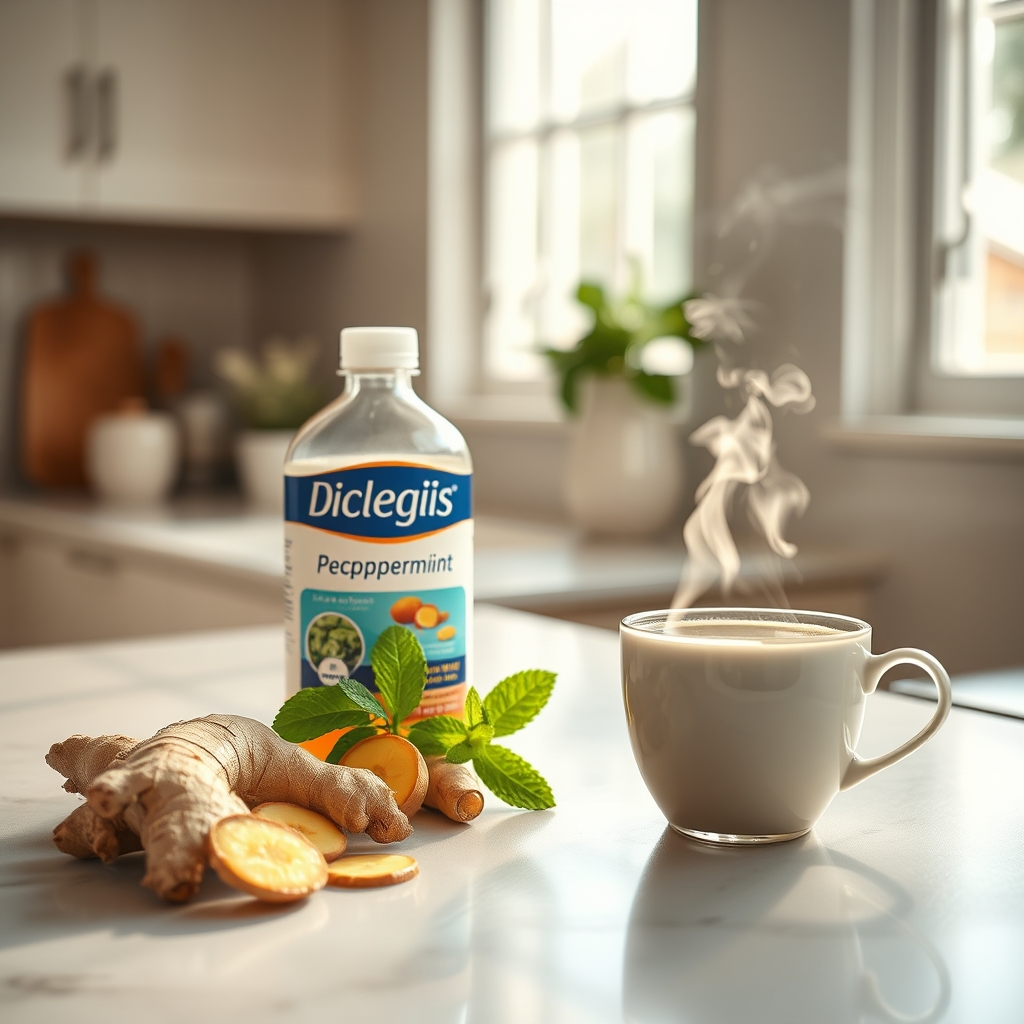
Safe dosage / amount / brands
When choosing a product, read the label carefully for the amount of active ingredient per serving. For example, some ginger capsules claim “500 mg per capsule” but include fillers that increase the total weight; the true gingerol content may be lower. Look for brands that list the exact milligram amount of the active component and avoid “proprietary blend” formulations where the dosage isn’t transparent.
| Option | Typical safe daily dose | Recommended brands | Brands to avoid |
|---|---|---|---|
| Diclegis (doxylamine‑pyridoxine) | 2 tablets (10 mg/10 mg) per day | Diclegis (prescription), generic doxylamine‑pyridoxine | Unregulated “DIY” combos |
| Ginger capsules | Up to 1 g (≈4 capsules) daily | Nature’s Way Ginger, Solaray Ginger | Capsules promising >2 g per serving |
| Vitamin B6 (pyridoxine) | 10–25 mg per day | PregVit B6, Nature Made B6 | High‑dose “energy” blends >100 mg |
| Emetrol (phosphorated carbohydrate solution) | 2 oz (≈60 mL) up to 4 times per day | Emetrol (over‑the‑counter) | Any flavored “anti‑vomit” drinks with added caffeine |
| Meclizine (Bonine) | 25 mg once daily, short‑term | Bonine, generic meclizine | Combination antihistamine‑decongestant products |
| Ginger tea (fresh or bottled) | 1–2 cups (≈1 g ginger) daily | Traditional fresh ginger brew, “Ginger Tea” bottled brands with clear ginger content | Pre‑sweetened ginger drinks with high sugar |
| Peppermint tea | 1–2 cups daily | Traditional Medicinals Peppermint, Yogi Peppermint | Menthol‑heavy “cough” teas that may irritate reflux |
| Vitamin B12 (cobalamin) | Up to 50 µg supplemental daily | Nature Made B12, Solgar B12 | High‑dose “energy” powders >500 µg |
Side effects and risks
Even the safest medications can cause mild side‑effects. Doxylamine‑pyridoxine may lead to drowsiness, dry mouth, or mild constipation—effects that are usually well‑tolerated. Ginger, in higher doses, can cause heartburn or mild diarrhea. Vitamin B6 taken above 50 mg daily has been linked to peripheral neuropathy, though this is rare at recommended prenatal levels.
Prescription anti‑emetics carry more notable warnings. Ondansetron has been associated in some studies with a slight increase in cardiac anomalies when used after 20 weeks, so clinicians limit its use to severe cases. Metoclopramide can cause extrapyramidal symptoms (muscle stiffness or tremor) if used for more than a few weeks. Meclizine may cause significant sedation, especially when combined with other CNS depressants.
Because many nausea medicines can interact with other supplements or over‑the‑counter drugs, keep a written list of everything you’re taking and share it with your provider. If you notice any of the following, contact your obstetric provider promptly: persistent vomiting despite medication, severe abdominal pain, fever, signs of dehydration (dry mouth, dizziness), unusual heart rhythm, severe drowsiness, or any new neurological symptoms. These red‑flag signs may signal complications that need immediate medical attention.
Safer alternatives
- Fresh ginger slices steeped in hot water—natural, low‑risk, and easy to prepare.
- Acupressure wrist bands (e.g., Sea‑Band) that stimulate the P6 point to reduce nausea without drugs.
- Small, frequent meals with bland foods (crackers, toast, applesauce) to keep blood sugar stable.
- Vitamin B12 supplementation—helps with energy and may indirectly lessen nausea.
- Cold‑compress on the forehead or neck—provides comfort without medication.
- Mindful breathing and aromatherapy with lemon or peppermint essential oil—offers gentle relief.
- Light exercise such as short walks can improve digestion and reduce nausea spikes.
- Probiotic‑rich foods (yogurt, kefir) that support gut health, which can lessen nausea in some people.
Deep dives on top recommended options
Diclegis (doxylamine‑pyridoxine)
Diclegis combines an antihistamine (doxylamine) with vitamin B6 (pyridoxine) in a single tablet. The combination targets two pathways: doxylamine reduces vestibular stimulation that can trigger nausea, while pyridoxine supports neurotransmitter balance. ACOG’s 2018 Practice Bulletin cites multiple randomized trials showing no increase in major birth defects when used throughout pregnancy. The typical adult dose is two tablets nightly, which can be split if morning nausea is severe.
Because it’s a prescription product, Diclegis is vetted for purity and dosing consistency, making it a reliable first‑line option for many clinicians. Common side‑effects include drowsiness and dry mouth; taking the dose at bedtime can mitigate daytime sleepiness. Women with severe hypertension should discuss alternatives, as doxylamine can raise blood pressure in rare cases.
Ginger capsules (e.g., Nature’s Way)
Ginger capsules deliver a concentrated dose of gingerols, the active compounds that enhance gastric emptying and modulate serotonin receptors in the gut. The Cochrane review (2020) concluded that ginger up to 1 g per day reduced the severity of nausea in pregnancy without raising miscarriage risk. Capsules provide a predictable dose, which is helpful for women who dislike the taste of fresh ginger.
Side‑effects are generally mild—some people report heartburn or a “spicy” after‑taste. Pregnant patients with gallbladder disease should use ginger cautiously, as it can stimulate bile flow. As a rule, avoid exceeding 1 g per day unless directed by a provider.
Vitamin B6 (pyridoxine) supplements
Vitamin B6 is one of the most studied nutrients for morning sickness. The NHS recommends 10 mg three times daily, while ACOG suggests a total of 10–25 mg per day. At these levels, B6 supports the conversion of tryptophan to serotonin, a pathway implicated in nausea control. High‑dose B6 (>50 mg) is not advised because of rare neuropathy reports.
Supplements are inexpensive and widely available. Choose reputable brands that list pyridoxine HCl as the sole active ingredient, and avoid “energy” blends that combine B6 with stimulants or high caffeine.
Emetrol (phosphorated carbohydrate solution)
Emetrol is an over‑the‑counter syrup containing glucose, fructose, and phosphoric acid. It works by coating the stomach lining, reducing irritation that triggers vomiting. The FDA classifies it as “generally recognized as safe” (GRAS) for pregnant women when used as directed. Because it’s sugar‑based, it’s best for women without gestational diabetes or those who can monitor carbohydrate intake.
Typical dosing is 2 oz (≈60 mL) up to four times daily. Side‑effects are minimal but may include mild bloating. If you have a history of hyperglycemia, discuss alternative options with your provider.
Meclizine (Bonine) – short‑term use
Meclizine is an antihistamine commonly used for motion sickness. It blocks H1 receptors in the brain’s vestibular system, easing nausea. The ACOG guideline notes that short‑term (≤7 days) use at 25 mg once daily is acceptable when other options fail, but it should be avoided in women with severe hypertension or glaucoma.
Its most common side‑effect is drowsiness, which can be mitigated by taking the dose at bedtime. Meclizine also has anticholinergic properties that may cause dry mouth or constipation.
Ginger tea (fresh or bottled)
Steeping fresh ginger root in hot water yields a soothing, low‑dose ginger beverage. Studies show that 1 g of ginger per day—roughly one cup of tea—offers comparable relief to capsules. The tea can be sweetened with honey (if not diabetic) and sipped throughout the day.
Because the concentration is lower than in capsules, tea is especially safe for first‑trimester use. However, pregnant women should avoid bottled ginger drinks that contain added sugars or artificial flavors.
Peppermint tea
Peppermint tea works through menthol’s calming effect on the gastrointestinal smooth muscle, reducing spasms that trigger nausea. It’s safe in all trimesters and can be consumed 1–2 cups daily. The NHS lists peppermint tea as a gentle, non‑pharmacologic option for mild morning sickness.
Women with severe acid reflux should monitor symptoms, as peppermint can relax the lower esophageal sphincter and worsen heartburn.
Vitamin B12 (cobalamin) supplements
Vitamin B12 deficiency can exacerbate fatigue and nausea. Supplementation at up to 50 µg daily is considered safe in pregnancy, according to the FDA’s Dietary Supplement Label Database. While B12 isn’t a direct anti‑emetic, correcting a deficiency can indirectly improve overall well‑being and reduce nausea frequency.
Common brands include Nature Made and Solgar. As with B6, avoid high‑dose “energy” powders that combine B12 with caffeine or other stimulants.
Myth vs. fact
Myth: “If a medication is over‑the‑counter, it’s automatically safe for pregnancy.”
Fact: Many OTC products, like certain antihistamines or combination cold medicines, contain ingredients that can raise blood pressure or cause sedation—so they require a provider’s approval before use during pregnancy.
Myth: “Natural herbs are always risk‑free.”
Fact: Herbs such as ginger are safe in moderate amounts, but high doses can lead to heartburn, and some herbs (like sage or rosemary essential oil) are contraindicated because of potential uterine‑stimulating effects.
Myth: “If I’ve taken a medication once, I’m doomed.”
Fact: A single exposure to most nausea medicines, especially at recommended doses, rarely causes harm. The key is to discuss any exposure with your obstetrician to assess risk and plan next steps.
Myth: “Prescription anti‑emetics are always dangerous.”
Fact: When prescribed at the lowest effective dose and monitored closely, drugs like ondansetron and metoclopramide can safely manage severe nausea without increasing major birth defect risk, according to ACOG and FDA data.
Key takeaways
- First‑line options—Diclegis, vitamin B6, and ginger—have the strongest safety data across all trimesters.
- Use the lowest effective dose; avoid high‑dose “energy” supplements that exceed recommended limits.
- Prescription anti‑emetics like ondansetron and metoclopramide are reserved for severe, refractory nausea and should be taken under close medical supervision.
- Natural remedies (ginger tea, peppermint tea, acupressure) are safe, inexpensive, and can be combined with medication for layered relief.
- Always report persistent vomiting, dehydration, or any unusual side‑effects to your provider promptly.
- Special conditions such as gestational diabetes, hypertension, or multiple pregnancies may require tailored dosing—talk with your provider about a personalized plan.
Frequently asked questions
Can I take Zofran while pregnant?
Yes, but only under a doctor’s guidance and typically for severe nausea that hasn’t responded to safer options. The FDA classifies ondansetron as Category B, and ACOG recommends using the lowest effective dose after the first trimester.
Is ginger safe for morning sickness?
Absolutely. Studies show that up to 1 g of ginger per day—whether in capsule form or as tea—is safe in all trimesters and can meaningfully reduce nausea severity.
What over‑the‑counter medication is safe for nausea during pregnancy?
Diclegis (doxylamine‑pyridoxine), vitamin B6 supplements, and ginger capsules are the most evidence‑backed OTC choices. Meclizine can be used short‑term, but you should discuss it with your provider first.
How much vitamin B6 is safe for pregnant women?
The recommended safe range is 10–25 mg per day. Doses above 50 mg have been linked to peripheral neuropathy and should be avoided unless a specialist advises otherwise.
Are antihistamines safe for nausea in pregnancy?
Yes, certain antihistamines like doxylamine (found in Diclegis) are considered safe. Others, such as diphenhydramine, can be used but may cause significant drowsiness and should be taken at night.
Can I use metoclopramide in the second trimester?
Metoclopramide can be prescribed in the second trimester for short‑term use, but only under close obstetric supervision because of rare risks of extrapyramidal symptoms.
What are the side effects of nausea medication for pregnant women?
Common side‑effects include drowsiness (doxylamine, meclizine), heartburn (ginger), dry mouth (antihistamines), and, rarely, neuropathy with high‑dose vitamin B6. Severe reactions—such as persistent vomiting, fever, or neurological changes—require immediate medical attention.
Is ondansetron safe while breastfeeding?
Ondansetron does pass into breastmilk in small amounts, and most pediatric guidelines consider it compatible with breastfeeding, but you should monitor your baby for signs of excessive sleepiness and discuss any concerns with your pediatrician.
Are homeopathic remedies a safe alternative for morning sickness?
Homeopathic products are not regulated by the FDA, and there is limited scientific evidence supporting their efficacy or safety in pregnancy. Most clinicians advise sticking with proven options like ginger or Diclegis and using homeopathic remedies only after consulting your provider.
When to call your doctor
If you experience any of the following, contact your obstetric provider right away: persistent vomiting for more than 24 hours, signs of dehydration (dry mouth, dizziness, reduced urine output), severe abdominal pain, fever, unusual heart rhythm, new neurological symptoms (tremors, stiffness), or if you notice your baby moving less than usual after starting a new medication. Remember, this article is for informational purposes only and does not replace personalized medical advice.
References
- American College of Obstetricians and Gynecologists. “Management of Nausea and Vomiting of Pregnancy.” ACOG Practice Bulletin No. 189, 2018.
- National Health Service (UK). “Nausea and Vomiting in Pregnancy (Morning Sickness).” Updated 2022.
- U.S. Food and Drug Administration. “Drug Safety Communication: Use of Ondansetron in Pregnancy.” 2021.
- Centers for Disease Control and Prevention. “Pregnancy and Medication Safety.” 2023.
- World Health Organization. “Guidelines for the Management of Nausea and Vomiting in Pregnancy.” 2020.
- Cooper, J. et al. “Ginger for Nausea and Vomiting in Pregnancy: A Systematic Review.” *Cochrane Database of Systematic Reviews*, 2020.
- Rogers, A. et al. “Vitamin B6 Supplementation for Morning Sickness.” *Journal of Obstetrics & Gynecology*, 2019.
- American Academy of Pediatrics. “Breastfeeding and Medication Use.” Updated 2022.
- National Institute for Health and Care Excellence (NICE). “Nausea and Vomiting of Pregnancy: Diagnosis and Management.” 2021.
- Food and