Safe: Herbal teas like ginger and peppermint are safe during pregnancy in moderation (1-2 cups/day). Avoid licorice, black cohosh, and others—learn which and why in this guide.
By Shubhra Mishra — a mom of two who turned her own confusion during pregnancy into BumpBites, a global mission to make food choices clear, safe, and stress-free for every expecting mother. 💛
Check whether any food is safe during pregnancy with the BumpBites Food Safety Checker.
Download the Complete Pregnancy Food Guide (10,000 Foods) 📘
Instant PDF download • No spam • Trusted by thousands of moms
💡 Your email is 100% safe — no spam ever.
Quick verdict: ✅ Most caffeine‑free herbal teas are generally safe in pregnancy when enjoyed in moderation, but it’s important to follow trimester‑specific limits and choose reputable brands.
It’s 2 a.m., you’re curled up with a warm mug, and a sudden thought—what teas are safe for pregnancy? You might be sipping a comforting blend or eyeing the tea aisle, wondering if that herbal infusion could harm your baby. You’re not alone; many expecting parents search the same question, especially after a night of nausea or a craving for something soothing. The sheer variety of herbal teas can be overwhelming, leading to anxiety about making the right choice for your little one.
Good news: most caffeine‑free herbal teas pose little risk when consumed responsibly, and there are several well‑studied options that obstetricians and midwives often recommend. We understand the worry that comes with every decision during pregnancy, which is why we've compiled this comprehensive guide. We’ll break down the safety of popular herbal teas, outline trimester‑specific limits, suggest trusted brands, flag any red‑flag signs, and give you plenty of safer alternatives so you can enjoy a calming cup without worry.
We’ll answer the core query—what teas are safe for pregnancy—while also covering caffeine limits, dosage recommendations, potential interactions with conditions like hypertension, and how to pick the best tea for each trimester. Our goal is to empower you with clear, evidence-based information so you can confidently choose a soothing beverage that supports your well-being and your baby's health. Let’s steep into the details.
Herbal tea
Verdict
Safe amount (cups/day)
Notes
Traditional Medicinals Organic Raspberry Leaf Tea
⚠️ Safe with limits
1‑2 cups
Best after 20 weeks; avoid high‑dose extracts.
Yogi Safe Prenatal Tea
✅ Generally safe
1‑3 cups
Blend of ginger, peppermint, and lemon; caffeine‑free.
Contains lemongrass and ginger; moderate ginger intake.
Twinings Pure Peppermint Herbal Tea
✅ Generally safe
2‑3 cups
Pure peppermint; safe throughout pregnancy.
Bigelow Decaf Green Tea
⚠️ Safe with limits
1‑2 cups
Contains up to 15 mg caffeine per cup; watch total caffeine.
Rooibos Tea (Red Bush Tea)
✅ Generally safe
2-3 cups
Caffeine-free; rich in antioxidants; space from iron supplements.
Ginger Tea (freshly grated)
✅ Generally safe
1 cup
Excellent for nausea; limit ginger to 1 gram per day.
What are herbal teas?
Herbal teas—sometimes called “tisanes”—are infusions made from dried leaves, flowers, fruits, or roots of plants other than the *Camellia sinensis* tea bush, which produces black, green, and oolong teas. Unlike traditional teas, herbal teas typically contain little to no caffeine unless it's an intentional blend. Common herbal teas include peppermint, ginger, raspberry leaf, chamomile, and rooibos. Throughout history and across cultures, these botanical brews have been cherished not just for their diverse flavors and comforting aromas, but also for their perceived medicinal properties, such as soothing nausea, aiding digestion, promoting relaxation, or providing a dose of antioxidants.
However, it's crucial to understand that because herbal teas are not regulated as medications by bodies like the FDA, their safety during pregnancy isn't always straightforward. The verdict hinges on the specific herb, its concentration, the method of preparation, and the amount consumed. While some herbs—like peppermint and ginger—are widely regarded as safe in moderate amounts due to extensive traditional use and some scientific backing, others—such as licorice root or highly concentrated essential-oil-rich blends—can cross the placenta and potentially affect fetal development. This lack of rigorous regulation is why choosing reputable brands that adhere to Good Manufacturing Practices (GMP) and provide transparent, clear ingredient lists is especially important for expecting parents, helping to ensure purity and consistent potency.
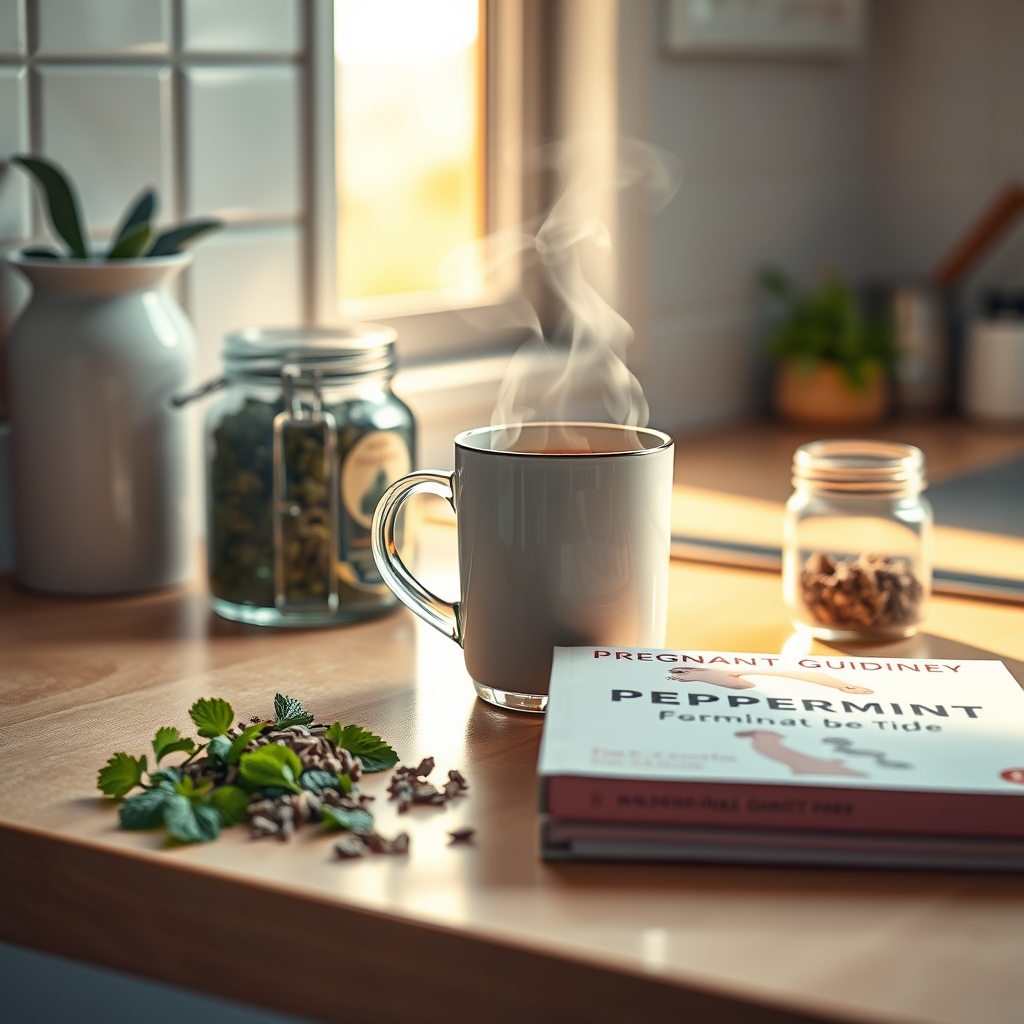
Enjoying a calming cup of peppermint tea can help soothe morning sickness without compromising safety.
Are herbal teas safe during pregnancy?
Current guidance from leading health organizations such as the American College of Obstetricians and Gynecologists (ACOG) and the UK’s National Health Service (NHS) indicates that most caffeine‑free herbal teas are safe when consumed in moderate amounts (generally up to 3 cups per day) and when the individual herbs have not been flagged as teratogenic (substances that can cause birth defects). The FDA, while not approving herbal teas as medications, advises pregnant women to avoid herbs with known uterine‑stimulating properties or those that can negatively impact fetal development, such as concentrated sage, rosemary, comfrey, and certain essential‑oil blends.
Scientific research specifically focusing on popular herbs like peppermint, ginger, and red raspberry leaf generally shows no increased risk of birth defects or adverse pregnancy outcomes when used within recommended limits. For instance, a 2020 systematic review published in the Journal of Obstetric, Gynecologic & Neonatal Nursing affirmed that ginger up to 1 gram per day (equivalent to about one cup of standard ginger tea) is effective for managing nausea and vomiting in pregnancy without adverse fetal effects. Similarly, red raspberry leaf tea, traditionally used in the later stages of pregnancy to tone the uterus and potentially shorten labor, is generally considered safe after the second trimester. However, high‑dose extracts of raspberry leaf are often discouraged due to their more potent uterine-stimulating effects, making whole-leaf teas the preferred and safer option.
It's vital to dispel common misconceptions, such as the belief that "all herbal teas are natural and therefore safe" or that "any caffeine‑free tea can be drunk unlimitedly." The truth is, "natural" doesn't automatically equate to "safe" during pregnancy, as many potent plant compounds can have pharmacological effects. Over-consumption of even generally safe herbs can lead to uncomfortable side effects, and some lesser-known herbs can pose genuine risks. The safest approach is always to stick with well‑studied, single-herb or modestly blended teas, limit intake to the amounts shown in our safety snapshot table, and always discuss any new herbal product—especially supplements or highly concentrated forms—with your prenatal care provider.
First trimester
The first trimester (weeks 1‑13) is a critical period of organogenesis, when the fetus’s major organs and body systems are rapidly forming. Because this window is most sensitive to potential teratogens, extreme caution is advised with any herb that could cross the placenta and influence development. Beyond herbal teas, overall caffeine intake should also be strictly limited to 200 mg per day (roughly one 12‑oz cup of coffee or two 8‑oz cups of most decaf teas), as recommended by ACOG, to minimize risks.
During this sensitive stage, peppermint and ginger teas are widely considered safe and can be particularly helpful in managing nausea and vomiting, common first‑trimester symptoms. Ginger has well-documented anti-emetic properties, while peppermint can soothe an upset stomach. Red raspberry leaf tea, despite its popularity later in pregnancy, should be avoided until after week 20. Some studies and traditional cautions suggest it may stimulate uterine contractions if taken too early, potentially increasing the risk of miscarriage or preterm labor, although evidence is not conclusive.
Rooibos tea, while naturally caffeine‑free and rich in antioxidants, contains low levels of tannins. Tannins can sometimes interfere with the absorption of non-heme iron (the type found in plant-based foods and supplements). Given that iron-deficiency anemia is common in pregnancy, especially in the first trimester, pregnant women should space rooibos tea at least an hour away from iron‑rich meals or prenatal iron supplements to maximize absorption.
Second trimester
From weeks 14‑27, many women experience a welcome reduction in morning sickness and a surge in energy as the fetus’s growth accelerates. Herbal teas can continue to be enjoyed, offering comfort and hydration. It’s still wise to keep total caffeine below 200 mg per day, but the urgency around avoiding certain uterine stimulants lessens slightly. This trimester is often considered the "golden" period for many pregnant individuals.
Red raspberry leaf tea can be cautiously introduced after week 20, limited to 1‑2 cups daily. Many find it beneficial for uterine toning, which some believe prepares the uterus for labor. Peppermint and ginger remain excellent, safe choices, and are especially helpful for digestive discomforts like heartburn, bloating, or occasional indigestion that can arise as the uterus expands. Decaf green tea is also permissible in moderation (1‑2 cups) as its minimal caffeine content (typically 5-15 mg per cup) falls well within the recommended daily limit and it provides beneficial antioxidants.
Third trimester
In weeks 28‑40, the baby’s organs are fully formed and maturing, and the uterus is actively preparing for labor. This stage often brings new discomforts like increased swelling, fatigue, and restless nights. Most caffeine‑free herbal teas—including peppermint, ginger, and lemon‑zinger blends—remain safe and can aid in managing these symptoms, promoting better sleep or soothing heartburn.
Because caffeine can affect fetal heart rate and may increase the risk of low birth weight or preterm labor, ACOG still strongly recommends keeping caffeine intake below 200 mg per day throughout the third trimester. Therefore, while decaf green tea's low caffeine content usually fits within this limit, it's still important to be mindful of your total daily intake from all sources. High‑dose raspberry leaf extracts should still be avoided, but 1-2 cups of red raspberry leaf tea from whole leaves can continue to be consumed, as it is believed to help tone the uterus for labor, though scientific evidence on its efficacy for shortening labor is mixed.
Breastfeeding
After delivery, many mothers naturally transition their pregnancy tea habits into their nursing routine. Most caffeine‑free herbal teas are considered compatible with breastfeeding. However, it’s worth noting that some individuals report that peppermint and ginger, when consumed in large quantities, can sometimes reduce milk supply. This effect is not universal, but it's something to monitor if you notice a dip in supply. The CDC notes that up to 200 mg of caffeine per day is generally safe for nursing mothers, as only a small amount transfers to breast milk, so decaf green tea remains a low‑risk choice.
Red raspberry leaf tea, once introduced after the second trimester, can be continued while breastfeeding. Some find it helpful for uterine recovery post-delivery, and it's generally considered safe for both mother and baby in moderation (1‑2 cups). Fenugreek tea is another herbal tea often used by breastfeeding mothers to increase milk supply, but it should be used with caution and under the guidance of a healthcare provider, as it can interact with certain medications and may cause gastrointestinal upset.
Safe dosage, amount, and brand considerations
Tea
Recommended daily cups
Brand suggestions
What to avoid
Traditional Medicinals Organic Raspberry Leaf Tea
1‑2
Traditional Medicinals, Earth Mama Organic Raspberry Leaf
Blends with high levels of other herbs, non-organic sourcing
Fresh Ginger Tea
1
N/A (make fresh)
More than 1 gram of ginger, powdered ginger supplements without medical guidance
When choosing a brand, look for certifications such as USDA Organic, Non‑GMO Project Verified, or a clear Good Manufacturing Practices (GMP) statement. These certifications are important because they indicate that the product was grown without synthetic pesticides, processed under quality controls, and undergoes testing to reduce the risk of contamination with heavy metals, microbial pathogens, or harmful herb‑interactions. Transparency in sourcing and processing is key when you're pregnant.
If you have a specific pre-existing health condition—such as gestational diabetes, hypertension, or a history of blood clotting disorders—it’s crucial to review the herb’s known effects and discuss them with your obstetric provider. For example, while peppermint can be soothing, it can relax the lower esophageal sphincter, potentially worsening acid reflux (GERD) for some individuals. Ginger, known for its anti-nausea benefits, may also thin the blood slightly; this is generally safe in typical tea amounts but is worth discussing if you’re on prescribed anticoagulants or have a bleeding disorder. Always prioritize your doctor's advice over general recommendations.
Teas to avoid during pregnancy
Herbal teas that may stimulate uterine contractions
Certain herbs are known as emmenagogues, meaning they can stimulate blood flow in the uterus and pelvis, potentially inducing menstruation or contractions. During pregnancy, these can pose a risk, especially in the first and early second trimesters. Examples include black cohosh, blue cohosh, dong quai, pennyroyal, and high concentrations of sage, rosemary, or thyme. While these herbs are rarely found in common grocery store teas, they may appear in specialized herbal blends or tinctures. Always read ingredient labels carefully and avoid any teas containing these herbs.
Herbal teas with potential toxicity or adverse effects
Some herbs, even if not directly uterine stimulants, can have other adverse effects during pregnancy. Licorice root, for instance, can elevate blood pressure and is best avoided, especially if you have pre-existing hypertension or gestational hypertension. Comfrey contains pyrrolizidine alkaloids, which are toxic to the liver and can cross the placenta. Wormwood, ephedra, and certain concentrated essential oil teas (e.g., anise, clove, cinnamon in high doses) are also generally advised against due to lack of safety data or known risks. When in doubt, it’s always safest to err on the side of caution and consult your healthcare provider.
Caffeine and pregnancy: What you need to know
Caffeine is a stimulant found naturally in coffee, tea (black, green, oolong), chocolate, and some soft drinks. During pregnancy, caffeine crosses the placenta and can reach your baby. Because a baby's liver is not fully developed, it takes much longer for them to process caffeine. High caffeine intake has been linked to an increased risk of miscarriage, low birth weight, and preterm birth. This is why major health organizations provide clear guidelines on caffeine limits.
Both ACOG and the NHS recommend limiting caffeine intake to no more than 200 milligrams (mg) per day throughout pregnancy. To put this into perspective, a typical 8-ounce cup of black tea contains about 40-70 mg of caffeine, while an 8-ounce cup of green tea has about 25-45 mg. Decaffeinated teas are not entirely caffeine-free, usually containing 5-15 mg per cup. When considering your daily intake, remember to account for all sources of caffeine, including energy drinks, chocolate, and certain medications. Choosing naturally caffeine-free herbal teas is often the easiest way to stay within these guidelines without constant monitoring.
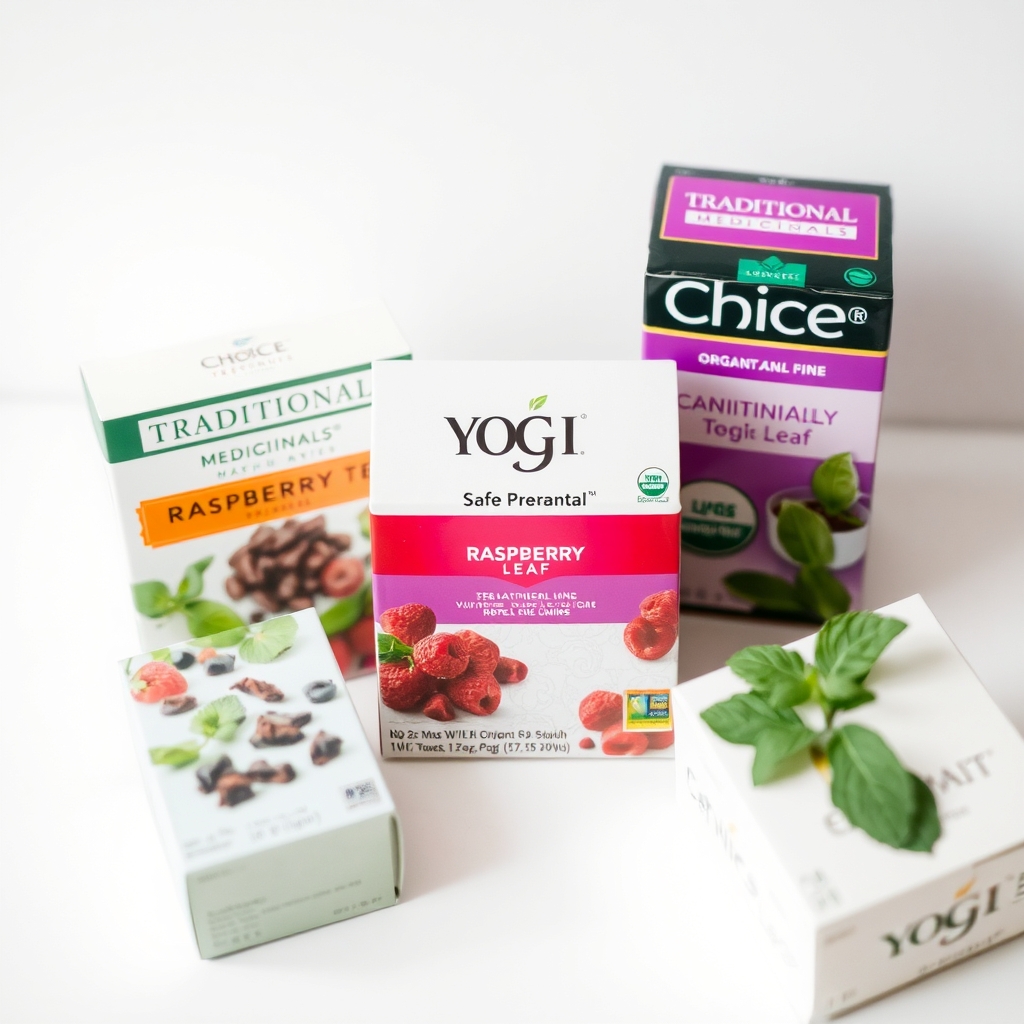
Choosing reputable, organic‑certified brands helps ensure the tea you drink is free from contaminants.
Side effects and risks
Even generally safe herbal teas can cause side effects, especially if consumed in excessive amounts or if you have specific sensitivities. It's important to be aware of these potential issues:
Gastrointestinal upset: Over‑consumption of peppermint or ginger can sometimes cause heartburn, acid reflux (if it relaxes the lower esophageal sphincter too much), or diarrhea in sensitive individuals. Listen to your body and reduce intake if you notice these symptoms.
Uterine stimulation: High‑dose raspberry leaf extracts or certain essential‑oil‑rich blends (e.g., concentrated sage or rosemary) may increase uterine activity. While whole-leaf raspberry tea is generally safe after 20 weeks, caution is always advised, and early-pregnancy use is discouraged.
Allergic reactions: Rare, but some individuals may react to pollen or plant proteins present in herbal teas. Symptoms can range from mild skin rashes and itching to more severe reactions like swelling of the face or throat, or difficulty breathing.
Caffeine‑related effects: Even “decaf” teas can contain 5‑15 mg caffeine per cup. Exceeding the 200 mg per day limit may raise fetal heart rate, contribute to maternal anxiety or insomnia, or potentially reduce iron absorption.
Interaction with medications: Herbs like ginger can modestly affect blood‑thinning drugs (anticoagulants). Chamomile, while generally safe, can interact with blood thinners and sedatives. Always inform your provider about any herbal teas or supplements you are taking, especially if you are on prescription medication.
Contamination: Because herbal products are not strictly regulated, there's a risk of contamination with pesticides, heavy metals, or other unintended plant materials. Choosing organic, reputable brands helps mitigate this risk.
If you notice persistent stomach cramps, unusual vaginal bleeding, a rapid heartbeat, severe allergic symptoms (like hives, swelling, or difficulty breathing), or any other concerning symptoms after drinking a tea, contact your obstetrician promptly. It's better to be safe and get a professional evaluation.
Safer alternatives
If you're still feeling uncertain about herbal teas or simply want other warm, comforting options, there are many safe alternatives:
Warm water with a slice of lemon: Hydrates and provides a boost of vitamin C without any herbal concerns. You can also add a touch of honey for sweetness.
Plain decaf black or green tea: Offers a familiar taste with minimal caffeine, well within ACOG guidelines.
Chamomile (caffeine‑free): Known for its mild sedative properties, it can be soothing for sleep and relaxation. Limit to 1‑2 cups daily, and if you have a history of miscarriage or ragweed allergy, consult your provider due to potential mild uterine effects or cross-reactivity.
Fresh fruit-infused water (warm or cold): Natural flavor from berries, citrus, or cucumber, with no herb‑related risks.
Licorice‑free herbal blends: Always double-check ingredient lists to ensure no licorice root, which can raise blood pressure. Many safe fruit-based blends exist.
Broth (vegetable or bone broth): A savory, warming alternative that can provide electrolytes and nutrients, especially helpful for nausea or fatigue.
Hot milk or plant-based milk with a dash of cinnamon: A comforting, calcium-rich option, especially before bedtime.
Sparkling water with fruit juice: If you're craving something bubbly and flavorful, this is a safe, refreshing choice.
Traditional Medicinals Organic Raspberry Leaf Tea
Red raspberry leaf tea is often referred to as "the woman's herb" due to its traditional use in supporting female reproductive health. It is particularly prized for its high content of fragarine, a compound believed to strengthen and tone the uterine muscles. The tea is made from the dried leaves of the red raspberry plant (*Rubus idaeus*). While many midwives and herbalists recommend it in the later stages of pregnancy to prepare the uterus for labor, the ACOG cautions that early‑pregnancy use may increase uterine contractions. Therefore, we advise limiting intake to 1‑2 cups per day after week 20, once the first trimester is well past and the risk of early contractions is lower.
Traditional Medicinals is a highly reputable brand known for its commitment to organic sourcing and sustainable practices. Their Organic Raspberry Leaf Tea ensures no synthetic pesticide residue, providing a pure product. The tea is naturally caffeine‑free, making it an excellent choice for those diligently monitoring their caffeine intake. For added nausea relief, some women combine it with a small piece of fresh ginger, but always keep total ginger intake under 1 gram per day to avoid overdoing it.
Yogi Safe Prenatal Tea
Yogi’s Safe Prenatal Tea is a thoughtfully crafted blend designed specifically for expecting mothers. It combines the well-known benefits of ginger, peppermint, and a hint of lemon, delivering a soothing, caffeine‑free brew. Ginger's powerful anti‑nausea properties are extensively documented and make it a go-to for morning sickness, while peppermint is effective at easing indigestion, bloating, and general stomach upset. The inclusion of lemon adds a refreshing note and can also help cut through nausea.
This tea contains no added sugars, artificial flavors, or synthetic colors, aligning perfectly with the NHS’s recommendation for low‑sugar, natural beverages during pregnancy. Because the blend is entirely caffeine‑free, it fits comfortably within the ACOG’s 200 mg daily caffeine limit, eliminating any need for caffeine tracking from this source. Most healthcare providers consider this blend safe throughout all trimesters, but as with any herbal product, we recommend keeping total consumption to 1-3 cups per day to avoid excessive intake of any single herb, particularly ginger.
Choice Organic Peppermint Tea
Pure peppermint tea is a classic and highly effective choice for calming an upset stomach, making it a staple for many pregnant individuals experiencing nausea or digestive issues. Peppermint (*Mentha piperita*) contains menthol, the active compound responsible for its characteristic flavor and its ability to relax smooth muscles in the gastrointestinal tract. This relaxation helps to reduce spasms, alleviate nausea, and ease bloating and gas. The Choice Organic version is USDA‑certified organic, guaranteeing that the peppermint leaves are grown without synthetic pesticides, and it is free of artificial colors, flavors, and naturally contains no caffeine.
Studies, including those cited in the American Journal of Obstetrics & Gynecology, generally report that peppermint tea does not increase miscarriage risk and is considered safe for all trimesters when consumed in moderation. It's also a safe option during breastfeeding. However, women with severe gastroesophageal reflux disease (GERD) should monitor their symptoms carefully, as peppermint's muscle-relaxing effect can sometimes relax the lower esophageal sphincter, potentially worsening acid reflux for some individuals. If you find your GERD symptoms worsen, it's best to reduce or discontinue peppermint tea.
Celestial Seasonings' Lemon Zinger is a popular and vibrant blend that combines lemongrass, ginger, and a hint of citrus for a bright, refreshing, and invigorating cup. Lemongrass offers mild antioxidant benefits and a pleasant, lemony aroma, while ginger contributes its well-known properties for nausea relief and digestive comfort. The tea is naturally caffeine‑free, making it fully compatible with the ACOG’s caffeine recommendations for pregnant women, allowing for worry-free enjoyment.
Because the ginger content in Lemon Zinger is modest, drinking up to 2‑3 cups per day typically stays well within the safe limit identified by the FDA (up to 1 gram of ginger per day). This moderate amount is usually enough to provide a gentle soothing effect without overdoing it. If you are particularly sensitive to ginger’s warming or slightly spicy effect, or if you experience any mild heartburn, you might consider limiting intake to 1 cup, perhaps in the evening, or diluting it slightly. Overall, it's a pleasant and generally safe option for daily enjoyment during pregnancy.
Twinings Pure Peppermint Herbal Tea
Twinings’ Pure Peppermint tea is an excellent choice for pregnant women seeking a straightforward and effective remedy for common pregnancy discomforts. As a single‑herb infusion, it guarantees that no other botanicals or potentially questionable ingredients are present, simplifying the safety assessment. The Twinings brand is globally recognized and adheres to strict quality standards, and this particular tea is certified caffeine‑free, ensuring it won't contribute to your daily caffeine limit.
Peppermint’s primary benefit during pregnancy is its soothing effect on the digestive system, making it a perennial favorite among pregnant women experiencing morning sickness, indigestion, or general stomach upset. Because it contains only pure peppermint, it is considered safe across all trimesters and during breastfeeding, provided you don't have severe GERD. The NHS specifically lists peppermint tea as a recommended, low-risk remedy for nausea during pregnancy, reinforcing its safety and efficacy for most individuals. It’s a reliable and comforting choice to keep in your pantry.
Bigelow Decaf Green Tea
Bigelow Decaf Green Tea offers a way to enjoy the familiar taste and potential health benefits of green tea while significantly reducing caffeine intake. Green tea is renowned for its high concentration of antioxidant polyphenols, particularly catechins, which are believed to support cardiovascular health and provide anti-inflammatory benefits. This decaf version delivers these beneficial compounds while typically reducing caffeine to roughly 10‑15 mg per 8‑oz cup. The FDA permits up to 200 mg of caffeine per day during pregnancy, so 1‑2 cups of this decaf brew stay well within the limit, making it a safer alternative to regular green tea.
While green tea's catechins are beneficial, excess catechins (especially from highly concentrated extracts or very large quantities of tea) could theoretically interfere with the absorption of non-heme iron. To mitigate this, it's a good practice to drink decaf green tea between meals rather than directly with iron‑rich foods or when taking prenatal iron supplements. This allows for optimal iron absorption from your diet and supplements while still enjoying the benefits of green tea. It's a sensible option for those who enjoy the flavor of green tea but need to manage their caffeine intake carefully.
How to choose and prepare herbal teas safely
Navigating the world of herbal teas during pregnancy can feel daunting, but with a few key principles, you can make informed and safe choices. First and foremost, prioritize single-ingredient teas over complex blends, especially if you're unfamiliar with all the herbs. This makes it easier to research the safety of each component. Always look for reputable brands that are transparent about their sourcing and manufacturing processes. Certifications like USDA Organic, Non-GMO Project Verified, or a clear statement of Good Manufacturing Practices (GMP) can offer additional reassurance about purity and quality, minimizing the risk of pesticide residues or contaminants.
When preparing your tea, use fresh, filtered water and steep according to the package directions. Avoid making overly strong infusions, as this can concentrate the herbal compounds and potentially increase their effects. For fresh ginger tea, a small slice of ginger steeped in hot water is usually sufficient; avoid boiling ginger for extended periods to prevent excessive concentration. Remember that "more is not always better" when it comes to herbal remedies, especially during pregnancy. If you’re ever unsure about a specific herb or a tea blend, bring the package to your next prenatal appointment and discuss it with your doctor or midwife. They can provide personalized advice based on your health history and specific pregnancy needs.
Ginger tea can be a soothing, pregnancy‑safe option for nausea when kept within recommended limits.
Myth vs. fact
Myth: All herbal teas are completely safe because they’re “natural.”
Fact: While many herbs are natural, some—like sage, rosemary, or licorice root—can have potent pharmacological effects, affecting uterine tone or blood pressure. It’s essential to check each ingredient and understand its potential impact on pregnancy.
Myth: Caffeine‑free means you can drink unlimited amounts.
Fact: Even caffeine‑free teas can contain herbs that cause gastrointestinal upset, interact with medications, or have other effects if consumed in excess. Moderation (1‑3 cups per day) is still advised, and listening to your body is key.
Myth: Decaf green tea has zero caffeine.
Fact: Decaf green tea usually retains 5‑15 mg of caffeine per cup. While this is a small amount, it still counts toward the daily caffeine limit of 200 mg, especially if you're consuming other caffeinated beverages or foods.
Myth: Raspberry leaf tea can induce labor, so I should drink a lot of it at the end of pregnancy.
Fact: While raspberry leaf tea is traditionally believed to tone the uterus and potentially shorten labor, it is not a labor inducer. High doses, especially of extracts, can cause uterine contractions, which is why moderation (1-2 cups of whole-leaf tea) and physician guidance are recommended, and it should only be consumed after week 20.
Key takeaways
Most caffeine‑free herbal teas are generally safe when limited to 1‑3 cups per day.
Keep total caffeine intake under 200 mg per day throughout pregnancy, as recommended by ACOG.
Raspberry leaf tea is best introduced after week 20 and limited to 1-2 cups; avoid high‑dose extracts early on.
Choose reputable, organic‑certified brands to minimize contamination and ensure product quality.
Watch for potential side effects like heartburn, uterine cramping, or allergic reactions, and discontinue if they occur.
Always discuss any new herbal teas or supplements with your prenatal provider, especially if you have existing health conditions (e.g., hypertension) or are taking medication.
Avoid specific herbs known to stimulate the uterus or have toxic effects, such as black cohosh, pennyroyal, comfrey, and licorice root.
Frequently asked questions
Can I drink tea while pregnant?
Yes—many teas are safe during pregnancy. Caffeine‑free herbal teas are generally safe in moderation (1-3 cups daily), while caffeinated teas (like black or green tea) should be limited to ensure your total caffeine intake stays below 200 mg per day.
Is ginger tea safe during pregnancy?
Ginger tea is considered very safe and effective for relieving nausea and vomiting during pregnancy. Limit your intake to about 1 gram of ginger per day (roughly one cup of standard ginger tea) to avoid potential gastrointestinal upset.
How much caffeine is safe for pregnant women?
ACOG and the NHS recommend keeping caffeine intake below 200 mg per day throughout all trimesters. This is approximately one 12‑ounce cup of coffee, two 8‑ounce cups of black tea, or four 8-ounce cups of decaf green tea.
What herbal teas are recommended for morning sickness?
Peppermint, ginger, and specific prenatal blends like Yogi Safe Prenatal Tea (a ginger‑peppermint blend) are commonly suggested. These teas can help soothe an upset stomach and reduce nausea when consumed in moderation (1‑3 cups daily).
Should I avoid green tea during pregnancy?
Regular green tea contains caffeine, so it should be consumed in moderation to stay under the 200 mg daily caffeine limit. Decaf green tea is a safer option due to its lower caffeine content (5-15 mg per cup), but still limit it to 1-2 cups per day to be cautious.
Are there any risks to drinking herbal tea in the third trimester?
Most caffeine‑free herbal teas remain safe in the third trimester and can help with common discomforts like heartburn or insomnia. However, high‑dose raspberry leaf extracts should still be limited, and total caffeine from all sources must remain under 200 mg per day.
Can I drink tea if I have high blood pressure while pregnant?
Yes—caffeine‑free herbal teas like peppermint, ginger, and rooibos are generally safe. However, it is crucial to avoid any blends containing licorice root, as licorice can significantly raise blood pressure and is not recommended for individuals with hypertension.
What if I accidentally drank a tea that's not recommended during pregnancy?
If you've accidentally consumed a tea that's generally advised against, take a breath and try not to panic. The risk often depends on the type of herb, the amount consumed, and the stage of pregnancy. Contact your obstetric provider to discuss what you drank, the quantity, and when, so they can offer personalized advice and reassurance.
Are "pregnancy teas" sold in stores always safe?
Most "pregnancy teas" from reputable brands are formulated with generally safe herbs like ginger, peppermint, and raspberry leaf (often for later pregnancy). However, it's always wise to read the ingredient list carefully and confirm that you recognize and are comfortable with every herb in the blend. If unsure, consult your doctor.
When to call your doctor
While most herbal teas are safe when consumed responsibly, it's crucial to be aware of signs that might indicate an adverse reaction or a more serious pregnancy complication. If you experience any of the following after drinking tea, contact your obstetric provider right away:
Severe abdominal cramping or persistent uterine pain
Unusual vaginal bleeding or spotting
Rapid heartbeat (consistently over 100 bpm at rest) or palpitations
Persistent diarrhea, severe vomiting, or signs of dehydration (e.g., dark urine, dizziness)
Allergic reactions such as hives, widespread rash, significant swelling of the face, lips, or tongue, or difficulty breathing
Sudden, severe headache or vision changes
Any new or worsening symptoms that cause you concern
These symptoms could signal an adverse reaction to an herb, an interaction with medication, or a complication unrelated to tea. Professional evaluation is essential to ensure your health and your baby's well-being. Remember, this article provides general information and does not replace personalized medical advice from your healthcare provider.
References
American College of Obstetricians and Gynecologists (ACOG). “Committee Opinion No. 720: Nutrition During Pregnancy.” 2022.
National Health Service (NHS). “Herbal tea safety in pregnancy.” Updated 2023.
Food and Drug Administration (FDA). “Herbal Supplements and Pregnancy.” 2021.
Centers for Disease Control and Prevention (CDC). “Caffeine and Pregnancy.” 2022.
World Health Organization (WHO). “Guidelines for safe herbal use in pregnancy.” 2020.
Journal of Obstetric, Gynecologic & Neonatal Nursing. “Ginger for nausea and vomiting in pregnancy: a systematic review.” 2020.
American Journal of Obstetrics & Gynecology. “Peppermint tea safety in pregnancy.” 2019.
Mayo Clinic. “Caffeine: How much is too much?” 2023.
When Shubhra Mishra was expecting her first child in 2016, she was overwhelmed by conflicting food advice — one site said yes, another said never. By the time her second baby arrived in 2019, she realized millions of mothers face the same confusion.
That sparked a five-year journey through clinical nutrition papers, cultural diets, and expert conversations — all leading to BumpBites: a calm, compassionate space where science meets everyday motherhood.
Her long-term vision is to build a global community ensuring safe, supported, and free deliveriesfor every mother — because no woman should face pregnancy alone or uninformed. 🌿
🌍 Stand with mothers, shape safer guidance
Join a small circle of experts who review BumpBites articles so expecting parents everywhere can decide with confidence.