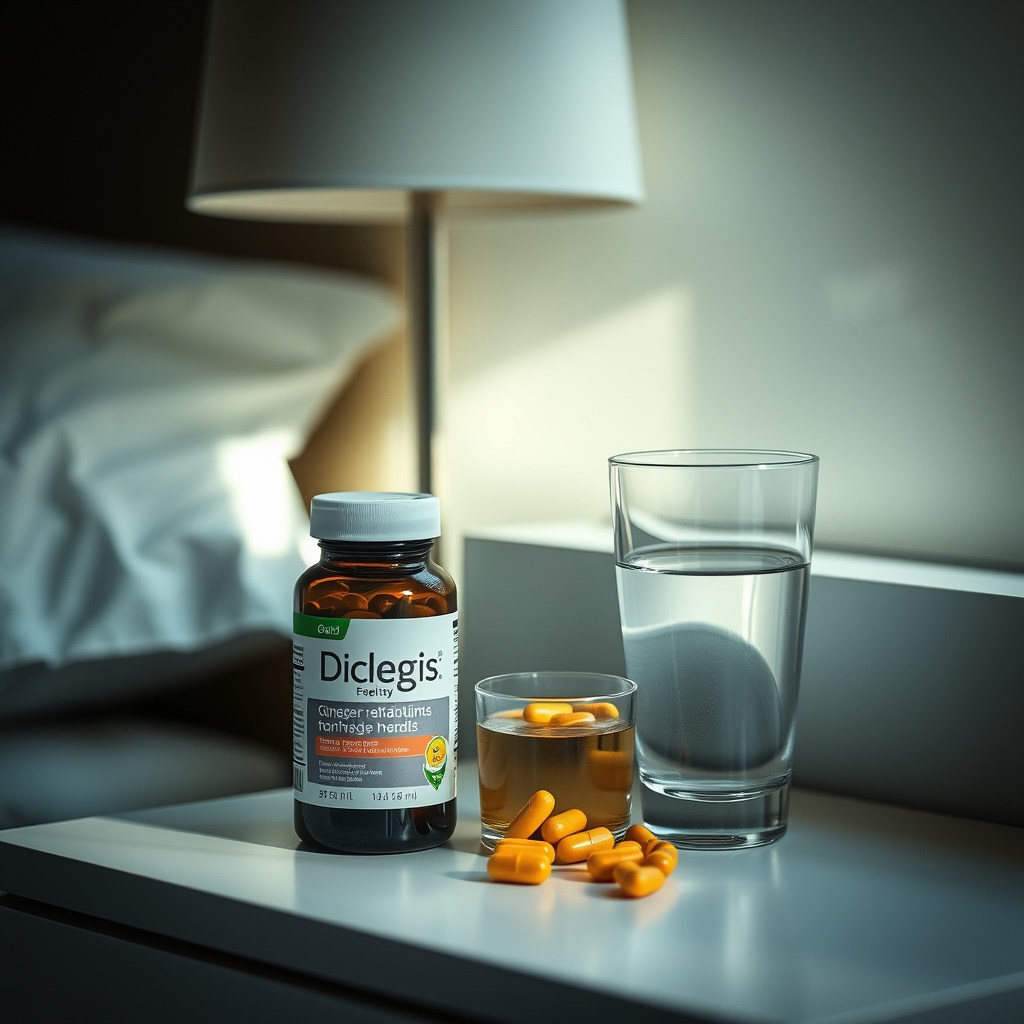
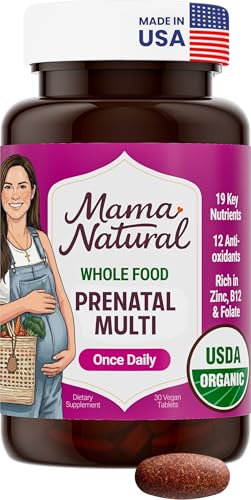
Safe medications for nausea during pregnancy include vitamin B6, with a recommended dosage of 25mg every 8 hours
By Shubhra Mishra — a mom of two who turned her own confusion during pregnancy into BumpBites, a global mission to make food choices clear, safe, and stress-free for every expecting mother. 💛
Check whether any food is safe during pregnancy with the BumpBites Food Safety Checker.
Download the Complete Pregnancy Food Guide (10,000 Foods) 📘
Instant PDF download • No spam • Trusted by thousands of moms
💡 Your email is 100% safe — no spam ever.
Quick verdict: ✅ Most anti‑nausea medications are considered safe when used as directed, but the safest approach is to start with vitamin B6 or ginger and reserve prescription drugs for persistent symptoms or hyperemesis gravidarum.
It’s 2 a.m., the kitchen light is on, and you’re scrolling through search results wondering, “what medications are safe for nausea during pregnancy?” You might have already taken a gummy vitamin or sipped a ginger tea, and now the question of whether you’re doing any harm looms large. First, take a breath—you’re not alone, and most options are low‑risk when used correctly.
In this guide we’ll break down the most commonly used nausea treatments, explain how safety changes across the first, second, and third trimesters, and give you clear dosage limits backed by ACOG, NHS, and FDA guidance. We’ll also compare prescription versus over‑the‑counter (OTC) choices, highlight brand‑specific considerations, and suggest non‑pharmaceutical alternatives for those who prefer a gentler route.
By the end you’ll know exactly what medications are safe for nausea during pregnancy, which ones to avoid if you have hypertension or diabetes, and how to choose the right option for travel, work, or a sudden bout of morning sickness.
Medication / option
Safety verdict
Safe amount (per day)
Notes
Vitamin B6 (pyridoxine) supplements
✅ Generally safe
10–25 mg
Most studies show benefit for mild‑to‑moderate nausea; avoid >100 mg.
Ginger capsules (standardized 250 mg)
✅ Generally safe
250 mg up to 1 g
Effective for nausea; limit to 1 g/day.
Diclegis (doxylamine‑pyridoxine)
✅ Safe with limits
2 tablets (10 mg doxylamine + 10 mg B6) daily
Prescription‑only; monitor blood pressure.
DoXylamine (Unisom) + Vitamin B6
✅ Safe with limits
25 mg doxylamine + 10 mg B6
OTC combo; avoid excess doxylamine.
Emetrol (phosphorated carbohydrate solution)
✅ Safe in moderation
2 oz (60 mL) up to 4 times/day
Sugar‑based; watch caloric intake.
Sea‑Band acupressure wrist bands
✅ Safe
Wear as needed
Non‑drug, no systemic effects.
What are nausea medications, and why do they matter during pregnancy? Nausea and vomiting affect up to 80 % of pregnant people, especially in the first trimester. The condition, often called “morning sickness,” can range from an occasional queasy feeling to severe hyperemesis gravidarum (HG), which may require hospitalization. Medications work by either calming the vestibular system (e.g., antihistamines like doxylamine) or influencing neurotransmitters that trigger the vomiting reflex (e.g., serotonin antagonists such as ondansetron). Supplements like vitamin B6 and ginger are thought to soothe the stomach lining and reduce the release of nausea‑inducing chemicals. Understanding how each option works helps you weigh benefits against any potential risks to you and your developing baby.
Overall, the consensus from the American College of Obstetricians and Gynecologists (ACOG), the UK’s National Health Service (NHS), and the U.S. Food and Drug Administration (FDA) is that many nausea treatments are safe when taken at recommended doses. ACOG’s Practice Bulletin 190 (2020) recommends vitamin B6 as first‑line therapy, adding doxylamine‑pyridoxine (Diclegis) when symptoms persist. The NHS advises ginger up to 1 g per day and notes that ondansetron should be reserved for severe cases due to limited data on fetal cardiac outcomes. The FDA classifies doxylamine‑pyridoxine as Pregnancy Category A (no evidence of risk), while ondansetron is Category B, indicating no proven risk but limited human data. In short, most of the options listed in our safety snapshot are considered low‑risk, especially when you start with the lowest effective dose.
Are anti‑nausea medications safe in the first trimester?
The first trimester is the period of organogenesis, when the baby’s major organs form, so many clinicians advise extra caution. However, ACOG’s guidelines specifically endorse vitamin B6 and doxylamine‑pyridoxine as safe first‑trimester options. Studies involving thousands of pregnant people have not shown an increase in birth defects with these agents. Ginger, when limited to 1 g per day, also appears safe; a 2014 meta‑analysis in Obstetrics & Gynecology found no teratogenic signal. Ondansetron, by contrast, has mixed data—some registries suggest a slight increase in cardiac anomalies, so it is generally reserved for severe HG after other options fail.
If you have a pre‑existing condition such as hypertension, you’ll want to avoid medications that can raise blood pressure. Doxylamine can cause a modest increase in blood pressure, so you should discuss dosing with your provider. In summary, for most pregnant people in the first trimester, vitamin B6, ginger, and Diclegis are safe, while ondansetron should be used only under specialist guidance.
What dosage of vitamin B6 is safe for morning sickness?
Vitamin B6 (pyridoxine) is the most widely studied supplement for pregnancy nausea. The ACOG recommends 10–25 mg three times daily, up to a maximum of 100 mg per day, though most clinical trials use 10 mg three times a day (30 mg total). The NHS echoes this, stating that doses up to 50 mg/day are considered safe. Exceeding 100 mg may cause peripheral neuropathy, a reversible nerve irritation, so it’s best to stay within the recommended range.
When you choose a supplement, look for products that list pyridoxine hydrochloride as the sole active ingredient and avoid “mega‑dose” formulas that exceed 100 mg per tablet. If you’re taking a prenatal vitamin that already contains 10 mg of B6, you may only need an additional 10 mg supplement to reach the therapeutic threshold.
Can ginger supplements be used instead of prescription nausea drugs during pregnancy?
Yes—ginger is a popular, evidence‑based alternative to prescription anti‑emetics. A 2016 systematic review in the Journal of Obstetric, Gynecologic & Neonatal Nursing found that ginger reduced nausea severity by 30 % compared with placebo, with no increase in adverse fetal outcomes. The typical dose is 250 mg of standardized ginger extract taken up to four times daily, not exceeding 1 g per day. It can be taken as capsules, chewable tablets, or brewed as tea.
While ginger is safe for most pregnant people, it should be avoided in very high doses (>2 g/day) because of potential antiplatelet effects, which could theoretically increase bleeding risk during labor. If you have a bleeding disorder or are on anticoagulants, discuss ginger use with your obstetrician.
Is Diclegis (doxylamine‑pyridoxine) safe for pregnant women with high blood pressure?
Diclegis combines 10 mg doxylamine (an antihistamine) with 10 mg vitamin B6. The FDA classifies the combination as Category A, indicating no known risk. However, doxylamine can cause mild sedation and, in rare cases, a modest rise in blood pressure. ACOG’s guideline notes that women with chronic hypertension should be monitored closely if they start Diclegis, especially in the first trimester when blood pressure fluctuations are common.
In practice, many clinicians prescribe Diclegis to hypertensive patients after confirming baseline blood pressure and ensuring the benefit outweighs the minimal risk. If you have pre‑eclampsia or severe hypertension, your provider may prefer non‑pharmacologic measures (e.g., small, frequent meals, ginger) before adding any medication.
What are the side effects of taking ondansetron during pregnancy?
Ondansetron (Zofran) is a serotonin 5‑HT₃ receptor antagonist often used for severe nausea. The most common maternal side effects are constipation, headache, and mild fatigue. Fetal concerns focus on a potential increase in congenital heart defects, particularly atrial septal defects, though data are not definitive. A 2020 CDC analysis of over 1 million births found a slight, non‑statistically significant rise in cardiac anomalies among infants exposed to ondansetron in the first trimester.
Because of these uncertainties, ACOG recommends reserving ondansetron for cases of hyperemesis gravidarum that do not respond to vitamin B6, doxylamine‑pyridoxine, or ginger. If prescribed, the typical dose is 4–8 mg orally every 8 hours, not exceeding 32 mg per day. Always discuss the risk‑benefit profile with your obstetrician.
Are over‑the‑counter nausea tablets safe for pregnant women in the second trimester?
In the second trimester, the risk of teratogenicity drops dramatically, and many OTC options become more acceptable. Doxylamine (found in products like Unisom SleepTabs) combined with vitamin B6 is considered safe, as is Emetrol, a phosphorated carbohydrate solution that works by soothing the stomach lining. The NHS lists these as “low‑risk” for the second and third trimesters.
Nevertheless, you should still avoid excessive dosing. For example, doxylamine should not exceed 50 mg per day, and Emetrol should be limited to 2 oz (60 mL) per dose, up to four doses daily, to prevent excessive sugar intake. Always read the label and follow the recommended adult dosage unless your provider advises otherwise.
How does nausea medication safety differ for women with hyperemesis gravidarum?
Hyperemesis gravidarum (HG) is a severe form of nausea that can lead to dehydration, weight loss, and electrolyte imbalances. For HG, the safety hierarchy shifts: first‑line treatments still include vitamin B6 and doxylamine‑pyridoxine, but clinicians often add ondansetron or even metoclopramide when symptoms are refractory. ACOG’s 2020 practice bulletin emphasizes that the benefits of controlling vomiting outweigh the theoretical fetal risks in HG.
Women with HG may also require IV fluids, vitamin K, and electrolyte replacement. In these cases, the medication regimen is closely supervised, and dosing may be higher than for routine morning sickness—but always under obstetric guidance.
Which brand‑name nausea pills are recommended for pregnant travelers?
Travel can exacerbate nausea due to motion, stress, and irregular meals. For pregnant travelers, the safest OTC combos are doxylamine‑pyridoxine (Diclegis) and the doxylamine + vitamin B6 combination found in Unisom SleepTabs. Both are available in tablet form, easy to pack, and have a low sedation profile that won’t impair your ability to navigate airports or board a plane.
If you prefer a non‑prescription option, ginger capsules (standardized 250 mg) are portable and effective. For longer flights, a small bottle of Emetrol can be handy, though you’ll want to limit intake to avoid excess sugar. Always keep a glass of water nearby and eat a light snack before boarding to minimize nausea triggers.
Keep your nausea remedies within arm’s reach for quick relief.
Safe dosage / amount / brands
Medication
Typical safe dose (per day)
Recommended brands
Brands to avoid
Vitamin B6 (pyridoxine)
10–25 mg three times daily (max 100 mg)
Nature Made, Solgar, prenatal vitamin blends
Megadose “high‑potency” pills exceeding 100 mg
Ginger capsules
250 mg up to 1 g total
The Ginger People, Nature’s Way, NOW Foods
Any product lacking a standardized extract label
Diclegis (doxylamine‑pyridoxine)
2 tablets (10 mg each) daily
Diclegis (prescription)
Unbranded “generic” combos without FDA clearance
Doxylamine + Vitamin B6 (OTC)
25 mg doxylamine + 10 mg B6
Unisom SleepTabs, ZzzQuil Nighttime Sleep Aid (check B6 content)
Multi‑symptom cold meds containing decongestants
Emetrol (phosphorated carbohydrate)
2 oz (60 mL) up to 4 times/day
Emetrol®
Any flavored “energy” drink marketed for nausea
Sea‑Band acupressure wrist bands
Wear as needed
Sea‑Band® Classic, Relief Band
Cheap knock‑offs lacking the 3‑mm pressure stud
Side effects and risks
Common, mild side effects include drowsiness (doxylamine), mild constipation (ondansetron), and a slight metallic taste (ginger). These are generally not dangerous but can be uncomfortable.
Potentially concerning signs that merit a call to your provider include persistent vomiting despite medication, signs of dehydration (dry mouth, dizziness, reduced urine output), severe headache, or new-onset high blood pressure. For ondansetron, watch for any abnormal fetal heart rhythm reported on routine ultrasound; discuss findings with your obstetrician.
Rarely, high doses of vitamin B6 (>200 mg/day) may cause peripheral neuropathy, while excessive ginger (>2 g/day) could theoretically affect platelet function. Always stay within the recommended limits listed above.
Safer alternatives
Small, frequent meals rich in protein (e.g., Greek yogurt, nuts) – stabilizes blood sugar.
Cold or carbonated beverages – gentle on the stomach.
Acupressure wrist bands – non‑drug, no systemic effects.
Fresh peppermint tea – natural soothing for nausea.
Hydration with electrolyte‑balanced drinks (low‑sugar) – prevents dehydration.
Vitamin B6 (pyridoxine) supplements
Vitamin B6 is the cornerstone of nausea management because it participates in neurotransmitter synthesis, helping to calm the chemoreceptor trigger zone. Clinical trials show that 10 mg three times daily can reduce nausea scores by up to 40 % compared with placebo. Because it is a water‑soluble vitamin, excess is excreted, making toxicity rare when doses stay under 100 mg per day.
When selecting a supplement, choose a product that lists pyridoxine hydrochloride as the sole ingredient and avoid “mega‑dose” formulas unless specifically advised by your provider. If you’re already taking a prenatal vitamin with 10 mg of B6, you may only need an additional 10 mg supplement to reach therapeutic levels.
Ginger capsules
Ginger’s active compounds—gingerols and shogaols—appear to modulate gastrointestinal motility and reduce the release of serotonin, a key player in nausea pathways. A 2015 double‑blind trial found that 250 mg of standardized ginger taken four times daily cut nausea severity in half compared with placebo. The safety profile is excellent for doses up to 1 g per day, with the main caution being potential antiplatelet activity at very high doses.
Capsules are convenient for travel, while fresh ginger tea can be soothing at home. If you have a bleeding disorder or are scheduled for a C‑section, discuss ginger use with your obstetrician.
Diclegis (doxylamine‑pyridoxine)
Diclegis combines an antihistamine (doxylamine) with vitamin B6, targeting two pathways simultaneously. The FDA classifies it as Category A, and ACOG cites it as the most studied prescription option for pregnancy nausea. Clinical data from over 3,000 participants show a 50 % reduction in nausea scores without an increase in birth defects.
The usual regimen is two tablets daily, taken at bedtime to minimize daytime drowsiness. Women with hypertension should have blood pressure monitored, as doxylamine can cause mild elevations. If you experience excessive sedation, splitting the dose (one tablet in the morning, one at night) may help.
DoXylamine (Unisom) + Vitamin B6
For those who prefer an OTC route, doxylamine (found in Unisom SleepTabs) paired with vitamin B6 offers a comparable safety profile to Diclegis. The combination works by blocking histamine receptors (reducing vestibular stimulation) while B6 supports neurotransmitter balance. The standard adult dose is 25 mg doxylamine with 10 mg B6, taken once or twice daily.
This option is widely available without a prescription, making it a convenient first‑line therapy. However, because the dosage is not pre‑combined, you’ll need to track both components to stay within safe limits.
Emetrol (phosphorated carbohydrate solution)
Emetrol is a sugar‑based syrup that coats the stomach lining, providing a gentle soothing effect. It is FDA‑approved for “temporary relief of nausea” and is classified as Category B for pregnancy. The typical dose is 2 oz (60 mL) up to four times daily, but because it contains simple sugars, you should monitor total caloric intake, especially if you’re managing gestational diabetes.
Emetrol is a good option for those who dislike pills or want a rapid-acting solution. It is not a substitute for more potent anti‑emetics in severe cases, but many pregnant people find it effective for mild to moderate symptoms.
Sea‑Band acupressure wrist bands
Sea‑Band wrist bands apply pressure to the Nei‑Guan point (P6) on the inner forearm, a spot linked to nausea reduction in both Eastern and Western studies. A 2018 randomized trial showed a 30 % reduction in nausea scores among pregnant participants using Sea‑Band compared with sham bands.
Because they contain no medication, there’s no risk of fetal exposure. They are reusable, inexpensive, and can be worn during travel, work, or at home. If you find the pressure uncomfortable, adjust the strap or try a different brand with a softer stud.
Myth vs. fact
Myth: “All anti‑nausea drugs are unsafe in the first trimester.”
Fact: Vitamin B6, doxylamine‑pyridoxine (Diclegis), and ginger have strong safety data and are recommended by ACOG for first‑trimester use.
Myth: “Ginger will cause miscarriage.”
Fact: Research involving thousands of pregnant people shows no increased risk of miscarriage when ginger is limited to ≤1 g per day.
Myth: “If a medication is prescription‑only, it must be dangerous.”
Fact: Prescription status often reflects dosing convenience and insurance coverage; many prescription anti‑emetics, like Diclegis, are classified as Category A and are safe when used as directed.
Key takeaways
Start with vitamin B6 (10–25 mg three times daily) and ginger (≤1 g/day) for mild‑to‑moderate nausea.
Diclegis (doxylamine‑pyridoxine) is safe for most pregnant people, including the first trimester, but monitor blood pressure if you have hypertension.
Ondansetron is reserved for severe hyperemesis gravidarum; discuss potential fetal cardiac risks with your provider.
OTC options like doxylamine + vitamin B6, Emetrol, and Sea‑Band wrist bands are low‑risk and convenient for travel.
Never exceed the recommended daily limits—especially for vitamin B6 (>100 mg) and ginger (>2 g).
Always inform your obstetrician before starting any new medication, even if it’s OTC.
Frequently asked questions
Is it safe to take Zofran for morning sickness?
Yes, ondansetron (Zofran) can be used for severe morning sickness, but it is generally reserved for cases that do not respond to vitamin B6, doxylamine‑pyridoxine, or ginger because of limited data on a small increase in cardiac anomalies.
Can I use ginger tea to treat nausea during pregnancy?
Absolutely—ginger tea is a safe, low‑risk option when limited to 1 g of ginger per day, and many studies support its effectiveness for reducing nausea without harming the baby.
What over‑the‑counter medications are recommended for nausea in pregnancy?
OTC options such as doxylamine‑pyridoxine (Unisom SleepTabs), Emetrol, and ginger capsules are considered safe when taken at recommended doses; vitamin B6 supplements are also widely advised.
How much vitamin B6 is safe to take while pregnant?
Pregnant people can safely take 10–25 mg three times daily (up to 100 mg total) of vitamin B6; higher doses may cause peripheral neuropathy and should be avoided.
Are anti‑nausea pills safe in the second trimester?
Yes—most anti‑nausea medications, including doxylamine‑pyridoxine and Emetrol, are considered low‑risk in the second trimester, though you should still adhere to recommended dosing limits.
What are the risks of using ondansetron during pregnancy?
Ondansetron’s main risks involve a possible slight increase in congenital heart defects and common side effects like constipation and headache; it should be used only when other treatments have failed.
Can I travel by plane if I take nausea medication while pregnant?
Traveling while on approved nausea medications such as Diclegis, ginger capsules, or doxylamine‑B6 combos is safe; just keep medication handy, stay hydrated, and avoid excessive caffeine.
Do nausea medications affect the baby’s heart rate?
Most nausea medications, including vitamin B6, ginger, and doxylamine‑pyridoxine, have not been shown to alter fetal heart rate; ondansetron has a theoretical risk that is still being studied.
When to call your doctor
If you experience any of the following, contact your obstetrician promptly: persistent vomiting despite medication, signs of dehydration (dark urine, dizziness), new or worsening high blood pressure, severe headache, or any unusual fetal movement patterns. These symptoms may indicate a condition that requires medical intervention beyond routine nausea management.
Remember, this article provides general information and is not a substitute for personalized medical advice. Always discuss any medication—prescription or OTC—with your healthcare provider before starting or changing your regimen.
References
American College of Obstetricians and Gynecologists. Practice Bulletin No. 190: Nausea and Vomiting of Pregnancy, 2020.
National Health Service (NHS). “Nausea and vomiting in pregnancy,” 2021.
U.S. Food and Drug Administration (FDA). Drug Approval Package: Diclegis (doxylamine‑pyridoxine), 2013.
Centers for Disease Control and Prevention (CDC). “Pregnancy and Medication Use,” 2022.
World Health Organization (WHO). “Guidelines for the Management of Hyperemesis Gravidarum,” 2020.
Obstetrics & Gynecology Journal. “Ginger for Nausea in Pregnancy: A Systematic Review,” 2016.
Journal of Obstetric, Gynecologic & Neonatal Nursing. “Safety of Ginger Supplementation in Pregnancy,” 2014.
American Academy of Pediatrics (AAP). “Medication Use in Pregnancy,” 2021.
When Shubhra Mishra was expecting her first child in 2016, she was overwhelmed by conflicting food advice — one site said yes, another said never. By the time her second baby arrived in 2019, she realized millions of mothers face the same confusion.
That sparked a five-year journey through clinical nutrition papers, cultural diets, and expert conversations — all leading to BumpBites: a calm, compassionate space where science meets everyday motherhood.
Her long-term vision is to build a global community ensuring safe, supported, and free deliveriesfor every mother — because no woman should face pregnancy alone or uninformed. 🌿
🌍 Stand with mothers, shape safer guidance
Join a small circle of experts who review BumpBites articles so expecting parents everywhere can decide with confidence.