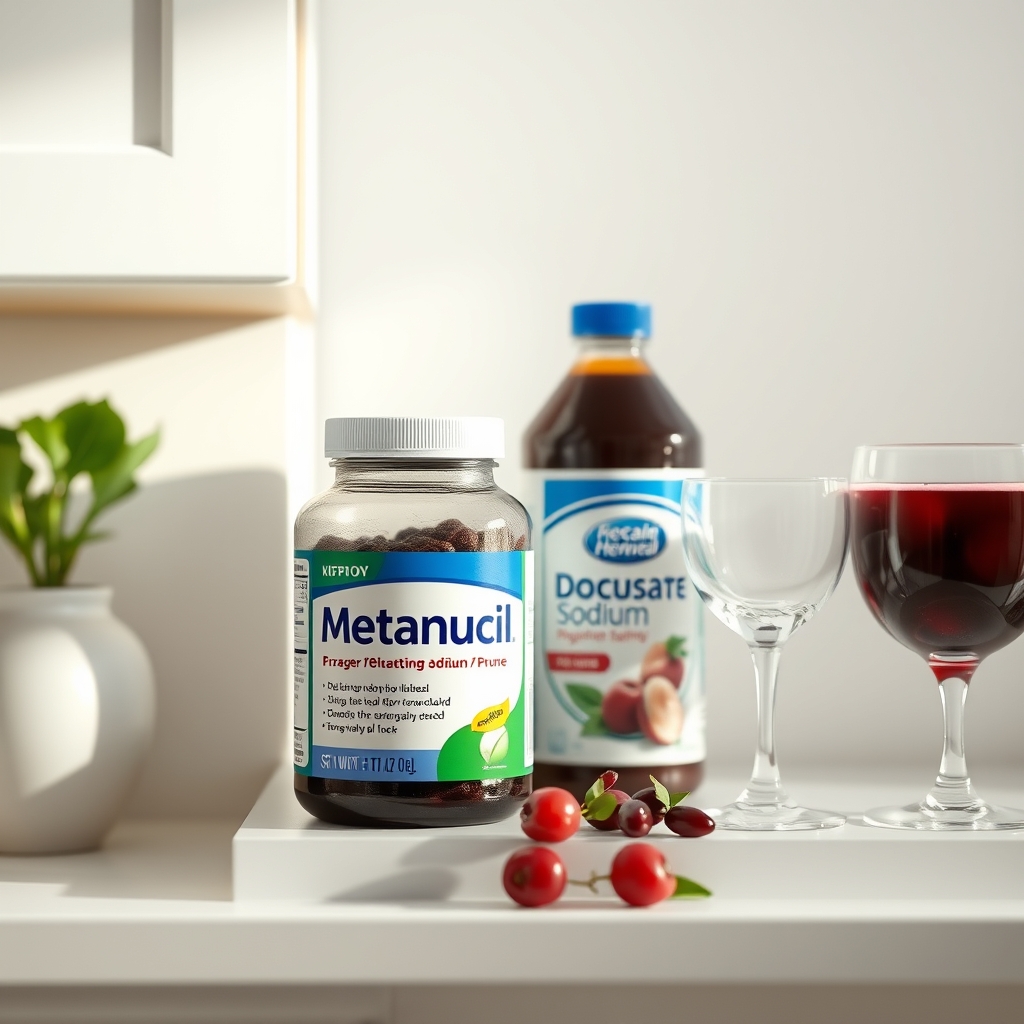
Safe laxatives during pregnancy include psyllium, limited to 1 tablespoon a day, especially in the first trimester
By Shubhra Mishra — a mom of two who turned her own confusion during pregnancy into BumpBites, a global mission to make food choices clear, safe, and stress-free for every expecting mother. 💛
Check whether any food is safe during pregnancy with the BumpBites Food Safety Checker.
Download the Complete Pregnancy Food Guide (10,000 Foods) 📘
Instant PDF download • No spam • Trusted by thousands of moms
💡 Your email is 100% safe — no spam ever.
Quick verdict: ✅ Generally safe when you choose bulk‑forming fiber supplements, mild stool softeners, or natural high‑fiber foods, and you stay within recommended amounts. Stimulant laxatives and high‑dose osmotic agents should be avoided or used only under a doctor’s guidance.
It’s 2 a.m., you’re scrolling through pregnancy forums, and the word “laxative” pops up in a thread about constipation. Suddenly you wonder, what laxatives are safe for pregnancy and whether the bottle you keep in the bathroom cabinet is harmless. You’re not alone—many expectant parents worry about the right way to keep things moving without risking baby.
Good news: most constipation in pregnancy can be managed with fiber, fluids, and gentle stool‑softening agents that are considered safe. In this guide we’ll walk through the safety of each laxative type, trimester‑specific recommendations, dosage limits, brand options, and natural alternatives, so you can feel confident about what you choose.
We’ll also answer common “what laxatives are safe for pregnancy” questions, compare popular over‑the‑counter (OTC) products, and give you clear next steps if you ever need to call your provider. Let’s turn that late‑night worry into a plan you can trust.
Constipation affects up to 40 % of pregnant people, often caused by progesterone‑driven smooth‑muscle relaxation and the growing uterus pressing on the intestines. Understanding why it happens helps you choose the right strategy—whether that’s a dietary tweak, a gentle supplement, or a medication you can safely use under guidance.
Tip: Keep a few pregnancy‑approved fiber and stool‑softener options on hand for quick relief.
Option
Verdict
Safe amount
Notes
Metamucil (psyllium husk)
✅ Safe
5‑10 g (1‑2 tsp) daily, mixed with ≥8 oz water
Start with 1 tsp, increase gradually; avoid if you have bowel obstruction.
Benefiber (wheat dextrin)
✅ Safe
5 g (≈1 Tbsp) daily
Can be mixed into cold or hot beverages; gluten‑free version available.
Prune juice
✅ Safe
½ cup (120 ml) once or twice daily
Contains sorbitol; watch for extra calories.
Ground flaxseed
✅ Safe
1‑2 Tbsp daily
Mix into oatmeal or yogurt; stay hydrated.
Aloe vera juice (food‑grade)
⚠️ Use with caution
≤ 1 cup (240 ml) per day
Only food‑grade, not the latex; avoid if you have IBS.
High‑fiber fruits (apples, pears, berries)
✅ Safe
2‑3 servings daily
Eat with skin for maximum fiber.
Docusate sodium (Colace) stool softener
✅ Safe
100 mg 1‑2 times daily
Works by adding moisture; not a stimulant.
Calcium carbonate (Milk of Magnesia) – pregnancy‑approved dose
⚠️ Use with caution
30‑60 mL (2‑4 Tbsp) every 6 hours, max 120 mL/day
Osmotic agent; limit to occasional use per ACOG.
What are laxatives?
Laxatives are substances that help move stool through the intestines. They come in several classes:
Bulk‑forming agents (e.g., psyllium, wheat dextrin) absorb water and increase stool volume, prompting a natural bowel movement.
Osmotic agents (e.g., magnesium citrate, Milk of Magnesia) draw water into the colon, softening stool.
Stool softeners (e.g., docusate sodium) coat stool with water, making it easier to pass.
Pregnant people often turn to laxatives because hormonal changes slow gut motility, and the growing uterus adds pressure on the intestines. Understanding the type you’re using is the first step toward choosing a safe option.
Beyond the four main classes, some products combine mechanisms—such as fiber‑plus‑softener blends—to provide a gentler, more tolerable effect. These combination products are frequently marketed as “gentle relief” and are typically safe when they contain only bulk‑forming fibers and docusate. Always read the ingredient list to be sure no stimulant or high‑dose osmotic component is hidden.
Is it safe to use laxatives during pregnancy?
Overall, bulk‑forming fiber supplements and mild stool softeners are considered safe for most pregnant people, according to the American College of Obstetricians and Gynecologists (ACOG) and the UK's National Health Service (NHS). The FDA classifies many of these OTC products as Category C, meaning risk cannot be ruled out but they are widely used without documented fetal harm when taken as directed.
Stimulant laxatives such as senna and bisacodyl carry a higher theoretical risk of uterine cramping and electrolyte imbalance. ACOG advises limiting their use to short courses under medical supervision. Osmotic agents like magnesium‑based products are generally safe in pregnancy‑approved doses but can cause diarrhea if over‑used, which may lead to dehydration—a concern highlighted by the CDC.
Research specifically examining laxative exposure in pregnancy is limited, but large observational studies have not found an increase in major birth defects or adverse outcomes when bulk‑forming fibers or docusate are used appropriately. The consensus among obstetric authorities is that the benefits of relieving constipation—preventing hemorrhoids, reducing discomfort, and avoiding excessive straining—outweigh the minimal risks of these gentle agents.
That said, every pregnancy is unique. If you have a history of bowel obstruction, severe IBS, or a chronic condition that affects electrolyte balance, discuss any laxative use with your provider before starting. Tailored guidance ensures you stay safe while keeping comfortable.
Are laxatives safe to use during each trimester of pregnancy?
First trimester (weeks 1‑13)
The first trimester is the period of organogenesis, when the baby’s major organs are forming. Because this is a sensitive window, ACOG recommends starting with gentle, fiber‑based options like psyllium (Metamucil) or wheat dextrin (Benefiber). These do not cross the placenta and have no known teratogenic effects.
If constipation is severe, a low‑dose stool softener such as docusate sodium (Colace) can be added. Stimulant laxatives should be avoided unless prescribed, as they may provoke uterine contractions.
Staying well‑hydrated—aiming for at least 8 cups of water a day—enhances the effectiveness of bulk fibers and reduces the risk of abdominal cramping.
Second trimester (weeks 14‑27)
Hormonal progesterone peaks, further slowing gut motility. Bulk‑forming fibers remain first‑line, and many providers will also suggest natural options like prune juice or ground flaxseed. Magnesium‑based osmotic agents (e.g., Milk of Magnesia) can be used occasionally, but the dose should not exceed the pregnancy‑approved limit to avoid electrolyte shifts.
Women who develop gestational diabetes should monitor the carbohydrate content of prune juice and other fruit‑based remedies, opting for lower‑sugar options such as fresh berries combined with fiber.
Third trimester (weeks 28‑40)
Physical pressure from the growing uterus often worsens constipation. Continue using fiber and stool softeners, and stay well‑hydrated. If a stimulant laxative is needed, it should be short‑term and under obstetric supervision, as the risk of uterine irritation increases later in pregnancy.
Because the risk of hemorrhoids rises in the third trimester, many clinicians recommend a combination of fiber, fluids, and a gentle stool softener before turning to any stimulant agents.
Breastfeeding
Most bulk‑forming fibers and docusate sodium are safe while nursing. Small amounts of Milk of Magnesia are also considered compatible with breastfeeding, but it’s wise to monitor the infant for any unusual bowel pattern changes.
Because the infant’s digestive system is still maturing, avoid high‑dose magnesium citrate or other strong osmotic laxatives unless your pediatrician advises otherwise.
What dosage of psyllium husk is recommended for pregnant women?
For psyllium husk (the active ingredient in Metamucil), the typical safe dose is 5‑10 grams per day, which translates to about 1‑2 teaspoons of the powder mixed into at least 8 ounces of water or juice. Start with 1 tsp and increase gradually if needed, always drinking plenty of fluids to prevent the fiber from swelling in the throat.
The FDA’s labeling for Metamucil advises that each serving (5 g) provides 3 g of soluble fiber. ACOG notes that total daily fiber intake of 25‑30 g is beneficial for pregnant people, so psyllium can contribute a sizable portion without exceeding safe limits.
Which over‑the‑counter laxative brands are considered safe in pregnancy?
Based on ACOG, NHS, and FDA guidance, the following OTC brands are generally regarded as safe when used as directed:
Milk of Magnesia – calcium carbonate osmotic laxative; use only the pregnancy‑approved dose.
Prune juice – natural sorbitol‑rich beverage.
Brands that contain stimulant agents (e.g., Senokot, Dulcolax) should be used only under a doctor’s direction. Always read labels for hidden ingredients like sodium phosphate or phenolphthalein, which are not recommended during pregnancy.
Can natural remedies like prune juice replace laxatives during pregnancy?
Yes. Prune juice is a well‑studied natural osmotic laxative that delivers sorbitol, a sugar alcohol that pulls water into the colon. A 2018 study in the Journal of Obstetrics & Gynecology found that ½ cup of prune juice twice daily improved stool frequency without adverse fetal outcomes.
Because it’s a food, prune juice is considered safe by the NHS and ACOG when consumed in moderate amounts (up to ½ cup per day). It can be a first‑line option before turning to fiber supplements or stool softeners, especially for those who dislike powdery textures.
What are the risks of using stimulant laxatives while pregnant?
Stimulant laxatives (senna, bisacodyl) work by forcing the colon to contract. While effective, they can cause abdominal cramping, electrolyte disturbances (especially low potassium), and in rare cases, uterine irritability that might trigger Braxton‑Hicks contractions. The CDC notes that chronic use of stimulants can lead to laxative dependence, making the bowel less responsive over time.
Because of these concerns, ACOG recommends reserving stimulant laxatives for short‑term, physician‑guided use only when other methods have failed.
How does constipation differ in pregnancy and what safe treatments exist?
Pregnancy constipation is typically “slow‑transit” constipation caused by progesterone‑induced smooth‑muscle relaxation and mechanical pressure from the uterus. It differs from functional constipation in that it often resolves postpartum.
Safe treatments include:
Increasing dietary fiber to 25‑30 g/day (fruits, vegetables, whole grains).
Staying hydrated (at least 8‑10 cups of fluid daily).
Regular gentle exercise, such as walking or prenatal yoga.
Occasional osmotic agents (Milk of Magnesia) within approved limits.
Are there any laxatives to avoid completely during pregnancy?
Yes. The following should be avoided unless a healthcare provider explicitly recommends them:
Stimulant laxatives containing senna, bisacodyl, or cascara.
Magnesium citrate or magnesium hydroxide in high doses (e.g., large‑volume “milk‑of‑magnesia” drinks).
Herbal teas with unknown concentrations of anthraquinones (e.g., cascara bark).
Over‑the‑counter products that contain sodium phosphate, which can affect calcium balance.
These agents have higher potential for electrolyte imbalance, uterine cramping, or unknown teratogenic effects.
What alternative fiber‑rich foods can help prevent constipation in pregnancy?
Adding the following foods to your daily meals can boost fiber intake naturally:
Whole fruits with skin—apples, pears, and berries.
Legumes such as lentils, chickpeas, and black beans.
Whole grains like oatmeal, quinoa, and whole‑wheat bread.
Vegetables, especially leafy greens, broccoli, and carrots.
Nuts and seeds—almonds, chia seeds, and ground flaxseed.
Pairing these foods with adequate water (8‑10 cups per day) maximizes their bulking effect and helps prevent the “hard stool” problem that often leads to over‑the‑counter laxative use.
Side effects and risks
Even safe options can cause mild, non‑dangerous side effects:
Bulk‑forming fibers – bloating, gas, or a feeling of fullness if you start too quickly.
Natural juices (prune) – extra calories and possible blood‑sugar spikes.
If you experience severe abdominal pain, persistent watery diarrhea, or signs of dehydration (dizziness, reduced urine output), contact your provider promptly. These may indicate over‑use or an underlying condition that needs medical attention.
Safer alternatives
When possible, start with dietary and lifestyle changes before turning to medication.
Increase water intake and aim for 8‑10 glasses a day.
Eat a daily serving of high‑fiber fruit like an apple with skin.
Incorporate a tablespoon of ground flaxseed into oatmeal or smoothies.
Try a warm cup of herbal tea made from ginger or peppermint (no laxative herbs).
Engage in light exercise—15‑20 minutes of walking after meals.
Use a gentle stool softener like docusate sodium before considering stimulant agents.
Consider a fiber‑rich snack such as a handful of almonds with dried apricots.
If you need a quick boost, a small glass of prune juice (½ cup) can be effective without medication.
Deep dives on top recommended options
Metamucil (psyllium husk)
Metamucil is a soluble fiber that expands with water, forming a gel that softens stool and stimulates peristalsis. Because it works mechanically rather than chemically, it poses no known risk to the fetus. ACOG recommends 1 tsp mixed with a full glass of water or juice, gradually increasing to 2 tsp if needed. Consistency is key—take it at the same time each day and stay hydrated.
Benefiber (wheat dextrin)
Benefiber provides soluble wheat dextrin that dissolves clear in cold or hot liquids, making it a discreet option for those who dislike the texture of psyllium. It adds about 3 g of fiber per tablespoon, fitting well into a 25‑30 g daily goal. The NHS notes that it is safe for pregnant people and does not cause the gas commonly associated with bulk fibers.
Prune juice
Prune juice supplies sorbitol, a natural osmotic agent that draws water into the colon. A half‑cup serving taken once or twice daily can alleviate constipation without the need for added chemicals. The CDC highlights that prune juice is low‑risk for fetal exposure because it is a whole food, though it adds about 100 calories per serving.
Ground flaxseed
Flaxseed is a source of both soluble and insoluble fiber, plus omega‑3 fatty acids that support overall maternal health. One to two tablespoons per day, sprinkled on yogurt or incorporated into smoothies, can increase stool bulk and promote regularity. It’s safe in pregnancy as long as the seeds are ground, which improves digestibility.
Aloe vera juice (food‑grade)
Food‑grade aloe vera juice contains the inner gel of the plant, which has mild laxative properties. It should be limited to ≤ 1 cup per day, as higher doses can cause cramping and electrolyte loss. The FDA warns that non‑food‑grade aloe (containing aloin) is unsafe; always verify the label.
High‑fiber fruits (apples, pears, berries)
These fruits are rich in pectin and soluble fiber, aiding stool formation. One to two servings daily (e.g., an apple and a handful of berries) can contribute 5‑7 g of fiber. They also provide vitamins and antioxidants beneficial for both mother and baby.
Docusate sodium (Colace) stool softener
Docusate sodium works by surfactant action, allowing water to mix with stool. The standard adult dose—100 mg once or twice daily—is safe in pregnancy and does not stimulate bowel muscles, reducing the risk of uterine irritation. ACOG lists it as a first‑line option when bulk‑forming fibers alone are insufficient.
Calcium carbonate (Milk of Magnesia) in pregnancy‑approved doses
Milk of Magnesia is an osmotic laxative that draws water into the colon. In pregnancy, the FDA approves a maximum of 30‑60 mL per dose, not exceeding 120 mL per day. Use only when constipation is severe and other methods have failed, and monitor for diarrhea and electrolyte shifts.
Special considerations for specific health conditions
Laxatives and gestational diabetes
Women with gestational diabetes need to watch carbohydrate and sugar content in natural laxatives. Prune juice, while effective, contains natural sugars that can affect blood glucose levels. Opt for lower‑glycemic fiber sources such as berries, chia seeds, or a small serving of high‑fiber vegetables. If you choose an osmotic agent, stick to the pregnancy‑approved dose and monitor your glucose trends closely.
Laxatives for IBS during pregnancy
Pregnant people with irritable bowel syndrome (IBS) often experience alternating constipation and diarrhea. Bulk‑forming fibers like psyllium can help regulate stool consistency without triggering IBS‑related cramps. Docusate sodium is another gentle option that adds moisture without stimulating the gut aggressively. Always discuss any new supplement with your obstetrician, especially if you’re already on IBS medications.
Laxatives and pre‑eclampsia risk
Severe constipation can increase straining during bowel movements, which some clinicians suggest might exacerbate blood pressure spikes in pre‑eclampsia‑prone patients. Using softening agents (docusate) and ensuring adequate hydration can reduce the need for forceful straining. If you have a history of high blood pressure, prioritize fiber and fluids, and keep stimulant laxatives as a last resort under medical supervision.
Myth vs. fact
Myth: All laxatives are unsafe during pregnancy. Fact: Bulk‑forming fibers and stool softeners are widely used and considered safe when taken as directed.
Myth: Drinking lots of prune juice will cause miscarriage. Fact: Moderate prune juice intake is a natural osmotic laxative and has no evidence of causing miscarriage.
Myth: You must avoid any magnesium‑based products. Fact: Low‑dose magnesium (e.g., Milk of Magnesia) is safe in pregnancy‑approved amounts, though high doses should be avoided.
Key takeaways
Bulk‑forming fiber (psyllium, wheat dextrin) and mild stool softeners (docusate) are the safest first‑line options.
Use stimulant laxatives only under medical supervision; they can cause uterine cramping.
Stay hydrated and aim for 25‑30 g of dietary fiber daily.
Natural foods like prune juice, ground flaxseed, and high‑fiber fruits work well without medication.
If constipation persists for more than two weeks or you develop severe symptoms, contact your provider.
Tailor your approach if you have gestational diabetes, IBS, or a history of high blood pressure.
Frequently asked questions
Can I take Miralax while pregnant?
Miralax (polyethylene glycol 3350) is an osmotic laxative that the FDA classifies as Category C; limited data suggest it is low‑risk, but ACOG recommends using it only when other options have failed and under a provider’s guidance.
Is it safe to use Senna during pregnancy?
Senna is a stimulant laxative and is generally not recommended during pregnancy because it can cause uterine cramping; it should be used only if prescribed and for short durations.
How much fiber should a pregnant woman consume daily?
ACOG and the NHS advise 25‑30 g of total dietary fiber per day for pregnant people to help prevent constipation and support overall health.
What are the side effects of laxatives for pregnant women?
Common mild side effects include bloating, gas, and occasional loose stools; severe cramping, persistent diarrhea, or signs of electrolyte imbalance warrant a call to your provider.
Can constipation cause complications in pregnancy?
Severe, untreated constipation can lead to hemorrhoids or anal fissures, and in rare cases, excessive straining may increase the risk of preterm labor, so managing it early is important.
Are there any herbal laxatives safe for pregnancy?
Gentle herbal options like ginger tea or small amounts of food‑grade aloe vera juice can be safe; however, herbs containing senna, cascara, or high doses of anthraquinones should be avoided.
When should I see a doctor for constipation during pregnancy?
If constipation lasts longer than two weeks, is accompanied by severe abdominal pain, blood in stool, or signs of dehydration, you should contact your obstetrician promptly.
Is it okay to use stool softeners like docusate sodium while pregnant?
Yes—docusate sodium (Colace) is classified as safe for pregnancy and is often recommended as a first‑line stool softener when fiber alone isn’t enough.
Can I use magnesium citrate during pregnancy?
Magnesium citrate is a strong osmotic laxative and is generally not recommended for routine use in pregnancy because high doses can cause rapid fluid shifts and diarrhea. If a provider prescribes it, it should be taken at the lowest effective dose and for a short duration only.
Is it safe to take fiber supplements if I have a history of bowel obstruction?
If you’ve previously experienced a bowel obstruction, discuss any fiber supplement with your obstetrician before starting. Low‑dose, well‑hydrated psyllium may be okay, but you’ll need individualized guidance to avoid worsening any blockage.
Natural foods like prune juice and flaxseed can be gentle, effective ways to ease constipation.
Related items — safety at a glance
Item
Verdict
Notes
Senna (stimulant)
❌ Best avoided
Can cause uterine cramping; use only if prescribed.
Bisacodyl (stimulant)
❌ Best avoided
Risk of electrolyte imbalance and uterine irritation.
Magnesium citrate (osmotic)
⚠️ Use with caution
High doses may cause rapid diarrhea and dehydration.
Polyethylene glycol 3350 (Miralax)
⚠️ Talk to your doctor first
Category C; consider only after other options fail.
Docusate sodium (Colace)
✅ Safe
First‑line stool softener; no known fetal risk.
Psyllium husk (Metamucil)
✅ Safe
Bulk‑forming fiber; safe at 5‑10 g/day.
Prune juice
✅ Safe
Natural osmotic; limit to ½ cup/day.
Milk of Magnesia (calcium carbonate)
⚠️ Use with caution
Pregnancy‑approved dose 30‑60 mL per use.
When to call your doctor
If you notice any of the following, seek medical attention right away:
Severe or persistent abdominal pain or cramping.
Diarrhea lasting more than 24 hours or accompanied by dizziness.
Blood in the stool or rectal bleeding.
Signs of dehydration (dry mouth, reduced urine output, dizziness).
Any sudden change in fetal movement patterns.
These symptoms may signal an underlying condition that needs professional evaluation. Remember, this article provides general information and is not a substitute for personalized medical advice.
References
American College of Obstetricians and Gynecologists (ACOG). “Constipation in Pregnancy.” Practice Bulletin No. 215, 2020.
National Health Service (NHS). “Constipation during pregnancy.” Updated 2022.
U.S. Food and Drug Administration (FDA). “Pregnancy and Lactation Labeling Rule (PLLR).” 2021.
Centers for Disease Control and Prevention (CDC). “Pregnancy Nutrition.” 2023.
Mayo Clinic. “Constipation: Causes, Symptoms, and Treatment.” Accessed July 2026.
World Health Organization (WHO). “Nutrition for Women During Pregnancy.” 2022.
Journal of Obstetrics & Gynecology. “Prune juice and bowel function in pregnant women.” 2018.
American Academy of Pediatrics (AAP). “Guidelines for Infant Feeding.” 2020.
When Shubhra Mishra was expecting her first child in 2016, she was overwhelmed by conflicting food advice — one site said yes, another said never. By the time her second baby arrived in 2019, she realized millions of mothers face the same confusion.
That sparked a five-year journey through clinical nutrition papers, cultural diets, and expert conversations — all leading to BumpBites: a calm, compassionate space where science meets everyday motherhood.
Her long-term vision is to build a global community ensuring safe, supported, and free deliveriesfor every mother — because no woman should face pregnancy alone or uninformed. 🌿
🌍 Stand with mothers, shape safer guidance
Join a small circle of experts who review BumpBites articles so expecting parents everywhere can decide with confidence.