Limit kombucha during pregnancy due to potential alcohol and unpasteurized risks. Understand if kombucha is safe for pregnancy, recommended dosage, and trimester considerations.
By Shubhra Mishra — a mom of two who turned her own confusion during pregnancy into BumpBites, a global mission to make food choices clear, safe, and stress-free for every expecting mother. 💛
Check whether any food is safe during pregnancy with the BumpBites Food Safety Checker.
Quick verdict: ⚠️ Safe with limits – most experts say you can enjoy kombucha during pregnancy, but keep portions modest (no more than 8 oz per day) and choose low‑alcohol, low‑caffeine brands. If you have any health concerns, talk to your provider.
It’s 2 a.m., you’re scrolling through recipe ideas, and a chilled bottle of kombucha catches your eye. “Is kombucha safe for pregnancy?” you wonder, feeling that familiar flutter of anxiety. You might already have taken a sip, or you’re deciding whether to add this probiotic‑rich beverage to your daily routine. The short answer is that kombucha can be enjoyed in moderation, but there are a few important caveats.
In this article we’ll answer the most common questions about kombucha safe for pregnancy, break down the guidance by trimester, outline how much you can safely drink, and suggest lower‑risk alternatives. We’ll also compare other fermented foods, flag potential side effects, and give you clear next steps so you can stop worrying and start sipping confidently.
Because every pregnancy is unique, we’ll point out where the evidence is strong and where you may need to lean on your own provider’s judgment. Whether you’re a kombucha fan, a first‑time mom, or someone who’s just curious about fermented drinks, you’ll find the practical, evidence‑based information you need right here.
Trimester / Stage
Verdict
Notes
First trimester
⚠️ Safe with limits
Keep to ≤8 oz (≈240 ml) per day; choose ≤0.5 % alcohol, low‑caffeine options.
Second trimester
⚠️ Safe with limits
Same portion guidance; monitor for gastrointestinal discomfort.
Third trimester
⚠️ Safe with limits
Maintain ≤8 oz daily; avoid brands with higher alcohol or excessive caffeine.
Breastfeeding
⚠️ Safe with limits
Limit to ≤8 oz; watch infant for any signs of sensitivity.
Kombucha is a fermented tea made by adding a symbiotic culture of bacteria and yeast (SCOBY) to sweetened black or green tea. The SCOBY consumes the sugar, producing organic acids, trace amounts of alcohol, carbon dioxide (which gives the drink its fizz), and a variety of probiotic strains. Commercial kombucha typically contains 0.5 %–2 % alcohol by volume, though many brands keep it below the legal “non‑alcoholic” threshold of 0.5 % ABV. It also provides small amounts of caffeine (from the tea) and B‑vitamins. People often drink kombucha for its purported digestive benefits, immune support, and as a flavorful alternative to soda.
Because kombucha is a fermented beverage, the same safety considerations that apply to other fermented foods—like the potential for contamination, alcohol content, and high acidity—must be examined in the context of pregnancy. The American College of Obstetricians and Gynecologists (ACOG) does not list kombucha as a contraindicated food, but they advise pregnant people to limit alcohol intake to less than 0.5 % ABV and to avoid excessive caffeine. The UK's National Health Service (NHS) echoes this, noting that “fermented drinks can contain trace alcohol and should be consumed in moderation.” The U.S. Food and Drug Administration (FDA) requires most kombucha brands to label alcohol content, helping consumers make informed choices.
Is kombucha safe to drink during the first trimester?
The first trimester is the period of organogenesis, when the baby’s major organs are forming. Because this window is most sensitive to teratogens, many providers advise extra caution with foods that contain alcohol or high levels of caffeine. Most commercially available kombucha stays under 0.5 % ABV, which is well below the 0.5 % threshold that the FDA uses to define “non‑alcoholic.” ACOG notes that “trace alcohol amounts in foods are unlikely to pose a risk,” but they still recommend limiting intake to no more than 8 oz (≈240 ml) per day during early pregnancy. Choosing brands that are specifically labeled “alcohol‑free” or “low‑alcohol” further reduces any theoretical risk.
If you’ve already had a sip before learning you were pregnant, take a breath. The amount of alcohol in a typical 8‑oz serving is roughly equivalent to a few drops of wine—far too little to cause fetal harm. However, if you experience nausea, heartburn, or any unusual symptoms after drinking kombucha, it’s wise to pause and discuss it with your provider. Even in the first weeks, staying hydrated with water and low‑caffeine beverages can help mitigate any mild stomach upset that kombucha’s acidity might provoke.
Beyond alcohol, the first trimester is also a time when many pregnant people develop heightened sensitivity to certain flavors. If you notice that kombucha’s tangy profile triggers gagging or an upset stomach, consider swapping to a milder probiotic drink or a non‑fermented alternative until your symptoms settle.
How much kombucha can pregnant women safely consume?
Guidelines from ACOG, the NHS, and the FDA converge on a modest limit: no more than 8 oz (≈240 ml) per day for most pregnant people. This amount keeps total alcohol exposure well under the 0.5 % ABV safety ceiling and limits caffeine to roughly 15 mg—about a quarter of a typical cup of coffee. Some brands contain up to 2 % ABV, which would exceed the safe limit if you drank more than a half‑cup per day. Always check the label for alcohol and caffeine content, and opt for “non‑alcoholic” or “low‑caffeine” varieties whenever possible.
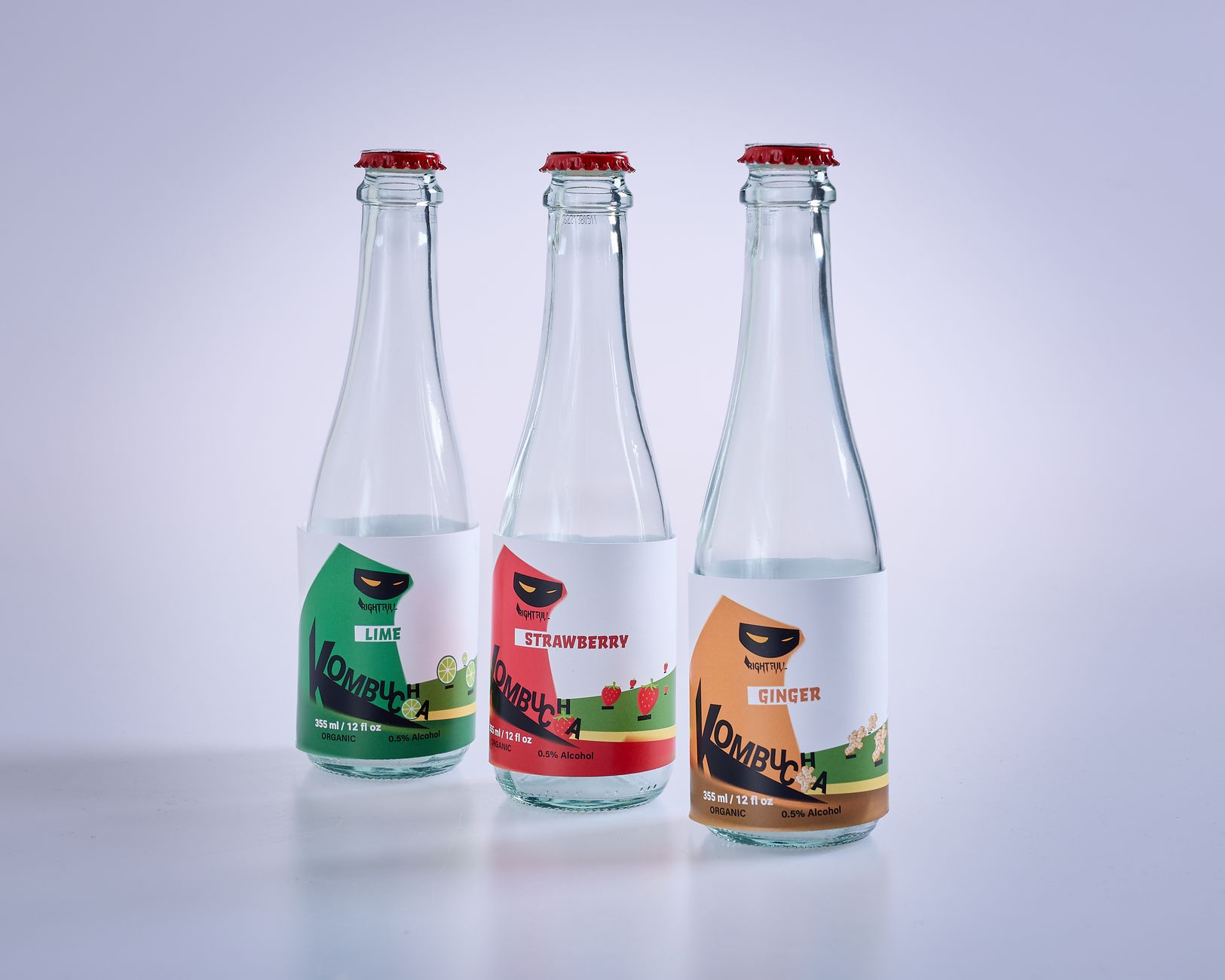
For context, a standard 12‑oz (355‑ml) bottle of kombucha can provide anywhere from 0.5 % to 2 % ABV and 20‑30 mg of caffeine. Splitting the bottle across two days, or diluting it with sparkling water, helps stay within the recommended daily limit. If you’re a heavy kombucha fan, consider rotating with other probiotic foods—like yogurt or kefir—to keep your gut health benefits without over‑consuming one beverage.
When tracking your intake, remember that other sources of alcohol and caffeine—such as coffee, tea, chocolate, and certain medications—add to the total. A simple way to stay within the limits is to treat kombucha as a “treat” rather than a staple, enjoying it a few times a week instead of daily, especially if you’re also consuming other caffeinated drinks.
What are the risks of drinking kombucha while pregnant?
The primary concerns are trace alcohol, caffeine, and the possibility of microbial contamination. While most commercial kombucha is produced under strict quality‑control standards, home‑brewed batches can harbor harmful bacteria or excess alcohol if the fermentation process isn’t carefully monitored. The CDC warns that “improperly fermented foods may contain pathogens such as Clostridium botulinum,” which can cause serious illness in any individual, especially pregnant people with altered immune responses.
Other reported side effects include gastrointestinal upset (bloating, gas) and mild acidity, which can aggravate heartburn—a common pregnancy complaint. Because kombucha is mildly acidic (pH ≈ 3–4), it may exacerbate dental erosion if consumed frequently without rinsing. Keeping your intake within the 8‑oz limit and drinking it with a straw can mitigate these issues.
Beyond the immediate physical effects, some expectant parents worry about the cumulative impact of trace alcohol on fetal development. Current research, summarized by the FDA and ACOG, indicates that the low levels found in regulated kombucha are unlikely to cause measurable harm, but the precautionary principle still guides the recommendation to stay under the daily limit.
Are there low‑alcohol kombucha brands safe for pregnancy?
Yes. Several mainstream brands market “non‑alcoholic” or “low‑alcohol” kombucha that stays under 0.5 % ABV. Examples include:
When choosing a brand, read the label for “alcohol content” and “caffeine” sections. If a label lists “0 % ABV” or “≤0.5 % ABV,” you can feel more confident that the product aligns with ACOG’s low‑alcohol recommendation. For added peace of mind, look for “certified organic” or “pasteurized” varieties, which typically undergo an extra step to reduce microbial risk.
Some newer brands also offer “herbal‑infused” kombucha that replaces tea with rooibos or hibiscus, naturally eliminating caffeine while still delivering probiotic benefits. These options can be especially appealing for those who are sensitive to caffeine or who experience heightened reflux in later pregnancy.
What are safe alternatives to kombucha for pregnant women?
Ginger tea – Soothes nausea without alcohol or caffeine.
Lemon water – Refreshing, vitamin C rich, and completely alcohol‑free.
Kefir (non‑alcoholic) – Provides probiotics similar to kombucha with a lower acidity profile.
Probiotic yogurt – Easy to digest, calcium‑rich, and widely available.
Apple cider vinegar drink (diluted) – Offers a tangy flavor and potential digestive benefits without significant alcohol.
Rooibos tea – Naturally caffeine‑free and rich in antioxidants.
Chamomile tea (pregnancy‑safe) – Gentle soothing effect; avoid large quantities.
Sparkling water with fruit – Gives fizzy enjoyment without alcohol or caffeine.
Fermented miso soup – Warm, protein‑rich, and low in alcohol.
Plain kefir water – A lightly carbonated probiotic drink made from water kefir grains, typically alcohol‑free.
Each alternative delivers a portion of the gut‑health benefits that many seek from kombucha, while sidestepping the concerns about trace alcohol and caffeine. For example, kefir contains a broader spectrum of bacterial strains, and ginger tea is well‑documented in the NHS guidelines as a safe remedy for nausea in pregnancy.
Can kombucha cause pregnancy complications like gestational diabetes?
Current evidence does not link moderate kombucha consumption to gestational diabetes. However, kombucha does contain a small amount of sugar—typically 2–5 g per 8‑oz serving—so excessive intake could contribute to overall carbohydrate load. The American Diabetes Association (ADA) advises pregnant individuals with gestational diabetes to monitor total sugar intake and choose low‑glycemic beverages. Sticking to the 8‑oz daily limit and selecting low‑sugar flavors (like plain or ginger) helps keep blood‑glucose spikes minimal.
For those already diagnosed with gestational diabetes, it’s wise to discuss kombucha with a dietitian or obstetrician, as individual tolerance can vary. In most cases, the probiotic benefits outweigh the modest sugar contribution, provided the portion ceiling is respected. Additionally, the slightly acidic nature of kombucha does not appear to influence insulin sensitivity, according to the limited studies available.
Is homemade kombucha safe for pregnant women?
Homemade kombucha carries a higher risk profile than store‑bought varieties. While the fermentation process can be mastered safely, it requires meticulous hygiene, precise temperature control, and regular testing of alcohol content. The CDC cautions that “home‑fermented foods may harbor harmful microbes if not prepared under sterile conditions.” Because pregnant people are more vulnerable to foodborne illnesses, most obstetric guidelines (including those from ACOG) recommend sticking with commercially produced kombucha that follows regulated safety standards.
If you still prefer to brew at home, ensure you:
Use a certified, food‑grade SCOBY.
Maintain fermentation temperatures between 20–30 °C (68–86 °F).
Test the final product for alcohol content (aim for ≤0.5 % ABV).
Pasteurize the finished batch (heat to 71 °C/160 °F for 30 seconds) to kill potential pathogens.
Even with these precautions, discuss your plan with your provider before consuming any homemade batch. A professional can help you interpret alcohol testing results and ensure the final product meets safety thresholds.
Does kombucha affect morning sickness during pregnancy?
Some pregnant people find that the ginger‑flavored kombucha varieties help calm nausea, thanks to ginger’s well‑documented anti‑emetic properties. However, the carbonation and acidity can sometimes worsen reflux, a common component of morning sickness. If you experience increased heartburn after drinking kombucha, try a ginger tea or a diluted apple cider vinegar drink instead. The NHS notes that “ginger is a safe, evidence‑based remedy for nausea in pregnancy,” making it a reliable alternative.
Overall, kombucha may provide modest relief for some, but it’s not a guaranteed treatment for morning sickness. Listening to your body and adjusting portion size is key. If nausea is severe or persistent, your provider may recommend vitamin B6 supplements or other medically approved remedies.
Choosing a low‑alcohol kombucha alongside ginger tea offers probiotic benefits while keeping caffeine and alcohol low.
Safety by trimester
First trimester
The first 12 weeks are when fetal organ systems develop. ACOG recommends limiting alcohol to less than 0.5 % ABV and caffeine to under 200 mg per day. A standard 8‑oz serving of low‑alcohol kombucha fits comfortably within these limits, providing a probiotic boost without notable teratogenic risk. Keep an eye on any gastrointestinal upset, as nausea and heartburn are common in early pregnancy.
Second trimester
During weeks 13–27, the fetus’s growth accelerates, and many pregnant people experience improved energy levels. Maintaining the same ≤8 oz daily limit continues to be prudent. If you’re craving more fizz, consider diluting kombucha with sparkling water or alternating with kefir to diversify your probiotic sources. The CDC notes that “moderate consumption of fermented foods is generally safe for healthy adults,” which includes pregnant individuals when portion sizes are controlled.
Third trimester
In the final stretch (weeks 28–40), the baby’s brain and lungs mature rapidly. Some women develop heightened sensitivity to caffeine and acidity, which can trigger reflux. Stick to the 8‑oz limit, choose caffeine‑free flavors (like rooibos or herbal blends), and sip slowly. If you notice increased swelling or unusual contractions after drinking kombucha, stop and consult your provider.
Breastfeeding
Post‑delivery, the same alcohol and caffeine guidelines apply. Small amounts of kombucha (≤8 oz) are unlikely to affect milk composition significantly. However, monitor your infant for any signs of fussiness or changes in feeding patterns, especially if you’re consuming flavored varieties with added sugars.
Kombucha and caffeine intake during pregnancy
Caffeine crosses the placenta, and excessive intake has been linked to lower birth weight. Kombucha’s caffeine content varies by brand, typically ranging from 5 mg to 30 mg per 8‑oz serving. The WHO advises pregnant people keep caffeine below 200 mg per day. By selecting low‑caffeine or caffeine‑free kombucha (often made with rooibos or herbal tea bases), you can stay comfortably within this limit while still enjoying the probiotic benefits.
Kombucha and prenatal vitamins: any interactions?
There is no known adverse interaction between kombucha and standard prenatal vitamins. However, kombucha’s acidity may affect the absorption of certain minerals, such as iron, if consumed immediately before or after a supplement. To maximize nutrient uptake, consider spacing your kombucha intake by at least an hour from your prenatal vitamin, or take the vitamin with a glass of water and a small snack.
Safe dosage / amount / brands
Based on ACOG and NHS recommendations, the safest dosage for most pregnant people is:
Daily limit
Alcohol content
Caffeine
Recommended brands
≤8 oz (≈240 ml)
≤0.5 % ABV (non‑alcoholic)
≤15 mg
GT’s Synergy, Humm Kombucha, KeVita Master Brew, Health‑Aid Original
8‑12 oz if brand ≤0.5 % ABV
0.5 % ABV max
15‑30 mg
Organic Kombucha Original (caffeine‑free)
If you’re choosing a flavor with added sugar, consider halving the serving size to keep overall sugar intake low. For caffeine‑sensitive individuals, opt for herbal kombucha varieties (e.g., rooibos‑based) that are naturally caffeine‑free.
Reading the label helps you stay within the safe alcohol and caffeine limits.
Side effects and risks
Most side effects are mild and stem from kombucha’s acidity or carbonation:
Heartburn or reflux – Common in pregnancy; mitigate by sipping slowly and avoiding citrus‑heavy flavors.
Gas and bloating – Probiotic activity can increase intestinal gas; reduce by limiting intake to ≤8 oz.
Allergic reaction – Rare, but some individuals may react to the yeast or SCOBY components; stop use and seek medical advice if you develop hives or swelling.
Potential contamination – More likely with homemade kombucha; look for off‑odors, mold, or unusual taste, and discard the batch.
Alcohol exposure – Exceeding the 0.5 % ABV limit could theoretically affect fetal development; stay within the recommended portion size.
If you notice severe abdominal pain, persistent vomiting, or signs of infection (fever, chills), contact your provider promptly. These symptoms are unlikely to be caused by kombucha alone but warrant professional evaluation.
Safer alternatives
Ginger tea – Natural anti‑nausea, zero alcohol, low caffeine.
Lemon water – Hydrating, vitamin C rich, no alcohol or caffeine.
Kefir (non‑alcoholic) – Probiotic‑dense, lower acidity than kombucha.
Probiotic yogurt – Easy source of live cultures with calcium.
Sparkling water with fruit – Fizzy enjoyment without alcohol or caffeine.
Fermented miso soup – Warm, protein‑rich, low in alcohol.
Plain water kefir – Lightly carbonated probiotic drink, typically alcohol‑free.
Related items — safety at a glance
Item
Verdict
One‑line note
Kefir
✅ Generally safe
Low‑alcohol, probiotic‑rich dairy drink.
Yogurt
✅ Generally safe
Pasteurized varieties pose no infection risk.
Sauerkraut
✅ Generally safe
Fermented cabbage; watch sodium content.
Kimchi
✅ Generally safe
Spicy fermented veg; limit if heartburn is an issue.
Miso soup
✅ Generally safe
Low‑alcohol, protein‑rich broth.
Tempeh
✅ Generally safe
Fermented soy; good protein source.
Apple cider vinegar
⚠️ Safe with limits
Diluted; trace alcohol, high acidity.
Fermented pickles
✅ Generally safe
Check for added sugars or high sodium.
Myth vs. fact
Myth: Kombucha is completely alcohol‑free, so it’s always safe for pregnant people. Fact: Most kombucha contains trace alcohol (0.5 %–2 % ABV). While low, it should be limited to ≤8 oz per day to stay within ACOG’s low‑alcohol guidance.
Myth: The probiotics in kombucha automatically protect against all pregnancy‑related digestive issues. Fact: Probiotics can support gut health, but excessive kombucha can cause bloating or reflux, especially in later pregnancy.
Myth: Homemade kombucha is safer because you control the ingredients. Fact: Home fermentation carries a higher risk of contamination; commercial brands follow regulated safety standards that are generally recommended by obstetric societies.
Key takeaways
✅ Kombucha can be enjoyed during pregnancy, but keep portions ≤8 oz (≈240 ml) per day.
🌿 If you need a probiotic boost without alcohol or caffeine, consider kefir, probiotic yogurt, or ginger tea.
📅 Treat kombucha as an occasional treat rather than a daily staple to stay comfortably within safety margins.
Frequently asked questions
Can I drink kombucha while pregnant?
Yes, you can drink kombucha while pregnant as long as you keep to ≤8 oz per day of a low‑alcohol (≤0.5 % ABV) and low‑caffeine variety.
What are the benefits of kombucha during pregnancy?
Kombucha offers probiotic bacteria that may aid digestion and support immune function, but the benefits are modest and must be weighed against its acidity, trace alcohol, and caffeine.
Is the alcohol content in kombucha harmful to a fetus?
At ≤0.5 % ABV and within the 8‑oz daily limit, the alcohol exposure is far below levels considered risky by ACOG and the FDA.
How many ounces of kombucha are safe per day for pregnant women?
Most experts recommend no more than 8 oz (≈240 ml) of low‑alcohol kombucha each day during pregnancy.
Are there any kombucha brands that are safe for pregnancy?
Brands such as GT’s Synergy, Humm Kombucha, KeVita Master Brew, and Health‑Aid Original label ≤0.5 % ABV and offer low‑caffeine options, making them suitable choices.
Does kombucha cause nausea in pregnancy?
For some, the carbonation and acidity can worsen heartburn or nausea, while ginger‑flavored kombucha may actually help relieve mild morning sickness.
Can kombucha affect my baby's development?
When consumed within the recommended limits, kombucha’s trace alcohol and caffeine are unlikely to impact fetal development, according to ACOG and FDA guidance.
Is homemade kombucha safer than store‑bought for pregnant women?
Commercial kombucha is generally safer because it follows regulated production standards; homemade versions can carry a higher risk of contamination.
Can I drink kombucha if I have a history of yeast infections during pregnancy?
Yes, but keep the portion to ≤8 oz per day and choose low‑sugar, low‑alcohol varieties; if you notice increased itching or discharge, discuss it with your provider.
Is kombucha safe for pregnant people who are gluten‑intolerant?
Kombucha is typically gluten‑free because it’s brewed from tea, not grains, but always check the label for added flavorings that might contain gluten.
When to call your doctor
Contact your obstetrician or midwife if you experience any of the following after drinking kombucha:
Severe or persistent heartburn that interferes with sleep.
Unexplained abdominal pain, fever, or vomiting.
Signs of an allergic reaction such as hives, swelling, or difficulty breathing.
Rapid weight loss or dehydration.
Any unusual fetal movement patterns.
These symptoms may indicate an underlying issue that requires professional evaluation. This article provides general information and is not a substitute for personalized medical advice.
References
American College of Obstetricians and Gynecologists (ACOG). “Nutrition During Pregnancy.” Updated 2023.
National Health Service (NHS). “Food safety for pregnant women.” Accessed July 2024.
U.S. Food and Drug Administration (FDA). “Alcohol content labeling for fermented beverages.” 2022.
Centers for Disease Control and Prevention (CDC). “Guidelines for home fermentation safety.” 2021.
American Diabetes Association (ADA). “Gestational Diabetes Nutrition Recommendations.” 2023.
Mayo Clinic. “Kombucha: Benefits and Risks.” Reviewed 2023.
World Health Organization (WHO). “Caffeine intake during pregnancy.” 2022.
Healthline. “Is kombucha safe during pregnancy?” Reviewed by obstetrician, 2024.
When Shubhra Mishra was expecting her first child in 2016, she was overwhelmed by conflicting food advice — one site said yes, another said never. By the time her second baby arrived in 2019, she realized millions of mothers face the same confusion.
That sparked a five-year journey through clinical nutrition papers, cultural diets, and expert conversations — all leading to BumpBites: a calm, compassionate space where science meets everyday motherhood.
Her long-term vision is to build a global community ensuring safe, supported, and free deliveriesfor every mother — because no woman should face pregnancy alone or uninformed. 🌿
🌍 Stand with mothers, shape safer guidance
Join a small circle of experts who review BumpBites articles so expecting parents everywhere can decide with confidence.