Matcha tea is safe in moderation during pregnancy, with a recommended dosage of 1 cup per day, especially in the second and third trimesters
By Shubhra Mishra — a mom of two who turned her own confusion during pregnancy into BumpBites, a global mission to make food choices clear, safe, and stress-free for every expecting mother. 💛
Check whether any food is safe during pregnancy with the BumpBites Food Safety Checker.
Quick verdict: ⚠️ Safe with limits. Matcha tea can be enjoyed during pregnancy, but keep caffeine intake below 200 mg per day and limit matcha to about one cup (≈1 gram of powder) daily, especially in the first trimester. Choose reputable brands and consider caffeine‑free alternatives if you’re sensitive.
It’s 2 a.m., the kitchen light is on, and you’ve just opened a tin of bright green matcha powder. “Is matcha tea safe for pregnancy?” you wonder, heart racing. You’re not alone—many expectant parents scramble for answers after discovering they’ve already sipped a latte or added matcha to a smoothie. The good news is that, for most pregnant people, matcha is not a red‑flag food, but it does come with caffeine‑related limits that deserve a clear, evidence‑based guide.
In this article we’ll give you the bottom‑line verdict on whether matcha tea is safe for pregnancy, break down the recommended amount by trimester, point you toward trusted brands, and list caffeine‑free beverages that can satisfy the same cravings. We’ll also cover the potential risks, side‑effects, and what to do if you’ve already consumed more than the suggested amount. By the end, you’ll have a calm, fact‑filled plan for enjoying your favorite green brew without unnecessary worry.
Whether you’re a seasoned matcha fan or a curious newcomer, the information below answers the most common questions about matcha tea safe for pregnancy, from caffeine limits to brand choices and safer alternatives. And if you’ve already enjoyed a few cups before confirming your pregnancy, you’ll find reassurance that a moderate approach is usually fine.
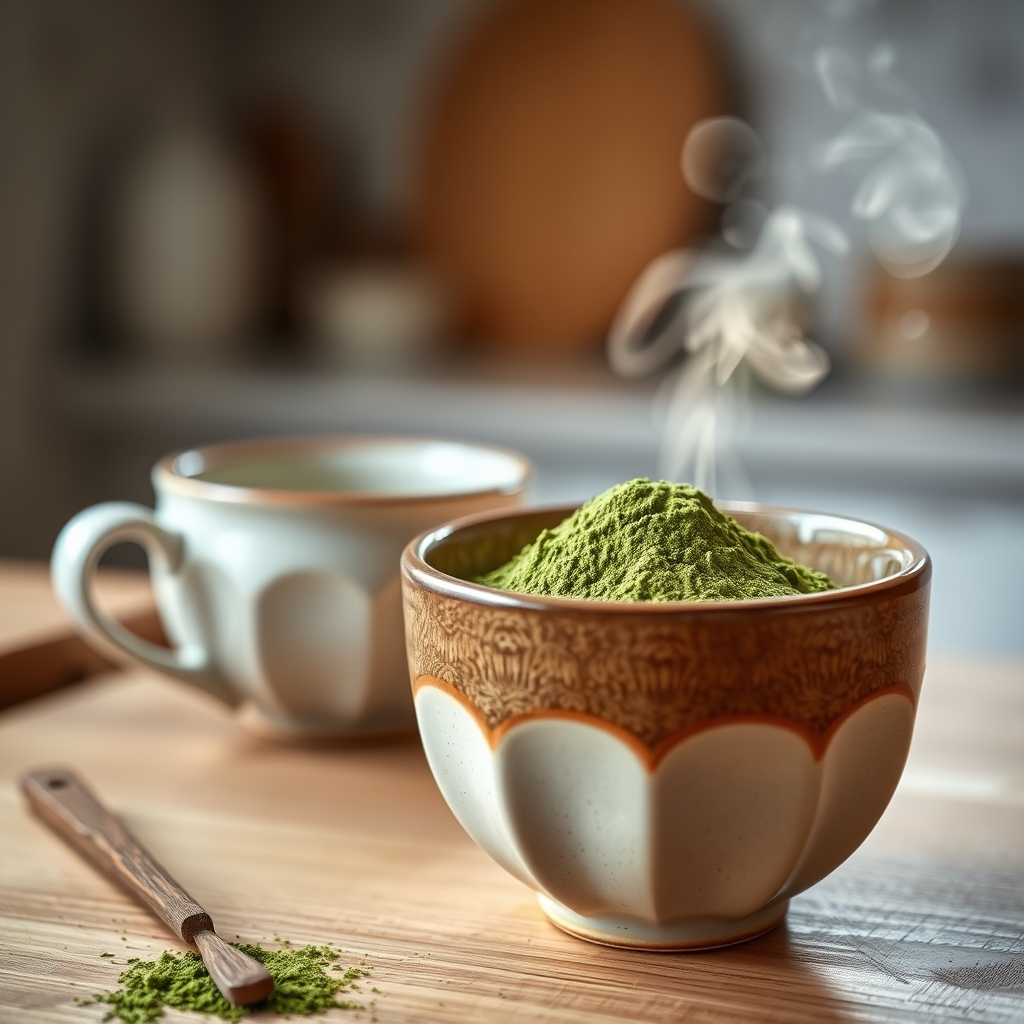
Measure your matcha carefully—about one gram per cup keeps caffeine within recommended limits.
Trimester / Stage
Verdict
Notes
First trimester
⚠️ Safe with limits
Limit to ≤1 g (≈1 cup) daily; keep total caffeine <200 mg.
Second trimester
⚠️ Safe with limits
Same caffeine limit; monitor for heartburn or insomnia.
Third trimester
⚠️ Safe with limits
Maintain ≤200 mg caffeine; avoid late‑day consumption to protect sleep.
Breastfeeding
⚠️ Safe with limits
Caffeine passes into breast milk; keep intake ≤200 mg/day.
What is matcha tea?
Matcha is a powdered form of green tea made from the leaves of Camellia sinensis that are shade‑grown, harvested, and stone‑ground into a fine, bright‑green powder. Unlike regular brewed green tea, where the leaves are steeped and then discarded, matcha delivers the whole leaf, meaning you ingest the full complement of catechins, chlorophyll, and caffeine. The most celebrated compound is epigallocatechin‑3‑gallate (EGCG), an antioxidant linked to metabolism support and anti‑inflammatory effects. Traditional Japanese tea ceremonies use a bamboo whisk to create a frothy, umami‑rich beverage, but today matcha appears in lattes, smoothies, baked goods, and even skincare products.
The caffeine content of matcha varies by grade and preparation method, but a typical serving (1 gram of powder mixed with water) contains roughly 70 mg of caffeine—about the same as a cup of black tea and roughly half the caffeine of a standard cup of coffee. Because the powder is consumed whole, matcha also provides a higher concentration of nutrients per serving compared with regular steeped tea.
Beyond its stimulating properties, matcha’s bright color comes from chlorophyll, which some studies suggest may support detoxification pathways. While the scientific community continues to explore these benefits, the primary safety considerations for pregnant people revolve around caffeine and potential mineral interactions, not the antioxidant profile itself. In Japan, centuries‑old cultivation methods emphasize low‑pesticide farming, but modern mass‑produced matcha can occasionally contain trace heavy metals if not properly tested, underscoring the importance of choosing reputable brands.
Is matcha tea safe during pregnancy?
Current guidance from major health authorities—including the American College of Obstetricians and Gynecologists (ACOG), the UK’s National Health Service (NHS), and the U.S. Food and Drug Administration (FDA)—places matcha in the same category as other caffeinated beverages. The consensus is that caffeine should be limited to no more than 200 mg per day for pregnant people. Since a single cup of matcha delivers about 70 mg, moderate consumption (up to two cups) can stay within the recommended limit, provided other caffeine sources (coffee, soda, chocolate) are accounted for.
Matcha’s additional antioxidants are not deemed harmful; in fact, the NHS notes that the polyphenols in green tea may have modest health benefits, such as improving insulin sensitivity. However, the high concentration of catechins can sometimes interfere with iron absorption, a concern especially in the first trimester when iron needs increase. To mitigate this, it’s advisable to drink matcha between meals rather than with iron‑rich foods or supplements.
Pregnancy also changes how the body processes caffeine. Studies show that the half‑life of caffeine can increase from about 3–5 hours to 8–10 hours during the second and third trimesters, meaning caffeine stays in the bloodstream longer. This slower metabolism reinforces the need to keep overall intake modest.
There is no robust evidence linking moderate matcha intake to miscarriage, birth defects, or developmental issues. A 2020 systematic review of caffeine exposure in pregnancy found no consistent association between caffeine doses under 200 mg/day and adverse outcomes. Nonetheless, because each pregnancy is unique, ACOG recommends that anyone who is sensitive to caffeine—or who experiences heart palpitations, insomnia, or heightened anxiety—should discuss personal limits with their provider.
For those who prefer a caffeine‑free experience, decaffeinated matcha (which retains most of the leaf’s antioxidants while removing the stimulant) is an excellent alternative. Decaf matcha typically contains less than 5 mg of caffeine per serving, well below the threshold that would raise concern.
Is matcha tea safe to drink during the first trimester of pregnancy?
During the first trimester, the embryo undergoes organogenesis, a period of rapid development that makes it the most vulnerable window for teratogenic exposures. While matcha itself is not a teratogen, the caffeine it contains can cross the placenta. Keeping caffeine below 200 mg/day is the precaution most obstetricians advise. One cup of matcha (≈1 g powder) is comfortably within that range, but combining it with coffee or other caffeinated drinks could push you over the limit.
If you’re new to matcha, start with a half‑teaspoon (≈0.5 g) and see how your body responds. Monitor for common early‑pregnancy symptoms—such as nausea, heartburn, or jitteriness—that caffeine can exacerbate. If any of these become pronounced, consider cutting back or switching to a caffeine‑free alternative.
It’s also worth noting that the first trimester often brings heightened sense of smell and taste. Some pregnant people find the earthy flavor of matcha less appealing during this time. If you’re experiencing aversions, a gentle, warm herbal tea may be more soothing.
Women with gestational diabetes should be especially mindful of caffeine because it can influence blood sugar spikes. A small, single‑serving of matcha is usually permissible, but it should be paired with protein or healthy fat to blunt any rapid glucose rise.
How much matcha can a pregnant woman consume each day without risk?
The safest guideline is to limit matcha to no more than 1 gram of powder per day, which translates to roughly one standard cup (8 oz) of prepared matcha. This amount provides about 70 mg of caffeine, leaving room for a small amount of coffee or tea while staying under the 200 mg daily ceiling. If you enjoy multiple cups of matcha, make sure to subtract the caffeine from other sources—most nutrition labels list caffeine content for coffee, sodas, and chocolate.
For those who prefer a stronger flavor, you can increase the powder to 1.5 g but should then eliminate other caffeine sources for the day. Pregnant people with a history of hypertension, anxiety, or sleep disturbances may want to stay at the lower 0.5 g (½ tsp) level.
Tracking your caffeine intake can be as simple as keeping a small notebook or using a phone app that lets you log each beverage. Popular apps such as MyFitnessPal or Pregnancy+ include caffeine‑tracking features, making it easy to stay within the recommended limit and give your provider a clear picture if you ever need to discuss your diet.
What are the potential risks of drinking matcha tea while pregnant?
The primary risk associated with matcha is its caffeine content. Excess caffeine can lead to increased heart rate, elevated blood pressure, and reduced uterine blood flow, which in theory could affect fetal growth. Studies have linked high caffeine intake (>300 mg/day) with a modest increase in the risk of low birth weight and preterm birth, though the data are not conclusive for moderate consumption.
Another consideration is the high level of catechins, which may interfere with iron absorption. Iron deficiency is already a common concern in pregnancy, so it’s wise to separate matcha consumption from iron‑rich meals or prenatal iron supplements by at least an hour.
Rarely, some matcha powders may be contaminated with lead or other heavy metals, especially if sourced from regions with lax agricultural regulations. Choosing brands that test for heavy metals and provide third‑party certifications can greatly reduce this risk. The FDA urges consumers to verify that their matcha comes from reputable producers that meet food‑safety standards.
For people with pre‑existing conditions such as gestational hypertension or anxiety disorders, the stimulant effect of caffeine may exacerbate symptoms. In those cases, a lower dose or a caffeine‑free alternative is advisable.
Which matcha brands are considered safest for expectant mothers?
When selecting a matcha brand, look for the following certifications and practices:
Organic certification (USDA Organic or EU Organic) – reduces pesticide exposure.
Third‑party testing for heavy metals, especially lead and cadmium.
Transparent sourcing – farms in Japan’s Uji or Nishio regions are traditionally vetted.
Low‑additive formulation – pure powder without sugar, artificial flavors, or added caffeine.
Brands that consistently meet these criteria include Matcha Love, Ippodo, Encha Organic, and Jade Leaf. These companies publish batch‑specific test results and have been praised by nutritionists for their purity. Avoid “flavored” matcha mixes that contain added sweeteners or other herbal extracts unless those additives are also pregnancy‑safe.
If you’re shopping online, check the product description for statements like “tested for lead < 10 ppb” or “certified organic.” When in doubt, contact the manufacturer directly for their latest lab reports.
Can I replace matcha with other herbal teas for a caffeine‑free pregnancy beverage?
Absolutely. If you’re looking to avoid caffeine altogether, there are several herbal teas that are generally recognized as safe during pregnancy. Rooibos tea, peppermint tea, ginger tea, lemon balm tea, and hibiscus tea (in moderation) provide soothing flavors without the stimulant effect. Decaf green tea offers the same antioxidant profile as matcha but with negligible caffeine. Fruit‑infused water and warm milk with honey are also gentle, hydrating options that can satisfy a craving for a warm, comforting drink.
When choosing an herbal tea, verify that the blend does not contain unsafe herbs such as licorice root, sage, or certain essential‑oil concentrates, which can affect uterine tone or blood pressure. Most mainstream tea bags list their ingredients clearly, and reputable brands will label “pregnancy‑safe” on the packaging.
For a soothing bedtime routine, consider a cup of rooibos blended with a splash of vanilla almond milk. The combination offers a creamy texture, antioxidants, and no caffeine, making it a perfect alternative to a late‑day matcha latte.
Does matcha intake affect pregnancy complications such as gestational diabetes or hypertension?
Research on matcha specifically is limited, but broader studies on green tea suggest a neutral to mildly beneficial effect on blood glucose regulation. The antioxidants in green tea may improve insulin sensitivity, which could theoretically aid in managing gestational diabetes. However, the caffeine component can raise blood pressure in some individuals. For pregnant people with a history of hypertension, it’s prudent to monitor blood pressure after consuming matcha and discuss any concerns with a healthcare provider.
Overall, moderate matcha consumption (≤1 g per day) is unlikely to trigger or worsen gestational diabetes or hypertension, especially when paired with a balanced diet and regular prenatal care.
What are the recommended caffeine limits for pregnant women and how does matcha fit within them?
Both ACOG and the NHS recommend that pregnant people limit caffeine intake to no more than 200 mg per day. Matcha, at roughly 70 mg per standard cup, fits comfortably within this guideline when consumed once daily. If you also drink coffee (≈95 mg per 8‑oz cup) or tea (≈40‑70 mg per cup), you’ll need to adjust your matcha portion accordingly to stay below the total limit.
It’s helpful to track your caffeine sources in a simple notebook or phone app. Remember that chocolate, certain sodas, and some over‑the‑counter medications also contain caffeine, so the cumulative amount can add up quickly.
For those who enjoy the flavor of matcha but want to stay well under the caffeine ceiling, a half‑teaspoon (0.5 g) provides about 35 mg of caffeine—roughly the amount found in a small piece of dark chocolate. This can be a good compromise for early‑pregnancy sensitivity.
Safe dosage, amount, and brand recommendations
Serving size
Caffeine per serving
Recommended daily limit
Notes / Brand suggestions
½ tsp (0.5 g) matcha powder
≈35 mg
Up to 2 servings (≈70 mg) if no other caffeine
Good for early‑pregnancy sensitivity; try Encha Organic.
1 tsp (1 g) matcha powder
≈70 mg
One serving per day within 200 mg total limit
Standard serving; brands: Jade Leaf, Ippodo.
1.5 tsp (1.5 g) matcha powder
≈105 mg
Only if no other caffeine sources
Use for a stronger latte; verify heavy‑metal testing.
When buying matcha, prioritize these brand qualities:
USDA Organic seal – limits pesticide exposure.
Third‑party lab results – confirms low lead and cadmium levels.
Pure, single‑origin powder – no added sugars or flavorings.
If you experience any of the following after drinking matcha—persistent heart palpitations, severe headaches, or sudden swelling—contact your provider promptly, as these could signal caffeine‑related complications.
Side effects and risks
Most pregnant people tolerate a modest amount of matcha without issue. The most common, mild side effects stem from caffeine:
Jitters or nervousness – especially if you’re caffeine‑sensitive.
Insomnia – avoid drinking matcha after 2 p.m. to protect sleep.
Heartburn – the acidity of matcha can aggravate reflux, a common pregnancy symptom.
More serious concerns, though rare, include:
Increased blood pressure – monitor if you have a history of hypertension.
Reduced iron absorption – separate matcha from iron‑rich meals by at least one hour.
These risks are manageable with mindful consumption and brand selection. If any symptom feels severe—such as a rapid heartbeat exceeding 100 bpm at rest, persistent dizziness, or swelling of the hands and feet—seek medical advice promptly.
Safer alternatives
Rooibos tea – naturally caffeine‑free and rich in antioxidants.
Peppermint tea – soothing for nausea and safe throughout pregnancy.
Ginger tea – helps with morning sickness without caffeine.
Lemon balm tea – gentle calming effects and safe for expectant mothers.
Hibiscus tea – offers vitamin C; limit to 1–2 cups daily due to mild acidity.
Decaf green tea – retains catechins while eliminating caffeine.
Fruit‑infused water – hydrating and flavorful without stimulants.
Warm milk with honey – comforting bedtime drink, providing calcium and soothing sweetness.
Related items — safety at a glance
Item
Verdict
One‑line note
Green tea (brewed)
⚠️ Safe with limits
≈40‑70 mg caffeine per cup; keep total <200 mg.
Black tea
⚠️ Safe with limits
≈95 mg caffeine per cup; watch total intake.
Coffee
⚠️ Safe with limits
≈95‑150 mg per 8‑oz cup; limit to 1‑2 cups.
Yerba mate
⚠️ Safe with limits
≈30‑50 mg caffeine per cup; avoid excessive consumption.
Matcha latte
⚠️ Safe with limits
Same caffeine as matcha powder; watch added sugars.
Energy drinks
❌ Best avoided
High caffeine and added stimulants not recommended.
Kombucha
⚠️ Safe with limits
Contains trace caffeine; also probiotic benefits.
Herbal teas with caffeine (e.g., guarana)
❌ Best avoided
Often contain high caffeine or untested herbs.
Decaf green tea
✅ Safe
Less than 5 mg caffeine per cup; retains antioxidants.
Rooibos tea
✅ Safe
Caffeine‑free, rich in antioxidants, excellent for pregnancy.
Myth vs. fact
Myth: “All green teas, including matcha, are completely safe at any amount during pregnancy.”
Fact: While green tea is generally safe, the caffeine in matcha still counts toward the 200 mg daily limit set by ACOG and NHS. Overconsumption can raise blood pressure and affect iron absorption.
Myth: “Matcha’s antioxidants cancel out any caffeine risks.”
Fact: Antioxidants do not neutralize caffeine’s physiological effects. Both should be considered separately when evaluating safety.
Myth: “Decaf matcha still contains enough caffeine to be unsafe.”
Fact: Decaf matcha typically contains less than 5 mg of caffeine per serving, which is well below the threshold for concern, making it a safe option for most pregnant individuals.
Myth: “If a small amount of matcha is safe, any amount is fine as long as it’s organic.”
Fact: Organic status addresses pesticide exposure, not caffeine content. Even organic matcha must be limited to stay under the recommended caffeine ceiling.
Key takeaways
✅ Matcha tea is safe for pregnancy when limited to ≤1 gram (≈1 cup) per day, keeping total caffeine <200 mg.
⚠️ The first trimester is the most sensitive period; start with a half‑teaspoon and monitor symptoms.
Choose organic, third‑party tested brands to avoid pesticide and heavy‑metal contamination.
If you’re caffeine‑sensitive or have hypertension, consider caffeine‑free alternatives like rooibos or decaf green tea.
Always discuss your caffeine intake with your prenatal provider, especially if you’re taking iron supplements or have gestational diabetes.
Track all caffeine sources throughout the day to stay comfortably under the 200 mg limit.
Frequently asked questions
Can pregnant women drink matcha?
Yes, pregnant women can drink matcha as long as they keep caffeine intake below 200 mg per day, which generally means limiting matcha to about one gram (≈1 cup) daily.
How much caffeine is in a cup of matcha?
A standard 8‑oz cup made with 1 gram of matcha powder contains roughly 70 mg of caffeine, comparable to a cup of black tea and well under the 200 mg daily limit.
Is decaf matcha safe during pregnancy?
Decaf matcha contains less than 5 mg of caffeine per serving, making it safe for pregnancy and a good option for those who want the antioxidants without the stimulant effect.
Does matcha increase the risk of miscarriage?
Current evidence does not link moderate matcha consumption (≤1 g per day) with miscarriage. The primary concern is caffeine, and staying under 200 mg per day mitigates this risk.
Can matcha cause gestational hypertension?
High caffeine intake can raise blood pressure, but moderate matcha consumption within the recommended limits is unlikely to cause gestational hypertension. Those with a history of hypertension should monitor their blood pressure after drinking matcha.
What are the benefits of matcha for pregnant women?
Matcha provides antioxidants like EGCG, which may support immune function and metabolic health. However, these benefits must be balanced against caffeine intake, so modest consumption is advised.
When should I stop drinking matcha while pregnant?
If you exceed the 200 mg caffeine limit, experience symptoms such as persistent heart palpitations, or develop gestational hypertension, you should reduce or stop matcha and discuss alternatives with your provider.
Can I use matcha powder in recipes like smoothies or baked goods?
Yes, you can incorporate matcha into smoothies, oatmeal, or baked goods, but you should still count the caffeine content of the powder toward your daily limit. A typical recipe using 1 gram of matcha adds about 70 mg of caffeine.
Is it okay to combine matcha with other caffeinated drinks?
Combining matcha with coffee, tea, or soda can quickly push your caffeine intake over the 200 mg threshold. If you enjoy multiple caffeinated beverages, reduce the amount of matcha accordingly or switch to a decaf version.
Is matcha safe while breastfeeding?
Yes, matcha is generally considered safe while breastfeeding if you keep total caffeine under 200 mg per day. Caffeine does pass into breast milk, but the amounts from a single cup of matcha are low and unlikely to affect the baby.
Can I add matcha to prenatal vitamins?
Adding matcha directly to prenatal vitamins is not recommended because the caffeine could exceed safe limits and interact with iron absorption. Instead, enjoy matcha as a separate beverage and keep track of your overall caffeine intake.
Herbal teas like rooibos and peppermint provide soothing flavors without caffeine.
When to call your doctor
If you notice any of the following after consuming matcha, contact your healthcare provider promptly:
Rapid heartbeat (>100 bpm at rest) or irregular rhythm.
Severe or persistent headache that doesn’t improve with rest.
New or worsening high blood pressure (≥140/90 mmHg).
Significant swelling of hands, feet, or face.
Unexplained nausea, vomiting, or dizziness lasting more than a few hours.
These symptoms could indicate that caffeine intake is affecting your pregnancy health. Always remember that the information in this article is for educational purposes only and does not replace personalized medical advice.
References
American College of Obstetricians and Gynecologists. “Committee Opinion No. 579: Caffeine Consumption During Pregnancy.” ACOG, 2015.
National Health Service (NHS). “Caffeine and pregnancy.” NHS, 2023.
U.S. Food and Drug Administration (FDA). “Caffeine: How much is too much?” FDA, 2022.
World Health Organization (WHO). “Guidelines for caffeine intake during pregnancy.” WHO, 2021.
American Pregnancy Association. “Green Tea and Pregnancy.” APA, 2020.
Centers for Disease Control and Prevention (CDC). “Maternal Health – Caffeine.” CDC, 2022.
European Food Safety Authority (EFSA). “Scientific opinion on the safety of caffeine.” EFSA Journal, 2015.
When Shubhra Mishra was expecting her first child in 2016, she was overwhelmed by conflicting food advice — one site said yes, another said never. By the time her second baby arrived in 2019, she realized millions of mothers face the same confusion.
That sparked a five-year journey through clinical nutrition papers, cultural diets, and expert conversations — all leading to BumpBites: a calm, compassionate space where science meets everyday motherhood.
Her long-term vision is to build a global community ensuring safe, supported, and free deliveriesfor every mother — because no woman should face pregnancy alone or uninformed. 🌿
🌍 Stand with mothers, shape safer guidance
Join a small circle of experts who review BumpBites articles so expecting parents everywhere can decide with confidence.