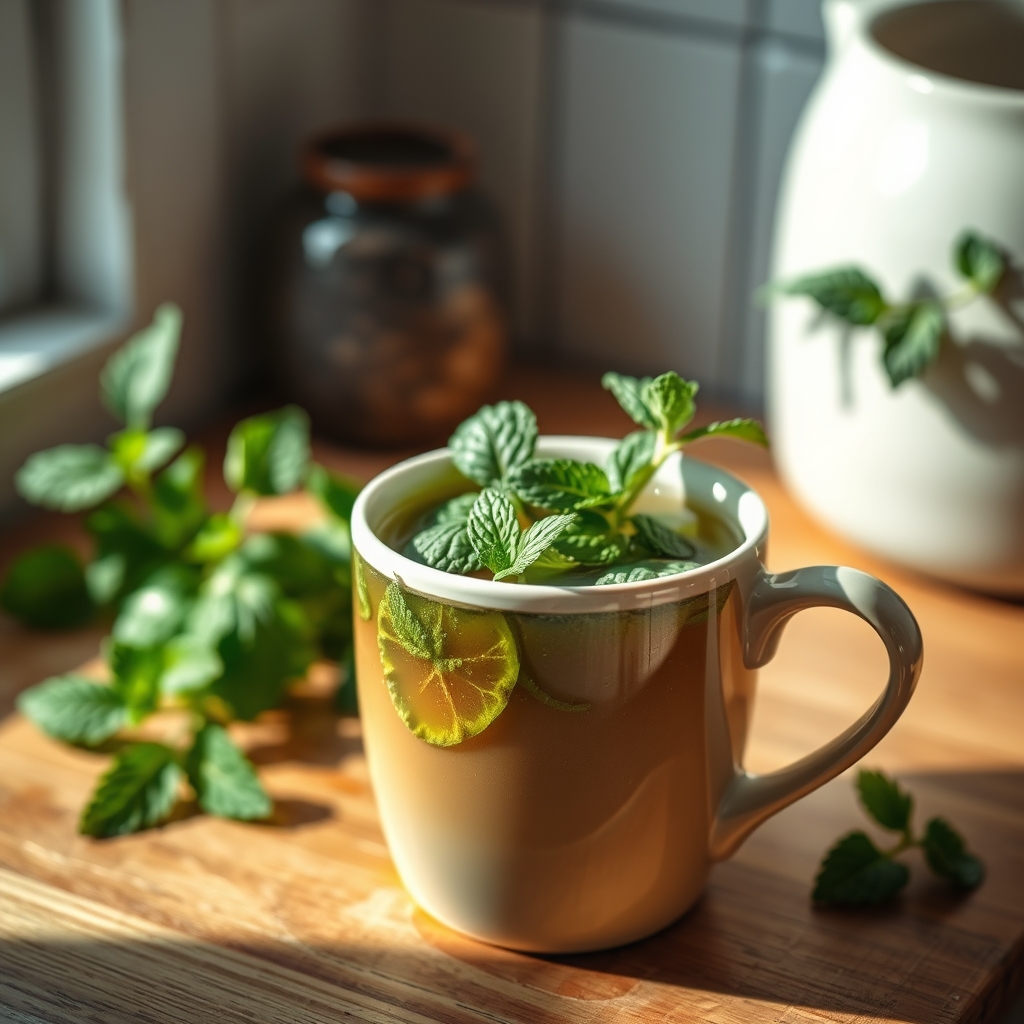
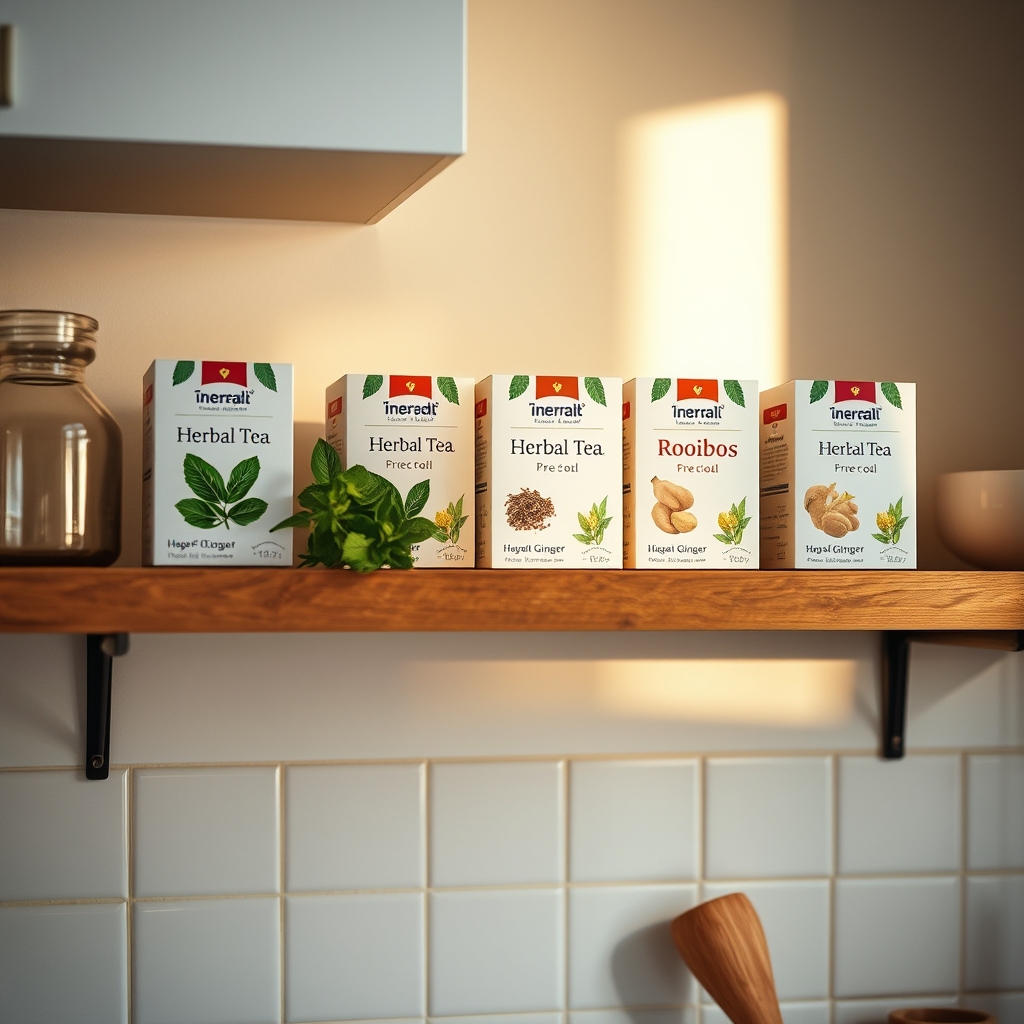
Mint tea is safe in moderation during pregnancy, with a recommended dosage of 1-2 cups per day, especially in the second and third trimesters
By Shubhra Mishra — a mom of two who turned her own confusion during pregnancy into BumpBites, a global mission to make food choices clear, safe, and stress-free for every expecting mother. 💛
Check whether any food is safe during pregnancy with the BumpBites Food Safety Checker.
Quick verdict: ⚠️ Safe with limits – moderate mint tea consumption (up to 2 cups per day) is generally considered safe for most pregnant people, but it’s best to avoid excessive amounts and talk to your provider if you have morning‑sickness, GERD, or other concerns.
It’s 2 a.m., the kitchen light is on, and you’re wondering whether that soothing cup of mint tea you just brewed is okay for the baby. You’re not alone—many expectant parents have that exact question, especially when the soothing aroma of mint feels like the perfect remedy for nausea or a restless night. The short answer is that mint tea safe for pregnancy in moderation, but there are a few nuances to keep in mind.
In this article we’ll break down the current medical guidance, look at trimester‑specific recommendations, outline how much mint tea you can comfortably enjoy each day, flag any potential risks, and suggest pregnancy‑friendly alternatives. We’ll also point you toward reputable brands and give you a quick‑look comparison of related herbal teas so you can feel confident making the best choice for you and your growing baby.
Stage
Verdict
Notes
1st trimester
⚠️ Safe with limits
Up to 1–2 cups/day; avoid high‑dose menthol extracts if you have severe nausea.
2nd trimester
✅ Generally safe
1–2 cups/day fine; monitor for reflux.
3rd trimester
✅ Generally safe
Same limits; excessive amounts may relax uterine muscles—stay within recommended amount.
Breastfeeding
✅ Generally safe
Moderate intake (1–2 cups) is fine; mint may reduce milk supply in rare cases.
Mint tea is an herbal infusion made from the leaves of the mint plant (Mentha spp.), most commonly peppermint (Mentha piperita) or spearmint (Mentha spicata). The leaves contain menthol, a natural compound that gives mint its cooling sensation and mild antispasmodic properties. When steeped in hot water, the essential oils dissolve, creating a fragrant, caffeine‑free beverage that many people turn to for digestion aid, nausea relief, and a calming effect. Because it’s technically an herbal tea rather than a true tea (Camellia sinensis), it doesn’t contain caffeine unless blended with other ingredients.
Most people enjoy mint tea as a soothing nighttime drink or a gentle way to settle an upset stomach. The menthol in mint can relax smooth muscle, which is why it’s sometimes used to ease digestive cramps and reduce the feeling of heartburn. In pregnancy, these same properties can be a double‑edged sword—while they may help with mild nausea, they could theoretically affect uterine tone if consumed in very large quantities. That’s why the safety guidance emphasizes moderation.
Is mint tea safe to drink during the first trimester of pregnancy?
The first trimester is the period of organogenesis, when the baby’s major organs are forming, and many clinicians advise extra caution with any substances that could theoretically interfere with development. According to the American College of Obstetricians and Gynecologists (ACOG), moderate consumption of most caffeine‑free herbal teas, including mint tea, is acceptable during early pregnancy. The UK’s National Health Service (NHS) echoes this, noting that “herbal teas are generally safe in pregnancy when taken in normal food‑type amounts.”
Menthol, the active ingredient in mint, does not cross the placenta in significant amounts, and no large‑scale studies have linked typical mint tea consumption (1–2 cups per day) with birth defects. However, the ACOG cautions that very high doses of menthol—such as those found in concentrated essential‑oil supplements—should be avoided because they could theoretically relax uterine muscles. For most pregnant people, enjoying a cup or two of mint tea in the first trimester is considered safe.
How much mint tea can a pregnant woman safely consume each day?
Clinical guidance from the FDA and ACOG suggests that a “moderate” intake of herbal tea is roughly 1–2 cups (240–480 ml) per day. This amount provides the soothing benefits of menthol without reaching levels that could potentially affect uterine tone or cause gastrointestinal reflux. For mint tea specifically, most obstetricians recommend staying within this 1–2 cup range, especially if you have a history of heartburn or are experiencing severe morning sickness.
Exceeding three cups a day may increase the risk of menthol‑induced relaxation of the lower esophageal sphincter, potentially worsening acid reflux—a common pregnancy complaint. If you find yourself craving more than two cups, consider alternating with other pregnancy‑safe herbal teas (like ginger or rooibos) to keep your overall mint intake low.
What are the potential risks of drinking mint tea while pregnant?
For most pregnant people, the risks are minimal. The primary concerns revolve around:
Excessive menthol intake: Very high doses could theoretically relax uterine smooth muscle, though real‑world evidence of this effect at typical tea‑drinking levels is lacking.
Gastroesophageal reflux (GERD): Mint can relax the lower esophageal sphincter, potentially worsening heartburn, especially in the third trimester when the growing uterus already puts pressure on the stomach.
Interaction with medications: Mint may modestly affect the metabolism of certain drugs (e.g., some antacids), but these interactions are generally weak. Always check with your provider if you’re on prescription meds.
There is no solid evidence linking moderate mint tea consumption to miscarriage, preterm labor, or congenital anomalies. If you experience any of the red‑flag symptoms listed later (such as persistent uterine cramping or severe nausea that doesn’t improve), it’s wise to pause the tea and discuss it with your clinician.
Are there any pregnancy‑safe mint tea brands recommended by doctors?
While brand safety is more about ingredient purity than the company name, many obstetricians and midwives suggest looking for products that are:
Certified organic (reducing pesticide exposure).
Free of added caffeine, artificial flavors, or unnecessary herbs.
Packaged by reputable manufacturers that follow Good Manufacturing Practices (GMP).
Some widely‑available, pregnancy‑friendly options include:
Traditional Medicinals Peppermint Herbal Tea – organic, non‑GMO, no added sugars.
Celestial Seasonings Peppermint Tea – caffeine‑free, widely tested for contaminants.
Yogi Tea “Mint” – herbal blend, vegan, and certified kosher.
Twinings “Pure Peppermint” – simple ingredient list, no added flavors.
Regardless of brand, always read the label to ensure the tea is 100 % mint leaves and does not contain hidden caffeine or other herbs that might be contraindicated in pregnancy.
Can mint tea cause complications for pregnant women with morning sickness?
Mint tea is often touted as a natural remedy for nausea, and many pregnant people find the cool menthol calming. ACOG acknowledges that peppermint can help alleviate mild nausea, but the evidence is anecdotal rather than from large randomized trials. If you have moderate to severe morning sickness (hyperemesis gravidarum), a cup of warm mint tea may provide temporary relief, but it should not replace medical treatment.
Because mint can relax the lower esophageal sphincter, it may exacerbate reflux in some individuals. If you notice increased heartburn after drinking mint tea, try limiting intake to one cup and pairing it with a small, bland snack. For persistent nausea, discuss anti‑emetic options with your provider—many are proven safe in pregnancy.
What are safe herbal tea alternatives to mint tea during pregnancy?
Ginger tea: Proven to reduce nausea and safe throughout pregnancy (per ACOG).
Rooibos tea: Caffeine‑free, rich in antioxidants, and considered safe by the NHS.
Lemongrass tea: Mild flavor; generally regarded safe in moderate amounts.
Fruit‑infused water: Hydrating and free of herbs; add slices of citrus or berries for flavor.
Caffeine‑free herbal tea blends: Look for blends labeled “pregnancy‑safe” that avoid high‑dose licorice or sage.
Warm apple cider (unsweetened): Provides a comforting warmth without caffeine or strong herbs.
Chamomile tea (in moderation): Generally safe, though some clinicians advise caution due to rare allergic reactions.
Does mint tea affect labor or delivery timing?
There is no robust clinical evidence that normal mint tea consumption (1–2 cups per day) influences the onset of labor or shortens delivery time. ACOG’s guidelines on herbal teas do not list mint as a labor‑inducing agent. Very high doses of menthol—far beyond what you’d get from a cup of tea—could theoretically relax uterine muscle, but such amounts would be unrealistic to achieve through normal tea drinking.
If you’re approaching term and have concerns about uterine activity, it’s safest to stick to the recommended 1–2 cup limit and discuss any herbal supplement use with your obstetrician.
Is it okay to drink peppermint tea versus regular mint tea while pregnant?
“Peppermint tea” and “mint tea” are often used interchangeably, but peppermint specifically refers to Mentha piperita, which contains a higher concentration of menthol than spearmint (Mentha spicata). Both varieties are considered safe in moderation, but because peppermint has more menthol, some clinicians suggest a slightly more conservative limit (no more than 1 cup per day) if you’re especially sensitive to menthol’s muscle‑relaxing effects. For most pregnant people, the difference is minor, and sticking to the 1–2 cup guideline works for both.
Enjoy a gentle cup of mint tea as part of a balanced pregnancy diet—just keep it to 1–2 cups a day.
Safe dosage, amount, and brand recommendations
Based on guidance from ACOG, the NHS, and the FDA, the following dosage framework is widely accepted:
Category
Recommended daily amount
Notes / Brand examples
Standard mint tea (peppermint or spearmint)
1–2 cups (240–480 ml) per day
Traditional Medicinals Peppermint, Celestial Seasonings Peppermint, Yogi Mint
Concentrated mint extracts (essential oil)
Avoid during pregnancy
Only use under provider supervision
Mint‑flavored blends with added caffeine
Limit caffeine to < 200 mg per day (≈ 1 cup coffee)
Check label; choose caffeine‑free versions
If you have GERD or a history of heartburn, you may want to stay on the lower end of the range (1 cup) and sip slowly rather than drinking a large, hot mug quickly. For those with severe morning sickness, a single cup of warm mint tea can be soothing, but pairing it with ginger tea on alternate days can provide broader nausea relief without overloading on menthol.
Side effects and risks
Most pregnant people tolerate mint tea without any issues. When side effects do appear, they are usually mild and include:
Heartburn or acid reflux – especially after a large, hot cup.
Occasional dizziness or a cooling sensation in the throat from menthol.
Rare allergic reactions (skin rash or itching) if you’re sensitive to mint.
If you notice any of the following, contact your provider promptly:
Persistent uterine cramping or irregular contractions.
Severe nausea that does not improve with tea or other home remedies.
Signs of dehydration (dizziness, dark urine) after drinking large amounts of hot liquid.
Safer alternatives
Ginger tea – clinically proven to reduce nausea and safe throughout pregnancy.
Rooibos tea – caffeine‑free, antioxidant‑rich, and gentle on the stomach.
Lemongrass tea – soothing flavor, low risk when consumed in moderation.
Fruit‑infused water – hydrating and free of any herb‑related concerns.
Caffeine‑free herbal tea blends – choose those without licorice, sage, or other contraindicated herbs.
Warm unsweetened apple cider – comforting and safe, though watch for added sugars.
Chamomile tea (in moderation) – generally safe, but discuss with your provider if you have a ragweed allergy.
Related items — safety at a glance
Herbal beverage
Verdict
One‑line note
Peppermint tea
⚠️ Safe with limits
Limit to 1–2 cups/day; high menthol may relax uterine muscle.
Ginger tea
✅ Generally safe
Effective for nausea; no known uterine effects.
Chamomile tea
⚠️ Safe with limits
Moderate use OK; rare allergic reactions possible.
Rooibos tea
✅ Generally safe
Caffeine‑free, antioxidant‑rich, no known risks.
Hibiscus tea
⚠️ Talk to doctor
May affect blood pressure; consult provider if hypertensive.
Lemongrass tea
✅ Generally safe
Gentle flavor; keep to moderate amounts.
Lemon balm tea
⚠️ Safe with limits
May have mild sedative effect; limit to 1 cup/day.
Myth vs. fact
Myth: Mint tea can cause miscarriage.
Fact: No scientific evidence links moderate mint tea consumption (1–2 cups/day) to miscarriage. Excessive menthol doses—far beyond a typical cup—are the only theoretical concern.
Myth: All herbal teas are unsafe during pregnancy.
Fact: Many herbal teas, including mint, ginger, and rooibos, are considered safe when consumed in normal food‑type amounts. The key is to avoid high‑dose extracts and herbs known to be teratogenic.
Myth: Peppermint and spearmint are the same and have identical safety profiles.
Fact: Peppermint contains more menthol, so some clinicians suggest a slightly lower limit (no more than 1 cup) compared with spearmint, though both are safe within the 1–2 cup range.
Key takeaways
Mint tea is generally safe for pregnancy when limited to 1–2 cups per day.
First‑trimester use is acceptable, but keep to moderate amounts and watch for reflux.
Choose certified‑organic, caffeine‑free brands without added herbs.
If you have severe morning sickness or GERD, consider ginger tea or rooibos as alternatives.
Contact your provider if you experience persistent uterine cramps, severe nausea, or any allergic reaction.
Frequently asked questions
Can I drink mint tea while pregnant?
Yes—most obstetric guidelines say that 1–2 cups of mint tea per day are safe for pregnant people, provided you have no specific contraindications such as severe reflux or a known mint allergy.
How many cups of mint tea are safe during pregnancy?
Up to two standard cups (about 240 ml each) daily is considered a safe amount; exceeding three cups may increase the risk of heartburn or, in theory, affect uterine tone.
Does mint tea cause uterine contractions?
There is no solid evidence that normal‑dose mint tea triggers uterine contractions. Very high menthol concentrations—far beyond what a cup of tea provides—could theoretically relax uterine muscle, but this is not a concern at typical consumption levels.
Is peppermint tea different from mint tea for pregnant women?
Both refer to the same herb family, but peppermint contains more menthol. Because of the higher menthol content, some clinicians advise a slightly lower limit (no more than one cup) for peppermint tea, though the overall safety range remains 1–2 cups per day.
What are the benefits of drinking mint tea during pregnancy?
Mint tea can soothe nausea, aid digestion, and provide a calming, caffeine‑free beverage; its menthol content may also help relieve mild headaches and promote relaxation.
Are there any side effects of mint tea for pregnant moms?
Most side effects are mild, such as heartburn or a cooling sensation; rare allergic reactions may occur. Persistent uterine cramping or severe reflux should prompt a call to your provider.
Should I avoid mint tea if I have morning sickness?
Mint tea can actually help ease mild morning sickness, but if you notice worsened reflux or heartburn, limit intake to one cup and consider ginger tea as an alternative.
Mix and match pregnancy‑safe herbal teas for variety and balanced hydration.
When to call your doctor
If you experience any of the following after drinking mint tea, contact your obstetric provider promptly:
Persistent uterine cramping or irregular contractions.
Severe or worsening heartburn that does not improve with lifestyle changes.
Signs of an allergic reaction (rash, itching, swelling).
Uncontrolled nausea that interferes with nutrition or hydration.
Any new, concerning symptoms such as dizziness, faintness, or unusual bleeding.
Remember, this article provides general information and is not a substitute for personalized medical advice. Always discuss any herbal or dietary changes with your healthcare provider.
References
American College of Obstetricians and Gynecologists (ACOG). “Nutrition During Pregnancy.” 2023.
National Health Service (NHS). “Herbal teas in pregnancy.” Updated 2022.
U.S. Food and Drug Administration (FDA). “Guidance for Industry: Herbal Dietary Supplements.” 2021.
Centers for Disease Control and Prevention (CDC). “Pregnancy and Nutrition.” 2023.
Mayo Clinic. “Herbal tea safety during pregnancy.” Accessed July 2024.
World Health Organization (WHO). “Traditional medicines and herbal products: Safety considerations.” 2022.
When Shubhra Mishra was expecting her first child in 2016, she was overwhelmed by conflicting food advice — one site said yes, another said never. By the time her second baby arrived in 2019, she realized millions of mothers face the same confusion.
That sparked a five-year journey through clinical nutrition papers, cultural diets, and expert conversations — all leading to BumpBites: a calm, compassionate space where science meets everyday motherhood.
Her long-term vision is to build a global community ensuring safe, supported, and free deliveriesfor every mother — because no woman should face pregnancy alone or uninformed. 🌿
🌍 Stand with mothers, shape safer guidance
Join a small circle of experts who review BumpBites articles so expecting parents everywhere can decide with confidence.