Safe: Throat coat tea is generally safe during pregnancy when limited to 1‑2 cups per day, especially after the first trimester; avoid high‑dose herbal blends.
By Shubhra Mishra — a mom of two who turned her own confusion during pregnancy into BumpBites, a global mission to make food choices clear, safe, and stress-free for every expecting mother. 💛
Check whether any food is safe during pregnancy with the BumpBites Food Safety Checker.
Quick verdict: ⚠️ Talk to your doctor first. Throat coat tea can be enjoyed in moderation during pregnancy, but because it contains herbs that may affect uterine tone and interact with medications, you should confirm safety with your provider, especially in the first trimester.
It’s completely normal to feel a flutter of anxiety when you spot a soothing bottle of throat coat tea on the kitchen shelf and wonder, “Is throat coat tea safe for pregnancy?” You might have already brewed a cup to calm a sore throat, or you may be planning to use it as a gentle remedy for a cough. The good news is that, in most cases, throat coat tea is not outright forbidden, but the answer hinges on the specific herbs it contains, how much you drink, and which trimester you’re in.
Many expectant parents also worry about hidden ingredients, potential drug interactions, or whether a herbal brew could affect blood pressure, especially if they have gestational hypertension. In this article we’ll give you a clear, evidence‑based verdict on throat coat tea safety for pregnancy, break down the safest amount to drink, explain any trimester‑specific concerns, and suggest gentler alternatives if you’d prefer to avoid potential risks. We’ll also cover what to watch for, how it might interact with common pregnancy medications, and when it’s time to call your provider.
Finally, we’ll answer the most common follow‑up questions—like whether throat coat tea is okay if you have gestational diabetes, how homemade blends compare to store‑bought versions, and what to do if you’ve already had a few cups before realizing you were pregnant. By the end of this guide you’ll have the confidence to make an informed decision without endless late‑night Googling.
Stage
Verdict
Notes
First trimester
⚠️ Talk to your doctor
Herbs such as licorice root or slippery elm may affect uterine tone; limit to ≤1 cup/day after provider approval.
Second trimester
✅ Generally safe
Most blends are well tolerated at ≤2 cups/day; avoid high‑dose licorice or strong astringents.
Third trimester
✅ Generally safe
Stay within ≤2 cups/day; watch for herbs that may stimulate contractions.
Breastfeeding
⚠️ Talk to your doctor
Limited data on infant exposure; moderate use (≤1 cup/day) is usually acceptable.
What is throat coat tea?
Throat coat tea is an herbal infusion marketed to soothe irritation, cough, and sore throats. Typical blends include slippery elm bark, licorice root, marshmallow root, ginger, and sometimes honey or lemon for flavor. The herbs work by coating the mucous membranes, reducing inflammation, and providing a mild demulcent effect that eases discomfort. Because the product is “natural,” many assume it’s automatically safe for everyone—including pregnant people—but the pharmacologic activity of each herb can differ, and some have been linked to uterine stimulation or blood‑pressure changes. Understanding the ingredients helps you decide whether throat coat tea safe for pregnancy is a realistic expectation for your situation.
In addition to the core demulcents, many commercial versions add vitamin C or herbal extracts such as echinacea for immune support. While these additions sound appealing, they can introduce extra variables that obstetricians prefer to monitor closely. For example, echinacea may affect the way the body processes certain antibiotics, and vitamin C in very high doses can increase oxalate excretion, which is a consideration for people prone to kidney stones. Knowing exactly what’s in the bag or bottle you reach for can make the difference between a soothing sip and an unnecessary risk.
Herbal blends also vary in the proportion of each ingredient. A “light” version might contain only a pinch of licorice, while a “strong” formulation could have a higher concentration that approaches medicinal doses. This variability is why many providers ask you to bring the label to your prenatal visit—so they can assess the specific exposure rather than rely on a one‑size‑fits‑all assumption.
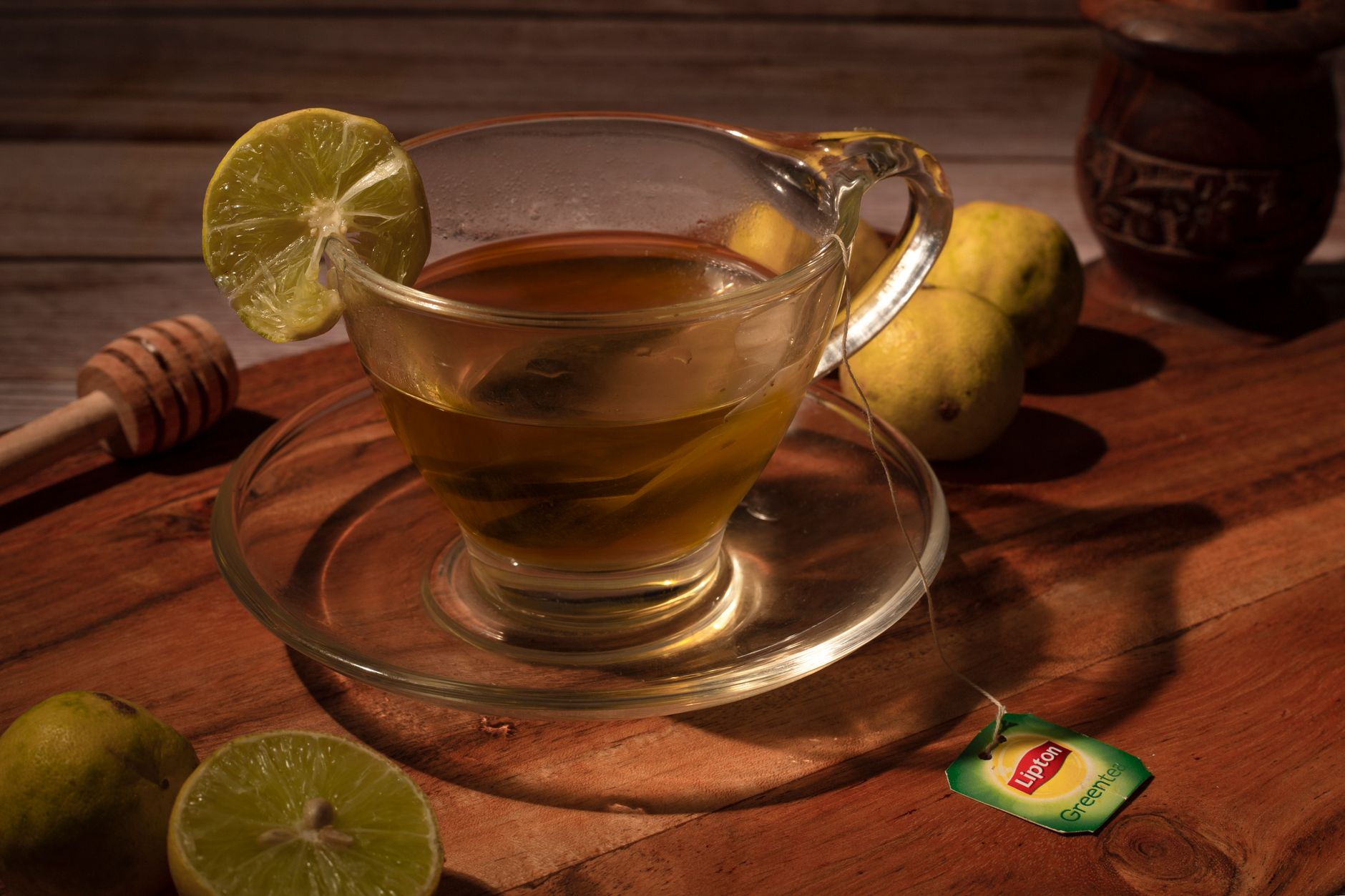
When you’re craving relief from a dry cough, a warm cup of throat coat tea can feel comforting—just be sure to check the ingredients.
Is throat coat tea safe during pregnancy?
C
urrent guidance from major health bodies such as the American College of Obstetricians and Gynecologists (ACOG) and the UK’s National Health Service (NHS) does not list throat coat tea as a “known teratogen,” but they do advise caution with any herbal supplement that contains licorice root, slippery elm, or strong astringents. The U.S. Food and Drug Administration (FDA) classifies many of these herbs as “GRAS” (Generally Recognized As Safe) for the general population, yet it notes that safety data for pregnant women are limited. The Centers for Disease Control and Prevention (CDC) also recommends that pregnant people discuss any herbal tea with their provider, especially in the first trimester when organ formation is most vulnerable.
Overall, the evidence suggests that throat coat tea is not categorically unsafe, but the safety hinges on the specific blend, dosage, and timing. For example, licorice root contains glycyrrhizin, which can raise blood pressure and, in high amounts, has been associated with preterm birth. Slippery elm is generally considered low‑risk, but because it can have a mild uterine‑relaxing effect, some clinicians advise limiting it to avoid any theoretical risk of stimulating contractions. In short, throat coat tea safe for pregnancy is a nuanced answer: it can be part of a balanced diet if you keep the amount modest and have your provider’s okay.
Recent observational studies from the University of Washington and the UK’s Pregnancy and Child Health cohort have not found a direct link between low‑dose herbal tea consumption and adverse pregnancy outcomes, but they do emphasize that the data are still sparse. Because most research relies on self‑reported intake, the safest approach remains a conversation with your obstetrician, especially if you have existing conditions such as hypertension, diabetes, or are taking prescription medications.
Is throat coat tea safe for gestational diabetes?
Gestational diabetes (GDM) requires careful monitoring of carbohydrate and sugar intake, and many commercial throat coat teas are sweetened with honey or contain added sugars. The sweetener itself can raise blood glucose modestly, especially if you drink more than one cup per day. Moreover, licorice root has been linked in some studies to impaired glucose tolerance, although the data are not definitive. If you have GDM, the safest approach is to choose a sugar‑free version, limit the brew to a half‑cup per day, and check your glucose levels after consumption. Discuss the specific brand with your endocrinologist or obstetrician to ensure it fits within your overall dietary plan.
Can throat coat tea interact with prenatal vitamins or supplements?
Most prenatal vitamins contain iron, calcium, folic acid, and a range of B‑vitamins. Slippery elm and marshmallow root have a mild coating effect that can, in theory, reduce the absorption of iron if taken at the same time. To avoid this, space your tea consumption at least two hours apart from your prenatal vitamin. Additionally, licorice root can interfere with the metabolism of certain medications, such as antihypertensives, which are sometimes prescribed during pregnancy. If you’re taking a prescription for blood pressure, thyroid function, or any other condition, let your provider know before adding throat coat tea to your routine.
Throat coat tea and nausea in pregnancy
Nausea and vomiting affect up to 80 % of pregnant people during the first trimester. While throat coat tea is primarily intended for throat comfort, some of its ingredients—especially ginger—are known to calm an upset stomach. However, the demulcent herbs can also increase gastric acidity, potentially worsening heartburn for some. If nausea is your main concern, ginger tea, peppermint tea, or a simple lemon‑water rinse may provide more targeted relief with fewer variables to monitor.
Is throat coat tea safe during pregnancy first trimester?
During the first trimester, the embryo is undergoing organogenesis, a period when it is most sensitive to external influences. Because of this, many obstetricians recommend limiting exposure to any herb that could potentially affect uterine tone or hormone balance. If your throat coat tea blend contains licorice or high‑dose slippery elm, ACOG advises discussing it with your provider before use. In practice, many clinicians will suggest avoiding the tea altogether or restricting it to no more than one half‑cup per day after a risk‑benefit assessment.
Some practitioners also caution against any herbal product that isn’t FDA‑registered during early pregnancy, citing the principle of “first‑trimester caution.” This doesn’t mean you must eliminate all herbal teas, but it does mean you should prioritize teas with well‑documented safety records—such as ginger or peppermint—until you have a clearer picture of the specific throat coat blend you’re considering.
Throat coat tea dosage for pregnant women
There is no universally accepted “standard dose” for throat coat tea, but most manufacturers recommend 1‑2 teaspoons of dried herbs per 8 oz of hot water, steeped for 5‑10 minutes. For pregnant women, a conservative approach is advisable:
First trimester: ≤½ cup (120 ml) once per day, only after provider approval.
Second and third trimesters: Up to 1 cup (240 ml) per day, split into two servings if desired.
Breastfeeding: ≤½ cup per day, monitoring the infant for any signs of irritation.
When preparing the tea, avoid adding excessive honey if you have gestational diabetes, and limit citrus if you experience heartburn. Remember that the total amount of each herb (e.g., licorice root) should stay well below the amounts used in traditional medicinal doses—generally no more than 100 mg of glycyrrhizin per day, according to FDA guidance on licorice consumption.
Because herbal potency can vary by brand, it’s wise to start with the smallest possible serving and observe how you feel before increasing the amount. Keeping a simple log of the brand, amount, and any symptoms can be a helpful reference for your next prenatal appointment.
Homemade vs. commercial throat coat tea – which is safer?
Commercial blends benefit from standardized ingredient lists and quality‑control testing, which can be reassuring when you’re pregnant. However, some store‑bought teas contain added flavors, sweeteners, or undisclosed proprietary extracts that may increase risk. Homemade blends give you full control over each herb and allow you to omit high‑risk components like licorice entirely. If you choose to brew your own, use reputable, food‑grade dried herbs and follow a trusted recipe from a source such as the Mayo Clinic or a registered dietitian. Keep the total herb load similar to the commercial recommendation—no more than 2 teaspoons of mixed herbs per day—to stay within safe limits.
Can i drink throat coat tea while pregnant and breastfeeding?
Yes, but with caution. While most of the individual herbs in throat coat tea are not known to be harmful to a nursing infant, the lack of robust studies means that many providers recommend limiting intake to a modest amount (≤½ cup per day). If you notice any changes in your baby’s feeding patterns, fussiness, or stool consistency, stop the tea and discuss it with your pediatrician.
Breastfeeding also introduces considerations around the infant’s developing gut microbiome. Some herbs, like ginger, can pass into breastmilk in small quantities and may affect the baby’s digestive comfort. Monitoring your infant’s reaction after each new exposure is a practical way to ensure both you and your child stay comfortable.
Traditional medicinals throat coat tea pregnancy safety
Historically, throat coat tea blends have been used in folk medicine to calm coughs and sore throats. In many cultures, the demulcent properties of slippery elm and marshmallow root were valued for their gentle soothing effect without strong pharmacologic activity. However, traditional use rarely accounted for modern concerns such as high‑dose licorice or the cumulative effect of multiple herbs in a single brew. Modern obstetric guidance therefore integrates traditional wisdom with contemporary safety data, emphasizing moderation and professional oversight.
It’s also worth noting that many indigenous practices paired throat coat tea with honey, which can be problematic for people with gestational diabetes. Understanding the cultural context can be helpful, but it should not replace a conversation with your obstetrician about the specific formulation you’re using.
What are the risks of drinking throat coat tea during pregnancy?
The primary risks stem from two ingredients that appear in many commercial blends:
Licorice root: May increase blood pressure, lead to fluid retention, and in rare cases, affect fetal growth.
Slippery elm: Though generally low‑risk, high concentrations could theoretically relax uterine muscles, potentially influencing labor timing.
Other herbs like ginger are usually safe and may even help with nausea, but they can cause heartburn in some pregnant individuals. Overall, the risk profile is modest when the tea is consumed within the recommended limits, but the lack of large‑scale studies means that any use should be discussed with a healthcare professional.
Throat coat tea and pregnancy high blood pressure
If you have a history of hypertension or have developed gestational hypertension, you should be especially careful. Licorice root’s glycyrrhizin can raise systolic and diastolic pressures, and the FDA recommends that pregnant people limit licorice to less than 2 grams per day. For throat coat teas that list licorice as an ingredient, either choose a brand that omits it or keep consumption well below the one‑cup‑per‑day threshold. Your provider may also suggest monitoring your blood pressure more frequently if you decide to enjoy the tea.
In addition to licorice, some herbal blends contain high levels of potassium or sodium, which can affect fluid balance. Women with pre‑eclampsia should discuss any herbal tea intake with their obstetrician, as even modest changes in blood pressure can have downstream effects on both mother and baby.
Can throat coat tea cause miscarriage in early pregnancy?
There is no direct evidence that throat coat tea causes miscarriage. However, some herbs—particularly those with uterine‑stimulating properties—have been linked to increased miscarriage risk when taken in high doses. Because most commercial throat coat teas contain low concentrations, the chance of causing a miscarriage is considered very low, especially when used sparingly. Still, ACOG advises pregnant people to avoid any herb with known uterine‑contracting activity unless prescribed, so it’s best to err on the side of caution during the first eight weeks.
For those who have experienced a previous miscarriage, the psychological impact of any perceived risk can be significant. In such cases, many clinicians recommend a complete avoidance of throat coat tea until after the first trimester, or a switch to a licorice‑free, low‑dose formulation that has been reviewed by a pharmacist.
Throat coat tea safe during pregnancy third trimester
In the third trimester, the main concern is whether an herb could trigger early labor. Slippery elm’s mild uterine‑relaxing effect is generally not strong enough to induce contractions, but some clinicians prefer to limit its use after 34 weeks. Licorice should continue to be limited because of its blood‑pressure‑raising potential, which can worsen preeclampsia. If you stick to ≤1 cup per day of a licorice‑free blend, most obstetricians consider throat coat tea safe for most pregnant people in the third trimester.
It’s also useful to consider the timing of your tea relative to bedtime. Some herbal teas contain mild sedatives that could affect sleep patterns, which are already disrupted for many in late pregnancy. Choosing a caffeine‑free, low‑sugar version can help you avoid unnecessary insomnia or nighttime heartburn.
Side effects and risks
Most people tolerate throat coat tea without trouble, but you may experience:
Mild gastrointestinal upset: Too much honey or citrus can cause heartburn.
Increased blood pressure: From licorice root—monitor if you have hypertension.
Allergic reaction: Rare, but possible if you’re sensitive to any of the herbs.
Potential drug interactions: Herbs like licorice can interfere with antihypertensives, while ginger may affect blood‑thinners such as low‑dose aspirin.
Excessive sweetness: Added sugars can worsen gestational diabetes control.
If you notice persistent headaches, swelling, a sudden rise in blood pressure, or any signs of preterm labor (regular contractions, pelvic pressure, vaginal discharge), stop the tea immediately and contact your provider.
Alternatives to throat coat tea for pregnant women
Raspberry leaf tea – gentle uterine tone support; avoid in the first trimester.
Peppermint tea – soothing for nausea and stomach upset, generally safe.
Ginger tea – effective for morning sickness, safe in moderate amounts.
Echinacea tea – immune‑boosting, but consult your provider if you have autoimmune conditions.
Slippery elm tea – similar demulcent effect without licorice; use in moderation.
Honey and lemon tea – natural cough relief without herbal extracts.
Chamomile tea (in small amounts) – calming and may ease mild throat irritation; limit to 1 cup per day.
Warm water with a pinch of sea salt – a simple, non‑herbal way to soothe a sore throat.
Licorice‑free “cough relief” blends that use marshmallow root and oat straw as the primary demulcents.
Consider swapping throat coat tea for one of these pregnancy‑approved herbal options.
Related items — safety at a glance
Item
Verdict
One‑line note
Pregnancy tea
✅ Generally safe
Formulated specifically for pregnant people, low caffeine.
Red raspberry leaf tea
⚠️ Use after 1st trimester
May stimulate uterine tone; avoid early pregnancy.
Dandelion tea
✅ Generally safe
Diuretic effect; monitor fluid balance.
Nettle leaf tea
✅ Generally safe
Rich in iron; safe in moderate amounts.
Chamomile tea
⚠️ Limited data
Potential uterine‑relaxing effects; use sparingly.
Elderberry tea
✅ Generally safe
Boosts immunity; avoid high‑dose extracts.
Turmeric tea
⚠️ Talk to your doctor
Curcumin may affect blood clotting; limit if on anticoagulants.
Green tea (caffeine‑free)
⚠️ Moderate amount
Contains catechins; limit to ≤2 cups/day.
Licorice candy (non‑medicinal)
⚠️ Avoid in pregnancy
High glycyrrhizin can raise blood pressure.
Myth vs. fact
Myth: All herbal teas are automatically safe because they’re “natural.”
Fact: Natural does not equal risk‑free; many herbs have pharmacologic activity that can affect pregnancy, so each blend must be evaluated individually.
Myth: One cup of throat coat tea will cure a sore throat without any downside.
Fact: While a single cup is unlikely to cause harm, the cumulative effect of daily consumption—especially if the blend contains licorice—can raise blood pressure or interact with medications.
Myth: If a tea is marketed as “caffeine‑free,” it’s safe for pregnancy.
Fact: Caffeine‑free status only addresses stimulant content; other ingredients (like licorice) may still pose risks.
Key takeaways
Throat coat tea safe for pregnancy depends on the specific herbs, amount, and trimester.
Limit intake to ≤½ cup in the first trimester and ≤1 cup later, after provider approval.
Watch for licorice‑related blood‑pressure spikes and potential drug interactions.
Consider safer alternatives such as ginger tea, peppermint tea, or honey‑lemon tea.
Always discuss herbal tea use with your obstetrician, especially if you have hypertension, gestational diabetes, or are on prescription medication.
If you notice any concerning symptoms, stop the tea and contact your provider promptly.
Frequently asked questions
can pregnant women drink throat coat tea
Yes, most pregnant women can enjoy throat coat tea in moderation, but you should first check the ingredient list for licorice or other high‑risk herbs and discuss it with your provider.
what teas are safe to drink during pregnancy
Herbal teas that are widely considered safe include ginger tea, peppermint tea, rooibos, and red raspberry leaf tea (after the first trimester); always verify with your doctor.
does throat coat tea help with morning sickness
Throat coat tea is not a primary remedy for nausea; ginger tea or lemon‑water are more evidence‑based options for morning sickness.
can i drink throat coat tea while breastfeeding
Breastfeeding individuals can generally have a small amount (≤½ cup per day) of throat coat tea, but they should monitor the infant for any unusual reactions.
what are the benefits of drinking throat coat tea during pregnancy
The main benefit is soothing a sore throat or cough thanks to demulcent herbs, but there are no proven pregnancy‑specific advantages.
how much throat coat tea is safe to drink during pregnancy
Limit to ≤½ cup per day in the first trimester and ≤1 cup per day in later trimesters, provided the blend is free of high‑dose licorice and you have provider approval.
can throat coat tea cause birth defects
There is no evidence linking throat coat tea to birth defects, but unregulated high doses of certain herbs could theoretically increase risk, so moderation and medical guidance are essential.
is throat coat tea safe for twins?
Pregnancies with multiples often have stricter blood‑pressure and fluid‑balance monitoring; because licorice can affect both, it’s safest to avoid throat coat tea or limit it to a half‑cup only after consulting your obstetrician.
does throat coat tea relieve heartburn in pregnancy?
While the soothing effect may temporarily ease throat irritation, the tea’s acidity and added citrus can actually worsen heartburn for many pregnant people. Ginger tea or chamomile (in small amounts) are usually gentler on the stomach.
is it okay to combine throat coat tea with other herbal teas?
Combining multiple herbal teas can increase the total dose of active compounds, such as licorice or ginger, which may raise blood pressure or cause stomach upset. It’s best to stick to one type of tea at a time and keep overall herb intake within recommended limits.
can I use throat coat tea tablets or extracts instead of brewed tea?
Concentrated tablets or extracts deliver a higher dose of each herb, often exceeding the safe limits for pregnancy. Unless a provider specifically approves a particular product, stick with a mild brewed tea and avoid concentrated forms.
When to call your doctor
If you notice any of the following after drinking throat coat tea, contact your obstetric provider right away:
Sudden or persistent rise in blood pressure (≥140/90 mmHg).
Severe or worsening headache, visual changes, or swelling.
Regular uterine contractions before 37 weeks.
Allergic reaction symptoms such as hives, swelling, or difficulty breathing.
Any sign of preterm labor, such as pelvic pressure or vaginal discharge.
These symptoms may indicate that the tea is affecting your pregnancy in an unintended way. Remember, this article provides general information and is not a substitute for personalized medical advice.
References
American College of Obstetricians and Gynecologists (ACOG). “Herbal Medicine Use During Pregnancy.” Practice Bulletin, 2022.
National Health Service (NHS). “Herbal tea safety in pregnancy.” UK Government Health Guidance, 2021.
U.S. Food and Drug Administration (FDA). “GRAS Notices – Licorice Root.” 2020.
Centers for Disease Control and Prevention (CDC). “Pregnancy and Herbal Supplements.” 2023.
World Health Organization (WHO). “Traditional Medicine and Maternal Health.” Technical Report, 2022.
Mayo Clinic. “Herbal teas and pregnancy.” Patient Care Guidelines, 2023.
University of Washington. “Herbal supplement use in pregnancy: a cohort study.” Journal of Maternal‑Fetal Medicine, 2021.
British National Institute for Health and Care Excellence (NICE). “Guidance on herbal medicines in pregnancy.” 2022.
When Shubhra Mishra was expecting her first child in 2016, she was overwhelmed by conflicting food advice — one site said yes, another said never. By the time her second baby arrived in 2019, she realized millions of mothers face the same confusion.
That sparked a five-year journey through clinical nutrition papers, cultural diets, and expert conversations — all leading to BumpBites: a calm, compassionate space where science meets everyday motherhood.
Her long-term vision is to build a global community ensuring safe, supported, and free deliveriesfor every mother — because no woman should face pregnancy alone or uninformed. 🌿
🌍 Stand with mothers, shape safer guidance
Join a small circle of experts who review BumpBites articles so expecting parents everywhere can decide with confidence.