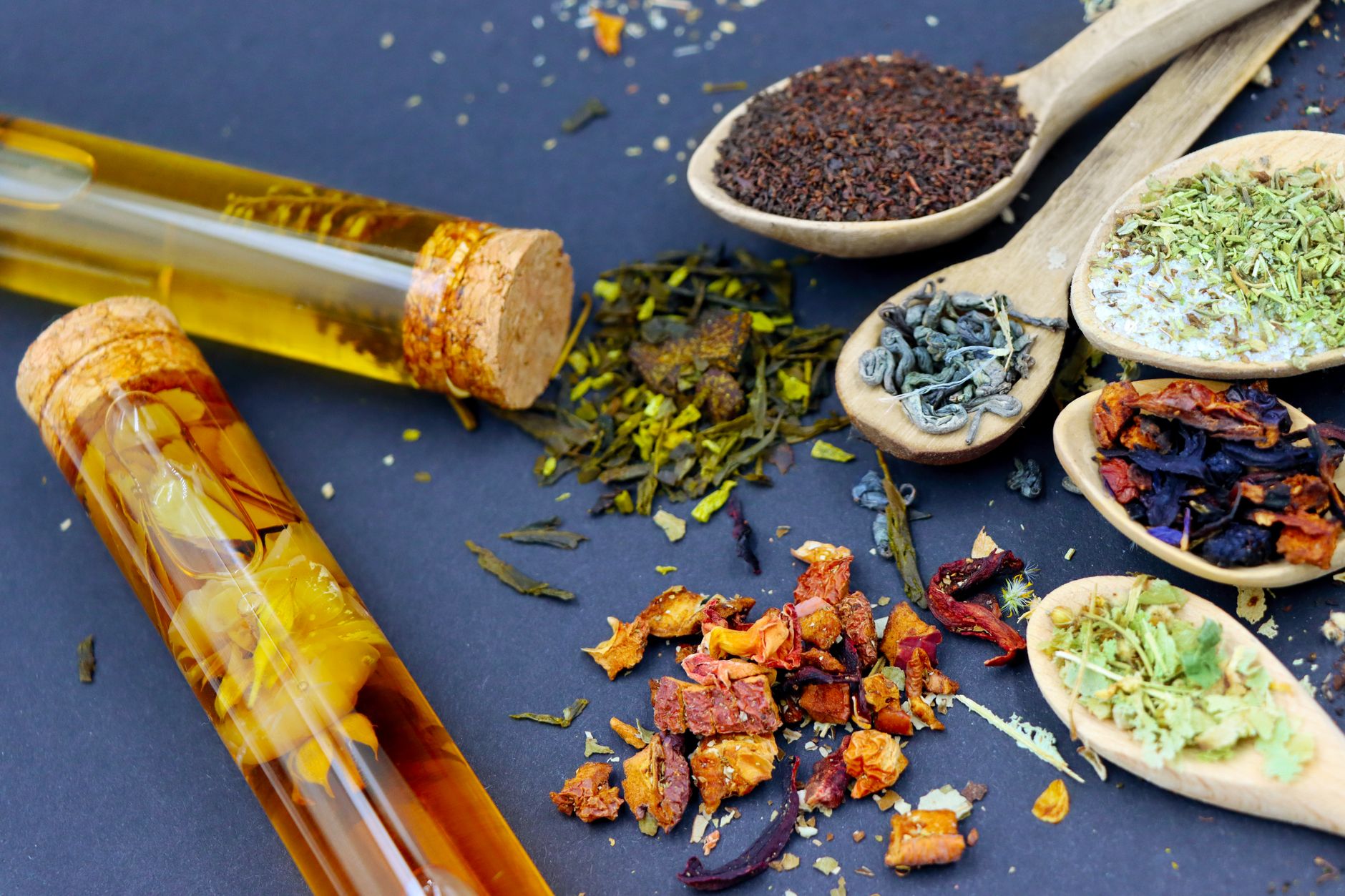
Safe: Jasmine tea is generally safe in pregnancy when limited to 1‑2 cups per day, especially after the first trimester. Find the recommended dosage, trimester guidelines, and pregnancy‑friendly alternatives.
By Shubhra Mishra — a mom of two who turned her own confusion during pregnancy into BumpBites, a global mission to make food choices clear, safe, and stress-free for every expecting mother. 💛
Check whether any food is safe during pregnancy with the BumpBites Food Safety Checker.
Quick verdict: ⚠️ Safe with limits – jasmine tea can be enjoyed in moderation during pregnancy, but keep caffeine intake below 200 mg per day and watch for any sensitivity.
It’s common to reach for a soothing cup of jasmine tea when morning sickness hits, cravings strike, or you simply need a warm moment of calm. If you’re wondering whether jasmine tea safe for pregnancy, you’re not alone—many expectant parents search for answers at 2 a.m., clutching a mug and replaying the “what if” scenario. The good news is that, for most pregnant people, jasmine tea is generally considered okay when consumed in modest amounts and within the recommended caffeine limits.
The journey of pregnancy brings a natural inclination to scrutinize every sip and bite, and for good reason—you're nurturing new life. We understand that feeling of wanting to do everything right, which is why we've compiled this comprehensive guide. We aim to provide clear, evidence-based answers to help you make informed choices without unnecessary anxiety.
In this article we’ll break down the safety verdict for jasmine tea, explore how much you can safely drink each day, look at trimester‑specific considerations, and point you toward caffeine‑free options and gentler herbal alternatives. We’ll also compare jasmine tea to other popular teas so you can see the bigger picture of beverage choices during pregnancy.
By the end, you’ll have a clear, evidence‑based answer to the question “jasmine tea safe for pregnancy,” plus practical tips for enjoying tea without unnecessary worry.
Enjoying jasmine tea can be a calming ritual—just keep an eye on caffeine.
Safety snapshot
Stage
Verdict
Notes
First trimester
⚠️ Safe with limits
Limit to ≤1 cup (≈30 mg caffeine) per day; avoid excess caffeine.
Second trimester
⚠️ Safe with limits
Up to 2 cups (≈60 mg caffeine) daily is acceptable for most.
Third trimester
⚠️ Safe with limits
Same as second trimester; monitor sleep and heart rate.
Breastfeeding
⚠️ Safe with limits
Small amounts (≤2 cups) are fine; caffeine may affect infant.
What is jasmine tea?
J
asmine tea is a scented tea most often made by blending green tea leaves with jasmine blossoms, allowing the leaves to absorb the flower’s fragrance. The base tea can also be white, oolong, or black, but the most common version is green tea infused with jasmine essential oil or fresh blossoms. The resulting brew is light, aromatic, and slightly sweet, offering a modest amount of caffeine—typically 20‑40 mg per 8‑oz cup, depending on the steeping time and leaf concentration.
Historically, jasmine tea has been prized in Chinese cuisine for its calming aroma and potential antioxidant benefits. The antioxidants—chiefly catechins from the green tea base—are thought to support heart health and reduce inflammation. At the same time, the tea contains theanine, an amino acid that may promote relaxation without the jitters often associated with coffee. This unique combination of a mild stimulant and a calming agent is part of its appeal, offering a gentle energy boost and mental clarity.
Because jasmine tea is essentially a flavored version of the base tea, its safety profile in pregnancy mirrors that of the underlying tea type, with the added consideration of any added flavorings or essential oils. Most commercially available jasmine teas are free from artificial additives, but it’s still wise to check ingredient lists for added sugars, preservatives, or non‑herbal flavor enhancers. Understanding the base tea is key, as it dictates the primary caffeine content and much of the nutritional profile, while the jasmine provides the distinctive aromatic qualities.
Is jasmine tea safe during pregnancy?
Current guidance from major health authorities such as the American College of Obstetricians and Gynecologists (ACOG) and the United Kingdom’s National Health Service (NHS) suggests that moderate caffeine consumption—up to 200 mg per day—is acceptable for most pregnant people. Jasmine tea, when based on green tea, typically falls well within this limit, delivering roughly 20‑40 mg of caffeine per cup. This makes it a generally safe option for those who enjoy its flavor, provided they monitor their total daily caffeine intake from all sources.
Because jasmine tea’s caffeine content is lower than that of black or espresso coffee, it can be incorporated into a balanced pregnancy diet without exceeding recommended caffeine thresholds. The NHS specifically notes that “herbal teas with low caffeine, such as green tea and its flavored variants, can be enjoyed in moderation.” The FDA also permits caffeine intake up to 200 mg daily for pregnant individuals, reinforcing the same ceiling. This consistency across major health bodies provides strong reassurance for expectant parents.
Potential concerns revolve around two areas: caffeine and any unverified herbal additives. Excess caffeine has been linked in some studies to a slightly higher risk of low birth weight and preterm birth, though the evidence is modest and often associated with intakes significantly above the 200 mg limit. The mechanism of risk is believed to be related to caffeine's ability to cross the placenta and potentially affect fetal heart rate and blood flow, as the developing fetus metabolizes caffeine much slower than an adult. Jasmine tea’s low caffeine level means that staying within the 200 mg limit typically requires no more than 4–5 cups per day, a quantity most people find excessive. As for herbal additives, most reputable jasmine teas contain only tea leaves and jasmine blossoms, but some inexpensive brands may add artificial flavorings that could pose unknown risks. Choosing a high‑quality, pure‑ingredient brand mitigates this concern.
Understanding caffeine content in jasmine tea
The amount of caffeine in your cup of jasmine tea isn't always fixed; it can vary based on several factors. The type of base tea (green, white, oolong, black) plays a significant role, with green tea generally having less caffeine than black tea. Additionally, the steeping time, water temperature, and the quantity of tea leaves used can all influence the caffeine extraction. Longer steeping times and hotter water will typically result in a more caffeinated brew. Therefore, if you're particularly sensitive to caffeine or trying to stay well below the 200 mg limit, you might consider shorter steeping times or using slightly cooler water.
The role of antioxidants and L-theanine
Beyond caffeine, jasmine tea, particularly varieties based on green tea, is rich in beneficial compounds. Catechins, a type of antioxidant, are known for their anti-inflammatory properties and potential to support cellular health. While research on their direct benefits *during* pregnancy is limited, these compounds contribute to overall wellness. L-theanine, an amino acid found in tea, is often credited for the "calm alertness" many tea drinkers experience. It can help reduce stress and improve focus without the jittery side effects sometimes associated with higher caffeine intake, offering a gentle way to support mental well-being during pregnancy.
Is jasmine tea safe to drink during the first trimester?
The first trimester is a critical window for organ development, and many health professionals advise heightened caution with substances that contain caffeine. Jasmine tea, delivering roughly 20‑30 mg per cup, is well below the 200 mg daily ceiling set by ACOG. For most pregnant individuals, a single cup a day during the first trimester poses minimal risk, especially if it's your only source of caffeine.
Nonetheless, if you experience heightened nausea, heart palpitations, or insomnia after drinking jasmine tea, it may be wise to cut back or switch to a caffeine‑free alternative. The key is to listen to your body and keep total caffeine intake—including coffee, sodas, and chocolate—under the recommended limit. Some pregnant people find their caffeine tolerance changes dramatically in early pregnancy, so pay attention to how you feel.
Jasmine tea in the second trimester
By the second trimester, many pregnant people find that morning sickness subsides and energy levels may improve. Jasmine tea remains a safe choice in moderation, with up to 2-3 cups per day (around 60-120 mg caffeine) generally considered acceptable, provided your total caffeine intake stays below 200 mg. As your blood volume increases, your body may process substances differently, but the overall guidance for caffeine remains consistent. It can be a comforting beverage during a time when you might feel more settled and able to enjoy a wider range of foods and drinks.
Jasmine tea in the third trimester
In the third trimester, as your body prepares for birth, sleep can become more elusive, and heartburn may be more prevalent. While jasmine tea is still safe within the 200 mg caffeine limit, it's particularly important to be mindful of when you consume it. Drinking caffeinated beverages too close to bedtime could exacerbate sleep difficulties. Additionally, if you're experiencing acid reflux, the tannins in tea might occasionally trigger discomfort for some individuals. Opting for decaf jasmine tea or consuming it earlier in the day can help mitigate these potential issues.
Jasmine tea while breastfeeding
When breastfeeding, a small amount of caffeine can pass into breast milk, potentially affecting your baby. The American Academy of Pediatrics (AAP) suggests that moderate caffeine intake (up to 300 mg per day) is generally safe for breastfeeding parents. However, some infants are more sensitive to caffeine than others, showing signs of irritability, wakefulness, or colic-like symptoms. Therefore, limiting jasmine tea to 1-2 cups per day and observing your baby's reaction is a prudent approach. If your baby seems unsettled after you've had caffeine, consider reducing your intake or switching to decaffeinated options.
How much jasmine tea can pregnant women consume daily?
Based on the typical caffeine range (20‑40 mg per 8‑oz cup), most experts recommend no more than 2–3 cups of jasmine tea per day, which translates to roughly 60‑120 mg of caffeine. This keeps you comfortably under the 200 mg threshold referenced by ACOG and the NHS. Remember that these are general guidelines, and individual sensitivity to caffeine can vary significantly during pregnancy.
If you also drink other caffeinated beverages, you’ll need to adjust your jasmine tea intake accordingly. For example, a standard 12‑oz coffee contains about 120 mg caffeine, so pairing that with two cups of jasmine tea would approach the limit. Always sum up all your caffeine sources—including sodas, chocolate, and certain medications—to ensure you stay below the daily maximum.
Pregnant people who are particularly caffeine‑sensitive—often those who notice jitteriness or trouble sleeping—may wish to limit jasmine tea to one cup per day or opt for a decaffeinated version. Paying attention to your body's signals is paramount, and if you feel overstimulated, it's a clear sign to reduce your caffeine intake.
What are the risks of drinking jasmine tea while pregnant?
The primary risk associated with jasmine tea is its caffeine content. Consuming more than 200 mg of caffeine daily has been linked in some observational studies to a modest increase in the chance of low birth weight and preterm birth. Because jasmine tea’s caffeine level is relatively low, the risk is small when consumption stays within the recommended limits and is not combined with other high-caffeine sources.
Another consideration is the presence of any non‑herbal additives. Some low‑cost jasmine teas may contain artificial flavorings, preservatives, or even high levels of sugar, which could affect blood glucose or contribute to excess calorie intake. Always read labels and select teas that list only natural ingredients. Furthermore, some lower-quality teas, regardless of brand, might contain trace amounts of pesticides or heavy metals if not sourced and processed carefully. Opting for organic or reputable brands can help mitigate these potential concerns.
Finally, a small number of people report mild gastrointestinal upset from the tea’s tannins, especially when consumed on an empty stomach. Tannins can also interfere with iron absorption, which is particularly important during pregnancy when iron needs are higher. If you notice heartburn, nausea, or increased bowel movements after drinking jasmine tea, it may be best to enjoy it with food or reduce the amount. If you are concerned about iron absorption, consider drinking your tea between meals rather than with them.
Can jasmine tea cause miscarriage?
There is no credible scientific evidence that jasmine tea, in typical amounts, causes miscarriage. The miscarriage risk is primarily associated with high levels of caffeine—generally above 300 mg per day—and certain harmful substances, such as alcohol or specific medications. Jasmine tea’s caffeine content is far below that threshold when limited to a few cups per day, making it an unlikely factor in miscarriage.
That said, excessive caffeine intake (well beyond what a few cups of jasmine tea would provide) can contribute to uterine contractions in some cases. Maintaining caffeine consumption within the 200 mg daily guideline, as advised by ACOG, helps keep this risk minimal. It's important to remember that miscarriages are sadly common, and often occur due to chromosomal abnormalities or other factors completely unrelated to diet or activity. If you've experienced a miscarriage, please know it's almost certainly not due to having a cup of jasmine tea.
Which jasmine tea brands are safest for pregnancy?
When selecting a jasmine tea for pregnancy, prioritize brands that are transparent about their ingredients, are certified organic when possible, and avoid artificial flavors. Choosing organic options can reduce exposure to pesticides that might be used in conventional tea farming. Reputable brands often conduct third-party testing for heavy metals and other contaminants, providing an extra layer of reassurance for expectant parents.
Traditional Medicinals Jasmine Green Tea – Certified organic, no added sugars, and clearly labeled as caffeine‑containing. Known for their high-quality herbal products.
Numi Organic Jasmine Green Tea – USDA organic, non‑GMO, and packaged in BPA‑free tins. Numi is committed to sustainable and ethical sourcing.
Rishi Jasmine Green Tea – Fair‑trade, organic, and free from synthetic additives. Rishi prides itself on direct sourcing and rigorous quality control.
Teavana Jasmine Green Tea – Though not certified organic, it lists only tea leaves and jasmine blossoms with no extra flavors. Always check the specific product's ingredient list.
Regardless of brand, always check that the ingredient list contains only tea leaves and natural jasmine blossoms; avoid products that mention “artificial flavor,” “preservative,” or “sweetener” unless you specifically want those additives. If you're unsure about a brand, a quick search for their sourcing and testing practices can provide valuable insight.
Are there caffeine‑free jasmine tea options for pregnant women?
Yes—decaffeinated jasmine tea is widely available. Look for “decaf” or “caffeine‑free” on the packaging, and verify that the decaffeination process used is either CO₂ or water‑based, which are considered safe and retain most of the tea’s flavor. These methods avoid the use of chemical solvents, making them a preferred choice for pregnancy. Brands such as Harney & Sons Decaf Jasmine Green Tea and Stash Decaf Jasmine Green Tea provide caffeine‑free options that still deliver the soothing aroma.
Even with decaf jasmine tea, it’s wise to keep an eye on any added sweeteners or flavorings, as these can affect blood sugar or add unnecessary calories. The "decaf" label doesn't always mean "additive-free," so a quick scan of the ingredient list is always a good practice to ensure you're choosing the purest option.
How does jasmine tea affect pregnancy symptoms like nausea?
Jasmine tea’s gentle aroma can have a calming effect, which may indirectly ease nausea for some pregnant people. The act of sipping a warm, fragrant beverage can be inherently soothing and help settle a queasy stomach. Additionally, the modest caffeine content can provide a mild stimulant effect that helps counteract fatigue and low blood sugar, both contributors to morning sickness. For some, the light and refreshing taste of jasmine tea is more palatable than stronger flavors during periods of heightened sensitivity.
However, if you find the tea’s tannins exacerbate stomach acidity, you might prefer ginger or peppermint tea, which are specifically noted for their anti‑nausea properties and are often recommended by healthcare providers. If jasmine tea helps you feel better and you're within caffeine limits, it's a perfectly reasonable option, but it's not a primary medical treatment for severe nausea.
Consider caffeine‑free herbal teas as gentle alternatives to jasmine tea.
Safe dosage / amount / brands
For a standard 8‑oz cup of jasmine tea made from green tea leaves, expect about 20‑40 mg of caffeine. To stay within the ACOG‑recommended 200 mg daily limit, aim for no more than 2–3 cups per day, adjusting downward if you also consume coffee, soda, or chocolate. Remember that these are estimates, and caffeine content can vary based on brand, tea type, and preparation method.
When choosing a brand, prioritize those that provide clear labeling of caffeine content and ingredient sourcing. If you're brewing loose leaf tea, be mindful of the amount of tea leaves you use; more leaves generally mean more caffeine. Avoid over-steeping, as this can also increase caffeine extraction and may result in a more bitter taste.
Brand
Caffeine per cup (mg)
Notes
Traditional Medicinals Jasmine Green Tea
≈30
Organic, no added sugars.
Numi Organic Jasmine Green Tea
≈28
Fair‑trade, BPA‑free packaging.
Rishi Jasmine Green Tea
≈35
Non‑GMO, no artificial flavors.
Harney & Sons Decaf Jasmine Green Tea
0
CO₂ decaffeinated, retains aroma.
If you’re sensitive to caffeine or simply wish to limit intake, switch to the decaf version or alternate with a caffeine‑free herbal tea on some days. Listening to your body and making adjustments based on how you feel is always the best approach during pregnancy.
Side effects and risks
Common, mild effects: Slight heart‑rate increase, occasional insomnia if consumed late in the day, and mild stomach discomfort for those with sensitive digestion. Some individuals may also experience mild anxiety or restlessness if they are particularly sensitive to caffeine, even at low doses.
Potentially concerning signs: Persistent rapid heartbeat (>100 bpm at rest), severe insomnia that significantly impacts your well-being, or noticeable jitteriness may indicate excess caffeine. In such cases, cut back on jasmine tea and other caffeinated sources immediately. Pay attention to any new or worsening symptoms, especially if they appear shortly after consuming tea.
When to seek medical attention: If you experience chest pain, severe palpitations, or signs of dehydration (dizziness, dark urine), lightheadedness, or unusual swelling after drinking jasmine tea, contact your obstetric provider promptly. These symptoms are rare but warrant professional evaluation to rule out any underlying issues or adverse reactions. While unlikely to be caused by moderate jasmine tea consumption alone, it's always best to err on the side of caution when pregnant.
Safer alternatives
Rooibos tea – Naturally caffeine‑free and rich in antioxidants, making it a great everyday choice.
Ginger tea – Proven to ease nausea, especially in the first trimester, and has a comforting, spicy kick.
Peppermint tea – Calms digestive discomfort without caffeine and offers a refreshing flavor.
Lemongrass tea – Light citrus flavor, safe in moderation, and can be quite invigorating.
Decaf green tea – Retains the health benefits of green tea without caffeine, a familiar taste for green tea lovers.
Fruit infusion tea – Offers variety and flavor without caffeine; check labels for added sugars or artificial ingredients.
Chamomile tea (pregnancy‑safe) – Gentle calming effect; avoid if allergic to ragweed, as it's from the same plant family.
Herbal raspberry leaf tea (in moderation) – Often recommended in later pregnancy (third trimester) to tone the uterus; consult your doctor before regular use.
Water with lemon or cucumber – A simple, refreshing, and completely caffeine-free way to stay hydrated.
Related items — safety at a glance
When considering jasmine tea, it's helpful to understand how it compares to other popular teas you might encounter during pregnancy. Most true teas (derived from the Camellia sinensis plant) contain caffeine, while many herbal infusions are naturally caffeine-free. Here's a quick overview:
Tea type
Verdict
One‑line note
Green tea
⚠️ Safe with limits
≈20‑45 mg caffeine per cup; stay < 200 mg/day.
Black tea
⚠️ Safe with limits
Higher caffeine (≈50‑70 mg); limit to 2 cups.
Herbal tea
✅ Generally safe
Most are caffeine‑free; check specific herbs for pregnancy safety.
Oolong tea
⚠️ Safe with limits
Mid‑range caffeine (≈30‑50 mg); moderate intake.
White tea
⚠️ Safe with limits
Lowest caffeine among true teas (~15‑30 mg).
Matcha
⚠️ Safe with limits
Concentrated caffeine (~70 mg per tsp); limit servings due to potency.
Chai tea
⚠️ Safe with limits
Often black‑tea based with spices; caffeine similar to black tea.
Hibiscus tea
✅ Generally safe
Caffeine‑free; may lower blood pressure slightly.
Dandelion root tea
⚠️ Talk to your doctor first
Often used as a diuretic; consult provider due to potential effects.
Licorice root tea
❌ Best avoided
May affect blood pressure and hormone levels; avoid during pregnancy.
Myth vs. fact
Myth: Jasmine tea can cause birth defects.
Fact: There is no evidence linking normal jasmine tea consumption to birth defects. The primary concern is caffeine, and staying under 200 mg per day keeps risk minimal. Birth defects are complex and rarely linked to moderate dietary choices.
Myth: All herbal teas are automatically safe for pregnancy.
Fact: Some herbs (e.g., licorice root, sage, senna) can be unsafe or have medicinal properties that are not recommended during pregnancy. Jasmine tea, being a flavored green tea, is safe in moderation, but always verify each herb’s safety profile with your doctor or a trusted resource before consuming.
Myth: Decaf jasmine tea is completely caffeine‑free.
Fact: Decaffeination processes can leave trace amounts (<5 mg per cup). This is still well below the daily limit and generally considered negligible, but it’s good to be aware if you’re extremely caffeine‑sensitive.
Myth: Jasmine tea is a uterine stimulant and can induce labor.
Fact: There is no scientific evidence to support the claim that normal consumption of jasmine tea acts as a uterine stimulant or can induce labor. This myth likely stems from confusion with other herbs or anecdotal stories, but jasmine tea itself is not known to have this effect.
Key takeaways
Jasmine tea is generally safe during pregnancy when kept to ≤2–3 cups per day (≈60‑120 mg caffeine).
Stay under the 200 mg daily caffeine limit recommended by ACOG and the NHS, accounting for all caffeine sources.
Choose reputable brands with clear ingredient lists, ideally organic, and avoid added sugars or artificial flavors.
Decaf jasmine tea offers a caffeine‑free option, but check for any added additives and confirm the decaffeination method.
Consider caffeine‑free herbal alternatives like rooibos, ginger, or peppermint if you’re sensitive to caffeine or prefer no caffeine at all.
Watch for signs of excess caffeine—persistent jitters, rapid heartbeat, or insomnia—and reduce intake if they appear.
Always consult your healthcare provider for personalized advice regarding your diet and beverage choices during pregnancy.
Frequently asked questions
Can I drink jasmine tea while pregnant?
Yes, you can enjoy jasmine tea during pregnancy as long as you keep total caffeine intake below 200 mg per day, which typically means no more than 2–3 cups. Always consider other sources of caffeine in your diet when making your choice.
How much caffeine is in jasmine tea?
Most jasmine teas made from green tea contain roughly 20‑40 mg of caffeine per 8‑oz cup, though the exact amount can vary by brand, steeping time, and the type of base tea used.
Is jasmine tea good for morning sickness?
Jasmine tea’s gentle aroma and modest caffeine can help alleviate mild nausea for some pregnant people, offering a comforting and refreshing option. However, ginger or peppermint tea are more consistently recommended and studied for their anti‑nausea properties.
Are there any side effects of jasmine tea during pregnancy?
Common side effects are mild and include slight heart‑rate increase, occasional insomnia if consumed late, and mild stomach upset for caffeine‑sensitive individuals. These are generally related to its caffeine and tannin content.
Can jasmine tea cause birth defects?
There is no scientific evidence that jasmine tea causes birth defects; the main concern is caffeine, and staying within recommended limits (under 200 mg daily) keeps the risk negligible.
Is decaf jasmine tea safe for pregnancy?
Decaf jasmine tea is safe for pregnancy, offering the same soothing flavor with virtually no caffeine; just verify that it contains no added sugars or artificial flavorings and uses a safe decaffeination process (CO₂ or water-based).
Should I avoid jasmine tea in the second trimester?
You do not need to avoid jasmine tea in the second trimester, but continue to limit intake to keep total caffeine under 200 mg per day. Many find their caffeine tolerance improves in this trimester, but individual reactions can vary.
What if I accidentally consumed too much jasmine tea?
If you've accidentally had more jasmine tea than recommended, try not to panic. Take a breath and assess your total caffeine intake for the day. If it's only slightly over the 200 mg limit, the risk is likely very low. Reduce your caffeine intake for the rest of the day and monitor for symptoms like jitters or rapid heartbeat. If you experience severe symptoms or are significantly over the limit, contact your doctor for advice.
Does jasmine tea offer any benefits during pregnancy?
Beyond its comforting aroma and taste, jasmine tea (especially green tea-based varieties) contains antioxidants that contribute to general wellness. Its L-theanine content may also promote a sense of calm alertness. While it's not a pregnancy superfood, enjoying it in moderation can be a pleasant part of a balanced diet.
When to call your doctor
If you notice any of the following after drinking jasmine tea, contact your obstetric provider promptly:
Persistent rapid heartbeat (over 100 bpm at rest) or palpitations.
Severe insomnia that interferes with daily functioning.
Chest pain, shortness of breath, or dizziness.
Unexplained swelling or sudden weight gain.
Any signs of dehydration such as dark urine or persistent dizziness.
Severe or persistent gastrointestinal upset (e.g., intense nausea, vomiting, or diarrhea).
These symptoms could indicate excessive caffeine intake or another underlying issue. Remember, this article provides general information and is not a substitute for personalized medical advice. Always discuss your diet and beverage choices with your healthcare provider.
References
American College of Obstetricians and Gynecologists (ACOG). “Nutrition During Pregnancy.” 2023.
National Health Service (NHS). “Caffeine and pregnancy.” Updated 2022.
U.S. Food and Drug Administration (FDA). “Caffeine in Food and Drinks.” 2023.
Centers for Disease Control and Prevention (CDC). “Pregnancy and Caffeine.” 2022.
World Health Organization (WHO). “Guidelines on caffeine intake for pregnant women.” 2021.
Mayo Clinic. “Caffeine: How much is too much?” 2023.
Harvard T.H. Chan School of Public Health. “Tea and health.” 2022.
American Academy of Pediatrics (AAP). "The Transfer of Drugs and Other Chemicals Into Human Breast Milk." 2022.
When Shubhra Mishra was expecting her first child in 2016, she was overwhelmed by conflicting food advice — one site said yes, another said never. By the time her second baby arrived in 2019, she realized millions of mothers face the same confusion.
That sparked a five-year journey through clinical nutrition papers, cultural diets, and expert conversations — all leading to BumpBites: a calm, compassionate space where science meets everyday motherhood.
Her long-term vision is to build a global community ensuring safe, supported, and free deliveriesfor every mother — because no woman should face pregnancy alone or uninformed. 🌿
🌍 Stand with mothers, shape safer guidance
Join a small circle of experts who review BumpBites articles so expecting parents everywhere can decide with confidence.