
Quick verdict: ❌ Best avoided. Blue cheese, like other soft, mold-ripened cheeses, carries a risk of *Listeria* infection, which can be dangerous during pregnancy. The only exception is if it's thoroughly cooked until steaming hot, which kills harmful bacteria.The late-night craving hits, or you're at a gathering, and there it is: a beautiful platter featuring creamy, tangy blue cheese. Your mind races: *Is blue cheese safe for pregnancy?* It’s a common moment of worry for many expecting parents, wondering if that delicious bite could pose a risk to their baby. We understand that anxiety – navigating food safety during pregnancy can feel like walking through a minefield of conflicting advice. At BumpBites, we're here to cut through the confusion and give you clear, evidence-based answers. When it comes to blue cheese safe for pregnancy, the general recommendation from health authorities like the American College of Obstetricians and Gynecologists (ACOG) and the NHS is to err on the side of caution. The primary concern isn't the cheese itself, but a specific type of bacteria called *Listeria monocytogenes* that can thrive in soft, mold-ripened cheeses, even those made with pasteurized milk. This article will break down why blue cheese can be risky, when it might be safe, what to watch for, and plenty of delicious, safer alternatives.
| Trimester/Stage | Verdict | Notes |
|---|---|---|
| First Trimester | ❌ Avoid (unless cooked) | Highest risk period for *Listeria* complications like miscarriage; raw blue cheese is not recommended. |
| Second Trimester | ❌ Avoid (unless cooked) | *Listeria* infection still poses significant risks, including preterm labor and severe infection. |
| Third Trimester | ❌ Avoid (unless cooked) | Risk of *Listeria* causing preterm birth, stillbirth, or severe illness in the newborn is present. |
| Breastfeeding | ✅ Generally Safe | *Listeria* is not typically transmitted through breast milk; consumption is generally fine for breastfeeding parents. |
What is blue cheese?
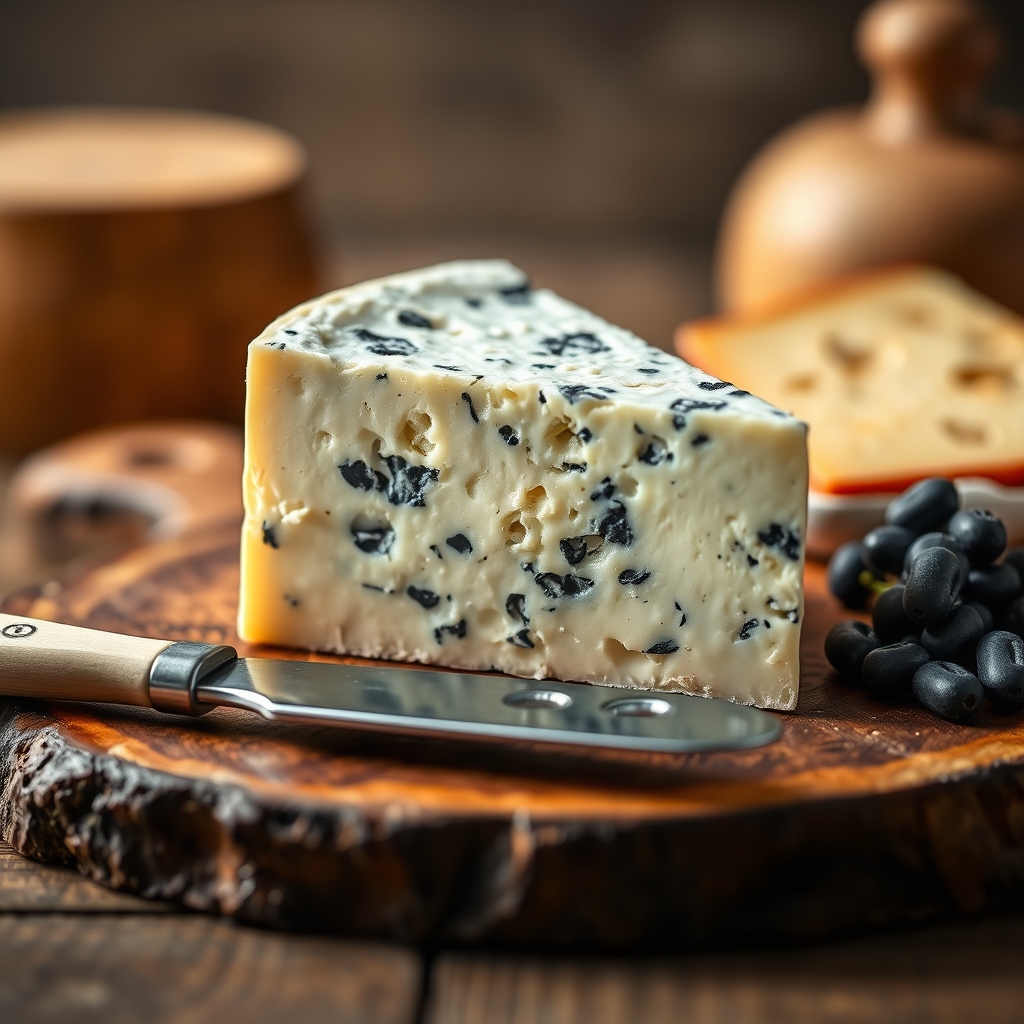
Blue cheese is a distinctive category of cheese characterized by its unique blue or green mold veins, which are created by cultures of *Penicillium* mold. These molds are intentionally introduced during the cheesemaking process, giving blue cheese its pungent aroma, sharp flavor, and crumbly or creamy texture. Popular varieties include Roquefort, Gorgonzola, Stilton, and Danish Blue. The production process for blue cheese often involves a higher moisture content and lower acidity compared to hard cheeses, which creates an environment conducive to mold growth. While this mold is what gives blue cheese its signature taste, it also makes it a potential breeding ground for other bacteria, including *Listeria monocytogenes*. Many blue cheeses, even those made with pasteurized milk, retain a soft or semi-soft texture and a higher pH level on their surface, making them vulnerable to *Listeria* contamination during aging or storage. This inherent characteristic is why concerns arise when considering if blue cheese is safe for pregnancy.