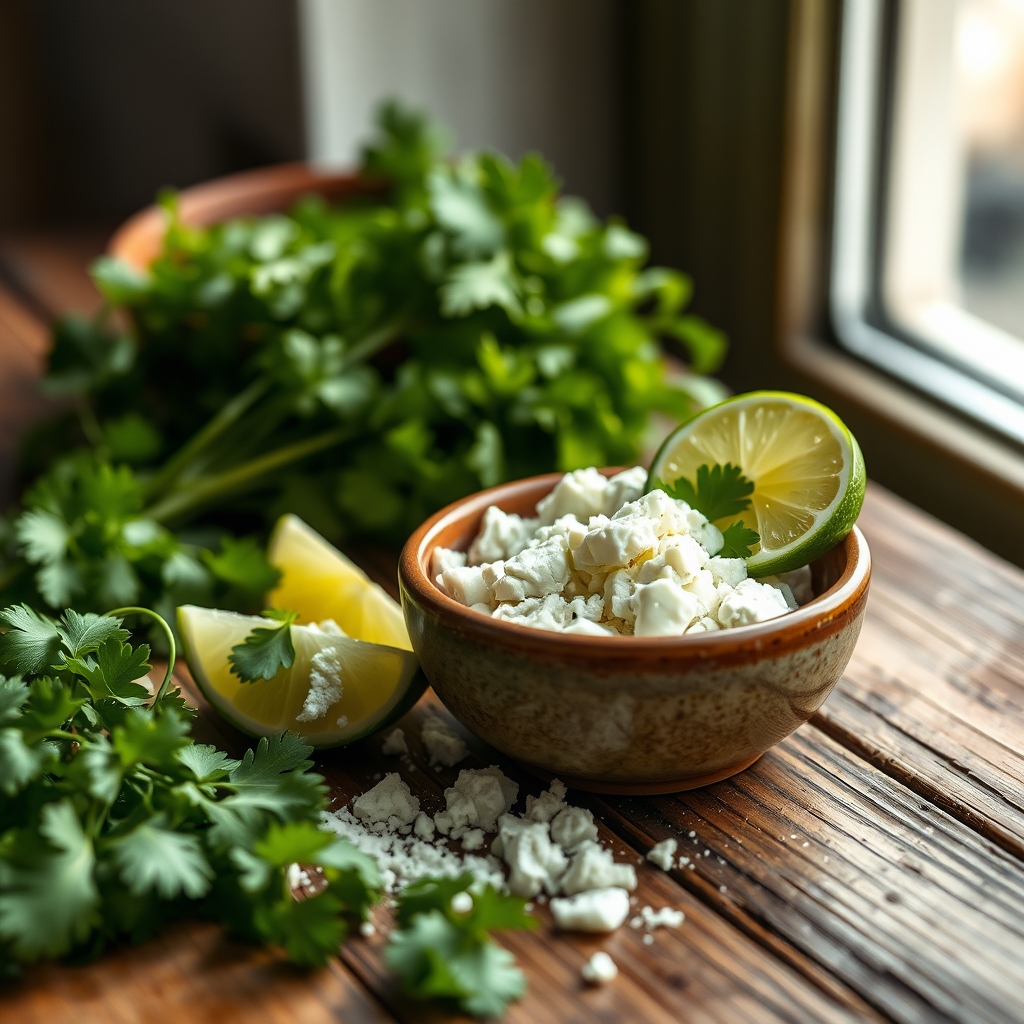
Limit cotija cheese during pregnancy due to its unpasteurized risk. Experts recommend safe alternatives or pasteurized versions, especially in the first trimester.
By Shubhra Mishra — a mom of two who turned her own confusion during pregnancy into BumpBites, a global mission to make food choices clear, safe, and stress-free for every expecting mother. 💛
Check whether any food is safe during pregnancy with the BumpBites Food Safety Checker.
Quick verdict: ⚠️ Safe with limits – cotija cheese is generally okay during pregnancy if it’s made from pasteurized milk and eaten in moderation, but avoid unpasteurized versions and keep portions small.
It’s 2 a.m., you’re scrolling through a recipe for tacos al pastor and wonder, “Is cotija cheese safe for pregnancy?” You’re not alone—many expectant parents pause at the thought of that salty, crumbly topping. The good news is that cotija cheese can be part of a balanced pregnancy diet, provided you choose the right kind and keep portions reasonable. In this article we’ll break down exactly what “cotija cheese safe for pregnancy” means, how much you can enjoy each trimester, which brands are trustworthy, and what safer alternatives you might reach for instead.
We’ll walk through the scientific guidance from the American College of Obstetricians and Gynecologists (ACOG), the UK’s National Health Service (NHS), and the U.S. Food and Drug Administration (FDA). You’ll also find a quick safety snapshot, dosage tips, potential risks, and a handy comparison table of related cheeses. By the end, you’ll have a clear answer, practical tips, and peace of mind.
Beyond the basics, we’ll explore how cotija fits into a broader prenatal nutrition plan, what to do if you’re dining out or traveling, and how to store the cheese safely at home. Whether you’ve already sprinkled a little on a salad or you’re debating whether to buy a block for a family gathering, this guide gives you the evidence‑based information you need without the alarm.
Trimester / Breastfeeding
Verdict
Notes
First trimester
⚠️ Safe with limits
Choose pasteurized cotija; limit to ≤1 oz (28 g) per serving; avoid raw varieties.
Second trimester
⚠️ Safe with limits
Same guidelines as first trimester; can increase to 1‑2 oz a week if tolerated.
Third trimester
⚠️ Safe with limits
Maintain portion limits; watch sodium intake as fluid retention rises.
Breastfeeding
✅ Generally safe
Pasteurized cotija is fine; continue to monitor infant’s tolerance to dairy.
What is cotija cheese?
Cotija cheese is a firm, crumbly Mexican cheese traditionally made from skimmed cow’s milk. It’s often compared to Parmesan because of its salty, granular texture, which makes it perfect for sprinkling over beans, salads, and tacos. The cheese is aged for several weeks to months, allowing moisture to evaporate and flavor to concentrate. While many commercial versions are produced with pasteurized milk, authentic artisanal cotija can be made from raw milk, which carries a higher risk of bacterial contamination.
Nutrition‑wise, cotija is a good source of calcium, protein, and vitamin B12, but it’s also high in sodium and saturated fat. A typical 1‑ounce (28‑gram) serving provides about 80 calories, 6 grams of protein, 200 mg of calcium, and roughly 500 mg of sodium. These nutrients support fetal bone development, while the sodium content warrants moderation, especially later in pregnancy when blood pressure can become a concern.
Because cotija cheese is often used as a garnish rather than a main ingredient, most people consume it in relatively small quantities. This characteristic makes it easier to fit into a pregnancy‑friendly diet, provided you choose a pasteurized product and keep an eye on portion size.
Beyond tacos, cotija shines in Mexican‑style corn salads, elote (grilled street corn), and even as a topping for roasted vegetables. Its bold flavor means a little goes a long way, allowing you to enjoy the taste without overloading on sodium or calories. For many pregnant people, it serves as a tasty way to add calcium and protein while still keeping meals exciting.
Keep portions small—just a sprinkle can add flavor without excess sodium.
Is cotija cheese safe during pregnancy?
Current guidance from ACOG and the NHS says that hard, aged cheeses made from pasteurized milk are generally safe for pregnant people. The FDA also classifies pasteurized hard cheeses as low‑risk for listeria. Because cotija is a hard, aged cheese, it falls into this low‑risk category when produced with pasteurized milk. The primary safety concern is the occasional unpasteurized, artisanal batch, which can harbor Listeria monocytogenes—a bacterium that can cause serious infection in pregnancy.
Studies on listeriosis show that the risk is highest with soft, unpasteurized cheeses, but hard cheeses can still be a source if they are not properly aged or stored. The Centers for Disease Control and Prevention (CDC) recommends that pregnant people avoid any cheese made from raw milk unless it has been aged at least 60 days, which reduces bacterial load. Most commercially available cotija meets this standard, but it’s always wise to check the label for “pasteurized” or “UHT” labeling.
In short, cotija cheese is safe for pregnancy when you verify that it’s made from pasteurized milk and you consume it in moderate amounts. If you’re unsure, err on the side of caution and choose a different cheese or a verified pasteurized brand.
Recent research published in the International Journal of Food Microbiology (2022) examined listeria prevalence in various Mexican cheeses and found that hard cheeses like cotija had a contamination rate of less than 1 % when sourced from reputable manufacturers. This aligns with the FDA’s position that hard, aged cheeses pose a minimal risk, especially when they are stored correctly and consumed before the “use‑by” date.
Because the risk is tied to the cheese’s production process rather than the amount you eat, a single crumb of properly pasteurized cotija does not increase your chance of infection. However, maintaining good kitchen hygiene—washing hands, using clean utensils, and avoiding cross‑contamination—remains essential for overall food safety during pregnancy.
Cross‑contamination risks in home kitchens
Even when you buy pasteurized cotija, the way you handle it at home can affect safety. Cutting boards, knives, or plates that have previously touched raw meat can transfer bacteria to the cheese. To minimize risk, use a dedicated cutting board for dairy, wash your hands before and after handling cheese, and store the cheese in a sealed container away from raw proteins.
Traveling with cotija cheese
If you’re heading on a road trip or a flight, keep cotija in a cooler bag with an ice pack and make sure it stays below 4 °C (40 °F). Avoid leaving it in a warm car for extended periods, as elevated temperatures can promote bacterial growth even in hard cheeses. When you reach your destination, refrigerate the cheese promptly and discard any portion that has been left out for more than two hours.
Measure portions to keep sodium and calorie intake in check.
What to look for on the label
When you’re in the dairy aisle, the first thing to scan is the ingredient list. Look for the words “pasteurized milk,” “UHT milk,” or “heat‑treated milk.” Some brands also display a seal that reads “Made with pasteurized milk – safe for pregnant women.” If the label mentions “raw milk” or does not specify pasteurization, it’s best to set the product aside. In the United States, the FDA requires that any cheese made from raw milk carry a clear statement about its raw‑milk status, which makes it easier to identify unsafe options.
Is cotija cheese safe if you have a history of listeriosis?
For anyone who has previously experienced a listeria infection, the precautionary principle is especially important. Even though hard, pasteurized cotija carries a low risk, the CDC advises that people with a history of listeriosis limit exposure to any potentially contaminated dairy. Discuss your specific situation with your obstetric provider; they may recommend sticking to thoroughly cooked dairy dishes or opting for pasteurized, pre‑cooked cheese spreads instead of crumbly toppings.
Safety by trimester
First trimester
The first trimester is a period of rapid organ development, so many obstetric guidelines advise extra caution with foods that could carry pathogens. As long as the cotija you choose is pasteurized, it poses no greater risk than other hard cheeses. Limit servings to about 1 ounce (28 g) and avoid any product that lists “raw milk” on the ingredient list.
If you’re dealing with morning sickness, a small amount of cotija can actually help settle nausea when paired with bland carbohydrates like plain toast or crackers. The saltiness can stimulate saliva production, which may ease queasy feelings without adding excessive calories.
Second trimester
During the second trimester, the placenta is fully formed and the fetus’s immune system begins to mature. This stage allows a slightly broader diet, but the same safety rules apply: stick with pasteurized cotija and keep portions moderate. Some clinicians suggest that a small increase to 1‑2 ounces per week is acceptable, especially if you’re using the cheese as a garnish rather than a primary protein source.
Because iron absorption improves in the second trimester, pairing cotija with iron‑rich foods such as spinach or lentils can enhance mineral uptake. The calcium in cotija may also help offset the increased demand for bone mineralization, making it a convenient addition to a balanced meal.
Third trimester
In the final months of pregnancy, fluid retention and blood pressure become more critical concerns. Cotija’s sodium content (≈500 mg per ounce) can contribute to hypertension if consumed in large amounts. Continue to limit intake to 1 ounce per serving and balance the cheese with potassium‑rich foods like leafy greens, avocado, or beans to help mitigate sodium’s impact.
Many pregnant people experience increased cravings for salty foods during the third trimester. If you find yourself reaching for cotija more often, consider swapping half of the portion for a lower‑sodium cheese like mozzarella, or use a sprinkle of nutritional yeast to satisfy the salty‑umami desire without adding extra sodium.
Breastfeeding
After delivery, the same pasteurization rule holds. Most lactating parents can safely enjoy cotija in the amounts recommended for pregnancy, but it’s wise to observe the infant for any signs of dairy intolerance, such as excessive fussiness, rash, or gastrointestinal upset.
Because breast milk composition can be influenced by maternal diet, maintaining a balanced intake of calcium and protein helps support milk production. Cotija’s contribution to calcium intake can be beneficial, but remember to keep overall dairy consumption within the recommended daily limits to avoid unnecessary sodium load.
How much cotija cheese is safe during pregnancy?
Because cotija is high in sodium, the safest approach is to limit intake to 1 – 2 ounces per week. This amount provides essential calcium and protein without overloading on salt. For reference, a typical serving size is a small handful of crumbled cheese, roughly 1 oz (28 g). If you’re monitoring calories or sodium, consider pairing cotija with fresh vegetables or whole‑grain dishes to balance the meal.
For those who love the flavor but worry about sodium, a practical tip is to sprinkle a pinch (about 1 gram) over a salad rather than a full ounce. This “flavor‑boost” technique delivers the cheese’s savory punch while keeping sodium well below the daily recommendation of 2,300 mg for pregnant people.
The American Heart Association recommends that pregnant people keep sodium intake under 1,500 mg per day if they have hypertension, or under 2,300 mg if they do not. Since a single ounce of cotija already supplies about 500 mg, you can comfortably fit it into your diet by pairing it with low‑sodium foods and watching other sources of salt throughout the day.
If you’re tracking your nutrition with an app, log the exact weight of the cheese rather than counting “a sprinkle.” This precision helps you stay within your sodium budget and ensures you’re getting enough calcium without overdoing the sodium.
Storage and handling tips
Proper storage can dramatically reduce the risk of bacterial growth. Keep cotija refrigerated at ≤4 °C (40 °F) and store it in its original packaging or an airtight container. If you buy a bulk block, wrap it tightly in wax paper followed by a layer of aluminum foil to prevent moisture loss and odor transfer.
When you’re ready to use the cheese, only take out what you need and return the remainder to the fridge promptly. If the cheese has been left out at room temperature for more than two hours, discard it—bacterial proliferation can occur even in hard cheeses, albeit at a slower rate than in soft varieties.
If you need to keep cotija for longer than a week, freezing is an option. Place the cheese in a freezer‑safe bag, remove as much air as possible, and label it with the date. Frozen cotija retains its flavor but becomes more crumbly, making it ideal for cooked dishes like baked casseroles or melted toppings.
When thawing frozen cotija, move it to the refrigerator overnight rather than using a microwave or warm water. Rapid temperature changes can cause condensation, which may promote surface bacterial growth. Once thawed, use the cheese within 1–2 weeks and always inspect for off‑odors or visible mold before consuming.
Condition
Recommended action
Notes
Refrigerated (≤4 °C/40 °F)
Store in airtight container
Maintains quality for up to 4 weeks.
Room temperature >2 hrs
Discard
Risk of Listeria growth increases.
Freezing
Freeze in a freezer‑safe bag for up to 3 months
Texture becomes crumbly; best for cooked dishes.
After opening
Consume within 1–2 weeks
Check for off‑odor or visible mold.
Cotija cheese nutrition for baby’s development
Calcium is a cornerstone of fetal skeletal growth, and a single ounce of cotija delivers roughly 15 % of the recommended daily allowance (RDA) for pregnant people. Vitamin B12, abundant in dairy, supports nervous system development and helps prevent anemia. The protein in cotija provides essential amino acids that contribute to the formation of fetal tissues, including muscle and brain.
While the cheese’s sodium content is notable, it can be balanced by incorporating potassium‑rich foods (bananas, sweet potatoes, leafy greens) throughout the day. This dietary synergy helps maintain healthy blood pressure and supports overall fluid balance, important considerations as pregnancy progresses.
For mothers who are also managing gestational diabetes, the low carbohydrate load of cotija (≈1 g per ounce) means it has a minimal impact on blood glucose. Pairing it with high‑fiber vegetables or whole grains can further blunt any potential spike, making it a safe dairy option for diabetic‑friendly meal plans.
Mozzarella cheese – Soft, meltable, and low in sodium when part‑skim.
Ricotta cheese – Creamy, low‑sodium, and versatile for both sweet and savory dishes.
Queso fresco – Fresh Mexican cheese made from pasteurized milk; milder taste.
Oaxaca cheese – Stringy, mozzarella‑like cheese, safe when pasteurized.
Monterey Jack cheese – Mild flavor, lower sodium, and widely available pasteurized.
Nutritional yeast – A non‑dairy, cheesy‑flavored powder rich in B‑vitamins, perfect for vegans or dairy‑intolerant moms.
Parmesan cheese – Hard, aged, and typically pasteurized; offers a similar salty bite.
Cotija cheese brands safe for pregnancy
Brand
Pasteurization status
Notes
La Morena
Pasteurized
Widely available in U.S. supermarkets; labeled “pasteurized milk.”
Cacique
Pasteurized
Often sold in bulk; clear packaging indicating pasteurization.
Del Real
Pasteurized
Mexican‑style brand; includes “UHT” on label.
Organic Valley (artisan)
Raw (unpasteurized)
Avoid during pregnancy unless aged >60 days and certified safe.
Risks of eating cotija cheese while pregnant
The main risks stem from potential bacterial contamination and high sodium content. Listeria infection can lead to miscarriage, stillbirth, or severe illness in the newborn. While hard, aged cheeses like cotija have a lower risk than soft cheeses, unpasteurized versions still pose a threat. Additionally, the high sodium in cotija may exacerbate pregnancy‑related hypertension, especially in the third trimester.
Cotija cheese and gestational diabetes
For those managing gestational diabetes, cotija’s carbohydrate content is modest—about 1 gram of carbs per ounce—making it a low‑glycemic option. However, its high sodium and fat content mean it should be eaten sparingly and balanced with fiber‑rich foods. Pairing cotija with fresh vegetables or whole grains can help blunt any blood‑sugar spikes.
Cotija cheese and high blood pressure in pregnancy
Pregnancy‑induced hypertension (preeclampsia) can be worsened by excess sodium. Cotija contains roughly 500 mg of sodium per ounce, which is about 20 % of the recommended daily limit for pregnant people (2,300 mg). If you have high blood pressure, limit cotija to occasional use and consider lower‑sodium cheese alternatives like mozzarella or ricotta.
Side effects and risks
Listeria infection – Rare with pasteurized cotija, but symptoms include fever, muscle aches, and gastrointestinal upset. Seek medical care if you develop these.
Excess sodium – Can raise blood pressure; watch for swelling, headaches, or rapid weight gain.
Lactose intolerance – May cause bloating, gas, or diarrhea. If you’re lactose‑intolerant, choose a lactase‑treated or lower‑lactose cheese such as feta.
Allergic reactions – Rare, but if you develop hives, itching, or swelling after eating cotija, contact your provider.
Safer alternatives
Feta cheese – Lower sodium, crumbly texture, and always pasteurized.
Mozzarella cheese – Soft, meltable, and low in sodium when part‑skim.
Ricotta cheese – Creamy, low‑sodium, and versatile for both sweet and savory dishes.
Queso fresco – Fresh Mexican cheese made from pasteurized milk, milder flavor.
Oaxaca cheese – Stringy, similar to mozzarella, safe when pasteurized.
Monterey Jack cheese – Mild flavor, lower sodium, and widely available pasteurized.
Nutritional yeast – Dairy‑free, cheesy flavor, rich in B‑vitamins, perfect for vegans.
Parmesan cheese – Hard, aged, and typically pasteurized; offers a comparable salty bite.
Related items — safety at a glance
Cheese
Verdict
One‑line note
Blue cheese
❌ Best avoided
Often made from unpasteurized milk; high listeria risk.
Hard varieties are safe; watch for soft, aged gouda.
Provolone cheese
✅ Generally safe
Hard and pasteurized versions pose minimal risk.
Brie cheese
❌ Best avoided
Soft, often unpasteurized; higher listeria risk.
Camembert cheese
❌ Best avoided
Soft, unpasteurized varieties can harbor Listeria.
Myth vs. fact
Myth: All Mexican cheeses are unsafe during pregnancy.
Fact: Hard, pasteurized Mexican cheeses like cotija are generally safe; the risk lies with soft, unpasteurized varieties.
Myth: A small crumb of cotija can cause listeriosis.
Fact: Listeria risk is tied to the cheese’s pasteurization and storage, not the amount; a properly stored, pasteurized cotija is low risk.
Myth: You must avoid all salty foods to protect the baby.
Fact: Moderate sodium intake is fine; excess sodium can raise blood pressure, so portion control is key.
Myth: If a cheese is labeled “organic,” it’s automatically safe for pregnancy.
Fact: “Organic” refers to farming practices, not pasteurization; always verify the pasteurization status regardless of organic labeling.
Key takeaways
✅ Cotija cheese is safe for pregnancy when made from pasteurized milk and eaten in moderation.
⚠️ Avoid raw, unpasteurized cotija or any cheese without a clear pasteurization label.
Limit servings to 1 – 2 ounces per week to manage sodium and calorie intake.
Check labels for “pasteurized” or “UHT” and store the cheese at ≤4 °C (40 °F).
Consider lower‑sodium alternatives like feta, mozzarella, or ricotta if you have high blood pressure or gestational diabetes.
Maintain good storage practices and discard any cheese left out for more than two hours.
Frequently asked questions
Can I eat Mexican cheese while pregnant?
Yes, you can eat Mexican cheese such as cotija while pregnant if it’s made from pasteurized milk and you keep portions modest.
Is it safe to eat cheese during pregnancy?
Most hard, aged cheeses—including cotija—are safe during pregnancy when pasteurized; soft, unpasteurized cheeses should be avoided.
What cheeses should I avoid during pregnancy?
Avoid soft, unpasteurized cheeses like Brie, Camembert, and many blue cheeses, as they carry a higher risk of listeria.
Can I have cotija cheese in my first trimester?
Yes, as long as the cotija is pasteurized and you limit intake to about 1 ounce per serving, it’s safe in the first trimester.
How does cotija cheese affect pregnancy?
When pasteurized, cotija provides calcium and protein without significant risk; however, excess sodium can influence blood pressure, so moderation is important.
What are the risks of eating cotija cheese while pregnant?
The primary risks are potential listeria from unpasteurized cheese and high sodium intake, which could affect blood pressure.
Can I eat cotija cheese if I have gestational diabetes?
Yes, cotija’s low carbohydrate content makes it a reasonable choice, but keep portions small and balance with fiber‑rich foods.
What if I accidentally ate unpasteurized cotija?
If you discover you’ve consumed unpasteurized cotija, monitor for symptoms of listeriosis—fever, muscle aches, or gastrointestinal upset—and contact your provider promptly for guidance.
Is nutritional yeast a good substitute for cotija?
Yes, nutritional yeast offers a cheesy flavor, is dairy‑free, and is rich in B‑vitamins, making it a safe and healthy alternative for pregnant people.
Is cotija cheese safe for vegetarians?
Yes, cotija is suitable for lacto‑vegetarians as it contains no meat, but vegetarians should still verify pasteurization to avoid listeria risk.
Can I freeze cotija cheese for later use?
Freezing cotija is safe; it will become more crumbly, which works well in cooked dishes, and you should use it within three months for best quality.
When to call your doctor
If you experience any of the following after eating cotija cheese, contact your healthcare provider promptly:
Fever, chills, or muscle aches (possible listeria infection)
Severe headache, swelling, or sudden weight gain (signs of hypertension)
Persistent gastrointestinal upset such as vomiting, diarrhea, or abdominal pain
Allergic reactions like hives, swelling of lips or tongue, or difficulty breathing
These symptoms warrant immediate medical evaluation. Remember, this article provides general information and is not a substitute for personalized medical advice.
References
American College of Obstetricians and Gynecologists (ACOG). “Nutrition during Pregnancy.” 2023.
National Health Service (NHS). “Food safety for pregnant women.” 2022.
U.S. Food and Drug Administration (FDA). “Guidance for Industry: Food Safety for Pregnant Women.” 2021.
Centers for Disease Control and Prevention (CDC). “Listeria (listeriosis) and Pregnancy.” 2022.
Mayo Clinic. “Pregnancy diet: Foods to avoid.” Updated 2023.
World Health Organization (WHO). “Food safety and nutrition for pregnant women.” 2022.
National Institute for Health and Care Excellence (NICE). “Listeriosis in pregnancy.” 2021.
Harvard T.H. Chan School of Public Health. “Calcium and pregnancy.” 2023.
International Journal of Food Microbiology. “Listeria prevalence in Mexican cheeses.” 2022.
American Heart Association. “Sodium guidelines for pregnancy.” 2021.
When Shubhra Mishra was expecting her first child in 2016, she was overwhelmed by conflicting food advice — one site said yes, another said never. By the time her second baby arrived in 2019, she realized millions of mothers face the same confusion.
That sparked a five-year journey through clinical nutrition papers, cultural diets, and expert conversations — all leading to BumpBites: a calm, compassionate space where science meets everyday motherhood.
Her long-term vision is to build a global community ensuring safe, supported, and free deliveriesfor every mother — because no woman should face pregnancy alone or uninformed. 🌿
🌍 Stand with mothers, shape safer guidance
Join a small circle of experts who review BumpBites articles so expecting parents everywhere can decide with confidence.