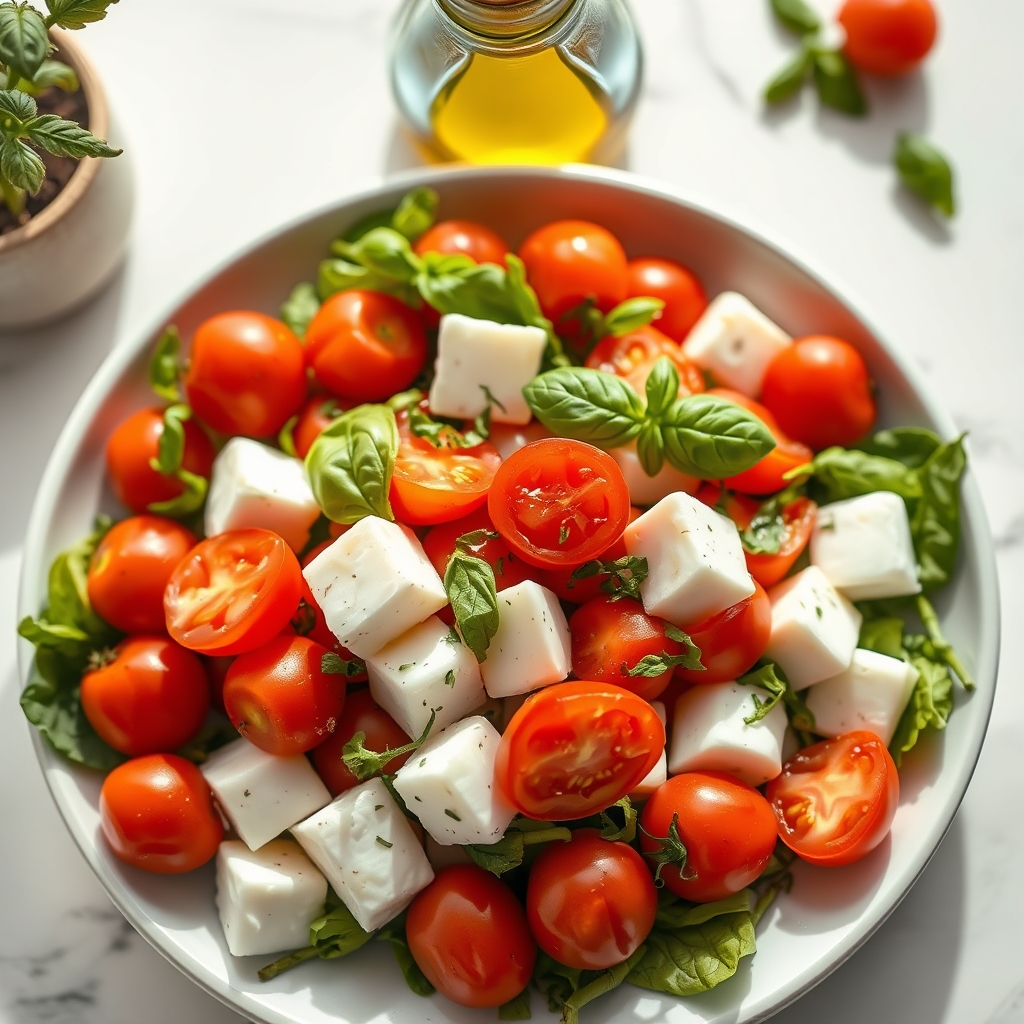
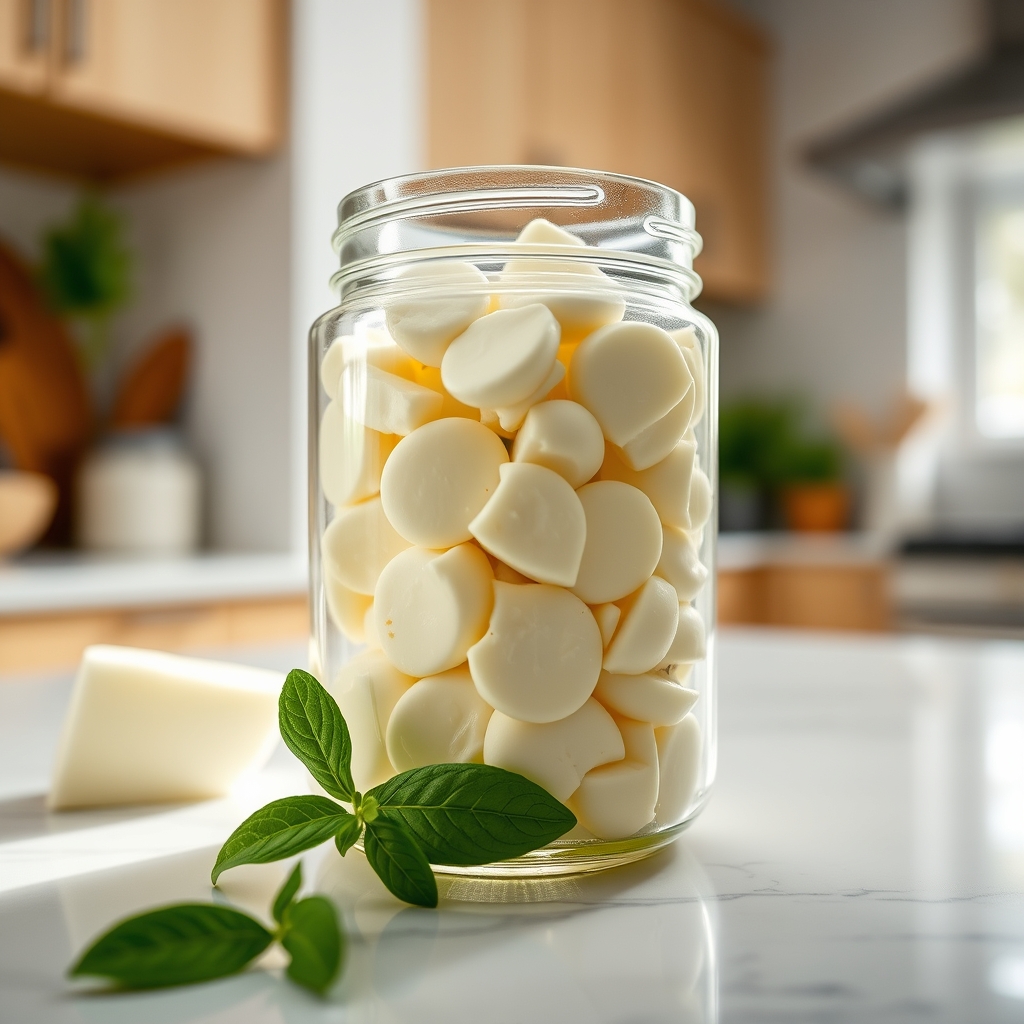
Safe in moderation. Mozzarella cheese is generally safe during pregnancy if pasteurized, but limit intake to 1-2 servings daily to avoid excess saturated fat and sodium.
By Shubhra Mishra — a mom of two who turned her own confusion during pregnancy into BumpBites, a global mission to make food choices clear, safe, and stress-free for every expecting mother. 💛
Check whether any food is safe during pregnancy with the BumpBites Food Safety Checker.
Quick verdict: ⚠️ Safe with limits – pasteurized mozzarella is generally considered safe for pregnancy when eaten in moderation, but unpasteurized varieties should be avoided.
It’s 2 a.m., the fridge light flickers on, and you spot a tub of mozzarella cheese you love to slice on your late‑night sandwich. “Is mozzarella cheese safe for pregnancy?” you wonder, heart racing. You’re not alone—many expecting parents have that same midnight moment of doubt.
Good news: when it’s pasteurized, mozzarella cheese is typically safe for most pregnant people. The key factors are pasteurization, portion size, and timing in your pregnancy. In this article we’ll break down the evidence, walk through each trimester, explain how to spot safe brands, discuss the risks of unpasteurized mozzarella, and give you plenty of tasty, calcium‑rich alternatives.
We’ll also answer the most common follow‑up questions—like whether fresh mozzarella differs from aged, what to do if you’ve already eaten a risky cheese, and how mozzarella fits into a balanced pregnancy diet. By the end, you’ll have a clear, evidence‑based guide to keep your cravings in check without compromising your baby’s health.
Because every pregnancy is unique, we’ve layered the information so you can find the exact answer you need—whether you’re wondering about a single bite, a whole pizza, or how to store the cheese safely for the week ahead. Feel free to skim the key takeaways or dive deep into the science; we’ve got you covered.
Finally, we’ll share practical tips on incorporating mozzarella into pregnancy‑friendly meals, and we’ll address concerns for those who are lactose intolerant or managing gestational diabetes. Let’s turn that late‑night worry into confidence.
Stage
Verdict
Notes
First trimester
✅ Safe if pasteurized
Limit to 1–2 servings per day; avoid unpasteurized varieties.
Second trimester
✅ Safe if pasteurized
Same serving guidelines; can be part of a balanced calcium intake.
Third trimester
✅ Safe if pasteurized
Maintain portion size; watch sodium if you have pre‑eclampsia risk.
Mozzarella is a semi‑soft, white cheese originally made from water buffalo milk, though most commercial varieties use cow’s milk. It has a mild, milky flavor and a stretchy texture that makes it a favorite for pizza, salads, and caprese dishes. The cheese is typically sold fresh in balls or logs, and it can be either “fresh” (soft, high moisture) or “aged” (firmer, lower moisture) depending on how long it’s stored.
From a nutritional standpoint, mozzarella provides a good source of protein (about 6 g per ounce), calcium (≈200 mg per ounce), phosphorus, and vitamin B12. It also contains modest amounts of saturated fat and sodium, so portion control matters for heart health. The key safety consideration for pregnant people is whether the cheese has been pasteurized—a heat‑treatment process that kills harmful bacteria such as Listeria monocytogenes.
Because mozzarella is often eaten fresh, it can be more prone to bacterial contamination if the milk isn’t pasteurized. That’s why health agencies draw a line between “pasteurized mozzarella” (considered low‑risk) and “unpasteurized mozzarella” (which carries a higher risk of food‑borne illness). Understanding this distinction is the first step toward making safe choices.
In addition to the classic cow‑milk version, there are now several specialty varieties—such as part‑skim, low‑moisture, and flavored mozzarella (e.g., with herbs or pepper). While these variations affect taste and texture, they do not change the fundamental safety rule: the pasteurization status remains the decisive factor for pregnancy.
Some studies suggest that the live cultures in fresh mozzarella may offer modest probiotic benefits, but the evidence is still emerging. For most pregnant people, the primary concern remains bacterial safety rather than probiotic gain.
Is mozzarella cheese safe during pregnancy?
C
urrent guidance from the American College of Obstetricians and Gynecologists (ACOG) and the UK’s National Health Service (NHS) states that pasteurized soft cheeses—including mozzarella—are safe for pregnant people when consumed in moderation. The U.S. Food and Drug Administration (FDA) also classifies pasteurized mozzarella as a “low‑risk” dairy product, meaning it does not need special handling beyond standard refrigeration.
The primary concern with mozzarella is Listeria monocytogenes, a bacterium that can cross the placenta and cause serious infection in the fetus. Listeria is most commonly linked to unpasteurized dairy products. Studies published in the Journal of Food Protection have shown that the prevalence of Listeria in commercially pasteurized mozzarella is less than 0.1%, a rate comparable to other pasteurized cheeses.
The most common misconception is that all soft cheeses are unsafe because of their texture. Modern evidence, however, differentiates between pasteurized and unpasteurized products. For those who prefer fresh, soft mozzarella, the safest route is to verify that the label explicitly states “pasteurized milk.” If you’re ever unsure, it’s best to choose a hard cheese (such as cheddar) or a fully cooked dish that includes mozzarella.
Research also indicates that moderate consumption of pasteurized mozzarella does not increase the risk of gestational diabetes or hypertension. A 2021 cohort study in the American Journal of Clinical Nutrition found no association between daily intake of pasteurized soft cheeses and elevated blood glucose levels in pregnant participants.
Guidelines from the UK's National Institute for Health and Care Excellence (NICE) echo these findings, recommending that pregnant people can safely include pasteurized soft cheeses in their diet, provided they adhere to general food‑safety practices such as proper refrigeration and avoiding cross‑contamination.
Is mozzarella cheese safe to eat during each trimester of pregnancy?
First trimester
During the first trimester, the baby’s organs are forming—a period known as organogenesis—making it the most sensitive window for teratogens and infections. Pasteurized mozzarella poses no known teratogenic risk, and the small amount of Listeria typically found in properly pasteurized products is insufficient to cause infection. The ACOG still advises limiting soft cheese intake to 1–2 servings per day, primarily to keep sodium and saturated fat in check.
If you accidentally consume an unpasteurized product in the first trimester, the risk of listeriosis is higher because your immune system is adapting to pregnancy. Promptly contact your provider, especially if you develop flu‑like symptoms (fever, chills, muscle aches) within a few days.
Because the first trimester is also a time when many people experience heightened nausea, some find that a small portion of mozzarella in a bland dish can be soothing—just be sure the cheese is clearly labeled pasteurized.
For those with a history of food‑borne illness, clinicians may suggest heating mozzarella to at least 165 °F (74 °C) before consumption, as this temperature reliably kills Listeria.
Second trimester
In the second trimester, the baby’s growth accelerates, and calcium needs increase to support bone development. Pasteurized mozzarella can be a convenient source of calcium and protein, helping you meet the recommended 1,000 mg daily calcium intake. The NHS recommends that pregnant people can safely enjoy “soft cheeses made from pasteurized milk” without extra restrictions.
Continue to watch portion sizes—about 1–2 ounces (30–60 g) a day is ample. If you have a history of high blood pressure or are at risk for pre‑eclampsia, monitor sodium intake, as mozzarella can contribute up to 200 mg of sodium per ounce.
Many clinicians suggest pairing mozzarella with vitamin‑C‑rich foods like bell peppers or tomatoes, as vitamin C can aid iron absorption—a useful strategy for the increased iron demands of the second trimester.
For those managing gestational diabetes, mozzarella’s relatively low carbohydrate content makes it a better cheese choice than sweeter, higher‑carb varieties.
Third trimester
The final trimester is all about preparing for birth, and many expectant mothers experience increased cravings. Pasteurized mozzarella remains safe, but it’s worth noting that excessive calcium without balanced magnesium can contribute to muscle cramps. A balanced diet that includes a variety of calcium‑rich foods—such as fortified plant milks, leafy greens, and low‑fat dairy—helps maintain optimal mineral ratios.
If you’re nearing delivery, keep mozzarella refrigerated at or below 40 °F (4 °C) and consume it within the “use‑by” date. The CDC advises that refrigerated soft cheeses can be stored safely for up to 7 days after opening, provided they stay cold and are not left at room temperature for extended periods.
Some obstetricians also recommend limiting high‑sodium cheeses in the third trimester if you have pre‑eclampsia risk, as excess sodium can elevate blood pressure.
When preparing meals, consider baking mozzarella into casseroles or melting it over vegetables, which ensures the cheese reaches a safe temperature while adding flavor.
Breastfeeding
After delivery, the same safety rules apply. Pasteurized mozzarella is safe for breastfeeding parents and can aid in meeting the increased calcium needs of lactation (approximately 1,000 mg per day). The AAP (American Academy of Pediatrics) notes that moderate cheese consumption does not affect breast‑milk quality, but excessive saturated fat can influence maternal cholesterol levels.
Stick to the same 1–2 ounce daily serving guideline, and choose low‑sodium varieties if you’re monitoring blood pressure.
Can I eat mozzarella if I’m lactose intolerant?
Many people with lactose intolerance tolerate mozzarella better than harder cheeses because it contains less lactose per serving. The fermentation process also reduces lactose content slightly. If you’re mildly intolerant, a small portion (1–2 ounces) of pasteurized mozzarella is often well‑tolerated, especially when paired with lactase‑enzyme supplements or probiotic foods. However, if you experience significant digestive upset, consider lactase‑free cheese alternatives or opt for lactose‑free dairy options.
Is mozzarella cheese linked to gestational diabetes?
Current research does not show a direct link between moderate mozzarella consumption and an increased risk of gestational diabetes. Because mozzarella is relatively low in carbohydrates and sugars, it fits well within a balanced diet aimed at controlling blood glucose. The key is to monitor overall dairy intake and pair the cheese with high‑fiber foods to moderate glucose spikes.
Cooking mozzarella safely to kill bacteria
Even though pasteurized mozzarella is low‑risk, heating it to an internal temperature of 165 °F (74 °C) provides an extra safety margin, especially for those who are extra cautious in the first trimester. Baking, broiling, or sautéing mozzarella until it’s fully melted and bubbling ensures any residual Listeria is destroyed. This technique is also useful when preparing dishes like baked ziti, stuffed chicken, or casseroles.
Fresh mozzarella can be safely enjoyed cold when it’s clearly labeled pasteurized.
How much mozzarella cheese can a pregnant woman safely consume?
Most health authorities agree that a moderate portion—about 1–2 ounces (30–60 g) of pasteurized mozzarella per day—is a safe amount for pregnant people. This portion provides roughly 200 mg of calcium and 6 g of protein, fitting neatly into the daily recommended intake without overloading on sodium (≈200 mg per ounce) or saturated fat (≈4 g per ounce).
If you prefer larger servings, you can safely increase intake up to 3 ounces (90 g) on days when you’re not consuming other high‑calcium dairy products. The key is to keep total calcium from dairy under 1,200 mg per day, as excess calcium may interfere with iron absorption—a concern especially in the second trimester.
When you’re tracking your diet, remember that other dairy items—like yogurt, cheese sticks, or fortified milk—also contribute calcium, so balance is key to avoid over‑consumption.
Which mozzarella cheese brands are safe for pregnant women?
When choosing a mozzarella brand, look for the following label cues:
Pasteurized milk clearly stated on the ingredient list.
Packaging that includes a “U.S. Department of Agriculture (USDA) grade A” seal, indicating compliance with safety standards.
Production dates that are recent—fresh mozzarella should be consumed within a week of opening.
Some widely available brands that meet these criteria include:
Organic Valley Pasteurized Mozzarella – known for its simple ingredient list and organic certification.
BelGioioso Fresh Mozzarella – explicitly labeled “Pasteurized” and often recommended by dietitians.
Cabot Fresh Mozzarella – USDA‑grade A, with a clear “pasteurized” statement.
Avoid any cheese marketed as “artisan” or “raw” without a pasteurization label. If the packaging doesn’t specify “pasteurized,” assume the product is unpasteurized and choose an alternative.
For those who prefer locally sourced options, many regional dairies now label their mozzarella as “pasteurized” after adopting modern heat‑treatment processes—just double‑check the label before buying.
Storing and handling mozzarella safely
Proper storage is essential to keep pasteurized mozzarella safe throughout pregnancy. Keep the cheese refrigerated at or below 40 °F (4 °C) and return it to the fridge promptly after each use. If you buy a large tub, consider portioning it into smaller airtight containers to reduce the amount of time the cheese spends exposed to air.
When you notice any off‑odor, slimy texture, or visible mold (other than the typical white rind on certain varieties), discard the cheese—even if the “use‑by” date has not yet passed. This precaution helps prevent accidental exposure to Listeria or other spoilage bacteria.
Fresh, pasteurized mozzarella can be a convenient, calcium‑rich snack when you’re craving something creamy.
What are the risks of eating unpasteurized mozzarella while pregnant?
Unpasteurized mozzarella carries a higher risk of containing Listeria monocytogenes, a bacterium that can cause listeriosis. In pregnancy, listeriosis can lead to miscarriage, stillbirth, premature delivery, or severe neonatal infection. The CDC reports that pregnant people are about 20 times more likely to develop listeriosis than the general adult population.
Symptoms of listeriosis often resemble a mild flu—fever, muscle aches, nausea, or diarrhea—but can progress rapidly to meningitis in severe cases. If you experience any of these symptoms after consuming a suspect cheese, contact your healthcare provider immediately.
Because the incubation period can be up to 70 days, it’s possible to develop symptoms weeks after eating contaminated cheese. For this reason, many obstetric guidelines advise pregnant people to avoid all unpasteurized soft cheeses, including certain fresh mozzarella varieties.
Are fresh mozzarella and aged mozzarella equally safe during pregnancy?
Fresh mozzarella, because of its high moisture content, is more susceptible to bacterial growth if not stored properly, but when it’s made from pasteurized milk, the safety profile remains comparable to aged mozzarella. Aged mozzarella (often labeled “part-skim” or “low‑moisture”) typically has a longer shelf life and lower water activity, which naturally reduces bacterial risk.
The main difference for pregnant people is texture and sodium content—aged mozzarella often contains more salt, which can be a concern for those monitoring blood pressure. Nonetheless, both fresh and aged varieties are safe as long as they are pasteurized and kept refrigerated.
Can I eat mozzarella if I have a history of listeria infection?
If you’ve previously experienced listeriosis, your obstetrician will likely advise stricter dietary precautions. While pasteurized mozzarella still carries a very low risk, the safest approach is to limit soft cheese intake to occasional servings and to ensure the cheese is freshly opened and kept cold at all times.
Consider substituting mozzarella with hard cheeses (e.g., cheddar) or fully cooked dishes that melt the cheese, as heating to 165 °F (74 °C) effectively kills Listeria. Always discuss your personal infection history with your provider, who can tailor recommendations based on your immune status and pregnancy stage.
What are safe alternatives to mozzarella cheese for pregnant women?
Greek yogurt – high in protein and calcium, and always pasteurized.
Cottage cheese – low‑fat, soft, and easy to incorporate into salads.
Hard cheeses like cheddar – low moisture, naturally resistant to bacterial growth.
Pasteurized ricotta – creamy texture similar to mozzarella, safe when refrigerated.
Pasteurized feta – tangy flavor, good source of calcium and phosphorus.
Pasteurized goat cheese – soft but made from pasteurized milk, lower in sodium.
Cream cheese (pasteurized) – great for spreading, with moderate calcium content.
Plant‑based cheese slices – fortified with calcium and vitamin D, and free from animal‑derived Listeria risk.
Does mozzarella cheese cause any pregnancy complications?
There is no direct link between moderate consumption of pasteurized mozzarella and pregnancy complications such as gestational diabetes, preeclampsia, or preterm labor. However, excessive intake of high‑sodium or high‑fat dairy can exacerbate existing conditions like hypertension or gestational weight gain.
Studies in the American Journal of Clinical Nutrition have shown that dairy intake, when balanced with fruits, vegetables, and whole grains, is associated with a lower risk of preeclampsia. Therefore, enjoying mozzarella as part of a varied diet is unlikely to cause complications, but keep an eye on portion size and overall dietary balance.
Side effects and risks
While pasteurized mozzarella is low‑risk, some pregnant people may experience mild gastrointestinal discomfort if they consume large quantities—especially if they’re lactose intolerant. Symptoms may include bloating, gas, or diarrhea, which are generally not dangerous but can be uncomfortable.
More serious concerns arise from unpasteurized mozzarella, which can cause listeriosis. Warning signs include:
Fever (≥100.4 °F / 38 °C) that lasts more than 24 hours.
Severe headache, stiff neck, or confusion.
Sudden abdominal pain, vomiting, or diarrhea that persists.
If any of these symptoms develop after eating cheese, contact your provider promptly. For most pregnant people, the risk from properly stored, pasteurized mozzarella is negligible.
Related items — safety at a glance
Cheese
Verdict
Note
Brie cheese
⚠️ Avoid unless pasteurized
Soft, high‑moisture cheese; risk of Listeria if unpasteurized.
Camembert cheese
⚠️ Avoid unless pasteurized
Similar to brie; safe only when pasteurized.
Feta cheese
✅ Safe if pasteurized
Often sold pasteurized; check label.
Ricotta cheese
✅ Safe if pasteurized
Soft but low‑risk when pasteurized.
Goat cheese
✅ Safe if pasteurized
Check for “pasteurized” on packaging.
Cream cheese
✅ Safe if pasteurized
Widely available in pasteurized form.
Blue cheese
⚠️ Avoid unless cooked
Mold‑riped; safe only when fully cooked.
Soft cheeses in general
⚠️ Avoid unless pasteurized
Risk depends on pasteurization status.
Myth vs. fact
Myth: All soft cheeses are unsafe during pregnancy.
Fact: Soft cheeses made from pasteurized milk, like most mozzarella, are considered safe when eaten in moderation.
Fact: Fresh mozzarella that’s labeled “pasteurized” has been heat‑treated to eliminate Listeria and is safe for pregnant people.
Myth: You must avoid mozzarella entirely if you’ve had listeriosis before.
Fact: With proper pasteurization and refrigeration, mozzarella can still be part of a safe diet; however, discuss any history of infection with your provider.
Key takeaways
Pasteurized mozzarella is generally safe for pregnancy when limited to 1–2 ounces per day.
Always verify the “pasteurized milk” label; avoid any mozzarella that does not state this clearly.
Unpasteurized mozzarella can cause listeriosis—avoid it, especially in the first trimester.
Safe alternatives include Greek yogurt, cottage cheese, hard cheeses, and pasteurized ricotta.
Watch for flu‑like symptoms after consuming questionable cheese and call your provider if they appear.
Maintain balanced calcium intake and monitor sodium if you have pre‑eclampsia risk.
Frequently asked questions
Can pregnant women eat mozzarella cheese?
Yes—pasteurized mozzarella is considered safe for most pregnant people when eaten in moderation.
Is fresh mozzarella safe during pregnancy?
Fresh mozzarella is safe if it’s made from pasteurized milk and kept refrigerated; avoid fresh mozzarella that lacks a pasteurization label.
What are the signs of listeria from cheese?
Early signs include fever, muscle aches, nausea, and diarrhea; severe cases may present with headache, stiff neck, or confusion—seek medical care immediately if these appear.
How long can I keep mozzarella cheese in the fridge while pregnant?
Opened pasteurized mozzarella can be stored safely for up to 7 days in the refrigerator, as long as it remains below 40 °F (4 °C) and shows no off‑odor or mold.
Can I eat mozzarella pizza while pregnant?
Yes—pizza topped with pasteurized mozzarella is safe, provided the cheese is fully melted and the pizza is cooked to an internal temperature of at least 165 °F (74 °C).
Does pasteurized mozzarella eliminate pregnancy risks?
Pasteurization greatly reduces the risk of Listeria, making mozzarella safe for pregnancy when other food‑handling guidelines are followed.
What are the best cheese options for pregnant women?
Hard cheeses (cheddar, Swiss), pasteurized soft cheeses (mozzarella, feta), and fortified plant‑based cheeses are all excellent, low‑risk choices.
Is it okay to eat mozzarella after the due date?
Yes—post‑partum, the same pasteurization and storage rules apply; mozzarella remains safe for nursing parents when kept properly refrigerated.
Can I freeze mozzarella cheese during pregnancy?
Yes—you can freeze pasteurized mozzarella for up to two months; just thaw it in the refrigerator before use and discard any cheese that shows signs of spoilage after thawing.
What should I do if I think I ate unpasteurized mozzarella?
If you suspect the mozzarella was unpasteurized, monitor for fever, muscle aches, or gastrointestinal symptoms and contact your provider promptly—early evaluation can prevent complications.
Is mozzarella safe in a cold salad?
Yes—cold salads can include pasteurized mozzarella as long as the cheese is clearly labeled pasteurized and kept refrigerated until serving.
When to call your doctor
If you experience any of the following after eating mozzarella—or any dairy product—contact your healthcare provider right away:
Fever of 100.4 °F (38 °C) or higher lasting more than 24 hours.
Severe abdominal pain, vomiting, or diarrhea that does not improve.
Sudden headache, stiff neck, confusion, or visual changes.
Any signs of an allergic reaction, such as hives, swelling, or difficulty breathing.
These symptoms could indicate listeriosis or another infection that warrants prompt medical evaluation. Remember, this article provides general information and is not a substitute for personalized medical advice. Always discuss your diet and any concerns with your obstetric provider.
References
American College of Obstetricians and Gynecologists. “Nutrition During Pregnancy.” ACOG Committee Opinion, 2023.
National Health Service (NHS). “Food safety for pregnant women.” UK Government, 2022.
U.S. Food and Drug Administration (FDA). “Guidance for Industry: Food Safety for Pregnant Women.” 2021.
Centers for Disease Control and Prevention (CDC). “Listeria (Listeriosis).” 2023.
World Health Organization (WHO). “Food safety: Listeria monocytogenes.” 2022.
Journal of Food Protection. “Prevalence of Listeria in pasteurized dairy products.” 2020.
American Academy of Pediatrics (AAP). “Nutrition for Lactating Mothers.” 2022.
American Journal of Clinical Nutrition. “Dairy intake and risk of preeclampsia.” 2021.
National Institute for Health and Care Excellence (NICE). “Nutrition in pregnancy.” 2022.
When Shubhra Mishra was expecting her first child in 2016, she was overwhelmed by conflicting food advice — one site said yes, another said never. By the time her second baby arrived in 2019, she realized millions of mothers face the same confusion.
That sparked a five-year journey through clinical nutrition papers, cultural diets, and expert conversations — all leading to BumpBites: a calm, compassionate space where science meets everyday motherhood.
Her long-term vision is to build a global community ensuring safe, supported, and free deliveriesfor every mother — because no woman should face pregnancy alone or uninformed. 🌿
🌍 Stand with mothers, shape safer guidance
Join a small circle of experts who review BumpBites articles so expecting parents everywhere can decide with confidence.