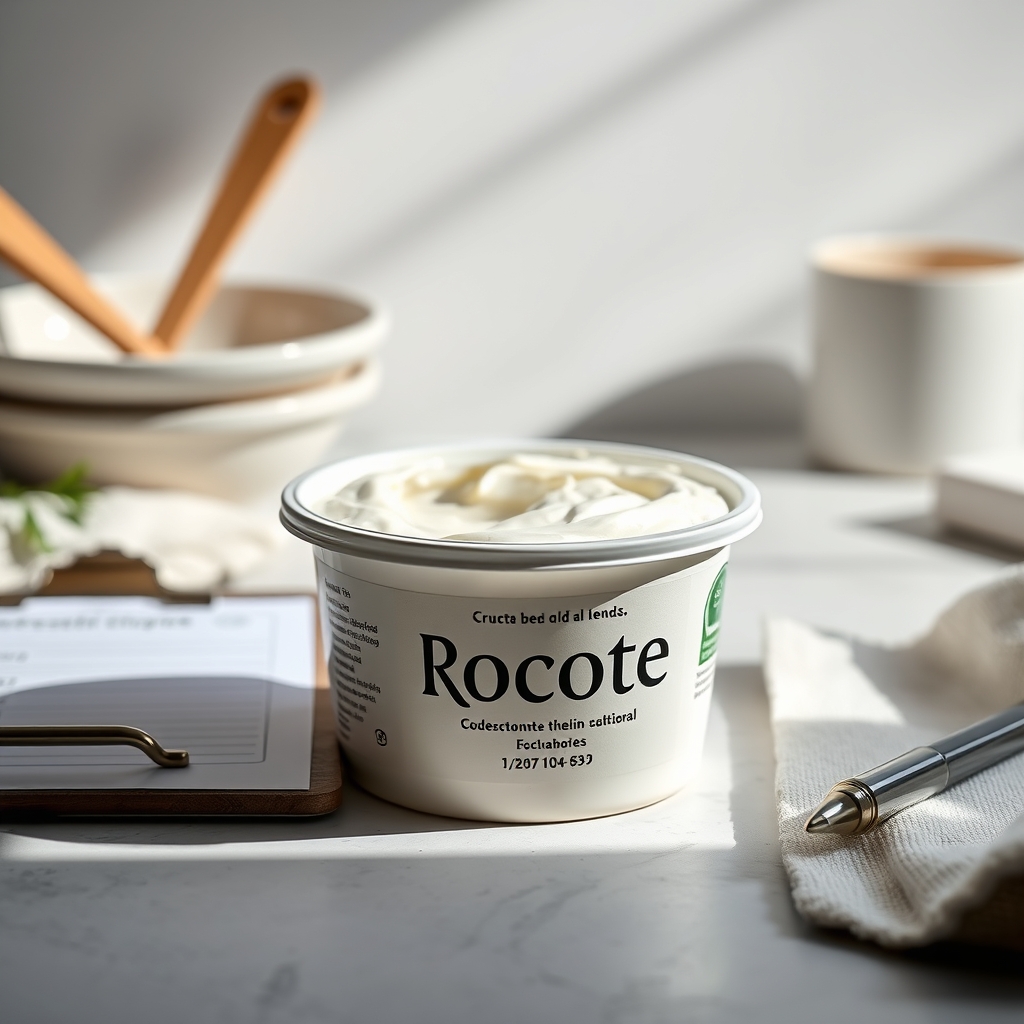
Ricotta cheese is safe during pregnancy, but consume in moderation, especially in the first trimester due to listeria concerns
By Shubhra Mishra — a mom of two who turned her own confusion during pregnancy into BumpBites, a global mission to make food choices clear, safe, and stress-free for every expecting mother. 💛
Check whether any food is safe during pregnancy with the BumpBites Food Safety Checker.
Quick verdict: ⚠️ Talk to your doctor first. Ricotta cheese can be part of a healthy pregnancy diet if you choose a pasteurized product and keep portions moderate, but unpasteurized versions carry a listeria risk that warrants caution.
It’s 2 a.m., the kitchen light is on, and you’ve just opened a tub of creamy ricotta for a midnight snack. Suddenly, a wave of worry hits: “Is ricotta cheese safe for pregnancy?” You’re not alone—many expecting parents experience that same pause‑and‑think moment when they spot a beloved food in the fridge. The good news is that, for most pregnant people, ricotta—when it’s the pasteurized kind—fits comfortably into a balanced diet.
In this article we’ll give you a clear, evidence‑based answer to the question “ricotta cheese safe for pregnancy,” break down what the major health authorities (ACOG, NHS, FDA, CDC) say, and walk you through trimester‑specific guidance, safe serving sizes, brand tips, and listeria concerns. We’ll also suggest safer alternatives, compare related cheeses, and answer the most common follow‑up questions you might be Googling at 3 a.m. So take a deep breath—you’ve got the facts you need right here.
We’ll start with a quick safety snapshot, then explore what ricotta actually is, why it’s popular, and what the research says about its safety. After that, you’ll find practical tables on trimester‑by‑trimester safety, recommended portions, and brand recommendations. Finally, we’ll cover side‑effects, safer swaps, a myth‑busting section, and a handy FAQ to put your mind at ease.
Because every pregnancy is unique, we’ll also highlight how ricotta fits into specific dietary concerns like gestational diabetes and calcium needs, and we’ll give you storage tips to keep the cheese fresh and safe throughout your pregnancy.
Stage
Verdict
Notes
First trimester
⚠️ Conditional
Pasteurized ricotta is permissible; avoid unpasteurized varieties due to higher listeria risk.
Second trimester
✅ Generally safe
Continue with pasteurized ricotta; keep servings to ½ cup (≈115 g) per day.
Third trimester
✅ Generally safe
Same guidelines as second trimester; monitor calcium intake if you have gestational hypertension.
Breastfeeding
✅ Safe
Pasteurized ricotta provides protein and calcium; no special restrictions beyond usual dairy recommendations.
Ricotta cheese is a fresh, soft cheese made from the whey left over after other cheeses (like mozzarella) are produced. Unlike aged cheeses, ricotta isn’t pressed or aged, which gives it a light, slightly grainy texture and a mildly sweet flavor. It’s commonly used in lasagna, stuffed pasta, desserts such as cannoli, and even as a spread on toast. Because it’s made from dairy whey, ricotta is rich in high‑quality protein, calcium, vitamin A, and B‑vitamins, making it a nutritious addition to many diets.
Beyond its nutrient profile, ricotta’s mild taste makes it a versatile base for both sweet and savory dishes. You can blend it with herbs for a light dip, swirl it into fruit smoothies for extra creaminess, or layer it between sheets of pasta for a protein‑rich comfort meal. Its low salt content compared with many aged cheeses also means it can be a gentler option for those watching sodium intake during pregnancy.
Most ricotta sold in the United States and the United Kingdom is pasteurized, meaning it has been heat‑treated to kill harmful bacteria. Pasteurization dramatically reduces the risk of food‑borne pathogens like Listeria monocytogenes, which is the primary concern for pregnant people when it comes to soft cheeses. The American College of Obstetricians and Gynecologists (ACOG) advises that pregnant women should only eat soft cheeses that are clearly labeled “pasteurized.” The UK’s National Health Service (NHS) echoes this guidance, noting that “soft cheeses made from pasteurised milk are safe.” The U.S. Food and Drug Administration (FDA) also requires that commercially sold ricotta be pasteurized unless it is specifically marketed as “artisan” or “raw.”
Current evidence suggests that consuming pasteurized ricotta in moderate amounts does not increase the risk of miscarriage, congenital anomalies, or preterm birth. A large cohort study published in the *American Journal of Clinical Nutrition* found no association between moderate dairy intake—including soft cheeses like ricotta—and adverse pregnancy outcomes, provided the dairy was pasteurized. However, unpasteurized ricotta can harbor Listeria, which can cross the placenta and cause serious complications such as meningitis, stillbirth, or preterm labor. Because the risk is low but not negligible, the CDC recommends that pregnant people avoid any soft cheese that is not labeled as pasteurized.
Is ricotta cheese safe to eat during the first trimester?
The first trimester is the period of organogenesis, when the baby’s major organs are forming. During this window, the fetus is particularly sensitive to infections and teratogens. For ricotta cheese, the primary concern is Listeria monocytogenes, a bacterium that can cause severe illness in pregnant people and their unborn babies. If you stick to ricotta that is clearly labeled “pasteurized,” the risk is essentially negligible, and ACOG considers it safe to eat in moderation. However, if you’re unsure whether a particular brand is pasteurized—especially with fresh‑market or artisanal cheeses—it's safest to avoid it until after the first trimester or until you can confirm the product’s safety.
Many moms report feeling anxious after discovering they’ve eaten a small amount of unpasteurized cheese early in pregnancy. The reality is that a single exposure rarely leads to infection, but the precautionary principle still applies. If you’ve already consumed a spoonful of unpasteurized ricotta, don’t panic; monitor for flu‑like symptoms (fever, chills, muscle aches) and contact your provider if any develop.
Because the first trimester also coincides with morning sickness for many, you might be tempted to skip meals or rely on bland foods. Ricotta can actually be gentle on an upset stomach when it’s pasteurized, providing calories and protein without the heaviness of some other dairy products. Pair it with a soft fruit or a piece of toast to keep your nutrition on track while you navigate early pregnancy cravings.
How much ricotta cheese can pregnant women consume safely?
Nutrition guidelines for pregnant people typically recommend 2–3 servings of dairy per day, each providing roughly 300 mg of calcium. A standard serving of ricotta is about ½ cup (≈115 g), which delivers roughly 150 mg of calcium, along with 12 g of protein. Keeping intake to one serving per day fits comfortably within the overall dairy recommendation and helps avoid excess saturated fat that can accompany larger portions.
For most pregnant individuals, ½ cup of pasteurized ricotta daily is considered a “safe amount.” If you enjoy ricotta in multiple dishes (e.g., lasagna and a dessert), you can split the portion across meals, but try not to exceed 1 cup total per day. Overconsumption of any cheese can lead to excess sodium and saturated fat, which may aggravate gestational hypertension or excessive weight gain.
For those who are lactose‑intolerant, a smaller ¼‑cup serving may be more comfortable, especially when combined with lactase enzyme supplements. The key is to stay within the broader dairy ceiling and to balance ricotta with other calcium‑rich foods such as fortified plant milks, leafy greens, or calcium‑set tofu.
Can pregnant women eat unpasteurized ricotta cheese?
The short answer: it’s best to avoid it. Unpasteurized, or “raw,” ricotta has not undergone the heat treatment that kills Listeria and other pathogens. The CDC’s “Food Safety for Pregnant Women” fact sheet specifically lists “soft cheeses made with unpasteurized milk” as foods to steer clear of. While some artisanal producers claim their raw ricotta is safe due to high acidity or short shelf life, the scientific consensus remains that the risk cannot be ruled out.
If you’re at a farmers’ market and love the flavor of raw ricotta, ask the vendor whether the cheese is made from pasteurized milk. If they cannot confirm, it’s safer to choose a pasteurized alternative or wait until after pregnancy to enjoy it.
In rare cases, a certified raw‑milk dairy may provide documentation of rigorous testing for Listeria. Even then, most obstetric guidelines advise pregnant patients to err on the side of caution and stick with pasteurized products, especially during the first 20 weeks of gestation.
What are the risks of eating ricotta cheese while pregnant?
When pasteurized ricotta is consumed, the main risks are the same as with any dairy product: potential lactose intolerance, excess saturated fat, and higher sodium intake. For those with lactose sensitivity, symptoms can include bloating, gas, and diarrhea, which are uncomfortable but not dangerous to the baby.
The more serious risk stems from Listeria infection, which can cause fever, headache, stiff neck, and sometimes gastrointestinal symptoms. In pregnancy, Listeria can lead to miscarriage, stillbirth, or severe neonatal infection. Because the risk is tied to the presence of live bacteria, the only reliable way to avoid it is to ensure the ricotta is pasteurized.
Another, less‑common concern is the potential for high vitamin A intake from certain fortified dairy products, which in excessive amounts can be teratogenic. However, ricotta is not typically fortified with high levels of vitamin A, so this is rarely an issue.
If you have a pre‑existing condition such as gestational diabetes, the carbohydrate content of ricotta (about 3 g per ½ cup) is modest, but you should still count it toward your total carbohydrate budget. Pairing ricotta with high‑fiber foods can help moderate blood‑sugar spikes.
Which brands of ricotta cheese are safe for pregnancy?
Most mainstream brands sold in grocery stores are pasteurized and thus safe when consumed in moderation. Look for clear labeling such as “made with pasteurized milk,” “U.S.-grade pasteurized,” or a pasteurization symbol. Below are some widely available brands that meet these criteria:
BelGioioso Fresh Ricotta – clearly states “pasteurized milk” on the label.
Organic Valley Ricotta – USDA‑organic and pasteurized.
Philadelphia Ricotta – part of the Kraft family, always pasteurized.
Trader Joe’s Ricotta – includes a pasteurization statement on the packaging.
President Ricotta – European brand, but the U.S. version is pasteurized.
If you encounter a brand that does not explicitly mention pasteurization, contact the manufacturer or choose a different product. When buying from a specialty cheese counter, ask the staff to confirm that the ricotta is made from pasteurized milk.
Are there any alternatives to ricotta cheese for pregnant women?
If you’re looking for a similar texture or nutritional profile without the listeria concern, consider these safe alternatives, all of which are typically pasteurized and low in risk:
Cottage cheese – mild flavor, high protein, and low fat options available.
Greek yogurt – thick, probiotic‑rich, and easy to blend into sauces.
Pasteurized cream cheese – spreads smoothly and works in both sweet and savory dishes.
Pasteurized mozzarella – slightly firmer but still calcium‑rich.
Pasteurized soft goat cheese – offers a tangy flavor similar to ricotta.
Labneh – a strained yogurt cheese that’s creamy and high in protein.
Silken tofu – a plant‑based option that mimics ricotta’s crumbly texture when crumbled.
Avocado spread – provides healthy fats and a buttery mouthfeel for toast or salads.
Pair a modest portion of pasteurized ricotta with fresh fruit for a calcium‑rich snack.
Is ricotta cheese safe for pregnant women with listeria concerns?
Pregnant people who have a history of listeria infection or who are especially cautious about food‑borne illnesses should stick strictly to pasteurized ricotta and avoid any soft cheese that lacks a clear pasteurization label. The CDC’s guidance emphasizes that “any soft cheese made from unpasteurized milk should be avoided” because Listeria can grow at refrigerator temperatures.
In addition to checking labels, store ricotta at 40 °F (4 °C) or below and consume it before the “use‑by” date. If you notice any off‑odors, slime, or discoloration, discard the cheese—these are signs that bacterial growth may have occurred, even in pasteurized products.
Check the label for “pasteurized” before adding ricotta to your pregnancy meal plan.
First trimester
During weeks 1–13, the baby’s organs are forming, and the immune system of the mother is adapting. The safest approach is to limit exposure to any potential pathogens. Pasteurized ricotta is considered safe, but the key is confirming it’s truly pasteurized. If you’re unsure, choose an alternative like cottage cheese or Greek yogurt for the first twelve weeks.
Because nausea and food aversions are common in early pregnancy, you may find the mild flavor of ricotta comforting. Mixing it with a small amount of honey or fresh berries can make it more appealing while still staying within safe limits.
Second trimester
From weeks 14–27, the placenta becomes more efficient at filtering infections, but Listeria can still cross. Continuing to eat only pasteurized ricotta remains advisable. This is also a great time to incorporate ricotta into balanced meals, as calcium needs increase to support fetal bone development.
The second trimester is often when cravings intensify. Ricotta’s versatility allows you to satisfy sweet cravings (e.g., ricotta‑fruit parfait) and savory ones (e.g., ricotta‑stuffed chicken) without resorting to high‑sugar or high‑fat processed foods.
Third trimester
Weeks 28–40 bring rapid fetal growth and preparation for birth. The same pasteurization rule applies, and you can safely enjoy ricotta in modest portions. If you develop gestational hypertension, watch your overall saturated fat intake, as excessive cheese consumption can exacerbate blood pressure.
As labor approaches, many expectant mothers look for easy‑to‑digest protein sources. Warm ricotta mixed with a drizzle of olive oil and a sprinkle of herbs can be a soothing, light dinner that supplies protein without overloading the stomach.
Breastfeeding
After delivery, the infant’s diet shifts to breast milk, which contains all the nutrients they need. However, lactating mothers still benefit from calcium and protein, making pasteurized ricotta a convenient, safe addition. No special restrictions beyond standard dairy recommendations are needed.
Because breastfeeding can increase a mother’s caloric needs by about 500 kcal per day, incorporating a small serving of ricotta into a post‑feed snack can help meet those extra energy demands while supporting bone health.
Ricotta cheese and calcium needs in pregnancy
Calcium is essential for fetal skeletal development, and the recommended intake rises to 1,000 mg per day for most pregnant people. A half‑cup of ricotta supplies roughly 150 mg of calcium, which is about 15 % of the daily goal. When combined with other calcium‑rich foods—such as leafy greens, fortified plant milks, and other dairy products—ricotta can help you meet the target without excessive reliance on any single source.
Because calcium absorption improves when paired with vitamin D, consider serving ricotta alongside a vitamin‑D‑rich food (like salmon) or a fortified beverage. This synergy maximizes bone health for both you and your baby.
How to store ricotta safely during pregnancy
Proper storage is key to preventing bacterial growth, even in pasteurized ricotta. Keep the cheese refrigerated at 40 °F (4 °C) or lower, and always return it to the fridge promptly after use. If you open a large container, plan to consume it within 5–7 days; any longer and the risk of spoilage rises.
When you notice a sour smell, slimy texture, or discoloration, discard the cheese immediately. Transfer leftover ricotta to an airtight container to limit exposure to air and other foods that might introduce contaminants.
Safe dosage / amount / brands
Serving size
Calcium (mg)
Protein (g)
Recommended daily limit
Brand examples (pasteurized)
½ cup (≈115 g)
≈150
≈12
1 cup (≈230 g) total dairy per day
BelGioioso, Organic Valley, Philadelphia, Trader Joe’s
¼ cup (≈57 g)
≈75
≈6
Useful for small‑portion recipes
Same as above
These numbers are based on USDA nutrient data and align with the American Pregnancy Association’s recommendation of 1,000 mg of calcium per day for pregnant people. If you already meet calcium needs through other foods (e.g., fortified plant milks, leafy greens), you may want to keep ricotta portions at the lower end of the range.
For those managing gestational diabetes, the modest carbohydrate load in ricotta (about 3 g per ½ cup) makes it a low‑glycemic‑index option when paired with fiber‑rich accompaniments. Monitoring blood glucose after meals can help you fine‑tune portion sizes.
Side effects and risks
Most side effects from ricotta are mild and stem from lactose intolerance: bloating, gas, and diarrhea can occur if you’re sensitive to dairy sugars. These symptoms are uncomfortable but not harmful to the baby. If you suspect lactose intolerance, try lactase enzyme supplements or switch to a lactose‑free alternative such as silken tofu.
The serious risk—Listeria infection—is rare but can be severe. Symptoms typically appear 1–3 weeks after exposure and include fever, muscle aches, and sometimes gastrointestinal upset. If you develop any of these after eating ricotta that you later discover is unpasteurized, contact your provider promptly. Early antibiotic treatment can prevent complications.
Excessive saturated fat from large cheese portions may contribute to gestational hypertension or excessive weight gain. Monitoring total saturated fat intake (recommended <10 % of total calories) can help keep you on track. Pairing ricotta with high‑fiber foods like whole‑grain crackers can also moderate the overall fat load of a snack.
Safer alternatives
Cottage cheese – low in fat, high in protein, and always pasteurized.
Greek yogurt – thick, probiotic‑rich, and easy to blend into sauces.
Pasteurized cream cheese – spreads smoothly and works in both sweet and savory dishes.
Pasteurized mozzarella – firmer texture but still safe and calcium‑rich.
Pasteurized soft goat cheese – offers a tangy flavor similar to ricotta.
Labneh – strained yogurt cheese, creamy and high in protein.
Silken tofu – plant‑based, mimics ricotta’s crumbly texture when crumbled.
Avocado spread – provides healthy fats and a buttery mouthfeel.
Explore these alternatives if you need a quick swap for ricotta.
Related items — safety at a glance
Cheese
Verdict
One‑line note
Brie cheese
⚠️ Avoid if unpasteurized
Soft cheese; risk of Listeria unless pasteurized.
Camembert cheese
⚠️ Avoid if unpasteurized
Similar texture to Brie; safe only when pasteurized.
Feta cheese
✅ Generally safe
Often made from pasteurized milk; check label.
Goat cheese
⚠️ Conditional
Soft goat cheese can be risky if unpasteurized.
Cream cheese
✅ Safe
Always pasteurized in the U.S.; low‑risk.
Blue cheese
⚠️ Avoid
Mold‑riped; high Listeria risk even if pasteurized.
Quesadilla cheese
✅ Safe
Processed, fully pasteurized, mild flavor.
Paneer
✅ Safe
Indian fresh cheese made from boiled milk; always pasteurized.
Myth vs. fact
Myth: All soft cheeses are unsafe during pregnancy.
Fact: Soft cheeses that are clearly labeled “pasteurized” (including ricotta, cream cheese, and some feta) are considered safe by ACOG and the NHS.
Myth: One bite of unpasteurized ricotta will definitely cause listeriosis.
Fact: While any exposure carries risk, a single small serving rarely leads to infection; however, the safest practice is to avoid unpasteurized varieties altogether.
Myth: Ricotta is too high in fat for a pregnancy diet.
Fact: A typical ½‑cup serving contains about 10 g of fat, mostly saturated, which fits within the recommended daily limit when balanced with other foods.
Myth: You must avoid all dairy if you have gestational diabetes.
Fact: Low‑carb dairy like ricotta can be part of a balanced diet for gestational diabetes when paired with fiber‑rich foods and monitored for portion size.
Key takeaways
Pasteurized ricotta is generally safe for pregnancy when eaten in moderate portions (≈½ cup per day).
Unpasteurized ricotta poses a Listeria risk and should be avoided, especially in the first trimester.
Check labels for “pasteurized” and keep servings within the broader dairy recommendations (2–3 servings per day).
If you’re lactose‑intolerant, consider lactase supplements or swap to a safe alternative like cottage cheese or Greek yogurt.
Always contact your provider if you develop fever, muscle aches, or gastrointestinal symptoms after consuming possibly unsafe ricotta.
For gestational diabetes, ricotta’s low carbohydrate load makes it a smart dairy choice when paired with high‑fiber foods.
Frequently asked questions
Can I eat ricotta cheese while pregnant?
Yes—if the ricotta is made from pasteurized milk and you keep portions to about ½ cup per day, it’s considered safe by ACOG and the NHS.
Is pasteurized ricotta cheese safe for pregnant women?
Pasteurized ricotta is safe because the heat‑treatment eliminates Listeria, the primary concern for soft cheeses during pregnancy.
What are the benefits of ricotta cheese during pregnancy?
Ricotta provides high‑quality protein, calcium, vitamin A, and B‑vitamins, supporting fetal bone growth and maternal tissue repair.
How many servings of ricotta cheese are safe in pregnancy?
One serving—about ½ cup (≈115 g)—per day fits within the recommended 2–3 daily dairy servings and supplies roughly 150 mg of calcium.
Can ricotta cheese cause listeria in pregnancy?
Only unpasteurized ricotta can harbor Listeria; pasteurized ricotta has been shown to be free of the bacteria and is safe when labeled as such.
Are there any pregnancy risks associated with ricotta cheese?
Risks are limited to potential Listeria infection from unpasteurized varieties and mild lactose intolerance symptoms; no teratogenic risks have been identified for pasteurized ricotta.
What should I do if I accidentally ate unpasteurized ricotta?
If you discover you’ve consumed unpasteurized ricotta, monitor for fever, muscle aches, or gastrointestinal symptoms for up to three weeks and contact your obstetric provider right away; early evaluation can prevent complications.
Is ricotta safe for pregnant women with gestational diabetes?
Ricotta’s low carbohydrate content (about 3 g per ½ cup) makes it a suitable dairy option for gestational diabetes when paired with high‑fiber foods and consumed within the overall carbohydrate budget.
When to call your doctor
If you experience any of the following after eating ricotta—especially if you’re unsure about its pasteurization status—contact your obstetric provider promptly:
Fever ≥ 100.4 °F (38 °C) lasting more than 24 hours
Severe headache, stiff neck, or confusion
Sudden abdominal pain or cramping
Persistent vomiting or diarrhea lasting more than 48 hours
Any signs of allergic reaction (hives, swelling, difficulty breathing)
These symptoms could indicate a Listeria infection or another food‑borne illness that needs medical evaluation. Remember, this article provides general information and does not replace personalized medical advice. Always discuss your diet and any concerns with your healthcare provider.
References
American College of Obstetricians and Gynecologists (ACOG). “Nutrition During Pregnancy.” Committee Opinion No. 762, 2020.
National Health Service (NHS). “Food safety for pregnant women.” Updated 2022.
U.S. Food and Drug Administration (FDA). “Food Safety and the Types of Food That Can Contain Listeria.” 2021.
Centers for Disease Control and Prevention (CDC). “Listeria (Listeriosis).” 2023.
American Journal of Clinical Nutrition. “Dairy intake and pregnancy outcomes: A prospective cohort study.” 2019.
U.S. Department of Agriculture (USDA) FoodData Central. Nutrient profile for ricotta cheese. Accessed 2024.
World Health Organization (WHO). “Food safety: Listeria monocytogenes.” 2022.
Mayo Clinic. “Pregnancy nutrition: Healthy eating for two.” Updated 2023.
When Shubhra Mishra was expecting her first child in 2016, she was overwhelmed by conflicting food advice — one site said yes, another said never. By the time her second baby arrived in 2019, she realized millions of mothers face the same confusion.
That sparked a five-year journey through clinical nutrition papers, cultural diets, and expert conversations — all leading to BumpBites: a calm, compassionate space where science meets everyday motherhood.
Her long-term vision is to build a global community ensuring safe, supported, and free deliveriesfor every mother — because no woman should face pregnancy alone or uninformed. 🌿
🌍 Stand with mothers, shape safer guidance
Join a small circle of experts who review BumpBites articles so expecting parents everywhere can decide with confidence.