Afrin is generally safe during pregnancy when used as directed, but limit dosage in the first trimester
By Shubhra Mishra — a mom of two who turned her own confusion during pregnancy into BumpBites, a global mission to make food choices clear, safe, and stress-free for every expecting mother. 💛
Check whether any food is safe during pregnancy with the BumpBites Food Safety Checker.
Download the Complete Pregnancy Food Guide (10,000 Foods) 📘
Instant PDF download • No spam • Trusted by thousands of moms
💡 Your email is 100% safe — no spam ever.
Quick verdict: ⚠️ Safe with limits – occasional use of Afrin (oxymetazoline) is generally considered acceptable during pregnancy, but you should not exceed the recommended dose or use it for more than three days in a row. Talk to your provider if you need frequent relief.
It’s 2 a.m., the house is quiet, and a sudden nasal congestion makes you gasp for breath. You reach for the familiar green bottle of Afrin, but a wave of panic hits you as you remember you’re pregnant. You’re not alone—many expecting parents wonder, “is Afrin safe for pregnancy?” The short answer is that occasional, short‑term use is usually okay, but there are important limits and alternatives to consider.
In this article we’ll break down the current guidance on Afrin safety, explore how the risk profile changes across the first, second, and third trimesters, and give you clear dosage limits. We’ll also compare the brand‑name Afrin to its generic counterpart, oxymetazoline, discuss potential interactions with pregnancy‑related conditions like high blood pressure, and suggest gentler ways to clear a congested nose. By the end, you’ll know whether Afrin is safe for pregnancy, how to use it responsibly, and what you can do if you’ve already taken it.
We understand how unsettling it can feel to reach for a medication and then wonder if it might harm your baby. Take a deep breath—most of the data suggest that limited, correct use poses little risk. Still, we’ll walk you through the nuances, highlight red‑flag symptoms, and give you a menu of non‑medicated options so you can feel confident making the best choice for you and your growing little one.
Because nasal congestion is one of the most common discomforts of pregnancy—up to 40 % of pregnant people report it at some point—having reliable, evidence‑based answers is essential. Whether you’re dealing with a seasonal allergy flare, a cold, or simply dry indoor air, this guide gives you the tools to choose the safest relief.
Keep a glass of water handy when you use Afrin so you can stay hydrated and monitor how often you spray.
Safety snapshot
Trimester / Breastfeeding
Verdict
Notes
First trimester
⚠️ Safe with limits
Use no more than 2 sprays per nostril every 12 hours; discontinue after 3 days.
Second trimester
⚠️ Safe with limits
Same dosing; monitor for blood‑pressure elevation.
Third trimester
⚠️ Safe with limits
Same dosing; avoid if you have pre‑eclampsia or gestational hypertension.
Breastfeeding
✅ Generally safe
Minimal drug transfer; use the lowest effective dose.
What is Afrin?
A
frin is a brand‑name nasal spray that contains the active ingredient oxymetazoline hydrochloride, a topical decongestant. When sprayed into the nasal passages, oxymetazoline constricts the tiny blood vessels (vasoconstriction) that become swollen during a cold, allergies, or a sinus infection. This reduces swelling, opens the airway, and temporarily eases the feeling of a “stuffed” nose. Over‑the‑counter (OTC) Afrin is sold in 0.05% (5 mg/mL) formulations, typically in a small bottle that delivers a metered spray of about 0.1 mL per actuation.
Because the drug works locally and is not absorbed extensively into the bloodstream, it’s considered a low‑systemic‑risk medication for most adults. However, a small amount does enter circulation, which raises concerns for pregnant people, especially during the early weeks of organ formation. The product label advises against using the spray for more than three consecutive days because the nasal mucosa can become rebound‑congested (rhinitis medicamentosa) after prolonged exposure.
Oxymetazoline has been on the market for more than three decades and is widely used by people of all ages for temporary relief of nasal stuffiness. In non‑pregnant adults, studies show that systemic absorption is less than 1 % of the administered dose, and side effects are usually limited to local irritation. That safety record is part of why clinicians feel comfortable recommending occasional use, even in pregnancy, as long as dosing limits are respected.
Is Afrin safe during pregnancy?
Current guidance from the American College of Obstetricians and Gynecologists (ACOG) and the UK’s National Health Service (NHS) classifies oxymetazoline as “category C” in the United States—a drug that has shown no proven risk in human studies but lacks comprehensive data, so it should be used only if the potential benefit justifies any possible risk. The FDA has not issued a specific pregnancy warning for oxymetazoline, but the agency’s labeling notes that “use only as directed.” The CDC does not list oxymetazoline among known teratogens.
Most obstetricians agree that occasional use of Afrin (oxymetazoline) for short‑term relief is permissible, provided the user follows the label’s dosing limits and does not have a condition that could be worsened by vasoconstriction, such as hypertension or pre‑eclampsia. A 2022 systematic review in the Journal of Obstetric Medicine concluded that limited use of topical nasal decongestants did not increase the risk of major congenital anomalies, but the authors cautioned that data are still limited and emphasized the importance of using the lowest effective dose.
Pharmacokinetic studies show that only a tiny fraction (roughly 0.5‑1 %) of the sprayed dose reaches the systemic circulation, and the drug’s half‑life is short (about 5‑6 hours). This means that even repeated doses over a three‑day window result in low overall exposure for both mother and fetus. Nonetheless, because the placenta does not filter all vasoconstrictive agents, clinicians prefer to keep exposure to a minimum, especially during organogenesis.
In short, the answer to “Afrin safe for pregnancy?” is “generally safe when used sparingly.” If you need relief more often than the recommended schedule, it’s a signal to explore alternative therapies or discuss prescription options with your provider.
Is Afrin safe to use during the first trimester of pregnancy?
The first trimester is the period of organogenesis, when the fetus’s major organs form. Because any medication that reaches the bloodstream could theoretically affect this process, clinicians adopt a “cautious but realistic” stance. The ACOG Committee Opinion on medication use in early pregnancy notes that topical decongestants like oxymetazoline have not been linked to birth defects, but they should be limited to the smallest effective dose.
If you experience a sudden nasal blockage in the first 12 weeks, a single dose of Afrin (2 sprays per nostril) is unlikely to cause harm. However, you should avoid repeated daily use, and you should stop using the spray if you notice any unusual symptoms such as rapid heartbeat, dizziness, or a rise in blood pressure. In such cases, the safest approach is to switch to a saline spray or other non‑medicated option.
It’s also worth noting that many pregnant people experience heightened nasal congestion due to hormonal changes (known as “pregnancy rhinitis”). In these cases, the congestion is often milder but more persistent, making it tempting to over‑use a decongestant. A brief, doctor‑guided trial of Afrin can be helpful, but the emphasis should remain on non‑pharmacologic strategies whenever possible.
How much Afrin nasal spray is considered safe for pregnant women?
The standard adult dosing—no more than two sprays per nostril every 12 hours, not exceeding three days of continuous use—is also the recommendation for pregnant women. This translates to a maximum of 0.2 mL per nostril per day, or roughly 4 mg of oxymetazoline per day. Exceeding this limit does not increase effectiveness but raises the chance of systemic absorption and rebound congestion.
If you have a chronic condition that makes you prone to congestion (e.g., allergic rhinitis), discuss a longer‑term plan with your obstetrician. Some providers may prescribe a low‑dose steroid nasal spray (such as fluticasone) that is considered safe throughout pregnancy, offering an alternative to repeated Afrin use.
Practical tip: keep a small notebook or phone note of the date and time you use Afrin. This simple log helps you stay within the three‑day window and makes it easier to discuss your usage pattern with your provider at your next prenatal visit.
What are the risks of using Afrin while pregnant?
When used as directed, the primary risks are mild and short‑lived. The most common side effects include nasal dryness, burning, or stinging—symptoms that are typically harmless. Systemic effects are rare but can include a temporary increase in heart rate or blood pressure, especially in people who are already hypertensive.
More concerning is the phenomenon of rebound congestion (rhinitis medicamentosa). After three days of continuous use, the nasal lining can become inflamed, leading to a cycle of over‑use. This not only prolongs discomfort but may also increase the total amount of oxymetazoline absorbed, potentially exposing the fetus to higher systemic levels.
In the rare event of a severe reaction—such as chest pain, severe headache, or a sudden rise in blood pressure—medical attention is warranted. Otherwise, the drug does not appear to raise the risk of miscarriage, preterm birth, or birth defects according to the limited data available.
Because oxymetazoline is a vasoconstrictor, it can theoretically reduce blood flow to the placenta if systemic levels become high enough. This is why clinicians stress the importance of staying within the recommended dose and avoiding use in the presence of pregnancy‑related hypertension.
Are there safer nasal decongestant alternatives to Afrin during pregnancy?
Simply Saline Nasal Spray – a sterile saline solution that moisturizes and clears mucus without medication.
Ayr Saline Nasal Spray – another gentle, preservative‑free saline option.
Vicks VapoSteam – a mentholated inhalant that provides a soothing sensation without systemic drugs.
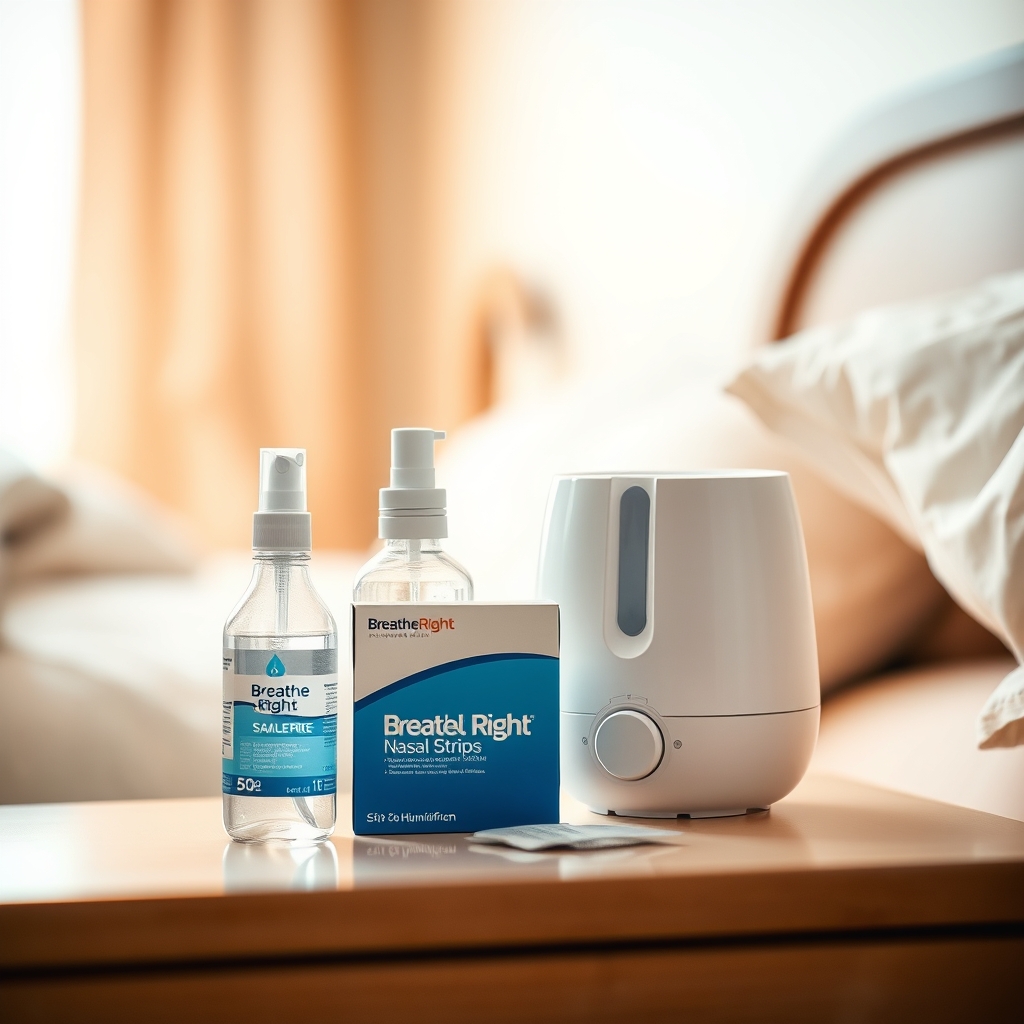
Breathe Right Nasal Strips – adhesive strips that mechanically open nasal passages.
Honeywell HCM350 Humidifier – adds moisture to the air, reducing nasal dryness and congestion.
Steam inhalation (hot shower) – warm, moist air loosens mucus and eases breathing.
Menthol rub (e.g., Vicks VapoRub) – applied to the chest or throat, it creates a cooling sensation that can ease the feeling of stuffiness.
Warm compress over sinuses – can relieve pressure and promote drainage without medication.
Elevated head positioning while sleeping – using an extra pillow can help reduce nighttime nasal congestion.
Does the brand name Afrin differ from generic oxymetazoline in pregnancy safety?
The active ingredient in both Afrin and generic oxymetazoline nasal sprays is the same chemical compound, oxymetazoline hydrochloride, at the same concentration (0.05%). The safety profile is therefore identical. Differences may exist in inactive ingredients such as preservatives or fragrance, which could cause irritation in sensitive individuals, but they do not alter the fundamental risk assessment for pregnancy.
Some pregnant users prefer generic versions because they are often less expensive and may have fewer additives. However, if you have a known allergy to a particular preservative, check the label carefully. In terms of the “Afrin safe for pregnancy” question, both brand and generic products carry the same recommendation: use only as directed and avoid prolonged use.
Can Afrin use worsen pregnancy‑related conditions like high blood pressure?
Oxymetazoline is a vasoconstrictor, meaning it narrows blood vessels. In most healthy adults, the systemic effect is minimal, but it can cause a modest rise in blood pressure, especially if used repeatedly. For pregnant individuals with pre‑existing hypertension, gestational hypertension, or pre‑eclampsia, even a small increase can be clinically relevant.
Therefore, ACOG advises that women with elevated blood pressure should consult their obstetrician before using any nasal decongestant that contains oxymetazoline. In many cases, non‑medicated options like saline sprays or humidified air are preferred to avoid any potential aggravation of blood‑pressure issues.
What is the recommended dosage of Afrin for pregnant women in each trimester?
Trimester
Maximum sprays per day
Maximum consecutive days
Notes
First
2 sprays per nostril (total 4 sprays)
3 days
Do not exceed; monitor blood pressure.
Second
2 sprays per nostril (total 4 sprays)
3 days
Same limits; consider saline alternative if needed.
Third
2 sprays per nostril (total 4 sprays)
3 days
Avoid if you have gestational hypertension.
Breastfeeding
2 sprays per nostril
3 days
Minimal drug transfer; still use sparingly.
Side effects and risks
Most users experience only mild, local side effects:
Nasal dryness or burning sensation – usually resolves within minutes.
Temporary headache – often due to sinus pressure changes.
Mild dizziness or light‑headedness – a sign of slight systemic absorption.
Potentially serious concerns, though rare, include:
Elevated blood pressure – especially relevant for pregnant women with hypertension.
Rebound congestion (rhinitis medicamentosa) – if used for more than three consecutive days.
Allergic reaction to preservatives – manifests as itching, swelling, or rash.
If you notice any of the following, call your provider promptly: chest pain, rapid heartbeat, severe headache, swelling of the hands or face, or a sudden increase in blood pressure (≥140/90 mmHg). These symptoms could indicate a systemic effect that warrants medical evaluation.
Non‑medicated options can often replace the need for Afrin, especially if you’re using it frequently.
Safer alternatives
Simply Saline Nasal Spray – hydrates nasal passages without medication.
Ayr Saline Nasal Spray – preservative‑free, gentle on sensitive mucosa.
Vicks VapoSteam – provides menthol relief without systemic absorption.
Breathe Right Nasal Strips – mechanically opens the airway, no chemicals involved.
Honeywell HCM350 Humidifier – adds moisture to the air, easing congestion and dry‑mouth symptoms.
Steam inhalation (hot shower) – natural way to loosen mucus and improve airflow.
Menthol rub (e.g., Vicks VapoRub) – cooling sensation can reduce the perception of a blocked nose.
Warm compress over sinuses – helps relieve pressure without medication.
Elevated head positioning while sleeping – reduces nighttime nasal blockage.
Related items — safety at a glance
Item
Verdict for pregnancy
One‑line note
Oxymetazoline (generic)
⚠️ Safe with limits
Same dosing as Afrin; avoid prolonged use.
Phenylephrine nasal spray
⚠️ Safe with limits
Similar vasoconstrictor; caution with hypertension.
Sudafed (pseudoephedrine)
⚠️ Talk to doctor
Systemic decongestant; may affect fetal growth.
Fluticasone nasal spray
✅ Generally safe
Low‑dose steroid; often recommended for allergies.
Azelastine nasal spray
✅ Generally safe
Antihistamine spray; safe for chronic allergic rhinitis.
Nasal saline spray
✅ Generally safe
Non‑medicated, ideal first‑line option.
Nasacort (triamcinolone nasal spray)
✅ Generally safe
Low‑dose steroid; safe for long‑term use.
Phenylephrine oral tablets
⚠️ Talk to doctor
Oral form has systemic exposure; use only if prescribed.
Menthol rub (Vicks VapoRub)
✅ Generally safe
Topical only; no systemic absorption.
Honeywell HCM350 Humidifier
✅ Generally safe
Non‑medicated humidification; helpful for dry air.
Myth vs. fact
Myth: “All nasal sprays are unsafe during pregnancy.” Fact: Only topical decongestants that contain vasoconstrictors (like oxymetazoline) require caution; saline sprays and steroid sprays are generally considered safe.
Myth: “If I’ve used Afrin once, my baby is at risk.” Fact: A single, properly dosed use is unlikely to cause harm; the main concern is repeated or prolonged exposure.
Myth: “You can’t treat a blocked nose while pregnant.” Fact: Numerous safe, non‑medicated strategies—saline sprays, humidifiers, and nasal strips—effectively relieve congestion without medication.
Myth: “Pregnant women can’t use any over‑the‑counter medication.” Fact: Many OTC products, including certain nasal sprays, are safe when used according to guidelines; always check the label and consult your provider if unsure.
Key takeaways
Occasional Afrin (oxymetazoline) use is generally safe for pregnancy when limited to 2 sprays per nostril every 12 hours and no more than three days in a row.
First‑trimester use should be sparing; avoid daily use and monitor blood pressure.
Women with hypertension, pre‑eclampsia, or other cardiovascular concerns should discuss alternatives with their provider.
Non‑medicated options—saline sprays, humidifiers, and nasal strips—are safe and effective for most pregnant people.
If you experience severe side effects (e.g., chest pain, high blood pressure), seek medical care immediately.
Always read the label for inactive ingredients that could trigger allergies, and store the spray out of reach of children.
Frequently asked questions
Can I use Afrin while pregnant?
Yes, you can use Afrin while pregnant, but only up to the label‑recommended dose—no more than two sprays per nostril every 12 hours and not for more than three consecutive days.
Is it safe to take nasal decongestants during pregnancy?
Some nasal decongestants, like oxymetazoline (Afrin) and phenylephrine, are considered safe with limits, while systemic decongestants such as pseudoephedrine should be used only under a doctor’s guidance.
What are the side effects of Afrin for pregnant women?
Common side effects include nasal dryness, burning, and mild headache; rare but serious effects can be a temporary rise in blood pressure or rebound congestion if used longer than three days.
How long can I use Afrin during pregnancy?
Limit use to a maximum of three consecutive days; if congestion persists, switch to a saline spray or consult your provider for longer‑term relief.
Are there any natural remedies for nasal congestion in pregnancy?
Yes—saline nasal sprays, steam inhalation, humidifiers, Breathe Right nasal strips, and menthol rubs are all natural, medication‑free ways to ease congestion safely.
Does Afrin affect my baby’s development?
Current evidence does not show that occasional, properly dosed Afrin use harms fetal development, but prolonged or excessive exposure has not been thoroughly studied.
Can Afrin cause high blood pressure in pregnant women?
Oxymetazoline can cause a modest increase in blood pressure, so women with existing hypertension should talk to their obstetrician before using Afrin.
Is Afrin safe if I have a cold or flu while pregnant?
Yes, short‑term Afrin can help relieve nasal blockage from a cold or flu, but stick to the recommended dosing and consider a saline spray if symptoms last longer than three days.
Can I breastfeed while using Afrin?
Breastfeeding is generally considered safe while using Afrin; only a minimal amount passes into breast milk, and the lowest effective dose is recommended.
What should I tell my doctor about Afrin use?
Inform your provider about any nasal decongestant use, the frequency, and any history of hypertension or pre‑eclampsia, so they can help you weigh benefits against potential risks.
What should I do if I accidentally exceed the recommended Afrin dose?
If you realize you’ve taken more than the advised amount, stop using the spray immediately, stay hydrated, and monitor for symptoms such as rapid heartbeat or headache; contact your obstetrician for guidance.
Can I use phenylephrine nasal spray instead of Afrin during pregnancy?
Phenylephrine is another topical vasoconstrictor and is also classified as “safe with limits”; however, it carries similar blood‑pressure concerns, so the same dosing restrictions and caution apply.
When to call your doctor
If you experience any of the following while using Afrin during pregnancy, contact your provider right away: sudden chest pain, rapid heartbeat, severe headache, swelling of the face or hands, or a blood‑pressure reading of 140/90 mmHg or higher. Also reach out if you find yourself needing the spray more often than the recommended three‑day limit.
Remember, this article provides general information and is not a substitute for personalized medical advice. Always discuss medication use with your obstetrician or qualified health professional.
References
American College of Obstetricians and Gynecologists. Committee Opinion No. 804: Medication Use in Pregnancy. ACOG, 2020.
National Health Service (NHS). “Nasal sprays and decongestants in pregnancy.” NHS website, 2023.
U.S. Food and Drug Administration (FDA). “Drug Safety Communication: Oxymetazoline.” FDA, 2021.
Centers for Disease Control and Prevention (CDC). “Pregnancy and Medication Use.” CDC, 2022.
World Health Organization (WHO). “Guidelines for the Use of Medications During Pregnancy.” WHO, 2021.
Journal of Obstetric Medicine. “Topical nasal decongestants and pregnancy outcomes: a systematic review.” 2022.
American Academy of Pediatrics (AAP). “Recommendations for Medication Use in Lactation.” AAP, 2020.
National Institute for Health and Care Excellence (NICE). “Management of nasal congestion in pregnancy.” NICE Clinical Guideline, 2022.
U.S. National Library of Medicine. “Oxymetazoline Pregnancy Category.” MedlinePlus, 2023.
Harvard Health Publishing. “Dealing with a stuffy nose during pregnancy.” Harvard Medical School, 2021.
When Shubhra Mishra was expecting her first child in 2016, she was overwhelmed by conflicting food advice — one site said yes, another said never. By the time her second baby arrived in 2019, she realized millions of mothers face the same confusion.
That sparked a five-year journey through clinical nutrition papers, cultural diets, and expert conversations — all leading to BumpBites: a calm, compassionate space where science meets everyday motherhood.
Her long-term vision is to build a global community ensuring safe, supported, and free deliveriesfor every mother — because no woman should face pregnancy alone or uninformed. 🌿
🌍 Stand with mothers, shape safer guidance
Join a small circle of experts who review BumpBites articles so expecting parents everywhere can decide with confidence.