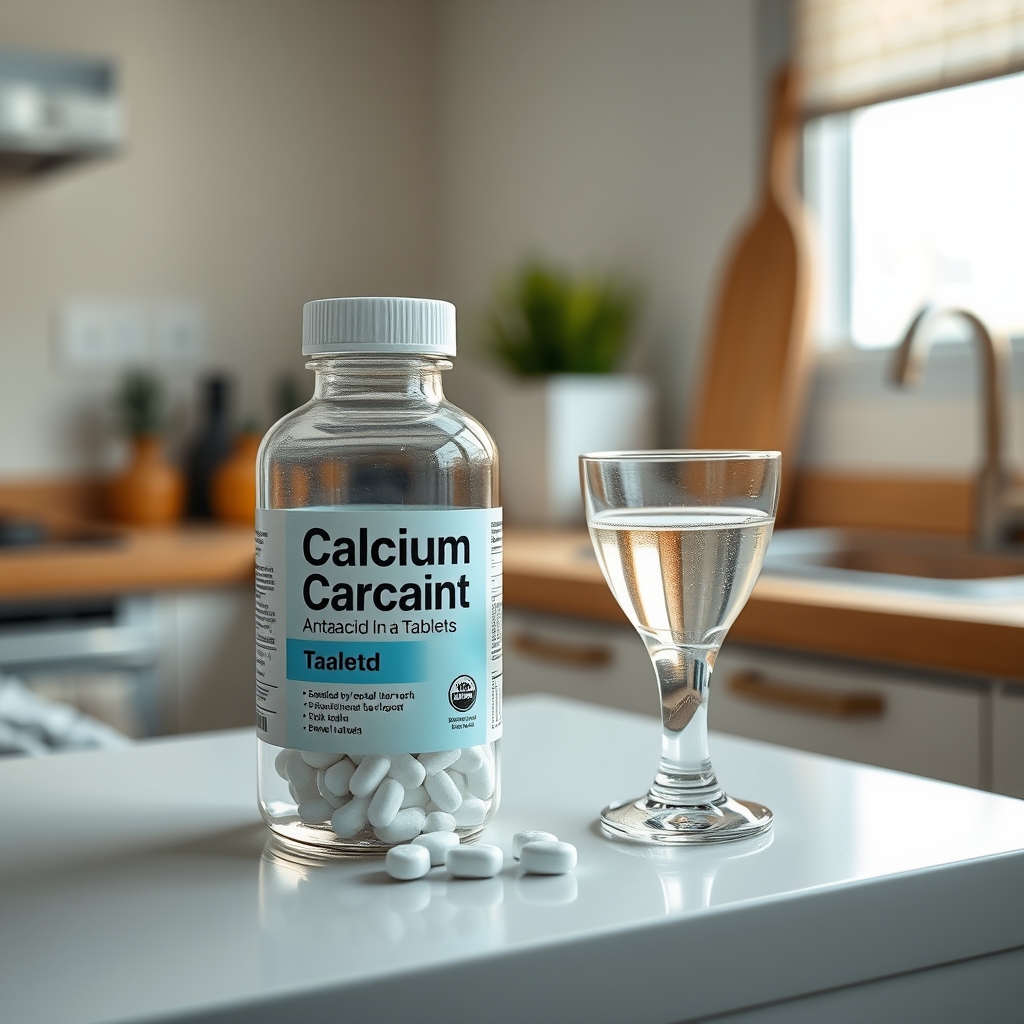
Safe: Antacids are generally safe during pregnancy when taken at the recommended adult dose (up to 2 tablets of calcium carbonate every 4‑6 hours) and avoided in the first trimester unless advised by a doctor.
By Shubhra Mishra — a mom of two who turned her own confusion during pregnancy into BumpBites, a global mission to make food choices clear, safe, and stress-free for every expecting mother. 💛
Check whether any food is safe during pregnancy with the BumpBites Food Safety Checker.
Quick verdict: ⚠️ Safe with limits – most over‑the‑counter antacids are considered safe for pregnancy when used at the recommended dose, but you should avoid high‑aluminum or high‑sodium formulas and talk to your provider if you need them frequently.
It’s 2 a.m., the kitchen light flickers on, and you’re wondering whether that antacid you just popped will hurt your baby. You’re not alone—heartburn affects up to 80 % of pregnant people, and the urge to reach for a quick‑acting antacid is almost reflexive. The short answer is that antacids are generally safe for pregnancy when used responsibly, but there are limits and certain ingredients to watch out for.
In this guide we’ll answer the most common questions about antacids safe for pregnancy, break down the safety profile by trimester, explain the recommended dosage, point out which brands are the most pregnancy‑friendly, and suggest non‑medication alternatives that can ease heartburn without any drugs. We’ll also cover potential risks, especially for gestational diabetes and hypertension, and give you a quick‑reference table of related products.
Trimester / Status
Verdict
Notes
First trimester
⚠️ Safe with limits
Use low‑aluminum, low‑sodium formulas; limit to ≤ 2 tablets / day.
Second trimester
✅ Generally safe
Standard OTC dose is acceptable; monitor sodium intake.
Third trimester
✅ Generally safe
Same dosing as 2nd trimester; watch for reflux‑related esophagitis.
Breastfeeding
✅ Generally safe
Minimal drug transfer; aluminum‑containing products may affect milk supply.
Antacids are over‑the‑counter (OTC) medications that neutralize stomach acid by raising the pH of gastric contents. Common active ingredients include calcium carbonate, magnesium hydroxide, aluminum hydroxide, and sodium bicarbonate. They work quickly—often within minutes—to relieve the burning sensation of heartburn, also called acid reflux, by counteracting excess acid that can rise up the esophagus. Some formulations also contain simethicone, which helps reduce gas. Because they act locally in the stomach and are poorly absorbed, antacids have historically been considered low‑risk for the developing fetus, making them a go‑to option for many pregnant people.
Keep a small bottle of calcium‑based antacids handy for quick relief—just follow the dosage guidelines.
Are antacids safe to use during the first trimester of pregnancy?
The first trimester is the period of organogenesis, when the baby's major organs are forming, so many expectant parents worry about any medication they take. According to the American College of Obstetricians and Gynecologists (ACOG), most OTC antacids that contain calcium carbonate or magnesium hydroxide are considered safe when used at the recommended dose. The FDA classifies these ingredients as Category C for pregnancy, meaning risk cannot be ruled out, but the benefits usually outweigh the potential risks when needed for symptomatic relief.
However, antacids that contain high levels of aluminum or sodium bicarbonate should be used with caution. Excess aluminum can cross the placenta and accumulate in the fetal brain, while high sodium intake may contribute to fluid retention and elevated blood pressure—both concerns in early pregnancy. The NHS advises limiting such formulations to occasional use only.
In practice, a single dose of calcium carbonate (e.g., two Tums) is unlikely to cause harm. If you find yourself needing antacids more than a few times a week during the first trimester, it’s a signal to discuss underlying reflux with your provider, as persistent heartburn may indicate a more serious condition that requires alternative management.
What is the recommended dosage of antacids for pregnant women?
Most antacid labels recommend a standard adult dose of 1–2 tablets (500 mg calcium carbonate) every 2–4 hours, not exceeding 7 tablet‑units per day. For pregnant users, ACOG suggests staying at the lower end of that range—ideally no more than 4 tablet‑units per day—to keep aluminum and sodium exposure minimal.
Here’s a concise dosage guide:
Ingredient
Typical dose per use
Maximum daily dose for pregnancy
Calcium carbonate
500 mg (≈ 2 Tums) every 2–4 h
2 g (≈ 8 tablets) per day
Magnesium hydroxide
400 mg (≈ 1 tablet) every 4–6 h
1.2 g per day
Aluminum hydroxide
300 mg (≈ 1 tablet) every 4–6 h
900 mg per day (avoid if possible)
Sodium bicarbonate
325 mg (≈ ½ tablet) every 4 h
650 mg per day (use sparingly)
Always read the specific product label, as concentrations can vary. If you need a chewable tablet that also contains simethicone, the dosage limits for the antacid component still apply.
Which antacid brands are considered safe for pregnancy?
Not all antacids are created equal. Brands that rely primarily on calcium carbonate (e.g., Tums, Rolaids Calcium) are the most pregnancy‑friendly because calcium also supports fetal bone development. Magnesium‑based products (e.g., CalMag) are also safe, though they may cause mild diarrhea if taken in excess.
Here are the most commonly recommended brands, along with their key ingredients and safety notes:
Rolaids (calcium‑magnesium) – Calcium carbonate + magnesium hydroxide; balanced; safe when limited to 4 tablets/day.
Gaviscon Double Action – Aluminum hydroxide + magnesium carbonate + alginate; alginate forms a protective “raft”; use sparingly (< 2 doses/day) due to aluminum.
Milk of Magnesia (magnesium hydroxide) – Pure magnesium; can cause loose stools; safe up to 2 tablespoons per day.
Pepto‑Bismol (bismuth subsalicylate) – Not a classic antacid; FDA advises against use in pregnancy due to salicylate content.
What are the potential risks of taking antacids while pregnant?
When used within recommended limits, antacids pose minimal risk. Nevertheless, several potential concerns exist:
Aluminum overload: High‑aluminum formulations can cross the placenta and have been linked in animal studies to neurodevelopmental changes. Human data are limited, but ACOG recommends limiting aluminum‑based antacids.
Sodium excess: Sodium bicarbonate antacids can increase maternal blood pressure and fluid retention, especially problematic for those with pre‑eclampsia risk.
Calcium overload: Excess calcium may reduce iron absorption, potentially worsening anemia. Space doses throughout the day and take iron supplements at a different time.
Drug interactions: Antacids can interfere with the absorption of certain prenatal vitamins (e.g., iron, folic acid) and antibiotics (e.g., tetracycline). Take antacids at least 2 hours apart from these medications.
Overall, the side‑effect profile is mild—most users experience occasional constipation or, with magnesium‑rich products, mild diarrhea. Serious adverse events are rare, but any new or worsening symptoms should prompt a call to your provider.
Can antacids cause complications for gestational diabetes?
Gestational diabetes (GDM) does not directly interact with antacid chemistry, but the sodium content of some antacids can affect blood pressure and fluid balance, indirectly influencing glucose control. The CDC notes that high‑sodium diets may exacerbate hypertension, a common comorbidity with GDM. Calcium‑based antacids have minimal impact on glucose metabolism, while magnesium‑based formulas may even modestly improve insulin sensitivity, though evidence is limited.
For pregnant people with GDM, the safest approach is to choose low‑sodium, calcium‑based antacids (e.g., Tums) and keep total sodium intake under 2,300 mg per day, as recommended by the American Diabetes Association. Discuss any chronic heartburn with your obstetrician, who may suggest dietary modifications or a proton‑pump inhibitor (PPI) if antacids are insufficient.
What are safe alternatives to antacids for heartburn in pregnancy?
If you prefer to avoid medication or need extra relief, several non‑drug options have solid safety records:
Ginger tea – a warm cup can soothe the stomach and reduce nausea without affecting acid production.
Chamomile tea – calming and mildly anti‑inflammatory; avoid if you have ragweed allergy.
Deglycyrrhizinated licorice (DGL) chewable tablets – the licorice root is stripped of glycyrrhizin, reducing blood‑pressure concerns while coating the esophagus.
Purified aloe vera juice – food‑grade aloe can neutralize acid; limit to ¼ cup per day.
Pregnancy‑safe probiotic (e.g., Culturelle Prenatal) – supports gut health, which may diminish reflux episodes.
Elevated sleeping position with a wedge pillow – gravity helps keep acid down overnight.
These alternatives address heartburn from different angles—dietary, mechanical, and microbiome—so you can combine them for a personalized plan.
Do antacids need to be limited during pregnancy and why?
Yes, limiting antacid use is advised for three main reasons: (1) to avoid excess aluminum or sodium exposure, (2) to prevent interference with nutrient absorption (especially iron and calcium), and (3) to reduce the risk of masking more serious gastrointestinal issues that may require medical attention. ACOG recommends using the lowest effective dose and reserving antacids for symptomatic relief rather than prophylactic use.
Frequent heartburn (more than 2–3 times per week) should prompt a conversation with your obstetrician. They may suggest a trial of lifestyle changes—smaller meals, avoiding trigger foods, and upright positioning after meals—before relying on medication.
Are there any antacids that should be avoided entirely during pregnancy?
While most OTC antacids are safe in moderation, the following should be avoided or used only under medical supervision:
High‑aluminum antacids (e.g., certain formulations of Gaviscon that contain > 400 mg aluminum per dose).
Sodium bicarbonate–only products (e.g., “baking soda” antacids) because of high sodium load.
Antacids containing salicylates, such as Pepto‑Bismol, due to potential fetal toxicity.
Herbal antacids with unknown pregnancy safety data (e.g., some “natural” blends with licorice root unless DGL).
Always read the ingredient list and consult your provider if you’re unsure.
Safe dosage / amount / brands
Below is a quick reference for the most common antacid types and the safest brands for pregnant users:
If you’re using a liquid antacid, measure the dose with the provided cup—most liquids contain 325 mg of calcium carbonate per 5 mL, so the same 2 g daily limit applies.
Pair a calcium‑based antacid with ginger tea and an elevated sleeping position for comprehensive heartburn relief.
Side effects and risks
Most pregnant users experience mild, transient side effects:
Constipation: Calcium‑rich antacids can slow intestinal motility. Counteract with extra fluids, fiber, and gentle exercise.
Diarrhea: Magnesium‑based products may loosen stools. Reduce dose or switch to calcium‑based antacids if this becomes problematic.
Gas and bloating: Some antacids contain simethicone, which can reduce gas but may cause a feeling of fullness.
Metallic taste or nausea: Common with aluminum‑containing formulas; limit use.
Seek immediate medical care if you notice any of the following: severe abdominal pain, vomiting that doesn’t improve, blood in stool or vomit, rapid heartbeat, swelling of hands/feet, or sudden high blood pressure. These could signal a more serious condition such as pre‑eclampsia or an ulcer.
Safer alternatives
Ginger tea – natural anti‑nausea and mild acid‑neutralizing properties.
Chamomile tea – soothing, low‑acid, and safe in moderate amounts.
Deglycyrrhizinated licorice (DGL) chewable tablets – coats the esophagus without raising blood pressure.
Purified aloe vera juice – gentle alkalizing effect; limit to ¼ cup daily.
Pregnancy‑safe probiotic (e.g., Culturelle Prenatal) – promotes gut health, which may reduce reflux.
Elevated sleeping position with a wedge pillow – uses gravity to keep acid down.
Related items — safety at a glance
Item
Verdict
One‑line note
Tums
✅ Generally safe
Calcium carbonate; low sodium.
Rolaids
✅ Generally safe
Calcium + magnesium; balanced.
Mylanta
⚠️ Safe with limits
Contains aluminum; limit to ≤ 2 doses/day.
Pepto‑Bismol
❌ Best avoided
Contains salicylate; not recommended.
Zantac (ranitidine)
❌ Best avoided
Withdrawn due to NDMA contamination concerns.
Prilosec (omeprazole)
✅ Generally safe
Prescription PPI; safe at provider‑prescribed dose.
Nexium (esomeprazole)
✅ Generally safe
Prescription PPI; consider if antacids insufficient.
Gaviscon
⚠️ Safe with limits
Aluminum‑magnesium alginate; limit use.
Myth vs. fact
Myth: All antacids are completely safe at any dose during pregnancy. Fact: While many are low‑risk, exceeding recommended daily amounts—especially those containing aluminum or sodium—can pose risks to both mother and baby.
Myth: Antacids cure heartburn permanently. Fact: They provide temporary relief; lifestyle changes are essential for long‑term control.
Myth: If a medication is OTC, it’s automatically safe for pregnancy. Fact: OTC status does not guarantee safety; ingredient‑specific guidance is needed for pregnant users.
Key takeaways
Antacids are generally safe for pregnancy when used at recommended doses.
Prefer calcium‑based or magnesium‑based products; limit aluminum‑ or sodium‑rich formulas.
Limit total daily intake to ≤ 2 g calcium carbonate (≈ 8 tablets) or the equivalent for other ingredients.
Watch for mild side effects like constipation or diarrhea, and avoid high‑sodium or salicylate‑containing antacids.
Non‑medication options—ginger tea, DGL, aloe vera juice, probiotics, and proper sleeping posture—can reduce reliance on antacids.
Consult your provider if you need antacids more than a few times a week or if you have gestational diabetes, hypertension, or other complications.
Frequently asked questions
Can I take antacids while pregnant?
Yes—most calcium‑ or magnesium‑based antacids are considered safe for pregnancy when you stay within the recommended daily limits.
Are Tums safe during pregnancy?
Yes—Tums, which contain calcium carbonate, are generally safe and also provide a useful source of calcium for fetal bone development.
How many antacids can I take per day when pregnant?
You should not exceed 2 g of calcium carbonate (about eight regular‑strength Tums) or the equivalent dose for magnesium or aluminum‑based products, as advised by ACOG.
Do antacids affect the baby's development?
When used as directed, antacids do not harm fetal development; however, excessive aluminum or sodium intake could theoretically affect growth, so moderation is key.
What are the side effects of antacids for pregnant women?
Common side effects include mild constipation (calcium) or diarrhea (magnesium), as well as occasional gas or a metallic taste; serious reactions are rare.
Is it okay to use liquid antacids during pregnancy?
Liquid antacids are fine if you follow the measured dose on the label; the active ingredient limits still apply (e.g., ≤ 2 g calcium carbonate per day).
Can antacids cause constipation in pregnancy?
Yes—calcium‑rich antacids can slow bowel movements, so increase fluid intake and dietary fiber if constipation becomes an issue.
Should I avoid antacids if I have high blood pressure while pregnant?
Yes—avoid sodium‑bicarbonate antacids and limit aluminum‑containing products, as excess sodium or aluminum may raise blood pressure.
When to call your doctor
If you experience any of the following, seek medical attention promptly:
Severe or persistent abdominal pain not relieved by antacids.
Vomiting that lasts more than 24 hours or contains blood.
Sudden swelling of hands, feet, or face, or a rapid increase in blood pressure.
Signs of dehydration (dizziness, dry mouth, reduced urine output).
Unexplained weight loss or persistent nausea despite treatment.
These symptoms could signal a condition that requires professional evaluation beyond over‑the‑counter relief. Remember, this article provides general information and is not a substitute for personalized medical advice.
References
American College of Obstetricians and Gynecologists. “Management of Gastroesophageal Reflux Disease in Pregnancy.” ACOG Practice Bulletin, 2023.
National Health Service (UK). “Heartburn and Indigestion in Pregnancy.” NHS website, updated 2022.
U.S. Food and Drug Administration. “Over-the-Counter Antacid Products – Labeling Guidance.” FDA, 2021.
Centers for Disease Control and Prevention. “Gestational Diabetes.” CDC, 2022.
World Health Organization. “Guidelines for the Safe Use of Herbal Medicines in Pregnancy.” WHO, 2020.
Mayo Clinic. “Heartburn during pregnancy: Symptoms and treatment.” Mayo Clinic, 2023.
American Diabetes Association. “Standards of Medical Care in Diabetes—2023.” ADA, 2023.
National Institute for Health and Care Excellence (NICE). “Antacid use in pregnancy.” NICE Clinical Guideline, 2021.
When Shubhra Mishra was expecting her first child in 2016, she was overwhelmed by conflicting food advice — one site said yes, another said never. By the time her second baby arrived in 2019, she realized millions of mothers face the same confusion.
That sparked a five-year journey through clinical nutrition papers, cultural diets, and expert conversations — all leading to BumpBites: a calm, compassionate space where science meets everyday motherhood.
Her long-term vision is to build a global community ensuring safe, supported, and free deliveriesfor every mother — because no woman should face pregnancy alone or uninformed. 🌿
🌍 Stand with mothers, shape safer guidance
Join a small circle of experts who review BumpBites articles so expecting parents everywhere can decide with confidence.