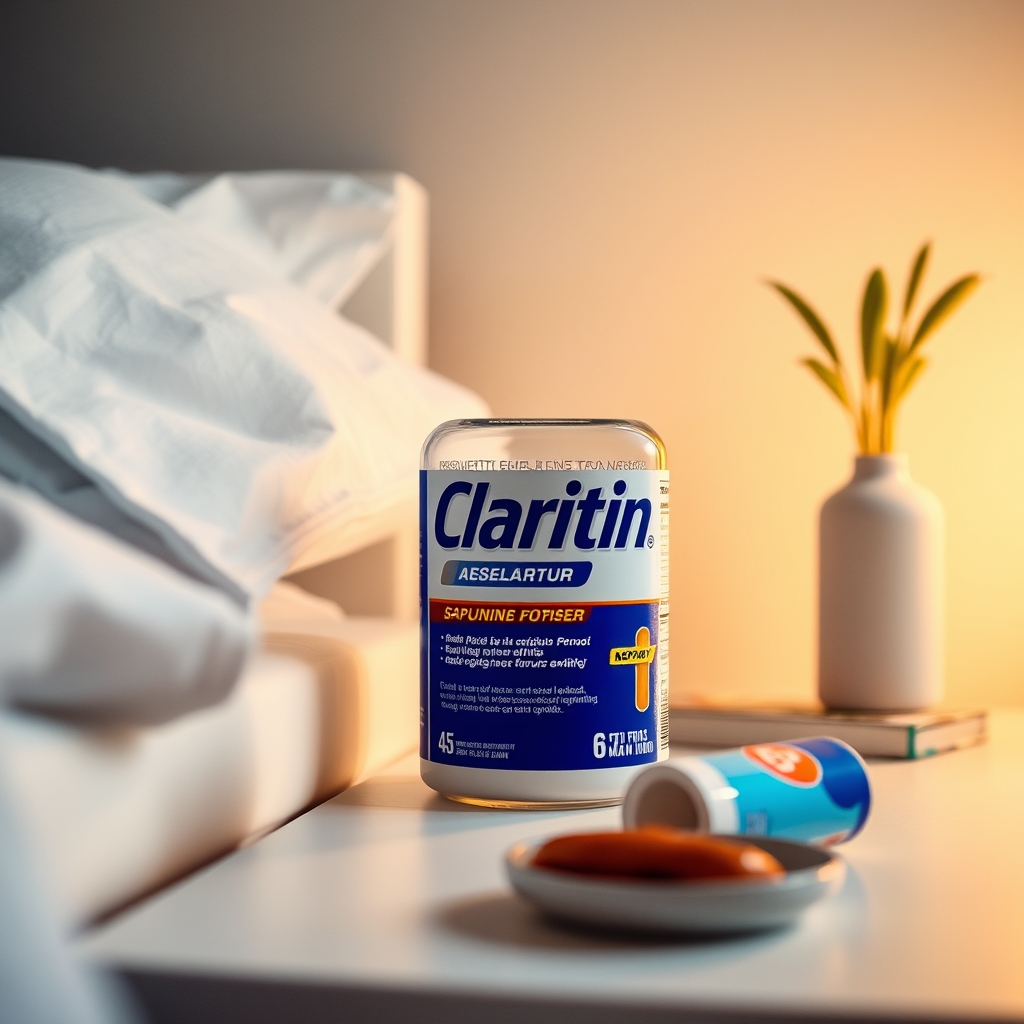
Safe: Most allergy meds are safe for pregnancy when used at recommended doses, especially after the first trimester. Learn exact dosage limits and alternatives.
By Shubhra Mishra — a mom of two who turned her own confusion during pregnancy into BumpBites, a global mission to make food choices clear, safe, and stress-free for every expecting mother. 💛
Check whether any food is safe during pregnancy with the BumpBites Food Safety Checker.
Download the Complete Pregnancy Food Guide (10,000 Foods) 📘
Instant PDF download • No spam • Trusted by thousands of moms
💡 Your email is 100% safe — no spam ever.
Quick verdict: ⚠️ Talk to your doctor first. Allergy meds are generally considered safe in pregnancy when used at recommended doses, but you should confirm the specific antihistamine or decongestor with your provider, especially in the first trimester.
It’s 2 a.m., you’re sniffling, and the pharmacy aisle’s fluorescent lights feel harsher than usual. You’ve just grabbed a box of allergy pills, but a sudden wave of worry hits: “Did I just grab something unsafe for my baby?” You’re not alone—many expectant parents experience that 3 a.m. panic when they discover they’ve taken a medication before confirming it’s pregnancy‑friendly.
In this article we answer the most common questions about allergy meds safe for pregnancy, covering the overall safety verdict, trimester‑specific guidance, recommended dosages, brand considerations, and non‑pharmaceutical alternatives. We’ll also compare the safety of popular over‑the‑counter antihistamines, outline side‑effects to watch for, and give you a clear plan of action so you can breathe easier.
By the end you’ll know exactly which allergy medications are considered safe for pregnancy, how to use them responsibly, and what you can try instead if you prefer to avoid drugs altogether. If you’ve already taken a dose, you’ll also find reassurance about what the evidence actually says and when a quick call to your provider is warranted.
When you need relief, choosing a pregnancy‑approved antihistamine can keep both you and your baby safe.
Trimester / Breastfeeding
Verdict
Notes
First trimester
⚠️ Talk to your doctor
Limited data; avoid decongestants with vasoconstrictive effects unless prescribed.
Second trimester
✅ Generally safe
Second‑generation antihistamines (loratadine, cetirizine) are widely used.
Third trimester
✅ Generally safe
Monitor for increased drowsiness; avoid high‑dose pseudoephedrine if hypertensive.
Breastfeeding
⚠️ Talk to your doctor
Most antihistamines have minimal milk transfer, but timing doses can reduce infant exposure.
What are allergy medications?
Allergy medications, also called antihistamines or decongestants, are drugs that counteract the body’s response to allergens such as pollen, pet dander, or dust mites. Histamine, a chemical released during an allergic reaction, binds to receptors in the nose, eyes, and airway, causing itching, swelling, and excess mucus. Antihistamines block these receptors, reducing symptoms like sneezing, runny nose, and watery eyes. Decongestants, on the other hand, narrow blood vessels in the nasal passages, decreasing swelling and congestion.
These medicines come in several generations. First‑generation antihistamines (e.g., diphenhydramine) often cause drowsiness because they cross the blood‑brain barrier. Second‑generation agents (e.g., loratadine, cetirizine, fexofenadine) are less sedating and are the ones most obstetric guidelines reference for pregnancy safety. Decongestants such as pseudoephedrine and phenylephrine are available over the counter, but they carry additional considerations for blood pressure and uterine blood flow.
People use allergy meds to manage seasonal allergies, chronic allergic rhinitis, and occasional allergic reactions. In pregnancy, uncontrolled allergy symptoms can affect sleep, nutrition, and overall comfort, so finding a safe, effective treatment is important. Understanding how each class works helps you weigh benefits against any potential risk to your developing baby.
Is allergy medication safe during pregnancy?
C
urrent guidance from the American College of Obstetricians and Gynecologists (ACOG) and the UK’s National Health Service (NHS) indicates that most second‑generation antihistamines are considered safe when taken at the recommended dose. The FDA classifies loratadine and cetirizine as Category B (no proven risk in animal studies and no adequate human data), which aligns with ACOG’s recommendation that these drugs can be used if needed.
Evidence from large cohort studies, including a 2015 review in the American Journal of Obstetrics & Gynecology, found no increase in major birth defects with loratadine or cetirizine exposure. First‑generation antihistamines such as diphenhydramine have a longer safety record, but their sedating effects mean they should be used only when necessary.
Decongestants present a more nuanced picture. Pseudoephedrine is classified as Category C by the FDA, meaning risk cannot be ruled out. ACOG advises limiting its use, especially in the first trimester, because of potential vasoconstriction that could affect placental blood flow. Phenylephrine, another common nasal decongestant, is also Category C and should be used sparingly.
Overall, the consensus is that allergy meds safe for pregnancy are those that have been studied extensively, show no teratogenic signal, and are taken at standard adult doses. Always discuss any medication with your obstetric provider, particularly if you have pre‑existing hypertension or other pregnancy complications. In practice, many clinicians start with non‑drug measures and add an antihistamine only when symptoms interfere with daily life.
Allergy medication and pregnancy‑related nausea
Nausea and vomiting affect up to 80 % of pregnant people, especially in the first trimester. Some antihistamines, notably doxylamine (often combined with pyridoxine), are actually prescribed to treat morning sickness and have a well‑established safety profile. While doxylamine isn’t primarily an allergy medication, its antihistamine activity illustrates how certain drugs can serve dual purposes. If you’re already taking an antihistamine for allergies, it’s worth checking with your provider whether that same medication might also help with nausea, potentially reducing the number of pills you need.
Allergy meds and gestational diabetes
Gestational diabetes is managed primarily through diet and glucose monitoring, but some women wonder whether antihistamines could affect blood sugar. The evidence is reassuring: second‑generation antihistamines do not appear to influence glucose metabolism, and the FDA has not flagged them for any metabolic concerns. However, decongestants that raise blood pressure could theoretically exacerbate insulin resistance, so women with gestational diabetes should discuss decongestant use with their care team.
Are allergy medications safe to use during the first trimester?
The first trimester is the period of organogenesis, when the baby’s major organs are forming. Because of this heightened sensitivity, many clinicians recommend limiting medication exposure whenever possible. However, if allergy symptoms are severe, ACOG states that second‑generation antihistamines such as loratadine or cetirizine can be used after a risk‑benefit discussion.
First‑generation antihistamines (e.g., diphenhydramine) have a long safety record and are not associated with birth defects, but their sedating properties can affect maternal sleep and daily functioning. Decongestants like pseudoephedrine should be avoided unless a provider deems the benefit outweighs the potential risk, given concerns about reduced uterine blood flow.
In practice, many obstetricians advise the “lowest effective dose” principle: start with a non‑drug approach (saline spray, humidifier) and add an antihistamine only if symptoms remain uncontrolled. This strategy minimizes fetal exposure while still providing relief for the mother.
What is the recommended dosage of antihistamines for pregnant women?
For most second‑generation antihistamines, the standard adult dose is considered safe during pregnancy:
These dosages match the label‑recommended amounts for non‑pregnant adults and have not been shown to increase risk when taken as directed. For first‑generation antihistamines such as diphenhydramine (Benadryl), the typical dose is 25 mg every 4–6 hours, not exceeding 150 mg per day.
Decongestants have different limits. Pseudoephedrine is usually limited to 60 mg every 4–6 hours, with a maximum of 240 mg per day, but only under provider supervision. Phenylephrine is generally limited to 10 mg every 4 hours, not exceeding 30 mg per day.
Always read the label for any over‑the‑counter product that combines an antihistamine with a decongestant; combination products often double the dose of each component, which may not be advisable in pregnancy. If you’re unsure, a quick phone call to your clinic’s pharmacy line can clarify the safest option.
Can I take loratadine safely while pregnant?
Yes, loratadine is one of the most frequently recommended antihistamines for pregnant women. Both the FDA and ACOG list it as a Category B medication, meaning animal studies have not shown a risk to the fetus and there are no well‑controlled studies in humans that suggest harm.
Clinical data, including a 2018 systematic review in Obstetrics & Gynecology, found no association between loratadine exposure and major congenital anomalies, preterm birth, or low birth weight. The medication does not appear to cross the placenta in significant amounts, and its half‑life (≈ 8 hours) means it clears quickly.
Nevertheless, you should still take the lowest effective dose (10 mg once daily) and avoid unnecessary long‑term use. If you have a history of hypertension or are taking other vasoconstrictive drugs, discuss timing with your provider to minimize any theoretical risk. Many clinicians suggest taking loratadine at night to reduce any mild drowsiness that could affect daytime activities.
What are the risks of using decongestants in pregnancy?
Decongestants work by narrowing blood vessels, which can reduce nasal swelling but also potentially limit blood flow to the placenta. Pseudoephedrine, the most common oral decongestant, is classified as Category C by the FDA. While large studies have not conclusively linked it to birth defects, there is a signal for possible reduced fetal growth when used in high doses or for prolonged periods.
Phenylephrine, often found in nasal sprays and oral tablets, carries a similar Category C rating. The NHS advises that short‑term, low‑dose use may be acceptable, but women with pre‑existing hypertension, preeclampsia, or cardiovascular disease should avoid these agents unless specifically prescribed.
Because of these concerns, many obstetricians recommend non‑pharmacologic options first—such as saline nasal spray or humidifier use—before turning to decongestants. If a decongestant is needed, the provider may prefer a short course of pseudoephedrine at the lowest effective dose, closely monitoring blood pressure.
Safe alternatives to allergy meds for pregnant women
Saline nasal spray – moisturizes nasal passages without medication.
Steam inhalation – helps loosen mucus and relieve congestion naturally.
Local honey – may soothe mild throat irritation from post‑nasal drip.
Vitamin C supplements – supports immune function; 500 mg daily is typical.
Acupuncture for allergy relief – some studies suggest reduced symptom scores.
Budesonide nasal spray – a low‑dose steroid considered safe in pregnancy for persistent rhinitis.
Humidifier use – adds moisture to indoor air, easing nasal dryness.
Probiotic‑rich foods (yogurt, kefir) – may help balance immune response and reduce allergy intensity.
Elevated head‑of‑bed positioning – can lessen nighttime congestion without medication.
Which over‑the‑counter allergy pills are considered safe during pregnancy?
When you stand in the pharmacy aisle, look for these OTC antihistamines that have been vetted by ACOG and the NHS:
Loratadine (Claritin, Alavert) – 10 mg once daily.
Cetirizine (Zyrtec) – 10 mg once daily.
Fexofenadine (Allegra) – 180 mg once daily or 60 mg twice daily.
Diphenhydramine (Benadryl) – 25 mg every 4–6 hours, max 150 mg/day (use only if needed).
These products are available in generic form, which is often less expensive and contains the same active ingredient. Avoid combination products that pair an antihistamine with a decongestant unless your provider explicitly approves them, because the added decongestant may raise blood pressure or affect placental flow.
For those who prefer a natural‑product route, many pharmacies also stock “pregnancy‑safe” saline sprays that contain no medication at all. These are a good first‑line option for mild congestion and can be used as often as needed.
How do allergy meds affect pregnancy complications like preeclampsia?
Preeclampsia is characterized by high blood pressure and proteinuria after 20 weeks of gestation. Because some decongestants (e.g., pseudoephedrine) can raise blood pressure, they are generally discouraged for women with preeclampsia or chronic hypertension. Second‑generation antihistamines, however, have no known effect on blood pressure and are considered safe.
If you develop preeclampsia, your obstetrician will likely recommend sticking to non‑vasoconstrictive antihistamines and avoiding oral decongestants altogether. Nasal sprays that contain low‑dose steroids like budesonide can still be used, as they do not impact systemic blood pressure and provide targeted relief for persistent rhinitis.
In addition to medication choices, maintaining adequate hydration and using a humidifier can help reduce nasal irritation, which may otherwise prompt unnecessary decongestant use.
Side effects and risks
Most antihistamines are well tolerated, but they can cause:
Drowsiness (more common with first‑generation agents).
Dry mouth or throat.
Headache or mild dizziness.
Rarely, constipation or urinary retention.
Decongestants may cause:
Increased heart rate and blood pressure.
Insomnia or restlessness.
Palpitations, especially in high doses.
These side effects are usually mild and reversible after stopping the medication. However, if you notice persistent high blood pressure, rapid heartbeat, severe headache, or reduced fetal movement, contact your provider immediately. Remember that maternal sedation can affect infant care, so use drowsy antihistamines only when necessary.
Safe dosage / amount / brands
Medication
Typical safe dose in pregnancy
Pregnancy‑friendly brand examples
Loratadine
10 mg once daily
Claritin, Alavert (generic)
Cetirizine
10 mg once daily
Zyrtec, generic cetirizine
Fexofenadine
180 mg once daily (or 60 mg twice daily)
Allegra, generic fexofenadine
Diphenhydramine
25 mg every 4‑6 hours, max 150 mg/day
Benadryl, generic diphenhydramine
Budesonide nasal spray
One spray per nostril twice daily (≤ 200 µg total)
Rhinocort
Combining a safe antihistamine with non‑drug options can keep symptoms under control.
Related items — safety at a glance
Item
Verdict
One‑line note
Loratadine (Claritin)
✅ Generally safe
Second‑generation antihistamine, Category B.
Cetirizine (Zyrtec)
✅ Generally safe
Low sedation, widely used in pregnancy.
Fexofenadine (Allegra)
✅ Generally safe
Non‑sedating, Category B.
Diphenhydramine (Benadryl)
✅ Generally safe
First‑generation; may cause drowsiness.
Chlorpheniramine
⚠️ Use with caution
Older antihistamine; moderate sedation.
Pseudoephedrine (Sudafed)
⚠️ Talk to your doctor
Decongestant, Category C; monitor blood pressure.
Brompheniramine
⚠️ Use with caution
First‑generation; higher sedation risk.
Phenylephrine (Nasal spray)
⚠️ Use with caution
Short‑term use may be acceptable; watch blood pressure.
Budesonide nasal spray
✅ Generally safe
Low‑dose steroid; safe for persistent rhinitis.
Myth vs. fact
Myth: All antihistamines are unsafe in the first trimester. Fact: Second‑generation antihistamines like loratadine have been studied and are considered safe when used at recommended doses.
Myth: Decongestants always cause birth defects. Fact: Limited data shows no clear link to major malformations, but they can affect blood pressure, so use only under medical guidance.
Myth: Natural remedies are always safer than medication. Fact: Some natural approaches (e.g., herbal teas) may contain allergens or contaminants; evidence for safety is often lacking, so discuss them with your provider.
Key takeaways
Most second‑generation antihistamines (loratadine, cetirizine, fexofenadine) are considered safe for pregnancy when taken at standard doses.
First‑generation antihistamines are safe but may cause drowsiness; use only if needed.
Decongestants like pseudoephedrine should be used cautiously, especially if you have hypertension or preeclampsia.
Non‑drug options—saline spray, humidifier, vitamin C—can reduce reliance on medication.
Always discuss any allergy medication with your obstetric provider, particularly in the first trimester or if you have pregnancy complications.
If you’ve already taken a dose, most experts agree a single standard tablet is unlikely to harm the baby, but keep your provider informed.
Frequently asked questions
Is it safe to take Benadryl during pregnancy?
Yes, diphenhydramine (Benadryl) is generally regarded as safe for pregnancy when used at the recommended dose, though it may cause drowsiness.
Can pregnant women use antihistamines?
Pregnant women can use second‑generation antihistamines such as loratadine or cetirizine safely, as these have been classified as Category B and show no increased risk of birth defects.
What allergy medications are FDA pregnancy category B?
Loratadine, cetirizine, and fexofenadine are listed as FDA Category B, meaning animal studies have not shown risk and there are no well‑controlled human studies indicating harm.
Do allergy pills cause birth defects?
Current evidence does not link approved antihistamines (loratadine, cetirizine, fexofenadine) to birth defects when taken at standard doses; decongestants have more limited data and should be used only under guidance.
How long should I wait after taking allergy medicine before breastfeeding?
Most antihistamines have low milk transfer; waiting 2–4 hours after a single dose is usually sufficient, but confirm timing with your pediatrician.
Are natural remedies better than antihistamines for pregnant women?
Natural remedies can help with mild symptoms, but they lack the robust safety data of approved antihistamines; always discuss any herbal or home‑based treatments with your provider.
Can I use nasal sprays while pregnant?
Yes, saline nasal sprays and low‑dose steroid sprays like budesonide are considered safe and are often recommended as first‑line therapy for nasal congestion during pregnancy.
What are the side effects of allergy meds for the baby?
When used appropriately, antihistamines do not cause direct harm to the baby; however, excessive maternal sedation could affect infant care, and decongestants may slightly increase the risk of low birth weight if overused.
Is it okay to use allergy eye drops during pregnancy?
Most over‑the‑counter antihistamine eye drops (e.g., ketotifen) are considered low risk because they act locally and have minimal systemic absorption. Still, check with your obstetrician if you have severe eye irritation.
Are nasal steroid sprays safe in each trimester?
Low‑dose nasal steroids such as budesonide are deemed safe throughout pregnancy, including all three trimesters, because they have minimal systemic absorption and no teratogenic evidence.
When to call your doctor
If you experience any of the following after taking an allergy medication, contact your obstetric provider promptly:
Sudden or persistent high blood pressure (≥ 140/90 mmHg).
Severe headache, visual changes, or swelling of hands/feet.
Rapid heartbeat (≥ 120 bpm) or palpitations.
Reduced fetal movement after 24 weeks.
Allergic reaction to the medication itself (rash, swelling, difficulty breathing).
These symptoms may indicate a reaction to the medication or an underlying pregnancy complication. This article provides general information and is not a substitute for personalized medical advice. Always consult your healthcare provider before starting or stopping any medication during pregnancy.
References
American College of Obstetricians and Gynecologists (ACOG). “Use of Medications During Pregnancy.” 2023.
National Health Service (NHS). “Allergy medication in pregnancy.” Updated 2022.
U.S. Food and Drug Administration (FDA). “Pregnancy Category B and C drug classifications.” 2021.
Centers for Disease Control and Prevention (CDC). “Medication safety in pregnancy.” 2022.
World Health Organization (WHO). “Guidelines for the use of antihistamines in pregnancy.” 2020.
American Journal of Obstetrics & Gynecology. “Antihistamine exposure and birth outcomes.” 2015.
Obstetrics & Gynecology. “Systematic review of loratadine safety in pregnancy.” 2018.
National Institute for Health and Care Excellence (NICE). “Management of allergic rhinitis in pregnancy.” 2021.
American Academy of Pediatrics (AAP). “Medication exposure and breastfeeding.” 2022.
When Shubhra Mishra was expecting her first child in 2016, she was overwhelmed by conflicting food advice — one site said yes, another said never. By the time her second baby arrived in 2019, she realized millions of mothers face the same confusion.
That sparked a five-year journey through clinical nutrition papers, cultural diets, and expert conversations — all leading to BumpBites: a calm, compassionate space where science meets everyday motherhood.
Her long-term vision is to build a global community ensuring safe, supported, and free deliveriesfor every mother — because no woman should face pregnancy alone or uninformed. 🌿
🌍 Stand with mothers, shape safer guidance
Join a small circle of experts who review BumpBites articles so expecting parents everywhere can decide with confidence.