

Quick verdict: ❌ Alka Seltzer is best avoided during pregnancy. The antacid‑plus‑pain‑reliever combo contains aspirin and sodium bicarbonate, both of which can cross the placenta and may interfere with fetal development, especially in the first trimester. If you’ve already taken a dose, stay calm and talk to your provider for personalized guidance.
It’s 2 a.m., the kitchen light is on, and you’re wondering whether that fizzy Alka Seltzer tablet you just dropped into a glass of water could harm your growing baby. You’re not alone—many expectant parents search “alka seltzer safe for pregnancy” in the middle of the night, fearing the worst after an accidental dose. The short answer is that Alka Seltzer is generally not recommended for pregnant people, but there are nuances that matter: the specific ingredients, the trimester you’re in, and what safer alternatives you can reach for instead.
In this article we’ll break down exactly why Alka Seltzer is usually avoided, how much (if any) is considered low‑risk, what each trimester means for its use, and which brands or formulations might be slightly less concerning. We’ll also give you a quick‑look safety table, a list of gentler options for heartburn and nausea, and a comparison of related over‑the‑counter products so you can feel confident making the right choice for you and your baby.
We know the moment you read a warning you might wonder, “What if I already took it?” or “Can I just take half a tablet?” Below you’ll find clear guidance on those scenarios, plus practical tips for when you need relief from heartburn, indigestion, or a mild headache while pregnant.
| Stage | Verdict | Notes |
|---|---|---|
| First trimester | ❌ Avoid | Higher risk of teratogenic effects from aspirin and sodium bicarbonide; organogenesis period. |
| Second trimester | ⚠️ Use only if prescribed | Potential for interference with fetal platelet function; consult provider. |
| Third trimester | ⚠️ Use only if prescribed | Risk of premature closure of ductus arteriosus from aspirin component. |
| Breastfeeding | ⚠️ Talk to your doctor | Small amounts pass into milk; safer alternatives recommended. |
Alka Seltzer is a classic over‑the‑counter (OTC) product first introduced in the 1930s. The original formula combines three active ingredients: aspirin (a non‑steroidal anti‑inflammatory drug, or NSAID), sodium bicarbonate (an antacid), and anhydrous citric acid (a flavoring agent that reacts with the bicarbonate to create fizz). The tablet is designed to relieve occasional heartburn, indigestion, or mild aches, making it a go‑to for many people who want quick relief without a prescription.
When you dissolve an Alka Seltzer tablet in water, the sodium bicarbonate neutralizes stomach acid, while aspirin reduces pain and inflammation. The fizz you see is simply carbon dioxide released during the acid‑base reaction. Because it contains aspirin, the product is classified as an NSAID, and that classification carries specific warnings for pregnant and breastfeeding individuals.
Beyond its original formulation, Alka Seltzer has spawned several variations—such as “Alka Seltzer Plus” and “Alka Seltzer Gold”—that add caffeine or antihistamines for extra energy or allergy relief. While these extra ingredients can be useful for non‑pregnant adults, they introduce additional considerations for a developing fetus, especially when combined with aspirin.
Is Alka Seltzer safe to take during the first trimester?
During the first trimester—roughly weeks 1 through 13—your baby’s organs are forming in a process called organogenesis. This period is the most sensitive to substances that can act as teratogens (agents that cause birth defects). Aspirin, even at low doses, has been linked in some studies to a slightly higher risk of miscarriage and certain structural anomalies when taken regularly.
The American College of Obstetricians and Gynecologists (ACOG) advises that pregnant people avoid regular aspirin use in the first trimester unless a provider specifically prescribes it for a medical condition. The United Kingdom’s National Health Service (NHS) echoes this guidance, stating that aspirin should be limited to low‑dose (81 mg) only when medically indicated, such as for pre‑eclampsia prevention later in pregnancy.
Because Alka Seltzer typically contains 325 mg of aspirin per tablet, it exceeds the low‑dose threshold. Even a single dose can expose the embryo to enough aspirin to raise concern, especially if taken repeatedly. While a one‑off tablet is unlikely to cause severe harm, the safest route is to avoid it entirely during the first trimester.
If you’ve already taken a tablet in early pregnancy, most clinicians advise monitoring for any unusual symptoms and contacting your provider for reassurance. The risk from a single accidental dose is low, but professional guidance can help ease anxiety.
Can I take Alka Seltzer for heartburn in the second trimester?
According to the FDA’s OTC drug classification, antacids containing sodium bicarbonate are considered safe in moderate amounts. However, the aspirin component remains the limiting factor. The CDC’s pregnancy guidelines note that NSAIDs, including aspirin, should be used only when the benefit outweighs the potential risk, and they should be taken at the lowest effective dose.
If heartburn is the primary symptom, many obstetricians recommend switching to calcium‑based antacids (like Tums) or aluminum‑magnesium products (such as Maalox) that lack aspirin. These alternatives provide the same neutralizing effect without the systemic risks associated with NSAIDs.
For those who experience persistent reflux despite antacids, a provider may suggest dietary modifications—smaller meals, staying upright after eating, and avoiding trigger foods—before turning to medication.
What is the recommended dosage of Alka Seltzer for pregnant women?
Because the consensus among ACOG, NHS, and FDA is to avoid aspirin‑containing products during pregnancy, there is no officially endorsed dosage for Alka Seltzer in pregnant individuals. The product label itself advises a maximum of two tablets per day for adults, but that recommendation assumes a non‑pregnant population.
If a provider determines that aspirin is medically necessary—for example, for a clotting disorder—then the dosage will be individualized and typically limited to low‑dose aspirin (81 mg) taken once daily. In such cases, the provider would likely prescribe a dedicated low‑dose aspirin tablet rather than an Alka Seltzer tablet, to avoid unnecessary antacid exposure.
Bottom line: without a specific medical directive, the safest approach is to refrain from taking Alka Seltzer at any dose during pregnancy.
Are there safer alternatives to Alka Seltzer for nausea in pregnancy?
Yes—several well‑studied options can ease nausea and heartburn without the aspirin risk. Below is a quick list of safer alternatives that obstetricians commonly recommend:
- Tums (calcium carbonate) – Provides immediate antacid relief without NSAIDs.
- Maalox (aluminum hydroxide / magnesium hydroxide) – Gentle on the stomach and safe for most pregnant people.
- Rolaids (calcium carbonate & magnesium hydroxide) – Similar to Tums with added magnesium for extra buffering.
- Ginger tea – Warm ginger has been shown in multiple studies to reduce nausea.
- Ginger chews – Convenient, concentrated ginger for on‑the‑go relief.
- Emetrol (phosphorated carbohydrate solution) – An OTC anti‑nausea medication considered safe in pregnancy.
- Chamomile tea – Mild soothing effects, though some providers advise limiting intake to a few cups per day.
Does Alka Seltzer brand differ in safety for pregnant women?
Alka Seltzer is sold under a few variations, including “Alka Seltzer Original,” “Alka Seltzer Plus,” and “Alka Seltzer Gold.” All traditional formulations contain aspirin (325 mg per tablet) and sodium bicarbonate, which are the primary safety concerns. Some “plus” versions add additional active ingredients like caffeine or antihistamines, further complicating safety.
Because the aspirin component is consistent across brands, the overall pregnancy risk does not change dramatically. The FDA’s drug labeling for each variation still carries the same warning: “Do not use if you are pregnant unless directed by a doctor.” Therefore, switching brands does not make the product safe for pregnancy; the safest move is to choose a non‑aspirin antacid or a pregnancy‑specific remedy.
What are the risks of using Alka Seltzer while pregnant?
Risk assessment hinges on two active ingredients:
- Aspirin – Can cross the placenta, potentially affecting fetal blood clotting and leading to complications such as premature closure of the ductus arteriosus (a vital fetal blood vessel) in the third trimester. Regular use has also been associated with a modest increase in risk for miscarriage and low birth weight.
- Sodium bicarbonate – While generally regarded as safe in small amounts, high doses may cause metabolic alkalosis, which can reduce calcium absorption and affect fetal bone development.
Combined, these ingredients mean that Alka Seltzer is not the first‑line choice for heartburn or mild aches during pregnancy. The CDC notes that NSAID exposure in the third trimester can increase the risk of neonatal complications, reinforcing the recommendation to avoid aspirin‑containing OTC products unless medically necessary.
Can Alka Seltzer affect pregnancy complications like preeclampsia?
Preeclampsia is a condition characterized by high blood pressure and proteinuria after 20 weeks of gestation. Low‑dose aspirin (81 mg) is sometimes prescribed to reduce preeclampsia risk in high‑risk patients, but this is a carefully monitored regimen. The 325 mg aspirin dose found in Alka Seltzer far exceeds the low‑dose recommendation and could actually increase blood pressure or interfere with platelet function.
Therefore, using Alka Seltzer is not a substitute for the low‑dose aspirin protocol and may even worsen preeclampsia‑related outcomes if taken regularly. If you have a history of hypertension or preeclampsia, it’s especially important to avoid any aspirin‑containing product unless your provider explicitly orders it.
Is Alka Seltzer safe for breastfeeding mothers?
During lactation, most medications pass into breast milk in small amounts. Aspirin is excreted into milk, and while occasional low‑dose exposure is unlikely to harm a nursing infant, the American Academy of Pediatrics (AAP) advises caution with NSAIDs, especially in higher doses. Sodium bicarbonate is considered compatible with breastfeeding, but the aspirin component remains the primary concern.
Given the availability of aspirin‑free antacids and the potential for infant gastric irritation, most lactation consultants recommend opting for calcium‑based antacids (like Tums) or ginger‑based remedies instead of Alka Seltzer.
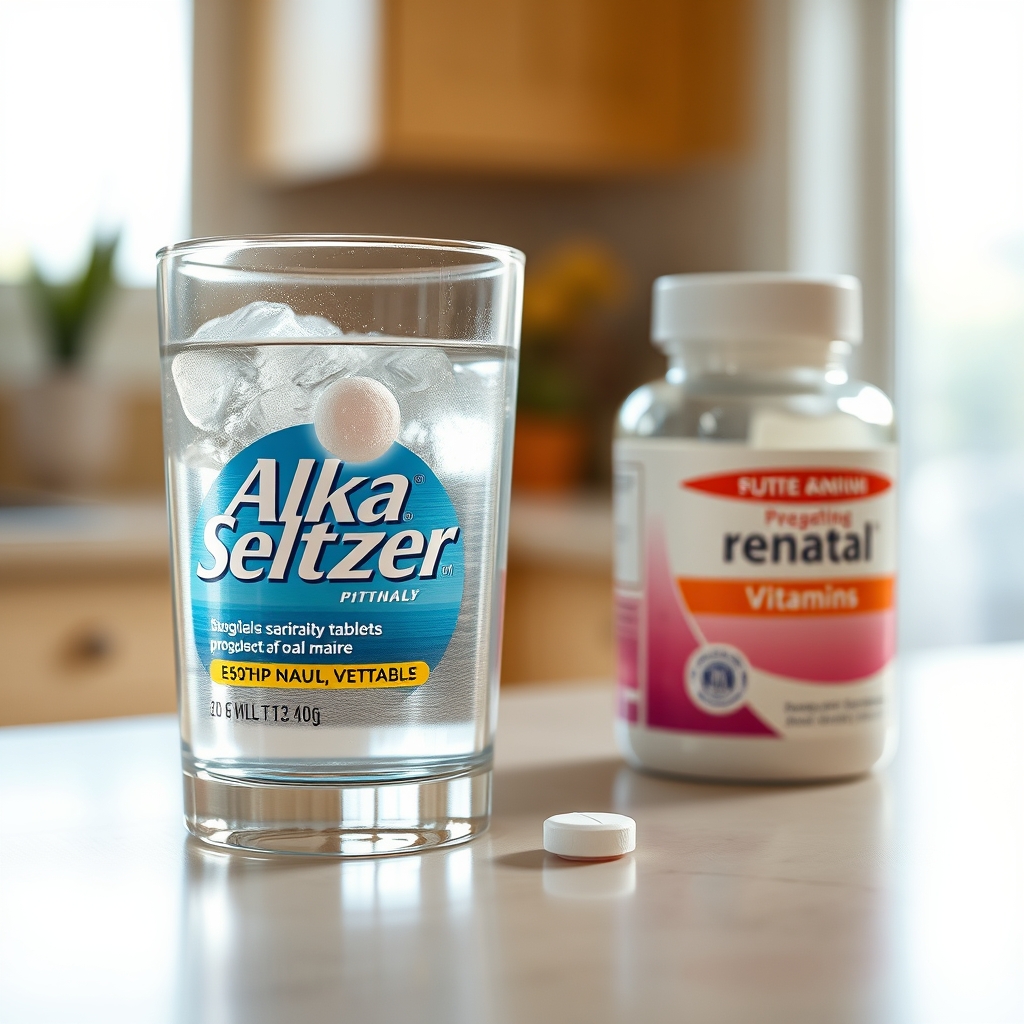
First trimester
During weeks 1‑13, the embryo is most vulnerable to substances that can interfere with cell division and organ formation. Aspirin’s inhibition of prostaglandin synthesis can affect blood flow to the placenta, raising concerns about fetal growth. Because Alka Seltzer contains a full‑strength aspirin tablet, most obstetric guidelines advise complete avoidance in this window.
Even occasional use can increase the chance of subtle changes in platelet function, so most providers recommend steering clear of any aspirin‑containing product during this critical period.
Second trimester
In weeks 14‑27, the fetus’s major organ systems are largely formed, reducing the teratogenic risk. However, aspirin can still affect fetal platelet function and, in larger doses, may contribute to reduced fetal blood flow. If a provider prescribes low‑dose aspirin for a specific indication, it will be a measured 81 mg tablet—not an Alka Seltzer tablet.
For heartburn relief, calcium‑based antacids remain the safest choice, and they do not carry the platelet‑related concerns of aspirin.
Third trimester
Weeks 28‑40 bring the risk of premature closure of the ductus arteriosus, a vessel that diverts blood away from the fetal lungs. High‑dose aspirin (≥300 mg) has been linked to this complication. Consequently, Alka Seltzer should be avoided unless a specialist monitors the dosage very closely.
Because the fetal circulatory system is especially sensitive at this stage, many obstetricians advise switching to antacids that contain only calcium or magnesium.
Breastfeeding
While small amounts of aspirin can appear in breast milk, the risk of infant gastric irritation or bleeding is low at occasional doses. Nonetheless, because safer alternatives exist, most lactation experts suggest using aspirin‑free antacids or ginger‑based remedies to avoid any unnecessary exposure.
Safe dosage / amount / brands
If a healthcare provider determines that a low‑dose aspirin regimen is necessary, they will prescribe a dedicated 81 mg tablet—never an Alka Seltzer tablet. In that specific scenario, the recommended dosage is one low‑dose aspirin tablet per day, taken with food to minimize stomach upset.
For non‑prescribed use, the standard adult label for Alka Seltzer reads: dissolve one tablet in 4‑6 oz of water, every 4‑6 hours as needed, not exceeding two tablets in 24 hours. Because each tablet contains 325 mg of aspirin, this exceeds the low‑dose threshold and therefore is not considered safe for pregnant or breastfeeding individuals.
If you prefer a brand that removes aspirin entirely, look for “Alka Seltzer Zero” (a caffeine‑free, aspirin‑free version marketed in some regions). However, even aspirin‑free versions still contain sodium bicarbonate, which can cause mild electrolyte shifts if taken excessively. For heartburn, a calcium carbonate antacid (e.g., Tums) is a more pregnancy‑friendly choice.
Side effects and risks
Even a single dose of Alka Seltzer can cause common, mild side effects such as stomach upset, gas, or a metallic aftertaste. More serious concerns include:
- Bleeding risk – Aspirin interferes with platelet aggregation, potentially increasing bleeding time for both mother and fetus.
- Premature ductus arteriosus closure – High‑dose aspirin in the third trimester can cause this rare but serious fetal heart condition.
- Metabolic alkalosis – Excess sodium bicarbonate may raise blood pH, leading to muscle twitching, nausea, or confusion.
- Allergic reactions – Rare, but possible, especially in individuals sensitive to salicylates.
If you experience unusual bruising, prolonged bleeding, severe stomach pain, or signs of an allergic reaction (such as hives or swelling), contact your obstetric provider immediately. These symptoms may indicate that the medication is affecting you more than expected.
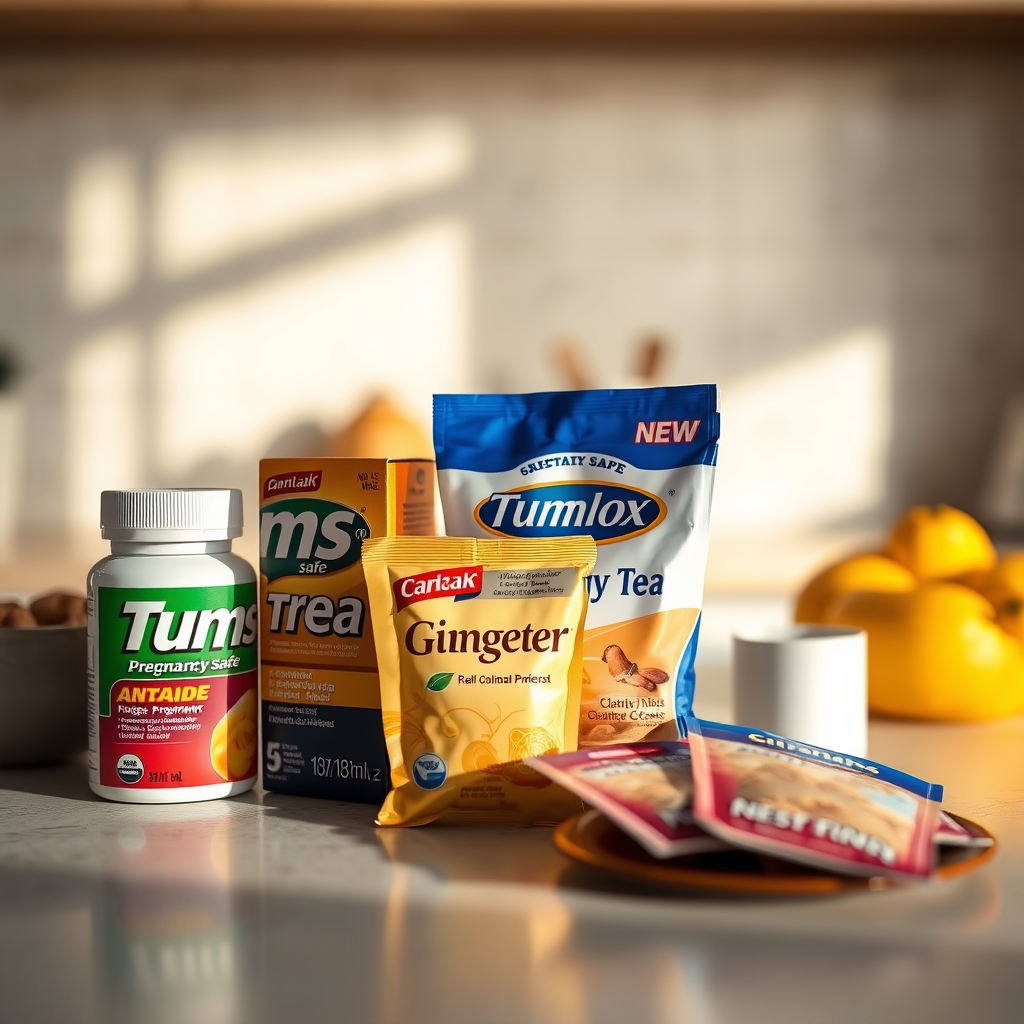
Safer alternatives
- Tums – Calcium carbonate antacid, safe for heartburn and provides calcium; endorsed by ACOG as pregnancy‑compatible.
- Maalox – Aluminum‑magnesium antacid, gentle on the stomach without NSAIDs; widely recommended by the NHS.
- Rolaids – Combines calcium carbonate and magnesium hydroxide for quick acid neutralization; safe in moderate doses.
- Ginger tea – Clinically shown (e.g., by the Mayo Clinic) to reduce nausea; no drug interactions.
- Ginger chews – Portable, concentrated ginger for on‑the‑go relief; safe for most pregnant people.
- Emetrol – Phosphorated carbohydrate solution, OTC anti‑nausea medication considered safe in pregnancy per CDC guidance.
- Chamomile tea – Mild soothing effect; limit to a few cups per day as advised by NICE.
Using Alka Seltzer for specific symptoms
Can Alka Seltzer be used for headaches during pregnancy?
Headaches are common in pregnancy due to hormonal shifts and increased blood volume. While Alka Seltzer’s aspirin component can relieve headache pain, the same aspirin‑related risks apply. ACOG recommends acetaminophen (Tylenol) as the first‑line treatment for mild to moderate headaches because it does not affect platelet function or fetal blood flow.
If a headache is severe or persistent, it’s best to discuss it with your provider, who may suggest other safe options such as hydration, rest, or a prescription medication that is appropriate for pregnancy.
Is Alka Seltzer appropriate for occasional nausea?
Nausea, especially in the first trimester, often responds well to ginger or vitamin B6 (pyridoxine). Because Alka Seltzer contains aspirin, it is not the preferred choice for nausea relief. The CDC and Mayo Clinic both list ginger, vitamin B6 supplements, and Emetrol as safe, evidence‑based options for managing pregnancy‑related nausea.
Using Alka Seltzer for nausea adds unnecessary exposure to aspirin, so most clinicians advise sticking with the gentler alternatives listed above.
Related items — safety at a glance
| Item | Verdict | Note |
|---|---|---|
| Aspirin | ❌ Generally avoid | High‑dose aspirin linked to fetal bleeding; low‑dose only if prescribed. |
| Bayer Aspirin | ❌ Generally avoid | Same active ingredient as regular aspirin; same pregnancy warnings. |
| Excedrin | ❌ Avoid | Contains aspirin + acetaminophen; aspirin component problematic. |
| Midol | ❌ Avoid | Often contains NSAIDs; not recommended for pregnant users. |
| Tylenol (acetaminophen) | ✅ Generally safe | ACOG and FDA consider it safe at standard doses. |
| Aleve (naproxen) | ❌ Avoid | NSAID; associated with fetal kidney issues in third trimester. |
| Motrin (ibuprofen) | ❌ Avoid | NSAID; contraindicated especially after 20 weeks. |
Myth vs. fact
Myth: “A single Alka Seltzer tablet is harmless because it’s just antacid.”
Fact: The aspirin component can cross the placenta and affect fetal platelet function, so even one tablet is not considered risk‑free.
Myth: “Alka Seltzer is safe after the first trimester because the baby’s organs are formed.”
Fact: Aspirin can still cause complications such as premature ductus arteriosus closure in the third trimester, so caution remains necessary.
Myth: “All Alka Seltzer brands are the same, so switching brands makes it safe.”
Fact: All traditional Alka Seltzer formulations contain aspirin; brand differences do not eliminate the primary risk.
Myth: “If I’m only using it for occasional heartburn, the risk is negligible.”
Fact: Even occasional exposure to 325 mg of aspirin can affect fetal development, and obstetric guidelines advise avoiding it unless a provider specifically recommends a low‑dose regimen.
Myth: “Alka Seltzer’s fizz means it’s mainly a harmless antacid.”
Fact: The fizz is simply carbon dioxide released from the reaction; it does not reduce the systemic impact of the aspirin and sodium bicarbonate inside the tablet.
Key takeaways
- ❌ Alka Seltzer is best avoided throughout pregnancy due to its aspirin content.
- If you need heartburn relief, choose calcium‑based antacids (Tums) or ginger‑based remedies.
- Low‑dose aspirin (81 mg) may be prescribed for specific conditions, but it should come as a dedicated tablet, not Alka Seltzer.
- During breastfeeding, aspirin can appear in milk; safer, aspirin‑free options are recommended.
- Any unexpected bleeding, severe stomach pain, or allergic reaction after taking Alka Seltzer warrants immediate medical attention.
Frequently asked questions
Can pregnant women take Alka Seltzer?
Generally, no. Alka Seltzer contains aspirin, which is not recommended for routine use during pregnancy because of potential fetal risks.
What are the side effects of Alka Seltzer during pregnancy?
Common side effects include mild stomach upset and gas, but more serious risks involve bleeding, potential ductus arteriosus closure, and metabolic alkalosis.
Is aspirin safe for pregnant women?
Low‑dose aspirin (81 mg) may be prescribed for specific indications, but regular‑strength aspirin (325 mg) found in Alka Seltzer is not considered safe for routine use.
How much Alka Seltzer is safe to take while pregnant?
There is no established safe amount; the safest approach is to avoid it entirely unless a provider explicitly orders a low‑dose aspirin regimen.
Are there any natural alternatives to Alka Seltzer for nausea?
Yes—ginger tea, ginger chews, and chamomile tea are all pregnancy‑friendly options that have been shown to reduce nausea without medication risks.
Does Alka Seltzer cause birth defects?
Current evidence does not show a direct link to birth defects from occasional use, but regular aspirin exposure in early pregnancy may increase the risk of certain anomalies.
Can I use Alka Seltzer for heartburn while pregnant?
It’s better to choose an aspirin‑free antacid like Tums or Maalox; Alka Seltzer’s aspirin component makes it less safe for heartburn relief during pregnancy.
Is Alka Seltzer safe during breastfeeding?
While occasional use is unlikely to harm a nursing infant, most lactation experts recommend safer, aspirin‑free alternatives to avoid any potential exposure.
I already took Alka Seltzer before I knew I was pregnant. What should I do?
Take a deep breath—one accidental dose is unlikely to cause serious harm. Contact your obstetric provider to discuss the timing and any symptoms you may be experiencing; they can offer reassurance or recommend monitoring.
What if I have a history of stomach ulcers? Can I still use Alka Seltzer?
Because Alka Seltzer contains aspirin, which can irritate the stomach lining, it is generally not recommended for anyone with a history of ulcers, especially during pregnancy. Talk to your provider about ulcer‑safe antacids.
Can I take Alka Seltzer if I’m pregnant and have a cold?
Alka Seltzer Plus contains additional ingredients like caffeine and antihistamines that may not be safe for pregnancy. For cold symptoms, it’s better to use pregnancy‑approved decongestants or saline nasal rinses and to avoid aspirin‑containing products.
Is occasional use of Alka Seltzer after the first trimester okay?
Even after the first trimester, the aspirin in Alka Seltzer can still affect fetal platelet function and increase the risk of ductus arteriosus closure in the third trimester. Most providers recommend avoiding it throughout pregnancy unless a low‑dose aspirin regimen is specifically prescribed.
When to call your doctor
If you notice any of the following after taking Alka Seltzer, contact your obstetric provider right away:
- Unusual bruising or prolonged bleeding from cuts.
- Severe or persistent stomach pain.
- Signs of an allergic reaction (hives, swelling, difficulty breathing).
- Rapid heartbeat, dizziness, or confusion.
- Any concern that you may have taken more than one tablet.
These symptoms could signal that the medication is affecting you or your baby more than expected. Always remember that this article provides general information and is not a substitute for personalized medical advice.
References
- American College of Obstetricians and Gynecologists (ACOG). “Use of Aspirin During Pregnancy.” Practice Bulletin No. 212, 2022.
- National Health Service (NHS). “Aspirin and Pregnancy.” Updated 2023.
- U.S. Food and Drug Administration (FDA). “Over-the-Counter Antacid Products.” Consumer Health Information, 2021.
- Centers for Disease Control and Prevention (CDC). “Guidelines for Medication Use in Pregnancy.” 2022.
- World Health Organization (WHO). “Recommendations for the Prevention of Preeclampsia.” 2020.
- American Academy of Pediatrics (AAP). “Medications and Breastfeeding.” 2021.
- Mayo Clinic. “Aspirin Use During Pregnancy.” 2023.
- National Institute for Health and Care Excellence (NICE). “Gastro‑oesophageal Reflux Disease in Pregnancy.” 2022

