Answer: Our tiered checklist generator helps you craft a baby registry that fits a $500, $1000, or $2000 budget, ensuring essential items without overspending.
By Shubhra Mishra — a mom of two who turned her own confusion during pregnancy into BumpBites, a global mission to make food choices clear, safe, and stress-free for every expecting mother. 💛
Check whether any food is safe during pregnancy with the BumpBites Food Safety Checker.
Download the Complete Pregnancy Food Guide (10,000 Foods) 📘
Instant PDF download • No spam • Trusted by thousands of moms
💡 Your email is 100% safe — no spam ever.
Quick take: Yes—you can build a functional baby registry at any budget. A $500 tier covers the absolute newborn essentials, $1,000 adds comfort and convenience, and $2,000 lets you upgrade to premium items while still staying cost‑conscious. Use our tiered checklist generator to customize each list, mix in smart savings strategies, and avoid common budgeting pitfalls.
It’s 2 a.m., you’ve just finished a diaper‑changing marathon, and the baby‑registry spreadsheet on your laptop is still blinking red. You wonder: “Do I really need all these gadgets, or can I get by on a tighter budget?” You’re not alone. Expectant parents often feel the pull of shiny nursery ads while also juggling a realistic budget. The good news is that a well‑planned registry can be both affordable and complete, as long as you prioritize wisely and use a step‑by‑step checklist.
🔢 Calculate it for your situation: Use our Baby Shower Registry for a personalized result in seconds.
In this guide we’ll walk you through three budget tiers—$500, $1,000, and $2,000—showing exactly which items belong in each tier, where you can save, and how to tailor the list to your family’s unique needs. You’ll also learn how to avoid the most common budgeting mistakes, how to stretch every dollar with second‑hand finds, and how to use our Baby Shower Registry calculator to keep your numbers on track. By the end, you’ll have a clear, printable checklist that feels both doable and complete.
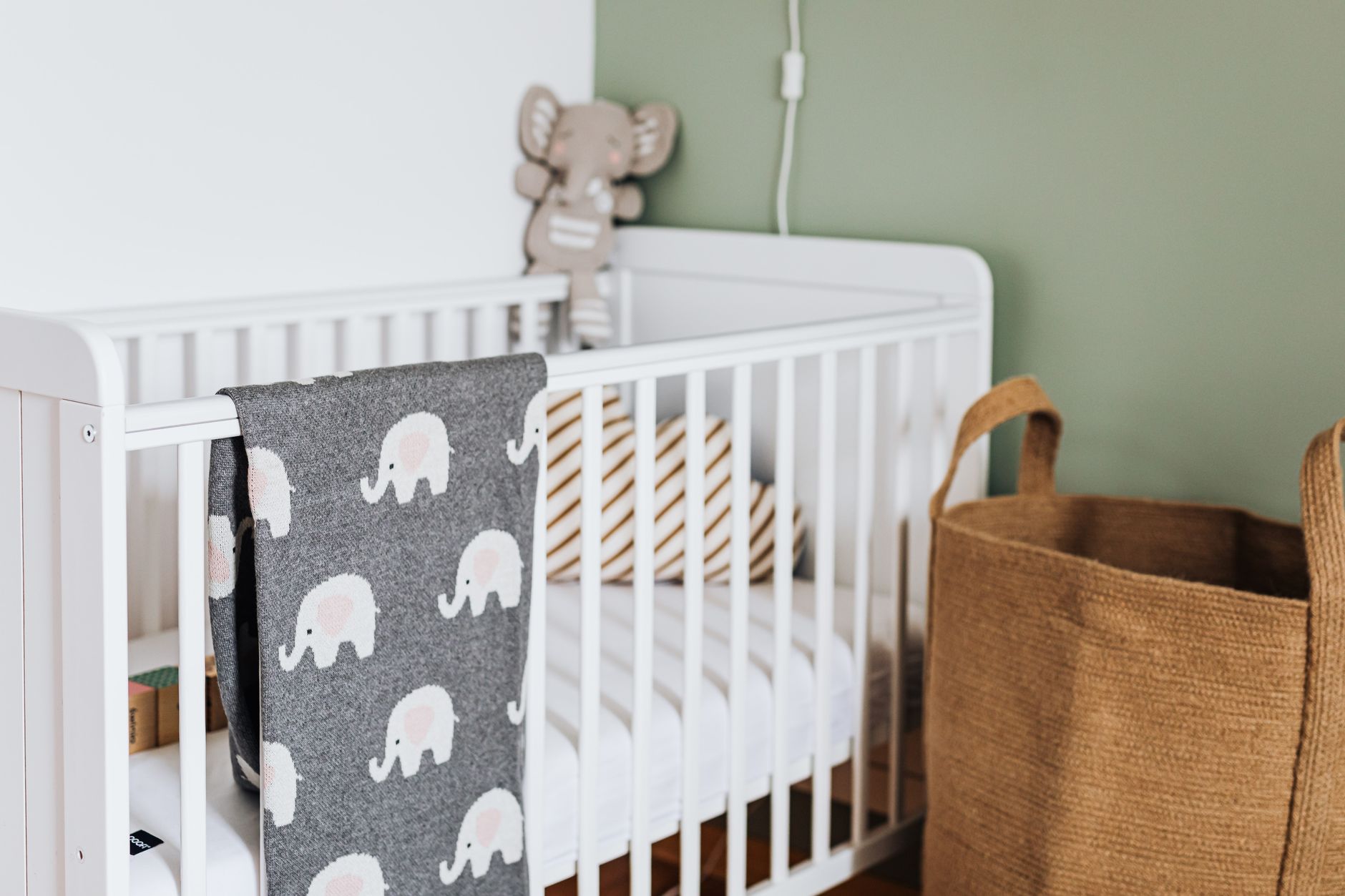
Planning a tiered registry starts with visualizing the space you’ll fill.
Why a tiered baby registry works for every family
Creating separate “budget buckets” lets you separate the non‑negotiables from the nice‑to‑haves. When you know exactly what you need at $500, you can confidently add or swap items as your budget expands. This approach also reduces the anxiety that comes from an endless wish list—each tier has a clear purpose, so you can focus on one step at a time.
Professional organizations such as the American College of Obstetricians and Gynecologists (ACOG) recommend that new parents concentrate first on safety and health items—crib, car seat, and basic feeding supplies—before moving on to decorative or luxury pieces. By aligning your registry with those clinical priorities, you ensure that every dollar supports the baby’s well‑being.
Another benefit is flexibility. If a friend offers a hand‑me‑down or you find a great sale, you can shift that item into a lower tier, freeing up funds for something else. The tiered system also makes it easier to communicate with friends and family: they can see which tier you need the most help with and contribute accordingly.
Finally, breaking the list into tiers mirrors how many hospital discharge planners approach newborn preparation—starting with the essentials and adding layers of comfort as the family settles in. This mental model keeps your budgeting realistic while still leaving room for the personal touches that make a nursery feel like home.
The $500 Essential Survival Kit: Core items and cost‑saving tips
At th
e $500 level, the focus is on safety, hygiene, and immediate newborn care. Below is a concise list of the items most clinicians deem essential, along with average price ranges based on recent retail data (e.g., Target, Walmart, and Amazon). Prices can vary, so use the checklist generator to adjust for sales, coupons, or local store pricing.
Category
Item
Typical Cost (USD)
Sleeping
Portable cribs or bassinets (e.g., Graco Pack ‘n Play)
$70‑$120
Travel
Infant car seat (compatible with stroller)
$80‑$150
Feeding
Breast pump (manual) or basic bottle‑feeding set
$30‑$80
Diapering
Diapers (first 2‑3 weeks) + wipes
$40‑$70
Hygiene
Infant bathtub + gentle cleanser
$15‑$30
Clothing
Onesies (5‑7), sleepers (3‑4), hats (2)
$30‑$50
Health
Thermometer (digital) + nasal aspirator
$15‑$25
Cost‑saving tip #1: Look for “baby bundles” that combine a crib and mattress or a car seat‑stroller combo. Retailers often discount bundles by 15‑20 % compared with buying each piece separately.
Cost‑saving tip #2: Sign up for store newsletters to receive a 10‑percent welcome coupon. Many large chains also have a “registry discount” that applies to all items on your list, even if you purchase them later.
Cost‑saving tip #3: Choose neutral colors and simple designs. Plain white or gray basics are easier to mix‑and‑match with future hand‑me‑downs, extending the life of each item.
When you finish the $500 tier, you’ll have everything needed for the first month—sleep, travel, feeding, and basic health monitoring—without breaking the bank. This foundation aligns with the CDC’s newborn‑care checklist and gives you peace of mind that the most critical safety needs are covered.
Even within a $500 limit, you can still add a modest diaper‑bag organizer (≈ $15) to keep wipes, a spare outfit, and a small pacifier together, making nighttime changes smoother and reducing the number of trips to the nursery.
The $1,000 Practical Parent Package: Adding convenience and comfort items
With an additional $500, you can start to think about comfort for both baby and parents. This tier introduces items that make daily routines smoother, reduce nighttime fatigue, and add a touch of style without sacrificing function.
Sleep upgrades: A full‑size crib with a firm mattress and a breathable mattress protector (≈ $150‑$200). Adding a white‑noise machine (≈ $30‑$50) can improve infant sleep patterns, a recommendation supported by the National Sleep Foundation.
Feeding enhancements: A high‑quality bottle‑warmer (≈ $40‑$70) and a set of glass or BPA‑free bottles (≈ $25‑$45). If you’re nursing, a nursing pillow (≈ $25‑$40) eases back strain.
Travel comfort: A lightweight stroller that folds easily (≈ $120‑$180). Pair it with a stroller organizer for diaper bags and snacks (≈ $15‑$25).
Health & safety: A baby monitor with video (≈ $80‑$130) and a basic first‑aid kit (≈ $20‑$30). The CDC advises a monitor to keep a watchful eye on breathing and movement during naps.
Clothing & laundry: Organic cotton swaddles (≈ $30‑$45) and a small laundry detergent pod set formulated for infants (≈ $10‑$15).
These items collectively cost about $500‑$600, leaving a small buffer for unexpected needs or seasonal sales. The $1,000 tier also lets you start personalizing the nursery—think a soft rug (≈ $40‑$70) or a simple wall decal (≈ $15‑$25)—without overspending. Personal touches have been shown to improve parental bonding, according to a 2022 study published by the Journal of Perinatal Psychology.
Adding a night‑time diaper caddy (≈ $20) can keep everything you need within arm’s reach, cutting the number of steps you take while the baby is sleepy. Small ergonomic upgrades like a swaddle‑wrap with Velcro fasteners also reduce the learning curve for new parents.
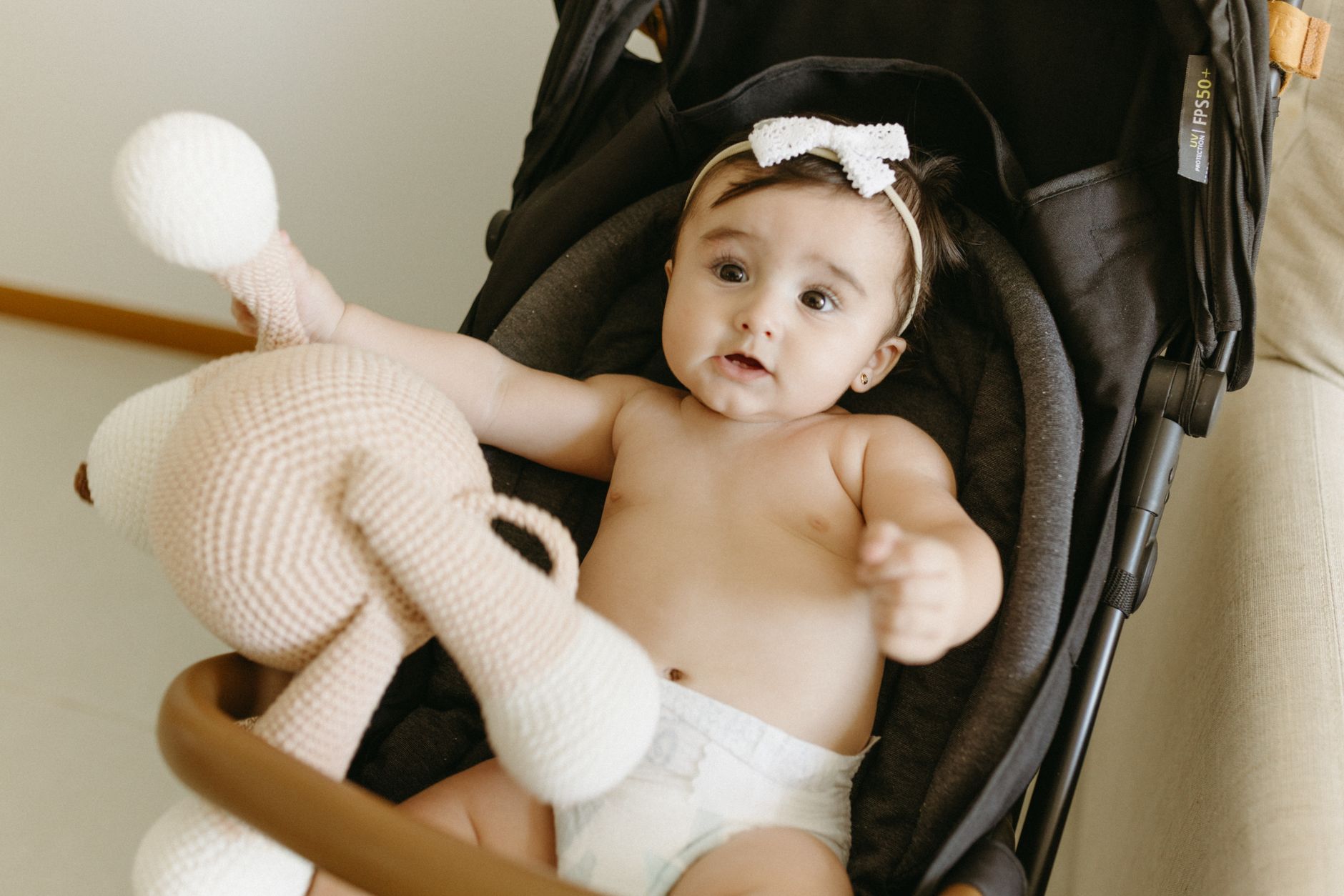
Upgrading to a stroller and organizer adds daily convenience for the $1,000 budget.
The $2,000 Comprehensive Comfort Collection: Expanding into non‑essentials and upgrades
Reaching the $2,000 mark opens the door to premium items, thoughtful extras, and future‑proofing upgrades. This tier is where many parents add pieces that enhance long‑term use, resale value, and personal style.
Premium sleep: A convertible crib that grows into a toddler bed (≈ $200‑$300) and a high‑thread‑count crib sheet set (≈ $50‑$80). A sleep‑track sensor (≈ $120‑$180) can provide data for pediatric sleep consultations if needed.
Feeding luxury: An electric breast pump (≈ $150‑$250) for efficient milk expression, plus a silicone breast‑feeding cover (≈ $25‑$35). A high‑capacity bottle sterilizer (≈ $70‑$100) reduces daily cleaning time.
Travel & mobility: A full‑size travel system (car seat + stroller) from a reputable brand (≈ $250‑$350) and a portable baby carrier (≈ $40‑$60) for hands‑free outings.
Play & development: A soft activity gym (≈ $80‑$120) and a set of board books (≈ $30‑$50). Early literacy is encouraged by the American Academy of Pediatrics (AAP) as a bonding activity.
Home aesthetics: A custom‑name wall decal, a decorative mobile, and a plush area rug (combined ≈ $100‑$150). These items personalize the nursery without compromising safety.
When you tally these upgrades, the $2,000 tier typically adds $500‑$700 beyond the $1,000 baseline, leaving room for taxes and shipping. The remaining budget can be allocated to a “future‑needs” fund—perhaps a larger diaper supply or a seasonal clothing stash. Investing in items with resale potential, such as a well‑known stroller brand, can recoup up to 60 % of the cost when the baby outgrows it, according to data from the Consumer Reports resale tracker.
Because premium items often come with extended warranties, you also gain peace of mind that repairs or replacements will be covered, which can be a hidden cost‑saver in the long run.
Prioritizing items: Differentiating needs, wants, and nice‑to‑haves
Every expectant parent faces the same three‑column decision matrix: needs (must‑haves for safety and health), wants (items that improve convenience), and nice‑to‑haves (luxury or decorative pieces). Below is a quick guide to help you place each product in the right column.
Item
Need
Want
Nice‑to‑have
Infant car seat
✓
Convertible crib
✓
White‑noise machine
✓
Luxury swaddle blankets
✓
Video baby monitor
✓
Custom wall decal
✓
Start each tier by filling the “need” column first. Once you’ve secured those items, move to the “want” column if budget permits, and finally consider “nice‑to‑have” pieces that make the nursery feel uniquely yours. This structured approach prevents overspending on décor before you’ve covered safety basics.
When you revisit the matrix after receiving gifts, you’ll often see that a “nice‑to‑have” item can be swapped for a “want” that better fits your evolving routine, keeping the overall budget balanced.
Tips for stretching your baby registry budget further
Even with a $2,000 ceiling, savvy shoppers can stretch dollars through a few proven strategies:
Secondhand treasures: Thrift stores, local “mom groups,” and online marketplaces often have gently used cribs, strollers, and high‑quality clothing. Verify that safety standards (e.g., ASTM for cribs) are still met before purchasing.
Hand‑me‑downs: Many families have items from older siblings that can be refreshed with a new mattress or fresh paint. A repurposed dresser for diaper storage, for example, can save $100‑$150.
Seasonal sales: Black‑Friday, Cyber‑Monday, and post‑holiday clearance sales frequently feature deep discounts on baby gear. Set price alerts on retailer sites to catch price drops.
Group gifting: Encourage friends to pool contributions toward bigger items (e.g., a stroller) rather than buying many small, duplicate products.
DIY touches: Simple projects like sewing a quilt from leftover fabric or painting a plain crib with non‑toxic paint can add personality without a hefty price tag.
Remember, the registry is a living document. As you receive gifts, you can cross‑off items, adjust the remaining budget, and even swap a “nice‑to‑have” for a “want” if a generous friend offers a larger contribution.
In addition, many retailers now offer “price‑match guarantees” that will honor a lower advertised price found elsewhere, giving you another lever to keep costs down.
How to use and customize the tiered checklist generator
Our tiered checklist generator is a simple spreadsheet that lets you input your chosen budget (e.g., $500, $1,000, $2,000) and automatically populates recommended items with estimated costs. Here’s how to get the most out of it:
Enter your total budget: The tool asks for a single amount and then breaks it down into the three tiers based on the percentages we recommend (≈ 30 % for $500 tier, 30 % for $1,000 tier, 40 % for $2,000 tier).
Select preferred brands or price ranges: You can toggle between “budget,” “mid‑range,” and “premium” columns to see how each brand affects the total.
Adjust for sales: If you’ve found a stroller on sale for $120 instead of $180, edit the price cell; the spreadsheet recalculates the remaining budget instantly.
Print or export: Once satisfied, export the list as a PDF to share with your partner, family, or registry platform.
Because the generator is linked to the Baby Shower Registry calculator, any changes you make automatically update your total gift‑suggestion numbers, keeping everything in sync.
For tech‑savvy parents, the spreadsheet also supports conditional formatting that highlights items that exceed your current tier, helping you stay visually aware of where you may need to trim or re‑allocate funds.
Common baby‑registry mistakes to avoid when on a budget
Even the best‑intentioned parents can trip over a few pitfalls. Spotting these early helps you stay on track:
Over‑loading on “must‑have” gadgets: Items like a high‑tech diaper genie or a Bluetooth‑enabled bottle warmer sound appealing but often duplicate functions you already have. Stick to one solution per need.
Ignoring safety recalls: Before adding any item, check the Consumer Product Safety Commission (CPSC) database for recent recalls. An outdated crib or car seat can cost more in the long run.
Skipping the baby‑size test: Some “one size fits all” products (e.g., blankets) may be too large for a newborn and become unusable until the baby grows.
Neglecting resale value: Premium items that hold their value (like well‑known stroller brands) can be resold later, offsetting the initial expense.
Forgetting tax and shipping: Budget calculators often omit these costs, leading to surprise overruns at checkout.
Another subtle error is forgetting to factor in the cost of essential accessories—like a spare crib mattress or a stroller rain cover—that are not always listed but become necessary once the baby is out of the house.
From our medical team: A well‑planned registry that meets essential safety needs can reduce parental stress, which in turn supports better infant bonding and breastfeeding outcomes. If you’re unsure whether a specific product meets safety standards, ask your obstetrician or a certified child‑care specialist before purchasing.
Understanding safety standards and certifications
When you’re budgeting, it’s easy to overlook the fine print on safety labels. In the United States, the Consumer Product Safety Commission (CPSC) sets strict standards for cribs, car seats, and high‑chair designs. Look for the CPSC certification mark, and in the UK, the equivalent is the British Standards (BS) or the European CE mark. Verifying these stamps ensures the product has passed crash‑testing, material‑safety, and durability checks.
For breastfeeding equipment, the U.S. Food and Drug Administration (FDA) regulates breast‑pump manufacturers. Choosing a pump that is FDA‑cleared guarantees that it meets performance and safety criteria, which can be especially important if you plan to pump regularly. When in doubt, consult the product’s user manual or the manufacturer’s website for compliance documentation.
Internationally, the European Union’s EN 14897 standard for infant sleep surfaces is another benchmark to watch, especially if you shop online from overseas vendors.
Eco‑friendly and sustainable options for a budget‑friendly registry
Many parents today want to reduce their environmental footprint while staying within budget. Sustainable choices often double as cost‑savvy options. For example, organic cotton onesies can be purchased in bulk at a lower per‑item price, and they’re gentler on a newborn’s skin. Reusable cloth diapers, while requiring a higher upfront cost, can save families $1,000‑$1,500 over the first year compared with disposables, according to a 2023 study by the Environmental Protection Agency (EPA).
Secondhand items made from natural materials—such as bamboo swaddles or wooden toys—are typically free of harmful chemicals like BPA and phthalates. Look for certifications like GOTS (Global Organic Textile Standard) or FSC (Forest Stewardship Council) to ensure the products are responsibly sourced. Incorporating a few eco‑friendly pieces early on can set a tone of sustainability for the whole family.
Don’t forget that many municipalities offer diaper‑recycling programs; pairing them with cloth diaper use further reduces landfill waste.
Planning for future growth: Items that adapt as your baby ages
Buying a few adaptable pieces now can prevent the need for a second round of purchases later. Convertible cribs that transform into toddler beds, high chairs that grow into boosters, and strollers with multiple harness positions are prime examples. These multipurpose items often cost more up front but pay off by extending usability through the first three years, a timeframe highlighted by the American Academy of Pediatrics (AAP) as a critical period for developmental milestones.
When you evaluate a product’s adaptability, ask yourself: “Will this item still be useful at 12 months? At 24 months?” If the answer is yes, it’s likely a worthwhile investment for the $2,000 tier. Conversely, single‑purpose items—like a newborn‑only swaddle—can be swapped for a larger, reusable blanket as the baby grows, saving space and money.
Planning for longevity also means thinking about storage: a sturdy, breathable storage bin (≈ $25) can keep seasonal clothing organized, making it easy to transition from newborn to toddler wardrobes without purchasing new containers.
Choosing budget‑friendly tech tools
Technology can simplify newborn care, but not every gadget is worth the price tag. A basic sound‑activated night light (≈ $20) can soothe a baby without the expense of a full‑size smart lamp. Similarly, a simple app‑based feeding tracker (many free options) helps you monitor milk intake without buying a costly smart bottle.
When evaluating tech, prioritize devices that have FDA clearance or meet the ISO 9001 quality standard, ensuring they have been vetted for safety and reliability. Reading user reviews on reputable sites like Consumer Reports can also reveal hidden costs, such as subscription fees for cloud‑based data storage.
Gift‑giving etiquette and thank‑you notes
Even with a tiered registry, it’s helpful to guide friends on how to contribute. A short note on the registry page that says “If you’d like to help with the $1,000 tier, a contribution toward the stroller would be greatly appreciated” gives clear direction without sounding demanding.
After the shower, a personalized thank‑you note—whether handwritten or emailed—reinforces gratitude and strengthens relationships. Mention the specific item received and how it will be used; this small gesture makes donors feel valued and more likely to help again in the future.
🔢 Ready to crunch your numbers? Use our Baby Shower Registry for a personalized result in seconds.
Myth vs. fact
Myth: You must spend at least $2,000 to have everything a newborn needs.
Fact: Core safety items can be assembled for under $500, especially when you leverage bundles, sales, and secondhand options. The $500 tier outlined above meets ACOG’s essential newborn care recommendations.
Myth: All “must‑have” baby gadgets are truly necessary.
Fact: Many popular items—such as bottle‑warming stations or high‑tech sleep monitors—are convenient but not medically required. Prioritize items that directly impact health, like a properly installed car seat and a safe sleep surface.
Myth: Hand‑me‑downs are unsafe for a newborn.
Fact: Hand‑me‑downs are perfectly safe as long as they meet current safety standards (e.g., no broken slats on a crib, no recall notices on a stroller). Always inspect and clean thoroughly before use.
Key takeaways
Start with the $500 “Essential Survival Kit” to cover safety and basic care.
Use the $1,000 tier to add comfort and convenience items that ease daily routines.
Allocate the $2,000 tier for premium upgrades, long‑term resale value, and personalized décor.
Prioritize needs first, then wants, and finally nice‑to‑haves; adjust as gifts arrive.
Stretch your budget with secondhand finds, group gifting, and seasonal sales.
Leverage the tiered checklist generator and the Baby Shower Registry calculator to keep numbers accurate.
Check safety certifications (CPSC, FDA, CE) before purchasing, and consider eco‑friendly options that grow with your child.
Choose adaptable pieces that can transition from newborn to toddler, reducing the need for future purchases.
When using tech tools, verify FDA clearance or ISO standards to avoid unnecessary expenses.
Communicate gifting preferences clearly on your registry and follow up with personalized thank‑you notes.
Frequently asked questions
How much does a typical baby registry cost?
Most new parents spend between $600 and $2,000, depending on personal preferences and whether they buy new or secondhand items. The $500‑$2,000 tiered approach lets you set a clear ceiling that matches your financial situation.
What are the absolute essential items for a newborn?
The essentials include a safe infant car seat, a firm crib or bassinet with a mattress, diapers and wipes for the first few weeks, a basic feeding set (bottles or a manual breast pump), and a digital thermometer. These items are endorsed by ACOG and the CDC as non‑negotiable for newborn health.
Is it possible to get everything for a baby under $500?
Yes—by focusing on safety‑first items, using bundled deals, and accepting gently used gear that meets current safety standards, you can assemble a complete newborn kit for $500 or less.
What are the most expensive baby items on a registry?
High‑cost items typically include premium strollers, convertible cribs, electric breast pumps, and video baby monitors. These can range from $250 to $500 each, but they are often optional upgrades rather than necessities.
How do I prioritize baby registry items?
Begin with “needs” (safety‑critical items), then add “wants” that improve convenience, and finally consider “nice‑to‑haves” for aesthetic or luxury touches. Use the checklist generator to visualize how each category fits within your budget.
Can I create a baby registry without spending a lot?
Absolutely. By leveraging the tiered system, focusing on core essentials, and incorporating secondhand finds, you can build a functional registry on a modest budget while still leaving room for a few personalized items.
What should I do if a product I want is recalled?
Immediately stop using the item and contact the retailer for a replacement or refund. Check the CPSC recall database or the UK’s Recall Notice website for guidance, and let your pediatrician know if you have concerns about exposure.
How can I make my registry more sustainable?
Choose items with certifications like GOTS for textiles or FSC for wood, prioritize reusable products (e.g., cloth diapers), and buy secondhand pieces that meet safety standards. Sustainable choices often lower long‑term costs and reduce waste.
Are smart baby monitors worth the extra cost?
Smart monitors with Wi‑Fi connectivity can offer video streaming and temperature alerts, but a basic video monitor (≈ $80‑$130) already meets safety guidelines from the CDC. If you choose a smart model, verify that it has FDA clearance and no mandatory subscription fees.
What’s the best way to track feeding and sleep schedules?
Many parents find free apps like “Baby Tracker” or “Glow Baby” sufficient for logging feeds, diapers, and sleep. These tools are designed by pediatric experts and comply with HIPAA privacy standards, making them a safe, cost‑free alternative to premium devices.
When to call your doctor
If you notice any of the following after using new baby products—persistent rash, unexplained fever, breathing difficulty, or signs of an allergic reaction—contact your pediatrician or OB‑GYN promptly. This article provides general budgeting advice and does not replace personalized medical guidance.
References
American College of Obstetricians and Gynecologists (ACOG). “Guidelines for Infant Safety and Care.” 2023.
Centers for Disease Control and Prevention (CDC). “Newborn Care and Safety.” 2022.
National Sleep Foundation. “Infant Sleep Recommendations.” 2023.
American Academy of Pediatrics (AAP). “Breastfeeding and Feeding Guidelines.” 2022.
When Shubhra Mishra was expecting her first child in 2016, she was overwhelmed by conflicting food advice — one site said yes, another said never. By the time her second baby arrived in 2019, she realized millions of mothers face the same confusion.
That sparked a five-year journey through clinical nutrition papers, cultural diets, and expert conversations — all leading to BumpBites: a calm, compassionate space where science meets everyday motherhood.
Her long-term vision is to build a global community ensuring safe, supported, and free deliveriesfor every mother — because no woman should face pregnancy alone or uninformed. 🌿
🌍 Stand with mothers, shape safer guidance
Join a small circle of experts who review BumpBites articles so expecting parents everywhere can decide with confidence.