Yes, you can spot signs of twins during pregnancy. Look for multiple baby symptoms like nausea, rapid weight gain, fetal movements, and a larger uterus.
By Shubhra Mishra — a mom of two who turned her own confusion during pregnancy into BumpBites, a global mission to make food choices clear, safe, and stress-free for every expecting mother. 💛
Check whether any food is safe during pregnancy with the BumpBites Food Safety Checker.
Download the Complete Pregnancy Food Guide (10,000 Foods) 📘
Instant PDF download • No spam • Trusted by thousands of moms
💡 Your email is 100% safe — no spam ever.
Quick take: Carrying twins often feels like a “double‑up” of many pregnancy symptoms—more pronounced nausea, faster belly growth, and extra fatigue. Early clues such as a markedly enlarged uterus, higher hCG levels, and early fetal movement can hint at twins, but an ultrasound is the definitive way to confirm.
It’s 2 a.m., you’re curled up on the couch, and the morning‑sickness that started in week 6 has turned into a relentless wave of nausea that won’t let up. As you scroll, you spot a headline that reads “Signs of twins during pregnancy.” Your heart skips. Could the extra nausea be a clue that you’re actually carrying two little ones? You’re not alone—many expecting parents wonder whether their bodies are giving away the fact that they’re pregnant with twins before any scan can confirm it.
In this article we’ll walk through the most common twin‑specific signals, explain how they differ from a singleton pregnancy, and outline what you can expect in each trimester. We’ll also share practical tips for tracking symptoms, a quick‑reference table for twin‑related weight‑gain guidelines, and a myth‑busting section that clears up the most persistent misconceptions. By the end, you’ll have a clearer picture of whether your symptoms point toward twins and know exactly when to ask your provider for a confirming ultrasound.
What are early signs that I’m carrying twins?
Most twin pregnancies reveal themselves in the first trimester, often before a scan can detect two heartbeats. The earliest clues are usually hormonal. Women who conceive twins tend to have higher levels of human chorionic gonadotropin (hCG) and progesterone, both of which can intensify the classic “morning sickness” symptoms.
Higher hCG levels—the hormone that triggers nausea, breast tenderness, and the “food aversions” many experience—are commonly measured in routine prenatal blood work. While a single pregnancy can also produce elevated hCG, twins often push the numbers into the upper‑range for the gestational age. If your doctor orders an hCG test and the result is markedly above the typical range, it can be an early hint of a multiple gestation.
Another early sign is rapid uterine growth. By week 10, a twin uterus may feel firmer and appear larger than expected for a singleton. In a clinical setting, a provider may note that the fundal height (the distance from the pubic bone to the top of the uterus) measures a few centimeters higher than the gestational age would predict.
Women also report increased fatigue that seems out of proportion to the pregnancy stage. While a single pregnancy can certainly cause tiredness, twins often double the metabolic demand, leading to a noticeable dip in energy even before the second trimester.
Finally, some expectant mothers notice early fetal movements. Though most women don’t feel their baby move until 18‑20 weeks, a few with twins report fluttering or “bubble‑like” sensations as early as 12‑14 weeks—especially if the babies are positioned close to the uterine wall. These early kicks are subtle, but they can be an additional clue when combined with the other signs.
It’s important to remember that none of these signs alone confirm twins; they simply raise the index of suspicion. The most reliable way to know for sure is an ultrasound, typically performed between 12 and 14 weeks, when both fetuses and their heartbeats can be visualized clearly.
Even if you notice several of these clues, your provider may still recommend a confirmatory scan because early ultrasound offers the most accurate dating and can identify potential complications sooner. Early detection also gives you extra time to plan nutrition, prenatal care, and any necessary lifestyle adjustments.
How can I differentiate twin pregnancy symptoms from a single pregnancy?
Distinguishing twin‑specific symptoms from those of a singleton pregnancy can feel like searching for a needle in a haystack, but several patterns tend to stand out. Below is a side‑by‑side comparison of the most commonly reported differences.
Symptom
Typical Singleton Experience
Typical Twin Experience
Nausea & vomiting
Moderate, often improves after the first trimester.
More severe, may persist into the second trimester (hyperemesis gravidarum more common).
Fundal height
Approximately 1 cm per week of gestation.
Often 2–3 cm larger than expected for the same gestational age.
Weight gain
~0.5 kg per week after the first trimester.
Higher weekly gain; total gain 13–18 kg (28–40 lb) for twins.
Fatigue
Gradual increase, improves after the first trimester.
More pronounced, may not improve until late second trimester.
Fetal movement
Usually felt 18–20 weeks.
May be sensed as early as 12–14 weeks; movements can feel more frequent.
Notice how twins often amplify the intensity or timing of each symptom. For example, severe nausea that doesn’t subside after the first trimester should raise a flag, especially if it’s coupled with rapid uterine expansion. Likewise, an unusually fast weight gain or a uterus that feels “larger than expected” can be a visual cue for twins.
Beyond the physical signs, many women report a heightened emotional response—feelings of awe, anxiety, or even overwhelm—because the body is working twice as hard. While these emotions are normal, they can also help you recognize that something feels “different” from what you’ve heard about a typical singleton pregnancy.
Another subtle differentiator is the pattern of breast changes. Twin pregnancies often cause more pronounced breast enlargement and tenderness early on, as the body prepares for double milk production. If you notice that your breasts feel unusually swollen or painful within the first few weeks, it might be another piece of the puzzle.
Can I feel two heartbeats during a twin pregnancy?
Yes, hearing two distinct heartbeats is one of the most definitive ways to confirm a twin pregnancy, but the timing matters. Around 12 weeks, a transvaginal ultrasound can often pick up both heartbeats. By 14 weeks, a standard abdominal scan usually shows two separate cardiac activities.
Before the ultrasound, some expectant parents notice a “double thump” during a Doppler exam in the early second trimester. If you request a Doppler check at your prenatal visit, the technician may be able to pick up both heartbeats, especially if the twins are not positioned directly behind one another.
It’s also worth noting that fetal heart rates can differ by 10–20 bpm, so you may hear a slightly irregular rhythm if the twins have separate heartbeats. This contrast can feel like a rapid “whoosh‑whoosh” rather than the steady “lub‑dub” you’d expect from a single baby.
While hearing two heartbeats is reassuring, it’s not the only way to suspect twins. Some women whose twins are positioned very close together may only have one audible heartbeat on a Doppler early on, and the second may become evident only later in the scan. If you suspect twins but the Doppler only shows one heartbeat, your provider will likely schedule a follow‑up ultrasound to clarify.
In rare cases, a twin pregnancy may involve a shared placenta (monochorionic) that can make the heartbeats appear more synchronized on early Doppler. Even then, a skilled sonographer can usually differentiate the two circulations once the gestational age advances.
Does increased nausea indicate twins?
Severe nausea—especially when it persists beyond the 12‑week mark—is a common clue that you might be carrying twins. The hormone hCG, which peaks around week 9, is the chief driver of nausea, and twin pregnancies produce roughly double the hCG of a singleton.
Studies from the American College of Obstetricians and Gynecologists (ACOG) indicate that women with twins are more likely to experience hyperemesis gravidarum, a severe form of morning sickness that can lead to dehydration and weight loss. While the exact prevalence varies, the risk is roughly 2–3 times higher for twins compared to single pregnancies.
That said, not every woman with twins will have worse nausea, and many single pregnancies experience intense morning sickness. The key is the duration and intensity. If you’re still vomiting daily after week 12, or if you’re unable to keep food or fluids down, it’s worth discussing twin possibilities with your provider—they may order a blood test for hCG or schedule an early ultrasound to investigate further.
Practical tip: Keep a simple nausea diary for a week—note the time of day, triggers, and severity. Sharing this with your provider can help them gauge whether the symptoms are consistent with a twin pregnancy or if another cause should be explored.
Nutrition plays a crucial role, too. Small, frequent meals that are low in fat and high in protein can sometimes blunt the nausea spikes. If you find that ginger, lemon, or cold foods soothe you, incorporate them into your routine while you await medical evaluation.
Why does my belly grow faster with twins?
The uterus expands to accommodate the growing fetuses, and with twins, that expansion accelerates. By the end of the first trimester, the uterine wall can be stretching in two directions at once, leading to a noticeable increase in abdominal girth.
Uterine growth is measured by fundal height. In a singleton pregnancy, the fundal height roughly matches the gestational age in centimeters (e.g., 20 weeks ≈ 20 cm). With twins, the measurement can be 2–3 cm higher than expected for the same week. This “extra” growth is why many women notice a larger belly earlier than they expected.
Beyond the uterus, the extra placenta(s) also add volume. Twins can have a single shared placenta (monochorionic) or two separate placentas (dichorionic). In either case, the placenta tissue contributes to the overall size of the abdomen.
It’s important to remember that a larger belly does not always mean twins—some women simply have a higher baseline abdominal size. However, a rapid increase in belly size, especially when paired with other twin‑related signs like heightened nausea or early weight gain, should prompt a conversation with your obstetrician.
Regular fundal‑height measurements at prenatal visits help clinicians track growth patterns. If the measurement consistently exceeds the expected range by more than 2 cm, the provider may recommend an earlier ultrasound to verify gestational number and assess placental health.
What are the common twin pregnancy symptoms in the second trimester?
The second trimester (weeks 13‑27) is often called the “golden period” for pregnancy, but for twins the experience can be a mix of relief and new challenges.
Continued rapid weight gain: Twins typically gain an extra 0.5–1 kg per week, leading to a total weight gain of 13–18 kg (28–40 lb) by term. This is higher than the 11–16 kg (25–35 lb) recommended for a singleton.
Persistent nausea or heartburn: While many women see nausea wane after the first trimester, twins may still experience occasional bouts, especially if the growing uterus pushes the stomach upward.
Increased fatigue: The metabolic demand of two fetuses can keep you feeling tired, even if you’re sleeping well.
Back and pelvic pain: The extra weight and altered center of gravity place more strain on the lumbar spine and pelvic joints.
More frequent fetal movement: By week 20, many parents of twins report feeling movements from each baby separately—often described as “two distinct flutters” versus a single rolling sensation.
Braxton‑Hicks contractions: These “practice” contractions may start earlier or feel more pronounced with twins, as the uterus prepares for the added stretch.
While these symptoms can be uncomfortable, they’re generally not a cause for alarm. Regular prenatal visits, proper nutrition, and adequate rest are the best ways to manage the increased demands of a twin pregnancy.
Some women also notice a heightened sense of “baby talk” as they begin to differentiate the two little ones by the sound of their movements. Keeping a simple log of when and how each baby moves can be reassuring and also helpful for your provider when assessing growth and well‑being.
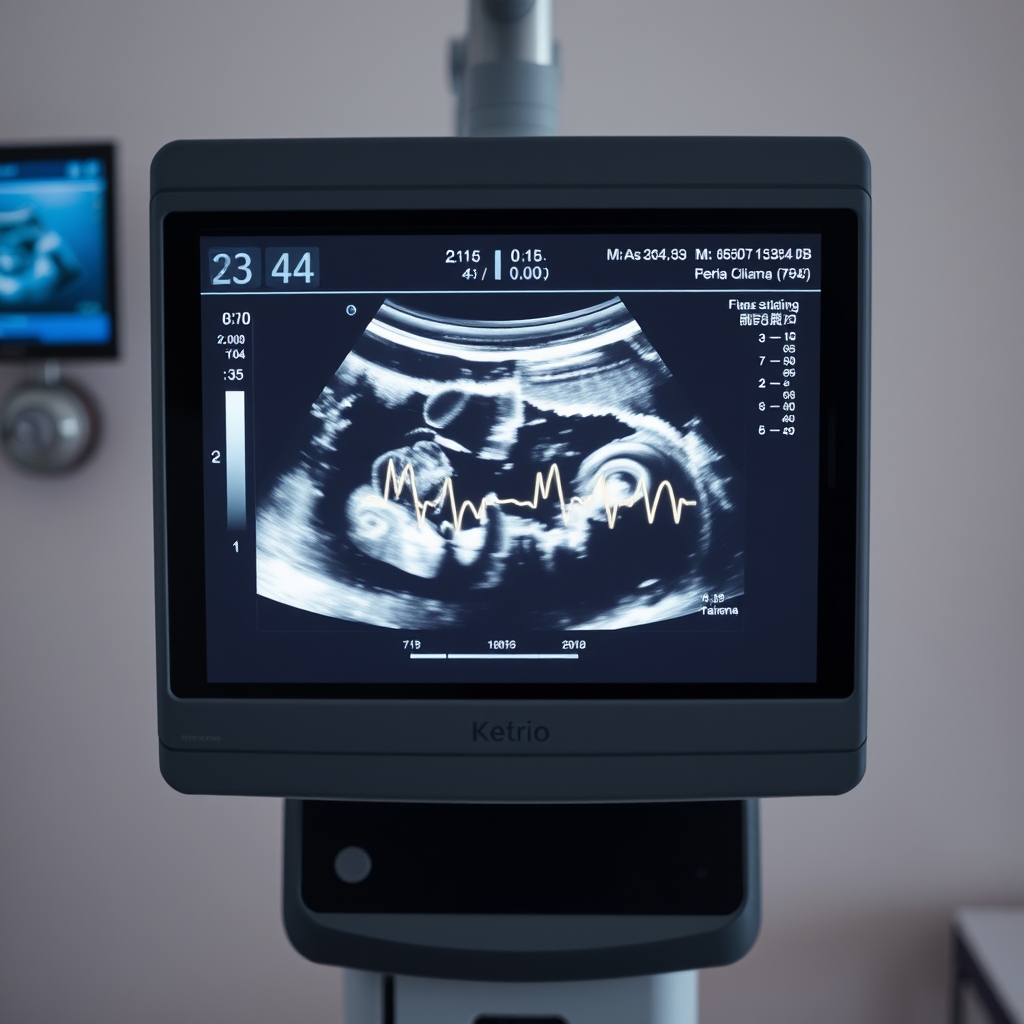
Early ultrasound often reveals two distinct heartbeats, confirming a twin pregnancy.
How much weight gain is normal with twins?
Weight‑gain guidelines for twins differ from singleton recommendations. The American College of Obstetricians and Gynecologists (ACOG) and the National Institute for Health and Care Excellence (NICE) suggest the following targets based on pre‑pregnancy body mass index (BMI):
Pre‑pregnancy BMI
Total weight gain (kg)
Total weight gain (lb)
Underweight (< 18.5)
13–18
28–40
Normal (18.5‑24.9)
13–18
28–40
Overweight (25‑29.9)
11–16
24–35
Obese (≥ 30)
9–14
20–30
These numbers reflect the extra mass of two babies, two placentas (or a shared placenta), and the increased blood volume needed to support both fetuses. Weight gain tends to be most rapid in the second trimester, then slows in the third as the babies approach their birth weights.
Tracking your weight at each prenatal visit helps your provider gauge whether you’re on target. A sudden, large jump in weight (e.g., > 2 kg in a week) could signal excess fluid retention or other complications and should be discussed promptly.
Nutrition matters as much as the number on the scale. Aim for a balanced diet rich in protein, calcium, iron, and folic acid, and consider a prenatal vitamin formulated for multiples. The NHS recommends an additional 300‑500 kcal per day for twins, but individual needs vary, so personalized guidance from your dietitian is ideal.
Can twins cause more fatigue than a singleton?
Fatigue is a hallmark of pregnancy, but twins amplify the effect. The body’s basal metabolic rate increases by roughly 30 % in a twin pregnancy, compared with a 15‑20 % rise for a singleton. This means you’re burning more calories at rest, and your organs are working harder to supply oxygen and nutrients to two growing fetuses.
In addition to the metabolic boost, the extra weight of two babies adds physical strain on the muscles and joints. The enlarged uterus can compress the diaphragm, limiting lung capacity and making breathing feel more laborious, especially after meals or during mild exertion.
Practical strategies to combat twin‑related fatigue include:
Prioritizing short, frequent naps—aim for 20‑30 minutes when you feel the dip.
Eating small, protein‑rich snacks every 2‑3 hours to maintain steady energy.
Staying hydrated; dehydration can worsen tiredness.
Gentle movement such as prenatal yoga or short walks, which can boost circulation and reduce sluggishness.
If fatigue is extreme—feeling unable to get out of bed, or accompanied by dizziness, rapid heartbeat, or shortness of breath—contact your provider right away. While some tiredness is normal, severe exhaustion can signal anemia, thyroid issues, or other conditions that need medical attention.
Rest, hydration, and small snacks can help manage the extra fatigue of a twin pregnancy.
How to prepare for a twin birth: prenatal care and nutrition
Preparing for twins starts well before the due date. Twice the babies means twice the appointments, so schedule regular prenatal visits every four weeks until week 28, then every two weeks, and finally weekly as you approach delivery. This frequency lets your provider monitor growth, amniotic fluid levels, and blood pressure—key indicators of complications that are more common in multiples.
Nutrition is a cornerstone of twin health. The ACOG recommends an extra 300‑500 kcal per day, focusing on lean protein (chicken, fish, beans), whole grains, and plenty of fruits and vegetables. Calcium intake should stay at 1,000 mg daily, while iron needs rise to about 27 mg to support the increased blood volume. A prenatal vitamin specifically formulated for twins can help fill any gaps, but always discuss supplement choices with your provider.
Hydration supports amniotic fluid production and helps prevent constipation—a frequent complaint when the uterus presses on the intestines. Aim for at least 10 cups of water a day, and consider adding electrolyte‑rich drinks if you’re exercising or live in a hot climate.
Exercise, when cleared by your provider, can improve stamina and reduce back pain. Low‑impact activities like swimming, stationary cycling, and prenatal yoga are especially beneficial because they provide cardiovascular support without stressing the joints.
Finally, consider a birth plan that addresses the higher likelihood of a cesarean delivery. While many twins are delivered vaginally, the chance of a C‑section is roughly 60 % according to CDC data. Discuss preferences for pain management, fetal monitoring, and neonatal care early, so you and your team are prepared no matter how the labor unfolds.
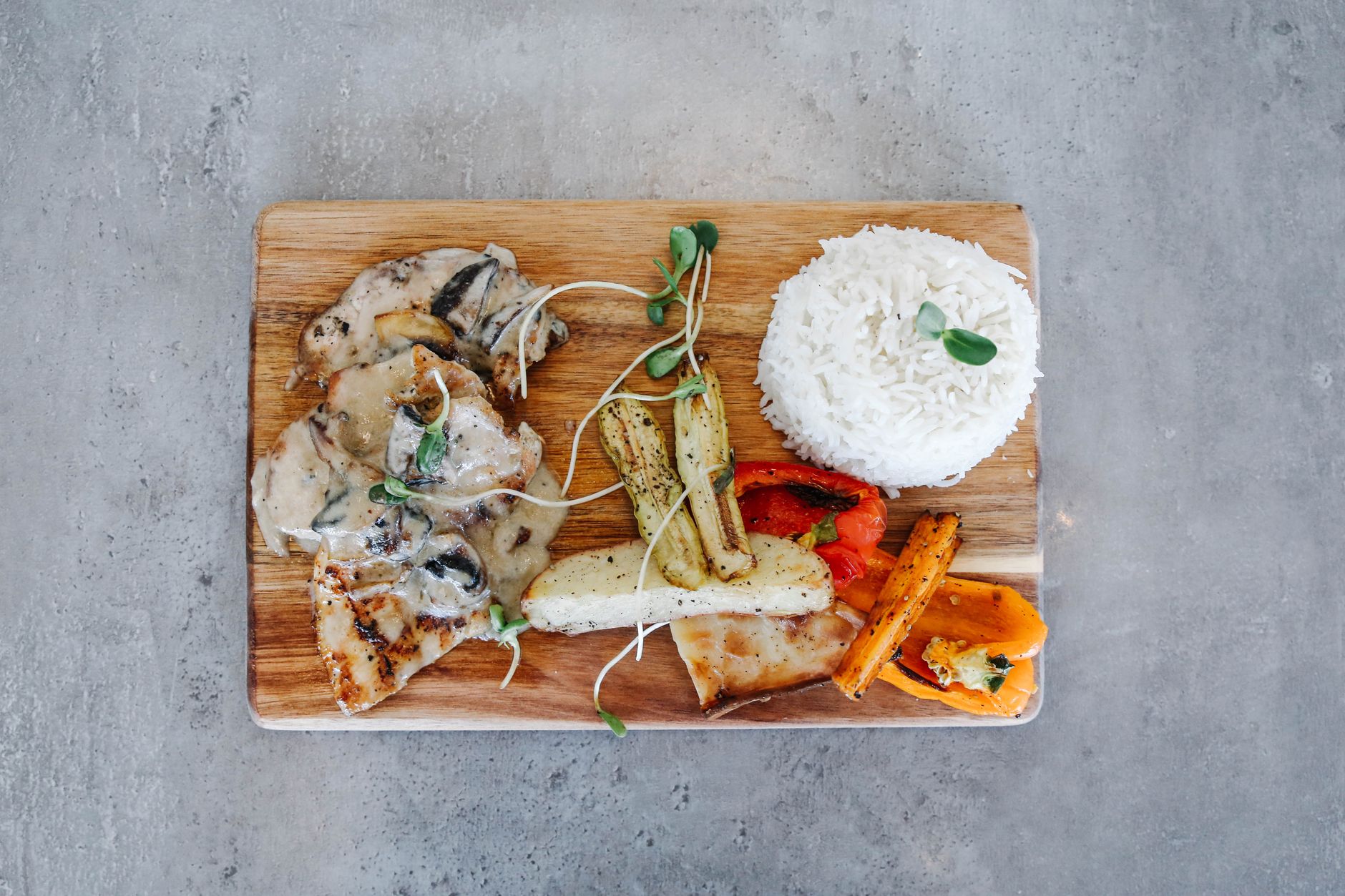
A balanced, nutrient‑dense diet helps support two growing babies.
What complications are more common with twin pregnancies?
Carrying twins increases the risk of several pregnancy‑related complications, though most women have healthy outcomes with proper monitoring. The most frequently cited concerns include pre‑eclampsia, preterm labor, and gestational diabetes.
Pre‑eclampsia—a rise in blood pressure accompanied by protein in the urine—affects about 10‑15 % of twin pregnancies, compared with 5‑8 % of singletons (ACOG 2023). Early detection relies on regular blood‑pressure checks and urine tests at each prenatal visit. If you notice sudden swelling, headaches, or visual changes, call your provider immediately.
Preterm birth before 37 weeks occurs in roughly 60 % of twins, according to CDC statistics. To mitigate this risk, your provider may recommend bed rest, cervical length monitoring, or progesterone supplementation if you have a short cervix. Staying hydrated, avoiding heavy lifting, and keeping stress low can also help, though the exact cause of preterm labor is often multifactorial.
Gestational diabetes rates rise to about 12 % in twin pregnancies, versus 7 % in singletons. The extra placental tissue can increase insulin resistance, making glucose screening at 24‑28 weeks especially important. A diet low in refined sugars and regular physical activity can reduce the likelihood of needing medication.
Other concerns—such as placenta previa (placenta covering the cervix) and twin‑to‑twin transfusion syndrome (TTTS) in monochorionic twins—are rarer but require specialized monitoring. If your twins share a placenta, your obstetrician may schedule additional ultrasounds to watch for uneven blood flow between the babies.
Understanding these risks helps you and your provider create a proactive care plan. Early detection, regular appointments, and open communication are the keys to navigating a twin pregnancy safely.
Doctor's note
From our medical team: If you’re noticing several of the signs we’ve discussed—especially rapid uterine growth, persistent nausea, or early weight gain—don’t wait for a “feeling” to turn into anxiety. A simple blood test for hCG and an early ultrasound can give you clarity within weeks. Even if twins are confirmed, most women have healthy pregnancies with the right prenatal care, nutrition, and rest. Keep a symptom diary, stay hydrated, and bring any concerns to your next appointment. Your provider is there to guide you through each step, from diagnosis to delivery.
Myth vs. fact
Myth: You can always tell you’re carrying twins by the size of your belly.
Fact: A larger uterus can be a sign of twins, but many single pregnancies also have a big belly due to genetics, fluid retention, or a higher‑than‑average fetal size. The only reliable way to confirm twins is an ultrasound.
Myth: Twins always cause double the symptoms—twice the nausea, twice the back pain, etc.
Fact: While many symptoms are amplified, the degree varies widely. Some women with twins experience mild symptoms similar to a singleton, and a few may even have a relatively smooth pregnancy.
Key takeaways
Early twin clues include higher hCG levels, rapid uterine growth, and persistent nausea past the first trimester.
Two distinct heartbeats on a Doppler or ultrasound are the most definitive confirmation.
Weight‑gain targets for twins are higher: 13–18 kg (28–40 lb) for most women, adjusted for pre‑pregnancy BMI.
Fatigue, back pain, and frequent fetal movement are common and often more pronounced with twins.
Track symptoms, keep a simple diary, and discuss any sudden changes with your provider.
When in doubt, request an early ultrasound—most twins are identified by 12–14 weeks.
Regular prenatal visits, a nutrient‑dense diet, and gentle exercise can help you stay healthy throughout a twin pregnancy.
Frequently asked questions
Can you feel two babies move in a twin pregnancy?
Yes. Many parents of twins report feeling separate flutters as early as 12‑14 weeks, and distinct movements become clearer by 20 weeks. The sensations often feel like two independent “bubbles” rather than the single rolling motion typical of a singleton.
What are the first signs that I might be pregnant with twins?
The earliest signs often include unusually high hCG levels, rapid belly growth, and persistent nausea that lasts beyond the first trimester. An early ultrasound, usually performed between 12 and 14 weeks, is needed for definitive confirmation.
Do twins cause more severe morning sickness?
Yes, twin pregnancies are associated with a higher risk of severe morning sickness (hyperemesis gravidarum). The extra hCG and estrogen can intensify nausea, sometimes lasting into the second trimester.
How much weight should I gain when carrying twins?
Guidelines suggest a total gain of 13–18 kg (28–40 lb) for women with a normal pre‑pregnancy BMI, with slightly lower targets for overweight or obese mothers. Your provider will monitor weekly weight gain to ensure you stay within a healthy range.
Is a larger uterus an indicator of twins?
A larger fundal height than expected for gestational age can hint at twins, but it isn’t definitive. Some singleton pregnancies also present with a larger uterus due to genetics or fluid retention. An ultrasound is the reliable way to differentiate.
Can a doctor confirm twins before an ultrasound?
While an ultrasound is the gold standard, a doctor may suspect twins based on blood tests (elevated hCG), physical exam findings, and symptom patterns. They can order an early scan to confirm, often as soon as 10‑12 weeks.
Is it safe to exercise during a twin pregnancy?
Yes, most low‑impact activities such as walking, swimming, and prenatal yoga are safe for twins, provided your provider gives the green light. Exercise can improve circulation, reduce back pain, and help manage fatigue. Avoid high‑impact or contact sports, and listen to your body—stop if you feel dizziness or pain.
Can I breastfeed twins after birth?
Breastfeeding twins is absolutely possible, though it may require extra support. The body produces more milk for multiples, and many mothers find that feeding both babies simultaneously (or using a breast pump between feeds) helps maintain supply. Lactation consultants can offer techniques for positioning, timing, and managing any supply concerns.
When to call your doctor
If you experience any of the following, contact your obstetrician or midwife right away: severe or persistent vomiting that leads to weight loss, sudden swelling of hands or face, sharp abdominal pain, high fever, vision changes, or a rapid heartbeat (> 120 bpm). These could signal complications such as pre‑eclampsia, infection, or severe dehydration, which require prompt medical attention.
Remember, this article provides general information and is not a substitute for personalized medical advice. Always discuss your symptoms and concerns with your health‑care provider.
References
American College of Obstetricians and Gynecologists (ACOG). “Twin Pregnancy.” 2023 Clinical Guidance.
National Institute for Health and Care Excellence (NICE). “Twin Pregnancy: Management.” NICE Guideline NG123, 2022.
World Health Organization (WHO). “Maternal health and nutrition in multiple gestations.” 2021.
Centers for Disease Control and Prevention (CDC). “Pregnancy and Birth Statistics: Multiple Births.” Updated 2023.
Mayo Clinic. “Hyperemesis gravidarum.” Reviewed 2022.
Royal College of Obstetricians and Gynaecologists (RCOG). “Twin Pregnancy: Clinical Management.” 2022.
National Health Service (NHS). “Weight gain in pregnancy.” 2023.
U.S. Food and Drug Administration (FDA). “Guidance for Food and Drug Companies: Pregnancy.” 2021.
When Shubhra Mishra was expecting her first child in 2016, she was overwhelmed by conflicting food advice — one site said yes, another said never. By the time her second baby arrived in 2019, she realized millions of mothers face the same confusion.
That sparked a five-year journey through clinical nutrition papers, cultural diets, and expert conversations — all leading to BumpBites: a calm, compassionate space where science meets everyday motherhood.
Her long-term vision is to build a global community ensuring safe, supported, and free deliveriesfor every mother — because no woman should face pregnancy alone or uninformed. 🌿
🌍 Stand with mothers, shape safer guidance
Join a small circle of experts who review BumpBites articles so expecting parents everywhere can decide with confidence.