Answer: Red flags on growth charts signal potential short or tall stature issues. Learn how to spot concerning patterns, when to refer, and what follow‑up steps to take for short/tall stature evaluation: growth chart red flags + guidance.
By Shubhra Mishra — a mom of two who turned her own confusion during pregnancy into BumpBites, a global mission to make food choices clear, safe, and stress-free for every expecting mother. 💛
Check whether any food is safe during pregnancy with the BumpBites Food Safety Checker.
Download the Complete Pregnancy Food Guide (10,000 Foods) 📘
Instant PDF download • No spam • Trusted by thousands of moms
💡 Your email is 100% safe — no spam ever.
Quick take: If your child’s growth curve consistently falls below the 3rd percentile for length/height or stays above the 97th percentile, it’s a red flag that warrants a careful evaluation. Talk with your pediatrician about a referral, basic labs, and using our Growth Chart Calculator to track progress.
It’s 2 a.m., you’ve just measured your newborn’s length and the number feels “tiny” compared with the chart you saw at the doctor’s office. A quick Google search later, you’re staring at a sea of percentages, curves, and medical jargon, wondering if this is normal or a sign of something more serious. You’re not alone—many parents experience that exact moment of uncertainty when a growth chart first shows a potential concern.
🔢 Calculate it for your situation: Use our Growth Chart Calculator for a personalized result in seconds.
In this guide we’ll walk you through what a pediatric growth chart really tells you, the specific red‑flag patterns that suggest short or tall stature, and the step‑by‑step process for getting a thorough evaluation. We’ll cover when a specialist referral is appropriate, what labs and imaging might be ordered, how nutrition, sleep, and activity influence growth, and what treatment options exist—from watchful waiting to growth‑hormone therapy. By the end, you’ll have a clear roadmap to discuss with your healthcare team and the confidence to know when to act.
Whether you’re tracking a baby who seems small for gestational age, a toddler who’s already reaching the top of the class, or a pre‑teen whose growth spurt feels off‑track, the information here is built around the primary keyword Short/tall stature evaluation: Growth chart red flags + guidance. Let’s start by demystifying the chart itself.
Understanding pediatric growth charts and percentile curves
Growth charts are visual tools that plot a child’s length (infants) or height (older children) against age‑specific reference data collected from large, healthy populations. In the United States, the CDC’s 2000 growth charts are the standard; the UK commonly uses the UK‑WHO charts for infants and the UK‑90 for older children. The vertical axis shows length or height in centimeters, while the horizontal axis shows age in months (for infants) or years (for older kids). Each curve represents a percentile—so the 50th percentile is the median, meaning half of children are taller and half are shorter at that age.
Percentiles are not “grades.” Falling at the 10th percentile does not mean a child is “failing,” just as the 90th percentile does not guarantee superiority. Instead, they provide a reference frame to identify patterns that deviate from expected growth trajectories. A single measurement that lands on a low or high percentile can be normal; it becomes concerning when the curve is consistently flat or when the child drops (or rises) across multiple centile bands over time.
Key concepts to keep in mind:
Velocity: The rate of growth over a defined period (usually cm per year). Sudden deceleration or acceleration can signal underlying issues.
Cross‑sectional vs. longitudinal: A single snapshot (cross‑sectional) may mislead, while tracking the same child over months (longitudinal) reveals true trends.
Mid‑parental height: An estimate of genetic potential, calculated by adding the parents’ heights, adjusting for sex, and dividing by two. Comparing a child’s percentile to this estimate helps differentiate constitutional variation from pathology.
Because growth is a dynamic process, pediatricians typically reassess length/height at each well‑child visit—every month during the first six months, then every three months until age two, and annually thereafter. If you ever feel unsure, you can plot the numbers yourself using the Growth Chart Calculator, which converts raw measurements into percentiles and draws a quick visual.
Another practical tip: always record the exact time of day, the child’s position (supine for infants, standing for older kids), and the measuring tool you used. Small inconsistencies can create an apparent “drop” that isn’t real. Consistency in technique makes the longitudinal curve more reliable, and it gives your pediatrician the confidence to interpret subtle trends.
Understanding where your child falls on a growth chart helps you see patterns, not just single numbers.
Key red‑flag indicators for short stature on the growth chart
Short
stature is generally defined as a height that falls below the 3rd percentile for age and sex, or a height more than 2 standard deviations (SD) below the mean. However, the context matters. Below are the most common red‑flag patterns that suggest a need for deeper evaluation:
Persistent low percentile: The child’s curve remains under the 3rd percentile across multiple visits (at least three measurements over six months).
Cross‑centile drop: A downward crossing of two or more major percentile lines (e.g., from the 25th to below the 3rd percentile) within a year.
Growth velocity < 5 cm/year (after age 2) or < 2 cm/year (infants), which is below the expected range for the age group.
Discrepancy between length and weight: Low height with normal or high weight percentile may point toward skeletal dysplasia or chronic disease.
Associated clinical signs: Delayed bone age on X‑ray, dysmorphic features, chronic fatigue, frequent infections, or unexplained hypoglycemia.
These patterns are not diagnoses on their own, but they trigger a systematic work‑up. For example, a 9‑month‑old who tracks from the 10th to the 2nd percentile within three months, with a growth velocity of 1.5 cm/month, warrants a prompt pediatric endocrinology consult.
Below is a quick reference table that summarizes the primary short‑stature red flags and the typical actions recommended.
Red‑flag pattern
Threshold
Suggested next step
Consistently < 3rd percentile
Length/height < 3rd percentile on ≥3 visits
Review growth velocity; consider referral
Cross‑centile drop
Drop ≥2 centile bands within 12 months
Obtain bone age, basic labs
Low velocity
Height gain < 5 cm/yr (age > 2 yr)
Assess nutrition, sleep; order endocrine panel
Height‑weight mismatch
Height < 3rd, weight ≥ 25th percentile
Screen for chronic disease, skeletal dysplasia
Remember, a single data point rarely tells the whole story. The pattern over time, combined with clinical context, guides the decision‑making process.
Consistent measurements taken at home can help you spot trends early—just be sure to use the same technique each time.
Key red‑flag indicators for tall stature on the growth chart
Tall stature is usually defined as a height above the 97th percentile, or more than +2 SD from the mean. While many tall children are simply reflecting familial genetics, certain red‑flag patterns suggest underlying endocrine or genetic conditions that may need monitoring or treatment:
Excessive growth velocity: Gaining > 9 cm/year (pre‑pubertal) or > 12 cm/year during early puberty, far exceeding age‑matched norms.
Early onset of puberty (precocious puberty): Rapid height increase before age 8 in girls or 9 in boys, often accompanied by advanced bone age.
Persistent > 97th percentile: Height stays above the 97th percentile across multiple visits without a clear familial pattern.
Associated symptoms: Headaches, visual changes, or signs of hormone excess (e.g., acne, excessive sweating) that might point to pituitary adenoma or other endocrine disorders.
Disproportionate limb length: Long limbs relative to trunk (e.g., Marfan‑type habitus) may signal connective‑tissue disorders.
When these patterns appear, the evaluation often mirrors that for short stature—bone age, hormonal panels, and possibly genetic testing—though the focus shifts toward detecting excess growth drivers such as growth hormone excess, thyroid hormone imbalance, or rare syndromes like Sotos syndrome.
When to refer a child for specialist evaluation
Primary‑care pediatricians are the first line for growth monitoring, but certain thresholds prompt a timely referral to pediatric endocrinology, genetics, or orthopedics. General guidelines from the AAP and NICE suggest referral when any of the following are present:
Height consistently < 3rd or > 97th percentile on at least three separate measurements.
Growth velocity outside the age‑appropriate range (e.g., < 5 cm/yr after age 2, > 9 cm/yr before puberty).
Significant crossing of centile lines (≥2 bands) within a year.
Evidence of systemic disease (e.g., chronic kidney disease, inflammatory bowel disease) that could affect growth.
Abnormal bone age (difference > 1 year from chronological age) or dysmorphic features suggesting a genetic syndrome.
Parents express concern about height extremes, especially when familial height does not explain the child’s position on the chart.
Referral does not mean an immediate “problem,” but it ensures a focused assessment that can differentiate normal constitutional variation from pathology. In many cases, early referral allows for interventions—such as growth‑hormone therapy for proven deficiency—that have the best outcomes when started before the child’s growth plates close.
Diagnostic work‑up: labs, imaging, and genetic testing
The diagnostic work‑up is tailored to the suspected cause, but a typical baseline panel includes:
Complete blood count (CBC) and metabolic panel: To rule out anemia, renal, or liver disease.
Thyroid function tests (TSH, free T4): Both hypothyroidism and hyperthyroidism can affect growth velocity.
Insulin‑like growth factor‑1 (IGF‑1) and IGF‑binding protein‑3 (IGFBP‑3): Surrogate markers for growth‑hormone activity.
Growth‑hormone stimulation test: Reserved for cases where IGF‑1 is low and clinical suspicion for growth‑hormone deficiency exists.
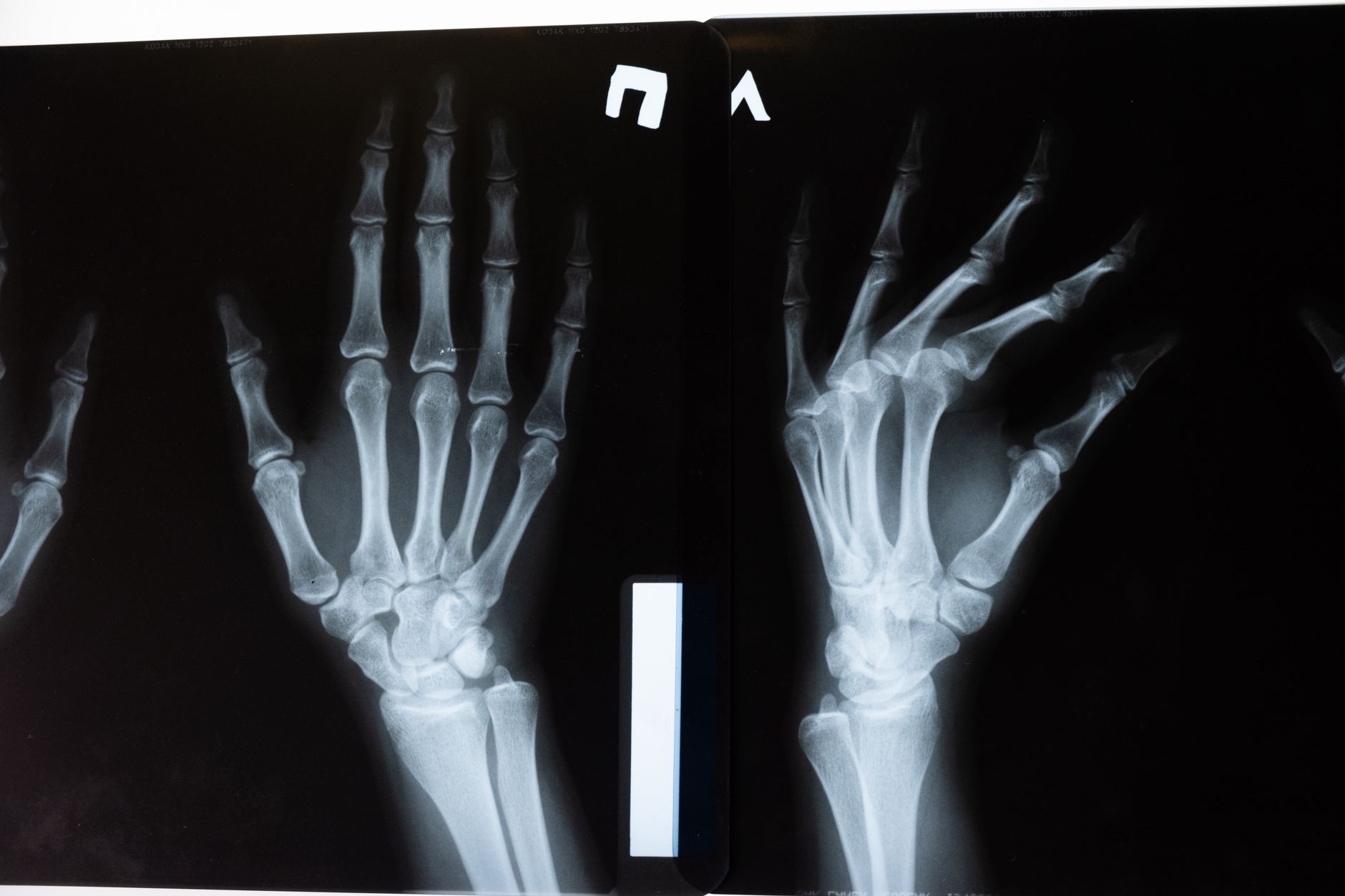
Bone age radiograph (left hand/wrist): Compared to the Greulich‑Pyle atlas to assess skeletal maturity.
Genetic testing: Chromosomal microarray or targeted panels for conditions like Turner syndrome (in girls), Noonan syndrome, or Sotos syndrome.
Imaging beyond bone age may be indicated if endocrine disease is suspected—MRI of the pituitary gland can identify adenomas or structural anomalies. In cases of extreme tall stature, echocardiography evaluates for aortic root dilation, a concern in Marfan syndrome.
All testing should be discussed with the family, emphasizing that many labs return normal, which itself narrows the differential diagnosis. A collaborative approach between pediatrician, endocrinologist, and geneticist often yields the most comprehensive picture.
Bone‑age X‑rays help clinicians see if skeletal development matches chronological age.
Role of nutrition, sleep, and physical activity in growth outcomes
While genetics set the ceiling for height, modifiable lifestyle factors can influence whether a child reaches that potential. Adequate protein intake (roughly 1.0–1.2 g/kg body weight per day for school‑age children) supports linear growth. Micronutrients such as zinc, iron, vitamin D, and calcium are essential for bone mineralization. The WHO and AAP recommend exclusive breastfeeding for the first six months, followed by iron‑fortified complementary foods, and then a varied diet that includes dairy, lean meats, legumes, fruits, and vegetables.
Sleep is another often‑underappreciated pillar. Growth hormone peaks during deep sleep, particularly during the first few hours after bedtime. The American Academy of Sleep Medicine suggests 10–13 hours of sleep for toddlers, 9–11 hours for school‑age children, and 8–10 hours for adolescents. Chronic sleep deprivation can blunt growth velocity, even in otherwise healthy kids.
Physical activity, especially weight‑bearing exercise, stimulates bone growth and remodeling. Regular participation in playground activities, swimming, or organized sports promotes healthy musculoskeletal development. However, excessive high‑intensity training—especially in early puberty—can sometimes lead to earlier closure of growth plates, a factor to discuss with a sports‑medicine specialist if you have concerns.
In practice, counseling families on “growth‑friendly” habits includes:
Ensuring three balanced meals plus two nutrient‑dense snacks daily.
Providing a daily source of vitamin D (600–1000 IU) especially in higher latitudes or during winter months.
Encouraging consistent bedtime routines to achieve age‑appropriate sleep duration.
Limiting screen time before bed, which can interfere with sleep quality.
Promoting regular, enjoyable physical activity without over‑specializing too early.
These lifestyle tweaks are low‑risk and can be beneficial whether the child’s growth chart shows a red flag or not.
Psychosocial considerations for children with extreme stature
Height—whether unusually short or tall—can shape a child’s self‑image long before puberty. Studies cited by the AAP note that children below the 5th percentile or above the 95th percentile are more likely to experience teasing, anxiety, or reduced self‑esteem (AAP, 2022). The social impact is often overlooked in the purely medical work‑up, yet it can affect adherence to treatment and overall well‑being.
Parents can help by fostering open conversations about body image, emphasizing strengths unrelated to height, and connecting their child with supportive peer groups or counseling when needed. Schools often have policies for anti‑bullying; sharing a doctor’s note can facilitate accommodations if teasing becomes severe. In cases where extreme height leads to functional concerns—such as back pain from rapid growth or difficulty finding appropriately sized clothing—early orthopedic or physiotherapy input can mitigate both physical and emotional strain.
When a specialist recommends growth‑hormone therapy or hormonal suppression, clinicians typically arrange a multidisciplinary meeting that includes a psychologist or social worker. This ensures the child’s emotional health is addressed alongside the physical treatment plan, aligning with holistic care models endorsed by NICE (2021).
Screening tools and digital resources for tracking growth
Technology has made longitudinal tracking easier than ever. In addition to the BumpBites Growth Chart Calculator, many electronic health record (EHR) portals now allow parents to view plotted height data in real time. Apps such as “CDC Growth Tracker” (FDA‑cleared) let you input measurements, automatically calculate percentiles, and set reminders for upcoming well‑child visits.
When using digital tools, watch for two best practices: first, always double‑check that the app uses the correct reference (CDC for U.S. children, WHO for global‑born infants). Second, keep a handwritten or spreadsheet log of additional variables—sleep hours, dietary changes, illness episodes—because these contextual notes are invaluable when you discuss trends with a pediatrician. Some families find that a simple Google Sheet with columns for date, height (cm), weight (kg), sleep (hrs), and notes creates a clear picture that both the parent and clinician can reference.
Finally, remember that no app can replace a professional assessment. If a tool flags a concerning trend, schedule an appointment promptly; the digital alert is only a prompt, not a diagnosis.
Management options: observation, hormonal therapy, and lifestyle interventions
Management is individualized based on the underlying cause, the child’s age, and the degree of deviation from expected growth. Broadly, options fall into three categories:
Observation and reassurance: If the child’s growth pattern aligns with constitutional delay (e.g., a family history of late bloomers) and labs are normal, clinicians may simply monitor every 3–6 months, providing reassurance and lifestyle guidance.
Hormonal therapy: For confirmed growth‑hormone deficiency, recombinant human growth hormone (rhGH) is administered via daily subcutaneous injection. Eligibility criteria from the Endocrine Society include height < ‑2.5 SD, IGF‑1 below age‑matched range, and a documented growth velocity < 5 cm/yr. Therapy typically continues until near final height, often until bone age reaches 15–17 years. Side effects are rare but include mild joint pain and transient insulin resistance; regular follow‑up labs are essential.
Targeted treatment of underlying disease: Thyroid hormone replacement for hypothyroidism, nutritional supplementation for deficiencies, or surgical correction for structural anomalies (e.g., craniosynostosis) can restore normal growth trajectories.
For tall stature caused by excess growth hormone or precocious puberty, treatment may involve GnRH analogues to delay puberty or somatostatin analogues to curb growth‑hormone secretion. These interventions are highly specialized and usually reserved for cases where extreme height threatens psychosocial well‑being or poses health risks (e.g., orthopedic complications).
Regardless of the chosen pathway, a structured monitoring plan is critical. Typical follow‑up intervals are every 3 months for height and weight measurements, semi‑annual bone age assessments, and annual endocrine labs. Documenting trends in a shared growth chart (digital or paper) helps families see progress and stay engaged.
From our medical team: Most growth concerns resolve with careful observation and supportive lifestyle changes. However, if a child’s curve stays flat below the 3rd percentile or shoots above the 97th, early specialist involvement maximizes the chance for effective treatment. Keep a log of measurements, sleep patterns, and dietary intake to share with the pediatrician—you’ll be surprised how much useful information a simple spreadsheet can provide.
🔢 Ready to crunch your numbers? Use our Growth Chart Calculator for a personalized result in seconds.
Myth vs. fact
Myth: “If my child is tall now, they’ll stay tall forever.”
Fact: Height can change dramatically during puberty. A child who is above the 97th percentile at age 4 may settle into a more average range after the growth spurt, especially if familial height is modest.
Myth: “Short children always need growth‑hormone therapy.”
Fact: Only about 2–3 % of children with short stature meet the strict criteria for rhGH treatment. Most will reach a normal adult height when the underlying cause is constitutional delay or mild nutritional deficiency.
Myth: “Nutrition can’t fix a growth problem if the chart looks off.”
Fact: While nutrition alone won’t correct endocrine deficiencies, ensuring adequate calories, protein, and micronutrients is essential for any child to achieve their genetic growth potential.
Key takeaways
Track height at every well‑child visit; a consistent < 3rd or > 97th percentile warrants closer review.
Look for rapid drops or gains across centile lines, low growth velocity, and mismatched weight percentiles.
Refer to a pediatric endocrinologist if red‑flag patterns persist for more than three months.
Baseline labs include CBC, metabolic panel, thyroid tests, IGF‑1, and a bone‑age X‑ray.
Optimizing nutrition, sleep, and regular activity supports maximal growth, regardless of underlying cause.
Growth‑hormone therapy is reserved for documented deficiency; most short‑stature cases are managed with observation and lifestyle support.
Frequently asked questions
What are the warning signs on a growth chart for short stature?
Red‑flag signs include height below the 3rd percentile on at least three separate visits, a drop of two or more centile bands within a year, and a growth velocity under 5 cm per year after age 2. These patterns suggest the need for further evaluation.
How can I tell if my child's tall height is a problem?
If your child’s height stays above the 97th percentile, grows faster than age‑matched norms (> 9 cm/yr pre‑puberty), or shows early puberty signs, it may indicate an underlying endocrine or genetic condition that deserves specialist review.
When should I see a pediatric endocrinologist for growth issues?
Schedule an appointment if your child’s height is consistently < 3rd or > 97th percentile, if growth velocity is abnormal, if there’s a sudden centile drop, or if you notice associated symptoms like delayed bone age or hormonal signs.
What tests are performed to evaluate short or tall stature?
Typical work‑up includes a complete blood count, metabolic panel, thyroid function tests, IGF‑1, bone‑age X‑ray, and, when indicated, a growth‑hormone stimulation test or genetic panel. Imaging such as pituitary MRI may be added for suspected endocrine tumors.
Can nutrition affect a child's growth chart red flags?
Yes. Inadequate calories, protein, iron, zinc, or vitamin D can blunt growth velocity and push a child into lower percentiles. Optimizing a balanced diet, ensuring proper sleep, and encouraging activity can help a child track toward their genetic potential.
Are there common genetic conditions that cause tall stature?
Conditions like Sotos syndrome, Marfan syndrome, and certain familial tall‑stature gene variants can lead to extreme height. These often accompany other features such as advanced bone age, joint laxity, or cardiac findings, prompting genetic testing.
How often should I measure my child's height at home?
For most children, measuring at each well‑child visit is sufficient. If you’re tracking a concerning trend, a home measurement every 4–6 weeks can provide additional data. Use a flat wall‑mounted stadiometer or a reliable tape measure, keep the child’s shoes off, and record the time of day for consistency.
What digital tools are safest for tracking growth?
Look for apps that reference CDC or WHO growth standards and have FDA clearance or NHS endorsement. The CDC Growth Tracker and the NHS “Baby Weight and Height” app meet these criteria. Always back up data and share it with your pediatrician rather than relying solely on the app’s interpretation.
When to call your doctor
If you notice any of the following, contact your pediatrician promptly:
Height consistently below the 3rd percentile or above the 97th percentile.
Sudden drop or rise of two or more centile bands within six months.
Growth velocity slower than 5 cm/yr (after age 2) or faster than 9 cm/yr (pre‑puberty).
Advanced bone age (more than one year ahead of chronological age) or delayed bone age.
Associated symptoms such as fatigue, frequent infections, unexplained weight loss, early puberty signs, or joint pain.
This article is for informational purposes only and does not replace personalized medical advice. Always discuss your child’s growth concerns with a qualified healthcare professional.
References
American Academy of Pediatrics. “Growth Monitoring in Children.” AAP Policy Statement, 2022.
Centers for Disease Control and Prevention. “CDC Growth Charts.” 2000 reference data, updated 2021.
World Health Organization. “Child Growth Standards.” WHO, 2006.
Endocrine Society. “Guidelines for the Use of Growth Hormone in Children.” Journal of Clinical Endocrinology, 2020.
National Institute for Health and Care Excellence (NICE). “Short Stature in Children: Assessment and Management.” NG61, 2021.
American College of Obstetricians and Gynecologists (ACOG). “Nutrition During Pregnancy.” Practice Bulletin, 2022.
British Paediatric Association. “Guidelines for Monitoring Growth in Infants and Children.” 2023.
Royal College of Obstetricians and Gynaecologists (RCOG). “Growth Assessment in the First Year.” Green-top Guideline, 2022.
National Health Service (NHS). “Growth Charts for Children.” NHS England, 2023.
U.S. National Library of Medicine. “Bone Age Assessment.” MedlinePlus, updated 2022.
American Academy of Pediatrics. “Psychosocial Effects of Height Extremes.” Pediatrics, 2022.
National Institute for Health and Care Excellence (NICE). “Psychological Support in Pediatric Endocrinology.” NG84, 2021.
When Shubhra Mishra was expecting her first child in 2016, she was overwhelmed by conflicting food advice — one site said yes, another said never. By the time her second baby arrived in 2019, she realized millions of mothers face the same confusion.
That sparked a five-year journey through clinical nutrition papers, cultural diets, and expert conversations — all leading to BumpBites: a calm, compassionate space where science meets everyday motherhood.
Her long-term vision is to build a global community ensuring safe, supported, and free deliveriesfor every mother — because no woman should face pregnancy alone or uninformed. 🌿
🌍 Stand with mothers, shape safer guidance
Join a small circle of experts who review BumpBites articles so expecting parents everywhere can decide with confidence.