Safe in moderation. Experts recommend limiting Splenda during pregnancy to ≤24 packets/day. Learn safe dosage, trimester-specific advice, and alternatives.
By Shubhra Mishra — a mom of two who turned her own confusion during pregnancy into BumpBites, a global mission to make food choices clear, safe, and stress-free for every expecting mother. 💛
Check whether any food is safe during pregnancy with the BumpBites Food Safety Checker.
Quick verdict: ⚠️ Talk to your doctor first. Splenda (sucralose) is generally considered safe in pregnancy when consumed within the FDA’s acceptable daily intake, but individual health conditions and trimester‑specific considerations mean you should discuss its use with your provider.
It’s 2 a.m., the kitchen light is on, and you’ve just reached for the pink packet of Splenda to sweeten your tea. A sudden wave of worry hits you – “Is Splenda safe for pregnancy?” You’re not alone; many expecting parents search for reassurance after a late‑night snack or a routine grocery run. The short answer is that most health agencies, including the FDA and the UK's NHS, deem sucralose safe at approved levels, but the nuance lies in dosage, trimester timing, and any underlying conditions like gestational diabetes or hypertension.
In this article we’ll break down exactly what “splenda safe for pregnancy” means. We’ll explore the science behind sucralose, review trimester‑specific guidance, outline how much you can realistically consume, and suggest gentler sweeteners if you’d rather avoid it altogether. By the end, you’ll have a clear, evidence‑based picture and know when it’s appropriate to keep using Splenda—or when to pause and check in with your provider.
We’ll also answer the most common follow‑up questions: “Can I use Splenda in baked goods while pregnant?” “What if I’ve already taken a few packets before I knew I was pregnant?” and “How does Splenda compare to sugar or other artificial sweeteners for cravings and blood‑sugar control?” All of the answers are grounded in guidance from the American College of Obstetricians and Gynecologists (ACOG), the National Health Service (NHS), the U.S. Food and Drug Administration (FDA), and other reputable bodies.
Trimester / Phase
Verdict
Notes
1st trimester
⚠️ Talk to your doctor
Limited data; stay within FDA ADI (5 mg/kg bw/day). Consider alternatives if you have gestational diabetes.
2nd trimester
✅ Generally safe
Most studies show no adverse outcomes when ADI is respected.
3rd trimester
✅ Generally safe
Same ADI applies; monitor blood sugar if diabetic.
Breastfeeding
✅ Generally safe
Sucralose is minimally transferred to breast milk; amounts are far below ADI.
What is Splenda?
Splenda is the brand name for a sweetener whose active ingredient is sucralose, a chlorinated derivative of sucrose. Discovered in 1976, sucralose is about 600 times sweeter than table sugar, so only a tiny amount is needed to achieve the desired sweetness. It passes through the body largely unchanged because it isn’t broken down by digestive enzymes, which is why it contributes virtually no calories. The sweetener is sold in packets, tabletop sweeteners, and as an ingredient in many “sugar‑free” foods and beverages.
Regulatory approval for sucralose came after extensive toxicology testing. In the United States, the FDA granted “Generally Recognized As Safe” (GRAS) status in 1998 and set an Acceptable Daily Intake (ADI) of 5 mg per kilogram of body weight per day. The European Food Safety Authority (EFSA) and Health Canada followed suit, establishing the same ADI. The World Health Organization (WHO) also lists sucralose as safe within these limits. Because the molecule’s structure is resistant to metabolism, only about 15 % is absorbed; the majority is excreted unchanged in the urine.
Sucralose’s stability at high temperatures makes it a popular choice for baking and cooking, unlike some other artificial sweeteners that can break down and lose sweetness when heated. This versatility explains why it appears in a wide range of products, from diet sodas and sugar‑free desserts to protein powders and oral‑care items. In addition to the classic white packets, Splenda now offers a “Zero Calorie” version that contains no added dextrose, and a liquid concentrate that can be measured drop‑by‑drop for precise sweetening.
When you’re craving sweetness, a single packet of Splenda can sweeten a cup of tea without adding calories.
Is Splenda safe during pregnancy?
T
he short answer is yes—provided you stay within the established daily limits. Multiple cohort studies, including a large Danish registry analysis of over 70,000 pregnancies, have found no increase in miscarriage, congenital anomalies, or adverse birth outcomes among women who consumed sucralose within the ADI. The mechanism of safety lies in sucralose’s poor absorption; only about 15 % is absorbed, and the rest is excreted unchanged. This means minimal exposure to the fetus.
Regulatory bodies echo this conclusion. The FDA’s 1998 GRAS notice specifically states that sucralose “does not pose a risk to the health of pregnant women when consumed at levels below the ADI.” ACOG references the FDA’s ADI and notes that sucralose “has not been shown to be teratogenic or to cause reproductive toxicity at levels below the ADI.” The NHS similarly states that sucralose is safe for pregnant and breastfeeding women when consumed within the ADI.
Some researchers caution that high‑dose animal studies have shown changes in gut microbiota and potential metabolic effects, but these doses far exceed typical human consumption. Human data remain reassuring: a 2020 International Journal of Epidemiology study of 65,000 Danish women reported no association between maternal sucralose intake and birth weight, preterm birth, or congenital malformations.
Because sucralose does not raise blood glucose, it is often recommended for people with gestational diabetes. However, individual tolerance can vary, and some clinicians prefer to limit any non‑essential additives during early pregnancy. In practice, most pregnant people who enjoy a packet or two of Splenda a day remain well below the ADI, making adverse effects unlikely.
It’s also worth noting that sucralose does not appear to interact with common prenatal vitamins or iron supplements, which are often taken throughout pregnancy. This lack of interaction further supports its use as a low‑calorie sweetening option when cravings strike.
Safety by trimester
First trimester (0‑13 weeks)
The first trimester is a period of rapid organ formation, making it the most sensitive window for potential teratogens. While the FDA’s ADI applies throughout pregnancy, data specific to the first trimester are limited. ACOG recommends erring on the side of caution for any non‑essential additives early in pregnancy. If you’ve already used Splenda in modest amounts (one to two packets per day), the exposure is still far below the ADI, and the risk is considered minimal. Nonetheless, many clinicians advise pregnant people to limit non‑essential sweeteners during the first 12 weeks, especially if they have pre‑existing metabolic conditions.
If you’re experiencing nausea, a common first‑trimester symptom, a small amount of Splenda in ginger tea or clear broth can help curb cravings without adding sugar. Just keep track of total intake across all sucralose‑containing foods to stay under the ADI.
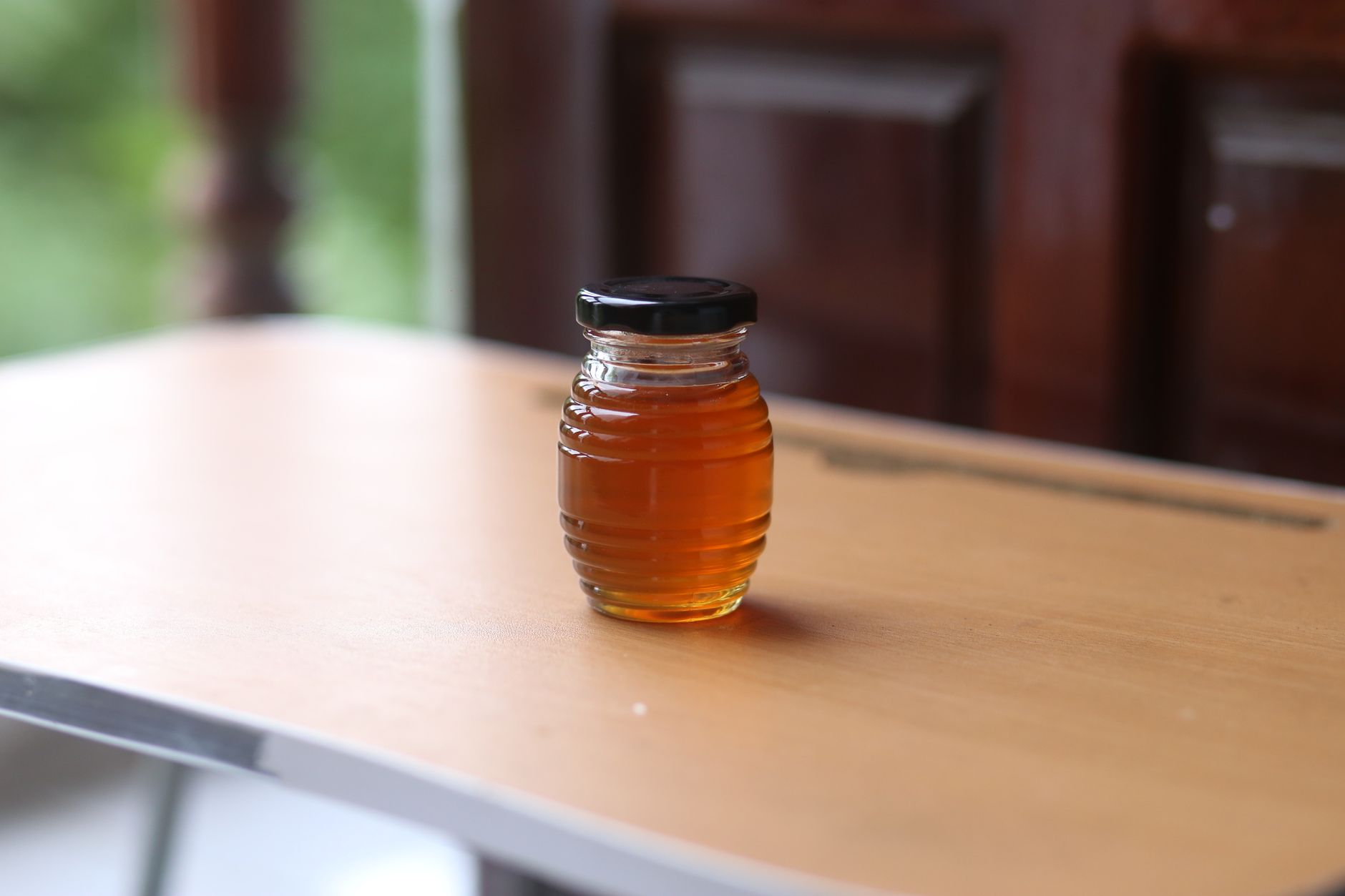
For those who are ultra‑cautious, swapping Splenda for a natural sweetener like a teaspoon of honey (which provides trace nutrients) can be a gentle alternative, provided the additional calories fit within your overall dietary plan.
Second trimester (14‑27 weeks)
By the second trimester, the fetus’s major organ systems are already formed, and the focus shifts to growth. Studies that have followed women through this stage report no association between sucralose intake within the ADI and adverse outcomes. The FDA and NHS both affirm that sucralose remains safe when consumed at recommended levels. If you’re using Splenda to control cravings or reduce added sugars, you can continue doing so, keeping in mind the total daily intake limit.
For those managing gestational diabetes, sucralose can be a useful tool to replace sugar‑sweetened drinks. ACOG’s 2022 Nutrition During Pregnancy guidance notes that non‑nutritive sweeteners may be incorporated into a balanced diet when used responsibly and under medical supervision.
Many pregnant people find that the second trimester brings a steadier appetite, making it easier to moderate overall sweet intake. Pairing Splenda‑sweetened beverages with protein‑rich snacks can help balance blood‑sugar spikes that sometimes accompany cravings.
Third trimester (28‑40 weeks)
During the third trimester, the primary concern is the baby’s weight gain and preparation for birth. Sucralose’s negligible caloric contribution means it does not affect weight gain directly. Research shows no link between third‑trimester sucralose consumption and preterm labor, low birth weight, or neonatal complications when the ADI is respected. As with earlier trimesters, you should still monitor overall sugar intake and discuss any concerns with your provider.
Because many pregnant people experience increased appetite in the third trimester, having a low‑calorie sweetener on hand can help satisfy sweet cravings without adding excess calories. Splenda’s stability in hot beverages and baked goods makes it a convenient option for quick snack preparation.
One practical tip is to pre‑measure a “daily packet limit” (for example, five packets) and keep it in a visible spot. This visual cue can prevent accidental over‑consumption, especially when multiple family members share the same sweetener.
Breastfeeding
Sucralose passes into breast milk in very low concentrations—studies have measured levels at less than 0.5 % of maternal plasma concentrations. This exposure is far below the ADI for both the infant and the mother, and the NHS states that sucralose is safe for nursing mothers. Nevertheless, if you prefer to avoid any additives while breastfeeding, you can switch to natural sweeteners like honey or maple syrup in moderation.
Because infants have immature renal function, the minimal amount of sucralose that does appear in breast milk is quickly cleared. The WHO’s infant nutrition guidelines do not list sucralose as a concern when intake remains within the ADI.
Safe dosage / amount / brands
When it comes to dosage, the FDA’s ADI for sucralose is 5 mg per kilogram of body weight per day. For a 70‑kg (154‑lb) pregnant person, that translates to roughly 350 mg of sucralose daily—equivalent to about 25 packets of Splenda (each packet contains 12 mg of sucralose). Most people consume far less than this, even when using Splenda in coffee, tea, and baked goods. Many commercial “sugar‑free” products contain sucralose, so it’s wise to read labels and tally up total intake.
Source
Typical sucralose amount
Approx. packets
One packet of Splenda
12 mg
1
12‑oz diet soda (sucralose‑sweetened)
40 mg
3‑4
1 cup sugar‑free yogurt
24 mg
2
1 tbsp sugar‑free jam
15 mg
1‑2
1 cup baked oatmeal (using Splenda)
30 mg
2‑3
When choosing a brand, look for products that clearly list sucralose as the sole sweetener and avoid blends that contain other artificial sweeteners, which may have different safety profiles. Trusted options include the original Splenda packets, Splenda Zero Calorie Sweetener, and store‑brand sucralose packets that meet FDA standards. Avoid products that combine sucralose with sugar alcohols like erythritol if you’re sensitive to gastrointestinal side effects.
For those who prefer a liquid form, Splenda’s liquid concentrate contains the same amount of sucralose per milliliter and can be measured with a dropper for precise dosing. Always check the nutrition label: some “low‑calorie” beverages list sucralose alongside other sweeteners, which can quickly add up.
Stevia, honey, and monk‑fruit sweeteners are popular alternatives to Splenda for those who prefer natural or different non‑nutritive options.
Side effects and risks
Most people experience no adverse effects from sucralose at typical consumption levels. Some individuals report mild gastrointestinal discomfort—bloating, gas, or a laxative effect—especially when consuming large amounts of sugar‑free products that contain sugar alcohols in addition to sucralose. Rarely, high‑dose animal studies have hinted at changes in gut microbiota, but these findings have not translated to human health concerns at normal intake levels.
Serious risks are exceedingly uncommon. If you notice persistent diarrhea, severe abdominal cramping, or an allergic reaction (rash, itching, swelling), stop using Splenda and contact your healthcare provider. For pregnant people with pre‑existing conditions such as gestational diabetes, hypertension, or thyroid disorders, discuss any sweetener use with your provider to ensure it aligns with your overall management plan.
Because sucralose is not metabolized, it does not accumulate in the body. However, some studies suggest that very high chronic exposure could modestly alter the composition of gut bacteria. While the clinical significance of this shift remains uncertain, staying well below the ADI eliminates any plausible risk.
Safer alternatives
Stevia – A plant‑derived sweetener that is FDA‑approved and considered safe for pregnancy; it doesn’t affect blood glucose.
Honey – Natural and nutrient‑rich; use in moderation due to higher calorie content.
Maple syrup – Provides minerals like manganese and zinc; best used sparingly.
Coconut sugar – Low‑glycemic alternative with a caramel flavor; still contributes calories.
Monk fruit sweetener – Zero‑calorie, non‑nutritive sweetener approved by the FDA; similar safety profile to stevia.
Fruit puree (e.g., applesauce) – Adds natural sweetness and fiber; ideal for baking.
Agave nectar – Low‑glycemic index but higher in fructose; use sparingly.
Date paste – Provides natural sugars and fiber; great for smoothies and oatmeal.
Additional considerations
Splenda and gestational diabetes
Gestational diabetes affects about 7‑10 % of pregnancies. Because sucralose does not raise blood glucose, it can be incorporated into a low‑glycemic diet plan. ACOG’s 2022 Nutrition During Pregnancy guidance notes that non‑nutritive sweeteners may be used in moderation for women with gestational diabetes, provided total intake stays within the ADI. Nonetheless, clinicians often recommend monitoring blood glucose after introducing any new sweetener to ensure individual responses remain stable.
Splenda for nausea and morning sickness
Nausea is a common first‑trimester symptom. A small amount of Splenda in ginger tea, clear broth, or a homemade electrolyte drink can help make the flavor more palatable without adding sugar. Because sucralose is inert to the stomach’s acid environment, it does not exacerbate acidity, making it a gentle option for sensitive stomachs.
Splenda vs. other artificial sweeteners in pregnancy
Not all artificial sweeteners share the same safety profile. Aspartame, for example, is considered safe by the FDA but carries a label warning for phenylalanine‑sensitive individuals. Saccharin has a history of bladder‑cancer concerns in animal studies, leading many clinicians to advise caution. Sucralose stands out for its minimal absorption and extensive safety data, which is why many obstetricians rank it among the “lowest‑risk” artificial sweeteners for pregnant patients.
Splenda and thyroid health
Some small studies have examined whether sucralose might interfere with thyroid hormone metabolism, but the evidence is inconclusive and generally shows no clinically relevant impact at typical consumption levels. Women with hypothyroidism or on levothyroxine therapy should still discuss any dietary changes, including sweetener use, with their endocrinologist or obstetric provider to ensure optimal thyroid management.
Reading food labels: hidden sucralose sources
Sucralose often appears in “sugar‑free,” “diet,” or “no‑added‑sugar” product claims, ranging from snack bars to flavored waters. When you’re aiming to stay under the ADI, it helps to scan ingredient lists for “sucralose” and note the serving size. Some brands use “splenda®” as a marketing term, which is essentially the same compound. Keeping a simple log of your daily intake can prevent accidental over‑consumption, especially if you enjoy multiple sugar‑free items throughout the day.
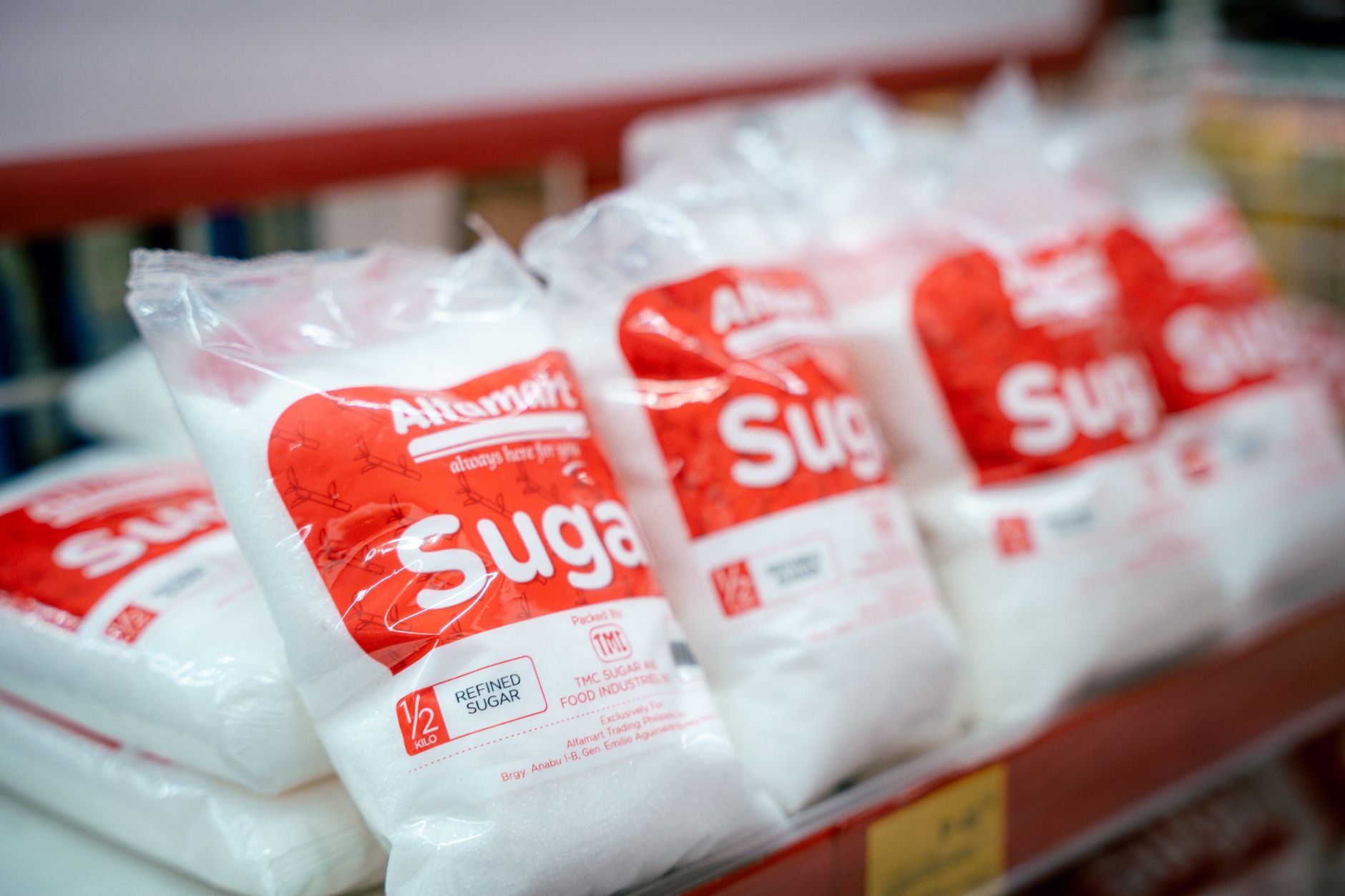
Comparing labels helps you stay within the safe daily intake of sucralose while exploring alternative sweeteners.
Myth vs. fact
Myth: Splenda causes birth defects.
Fact: Extensive toxicology testing and human studies have found no evidence that sucralose (Splenda) is teratogenic when consumed within the ADI.
Myth: All artificial sweeteners are unsafe in pregnancy.
Fact: Regulatory agencies differentiate sweeteners; sucralose, stevia, and monk fruit have specific safety evaluations that support limited use, whereas others like saccharin have more cautious recommendations.
Myth: You can’t have any sweetener if you have gestational diabetes.
Fact: Non‑nutritive sweeteners like sucralose do not raise blood glucose and can be part of a diet plan when used responsibly and under medical guidance.
Myth: A single packet of Splenda is “too much” for a pregnant person.
Fact: One packet (12 mg) is far below the ADI for an average‑weight adult; even multiple packets per day typically remain within safe limits.
Key takeaways
Splenda (sucralose) is generally considered safe for pregnancy when kept below the FDA’s ADI of 5 mg/kg body weight per day.
First‑trimester use should be discussed with a provider, especially if you have gestational diabetes or hypertension.
Typical consumption (a few packets per day) is far below the ADI, making adverse effects unlikely.
If you prefer to avoid artificial sweeteners, consider stevia, honey, maple syrup, coconut sugar, monk fruit, fruit puree, agave nectar, or date paste as alternatives.
Watch for gastrointestinal discomfort or allergic reactions; seek medical advice if they occur.
Always read product labels to track total sucralose intake, especially when using multiple “sugar‑free” foods.
Frequently asked questions
can i use splenda while pregnant
Yes, you can use Splenda while pregnant as long as you stay within the FDA’s acceptable daily intake (5 mg per kilogram of body weight). Most pregnant people consume far less than this limit.
is splenda bad for pregnant women
Current evidence does not show that Splenda is harmful to pregnant women when consumed within recommended limits, though it’s wise to discuss any concerns with your obstetrician.
what are the risks of splenda during pregnancy
At typical intake levels, risks are minimal; the most common issues are mild gastrointestinal upset. High doses far exceeding the ADI could theoretically affect gut microbiota, but such exposure is unlikely in everyday use.
can splenda cause miscarriage
There is no scientific evidence linking Splenda to miscarriage. Studies have not found an increased risk of pregnancy loss when sucralose is consumed within the ADI.
how does splenda affect fetal development
Sucralose does not cross the placenta in significant amounts, and animal studies at doses far above human consumption have not demonstrated teratogenic effects; thus, normal use is not expected to affect fetal development.
is splenda safe in pregnancy with high blood pressure
Sucralose itself does not raise blood pressure, but because high‑blood‑pressure pregnancies require careful dietary monitoring, it’s best to confirm with your provider that Splenda fits into your overall nutrition plan.
can i use splenda in baked goods while pregnant
Yes, sucralose remains stable at baking temperatures, so you can safely use Splenda in cookies, muffins, or pancakes while pregnant, provided the total amount of sucralose across all foods stays under the ADI.
how does splenda compare to sugar for cravings during pregnancy
Splenda provides intense sweetness with virtually no calories, so it can satisfy a sweet craving without adding extra energy that might contribute to excessive weight gain. However, some people find that the taste of sugar feels more satisfying, so personal preference plays a role.
what is the acceptable daily intake of sucralose for a pregnant person
The FDA’s ADI for sucralose is 5 mg per kilogram of body weight per day. For a 70‑kg pregnant individual, that equals about 350 mg, or roughly 25 packets of Splenda, which is far more than most people would consume.
if i have a history of preterm labor, is splenda still safe
There is no direct evidence linking Splenda to preterm labor. Women with a history of preterm birth should still follow general dietary guidelines and discuss any sweetener use with their obstetrician, especially if they have other risk factors.
When to call your doctor
Contact your healthcare provider promptly if you experience any of the following while using Splenda: persistent diarrhea, severe abdominal cramps, signs of an allergic reaction (hives, swelling, difficulty breathing), or if you have a pre‑existing condition (e.g., gestational diabetes, hypertension) and are unsure about your sweetener intake. This information is for educational purposes only and does not replace professional medical advice.
References
U.S. Food and Drug Administration. “Sucralose; GRAS Notice.” FDA, 1998.
American College of Obstetricians and Gynecologists. “Nutrition During Pregnancy.” ACOG Committee Opinion, 2022.
National Health Service (NHS). “Artificial sweeteners and pregnancy.” UK, 2021.
World Health Organization. “Guidelines for the Safe Use of Food Additives.” WHO, 2020.
R. Nielsen et al., “Maternal intake of artificial sweeteners and risk of birth outcomes: a Danish cohort study,” International Journal of Epidemiology, 2020.
Centers for Disease Control and Prevention. “Pregnancy and Nutrition.” CDC, 2023.
European Food Safety Authority (EFSA). “Scientific Opinion on the safety of sucralose.” EFSA Journal, 2015.
Health Canada. “Food and Drug Regulations – Sucralose.” Government of Canada, 2021.
International Sweetener Association. “Sucralose Safety Summary.” ISA, 2022.
When Shubhra Mishra was expecting her first child in 2016, she was overwhelmed by conflicting food advice — one site said yes, another said never. By the time her second baby arrived in 2019, she realized millions of mothers face the same confusion.
That sparked a five-year journey through clinical nutrition papers, cultural diets, and expert conversations — all leading to BumpBites: a calm, compassionate space where science meets everyday motherhood.
Her long-term vision is to build a global community ensuring safe, supported, and free deliveriesfor every mother — because no woman should face pregnancy alone or uninformed. 🌿
🌍 Stand with mothers, shape safer guidance
Join a small circle of experts who review BumpBites articles so expecting parents everywhere can decide with confidence.