Conditional: supplements safe for pregnancy, but only within recommended dosage limits during the first trimester; later trimesters may need adjustments.
By Shubhra Mishra — a mom of two who turned her own confusion during pregnancy into BumpBites, a global mission to make food choices clear, safe, and stress-free for every expecting mother. 💛
Check whether any food is safe during pregnancy with the BumpBites Food Safety Checker.
Quick verdict: ⚠️ Safe with limits / Talk to your doctor first. While essential nutrients from supplements are vital for a healthy pregnancy, not all supplements are safe, and doses must be carefully managed to avoid risks to you and your baby. Always consult your healthcare provider before taking any new supplement.
That moment when you're standing in the supplement aisle, staring at a wall of bottles, or maybe you just remembered that "natural" tea you've been sipping, and suddenly a wave of panic hits: "Is this safe for my baby?" We've all been there. Pregnancy brings a whole new level of scrutiny to everything you put into your body, and the world of dietary supplements can feel like a minefield of conflicting advice.
The good news is that many supplements safe for pregnancy are not only allowed but actively recommended by obstetricians to support a healthy pregnancy. However, the key word here is "many," not "all." Some supplements are crucial, others are beneficial, and a significant number are best avoided or require strict medical supervision. Understanding which is which, and at what dosage, is essential for every expecting parent.
At BumpBites, we understand this worry. This article is designed to cut through the confusion, providing clear, evidence-based guidance on which supplements safe for pregnancy are, which aren't, and why. We'll cover everything from essential prenatal vitamins to herbal remedies, discuss safe dosages, potential risks, and safer alternatives, all reviewed by medical professionals to give you peace of mind.
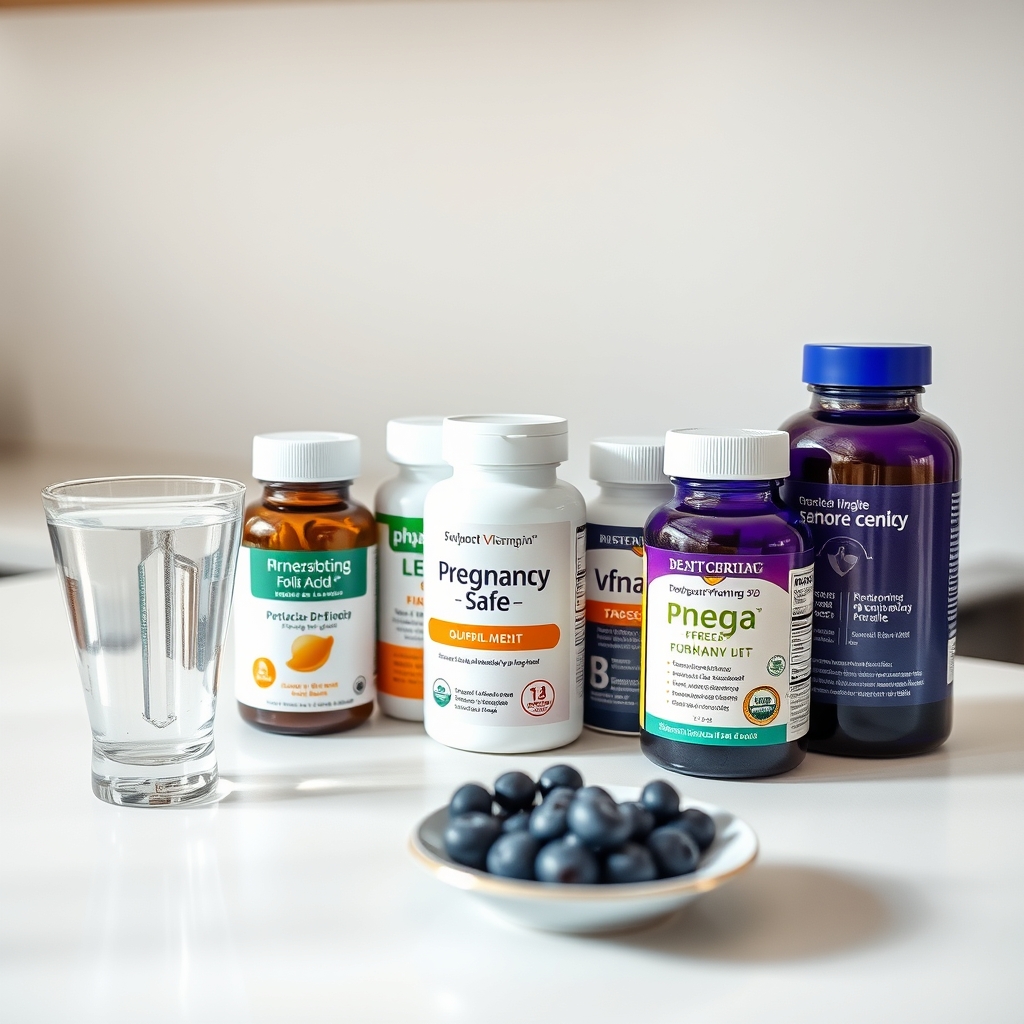
Navigating the supplement aisle can be overwhelming during pregnancy. Always check for third-party certifications and consult your doctor.
Safety Snapshot: Supplements During Pregnancy and Breastfeeding
Trimester/Stage
Verdict
Notes
First Trimester
✅ Generally Safe (Essential)
Critical for neural tube development. Ensure adequate Folic Acid (400-800 mcg daily) and a comprehensive prenatal vitamin. Avoid Vitamin A megadoses.
Second Trimester
✅ Generally Safe (Recommended)
Continue prenatal vitamin. Iron and Calcium may become more important as baby grows. Discuss Vitamin D levels with your doctor.
Third Trimester
✅ Generally Safe (Recommended)
Maintain prenatal vitamin. Iron needs are often highest. Omega-3s (DHA/EPA) can support fetal brain development.
Breastfeeding
✅ Generally Safe (Recommended)
Continue prenatal or postnatal vitamin. Nutrient demands remain high to support milk production and maternal recovery. Consult on specific needs.
What Are Dietary Supplements?
D
ietary supplements are products intended to supplement the diet, containing one or more dietary ingredients (including vitamins, minerals, herbs or other botanicals, amino acids, and substances such as enzymes, organ tissues, glandulars, and metabolites). They come in many forms, like pills, capsules, powders, liquids, and gummies. For many expecting parents, supplements are seen as a way to "fill the gaps" in their diet or address specific nutrient needs that arise during pregnancy.
Unlike prescription drugs, the U.S. Food and Drug Administration (FDA) does not regulate dietary supplements in the same way. This means that manufacturers are responsible for ensuring their products are safe and that their claims are truthful and not misleading *before* they're marketed. However, the FDA does step in if a product is found to be unsafe after it's on the market. This regulatory landscape is why it's especially important to approach supplements safe for pregnancy with caution and always discuss them with your healthcare provider.
During pregnancy, nutrient needs increase significantly to support both the birthing parent's health and the baby's rapid development. While a balanced diet is always the best source of nutrients, supplements play a crucial role in ensuring these elevated requirements are met, particularly for key nutrients like folic acid, iron, and vitamin D.
Are Supplements Safe During Pregnancy?
The safety of supplements safe for pregnancy is not a simple yes or no answer; it's highly dependent on the specific supplement, its dosage, and individual health factors. The American College of Obstetricians and Gynecologists (ACOG) and the UK's National Health Service (NHS) both emphasize the critical role of certain supplements while cautioning against others.
Generally, a high-quality prenatal vitamin that contains essential nutrients like folic acid, iron, and vitamin D is not just safe but strongly recommended. These supplements are specifically formulated to meet the increased demands of pregnancy and help prevent common deficiencies and birth defects. For example, adequate folic acid intake before and during early pregnancy is vital for preventing neural tube defects like spina bifida, as highlighted by the Centers for Disease Control and Prevention (CDC).
However, the "more is better" philosophy does not apply to supplements during pregnancy. Excessive amounts of certain vitamins, particularly fat-soluble vitamins like Vitamin A, can be harmful (teratogenic) to a developing baby. Many herbal supplements also lack sufficient research on their safety during pregnancy and are generally advised against due to unknown effects and potential interactions. Always remember that even "natural" substances can have powerful effects.
When considering any supplement beyond a standard prenatal, it's crucial to consult your doctor or midwife. They can assess your individual dietary intake, any existing deficiencies, and your overall health to recommend appropriate supplements and dosages, ensuring you're only taking supplements safe for pregnancy that are truly beneficial.
First Trimester Supplement Safety
The first trimester is a period of rapid development for your baby, particularly the formation of major organs and the neural tube. This makes it a critical window for nutrient intake and also a time when the baby is most vulnerable to harmful substances. The most important supplement during this period is folic acid.
ACOG recommends that all people who could become pregnant take 400 micrograms (mcg) of folic acid daily, increasing to 600 mcg daily once pregnancy is confirmed. Many prenatal vitamins contain this amount. Taking a comprehensive prenatal vitamin during this time is generally safe and highly recommended to ensure adequate levels of this and other essential nutrients, like iron and vitamin D, which support early development. However, it's vital to avoid high doses of Vitamin A (retinol), often found in some non-prenatal multivitamins, as excessive amounts can cause birth defects.
Second Trimester Supplement Safety
As you enter the second trimester, your baby continues to grow rapidly, and their bones begin to harden. Your body's demand for certain nutrients, particularly iron and calcium, often increases. Continuing your prenatal vitamin is important. Your doctor might also recommend additional iron if you show signs of anemia, or calcium if your dietary intake is insufficient. Vitamin D also continues to be crucial for bone development and immune function for both you and your baby.
Most supplements safe for pregnancy that were recommended in the first trimester will continue to be beneficial. This trimester is generally considered a slightly less vulnerable period for major birth defects compared to the first, but caution with new or unresearched supplements, especially herbal ones, remains paramount.
Third Trimester Supplement Safety
The third trimester is characterized by significant fetal growth and the storage of nutrients in preparation for birth. Your baby will be accumulating iron, calcium, and other essential minerals from your stores. Continuing your prenatal vitamin is essential. Iron needs are often at their highest during this trimester to support the increase in your blood volume and your baby's iron stores. Your provider will likely monitor your iron levels.
Omega-3 fatty acids, particularly DHA, are also important in the third trimester as the baby's brain and eyes undergo significant development. If you're not getting enough from your diet, a fish oil supplement (ensure it's purified to be mercury-free) might be recommended. As always, discuss any changes to your supplement regimen with your healthcare provider.
Supplements While Breastfeeding
Breastfeeding places significant nutritional demands on your body, often comparable to or even exceeding those of pregnancy. Many healthcare providers recommend continuing a prenatal or a specially formulated postnatal vitamin during this period. Key nutrients like calcium, iron, vitamin D, and omega-3s remain important for both your health and the quality of your breast milk.
The nutritional content of your breast milk is directly influenced by your diet and, to some extent, your supplement intake. Continuing supplements safe for pregnancy can help ensure you have adequate stores to support milk production and prevent deficiencies that could impact your energy levels or recovery. Always check with your doctor or a lactation consultant about specific supplement needs while breastfeeding.
Safe Dosage, Brands, and Specific Supplements During Pregnancy
Are prenatal vitamins safe during the first trimester?
Yes, prenatal vitamins are not only safe but crucial during the first trimester. The primary reason is the folic acid content, which is vital for preventing neural tube defects (NTDs) like spina bifida. The CDC recommends 400 micrograms (mcg) of folic acid daily for all people of reproductive age, increasing to 600 mcg during pregnancy. Most prenatal vitamins contain this recommended amount. Beyond folic acid, prenatals also provide essential iron, calcium, vitamin D, and other nutrients necessary for early fetal development. It's important to choose a prenatal specifically designed for pregnancy and avoid high doses of Vitamin A (retinol), which can be harmful.
What is the safe dosage of iron supplements in pregnancy?
Iron needs significantly increase during pregnancy to support the expanded blood volume of the birthing parent and the developing baby. The recommended daily intake of iron for pregnant people is typically around 27 mg, which is often found in standard prenatal vitamins. However, if you are diagnosed with iron-deficiency anemia, your doctor may prescribe a higher dose, such as 30-60 mg of elemental iron daily, or even more in severe cases. It's crucial not to self-prescribe higher doses of iron, as excessive iron can cause side effects like constipation, nausea, and in rare cases, iron toxicity. Always follow your healthcare provider's specific recommendation for iron supplementation, as individual needs vary.
Can I take herbal supplements like ginger while pregnant?
While some herbal remedies have been traditionally used during pregnancy, the general recommendation from ACOG and the NHS is to approach most herbal supplements with extreme caution or avoid them altogether. The primary concern is a lack of scientific research on their safety and efficacy in pregnant populations. Herbal products are not as tightly regulated as pharmaceutical drugs, meaning their potency, purity, and potential contaminants can vary significantly. Ginger, however, is one of the few herbal remedies generally considered safe for managing pregnancy-related nausea and vomiting, often in the form of ginger ale, ginger tea, or small amounts of ginger candy. Doses typically used for nausea are modest (e.g., 250 mg four times a day). For any other herbal supplement, including popular ones like echinacea, St. John's wort, or raspberry leaf tea, you must consult your doctor before use, as many carry potential risks or unknown effects.
Which supplement brands are considered safe for pregnant women?
When selecting supplements safe for pregnancy, the brand matters due to varying regulatory oversight. Since the FDA does not approve supplements before they hit the market, look for brands that voluntarily submit their products for third-party testing and certification. Organizations like USP (U.S. Pharmacopeia), NSF International, and ConsumerLab.com independently verify that a supplement contains the ingredients listed on the label, in the stated amounts, and is free from harmful contaminants (like heavy metals). While BumpBites cannot endorse specific brands, we recommend looking for these seals of approval on product labels. This independent verification provides an extra layer of assurance about the product's quality and purity, making them generally more reliable choices for pregnant individuals.
What are the risks of taking fish oil supplements during pregnancy?
Fish oil supplements, rich in omega-3 fatty acids like DHA and EPA, are often recommended during pregnancy for their benefits in fetal brain and eye development. However, there are a few risks to consider. The primary concern with fish oil derived directly from fish is mercury contamination. To mitigate this, choose high-quality fish oil supplements that are molecularly distilled and purified to remove heavy metals like mercury, PCBs, and dioxins. Look for brands that explicitly state they are "mercury-free" or "purified." Another potential risk of very high doses of omega-3s is a blood-thinning effect, which could theoretically increase the risk of bleeding, especially near delivery. Stick to recommended dosages (typically 200-300 mg of DHA daily, often combined with EPA) and always discuss fish oil supplementation with your healthcare provider, particularly if you are on blood-thinning medications or have a bleeding disorder.
Are there safe alternatives to calcium supplements for pregnant women?
Yes, for many pregnant people, dietary sources can adequately meet calcium needs, which are approximately 1,000 mg per day (1,300 mg for adolescents). If your diet is rich in calcium-rich foods, you may not need a separate calcium supplement beyond what's in your prenatal vitamin. Excellent dietary sources include dairy products like milk, yogurt, and cheese, fortified plant-based milks (almond, soy, oat), leafy green vegetables (like spinach and kale), and fortified orange juice. We'll explore more safe alternatives in a dedicated section below. If your dietary intake is consistently low, a calcium supplement (such as calcium carbonate or calcium citrate) might be recommended by your doctor, usually at a dose of 500-600 mg once or twice a day, often taken separately from iron to maximize absorption.
How do pregnancy conditions like gestational diabetes affect supplement safety?
Pregnancy conditions like gestational diabetes, preeclampsia, or thyroid disorders can significantly impact your nutritional needs and how your body processes supplements. For instance, if you have gestational diabetes, your doctor might recommend specific dietary changes and monitor your blood sugar closely, which could influence the type or amount of certain supplements. Some supplements, particularly those with added sugars or specific herbs, could potentially interfere with blood sugar control. Similarly, preeclampsia might involve specific recommendations for calcium or magnesium. It's crucial to inform your healthcare provider about any existing medical conditions or pregnancy complications, as these factors will directly influence their recommendations for supplements safe for pregnancy, ensuring your regimen is tailored to your unique health profile.
Do multivitamin supplements need to be limited during the second trimester?
Rather than limiting a multivitamin, it's more accurate to say that a standard, non-prenatal multivitamin may not be appropriate for pregnancy at any stage. Prenatal vitamins are specifically formulated to provide the right balance of nutrients for pregnancy, including higher levels of folic acid and iron, and carefully controlled levels of Vitamin A (usually in the form of beta-carotene, which is safe). Many regular multivitamins contain higher doses of Vitamin A (retinol) that can be harmful in pregnancy, or insufficient amounts of folic acid or iron. Therefore, during the second trimester and throughout pregnancy, it's generally recommended to stick to a prenatal vitamin rather than trying to adapt a regular multivitamin. Always discuss your supplement regimen with your doctor to ensure it meets pregnancy-specific needs without posing risks.
Side Effects and Risks of Supplements During Pregnancy
While many supplements safe for pregnancy are beneficial, it's crucial to be aware of potential side effects and risks, especially if you exceed recommended dosages or take unverified products.
Hypervitaminosis (Excessive Vitamin Intake): Too much of a good thing can be harmful. This is particularly true for fat-soluble vitamins (A, D, E, K) which can accumulate in the body. For example, excessive Vitamin A (retinol) is a known teratogen, meaning it can cause birth defects.
Iron Overdose: While iron is essential, too much can lead to severe constipation, nausea, vomiting, and in extreme cases, iron toxicity, which can be dangerous for both the birthing parent and baby.
Interactions with Medications: Some supplements, especially herbal ones, can interact with prescription medications, altering their effectiveness or increasing side effects. For example, certain herbs can thin the blood, posing a risk if combined with blood thinners or before surgery.
Gastrointestinal Distress: Many supplements, particularly iron and calcium, can cause digestive upset like constipation, diarrhea, or nausea. Taking them with food or adjusting the timing can sometimes help.
Unregulated Ingredients and Contaminants: Due to less stringent regulation, some supplements may not contain the stated ingredients, or they might contain undeclared ingredients, fillers, or harmful contaminants like heavy metals (e.g., mercury in unpurified fish oil) or even prescription drugs.
Allergic Reactions: As with any food or medication, allergic reactions to supplement ingredients are possible.
Always disclose all supplements you are taking to your healthcare provider, even if you consider them "natural" or harmless, to avoid potential risks.
Safer Alternatives: Getting Nutrients from Food
While supplements safe for pregnancy play a vital role, especially prenatal vitamins, the best source of nutrients is always a balanced, varied diet. Prioritizing whole foods can help you meet many of your increased nutritional needs naturally. Here are some excellent, pregnancy-safe food alternatives for key nutrients:
Leafy Green Vegetables: Spinach, kale, and collard greens are packed with folic acid, iron, calcium, and Vitamin K. Add them to smoothies, salads, or cooked dishes.
Fortified Orange Juice: Many brands of orange juice are fortified with calcium and Vitamin D, offering a tasty way to boost these nutrients. Check labels for "fortified with calcium and Vitamin D."
Dairy Milk: An excellent source of calcium, Vitamin D, and protein. If you're lactose intolerant, look for lactose-free milk or fortified plant-based alternatives.
Salmon: Rich in omega-3 fatty acids (DHA/EPA) crucial for baby's brain and eye development, as well as Vitamin D. Opt for wild-caught salmon and limit intake to 2-3 servings per week to manage mercury exposure.
Eggs: A versatile source of protein, choline (important for baby's brain development), Vitamin D, and iron. Ensure eggs are fully cooked to avoid salmonella.
Nutrient-Rich Beans and Lentils: Great vegetarian sources of iron, folic acid, protein, and fiber, helping with common pregnancy constipation.
Yogurt: A fantastic source of calcium, protein, and probiotics, which can support gut health. Choose plain, unsweetened varieties to avoid excess sugar.
Related Items: Supplement Safety at a Glance
Understanding the safety of individual supplements can be complex. Here's a quick reference for common supplements and their general safety during pregnancy:
Supplement
Verdict
Notes
Prenatal Vitamins
✅ Generally Safe & Recommended
Essential for meeting increased nutrient needs, especially folic acid and iron.
Iron Tablets
⚠️ Safe with Limits
Recommended for iron deficiency/anemia; follow doctor's prescribed dosage closely to avoid side effects.
Folic Acid Tablets
✅ Generally Safe & Recommended
Crucial for neural tube development; 400-800 mcg daily before and during early pregnancy.
Calcium Carbonate Tablets
⚠️ Safe with Limits
Recommended if dietary intake is insufficient; take separately from iron for best absorption.
Vitamin D Drops
✅ Generally Safe & Recommended
Supports bone health and immune function; often 600-2000 IU daily, consult doctor for exact dose.
Often lack sufficient folic acid/iron and may contain harmful levels of Vitamin A (retinol).
Whole foods are the best source of nutrients. Incorporate a variety of fruits, vegetables, lean proteins, and dairy into your diet.
Myth vs. Fact About Pregnancy Supplements
There's a lot of information circulating about supplements during pregnancy, and not all of it is accurate. Let's clear up some common misconceptions:
Myth: If a supplement is "natural" or "herbal," it's automatically safe during pregnancy.
Fact: The term "natural" doesn't equate to safe, especially during pregnancy. Many natural substances, including certain herbs, can have potent effects, interact with medications, or pose risks to a developing baby due to a lack of research or inconsistent regulation. Always consult your doctor before taking any herbal supplement.
Myth: Taking more than the recommended dose of a vitamin will make my baby healthier.
Fact: More is not always better when it comes to vitamins and minerals. Excessive amounts of certain nutrients, particularly fat-soluble vitamins like Vitamin A, can be toxic and harmful, potentially causing birth defects. Stick to the dosages recommended by your healthcare provider or found in a standard prenatal vitamin.
Myth: I don't need a prenatal vitamin if I eat a healthy diet.
Fact: While a healthy diet is fundamental, it can be challenging to meet all the increased nutrient demands of pregnancy through food alone. Prenatal vitamins are specifically formulated to bridge these gaps, ensuring crucial nutrients like folic acid and iron are consistently at optimal levels, which is especially important in early pregnancy before many people even know they're pregnant. ACOG universally recommends prenatal vitamins for all pregnant individuals.
Key Takeaways
Prenatal vitamins containing folic acid, iron, and vitamin D are essential and recommended throughout pregnancy and breastfeeding.
Always consult your healthcare provider before taking any new supplement, including herbal remedies, as not all are safe.
"More is not better" – stick to recommended dosages to avoid potential harm from excessive nutrient intake.
Choose reputable supplement brands with third-party certifications (e.g., USP, NSF) for quality assurance.
Prioritize getting nutrients from a balanced diet rich in fruits, vegetables, lean proteins, and dairy.
Be aware of potential side effects and risks, such as hypervitaminosis, iron toxicity, and supplement-drug interactions.
Frequently Asked Questions
Can I take any supplements while pregnant?
No, you cannot take *any* supplements while pregnant. While some are essential (like prenatal vitamins with folic acid), many others are not recommended due to lack of safety data, potential risks, or interactions. Always discuss every supplement, including over-the-counter options and herbal remedies, with your healthcare provider before taking them.
What supplements are recommended during pregnancy?
The most widely recommended supplement during pregnancy is a comprehensive prenatal vitamin. This typically includes folic acid (400-800 mcg), iron (27 mg), and vitamin D (600-2000 IU). Your doctor may also recommend additional iron for anemia, calcium if your dietary intake is low, or omega-3s (DHA/EPA) for fetal brain development.
Are herbal supplements safe during pregnancy?
Most herbal supplements are generally not recommended during pregnancy due to insufficient research on their safety for both the birthing parent and the baby. While ginger is a common exception for nausea, many other herbs can have unknown effects, interact with medications, or even pose risks. Always get explicit approval from your doctor before using any herbal product.
How much iron should I take in pregnancy?
The recommended daily intake of iron for pregnant individuals is typically 27 mg, usually found in a prenatal vitamin. If you are diagnosed with iron-deficiency anemia, your doctor may prescribe a higher therapeutic dose, often between 30-60 mg of elemental iron or more. Never self-prescribe higher iron doses due to potential side effects and toxicity risks.
Is it okay to take vitamin D supplements while pregnant?
Yes, taking vitamin D supplements is generally okay and often recommended during pregnancy. Vitamin D is crucial for bone health, immune function, and overall fetal development. Most prenatal vitamins contain 600-2000 IU of vitamin D, and your doctor may recommend a higher dose based on your blood levels. Always follow your provider's guidance on dosage.
Can I use fish oil supplements in the second trimester?
Yes, fish oil supplements, particularly those rich in DHA, can be beneficial in the second trimester and beyond for supporting fetal brain and eye development. Choose high-quality, purified brands that are certified mercury-free. Discuss the appropriate dosage (typically 200-300 mg DHA daily) with your healthcare provider to ensure it's right for you.
What are the risks of taking too many supplements during pregnancy?
Taking too many supplements or excessive dosages can pose significant risks during pregnancy. These include hypervitaminosis (toxicity from fat-soluble vitamins like A, D, E, K), iron toxicity, gastrointestinal upset, and potentially harmful interactions with other medications. Always adhere to recommended dosages and consult your doctor to prevent these risks.
Do I need a prenatal vitamin if I already take a multivitamin?
Yes, you still need a prenatal vitamin even if you take a regular multivitamin. Prenatal vitamins are specifically formulated for pregnancy, containing higher, safe levels of crucial nutrients like folic acid and iron, and carefully controlled (or beta-carotene form) of Vitamin A. Standard multivitamins may lack sufficient key nutrients or contain harmful amounts of Vitamin A (retinol).
When in doubt about any supplement, do not hesitate to call your healthcare provider for personalized advice.
When to Call Your Doctor
While this guide provides general information, your healthcare provider is your best resource for personalized advice during pregnancy. You should always call your doctor or midwife if:
You experience any unusual side effects after taking a supplement, such as severe nausea, vomiting, diarrhea, constipation, rash, or dizziness.
You have concerns about a supplement you've already taken or are considering taking.
You are unsure about the correct dosage or type of supplement for your specific needs.
You have an existing medical condition (like gestational diabetes, thyroid issues, or a bleeding disorder) that might affect supplement safety.
You are considering taking any herbal remedies or non-traditional supplements.
Remember, this information is for educational purposes only and is not a substitute for professional medical advice, diagnosis, or treatment. Always seek the advice of your physician or other qualified health provider with any questions you may have regarding a medical condition.
References
American College of Obstetricians and Gynecologists (ACOG). ACOG.org.
When Shubhra Mishra was expecting her first child in 2016, she was overwhelmed by conflicting food advice — one site said yes, another said never. By the time her second baby arrived in 2019, she realized millions of mothers face the same confusion.
That sparked a five-year journey through clinical nutrition papers, cultural diets, and expert conversations — all leading to BumpBites: a calm, compassionate space where science meets everyday motherhood.
Her long-term vision is to build a global community ensuring safe, supported, and free deliveriesfor every mother — because no woman should face pregnancy alone or uninformed. 🌿
🌍 Stand with mothers, shape safer guidance
Join a small circle of experts who review BumpBites articles so expecting parents everywhere can decide with confidence.